Within the current global context of rapid change, integrated with the potentials of digital technologies, IAAC’s Master in Advanced Architecture (MAA) is committed to the generation of new ideas and applications for Urban Design, Self Sufficiency, Digital Manufacturing Techniques and Advanced Interaction.

In this context IAAC works with a multidisciplinary approach, facing the challenges posed by our environment and the future development of cities, architecture and buildings, through a virtuous combination of technology, biology, computational design, digital and robotic fabrication, pushing innovation beyond the boundaries of a more traditional architectural approach.

Filters
Course

Passadís d’ordinadors
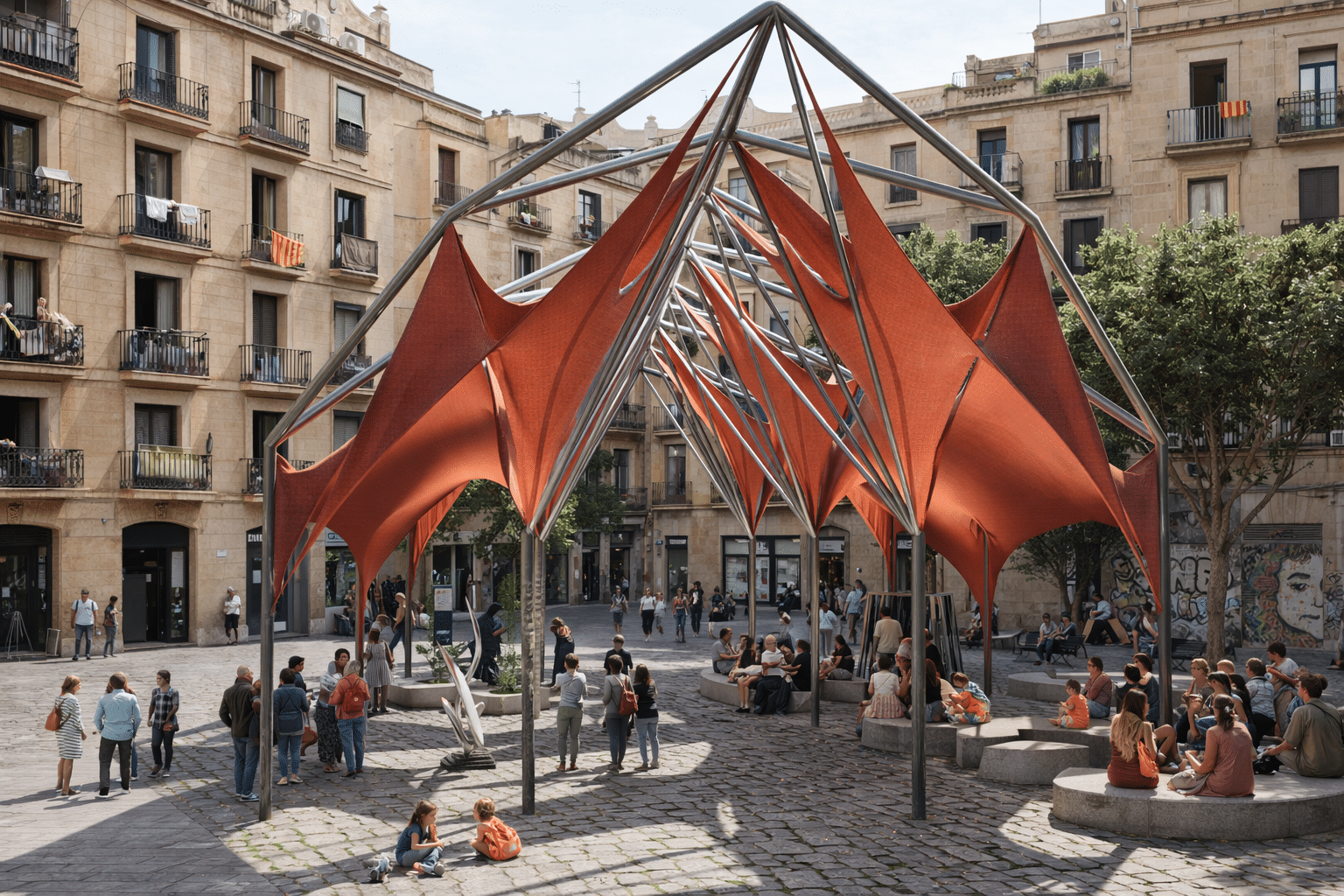
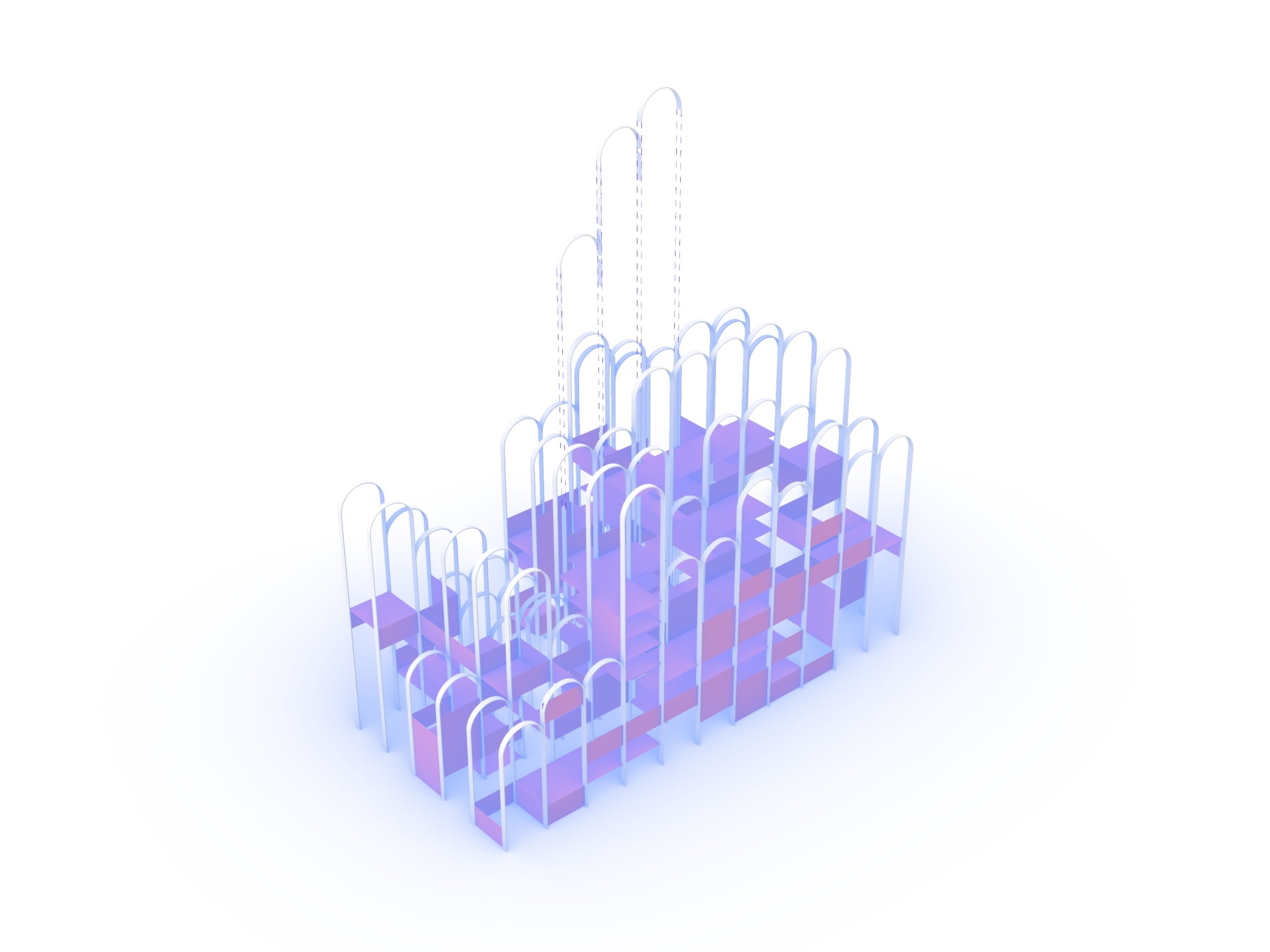
Concept Inspiration Creating a tensile pavilion structure based on Felix Candela‘s arch and aisle geometric logistics and diagrams. Iterative design approach based on ‘anchor points’ on a frame. Exploring scalable methodology for Kangaroo based computational design processes. ‘Iglesia de la Medalla Milagrosa‘ Felix Candela – photo by Lola Alvarez Bravo, 1954 Felix Candela Drawings and … Read more
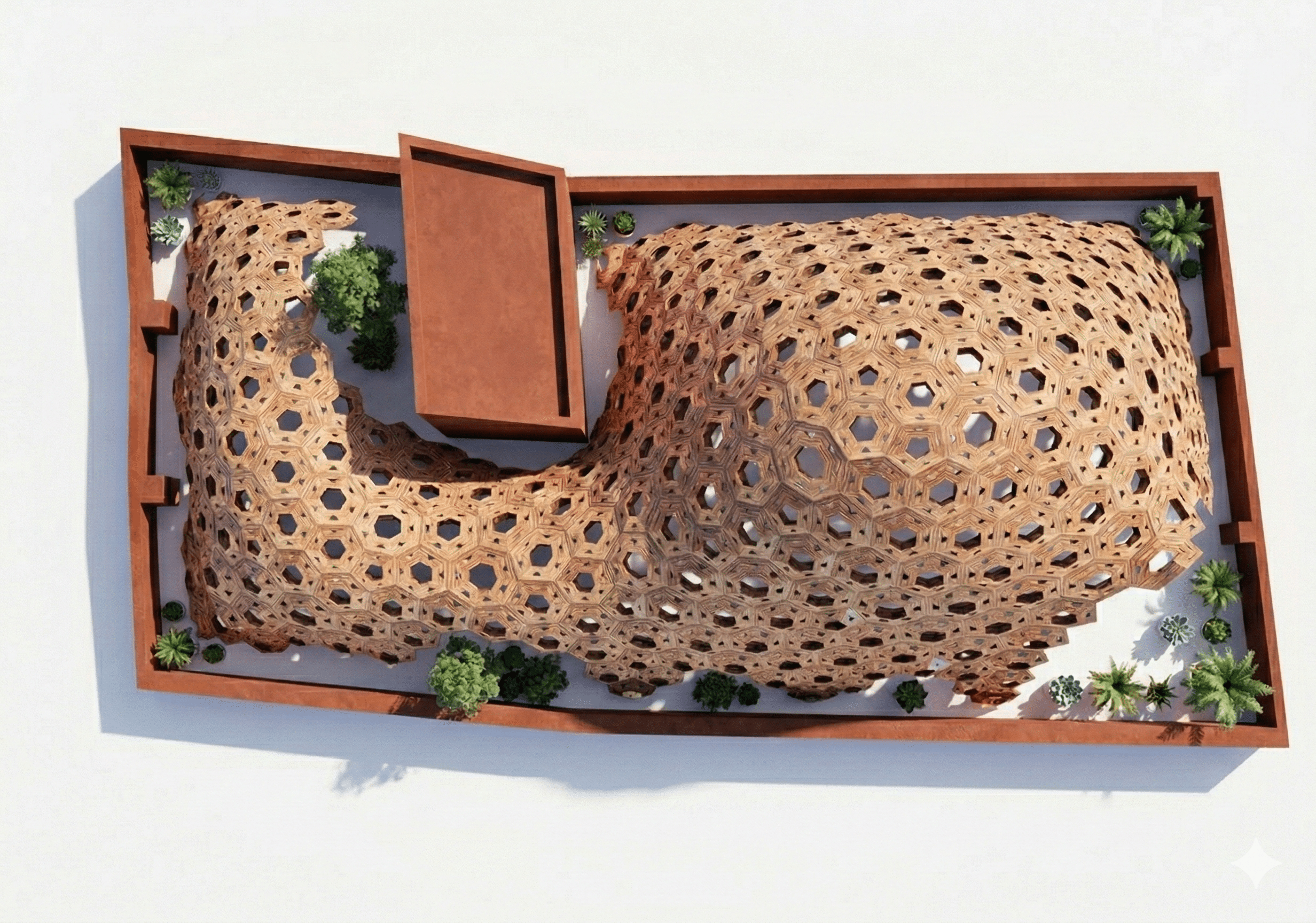
The Cellular Dune

Project Brief Forces of Nature explores how architectural form can emerge from the interaction of natural forces rather than being predefined. Using computational simulations, the project allows tension, gravity, and equilibrium to shape spatial structures. The installation translates invisible physical behaviors into visible design, creating a form that is discovered through force-driven processes and realized … Read more

The Harmonica

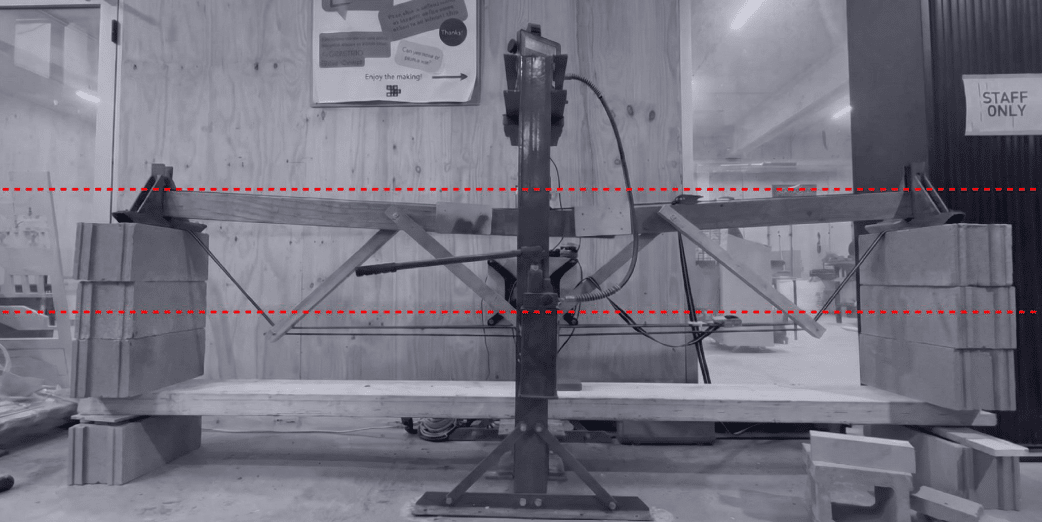
The project documents the iterative design and manual fabrication of a 3-meter span beam constructed exclusively from limited recycled wooden members. Iterations The beam was developed through a series of structural iterations evaluated using utilization ratio, deflection, bending moment, axial force, and shear force. With a fixed inventory of recycled wooden elements, optimization focused on … Read more

Tensegrate

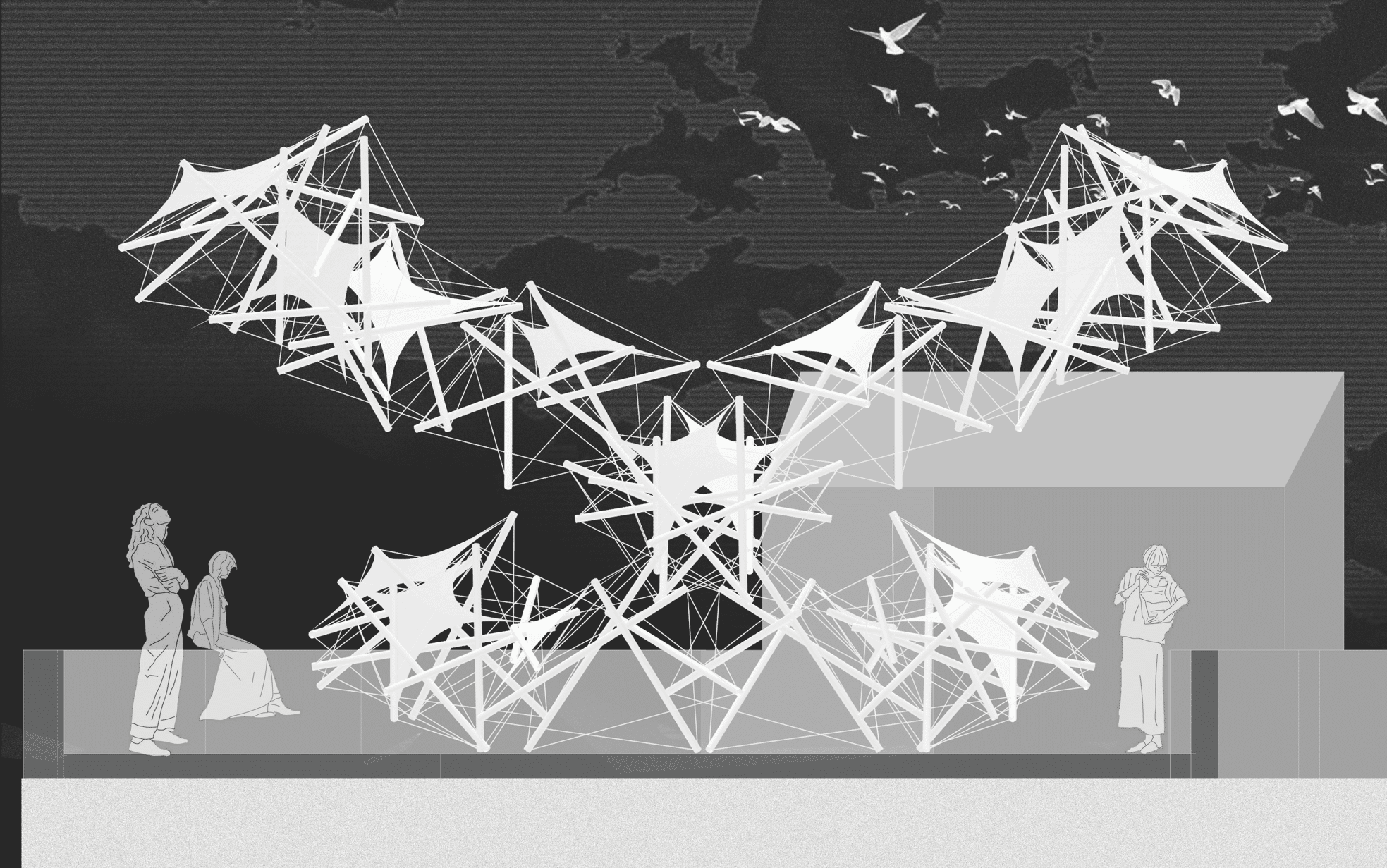
Computation Design Seminar-Term II The project envisions a dynamic tensile structure on a terrace, integrating tensegrity to create a lightweight yet structurally efficient space for public interaction. Designed as a multifunctional hub, the pavilion provides a space for relaxation, lunch breaks, social gatherings, and contemplation.  By leveraging computational design tools such as Kangaroo, we explore … Read more

KOMA

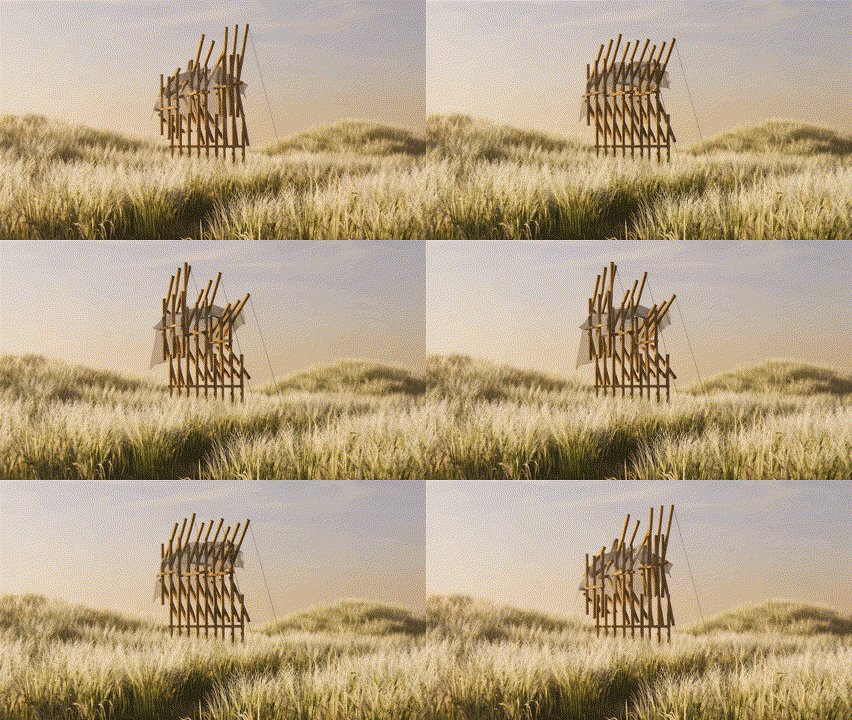
can robots and humans work hand in (hand) to create beautiful architecture? KOMA is a contemplative space, designed to be set in the landscape and allow for peaceful viewing, the form of KOMA is parametric and is able to sway with the wind through the use of tensile cables. The vertical timber elements were placed … Read more

JOIN(x)

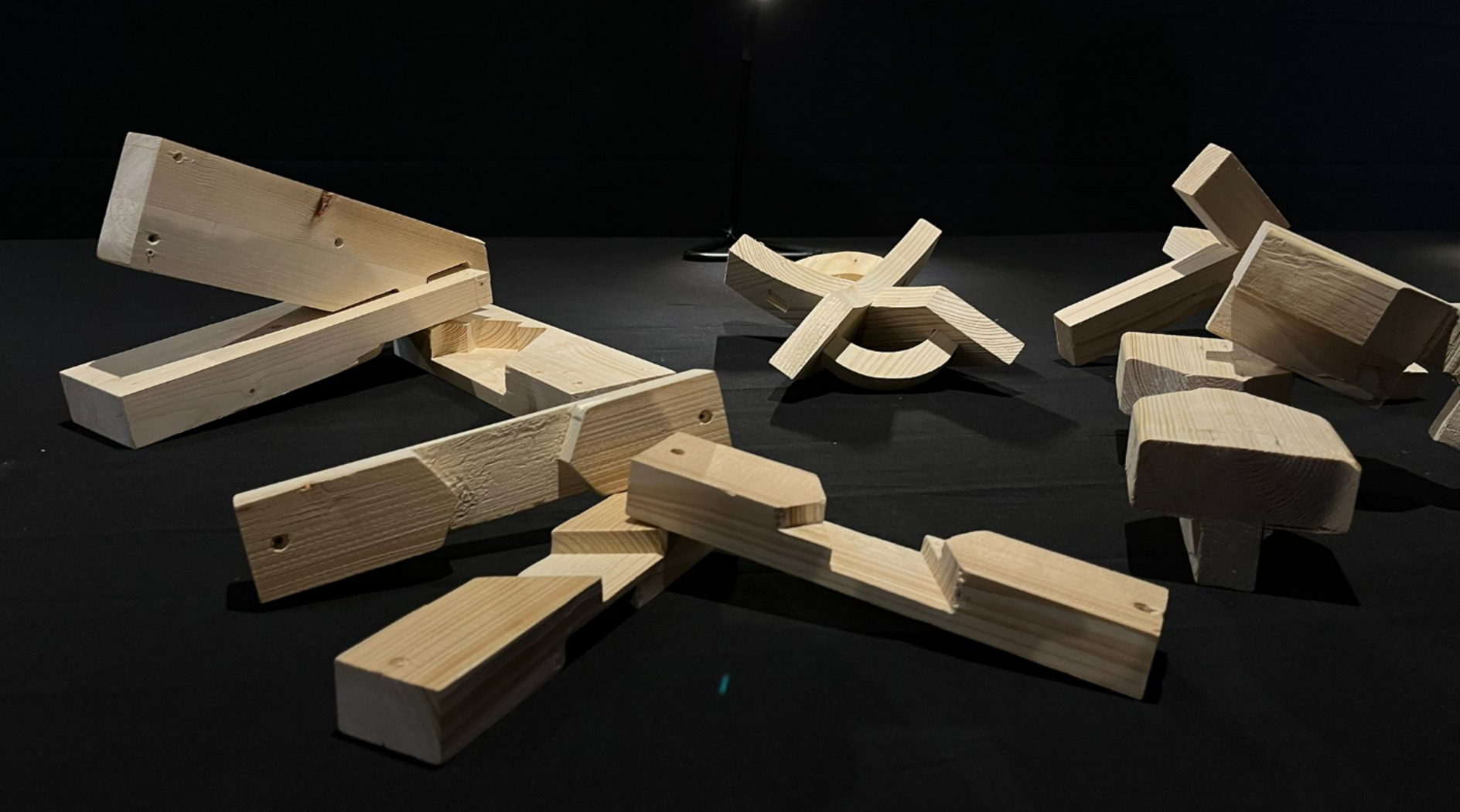
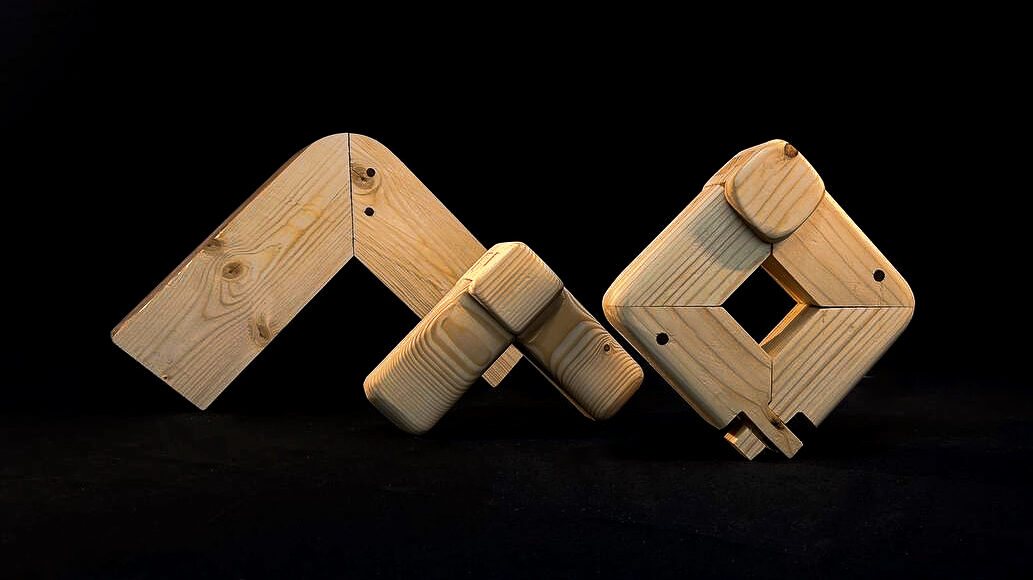
investigative research into creating a catalogue of joinery methods, varying in complexity and geometries. At the same time, integrating a new workflow of design to mill fabrication using new components such as D2P & TasMachine to create sophis`iticated digital models and manage complexity. precedence first day / manual studies on our first day, we picked … Read more

Zenithra

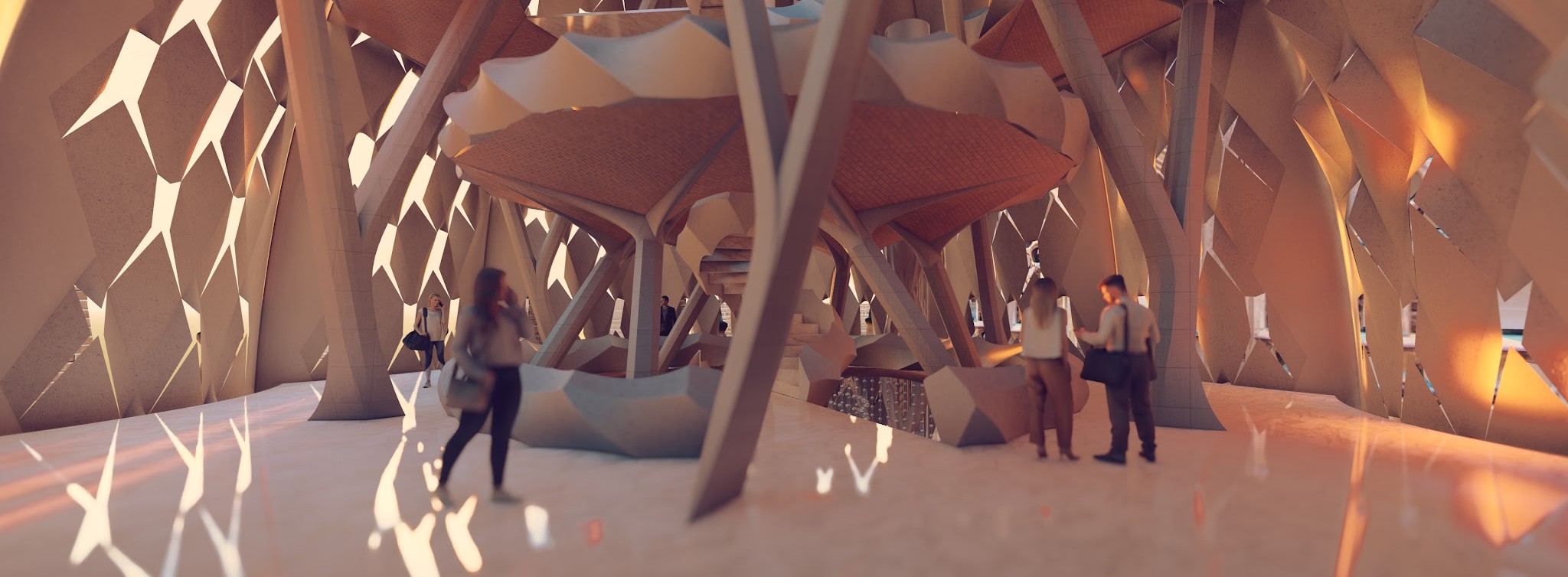
Concept The design concept for the Spiritual Retreat Center draws inspiration from Antoni Gaudí’s profound integration of nature in the Sagrada Família. Just as Gaudí translated organic forms into architectural elements, we aim to go beyond mere inspiration by incorporating natural elements—sunlight filtering through dynamic openings, water features that enhance tranquility, lush indoor gardens fostering … Read more

ChromaEnergon

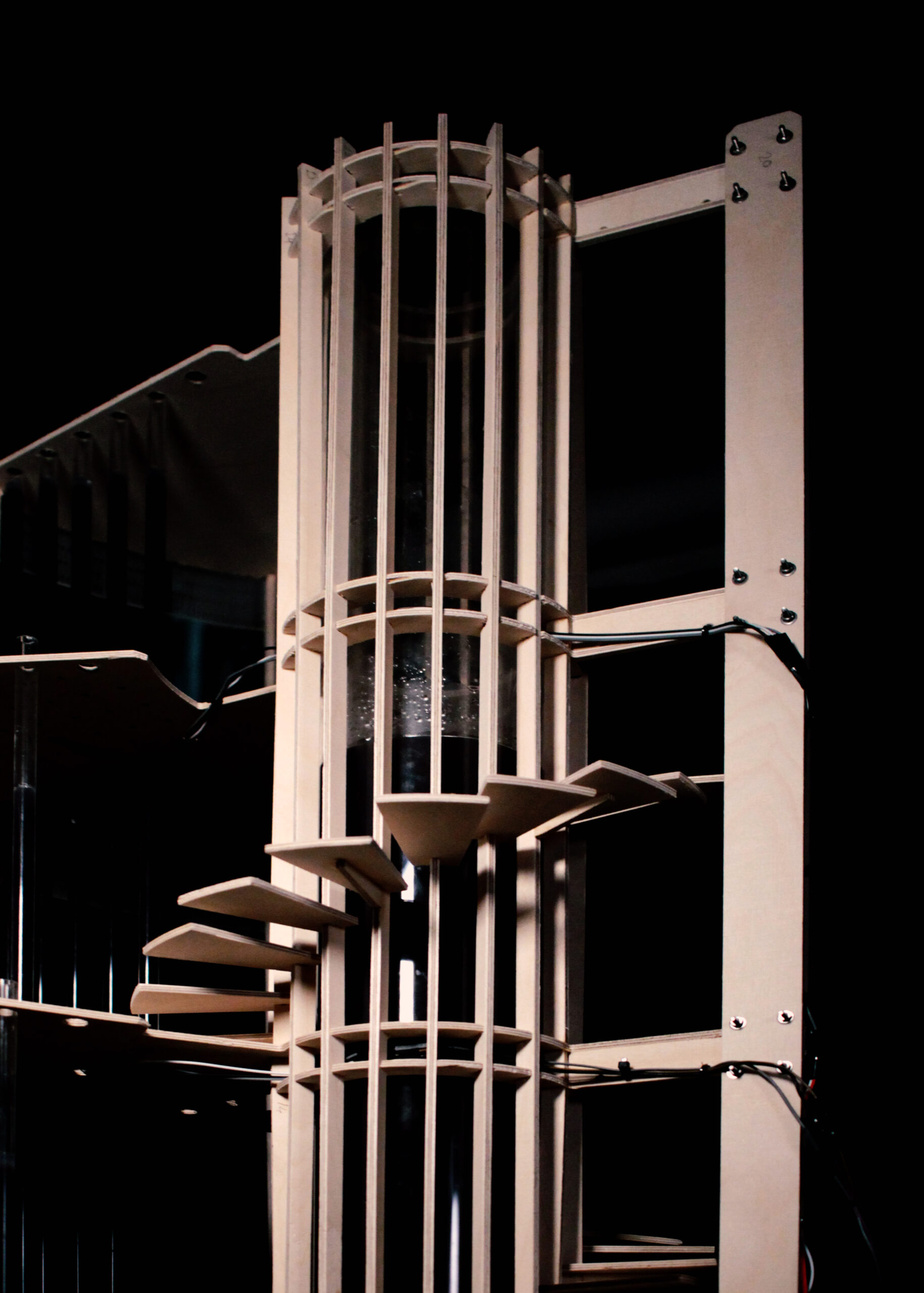
Energy Phenomena In the machine room model, Convection serves as the primary mechanism for transferring heat from the hot plate to the tubes containing thermochromic fluids. This convective process affects the temperature of the thermochromic liquid within the tubes, which in turn changes the chroma i.e, color intensity of the room, thereby influencing the circadian … Read more

Assembled Architecture

GROUP 2 ASSEMBLAGE 1 – Components design Component A Component B Component C 2 – Custom assemblage method Component A Component B Component C 3 – Custom evaluation criteria 4 – Building the dataset Component A Component B Component C Assemblage comparison Component A Component B Component C 5 – Assemblage selection 6 – Architectural … Read more

CORK.CATENATION

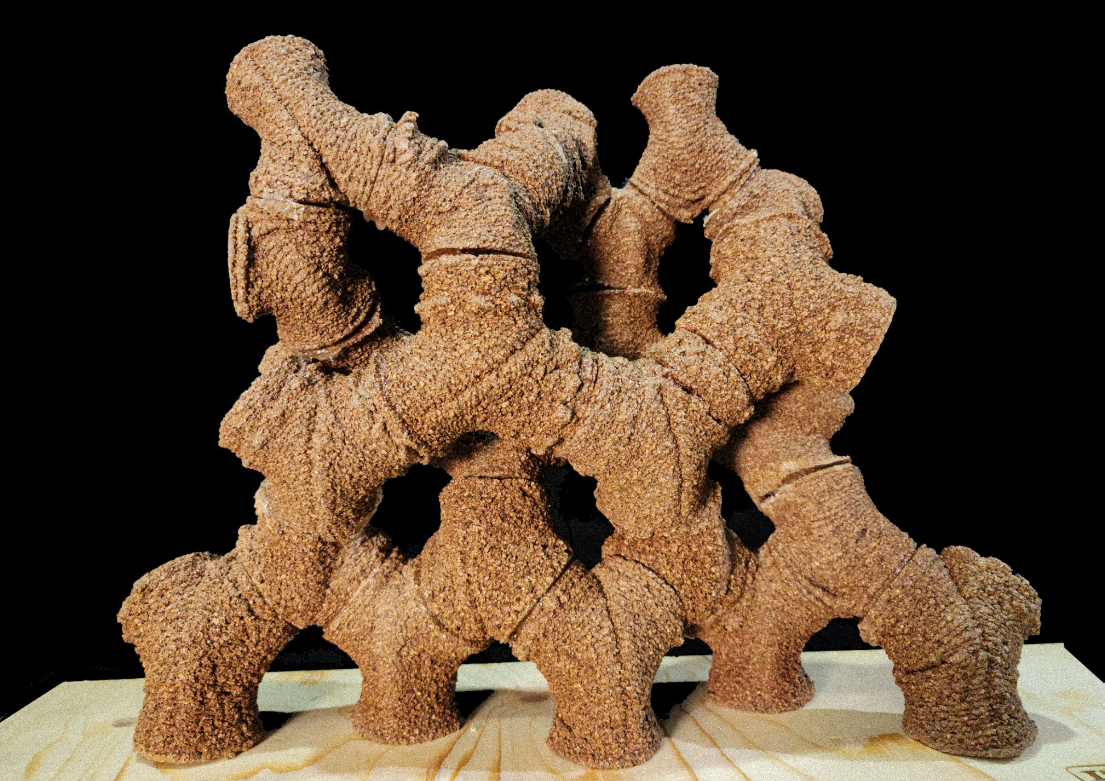
Non planar 3D printing cork based biomaterial CORK.CATENATION employs the novel methodology of non-planar 3d printing using Cork as the bio-material. The final outcome is a connection of interconnected lattice structures- broken down into modules that can be assembled to form a building skin that can morph according to the surface topology and solar radiation results.

CELL DIVISION

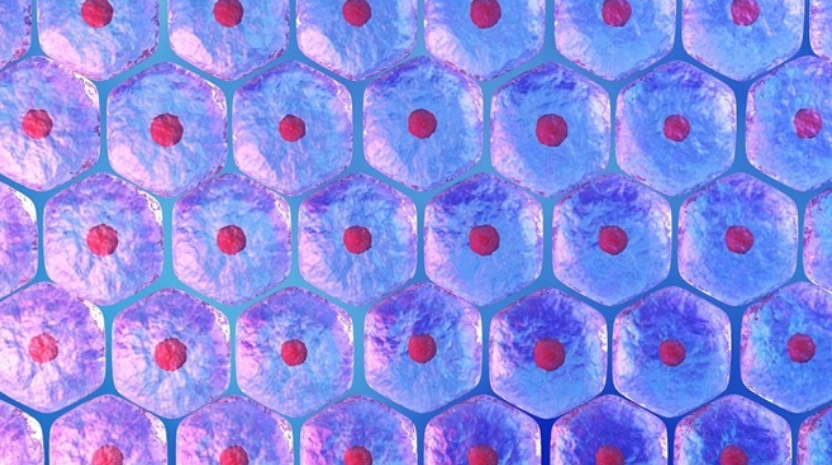
Pluripotent (‘capable of multiple tasks‘) stem cells are cells that can divide indefinitely.  These cell layers are the fundamental tissues that give rise to all the different types of cells and tissues found in the adult organism.  Given this property, stem cells are potentially able to recreate any tissue or organ found in the body.  … Read more

The Rooftop Playground

A Place to enjoy the sun, play, hide and chill The Rooftop Playground proposes, as the name suggests, a leisure (playground) space on the given rooftop of IAAC building. This attempt is derived from the current lack of character, the needs in alternating qualities of spaces (privacy, light, etc.), as well as the need of … Read more

Slime Molds Simulation

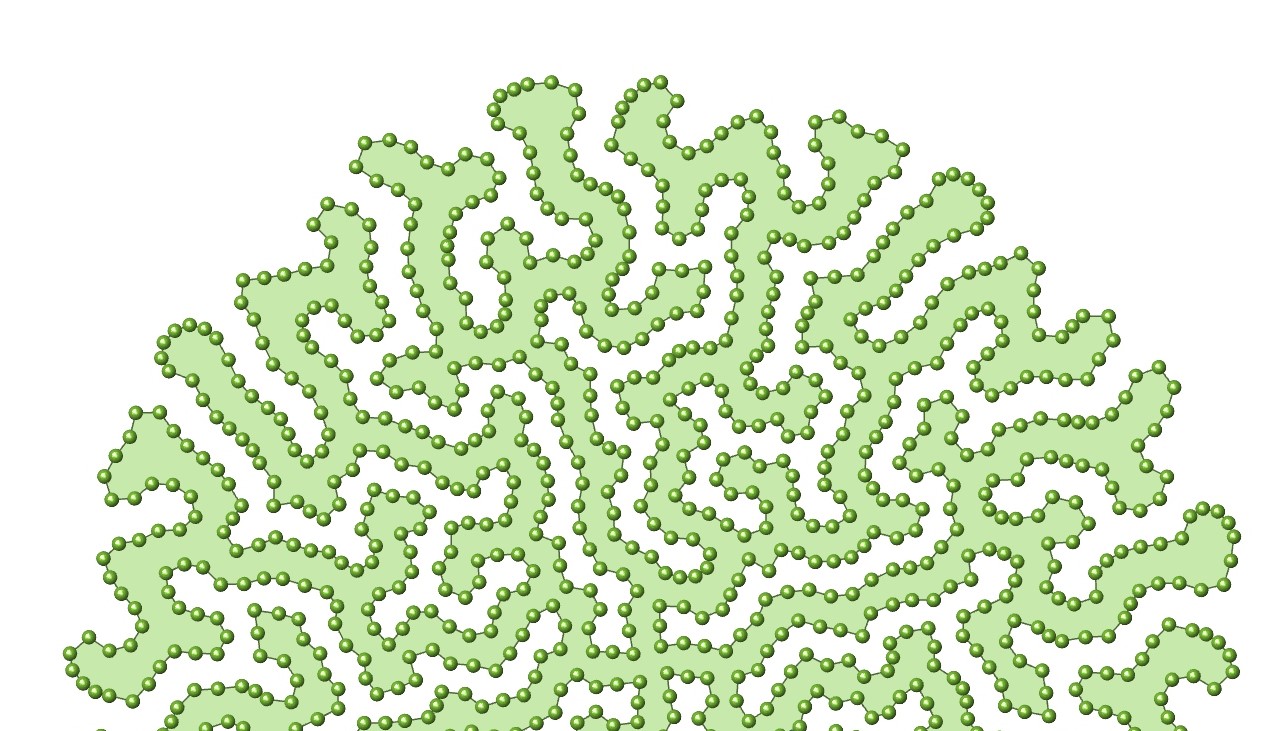
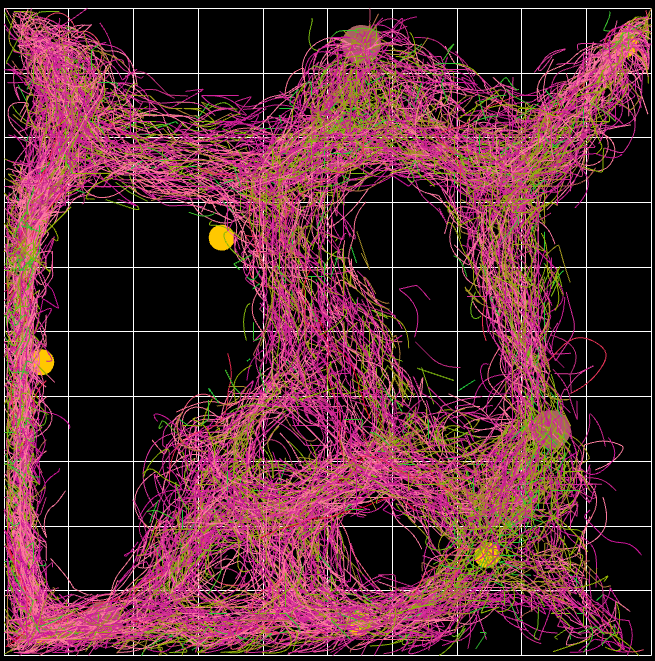
Natural Behavior This exercise focuses on exploring and understanding the behavior of Physarum polycephalum, a slime mold organism, through digital simulations. Different configurations and parameters will be investigated to observe how they affect the movement, reproduction, and growth of this organism. The goal is to gain a deeper understanding of the interactions of Physarum polycephalum … Read more

DRIVING TOWARDS SUSTAINABILITY

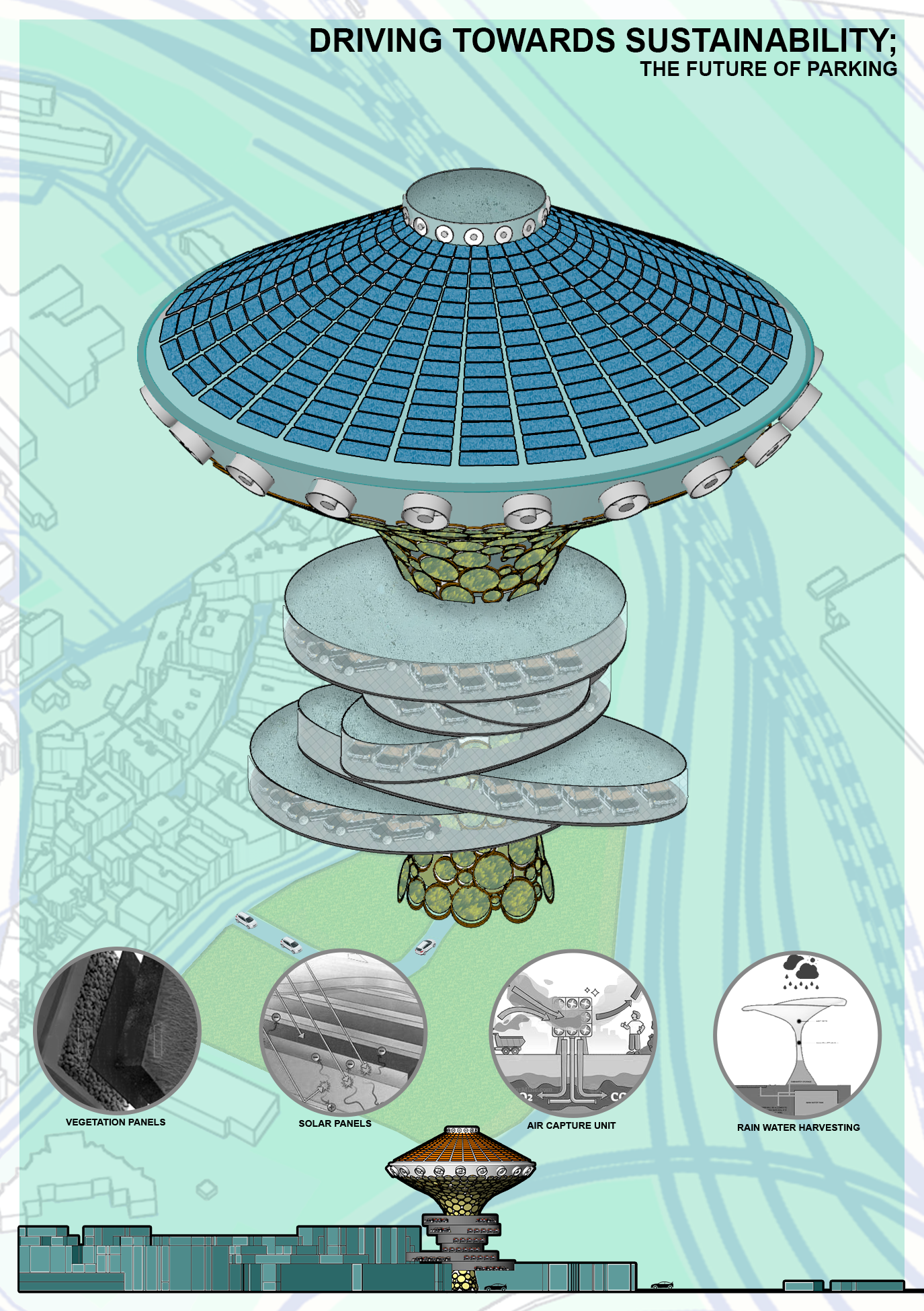
THE FUTURE OF PARKING In this one-term seminar of Decarbonise built environment the main goal was to develop carbon-capturing strategies and study how can we shift to renewable energies. In this particular project, Barcelona city was taken as a built environment, and based on that we developed urban planning strategies and parking design strategies. COSMOGRAM … Read more