Within the current global context of rapid change, integrated with the potentials of digital technologies, IAAC’s Master in Advanced Architecture (MAA) is committed to the generation of new ideas and applications for Urban Design, Self Sufficiency, Digital Manufacturing Techniques and Advanced Interaction.

In this context IAAC works with a multidisciplinary approach, facing the challenges posed by our environment and the future development of cities, architecture and buildings, through a virtuous combination of technology, biology, computational design, digital and robotic fabrication, pushing innovation beyond the boundaries of a more traditional architectural approach.

Filters
Course

Fabricated Motion

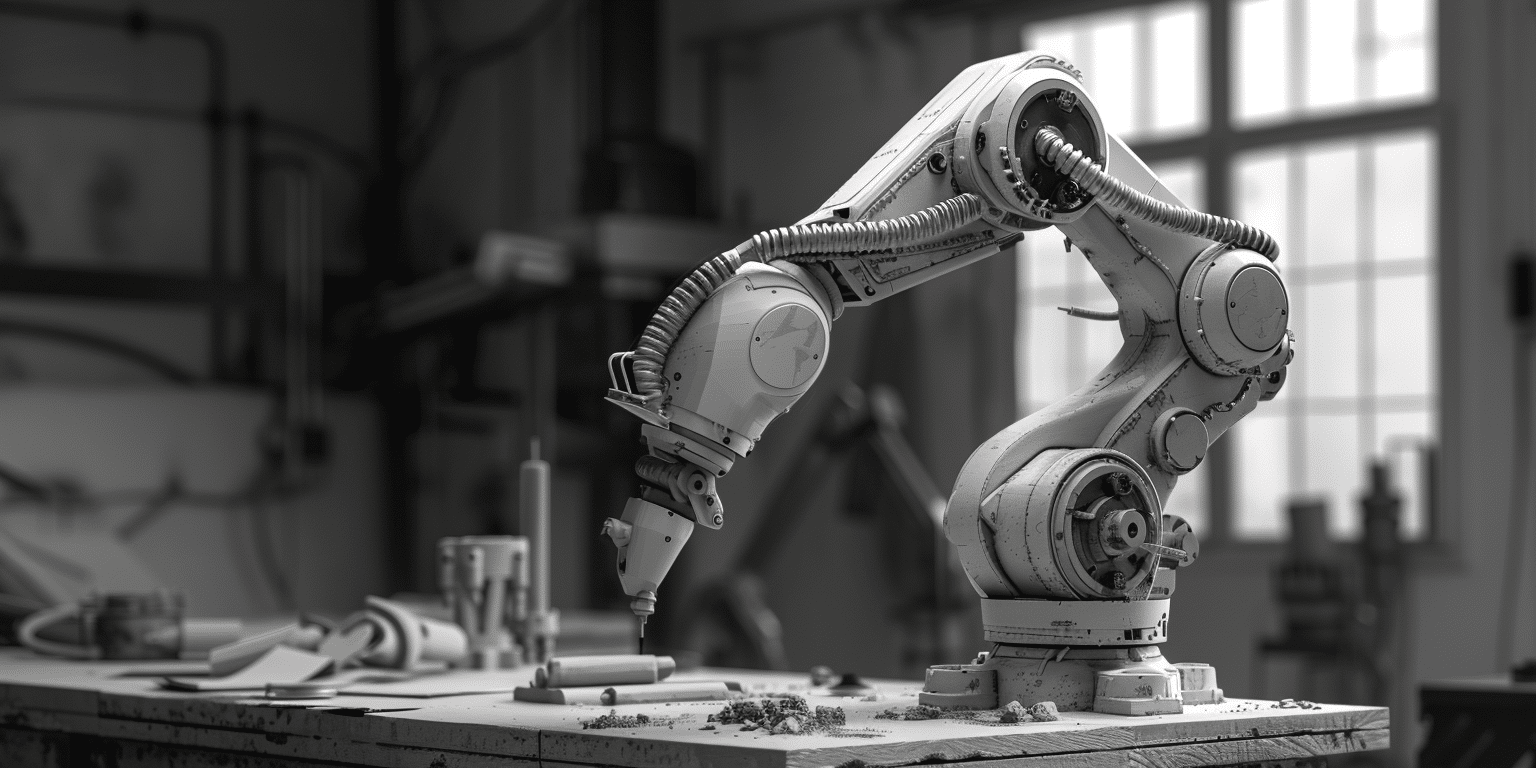
Introduction to Digital Fabrication In contemporary architectural practice, digital fabrication has opened new possibilities for designing and producing building components with precision, efficiency, and expressive complexity. Among the most widely used methods—laser cutting, CNC milling, 3D printing, and robotic fabrication, each offers unique material, geometric, and performative potentials. For this assignment, we explore these techniques … Read more

The Digital Fabrication Collection

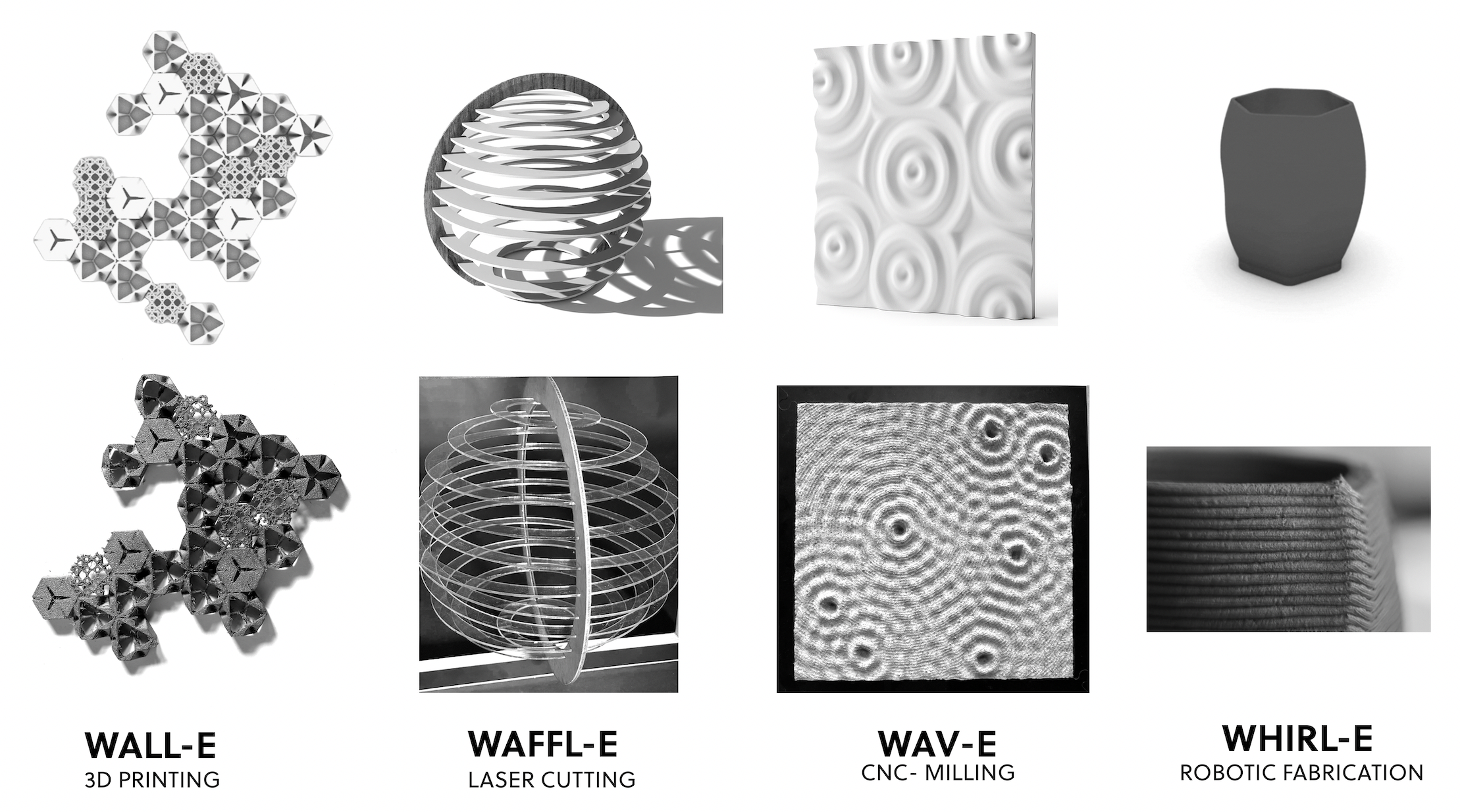
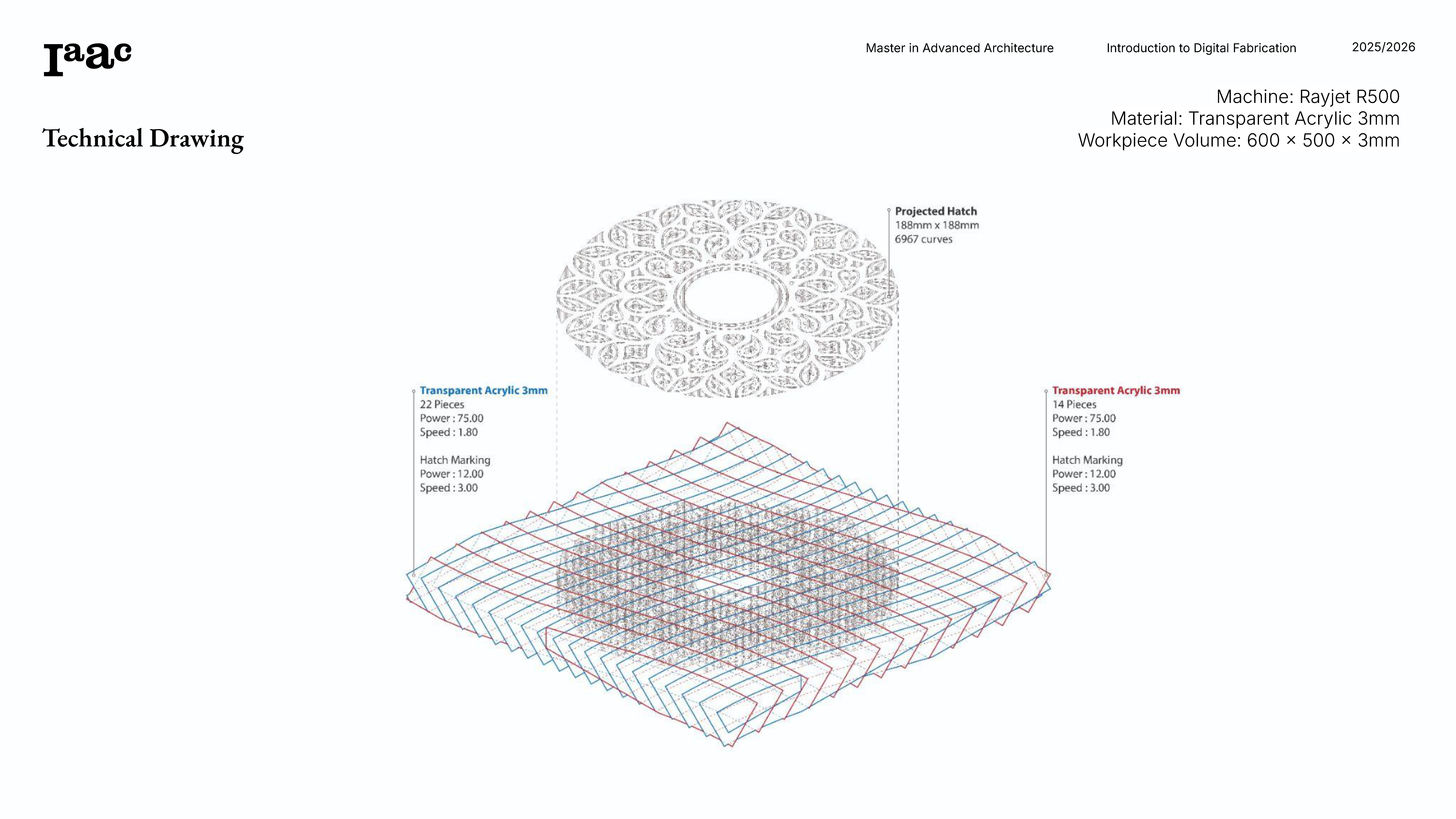
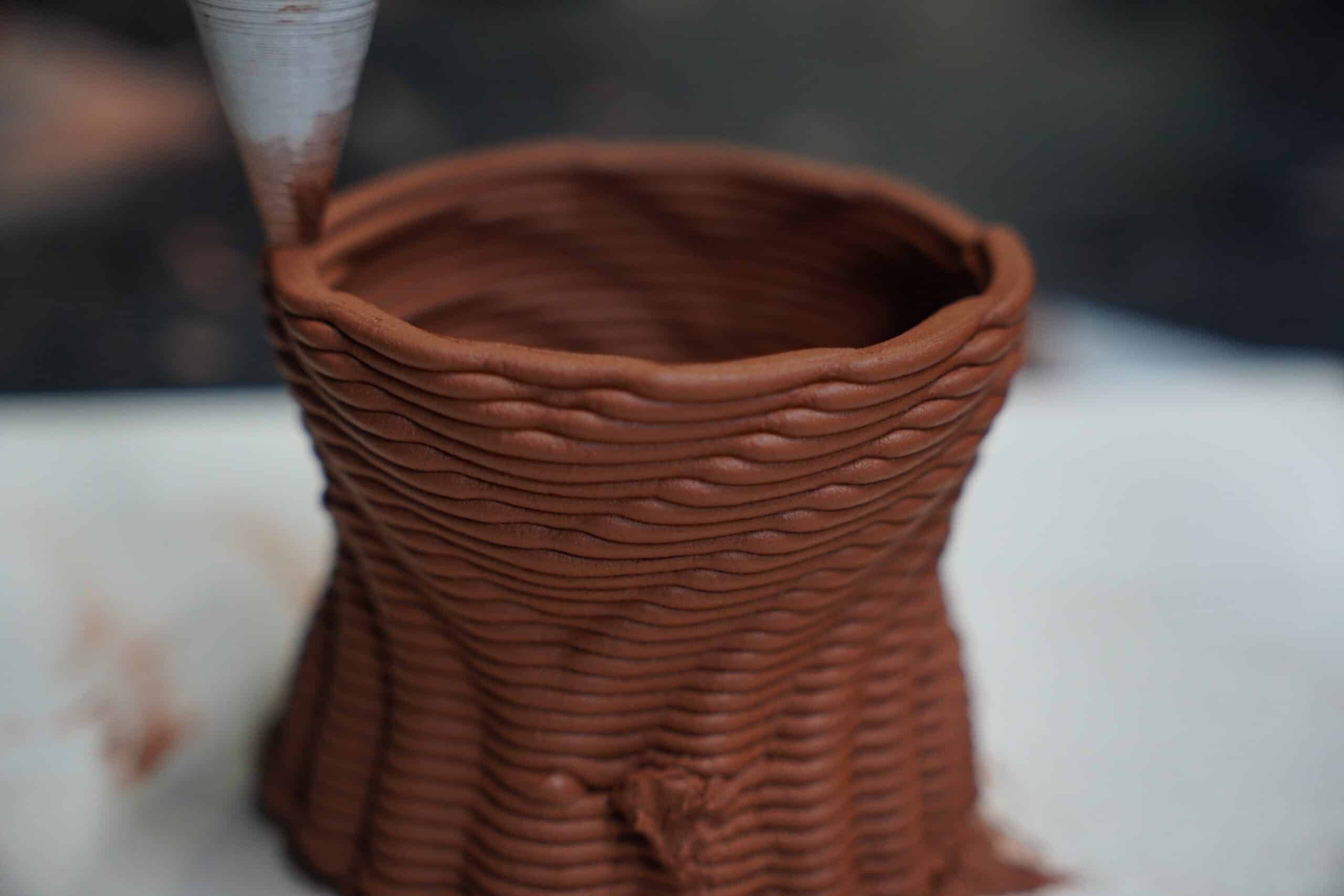
The Digital Fabrication Collection showcases four prototypes developed through distinct making techniques. Each project explores how form, material, and geometry respond to CNC milling, laser cutting, 3D printing, and robotic fabrication, highlighting the diverse possibilities of digitally driven design. Light Lattice The Light Lattice project explores how laser cutting can translate digital geometry into tangible … Read more

FACADE PROTOTYPING

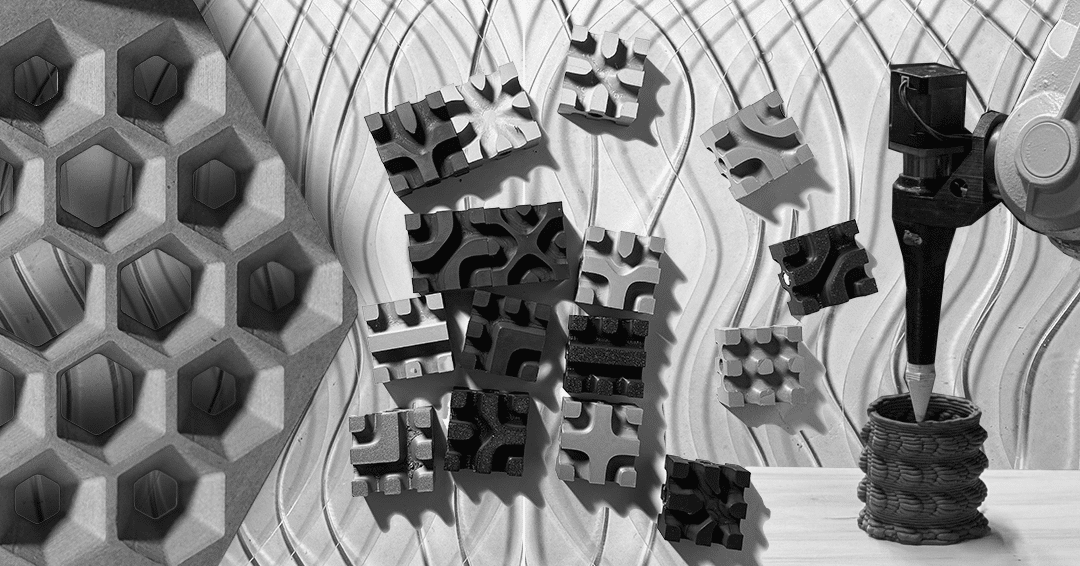
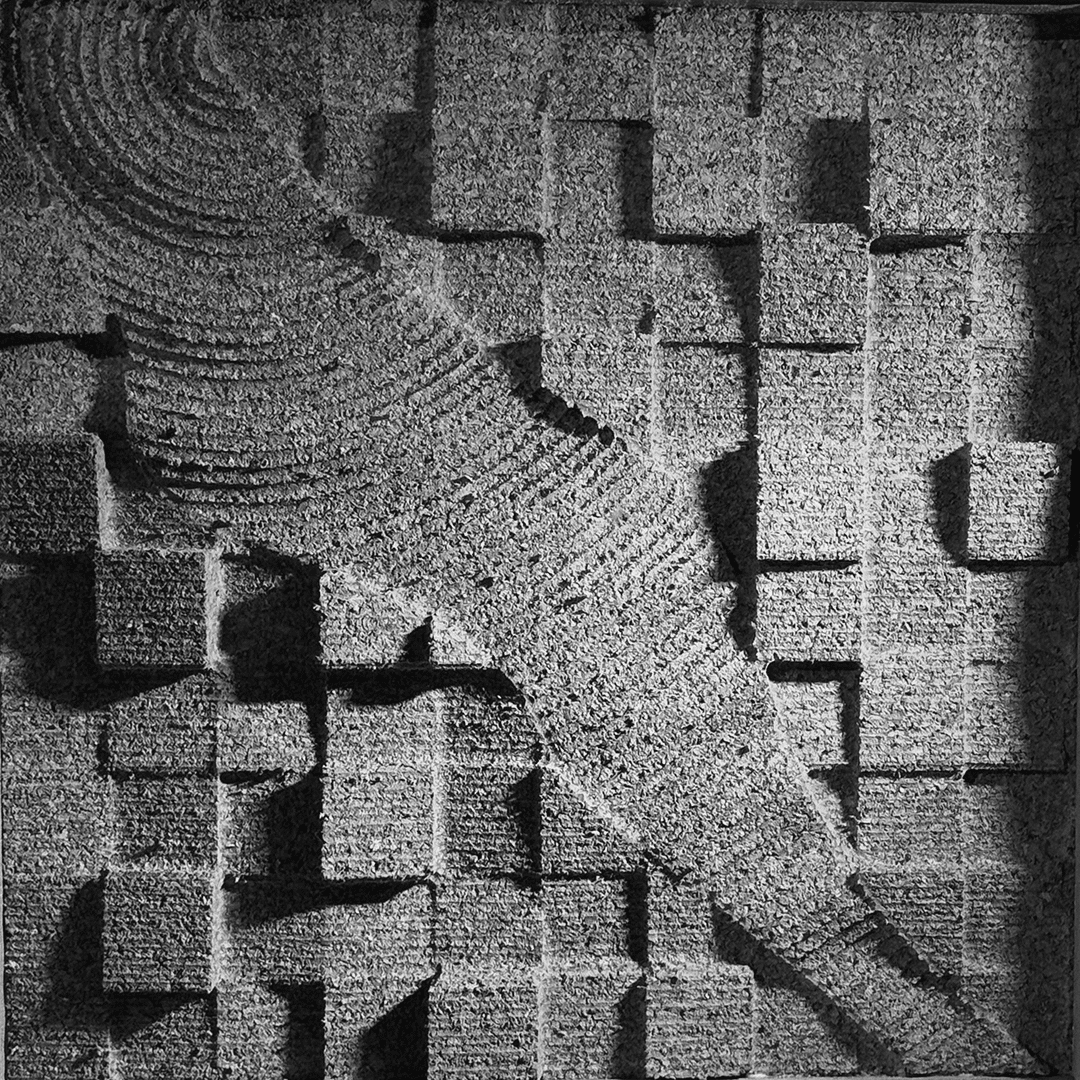
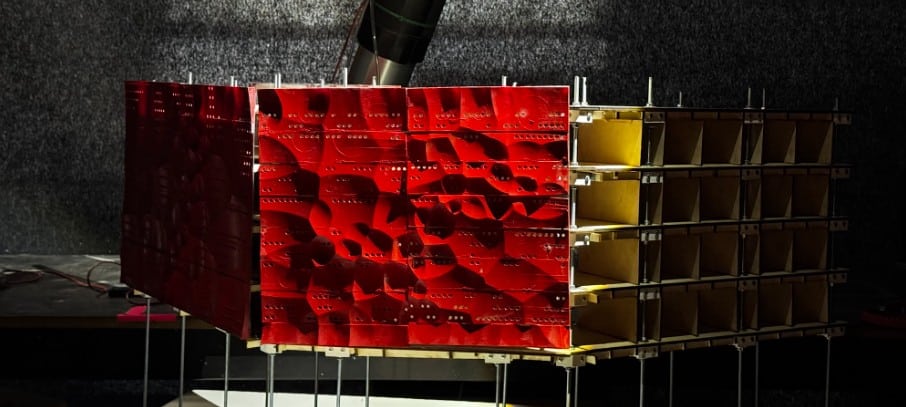
Vertical elements shape how we experience architecture-defining boundaries, filtering light, and giving character to both interiors and facades. In this exercise, we explored their potential through hands-on digital fabrication, rotating between 3D printing, laser cutting, CNC milling, and robotic manufacturing. Working within a fixed wooden framework, each technique challenged us to rethink material behavior, structural … Read more

TriAxial Dynamics

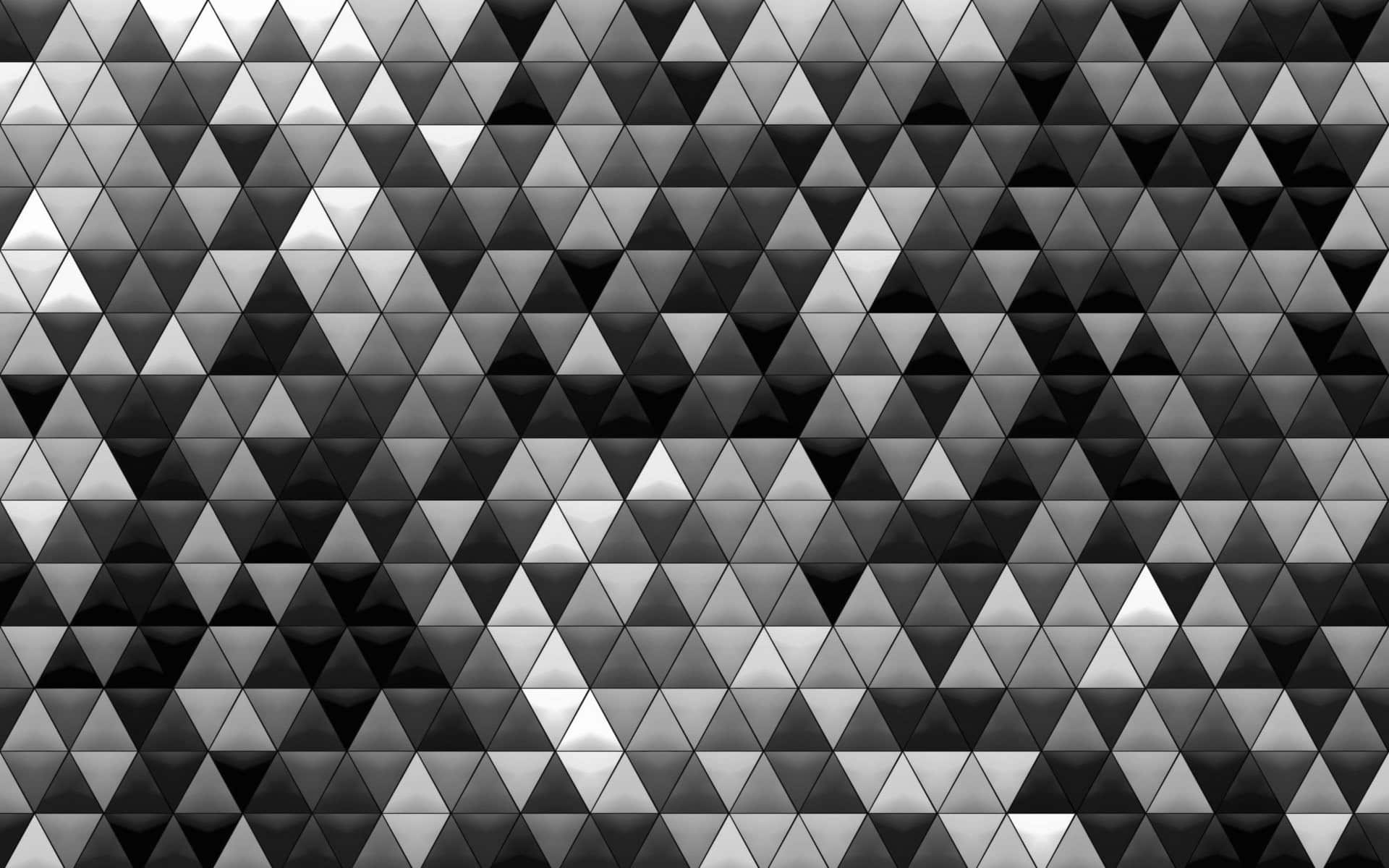
3D Printing | Kinetic Facade | CONCEPT | The project draws its primary inspiration from the dynamic, sun-responsive mashrabiya system of the Al Bahr Towers in Abu Dhabi. What captivated me was the sharp visual contrast between conventional, static façade geometries often rectilinear or triangulated and the refined kinetic intelligence embedded in these triangular adaptive … Read more

HYGROHOUSE

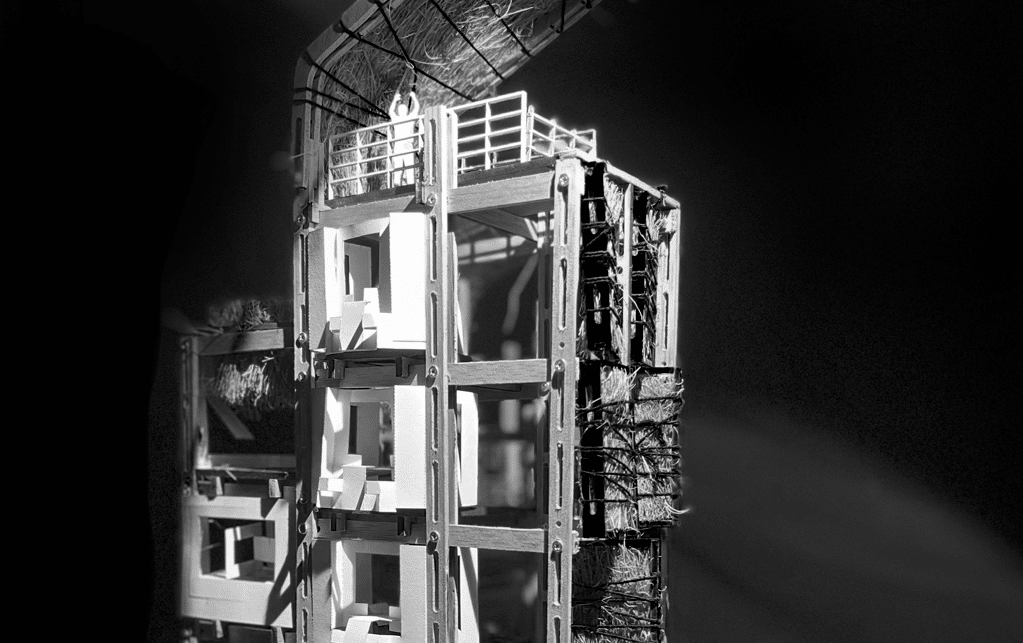
Self Sufficient Buildings The project investigates esparto grass as a natural humidity moderator within urban student housing. By analyzing its hygroscopic response and recording relative humidity variations, a passive air filtration system is developed. Anchored in a double landscape strategy, the design links material cultivation, extraction, and environmental performance across urban and ecological contexts. Carrer de … Read more

KINXA | The future built with tradition

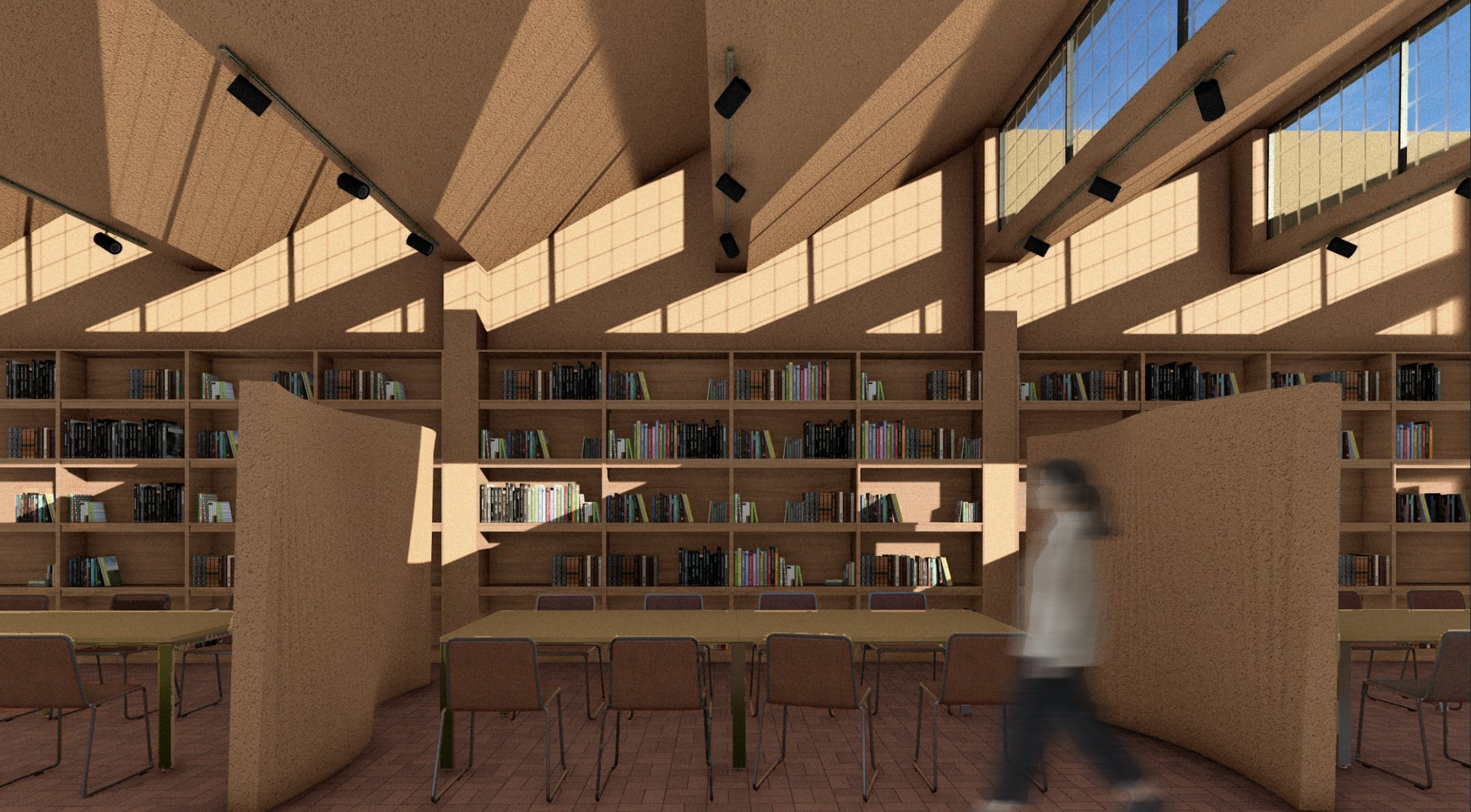
Vernacular architecture has steadily lost relevance in contemporary practice. Industrialized construction methods, aesthetic shifts, and the pursuit of perceived reliability in materials like concrete and steel have overshadowed traditional techniques. However, these modern materials often come at a high environmental cost. Among the overlooked methods is quincha, a construction technique common in Latin America. It … Read more

The Gaudi Atelier

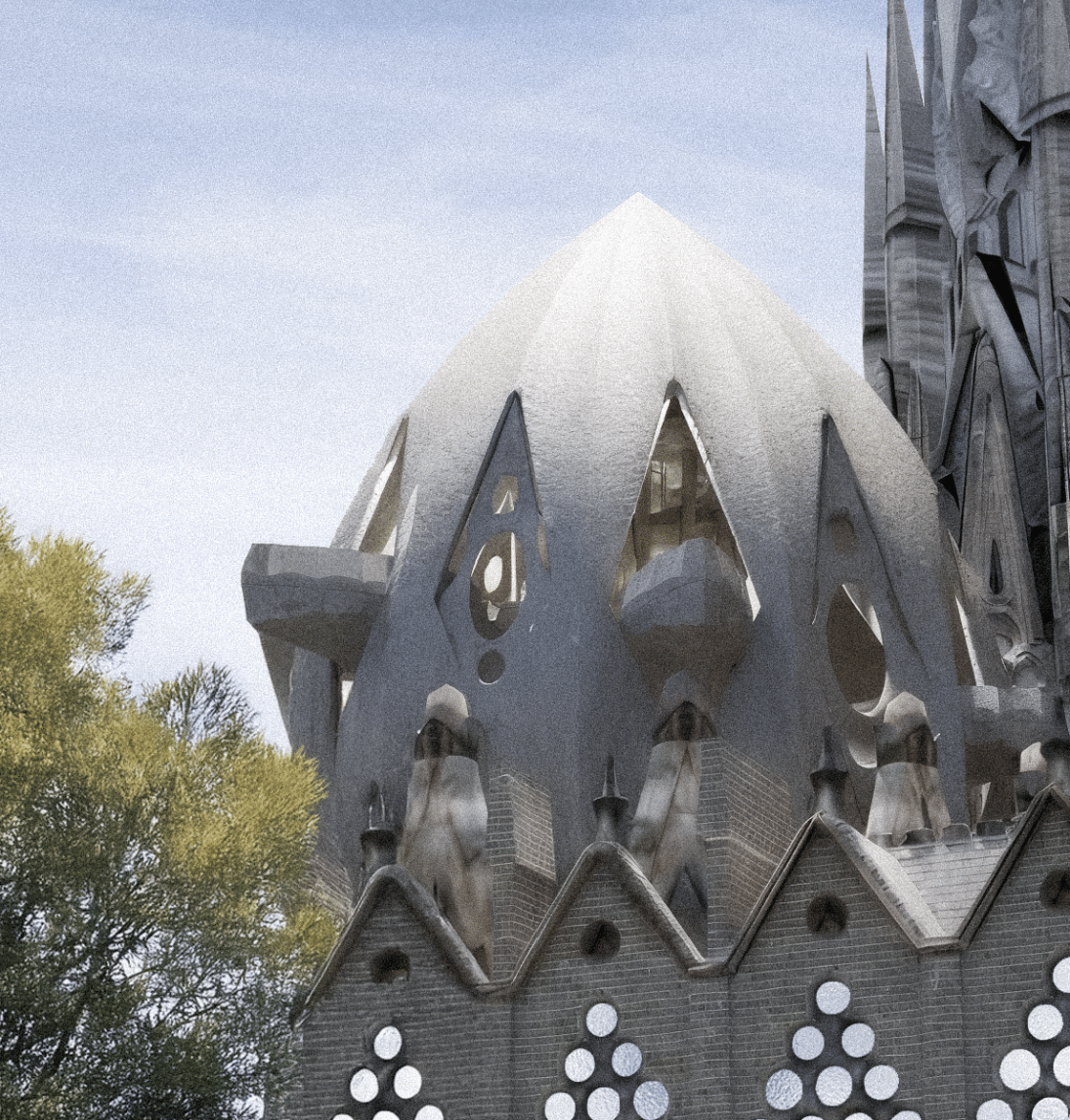
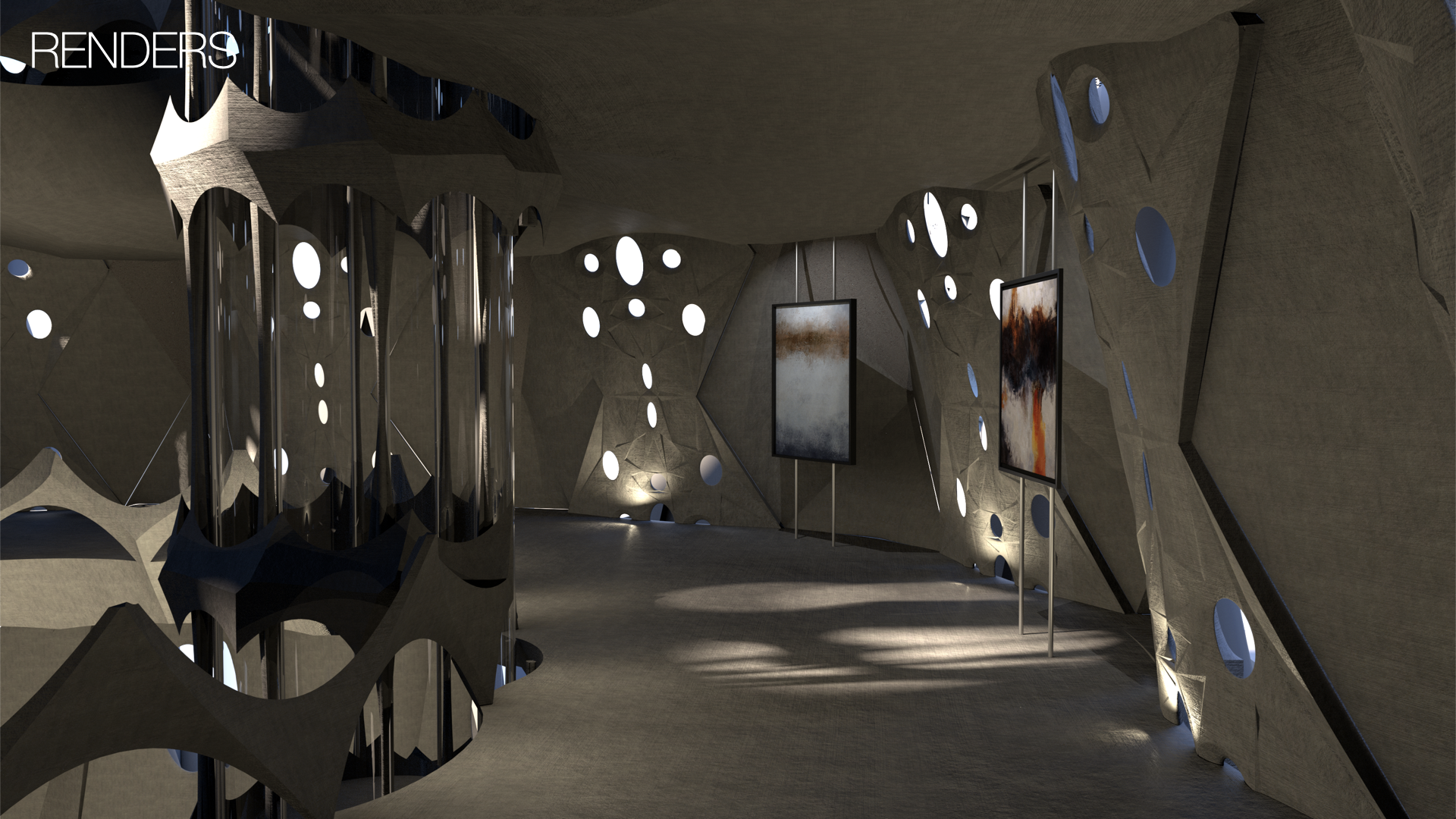
During our first visit to the Sagrada Família, we came to understand how and why it represents the culmination of Gaudí’s work—through the meaning imbued in every element, the intricate geometries, and the profound intentions he conveys to the public. The project draws inspiration from Gaudí’s architectural language, incorporating the dynamic flow of hyperbolic spiral … Read more

DIGITAL WOODCRAFT

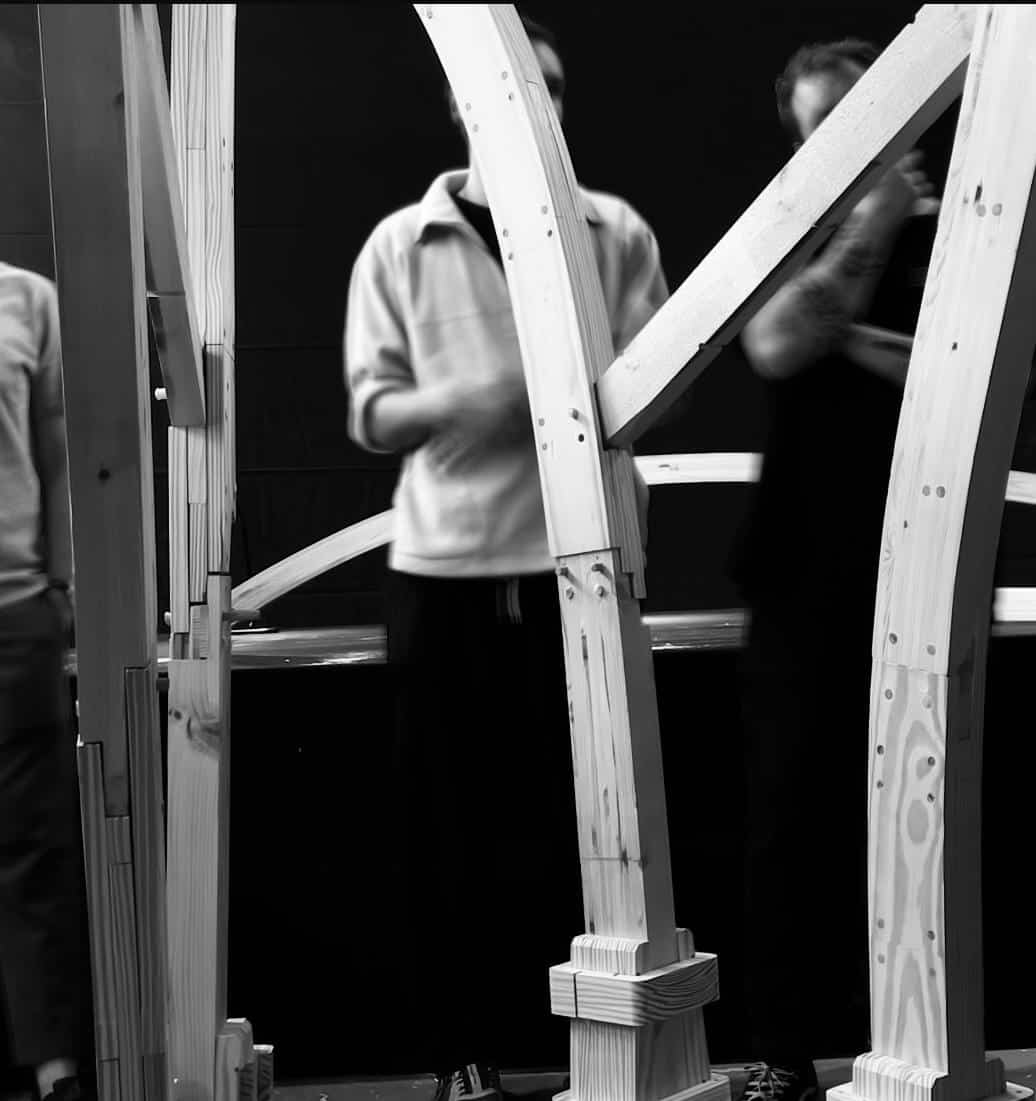
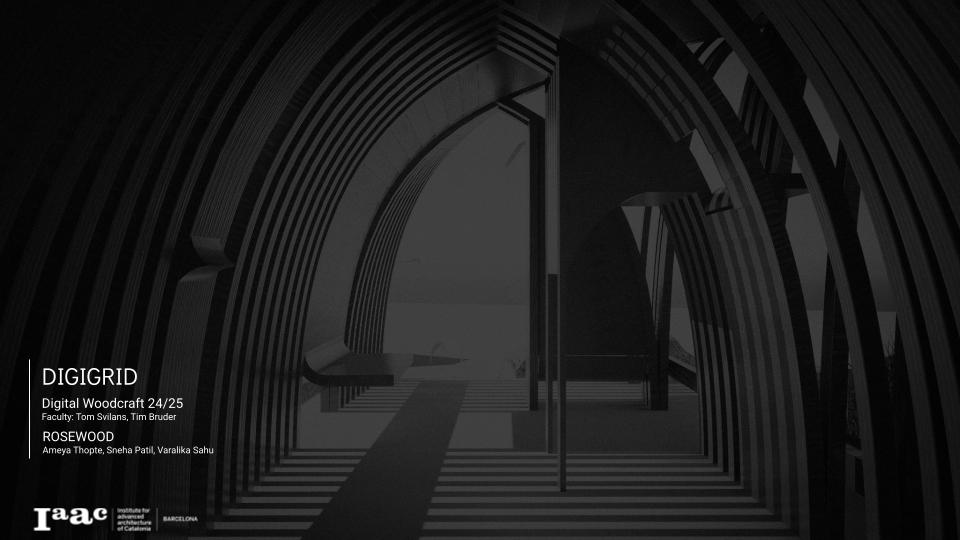
After spending some time learning about timber joinery last term, this term was all about implementing these logics onto a larger and more complex system: a small chunk of a bird observatory. We designed and made all of the beams that comprised the chunk, which were all unique to one another. Some were straight, others … Read more

CONVEA

USING CORK AS A DELINEATOR OF INTERNAL CLIMATIC PROGRAMS a. initial machine phenomena studies b. first iteration of phenomena recreated c. second iteration of phenomena model on column site d. photographs of second iteration

SecondMatter

SecondMatter challenges architecture’s extractive processes and wasteful material cycles by upcycling Construction Demolition Renovation Waste (CDRW) into structural and non-structural applications. It blends ramming, which compacts granular materials into high-strength forms, with jamming-inspired interlocking of irregular aggregates. Large concrete waste pieces form a reinforced core, wrapped in a rammed mix of fine brick and concrete … Read more

Thermocrest – Heat as a spatial design tool

This Project explores how reflective, vernacular materials—such as ceramics—can be utilized in construction to manage infrared radiation and influence microclimates. By reflecting rather than absorbing heat, these materials contribute to passive cooling, reducing urban heat island effects and enhancing thermal comfort. We analyze the physical properties of ceramics, their historical applications in traditional architecture, and … Read more

Tensegrate

Computation Design Seminar-Term II The project envisions a dynamic tensile structure on a terrace, integrating tensegrity to create a lightweight yet structurally efficient space for public interaction. Designed as a multifunctional hub, the pavilion provides a space for relaxation, lunch breaks, social gatherings, and contemplation.  By leveraging computational design tools such as Kangaroo, we explore … Read more