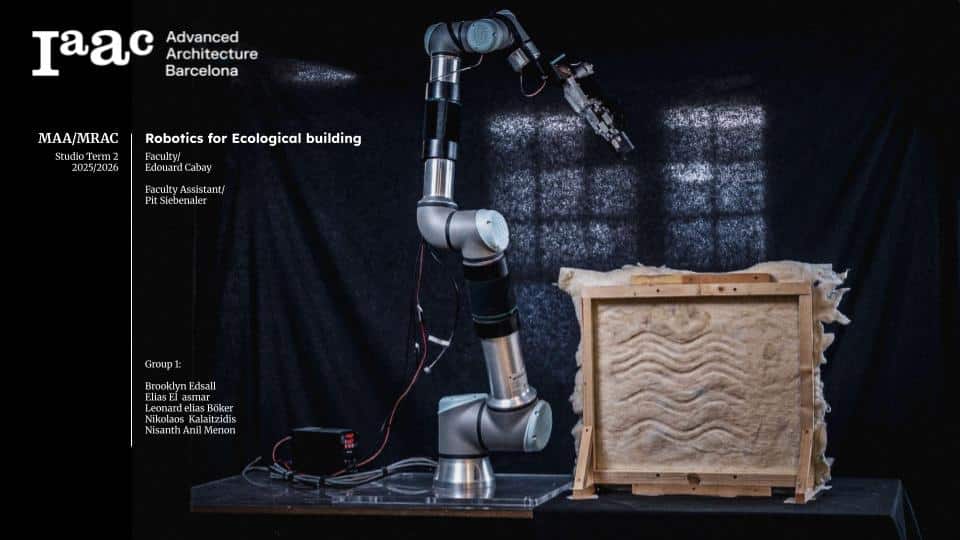
The MAA is a visionary master program with an innovative and open structure, mixing diverse disciplines, shaping professionals capable of producing theoretical & practical solutions towards responsive cities, architecture & technology.
GEOMETRÍA DE ONDULACIÓN
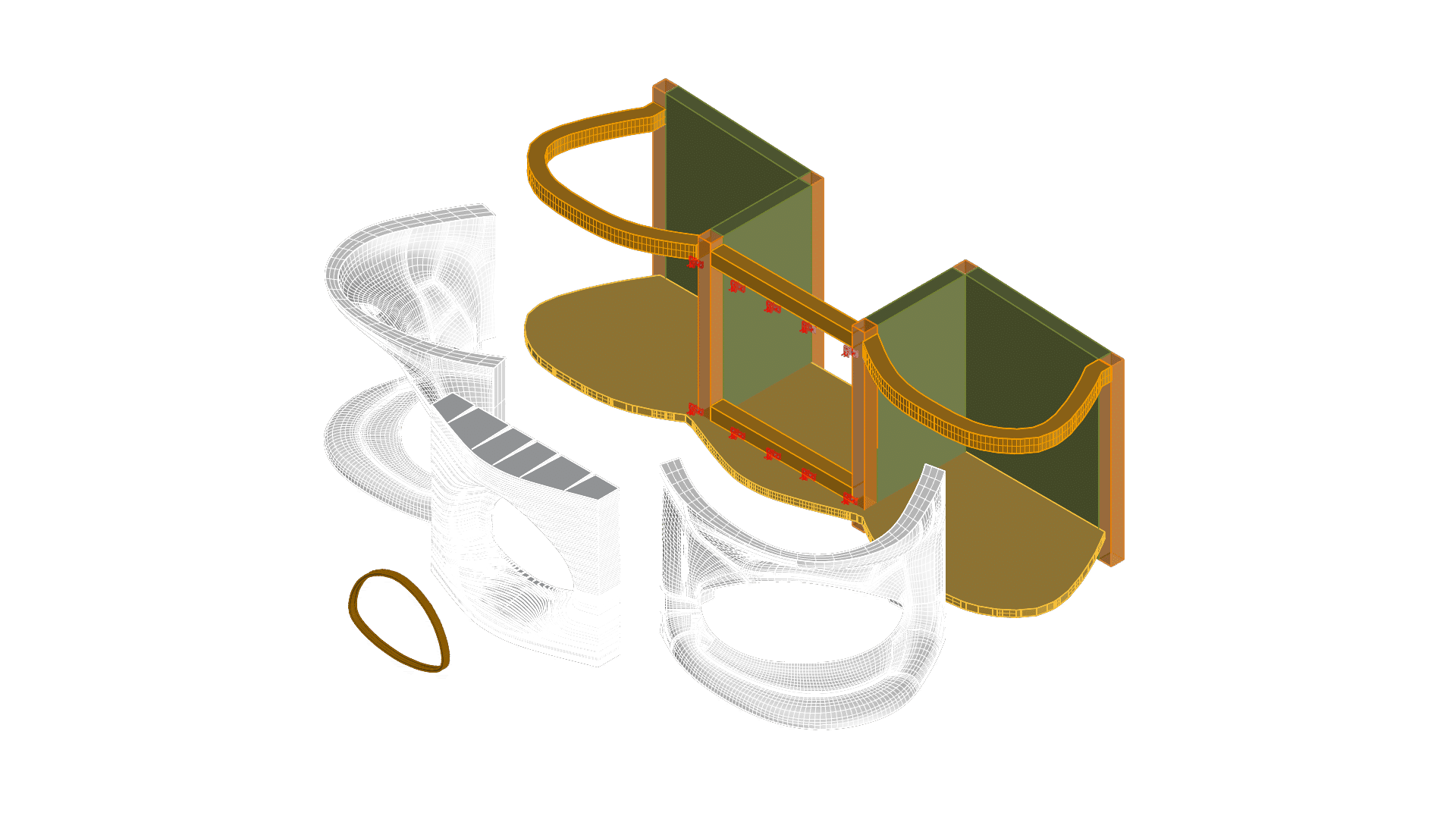
ESTADO DEL ARTE Inspired by the movement of water and the ripples created by raindrops, our design replicates these natural patterns in its structure. The goal was to create a smooth, continuous surface where elements flow into each other without visible connections, reflecting the fluidity and harmony found in nature. DESIGN EXPLANATION FABRICATION METHODOLOGY ASSEMBLY … Read more
FLOW FORM
CONCEPT Double-Skin Façade STRATEGY TO CURVE CURVE ITERATIONS FINAL DESIGN THERMAL SIMULATIONS LOAD APPLICATIONS ROBOTIC FABRICATION Layer Height – 2.0 Clay thickness – 10mm Pressure – 3.95 Nozzle Diameter – 6mm FINAL BLOCK FABRICATION FRAME ASSEMBLY Final Assembly
Woven Tiles
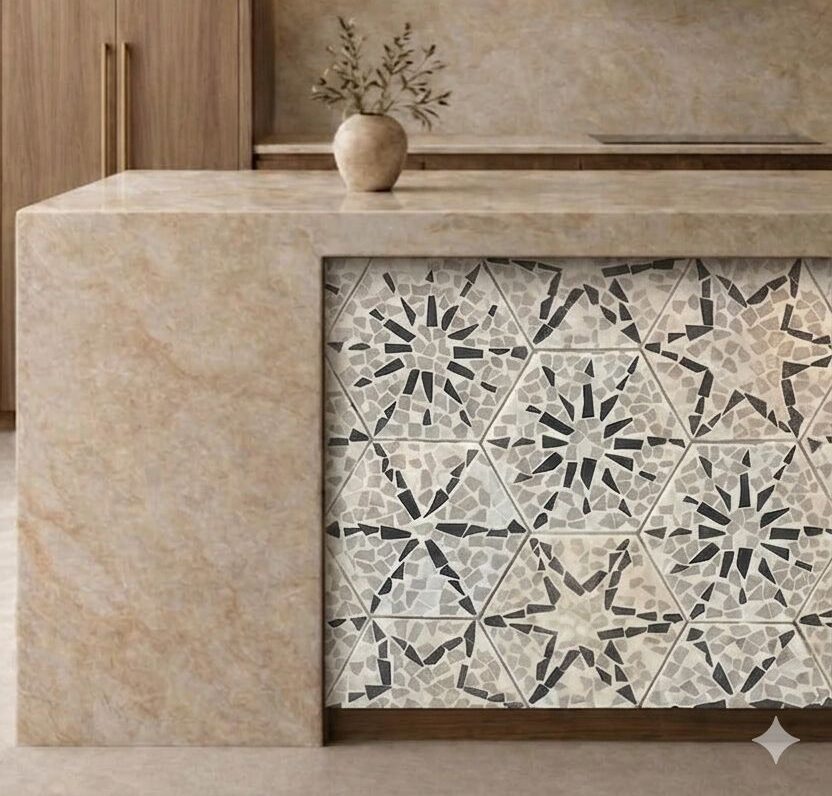
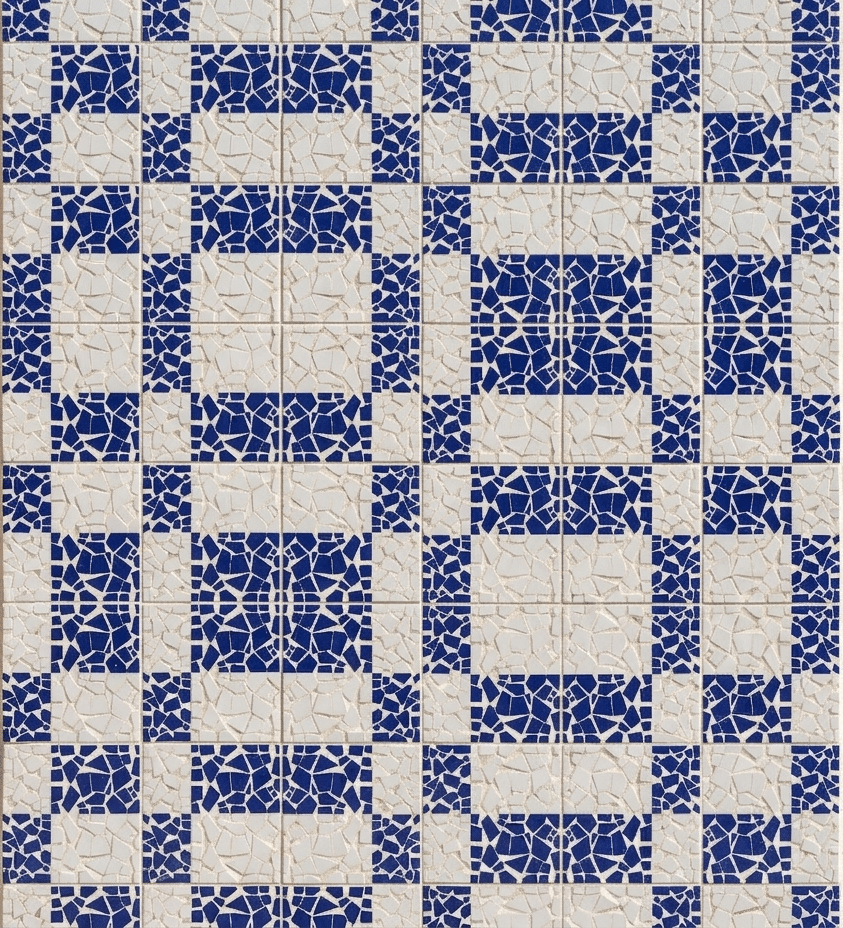
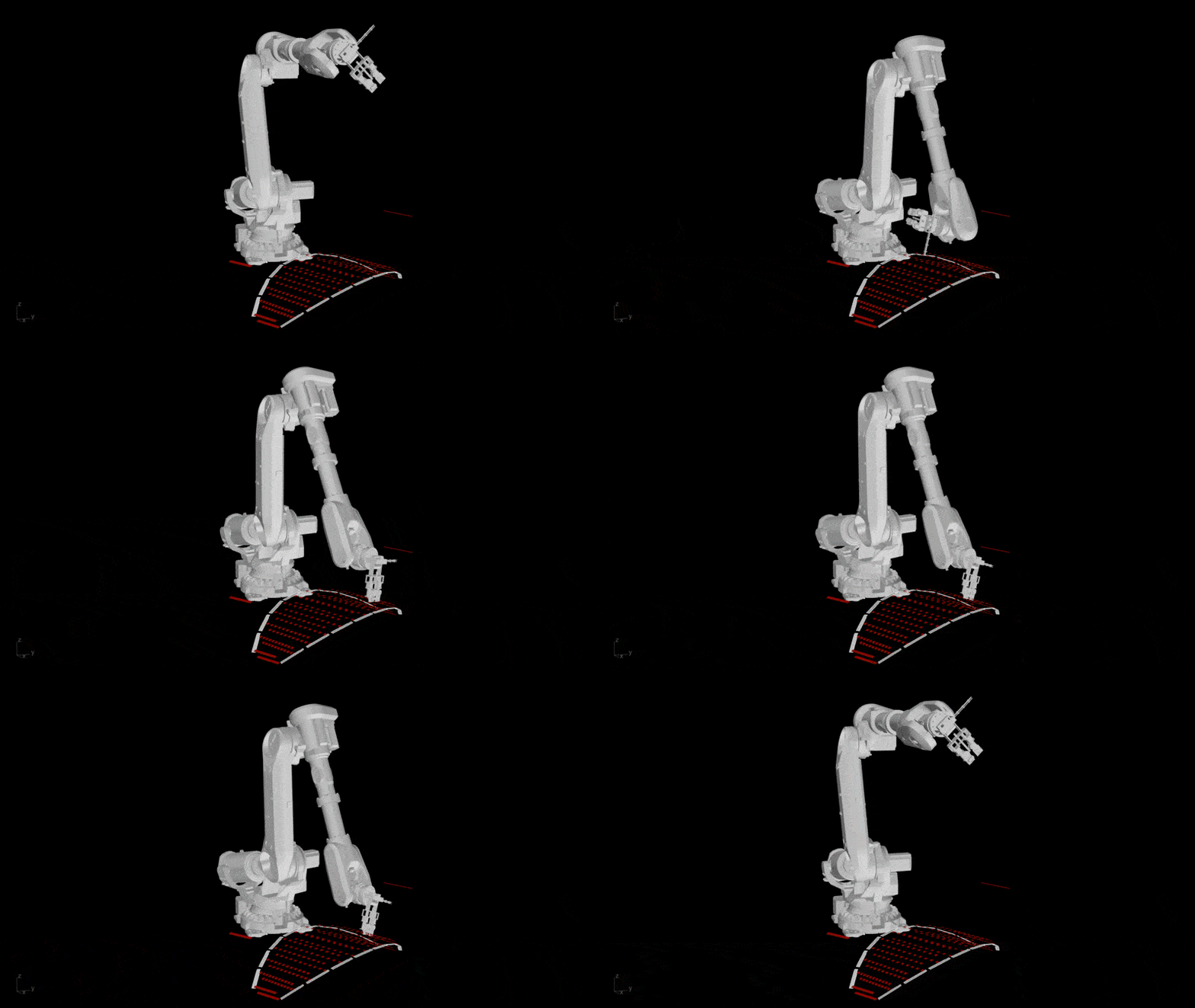
This workshop explored robotic trencadís through a pick and place system. Broken tiles were scanned and organized using a Grasshopper ruleset inspired by traditional weaving logics. Squares with 90 degree corners, straight edges, and alternating colors structured the design. A looping algorithm selected tiles from the dataset and placed them without repetition, allowing the robot … Read more
Brick Flow
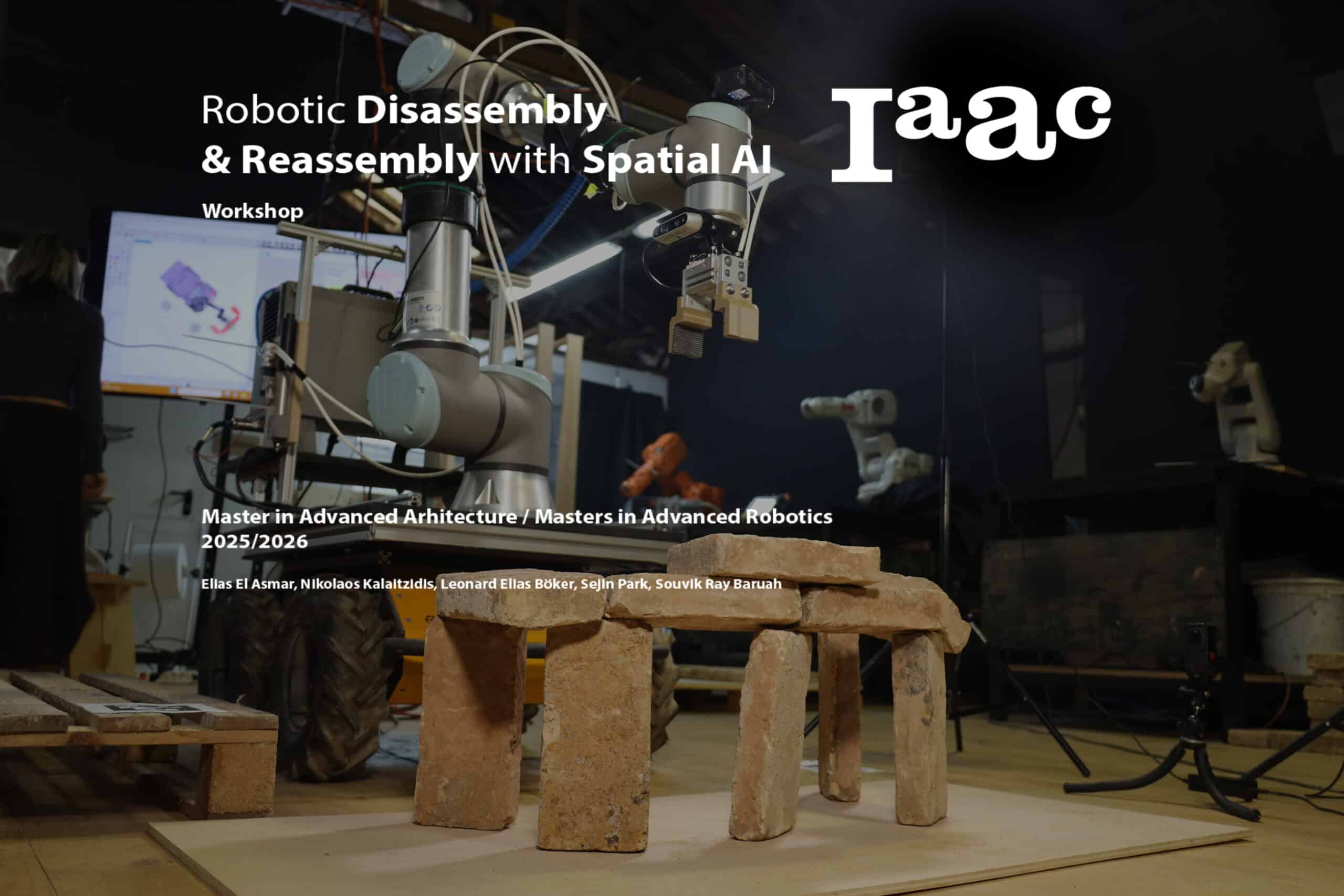
Robotic Disassembly & Reassembly with Spatial AI Abstract The project explores a circular construction workflow that integrates robotic systems with Spatial AI to automate the disassembly and reassembly of brick structures. Utilizing a Gemini Vision-Language Model (VLM) pipeline, the system performs autonomous material evaluation, identifying surface damages such as chipping, spalling, and staining, as well … Read more
Fa(ça)de
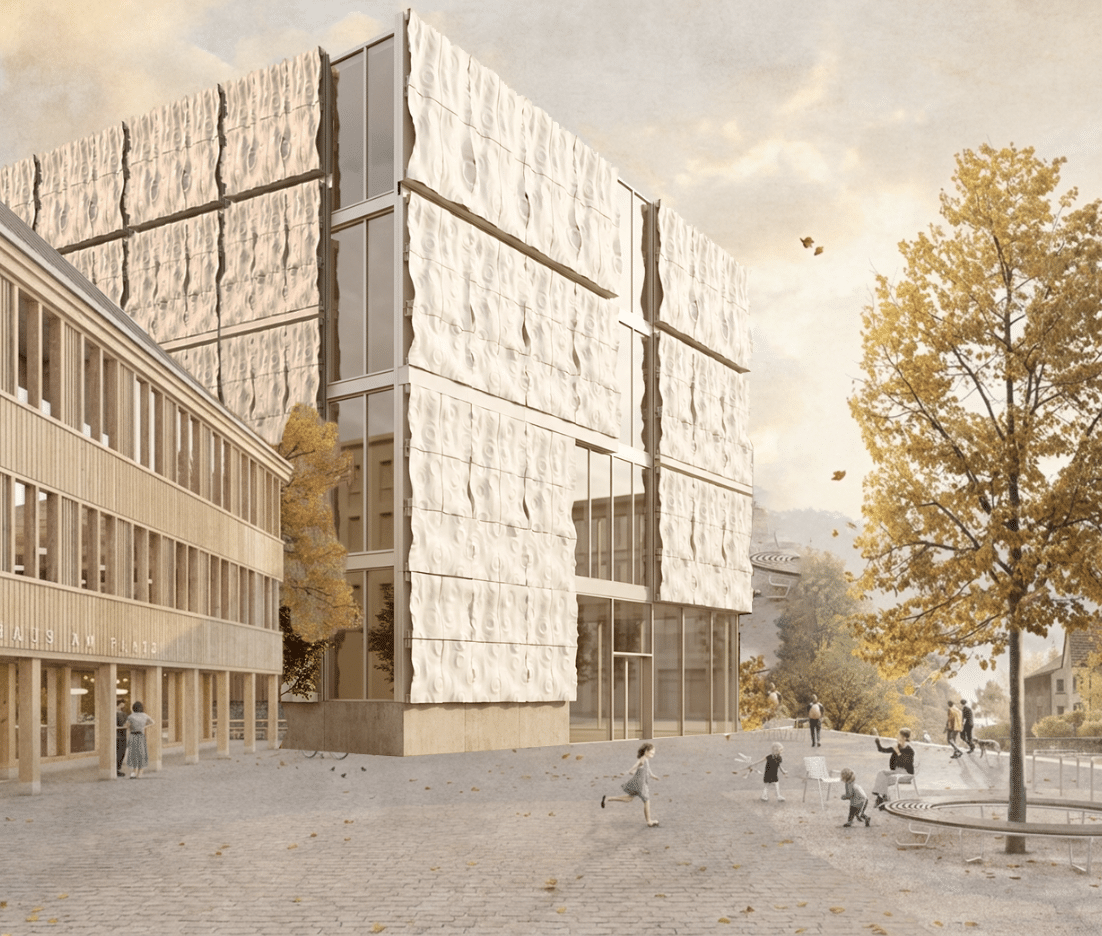
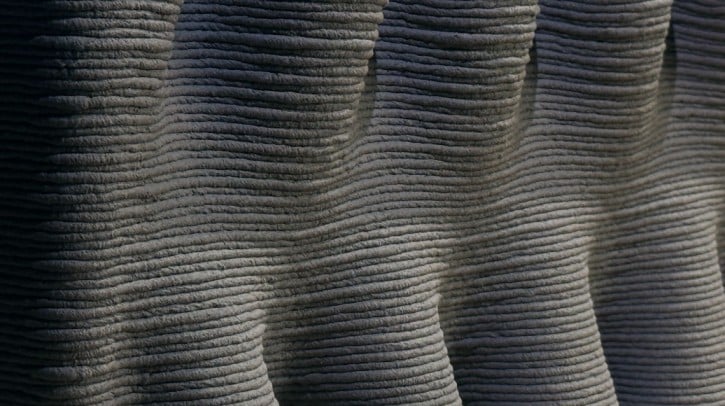
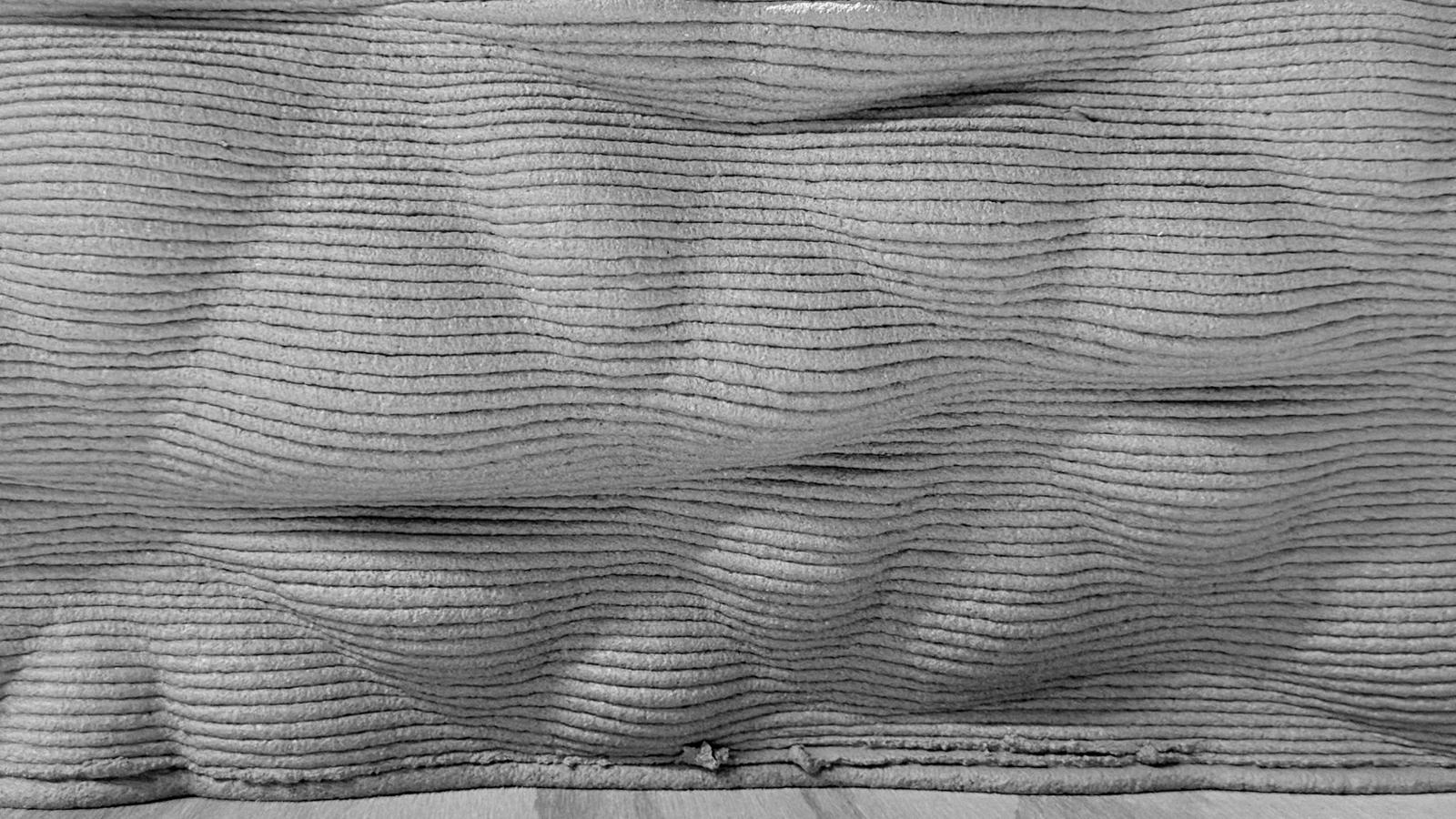
Fa(ça)de explores robotic clay fabrication as a method for producing expressive, materially efficient façade modules. Starting from a 2D patterned surface, the project develops a parametric workflow that transforms mesh-based geometries into 3D printed clay elements with controlled relief, wave amplitude, and module rotation. Through iterative prototyping, the design responds to fabrication limits such as … Read more
The Wind Canopy
Our concept is about designing a pavilion that works with the wind instead of against it. We wanted to create a space that feels light, open, and alive a structure that shows movement even when it stands still. We see wind not just as a natural force, but as something that shapes space. The pavilion … Read more
Reciprocal Canopy
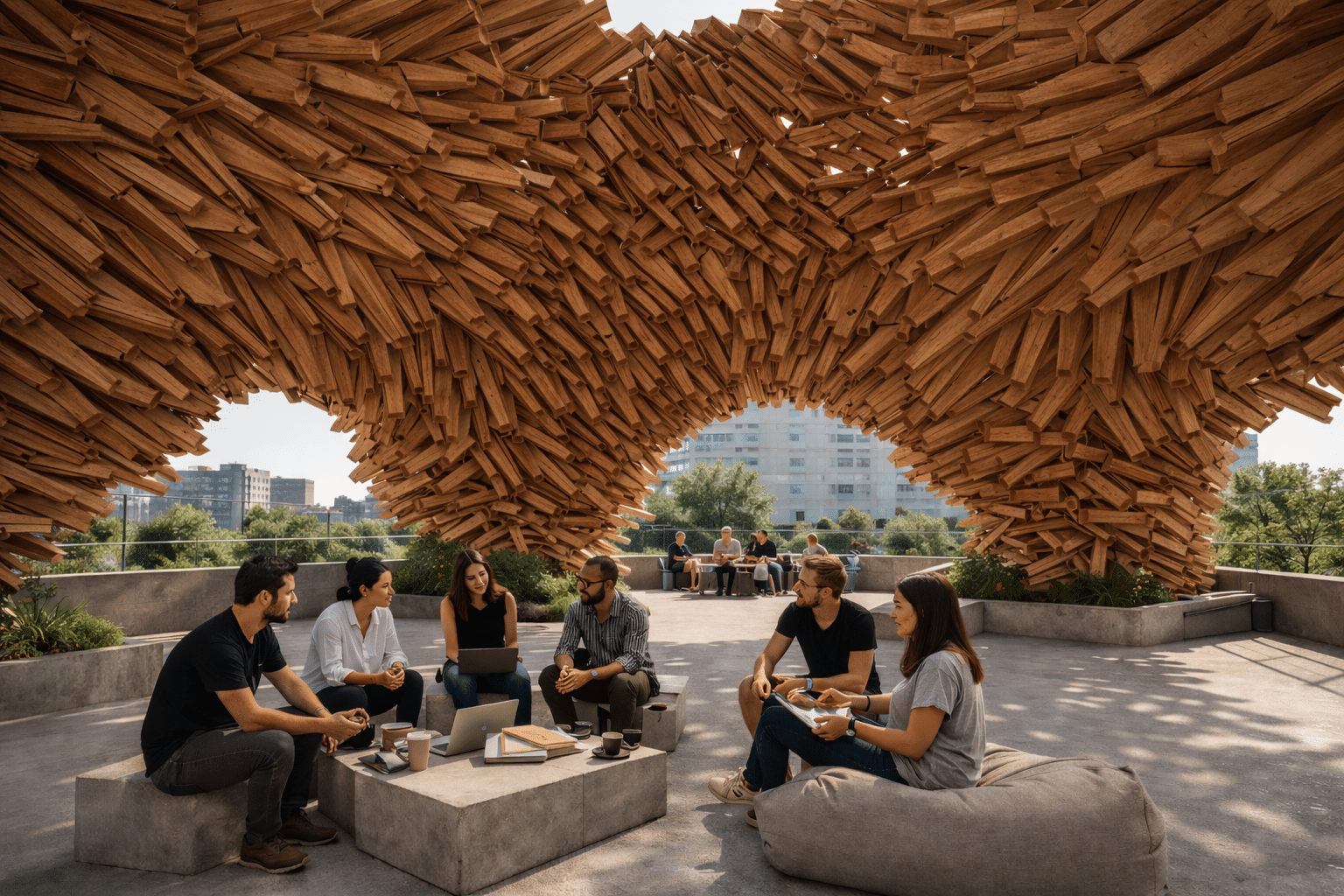
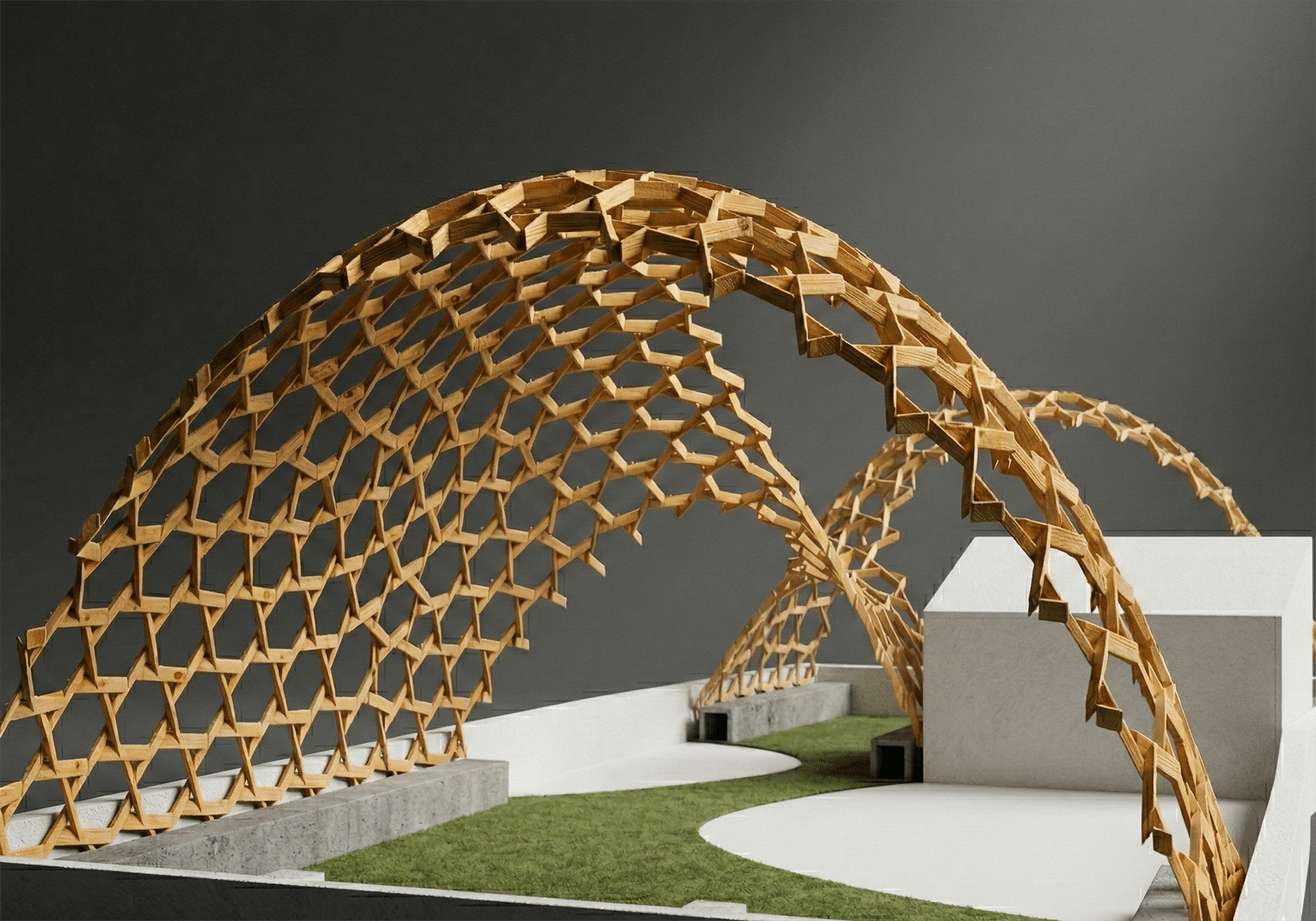
Designed for the IAAC rooftop, this pavilion merges computational design with advanced robotic fabrication. The geometry originates in Grasshopper, where a basic mesh is transformed into an optimized vault using Kangaroo’s physics-based dynamic relaxation. A reciprocal frame pattern is then applied, translating the continuous shell into short, mutually supporting timber pieces. Because every interlocking element … Read more
Chill.Point
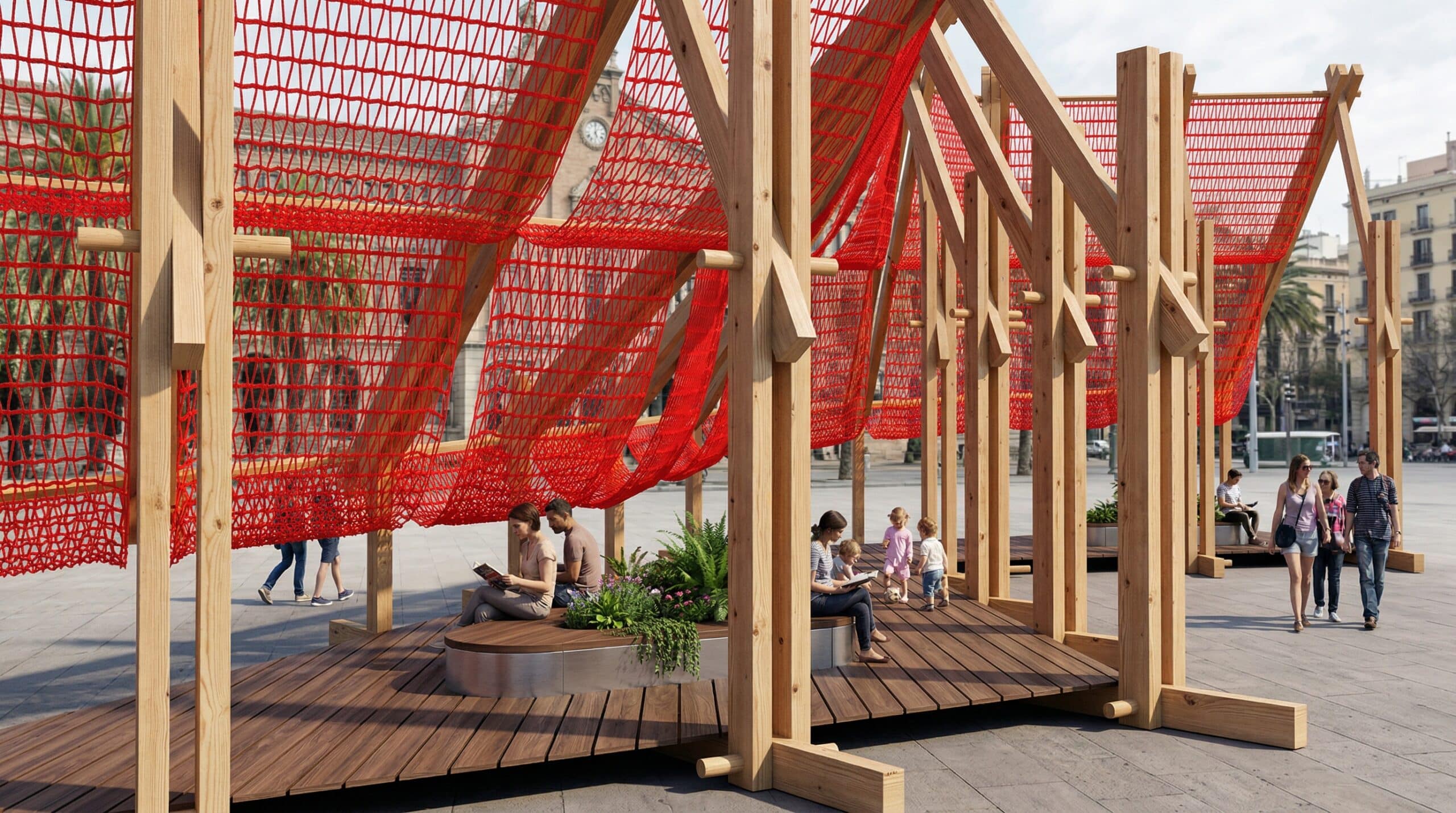
Inspirations Chill.Point is a lightweight timber and fabric pavilion designed for Plaça Universitat, creating a shaded urban pause within the city. Inspired by exposed timber frames and tensile scaffold structures, it combines structural clarity with soft, breathable enclosure. Using computational and parametric design tools, the pavilion responds to sun, wind, and pedestrian flow, optimizing geometry, … Read more
Large Scale 3D Printing with Bio-Based Materials
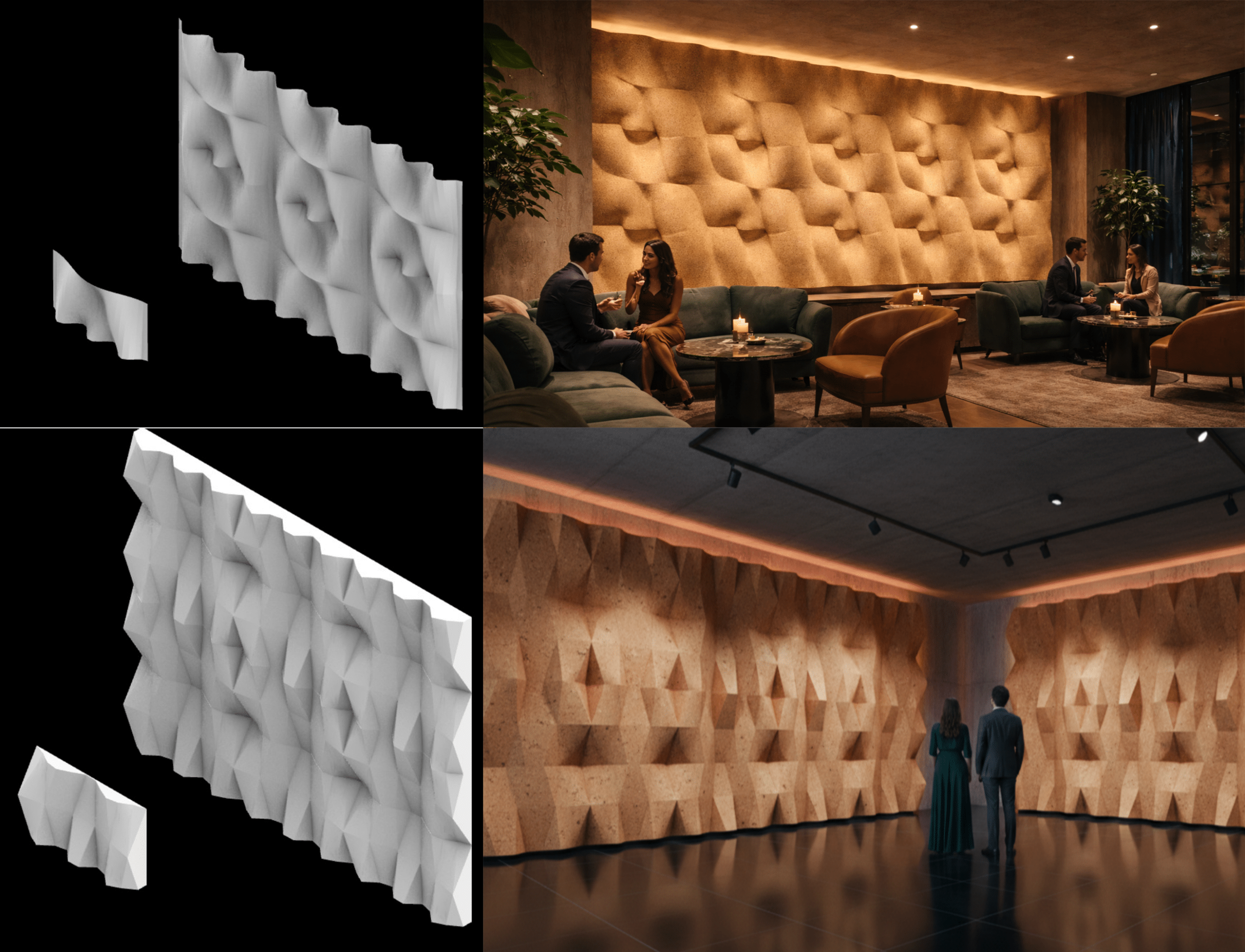
Our project for the Large-Scale 3D Printing with Biomaterials workshop focuses on the transition from conventional, high-emission construction to a circular, bio-based architectural model. Utilizing a 6-axis robotic arm, we have developed an acoustic envelope system composed of a cork-based bio-composite sourced from recycled stoppers. The research prioritizes a “File-to-Factory” workflow where computational geometry is … Read more
Contexept
Contexept is a design-to-fabrication workflow that uses AI to generate context-aware façade designs and turn them into 3D-printable architectural modules. By combining semantic keyword clustering, image generation, and robotic clay printing, the system transforms abstract ideas into buildable, site-sensitive forms. It bridges digital creativity with physical construction, making AI a meaningful collaborator in architecture. Architecture … Read more
Transient Plastics 2.0
The plastic crisis has reached staggering proportions. If all the plastic waste on Earth were laid out, it would be enough to cover the entire surface of Argentina ankle-deep. Every year, we produce 300 million tons of plastic globally. Yet only 10% remains in use, while more than 80% is discarded. Of this discarded plastic, … Read more
SecondMatter
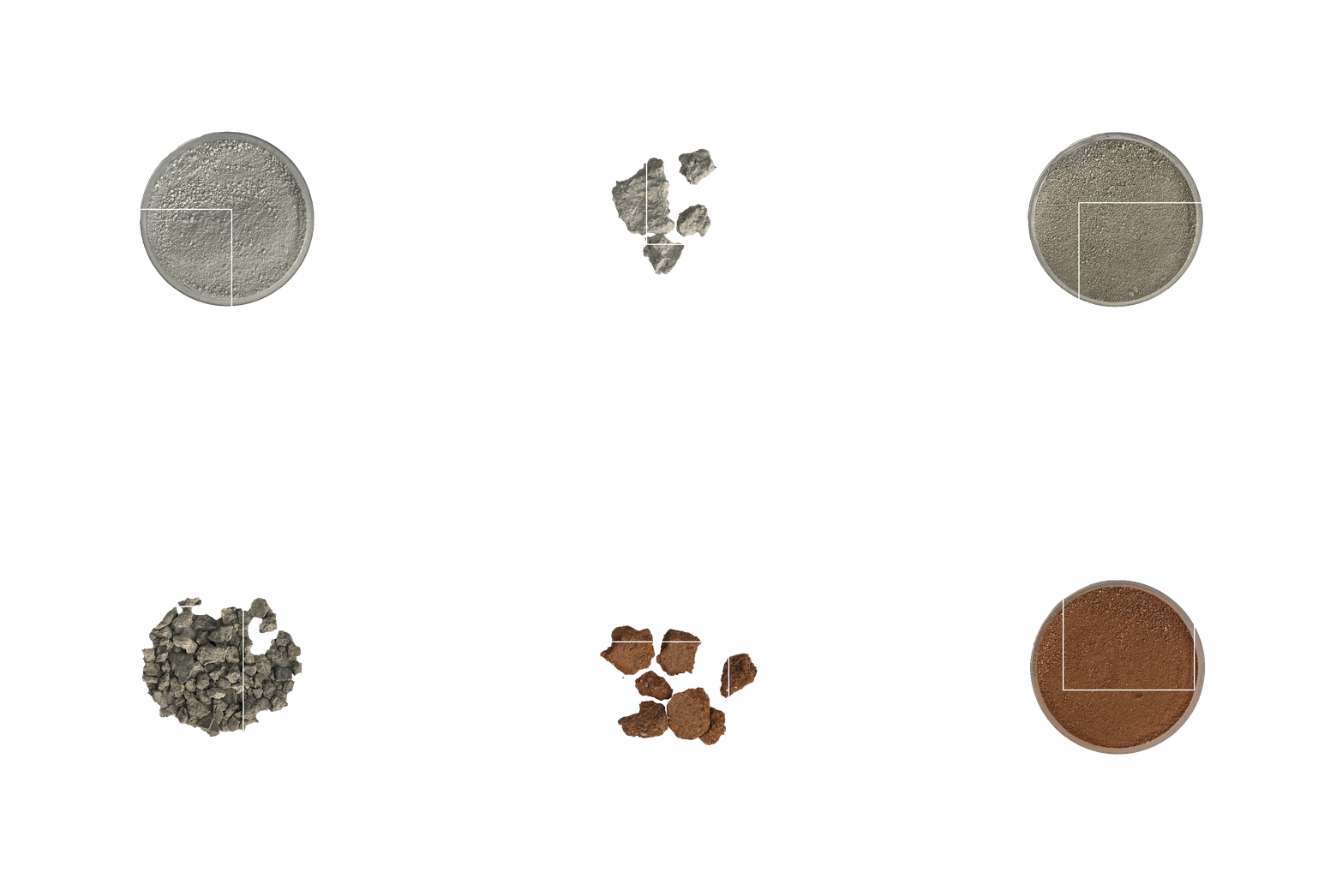
SecondMatter challenges architecture’s extractive processes and wasteful material cycles by upcycling Construction Demolition Renovation Waste (CDRW) into structural and non-structural applications. It blends ramming, which compacts granular materials into high-strength forms, with jamming-inspired interlocking of irregular aggregates. Large concrete waste pieces form a reinforced core, wrapped in a rammed mix of fine brick and concrete … Read more
Advanced Manufacturing Cluster – T02
Analog End Effector Explorations Mechanical End Effector Explorations Final Robotic Jig Design | Facade Iterations
Terratwist
Introduction to Robotic Fabrication Seminar This project explores robotic fabrication techniques for clay-based structures, focusing on non-uniform and non-planar extrusion. Utilizing a six-axis robotic arm, the project investigates material behavior, toolpath optimization, and structural stability through digital simulations and real-world fabrication trials. The column design integrates rotational movements and varying extrusion heights to achieve complex … Read more