The MAA is a visionary master program with an innovative and open structure, mixing diverse disciplines, shaping professionals capable of producing theoretical & practical solutions towards responsive cities, architecture & technology.


Filters
Course

BANANA MATTERS

Abstract Banana Matters transforms discarded banana pseudostem biomass into carbon-sequestering architectural panels through material research, bio-based binders, and digital fabrication. The project addresses the untapped potential of nearly 525 million tonnes of annual banana waste by developing lightweight, low-carbon composites with acoustic and structural applications. Through iterative material experimentation, heat-press manufacturing, and mechanical and physical … Read more

Living Fibers: Robotic Needle Felting as an Architectural Construction System

MAA/MRAC Studio Term 3 — 2025/2026 | Robotics for Ecological Building When you think of wool, construction probably isn’t the first thing that comes to mind. But wool has a longer history as a building material than most people realize, and it carries inherent properties that make it genuinely compelling for architecture: moisture regulation, thermal … Read more

Project Michigan

Using climate clustering, vernacular precedent research, and evolutionary optimisation to create climate-responsive design typologies when no established local precedent exists Overview Lovingly named after the very first test location, Project Michigan is a tool that provides climate-responsive design guidelines when no local vernacular precedent exists. Through scraping climate data and global vernacular information, it helps … Read more

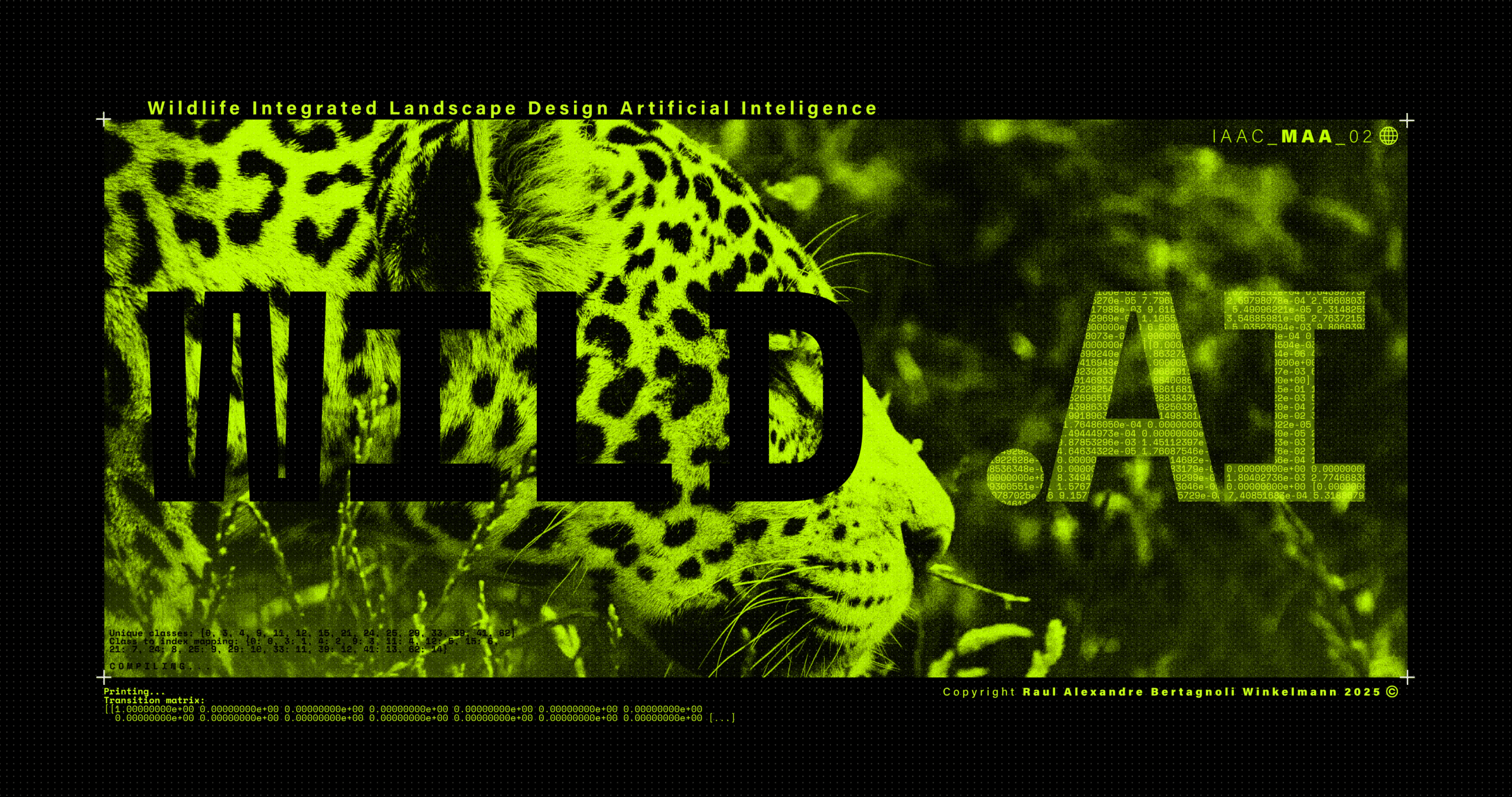
Wildlife Integrating Landscape Design Artificial Intelligence – WILD.AI — Term_III

CONTEXT DYNAMICS METHODOLOGY ANALYSIS By subtracting different scenarios from one another: The differences start to become clear as to what areas are consisently lost vs what areas are inconsistently lost. The latter being the one where planners and ecologists should focus their efforts the most if aiming to potentialize action. The figure becomes even clearer … Read more

TÀN 58

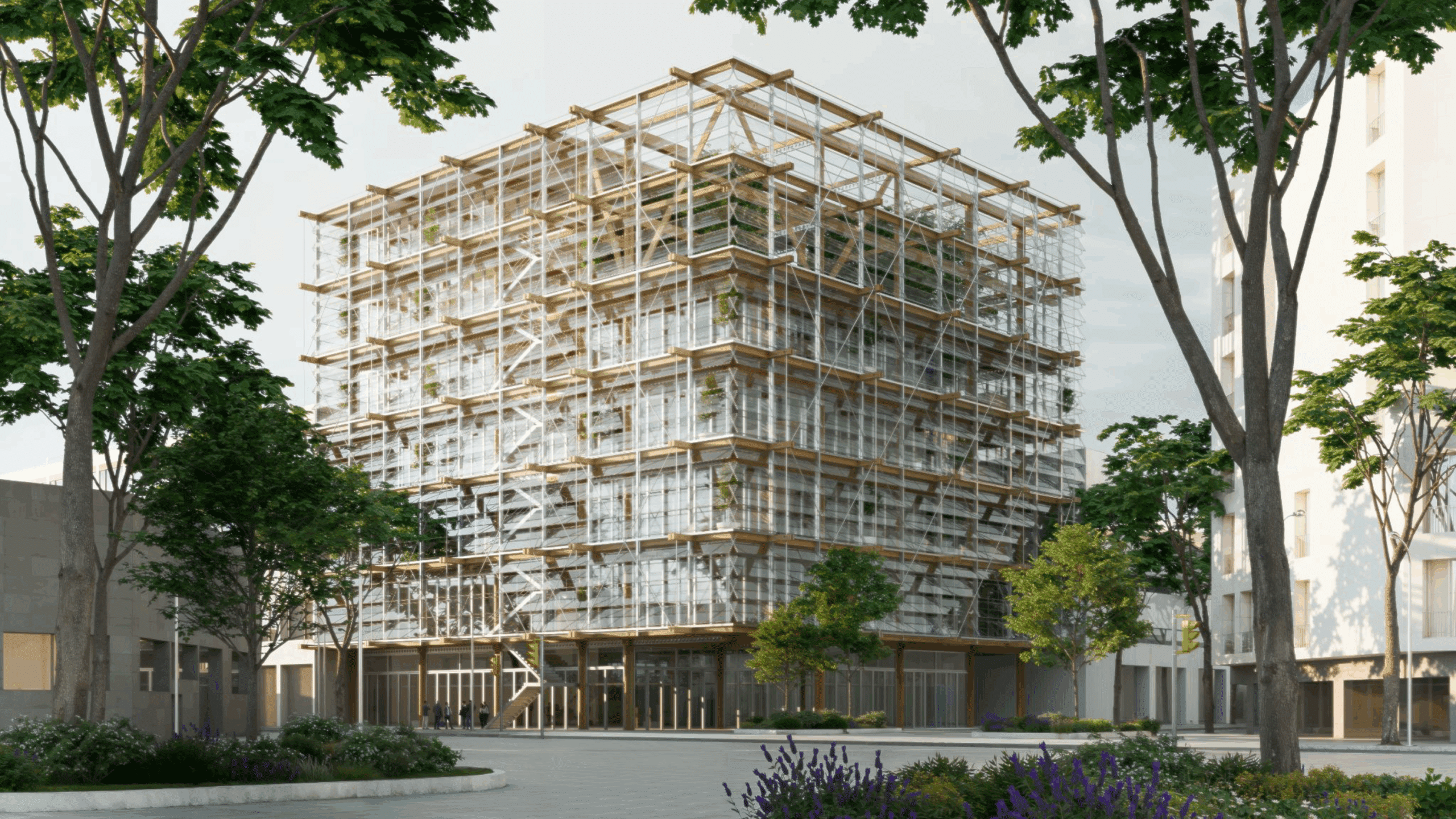
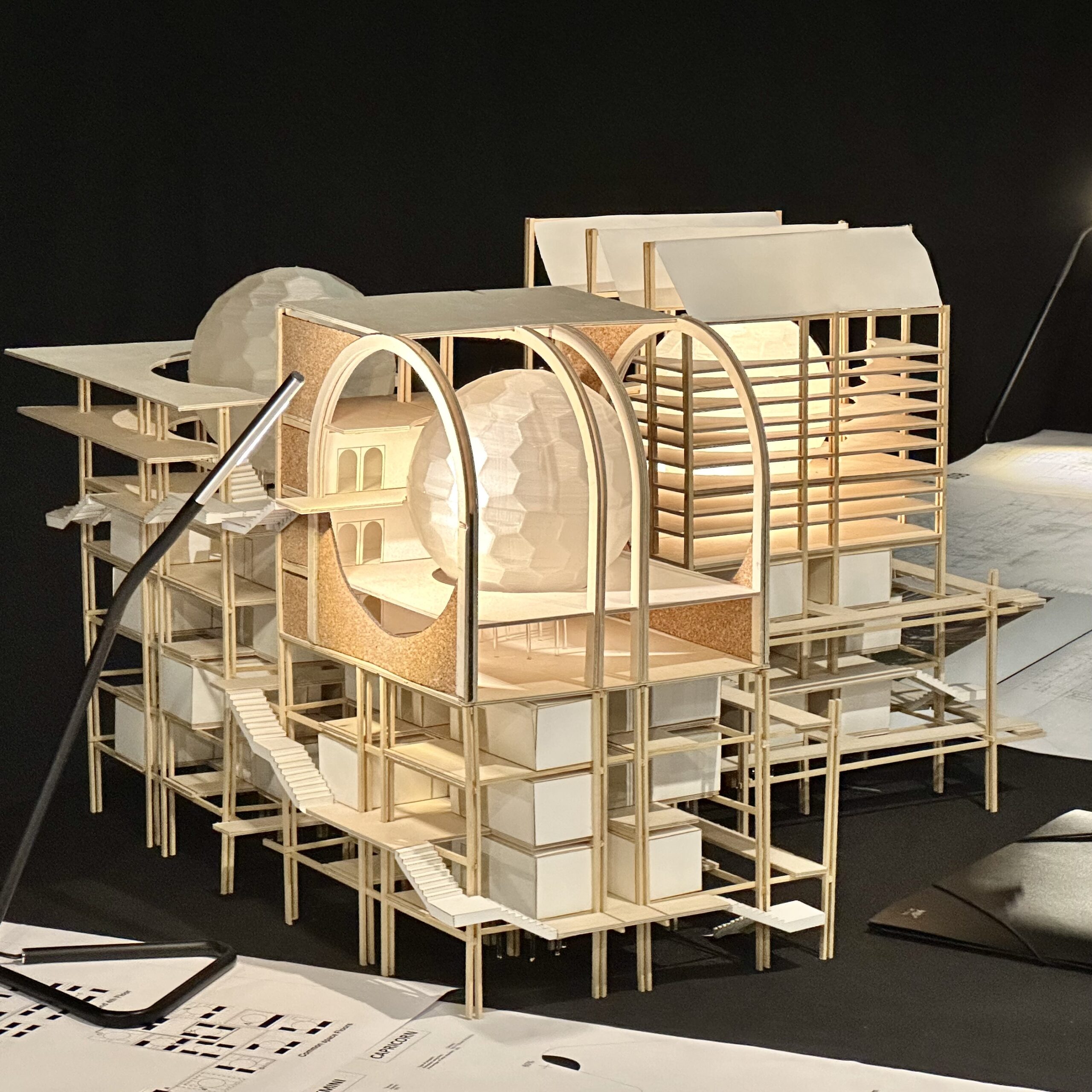
TÀN 58 is a seven-story student housing project located in Poblenou, an industrial district of Barcelona. The building’s form and orientation were shaped through computational studies that optimized daylight access and solar radiation across the site. This analysis led to the introduction of two central atriums, which act as vertical heat sources and organizational cores—spaces … Read more

SOMA LOOM

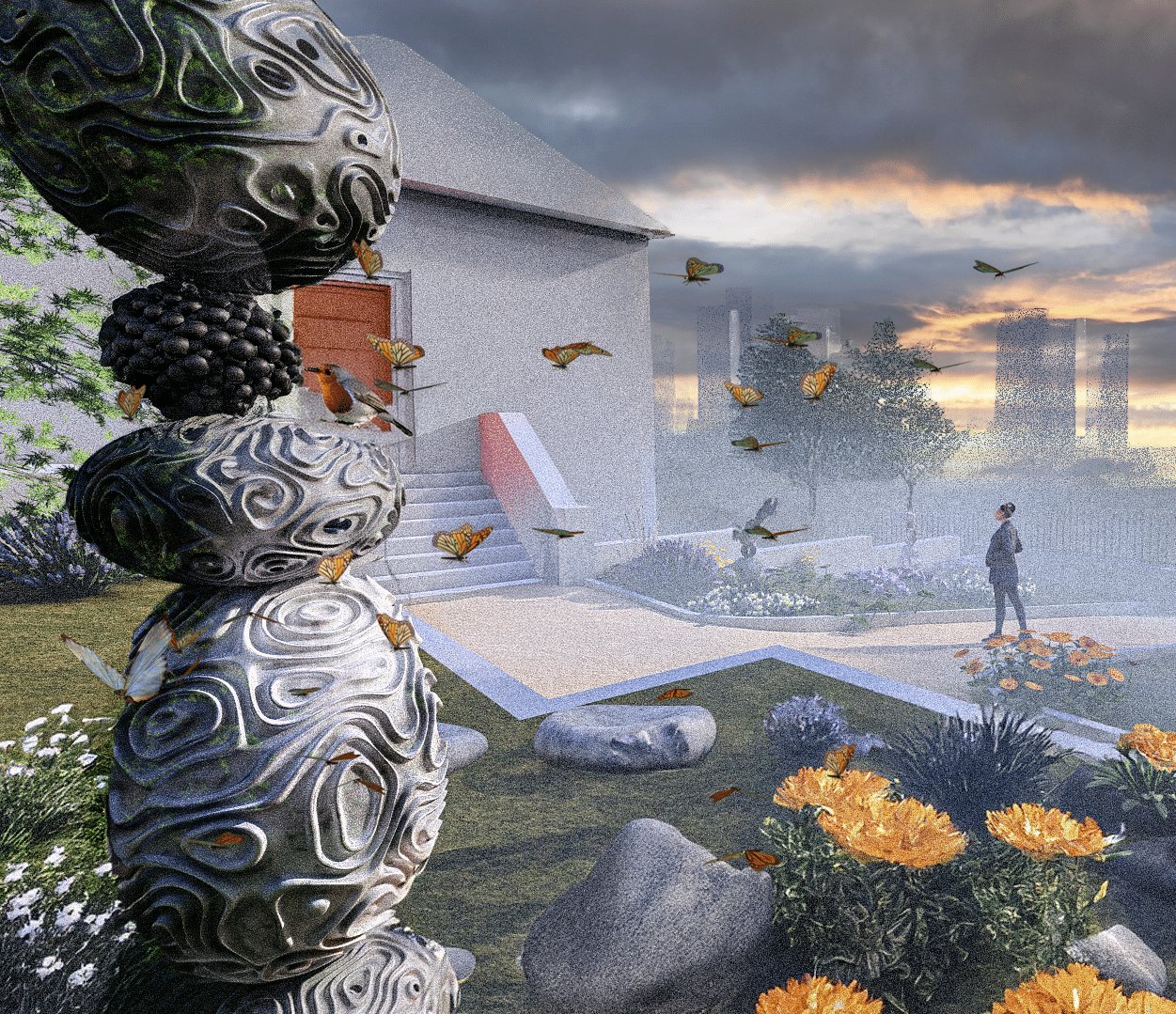
This project introduces an environmental sculpture, up to 1.5 meters tall, placed in the garden of Ballina Methodist Church in Ballina, Ireland. The column acts as a multifunctional architectural element supporting local biodiversity—attracting insects, bees, butterflies, and small birds—while blending harmoniously into the public landscape. Constructed from a geopolymer made with crushed seashells and biochar, … Read more

Carbon Envelopes

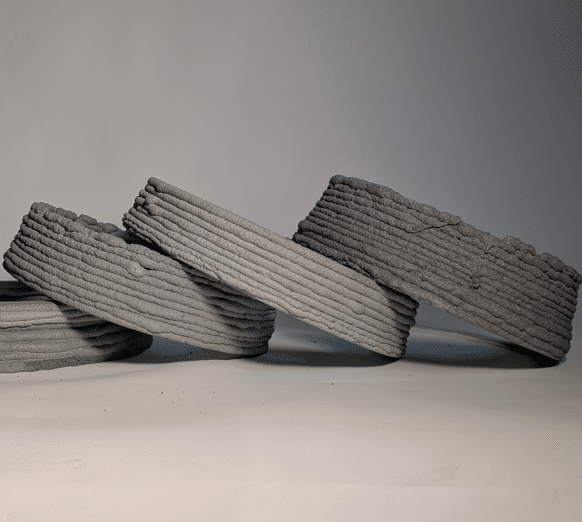
a BIOCHAR BASED concrete WITH A negative carbon footprint BARA is an opportunity to build negative carbon constructionsystems by rethinking concrete and methods used in the buildingindustry. Using on-site 3D printing and casting, entire buildings can beconstructed with reduced cement while storing and capturing carbon. The focus is on optimizing and improvingstructural performance, enhancing carbon … Read more

Rooted Eco-Scapes

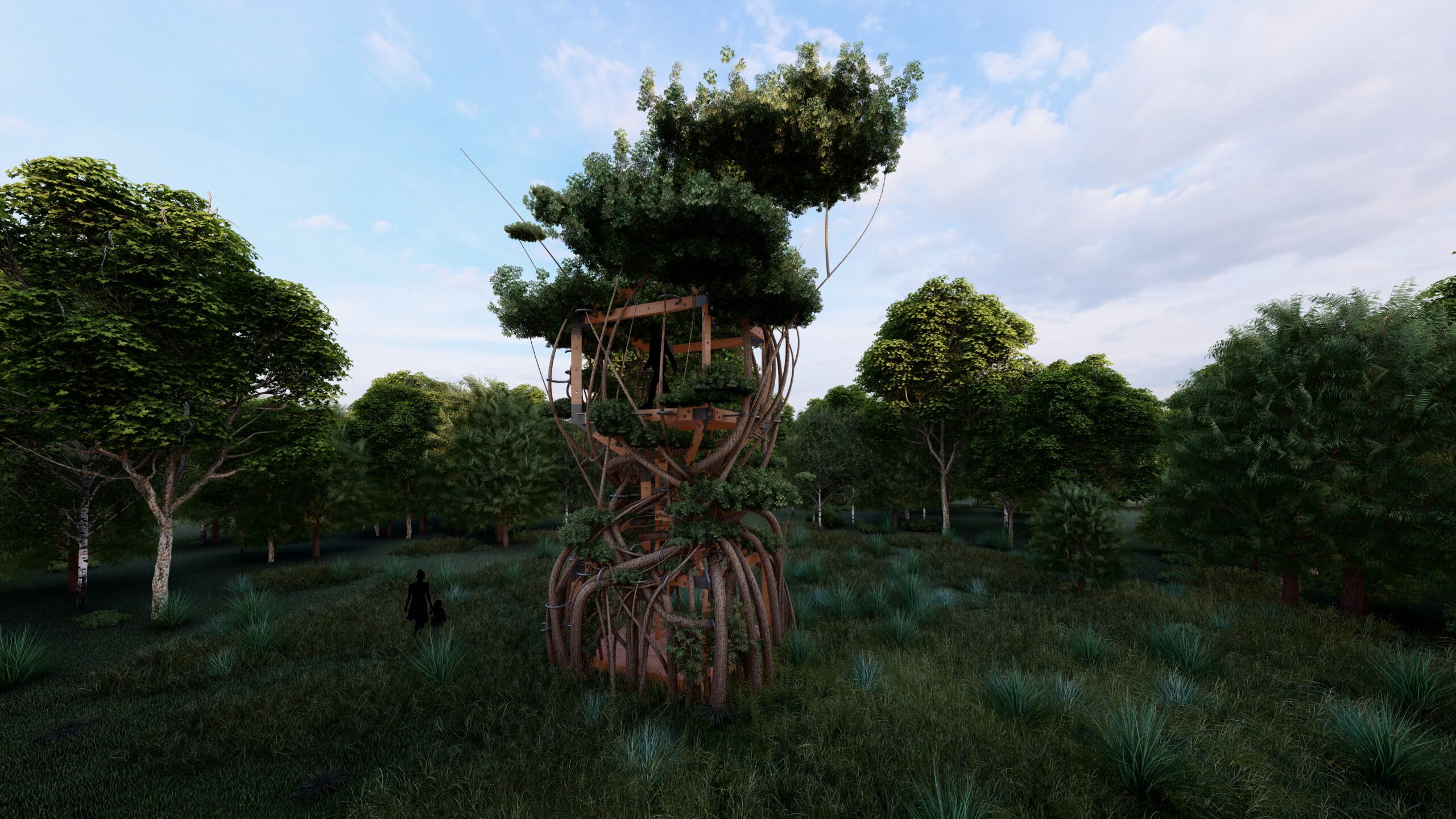
An Exploration of Root Architecture and Material Study | TERM-2 EFFECTS OF EROSION CAUSES OF EROSION CURRENT SOLUTIONS AND PROBLEMS: THESIS OBJECCTIVE (WHAT IS NEEDED) POTENTIAL SITES STATE OF THE ART 3 MAIN TYPOLOGIES BIOLOGICAL ( ROOT AND SOIL STUDY), STRUCTURAL (SOIL COMPOSITION AND PRINTABILITY), DESIGN (SITE AND SPECIE SPECIFIC DESIGN EXPLORATION) BIOLOGICAL TYPOLOTY – … Read more

Decharbonization

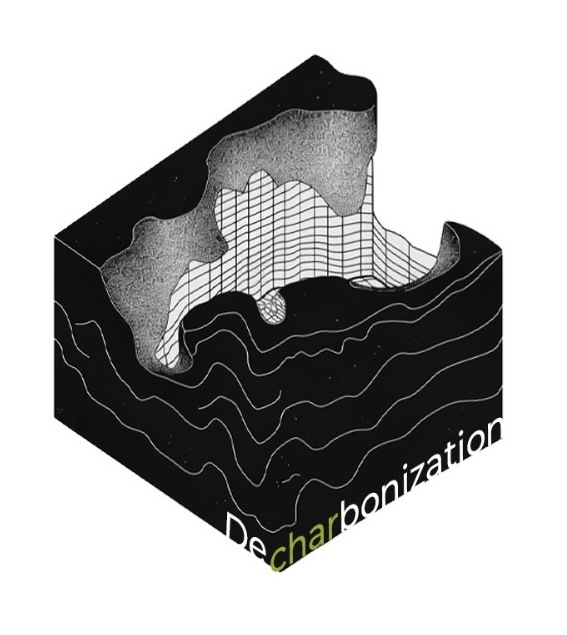
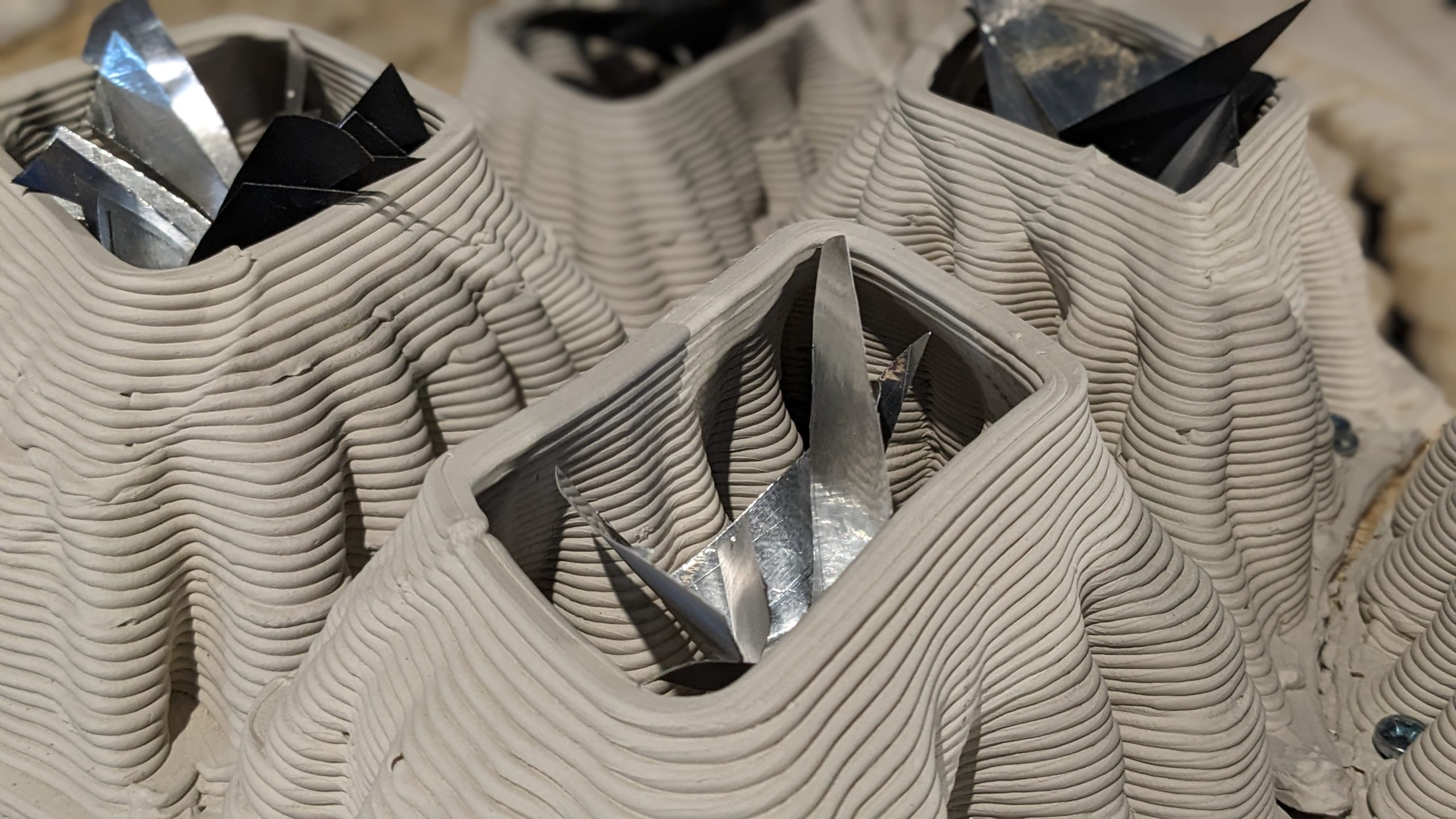
From exterior soil remediation to interior acoustics enhancement The goal of this project is to create a non-cementitious geopolymer, using as the main component biochar, an worldwide abundant material, and amplify its qualities to sequester carbon in order to make carbon sink architecture. Through the process of material engineering and testing, it was possible to … Read more

Rise

Heat is a form of energy that can be transferred between objects or systems due to a temperature difference. It is a manifestation of the internal energy of a substance or a system, resulting in the motion of its constituent particles. Heat can be transferred through three main mechanisms Phase 1_Device How can we control … Read more

MODERN MODERNISME

Posidonia Oceanica: The Aquatic Seagrass Species Posidonia oceanica is a species of aquatic seagrass that belongs to the Posidoniaceae family. It possesses roots, a rhizomatous stem, and ribbon-like leaves, resembling those of terrestrial plants. These features allow it to anchor itself to the seabed and spread horizontally, forming extensive meadows in the Mediterranean Sea. These … Read more