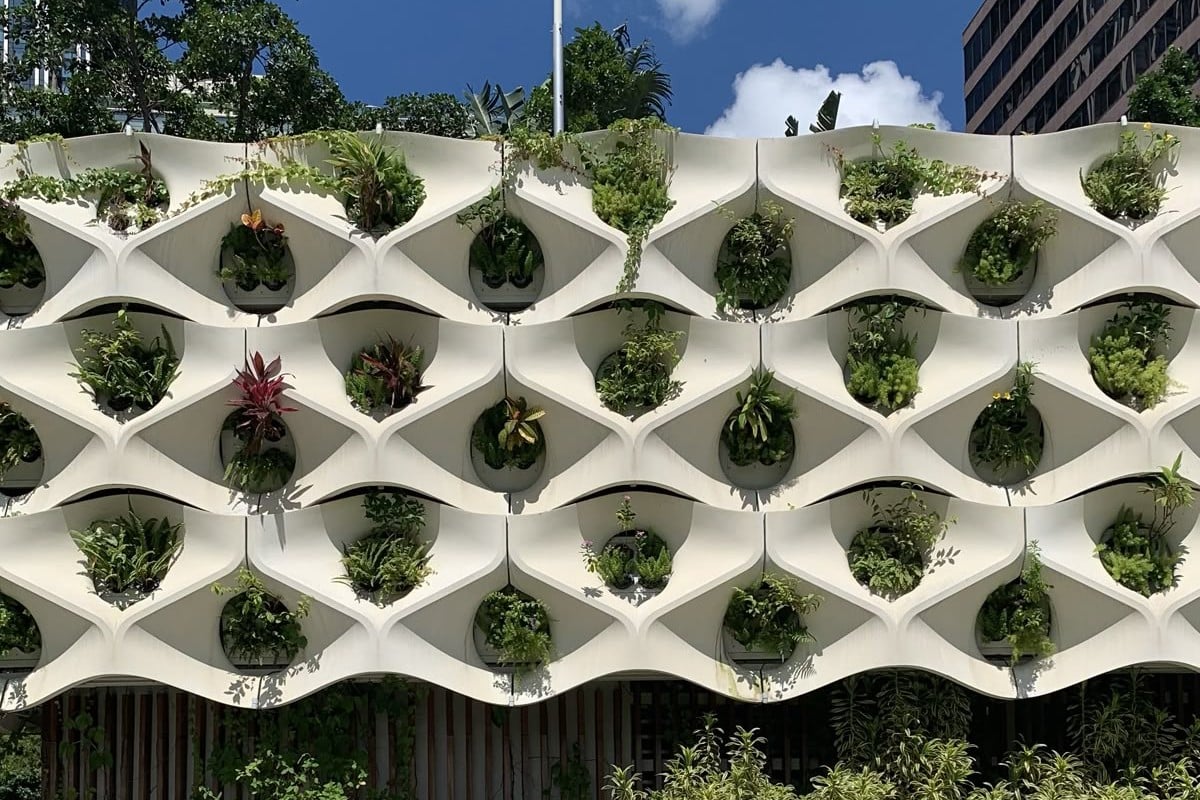
Rainwater Harvester The project proposes a regenerative infrastructure for runoff water collection, treatment, and reuse within the built environment. Conceived as a responsive system embedded in architecture, it seeks to transform excess rainwater often perceived as waste into an active resource within a closed ecological loop. During episodes of heavy rainfall, the system captures surface … Read more
The MAA is a visionary master program with an innovative and open structure, mixing diverse disciplines, shaping professionals capable of producing theoretical & practical solutions towards responsive cities, architecture & technology.
Autonomous Plant
Autonomous Plant is a project that explores how non-human beings can actively respond to the built environment. The central idea is that human and plant needs do not necessarily conflict; instead, they can be aligned to create mutual benefit. While humans inside buildings often prefer shade, plants seek sunlight. A dynamic façade system can satisfy … Read more
BioFacade-Valve
Introduction to Programming and Physical Computing Faculty: Daniel MateosFaculty Assistants: Adai Suriñach, Antoine Jaunard Conceptual Narrative Water is our most stressed urban resource, yet we spill it daily through irrigation. Sprinklers run on timers, not need; water evaporates on hot surfaces, overspray sidewalks, and runs off compacted soil. Without feedback from the ground, we irrigate … Read more
Spirals
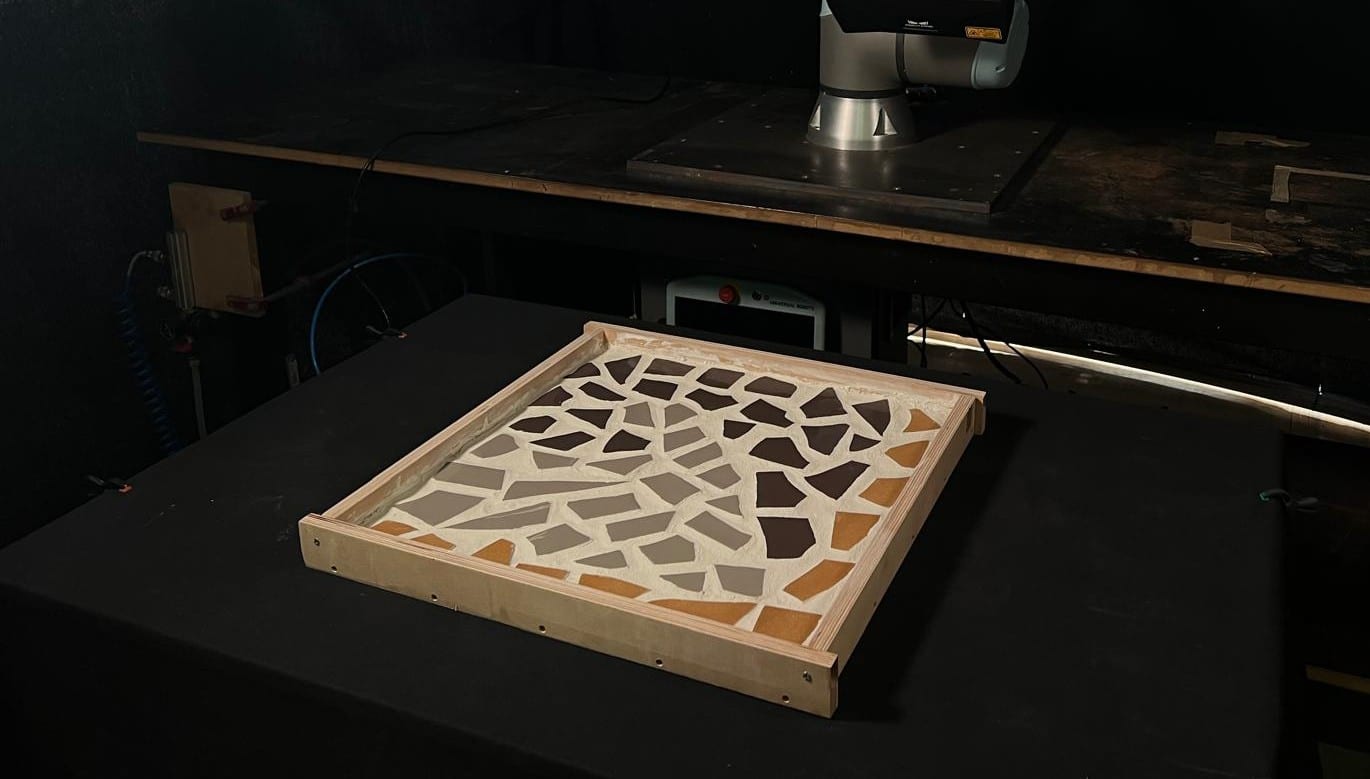
Introduction This project was an exploration of traditional Trencadis using robotic assembly system. Inspired by spirals in nature, we explored entropy and how we can achieve order from chaos, from broken irregular pieces of ceramics. We chose spirals as the symbol of emergent order. Context Barcelona’s architectural identity is deeply tied to Trencadís, a mosaic … Read more
Studio Silence.
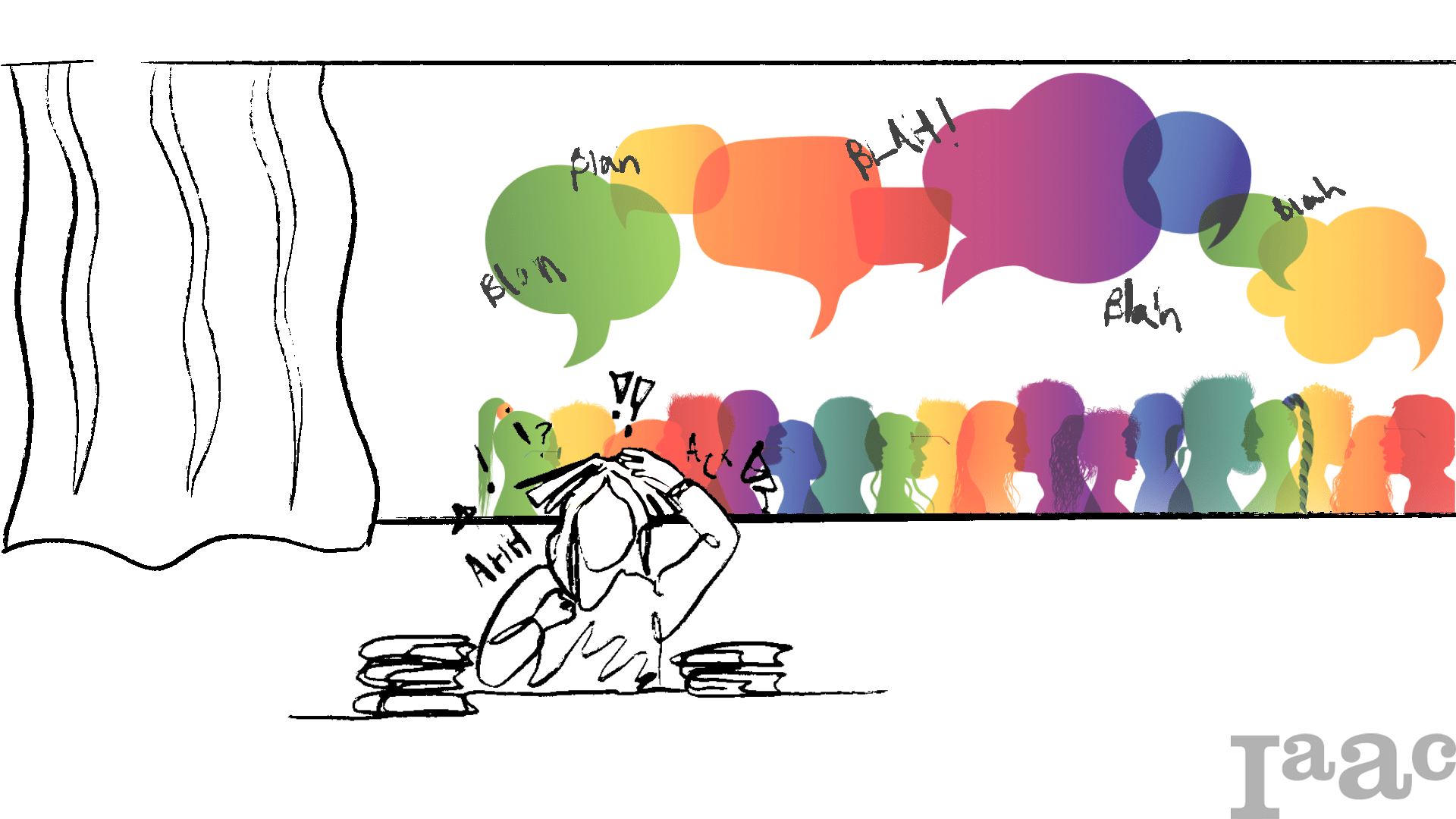
In today’s collaborative work environments, open and shared workspaces have become the norm. Yet while they promote connection and creativity, they also introduce a significant challenge: noise. This project seeks to address the problem of excessive noise in shared workspaces while maintaining flexibility and openness. The Concept – The project is inspired by the shared … Read more
SolarShift
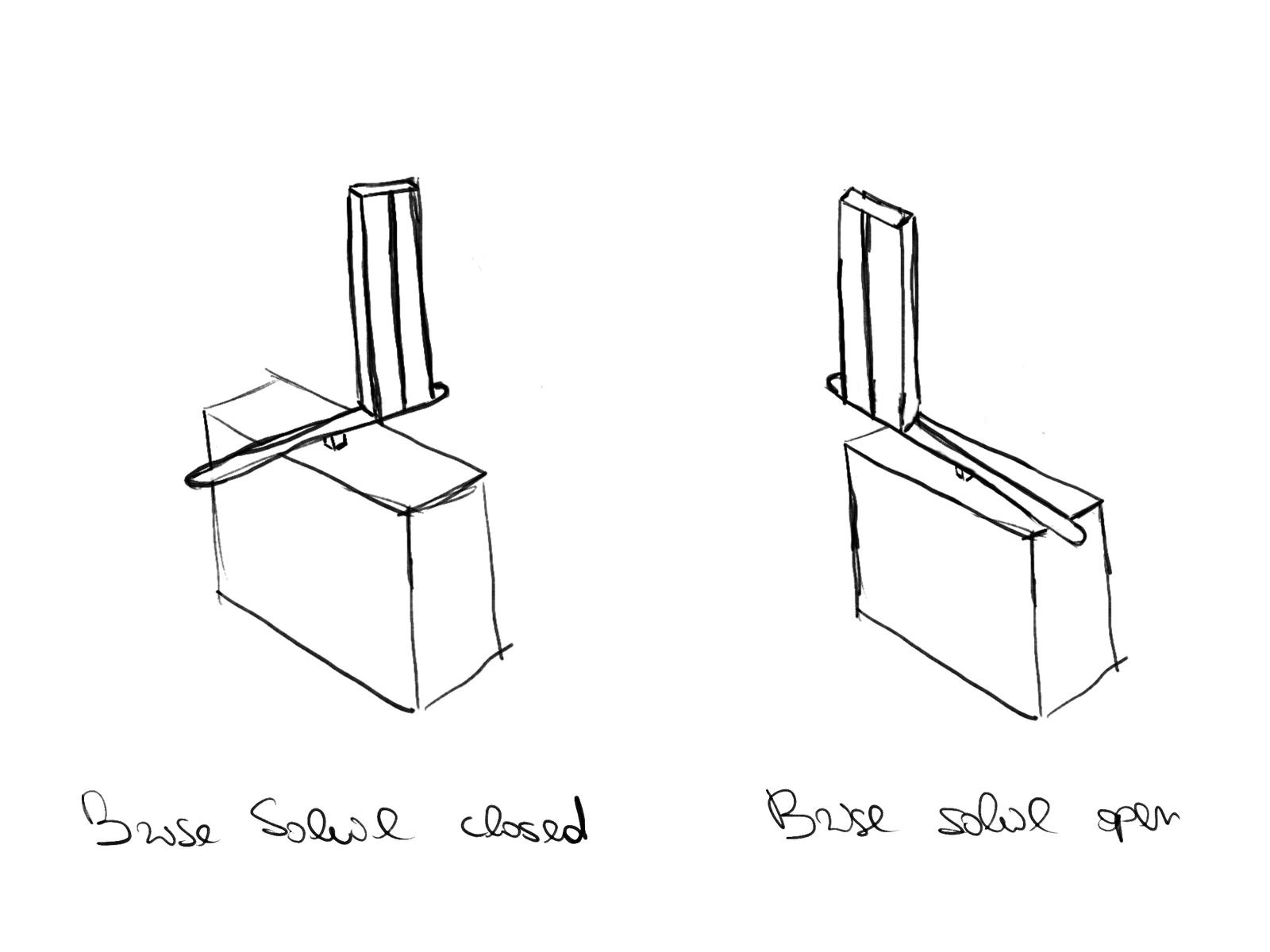
Concept What if our façades could react to sunlight? This project explores how architecture can respond to changing light conditions through simple automation. Using Arduino, it translates light intensity into movement, mimicking the adaptive behavior of a brise-soleil, and highlighting how design can respond to environmental change. REFERENCES – BRISE SOLEIL Schematics The Arduino code … Read more
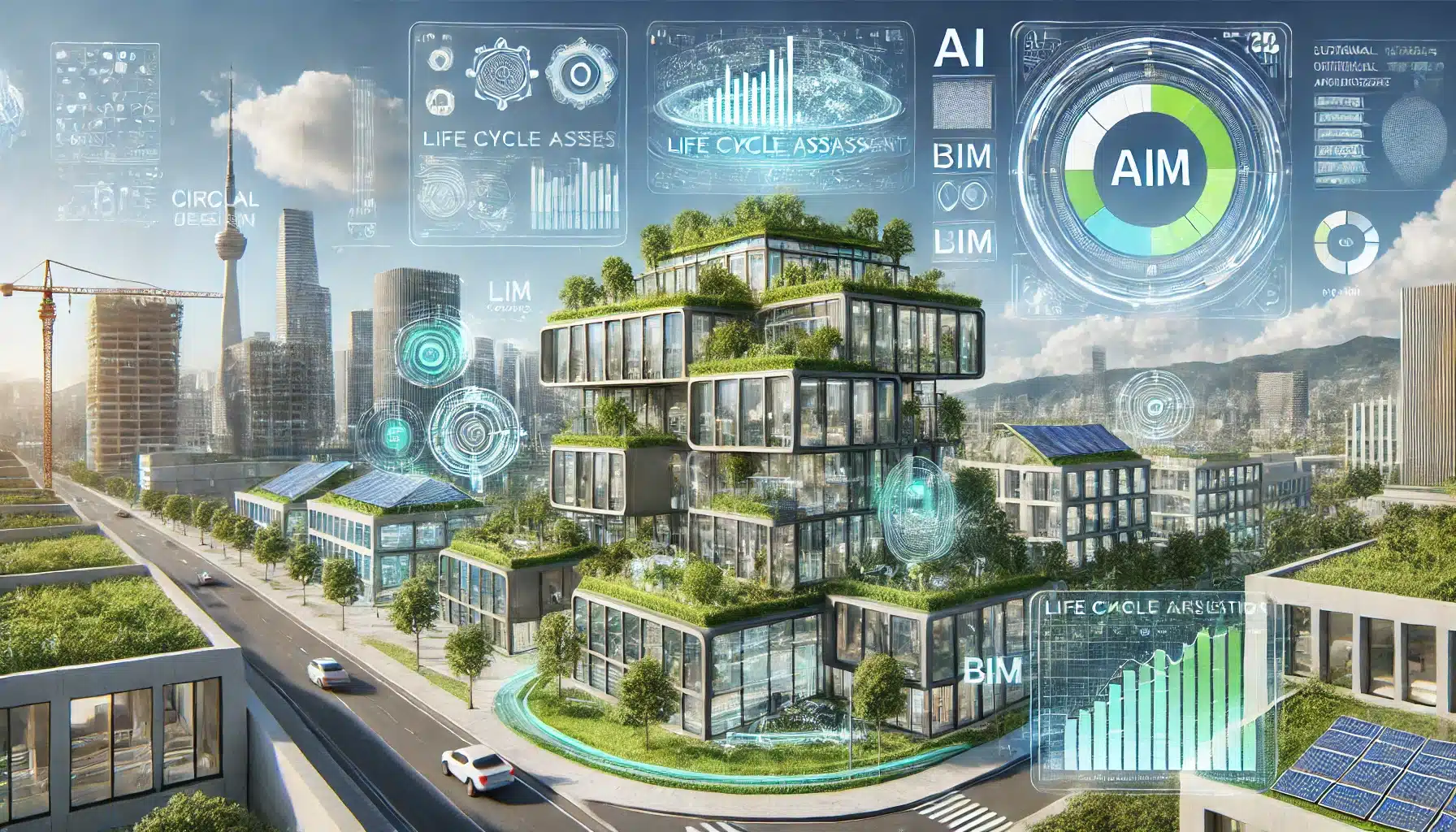
AI & BIM for Circular Design and Life Cycle Assessment
Introduction The intersection of Artificial Intelligence (AI) and Building Information Modeling (BIM) is reshaping the way we design and assess sustainability in architecture. Traditional Life Cycle Assessment (LCA) methods, crucial for evaluating environmental impact, often come too late in the design process to make significant changes. However, with AI-driven BIM workflows, real-time environmental analysis can … Read more
AUTARKIE
The Future of Energy Independence In an era where energy prices are rising, environmental concerns are growing, and grid instability is a reality, the need for energy self-sufficiency has never been more urgent. Homeowners, businesses, and institutions are looking for reliable solutions to reduce their dependence on traditional power grids. This is where AUTARKIE comes … Read more
922
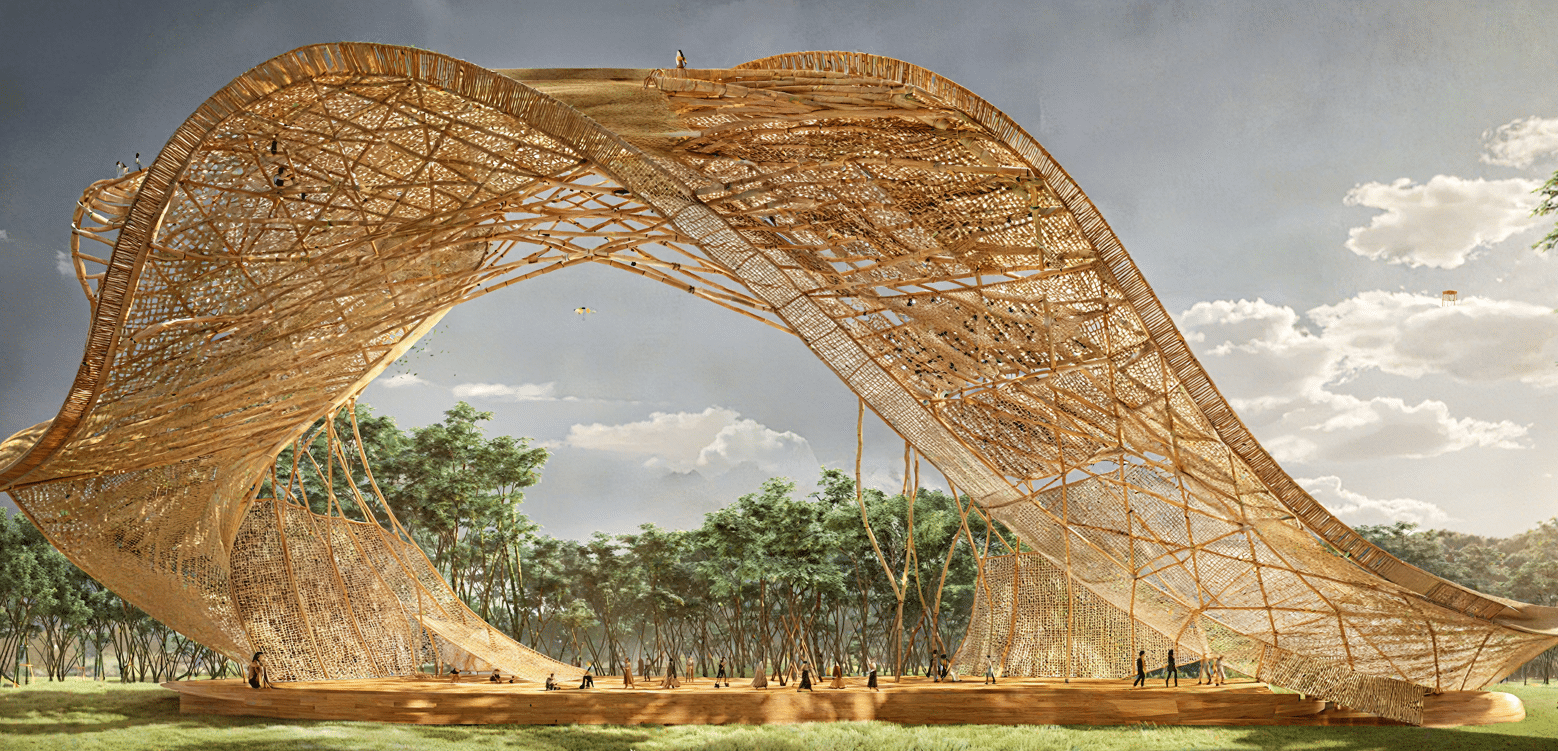
922 provides shade and a relaxing space for students in response to the sunny rooftop environment. The design process involved experimenting with different shapes and structures using parametric modeling, ensuring stability while keeping the form visually interesting. The pavilion was developed through several design iterations, considering factors like load distribution and connection points. The final … Read more
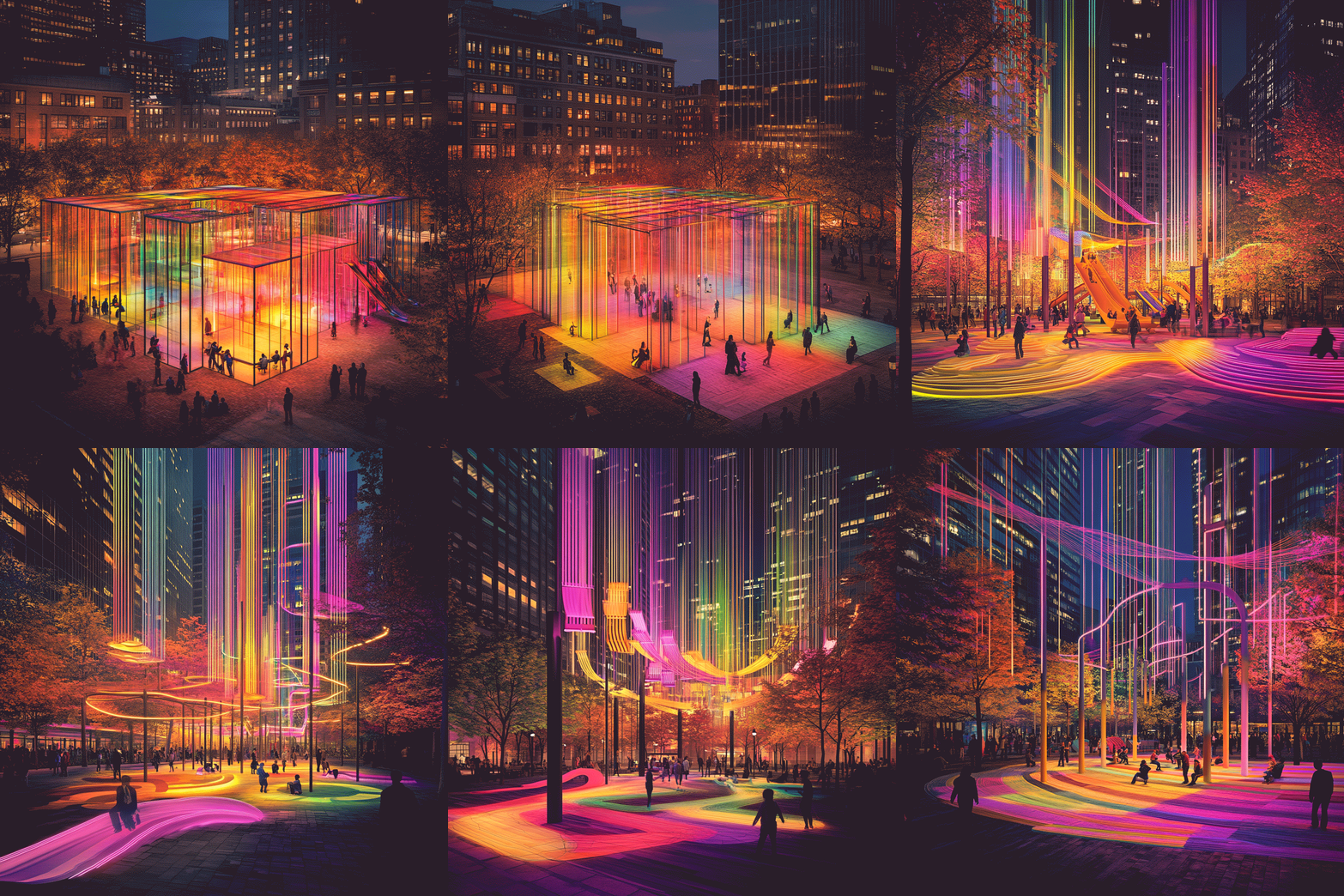
EXPERIENTIAL LIGHTING
Creating Interactive, Dynamic, and Emotional Urban Spaces Through Light (TERM 1) I. The Problems with Night Lighting II. MENTAL HEALTH AND NEUROARCHITECTURE III. COLOR, LIGHT, AND EMOTION IV. STATE OF THE ART V. BOSTON SITE STUDIES VI. NEXT STEPS – DESIGN
Advanced Manufacturing Cluster – T01
Research Question Context Why Natural Fibers? Possible Impact Typologies State of Art Material Research Methodology Design Workflow
EMI: Engine for Morphological Integration Vol I
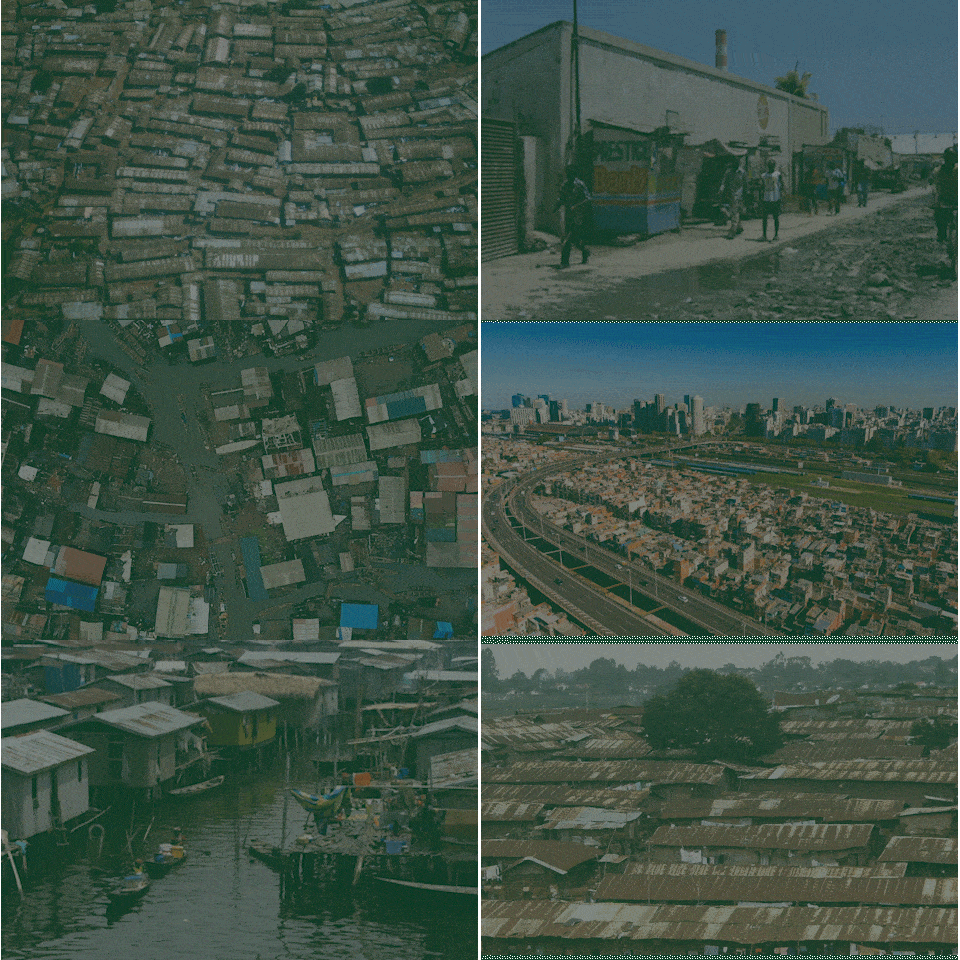
A Methodological Approach to Urban Growth and Hybrid Energy Systems in the Global South Why Global South ? Urbanization in the Global South is a defining trend of the 21st century, with over 90% of urban growth expected to occur in low- and middle-income countries by 2050. This rapid expansion has led to a surge … Read more