AIA25 – Theory / Living Codes
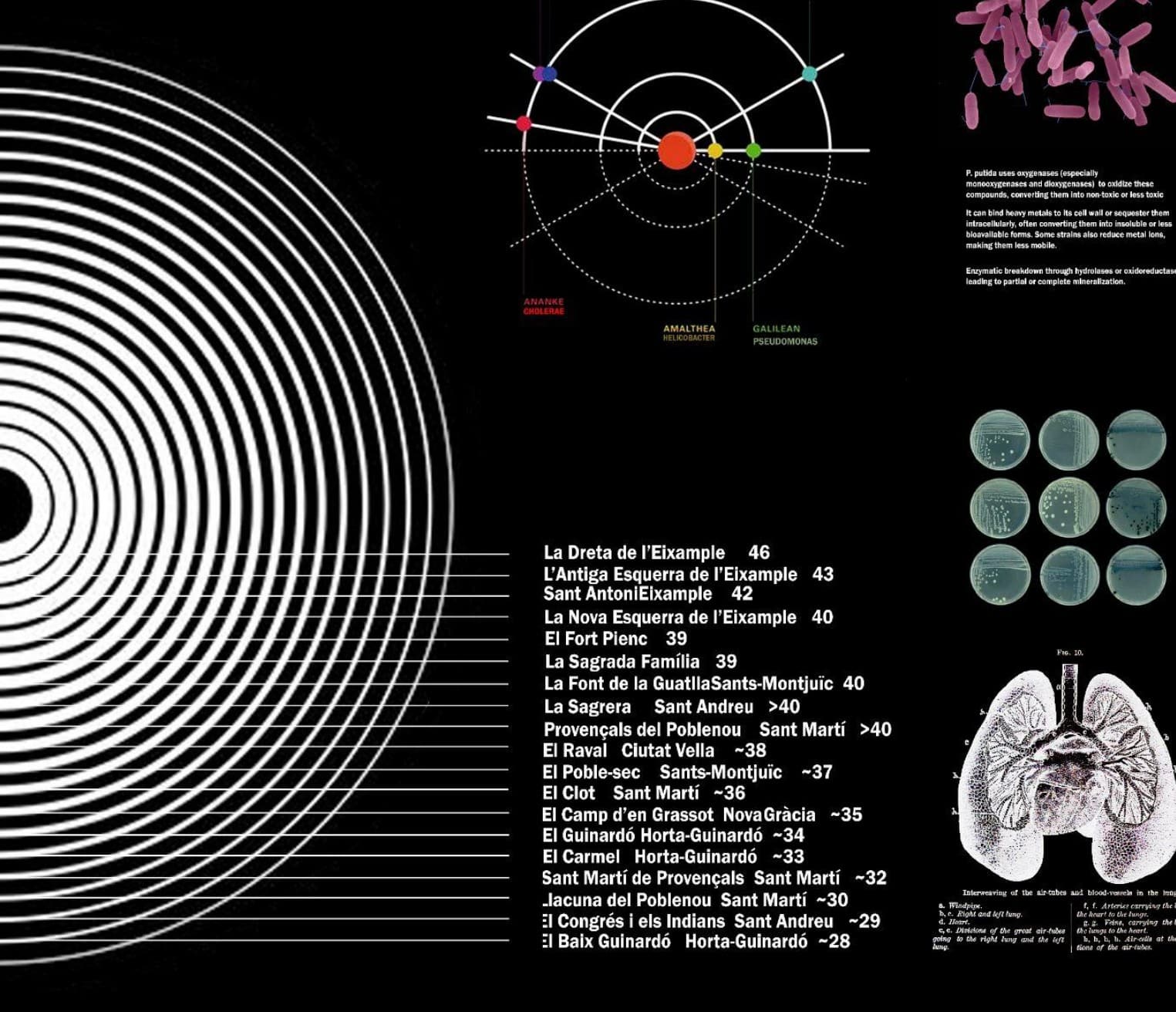
Architecture through the Semiotics of Biological and Artificial Intelligence

The MAA is a visionary master program with an innovative and open structure, mixing diverse disciplines, shaping professionals capable of producing theoretical & practical solutions towards responsive cities, architecture & technology.
Architecture through the Semiotics of Biological and Artificial Intelligence
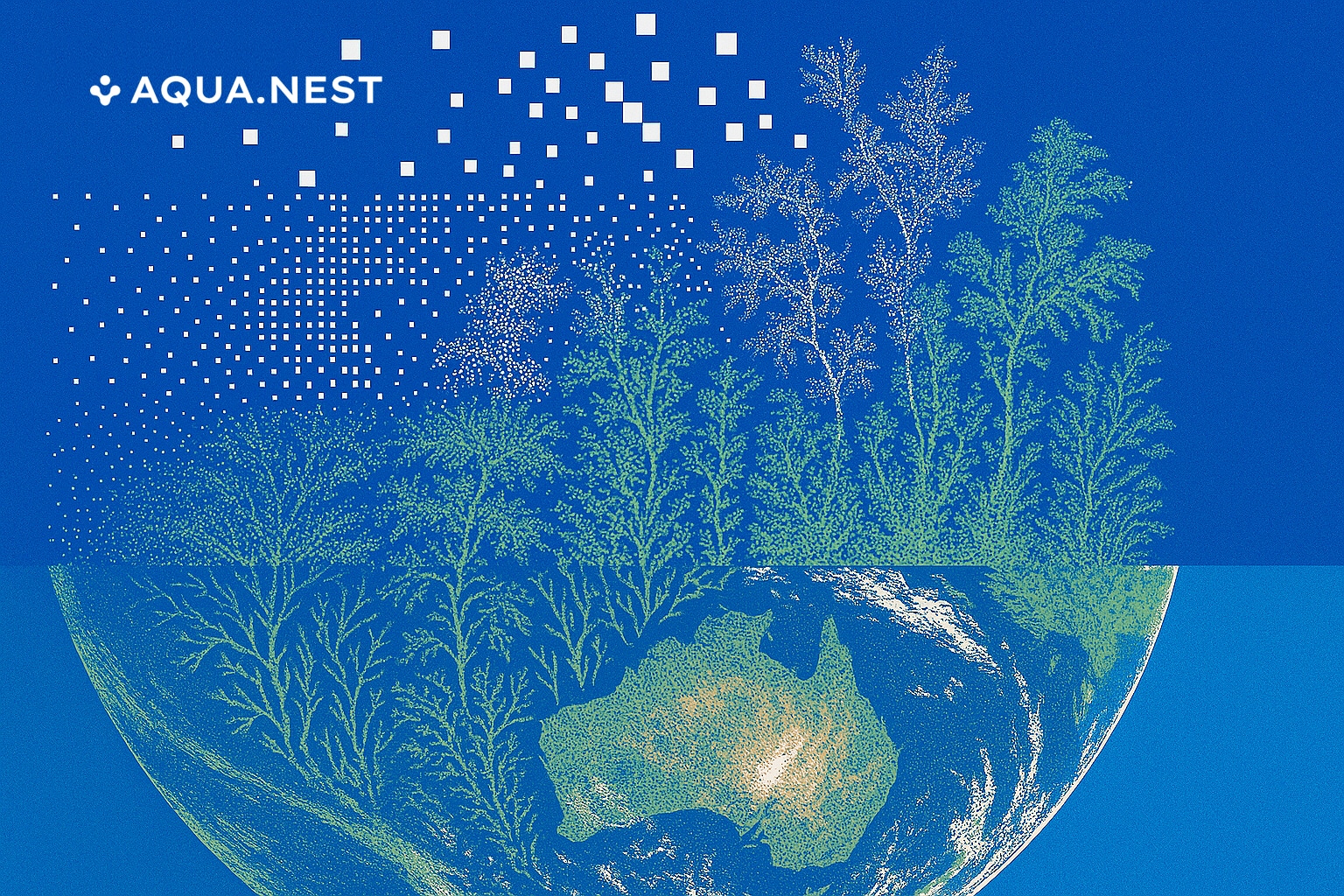
AQUA.NEST: An AI-Powered Decision Support Toolbox for Adaptive Urban Design Using Nature-Based Solutions in Flood-Exposed Coastal Cities Coastal urban flooding is emerging as one of the most urgent climate challenges of our time. Without strong adaptation, annual flood damages could reach €930 billion globally by 2050, even with improved infrastructure (OECD, 2020). Rising sea levels and … Read more
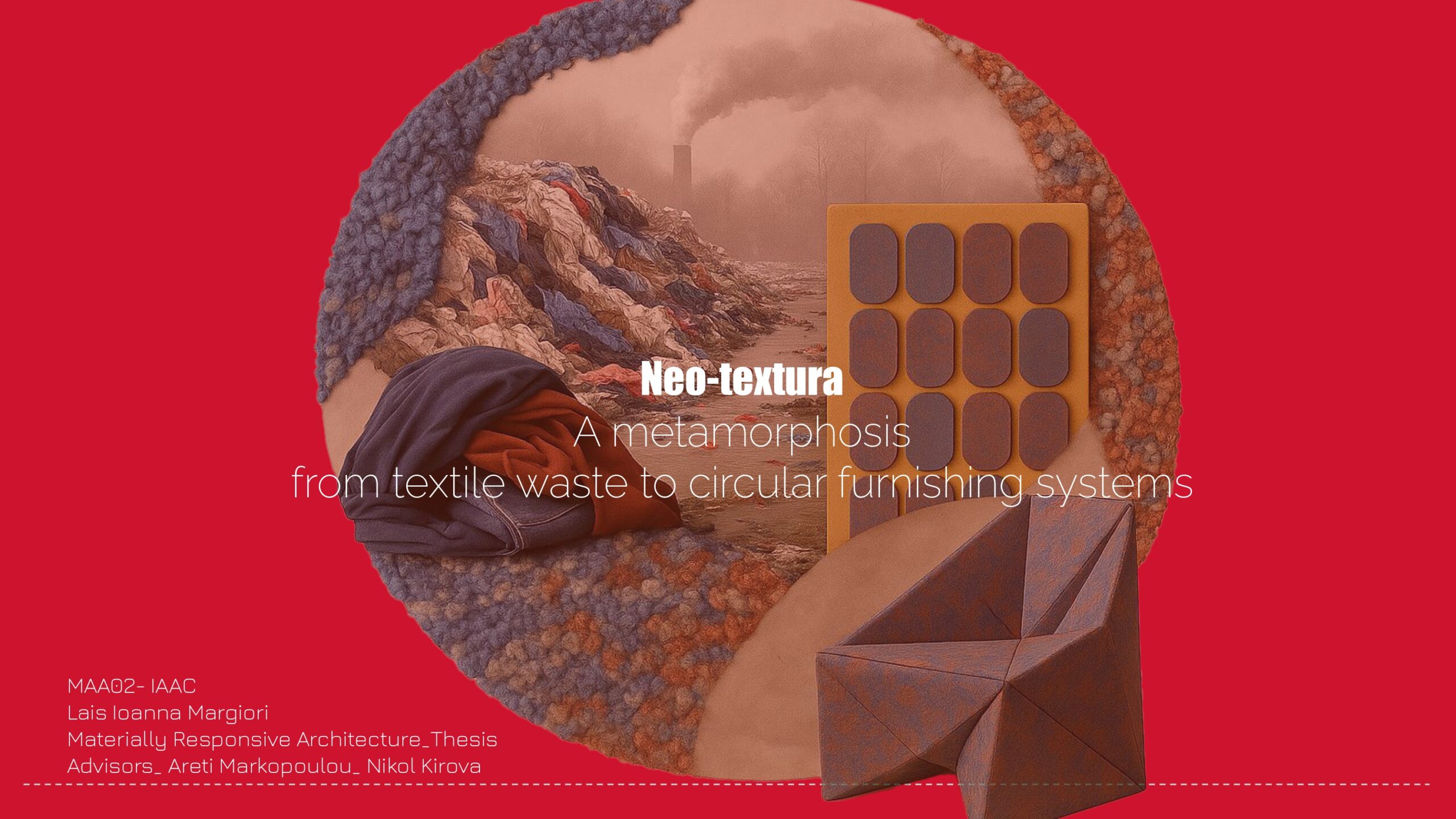
A metamorphosis from textile waste to circular furnishing systems Fast fashion generates over 92 million tonnes of textile waste per year, contributing to environmental pollution, while the construction industry is facing escalating costs and a massive carbon footprint.Raising the question of how post-consumer textile waste can be transformed into panels suitable for various interiors without … Read more
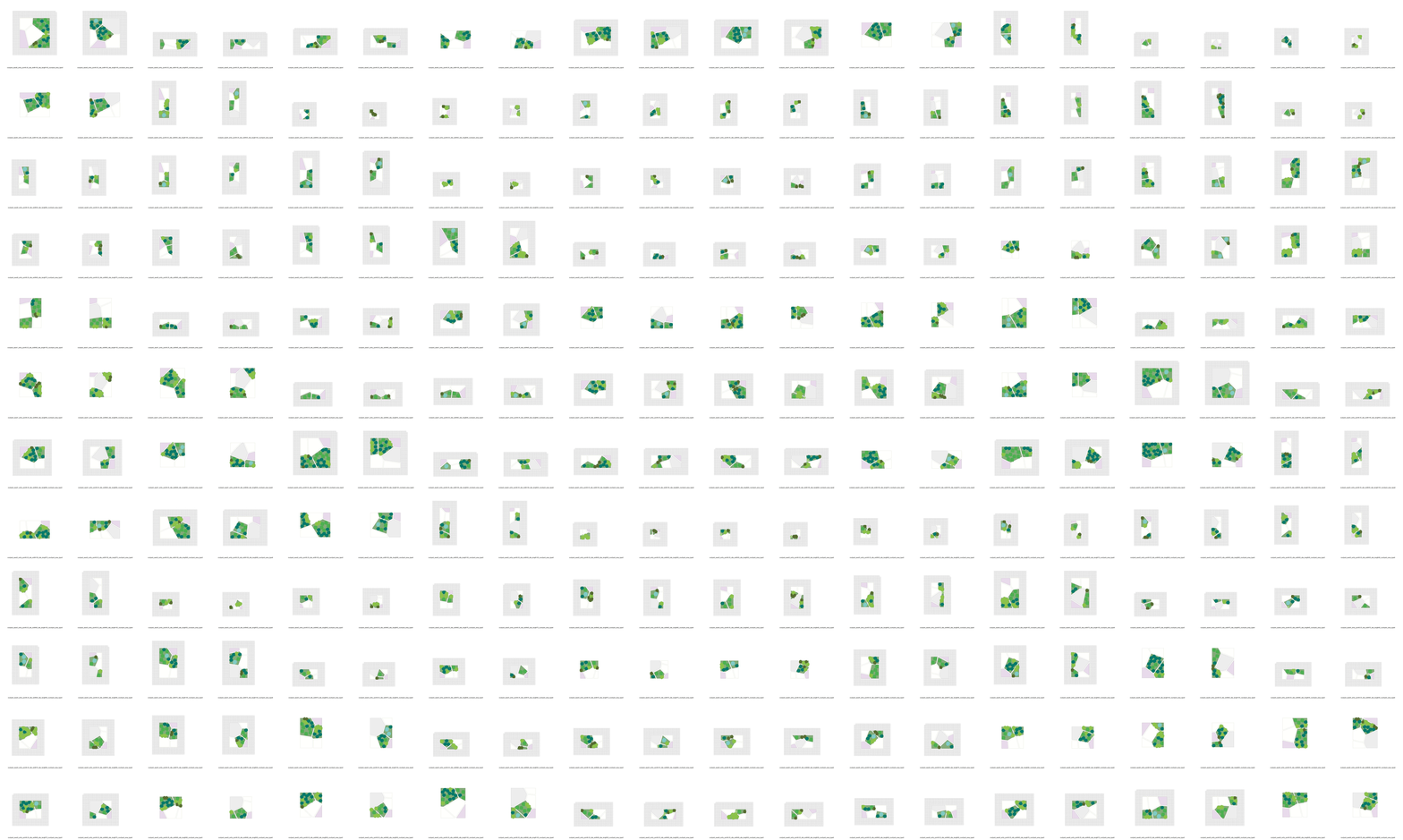
Our team developed a simple, data-driven process that predicts courtyard thermal comfort in real time. Our method gives designers immediate feedback on how their decisions impact the Universal Thermal Climate Index (UTCI), a standard measure of outdoor comfort. In this post, we’ll take you through our approach, from dataset creation to deployment in Grasshopper, and … Read more
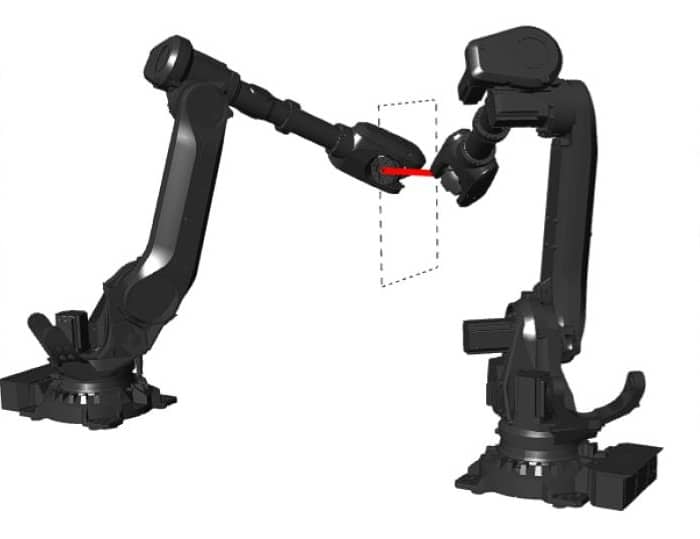
Course Overview: The MRAC01- WORKSHOP 3.2 course focuses on dynamic and improvisational workflows that are used on real-time control of Industrial Robots. Therefore in this course students learned how to use Industrial robots through experimentation of rapid trial and error, hands-on discovery, and real-time problem-solving .uring this workshop, students engaged in a series of exercises … Read more
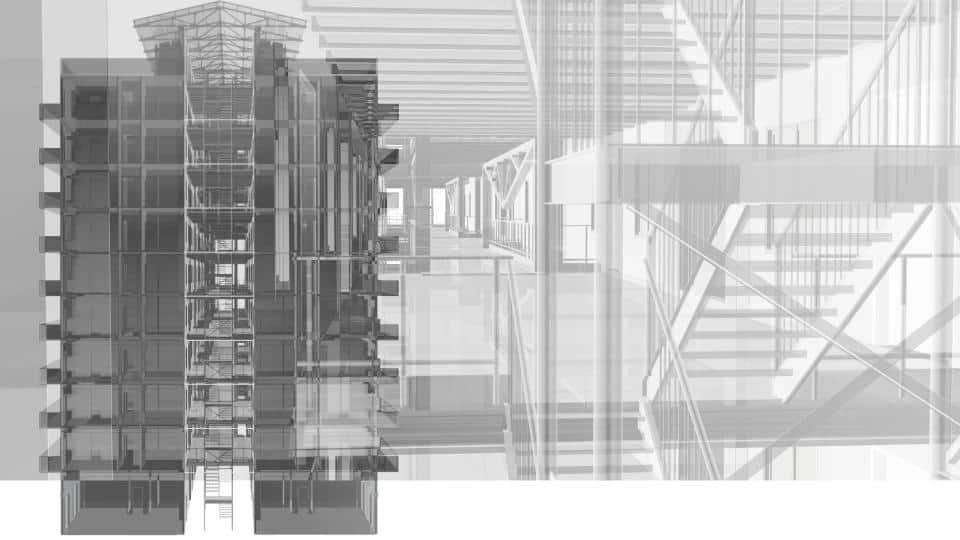
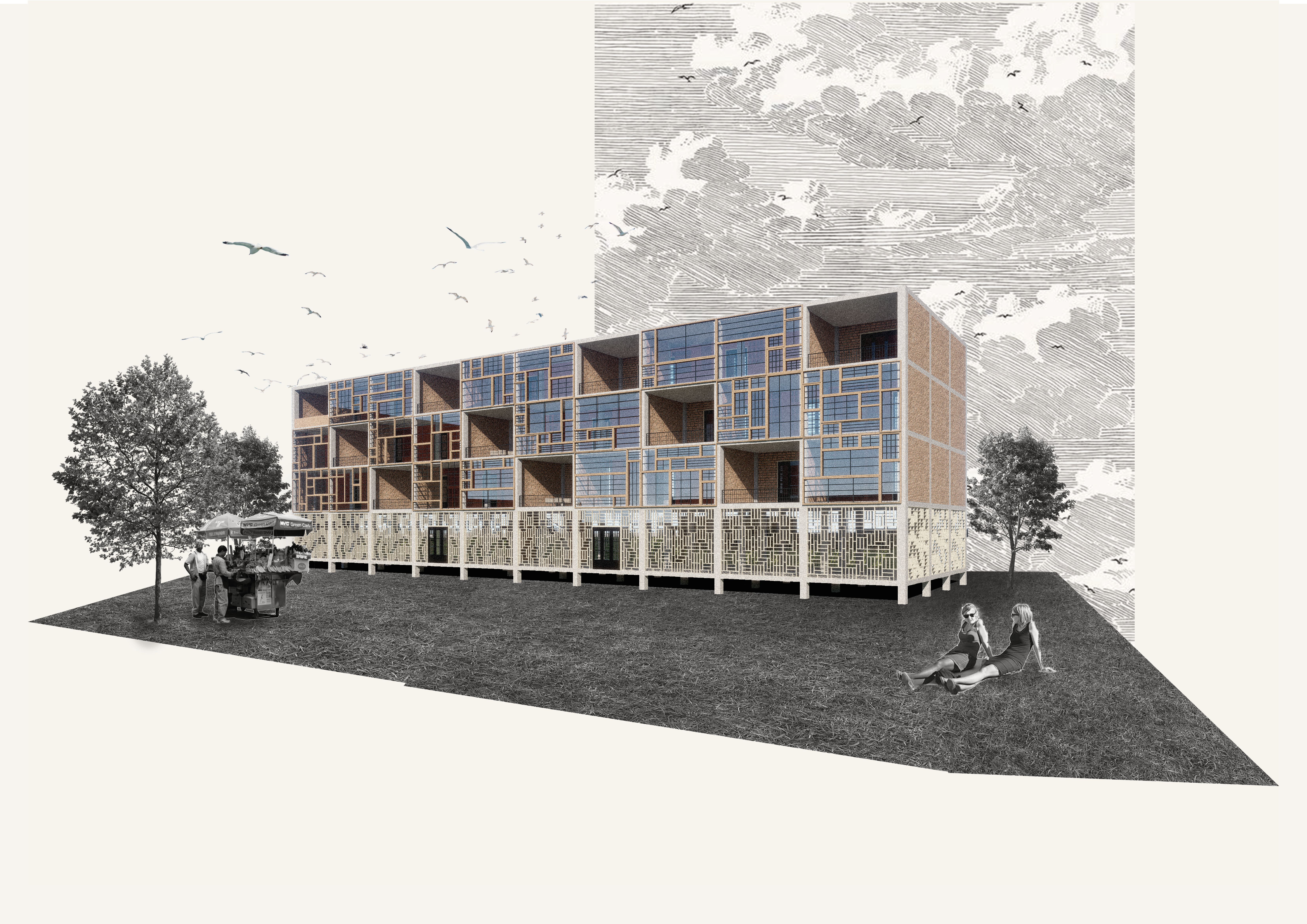
Abstract As part of the New Narratives for Circularity seminar at IAAC, the TMDC site in Barcelona—scheduled for demolition—was selected as the project focus. The program offered the opportunity to redesign the site for housing, sports, or service use; housing was chosen as the proposed function. The seminar emphasized strategies for material reuse and carbon … Read more
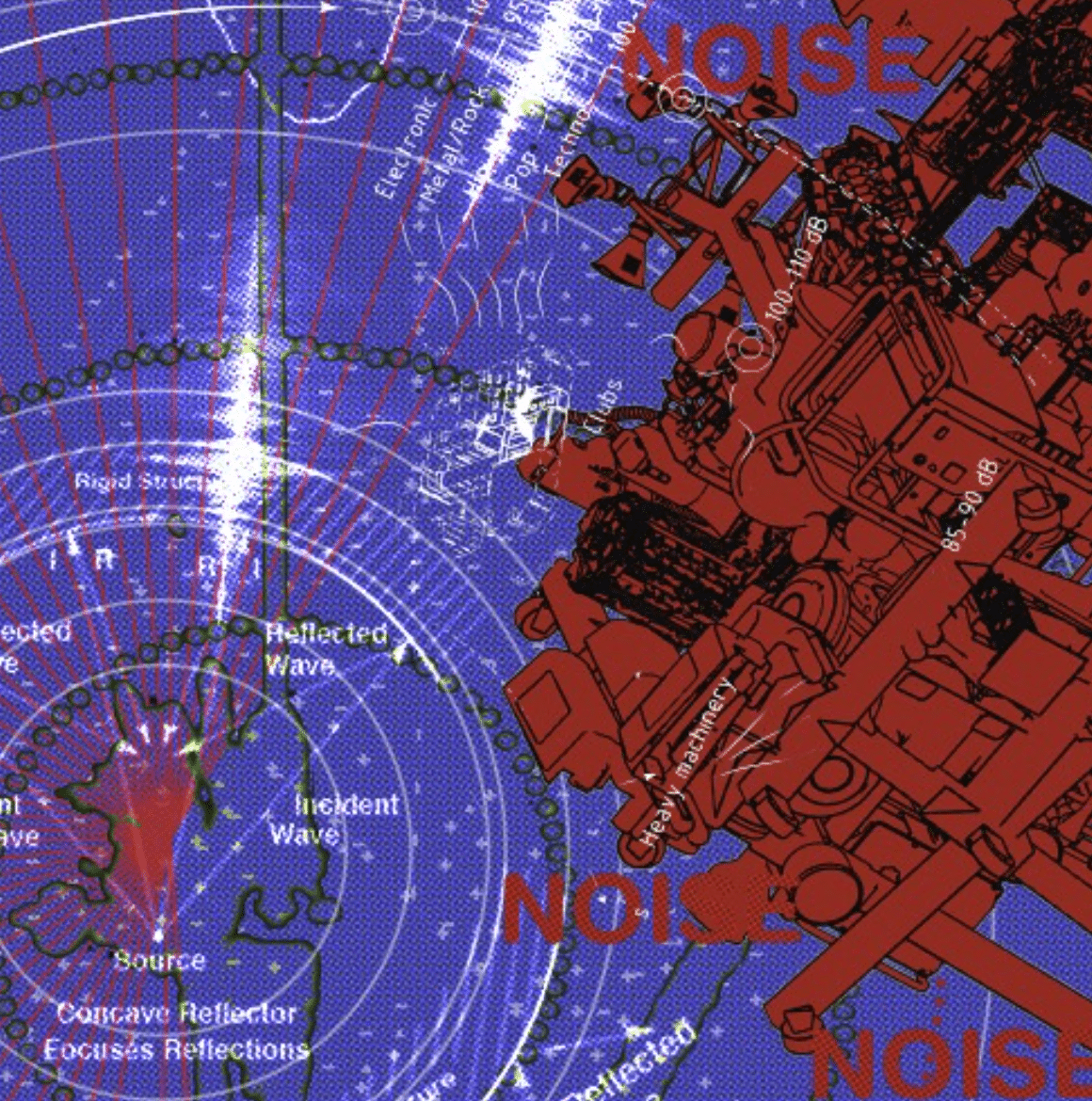
Construction fractured an ecosystem, and listening began to heal it The Echoes We Buried is a speculative eco-fiction set in a fractured Barcelona, where construction noise disrupts not just human life but the deep, vibrating language of ecosystems. As species falter and signals blur, one person begins to listen—to the pressure, the silence, the unraveling. … Read more
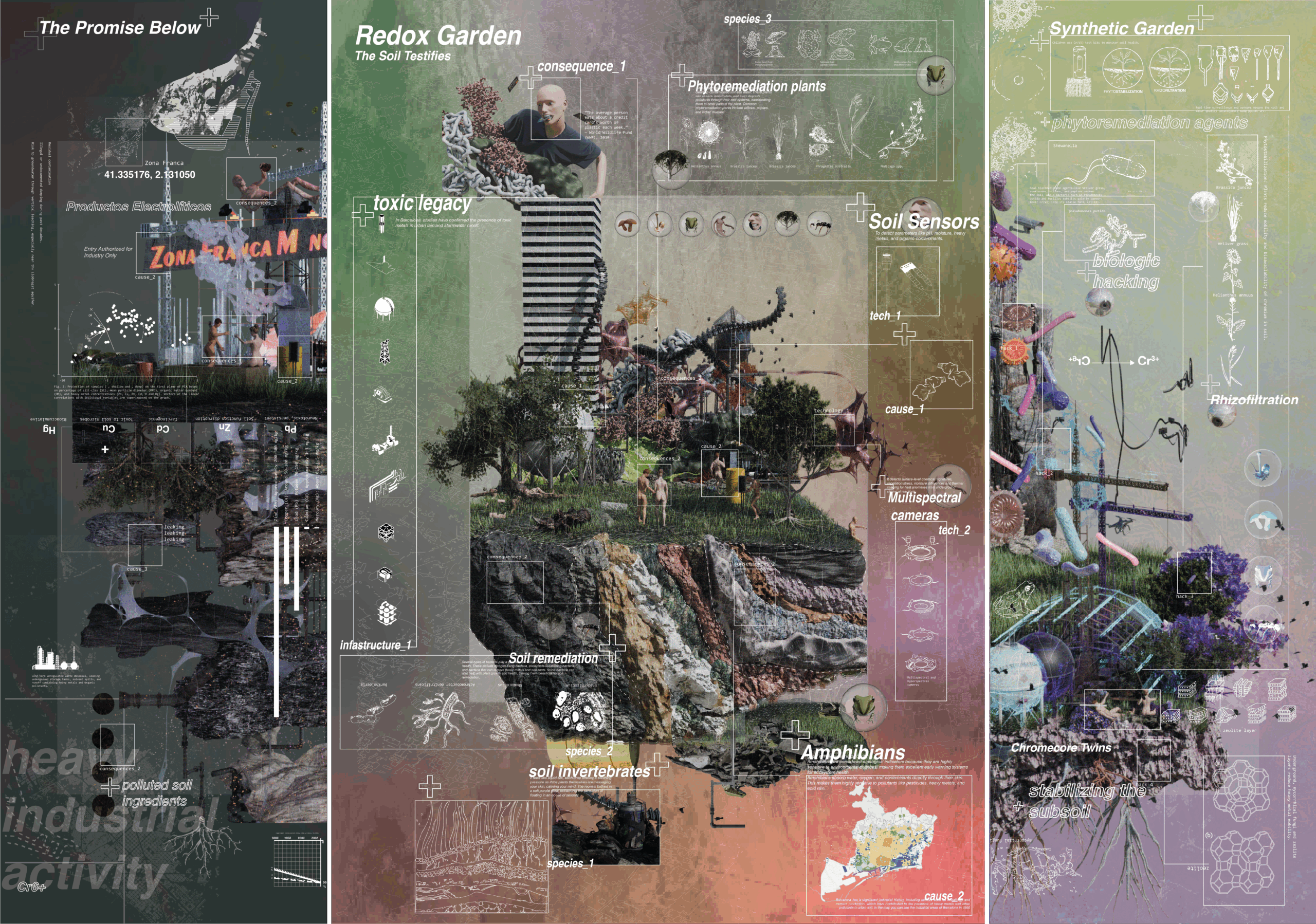
The Soil Remembers, The Garden Responds This project reimagines Barcelona’s Zona Franca as a post-natural landscape shaped by industrial soil pollution, especially hexavalent chromium. Through speculative storytelling, bioremediation science, and visual narratives, it explores how ecosystems, humans, and synthetic organisms might coexist with contamination, not to restore purity—but to adapt, survive, and form new ecological … Read more

A story of water, resistance, and the quiet uprising of chlorides and carex Water Pollution in Barcelona The water waits. It holds its breath Its beauty hides a slow-built threat. The rain forgets to fall for months, Then crashes down in angry stunts. No roots to catch it, drains too tight It pulls the metals … Read more
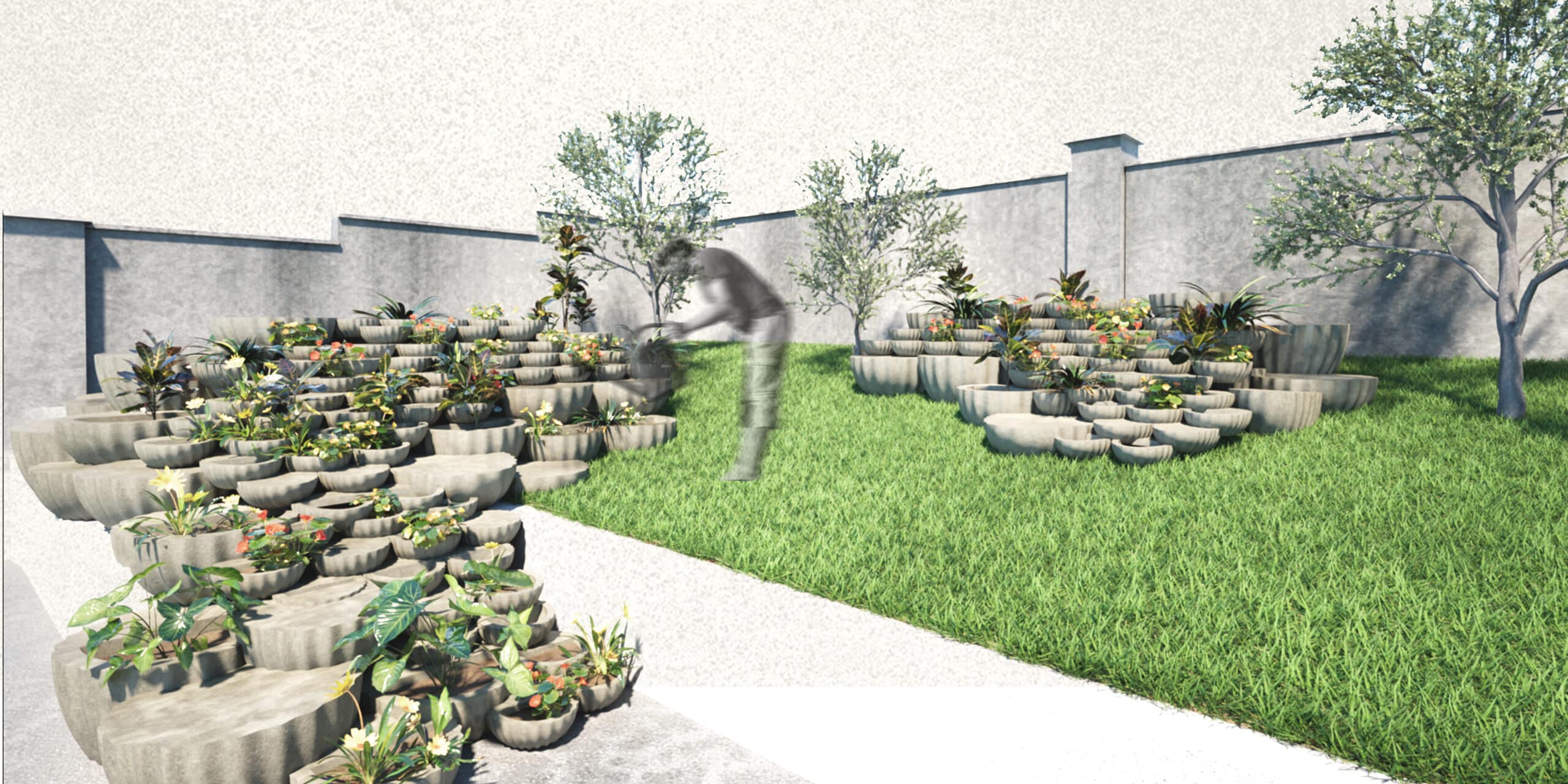
A coracle is a small, lightweight, round or oval boat traditionally made with a woven frame of wood or wicker and covered with animal hide or waterproof fabric. It’s designed to be easily carried and is mainly used in parts of the UK, for fishing or transport on rivers. Master Plan Firstly, we looked the … Read more
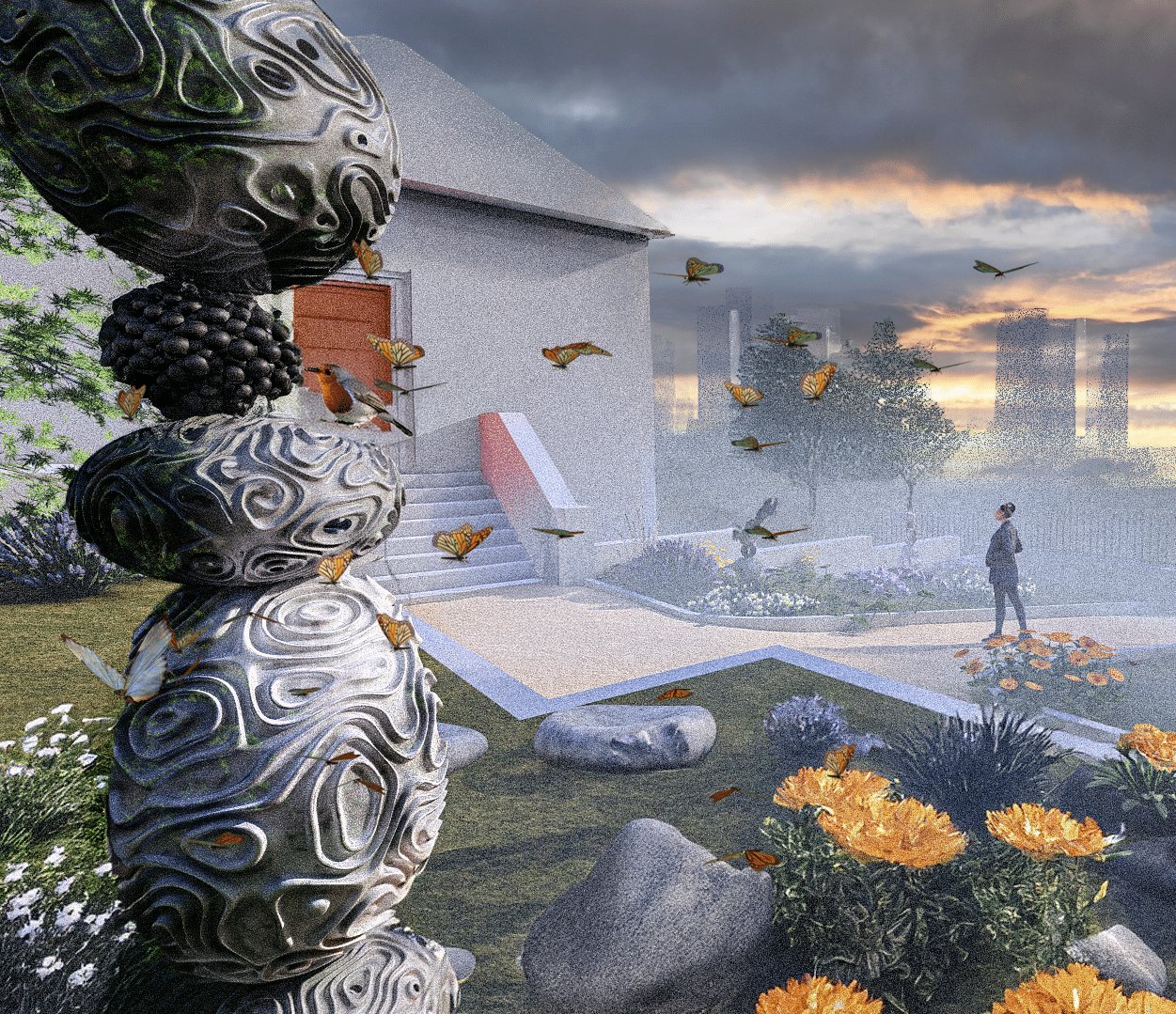
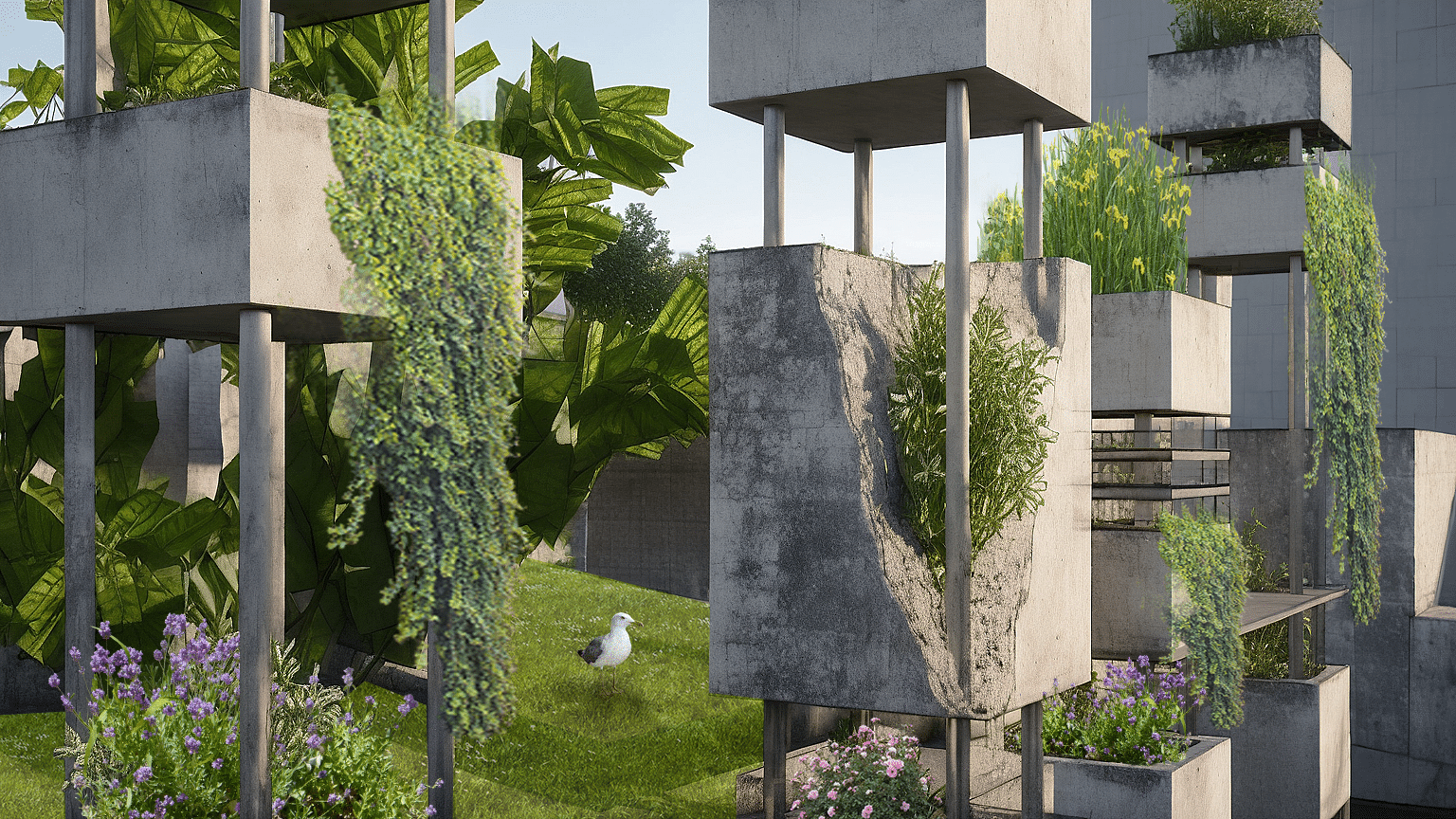
This project introduces an environmental sculpture, up to 1.5 meters tall, placed in the garden of Ballina Methodist Church in Ballina, Ireland. The column acts as a multifunctional architectural element supporting local biodiversity—attracting insects, bees, butterflies, and small birds—while blending harmoniously into the public landscape. Constructed from a geopolymer made with crushed seashells and biochar, … Read more
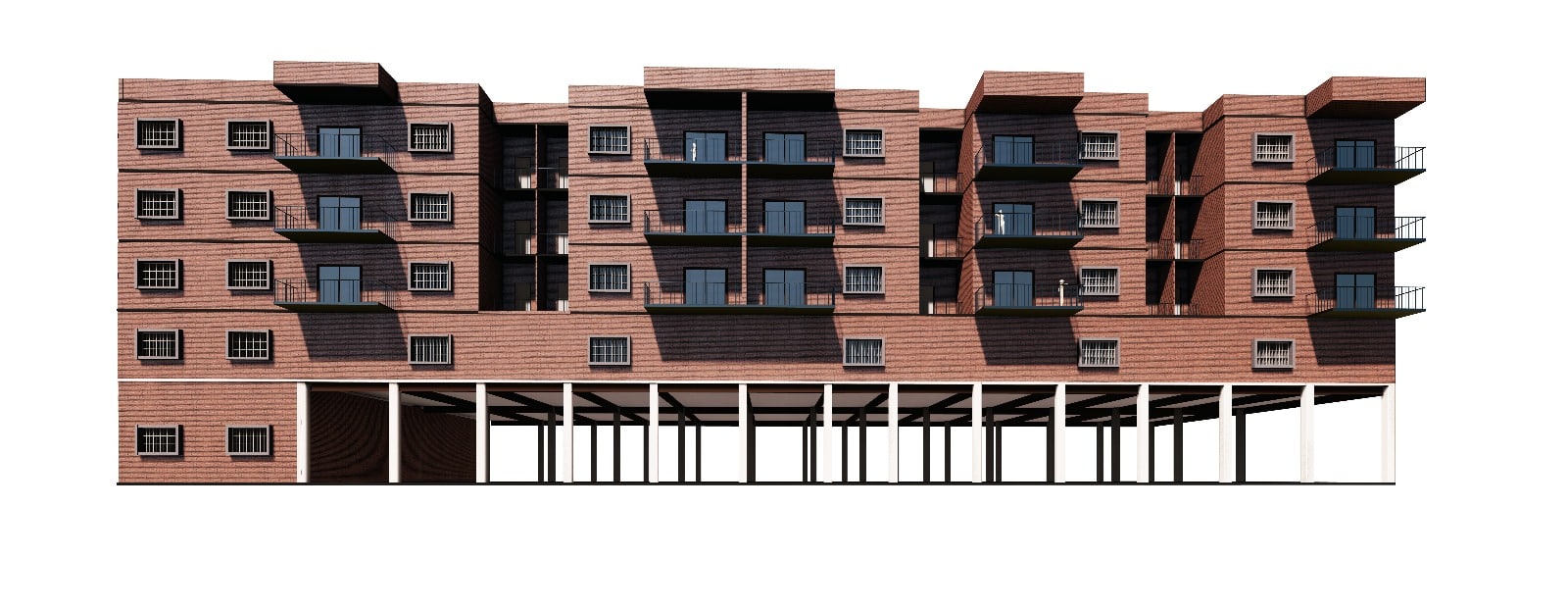
Project by Saad Khan , Sai Mohan Satwik and Baran Koc INTRODUCTION Our group was assigned to study the TMDC building, focusing on its material composition, spatial qualities, and potential for on-site material reuse. The goal is to explore how the existing structure can become a source for recycled construction materials, which we would then … Read more