
During the second year of the Master in AI for Architecture & the Built Environment students have the opportunity of working hand in hand with a series of renowned experts and industry partners in various fields, to develop an in-depth individual research agenda. Students propose a thesis project, to be developed throughout the year, and are allocated with an Individual Thesis Advisor, Technical Advisor, Business Development and Industry Advisor. During the second year of the program, the curriculum of the program gives students the chance to either participate in an accelerator program or embark on a paid internship with renowned architectural and urban design offices around the world that collaborate with the programme. This experience enables students to apply their newfound expertise in real-world settings, contributing to impactful projects, establishing strong future career possibilities and expanding their professional networks.

Barcelona Civic Vision

Bridging the Gap Between Civic Ambitions and Urban Reality Abstract: Urban planning has a persistent problem: cities are shaped for their residents, yet the processes that govern change remain inaccessible to ordinary people. Planning data is fragmented, technical vocabularies are exclusionary, and the gap between citizen desire and institutional decision-making stays wide. Residents feel alienated … Read more
Curbside Intensification
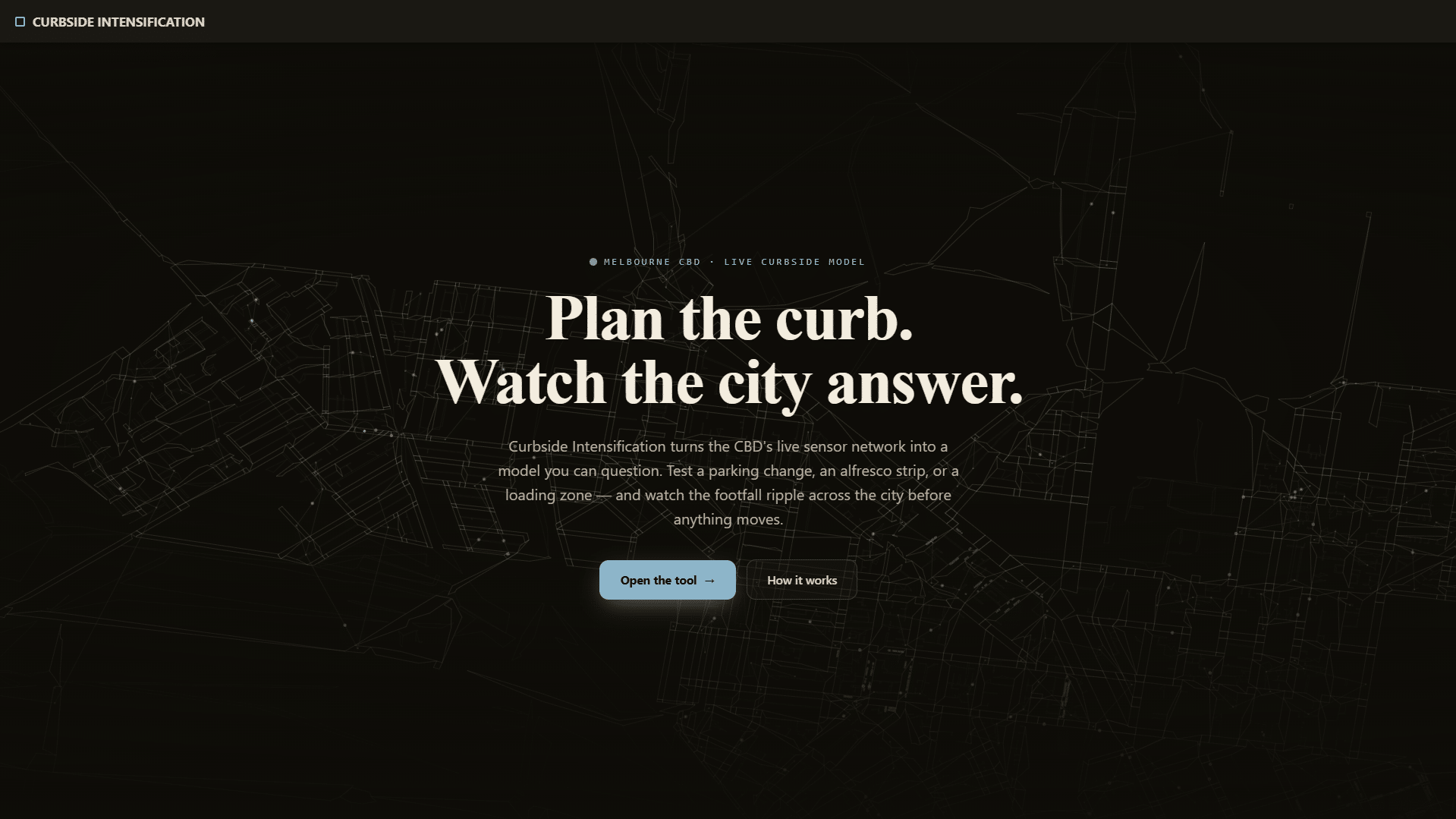
Ertuğrul Akdemir MAAI · Master in AI for Architecture and Business Innovation 25/26 Advisor: Shajay Bhooshan An AI tool that reads how streets behave through the day and tests where the curb could change use, then shows how that change spreads across the city before anything is built. Streets are designed once and rarely questioned. The … Read more
Invest Through Behavior

Invest Through Behaviour reframes how capital decisions are made in social housing impact investment. Today, investment decisions rely on high-level financial and ESG indicators that assume impact rather than demonstrate it, and that obscure the real trade-offs between competing priorities. This project proposes a decision-support approach that treats neighbourhoods across London as a landscape of … Read more
Architecture Intelligence for AI Infrastructure

Toward an AI-Native Framework for Constraint-Orchestrated Data Center Architecture Developed through the working prototype OREXON SYSTEMS. · Nouhaila ELMALOULI · Master in AI for Architecture & Business Innovation (MAAI02), IAAC · 2025/2026 · Advisor: Dr. Wassim Jabi Data centers are the physical substrate of artificial intelligence. Every model we train and every query we run … Read more
Urban Safety Perception Among Women and Gender- Diverse People
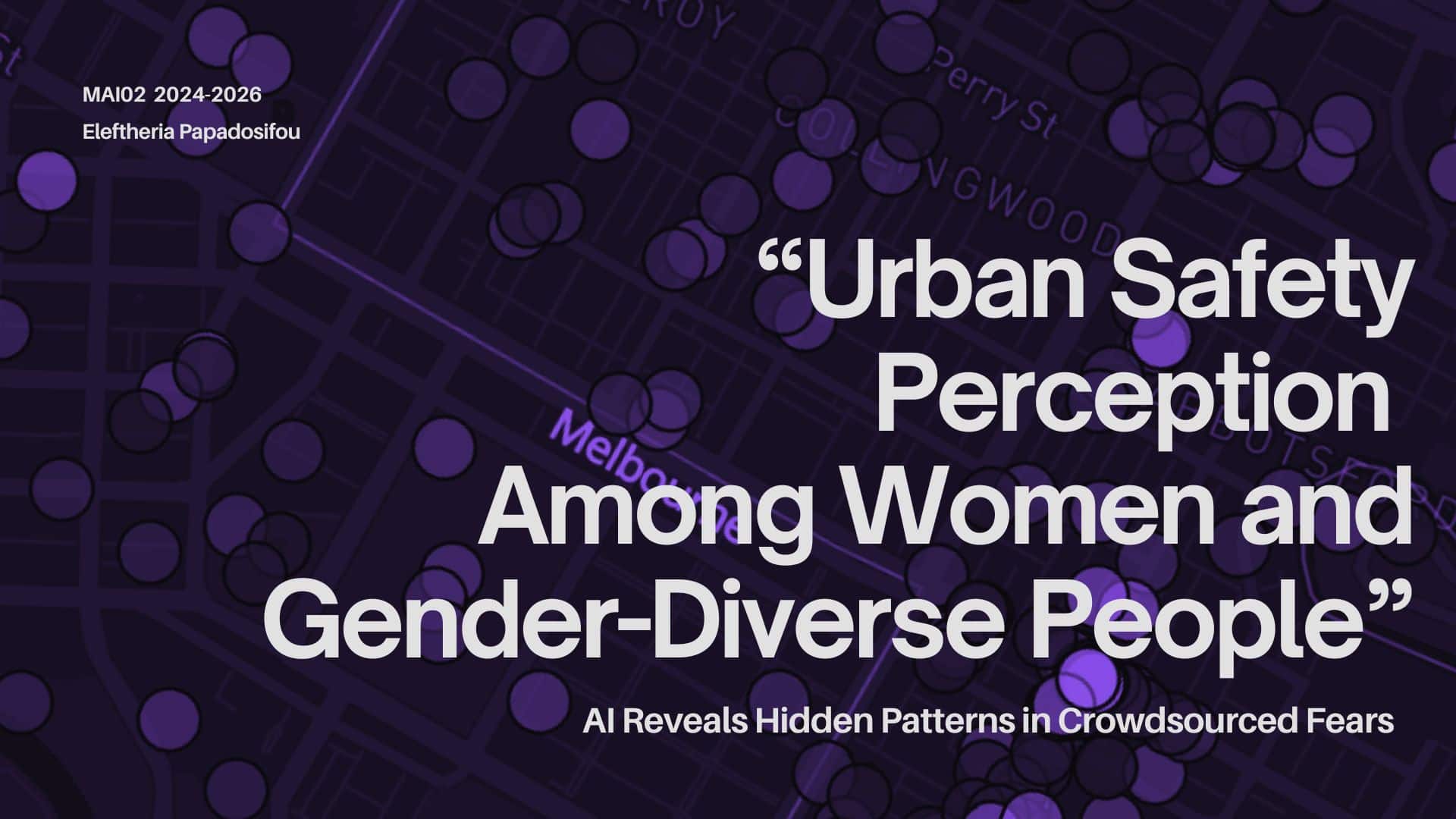
AI Reveals Hidden Patterns in Crowdsourced Fears The Problem According to the International Survey on Sexual Harassment in Public Spaces (L’Oréal Paris & Ipsos, 2023), 92% of young women in Spain have experienced street harassment. The same research states that this number is 80% globally. And yet, as Gardner puts it in Passing By: Gender … Read more
A Systematic Review of Toronto Architectural Heritage Register
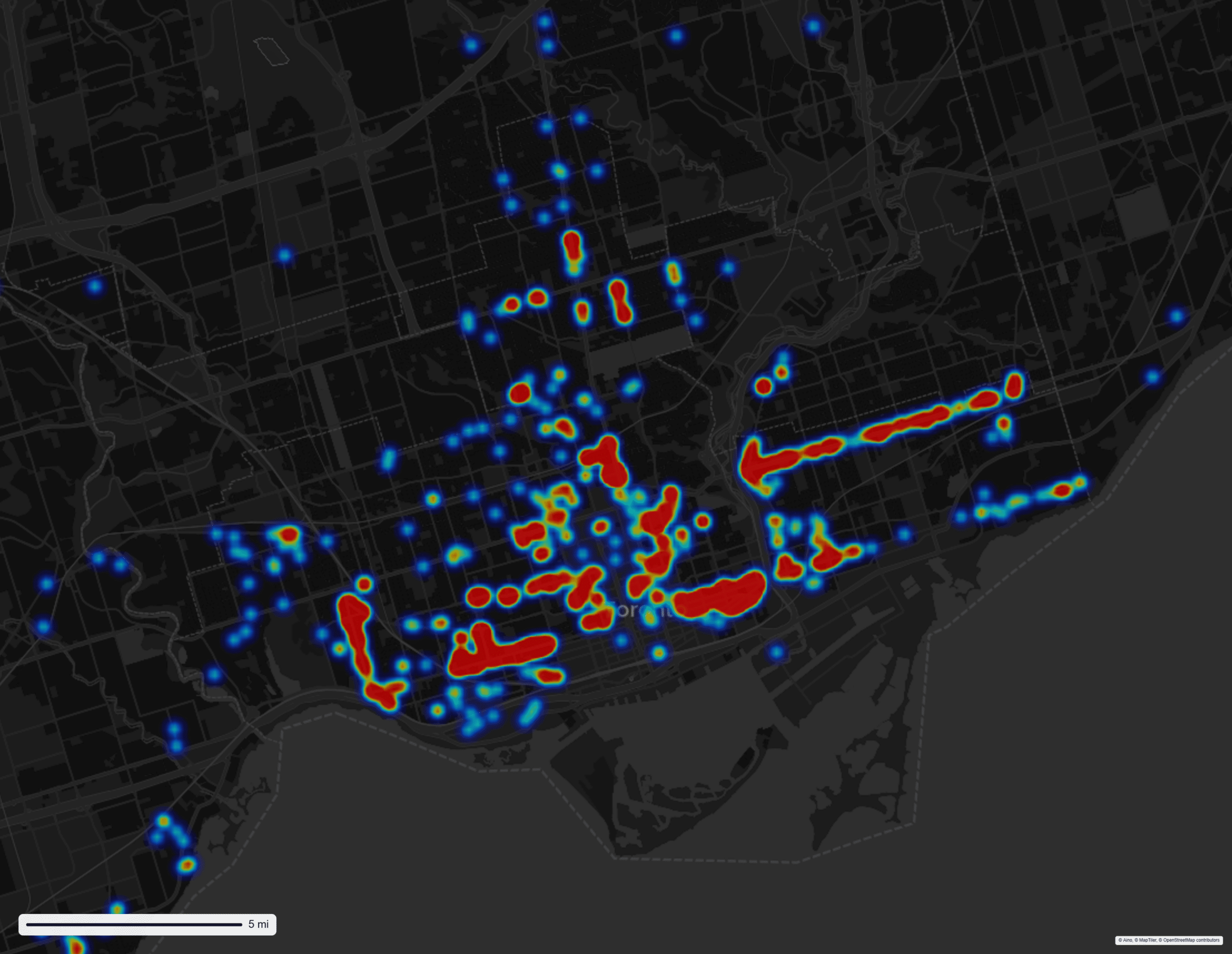
Applying CLIP vector embeddings to defensibly evaluate the architectural value of heritage-listed buildings Project Summary Project Presentation
From Image to Typology
A Computational Framework for Inferring Architectural Spatial Organization from Visual Input. Abstract: This thesis investigates whether Artificial Intelligence can infer a building’s internal spatial organization from its exterior image, using architectural typology as the mediating framework. Typology is treated here not as a stylistic category but as a relational, topological structure: a set of rules … Read more
Motion Pixels

Mapping out Spatial Intelligence Program: Master in AI for Architecture and the Built Environment (MaAI)Supervisor: Wassim Jabi Motion Pixels is a research project that explores how pedestrian movement can be transformed into spatial intelligence. By combining computer vision, trajectory analysis, behavioral mapping, and machine learning, the project converts video recordings of public spaces into spatial … Read more
Assess Through Perspective
A street-level method for predicting and explaining urban heat from surface composition and configuration
Parametric Transformation: Gaudi Inspired Acoustic Panels
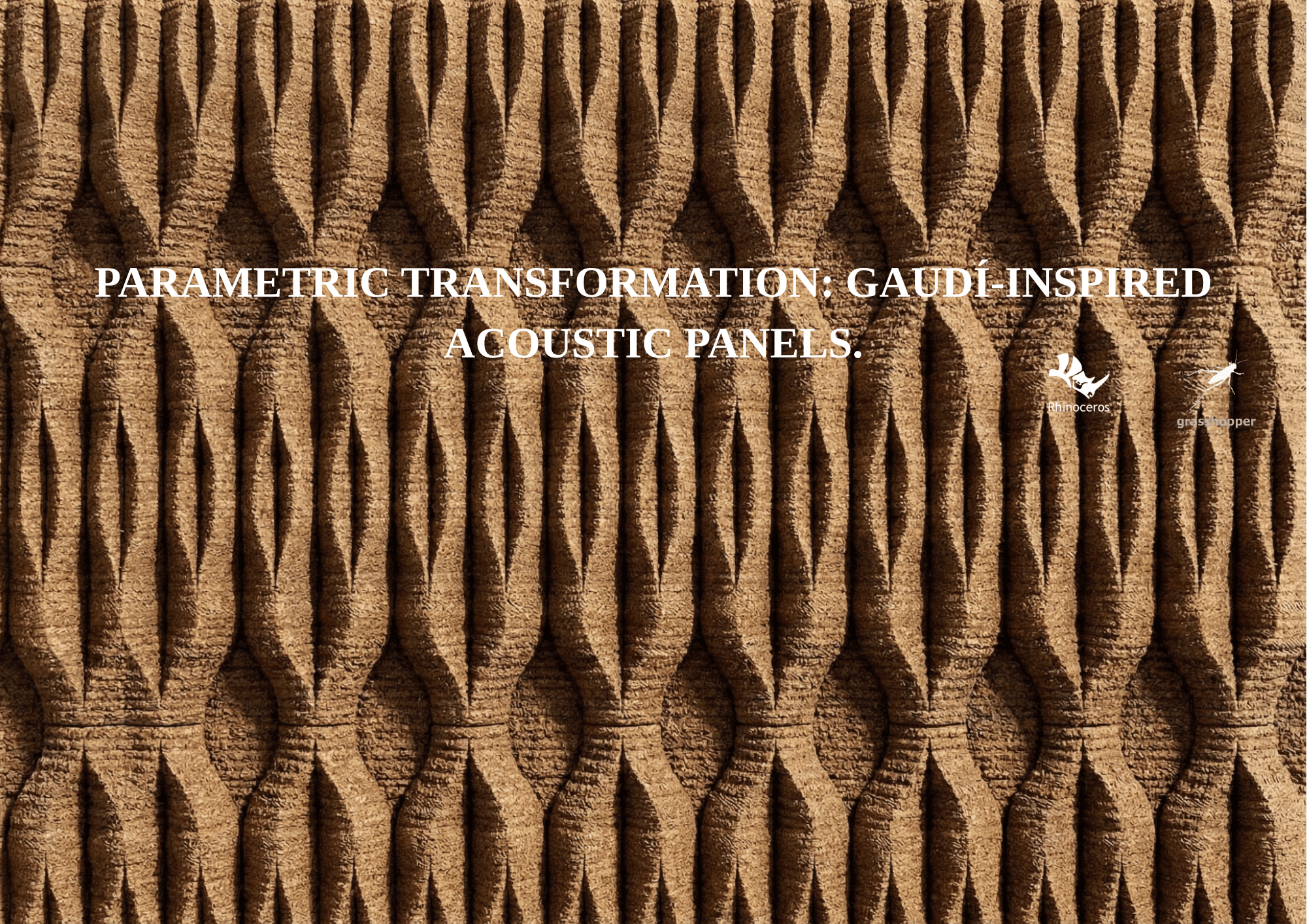
Abstract This project looks at turning waste cork materials into 3D printed acoustic panels, using design ideas taken from Gaudí’s work in the Sagrada Familia. The cork comes from reused bottle stoppers collected in Catalonia, then ground down and turned into a printable filament, so the whole process fits into a circular material workflow. On … Read more
Behavioral Investment in Urban Decision Making
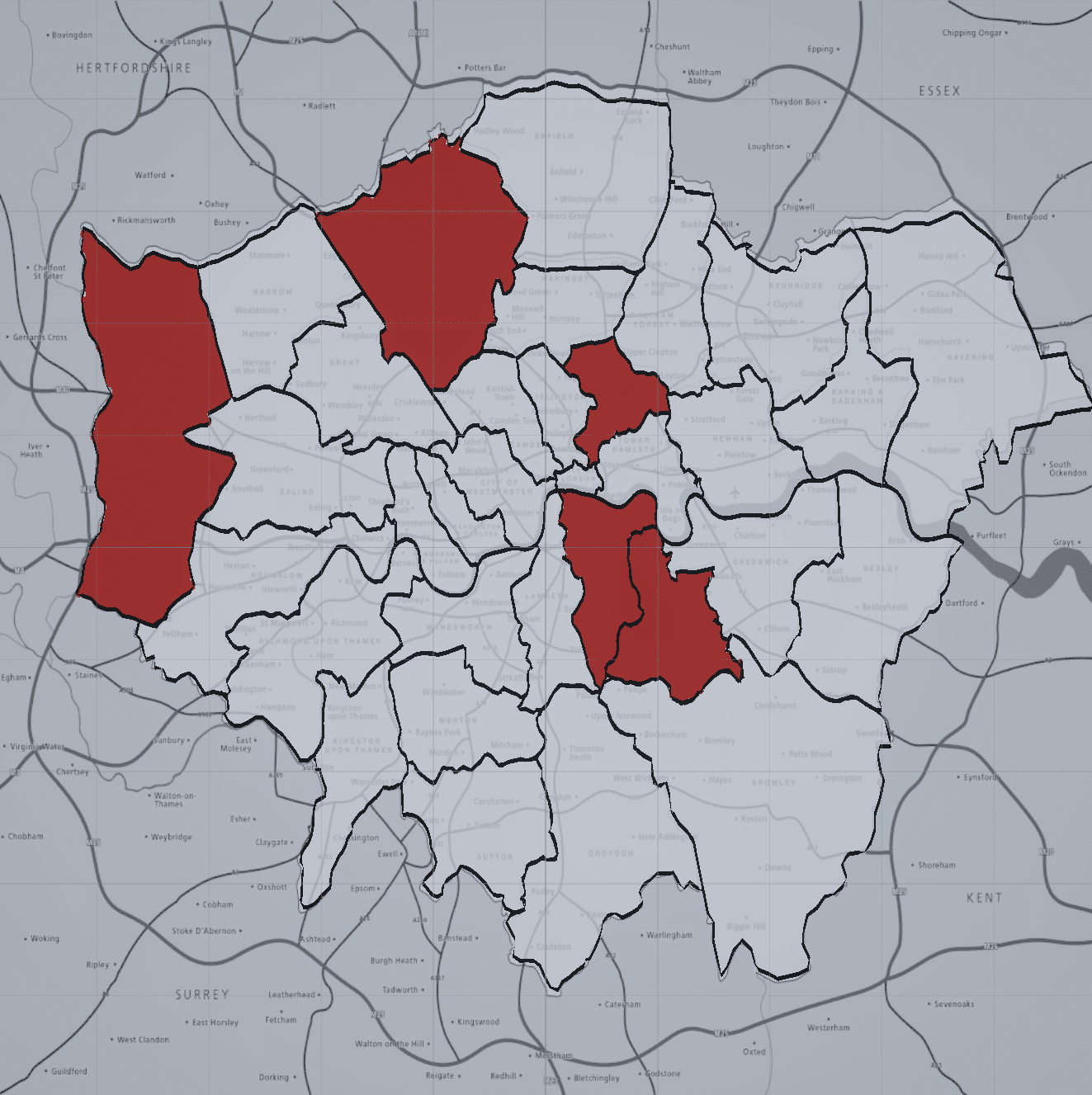
PROBLEM: Current urban investment decisions, particularly in social housing, are largely based on financial feasibility studies, static socio-economic indicators, and ESG-style metrics that fail to capture how people actually experience and use space and often overlook real-time behavioral dynamics: how people move, engage with space, perceive safety, or interact socially. In dense metropolitan environments like … Read more
