The MaCAD is a unique online programme training a new generation of architects, engineers and designers ready to develop skills into the latest softwares, computational tools, BIM technologies and AI towards innovation for the Architecture, Engineering and Construction (AEC) industry.

Filters
Course

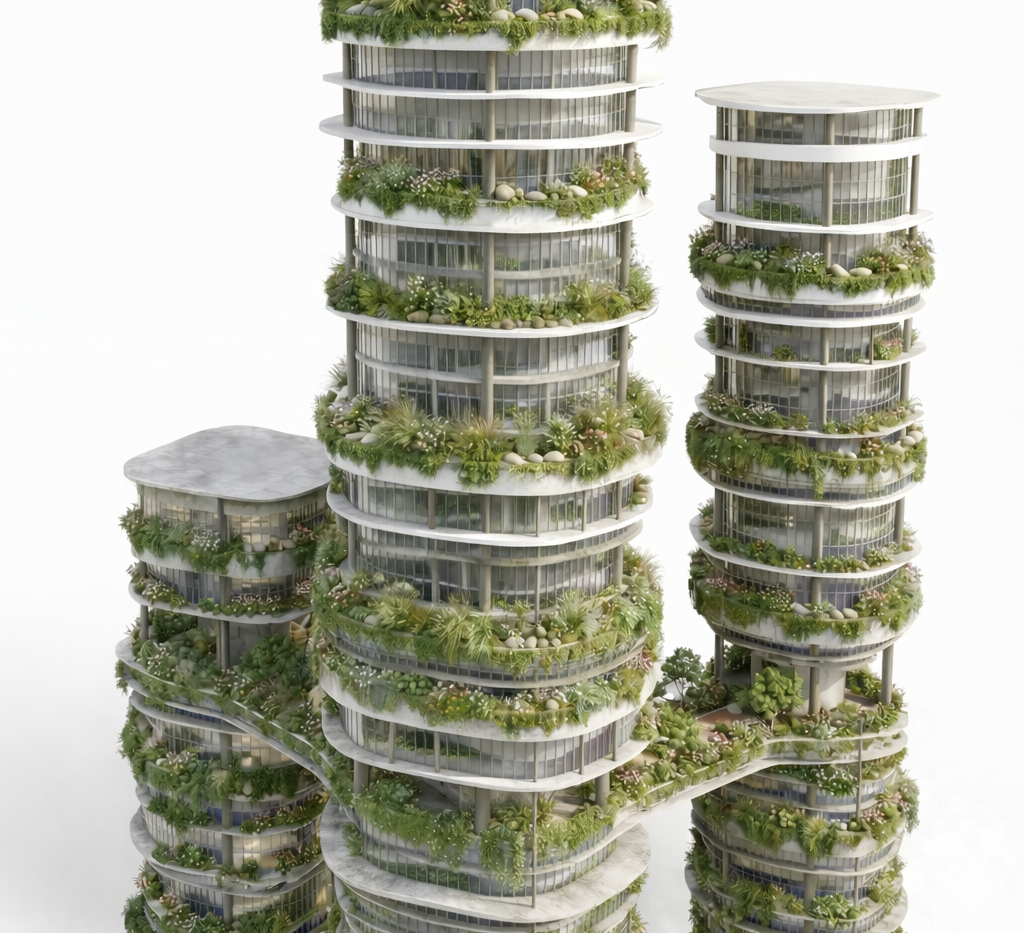
HB03: Data-Driven Towers for Human-Nature Coexistence

Explore HB03, a hyperbuilding developed through parametric design, structural engineering, and adaptive façade optimization. Discover a data-driven approach to sustainable vertical urbanism, daylight performance, and human-centric high-rise design. Introduction: Engineering the Skeleton of Vertical Urbanism In the Vertical Machine studio, architecture is treated as a dynamic urban organism rather than a static object. Within this … Read more

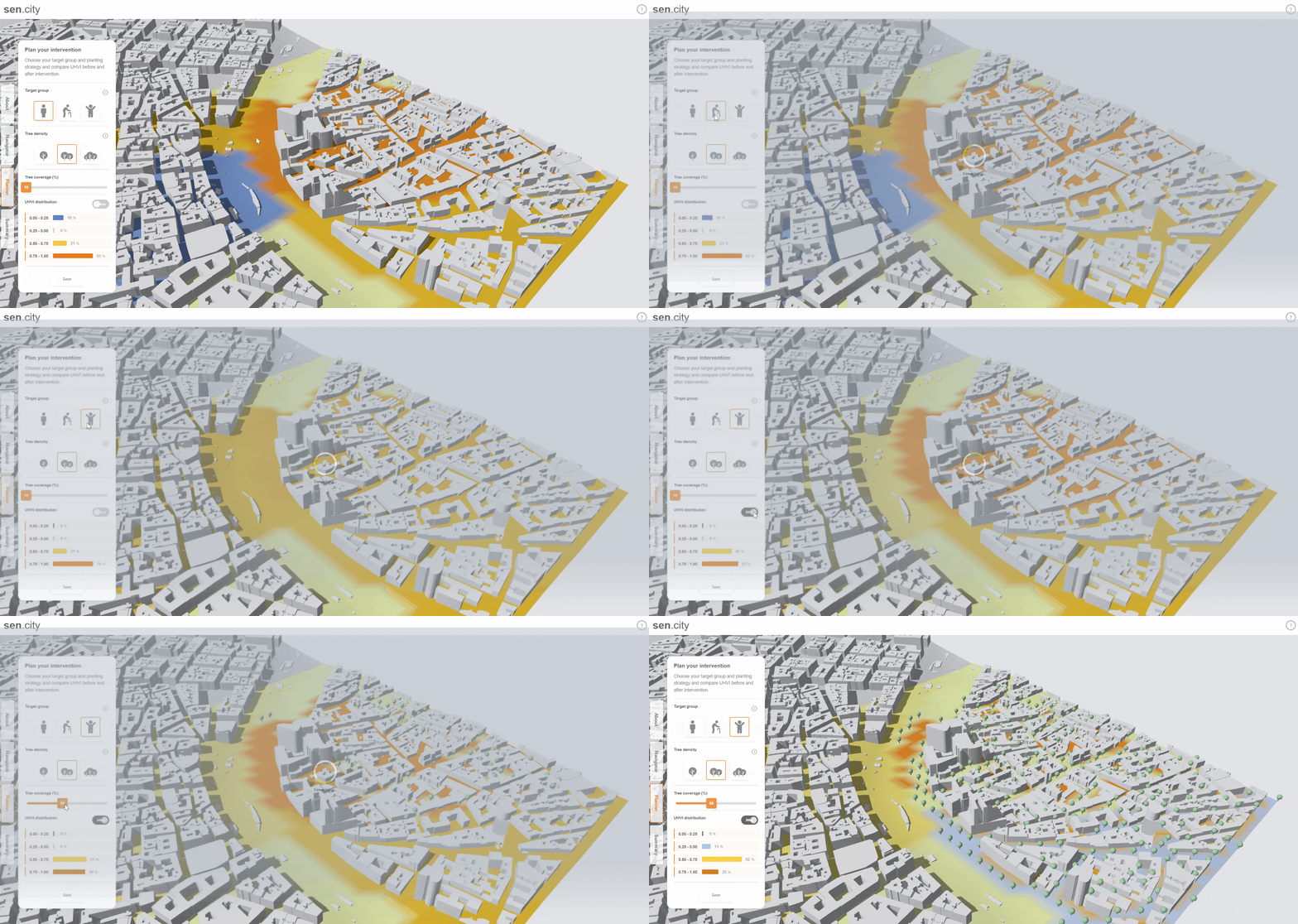
sen.city – Sense urban heat and plant cooler futures for everyone

Cities are warming rapidly, and dense urban centers feel it the most — especially areas with little shade or vegetation. Heat doesn’t affect everyone equally: groups like the elderly, youth, and people with health conditions are far more vulnerable. Problem Statement Most existing tools focus on UTCI, the Universal Thermal Climate Index. It measures how … Read more

Beyond Construction: BIM as a World-Building Tool for Real-Time Game Engines

Abstract This research investigates how Building Information Modeling (BIM) can be leveraged to generate structured and meaningful architectural environments for architectural visualization, video games, and animated films. It explores workflows between BIM tools and real-time game engines, focusing on the transfer and preservation of spatial logic and metadata. The study aims to demonstrate how BIM-based … Read more

Beyond Efficiency

The Purpose of AI in the Age of Resource Scarcity Introduction: Redefining the Question The question “What is the purpose of AI in AEC?” often elicits a predictable response focused on speed. For years the industry has viewed Artificial Intelligence primarily as a mechanism for automation. It is seen as a faster way to produce … Read more

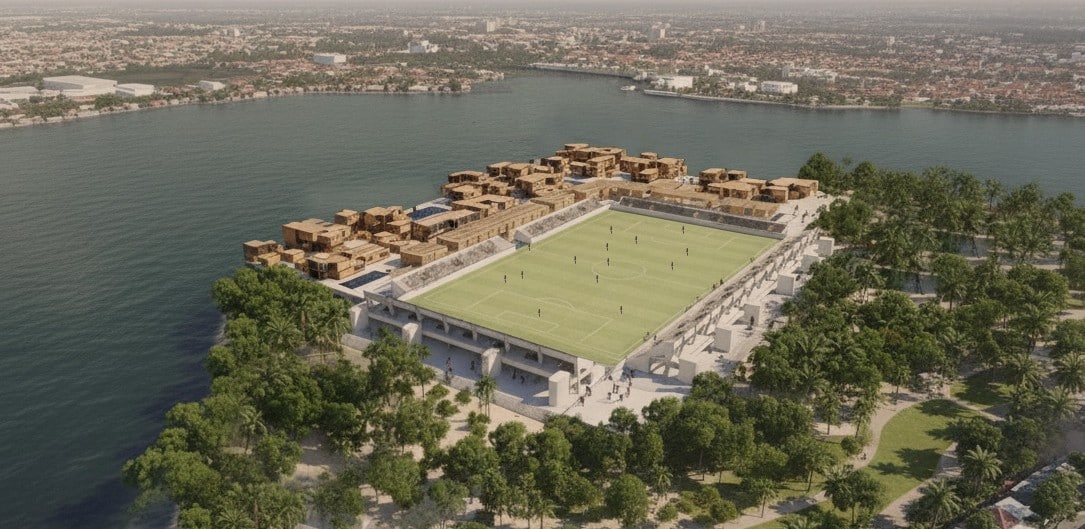
Floating Grounds-Rethinking Resilience in Jakarta

Introduction Floating Grounds proposes a flood-resilient urban model for Jakarta that merges housing, public programs, and a stadium into a single floating system. Instead of resisting water, the project accepts it as a permanent condition and uses it as an organizing element. The work explores how large-scale infrastructure can support community life while addressing land … Read more

Data-Driven Environmental Analysis in Palermo (Italy)

A comprehensive environmental assessment and design optimization process was developed for a proposed residential development located in Palermo, Italy. This study integrates climate analysis, massing optimization, outdoor thermal comfort assessment and the development of a final design proposal informed by performance-based criteria. Introduction The project area covers approximately  6,500 m2 within a dense and flat residential … Read more

Revitalizing the Tsukiji Fish Market: An Environmental Analysis of Tokyo

Introduction Group Async A, comprised of Charles Abi Chahine, Emilie El Chidiac, María Sánchez, and Lakzhmy Zaro, conducted an environmental analysis of a redevelopment project in Tokyo, Japan. We focused on a 19-hectare plot that was historically the site of the Tsukiji fish market. The Challenge of Dressing for TokyoAnyone who has visited Tokyo’s famous … Read more