The MaCAD is a unique online programme training a new generation of architects, engineers and designers ready to develop skills into the latest softwares, computational tools, BIM technologies and AI towards innovation for the Architecture, Engineering and Construction (AEC) industry.

Filters
Course

Beyond Efficiency

The Purpose of AI in the Age of Resource Scarcity Introduction: Redefining the Question The question “What is the purpose of AI in AEC?” often elicits a predictable response focused on speed. For years the industry has viewed Artificial Intelligence primarily as a mechanism for automation. It is seen as a faster way to produce … Read more

Floating Grounds-Rethinking Resilience in Jakarta

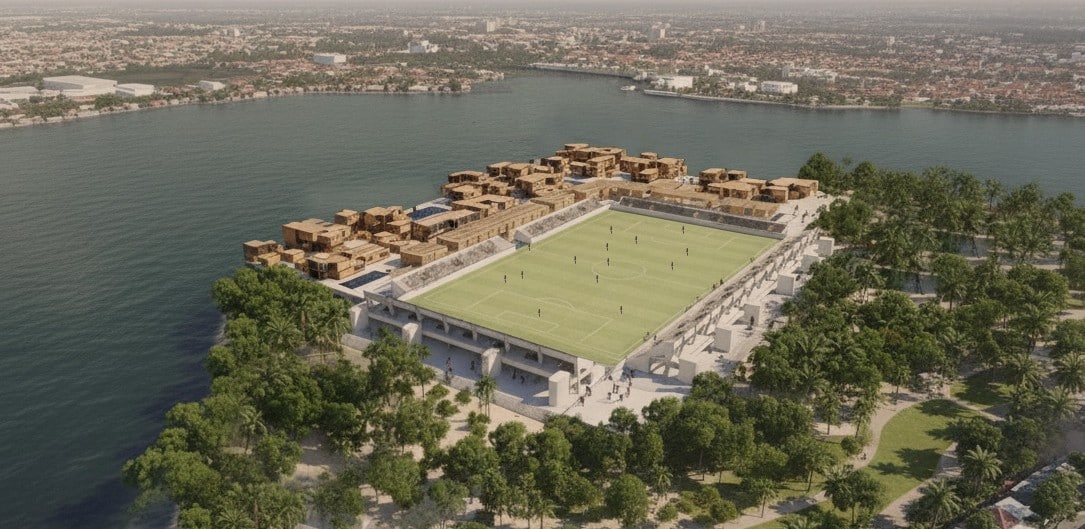
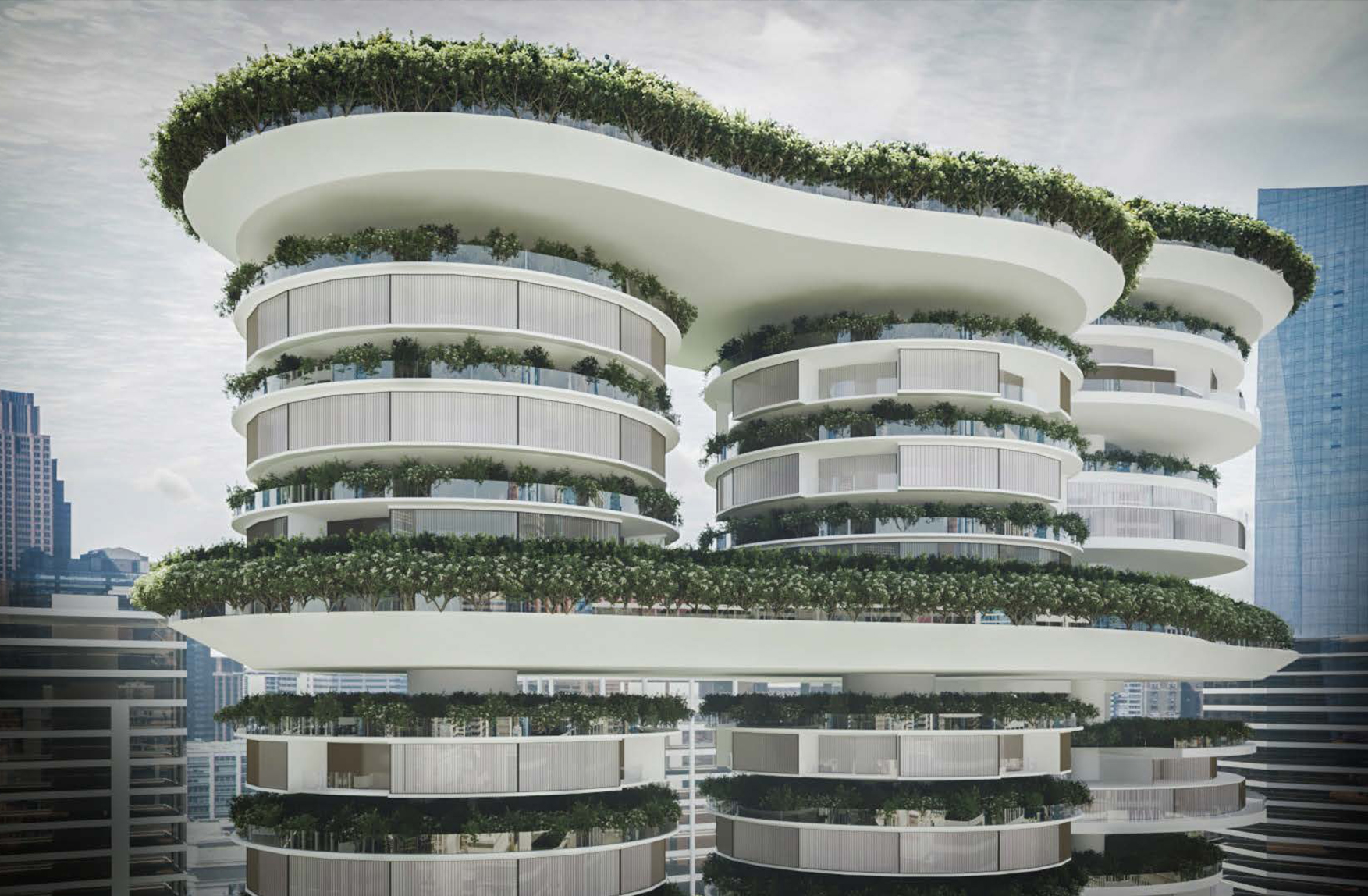
Introduction Floating Grounds proposes a flood-resilient urban model for Jakarta that merges housing, public programs, and a stadium into a single floating system. Instead of resisting water, the project accepts it as a permanent condition and uses it as an organizing element. The work explores how large-scale infrastructure can support community life while addressing land … Read more

Data-Driven Environmental Analysis in Palermo (Italy)

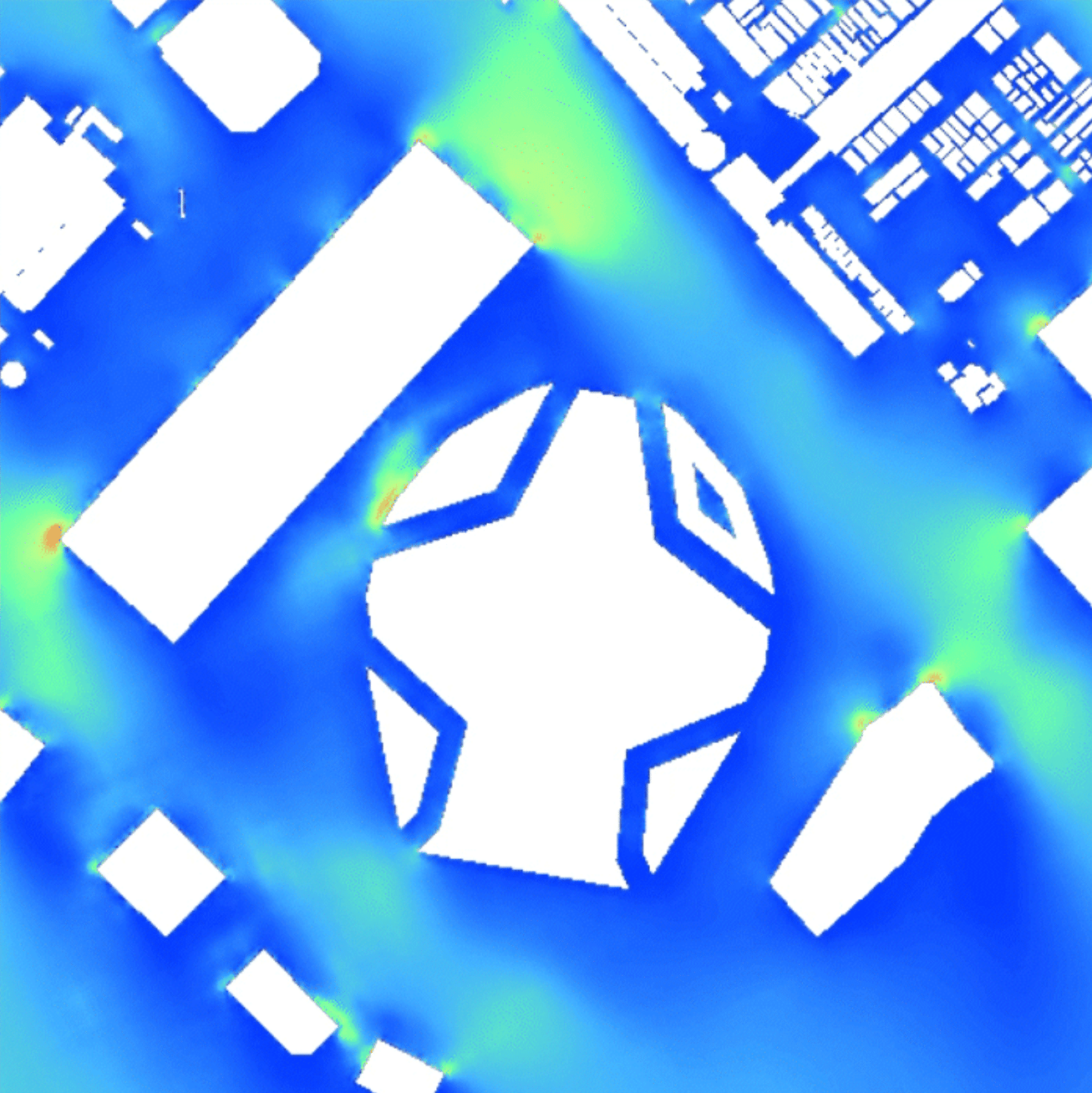
A comprehensive environmental assessment and design optimization process was developed for a proposed residential development located in Palermo, Italy. This study integrates climate analysis, massing optimization, outdoor thermal comfort assessment and the development of a final design proposal informed by performance-based criteria. Introduction The project area covers approximately  6,500 m2 within a dense and flat residential … Read more

Quantum Grounds: Climate-Adaptive Urban Futures at CERN

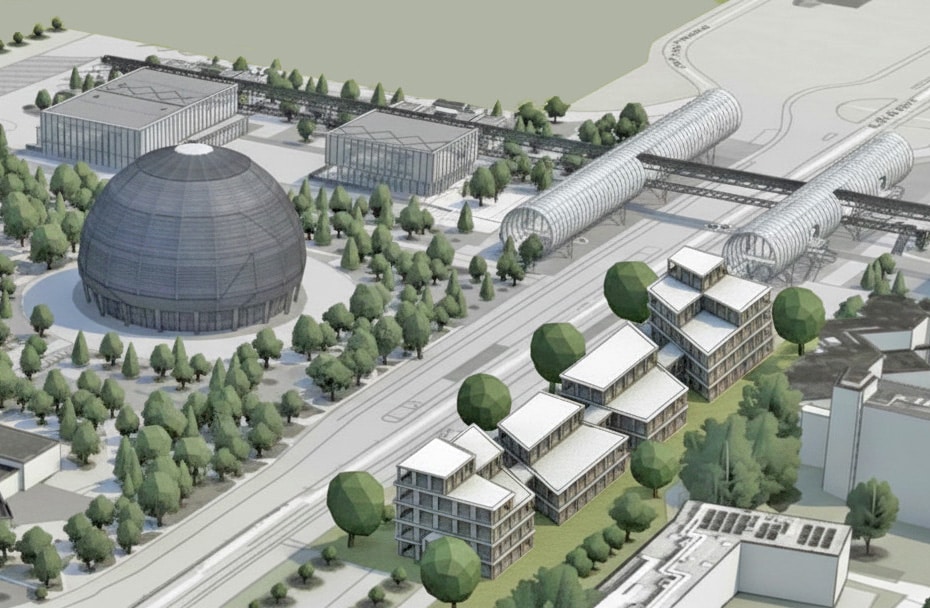
Case Study Site Context The site is located at 46.2330, 6.0556 in Meyrin, Geneva, Switzerland. It includes the Esplanade des Particules, within the CERN campus, and covers an area of 45.000 sqm, surrounded by a urban residential area with low-rise buildings. The primary land uses in the vicinity include grass and allotments. The site’s location … Read more

Revitalizing the Tsukiji Fish Market: An Environmental Analysis of Tokyo

Introduction Group Async A, comprised of Charles Abi Chahine, Emilie El Chidiac, María Sánchez, and Lakzhmy Zaro, conducted an environmental analysis of a redevelopment project in Tokyo, Japan. We focused on a 19-hectare plot that was historically the site of the Tsukiji fish market. The Challenge of Dressing for TokyoAnyone who has visited Tokyo’s famous … Read more

Urban Climate on Graphs: From Form to Comfort

ABSTRACT This thesis investigates the relationship between urban development patterns and outdoor thermal comfort, with a focus on Mean Radiant Temperature (MRT), a key factor in calculating the Universal Thermal Climate Index (UTCI).  While graph-based approaches have long been used in spatial analysis (e.g., space syntax, circulation networks), this research extends the application of graph … Read more

Captain CAT – Courtyard advisory tool

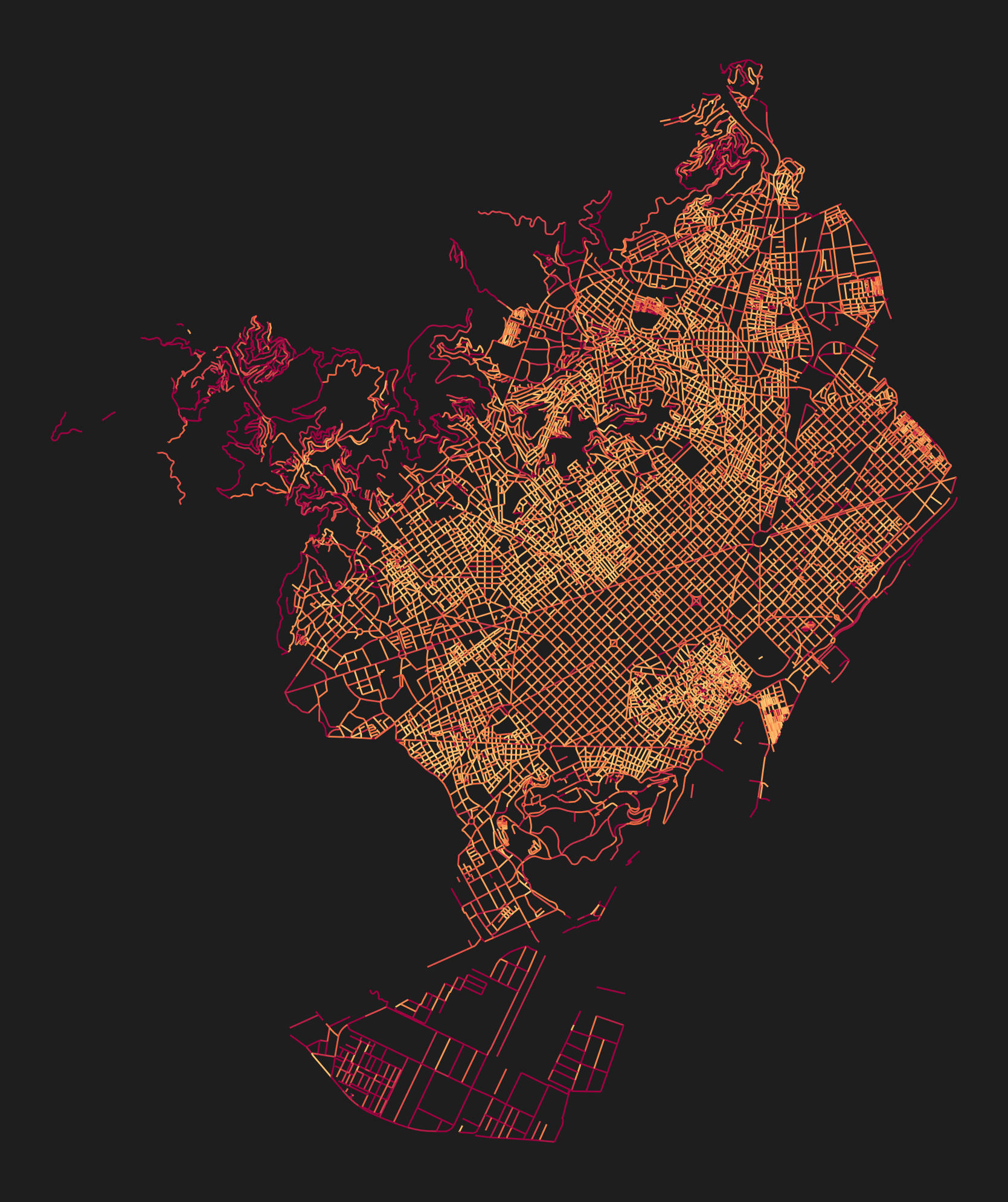
Consider yourself a local architect or urban planner dealing with the all-too-common Barcelona problem: Its too hot here! and the courtyard outside feels like a desolate oven. Imagine now that your co-pilot is a pixel-art cat that is friendly, understands the climatic conditions and works with you to create a courtyard that is actually comfortable, … Read more

The Gardener

Design Your Perfect Green Space The app is designed to simplify urban green space planning by automating tree placement based on specific criteria. Whether you’re working in Milan or Barcelona, the app accounts for local climate conditions, available space, and water needs to help you choose the best trees for your project. Here’s how the … Read more

Climate-Responsive Design for Singapore

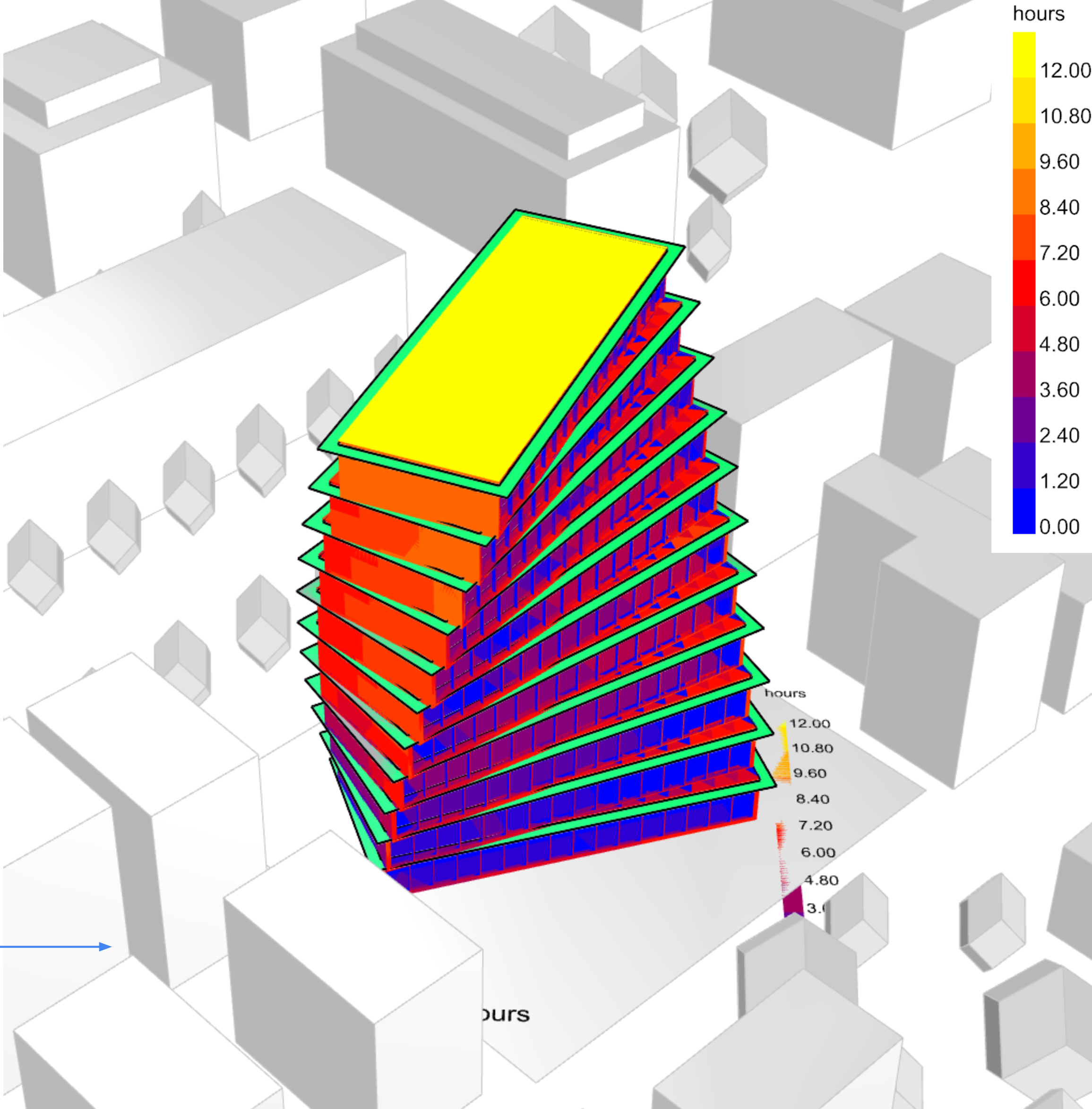
This project explores the relationship between Singapore’s tropical climate and architectural design. By analyzing climatic data—such as temperature, humidity, solar radiation, and wind patterns—we evaluated how a specific building shape interacts with the environment. Through computational tools, we simulated the building’s performance to address key challenges like heat gain and airflow. The results informed potential … Read more

Landscape of Consequence

Semi Aerial View

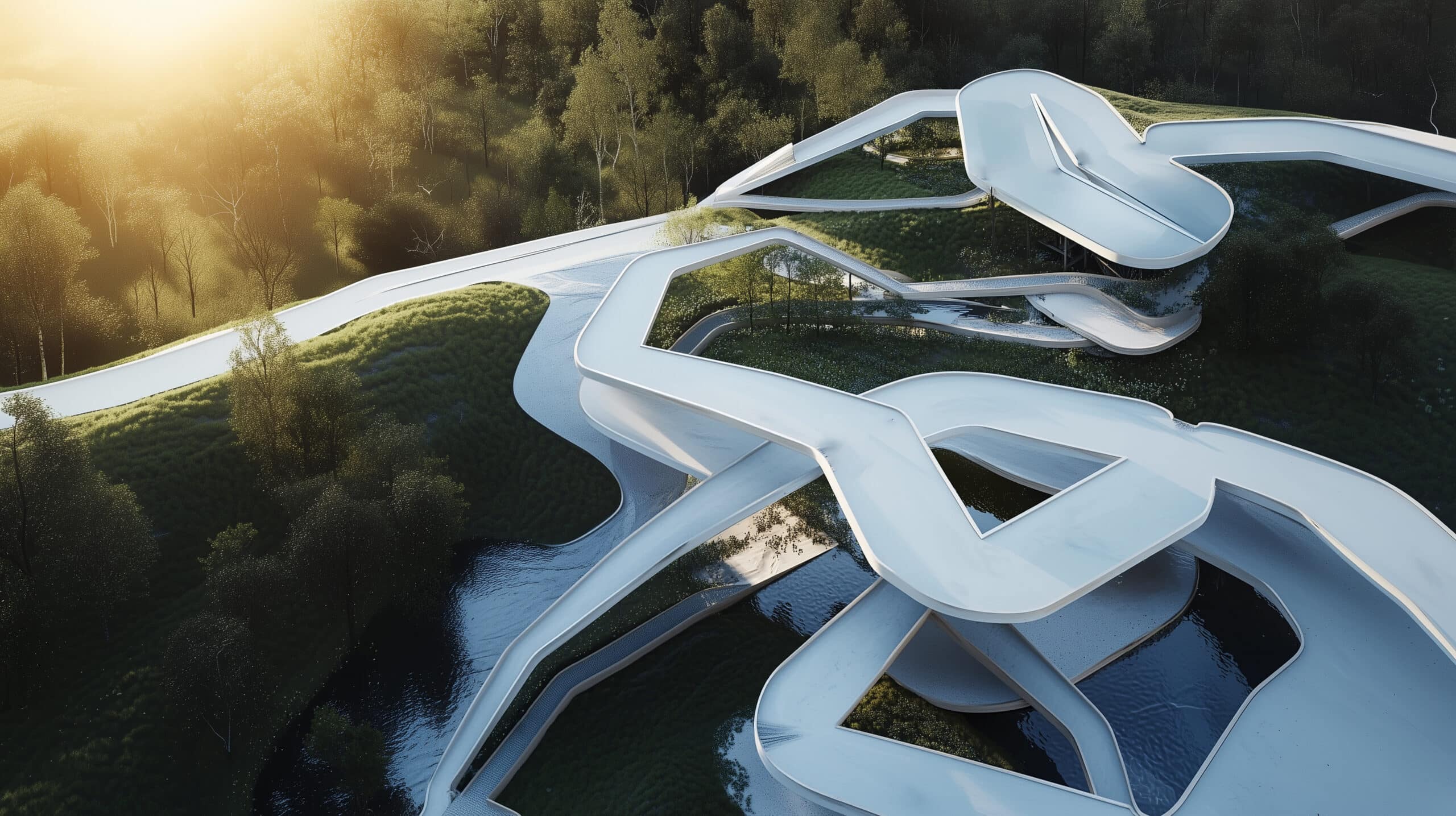
The Architecture of Second Chances Transforming Punishment into Progress Through Computational Design In the evolving discourse of criminal justice reform, the intersection of architecture, technology, and rehabilitation presents unprecedented opportunities to reimagine how we approach incarceration. Our project, “Landscape of Consequence,” proposes a radical reconceptualization of Alcatraz Island, transforming this symbol of isolation into a … Read more

The Re-iterating Maze

The Re-Iterating Maze helps inmates at Alcatraz develop meditative practices through rehabilitation, using their sentence to make a more peaceful existence possible. Our concept allows prisoners a mindful form of exercise, allowing them to use their time outdoors exploring multidimensional pathways. Mindful walking encourages the brain to focus on the activity of traversing a determined path. By … Read more

Predictive Coastal Erosion

Why? Coastal erosion is a dynamic and complex process influenced by both natural factors and human activities. Natural causes such as wave action, tidal patterns, weather events, and rising sea levels due to global warming significantly contribute to the gradual wearing away of coastlines. Additionally, human interventions like coastal construction, sand mining, and deforestation exacerbate … Read more

Merging with the nature

Concept For the final exercise in complex forming we were asked to developed a museum for wildlife by using one of the concepts introduced during the 1st term. We choose to work with VOXELISATON. Methodological Approach to Design and Form-Finding Our project commenced with a systematic approach, encompassing several critical stages: Pseudo Code – Structural … Read more

EleMental Mars

Embracing community living and relaxation as essential components to overcome the challenges of life on the Red Planet. In the prospective colonization of Mars, Meditation and Wellbeing were identified as key elements to endure life far from Earth. During the research, the concept of the Japanese Pagoda, a vertical structure that encompasses the five elements … Read more

Well-Nest

Sculpting on Mars Martian Environment – Human Habitat – Water Production “Well-Nest” is a Mars colony primarily dedicated to water mining and accommodation.We advocate for the development of a comprehensive system aimed at extracting, storing, and circulating water throughout the colony. Low Terrain Slope; Min Risk of Excavation Challenge; Expose to Solar radiation – Gaining … Read more