
The Master in City & Technology’s academic structure is based on IAAC’s innovative, learn-by-doing and design-through-research methodology which focuses on the development of interdisciplinary skills. During the Master in City & Technology students will have the opportunity to be part of a highly international group, including faculty members, researchers, and lecturers, in which they are encouraged to develop collective decision-making processes and materialize their project ideas.
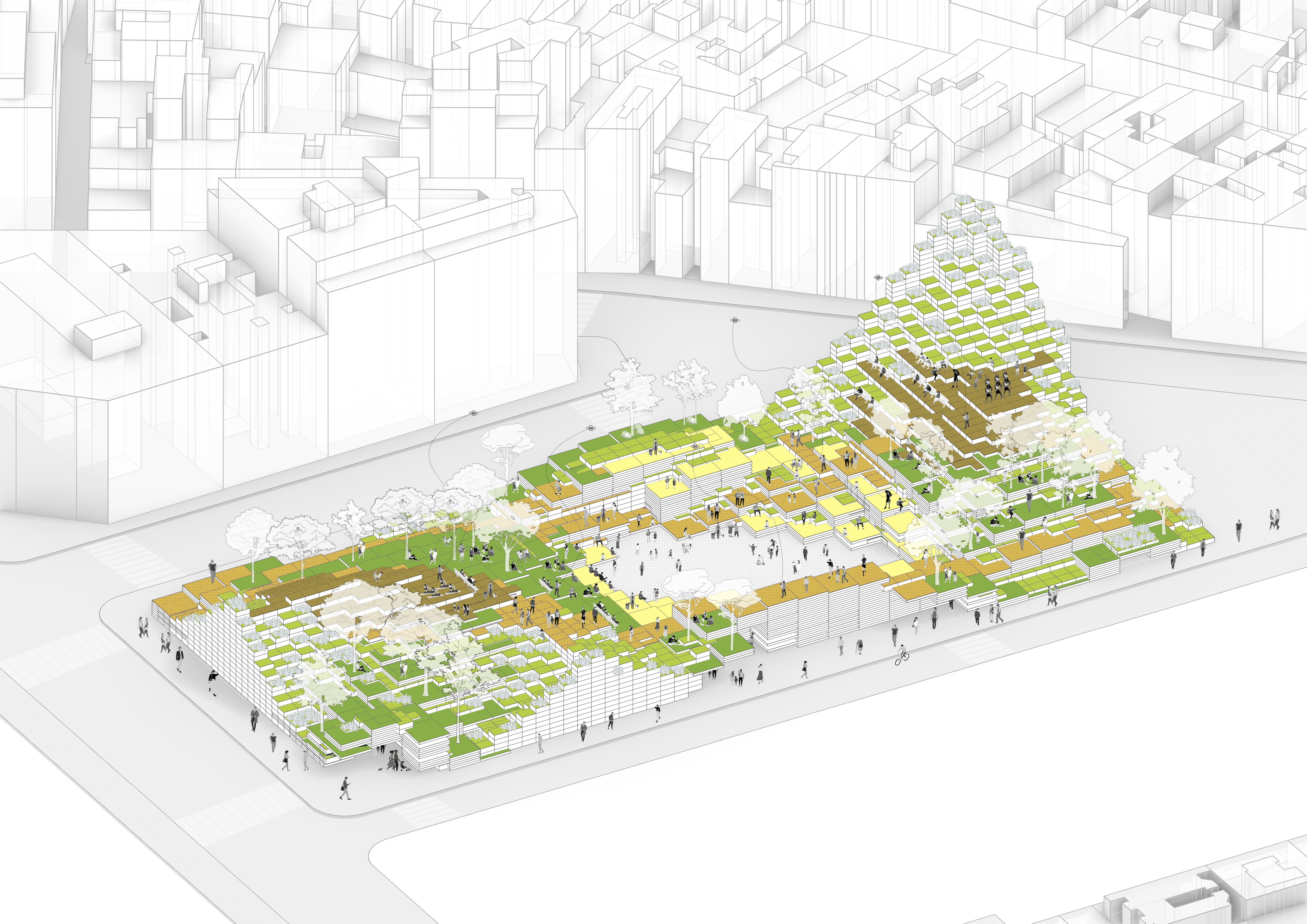
London’s Urban Micro-Facilities

A Story of a Beloved Design This is a story of a one-of-a-kind creation in history, the British Red Telephone Box, which soon after its implementation in 1921 became a symbol of british culture and identity, an inseparable part of the nation’s and, more specifically of London’s urban landscape. Successful designs can be timeless, resonating … Read more
Dislocating Creativity

“A Data-Driven Approach to Balancing Creative Class Development and Social Equity in Barcelona” The creative industries have been acknowledged as one of the most important sectors for economic growth and development in current cities worldwide. This sector represents a space of culture where all artistic and creative expression that pro-actively enters into dialogue with new … Read more
Health of the over-aging population

Ageing population is increasing around the world, many of the European countries and Japan, . The above graph shows the number of the population 65 years old and over people in World. In 2019, the total aged population was 703 million people and the projected population suggests that in 2050, it will be over 1050 … Read more
A Policy for Digital Carbon Footprint, Barcelona

Every single search query, every streamed song or video and every email sent, billions of times over all around the world – it all adds up to an ever-increasing global demand for electricity, and to rising CO2 emissions too. Our increasing reliance on digital tools has an environmental impact that’s becoming increasingly harder to ignore. … Read more
Housing for All
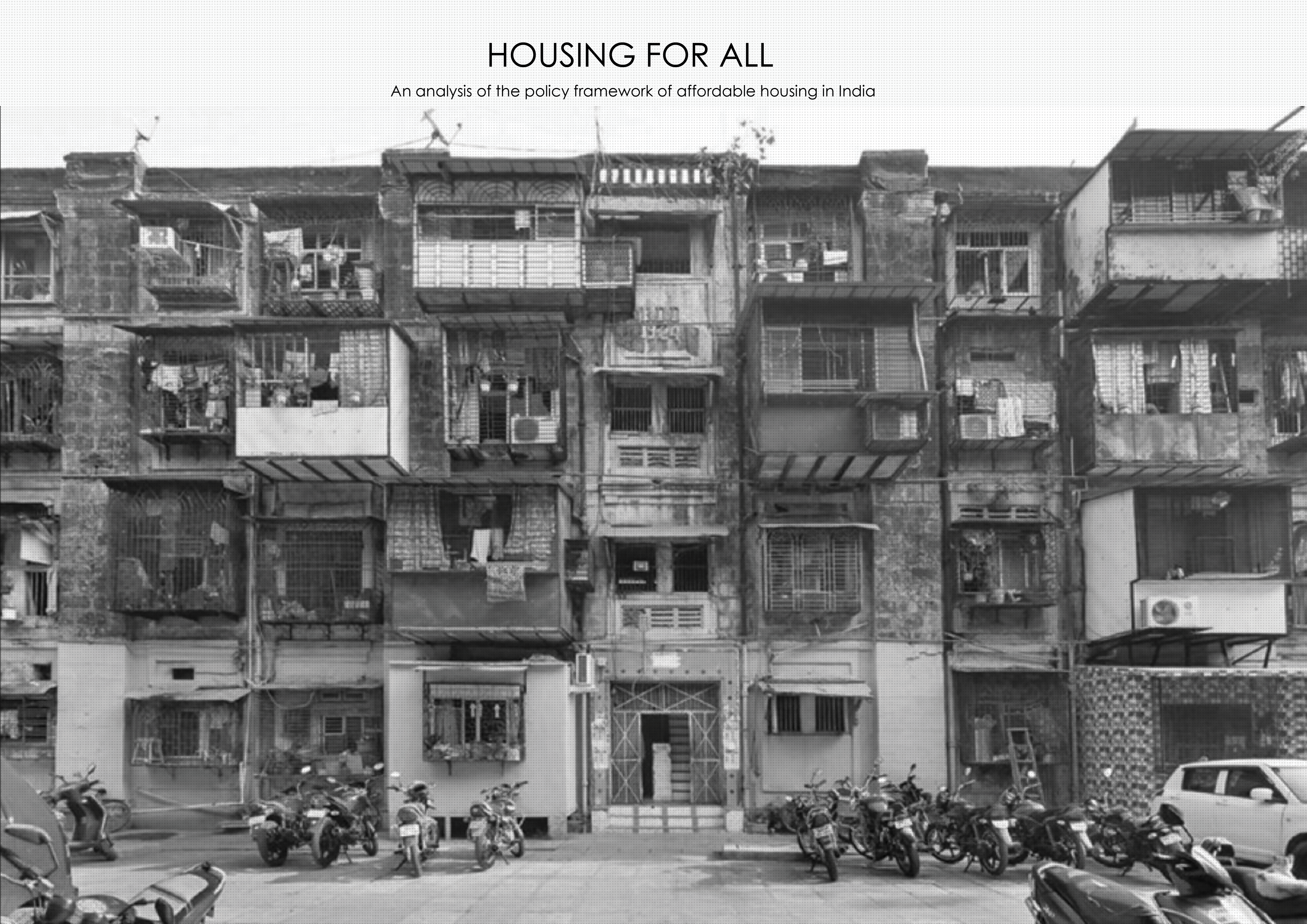
India is one of the fastest developing countries with many metropolitan cities like Mumbai, Bangalore, and Hyderabad. Migration from villages and small towns to metropolitan areas has increased tremendously in India and led to the degradation of urban environmental quality and sustainable development especially in the metropolitan cities. The problems faced by the people living … Read more
Urban Loneliness in FAST-GROWING Cities
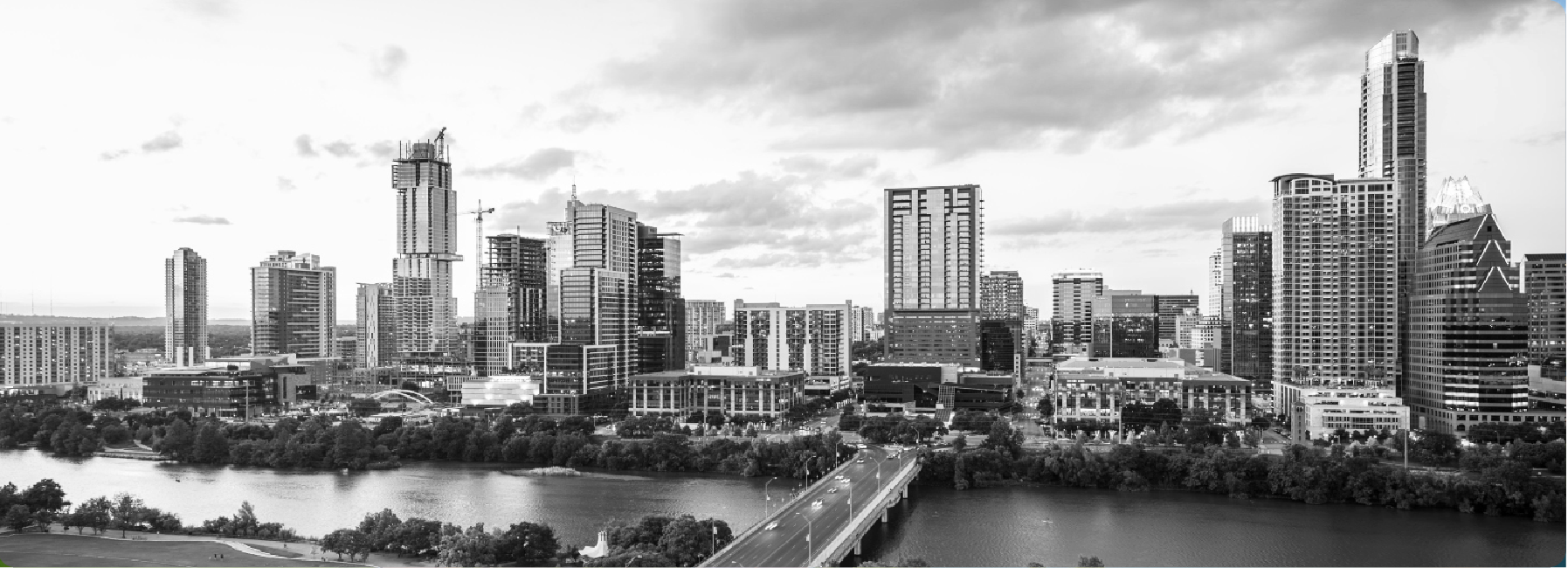
Austin, a Lonely City Context Over the last decade, Austin’s status as a state-of-art technology hub along with its high concentration of venture apital, warm climate and vibrant cultural offerings has set the Texan city as the 2nd faster-growing U.S. city in 2022, only after San Francisco. But paradoxically , urban loneliness reflects as one … Read more
Localized food systems
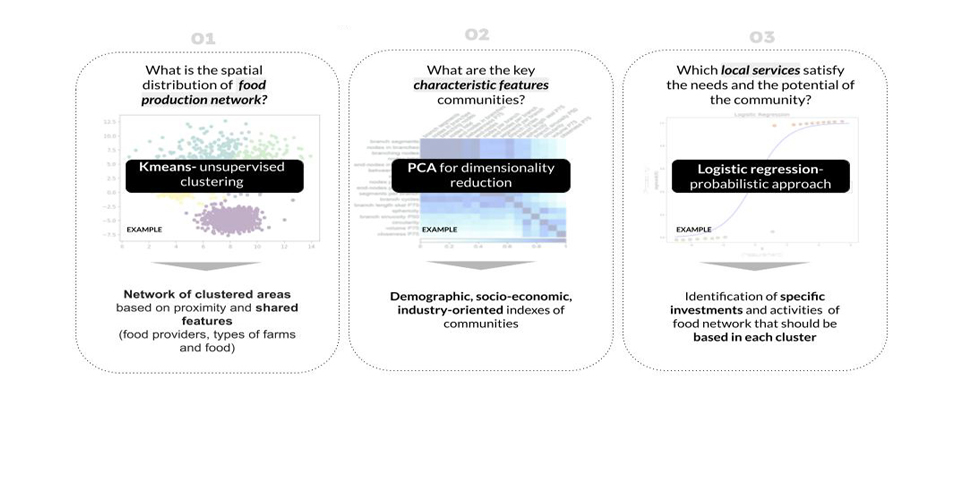
The task required to pick up an urban challenge and develop a City Science Problem Framing Proposal in a few days workshop. The topic of localized food systems was chosen PROBLEM FRAMING “In order to feed a population expected to grow to 9 billion people by 2050, the world will have to double its current … Read more
Metro impact on neighborhood vitality

Nowadays, almost every city has a metro network. But what does the presence of the metro or subway bring to the city’s fabric?What can be offered to calm the pace of the metro area or to maintain the dynamics of the city life functioning in non-metro area? Project Key questions : ? What are the … Read more
Towards Urban Democratic Adaptation
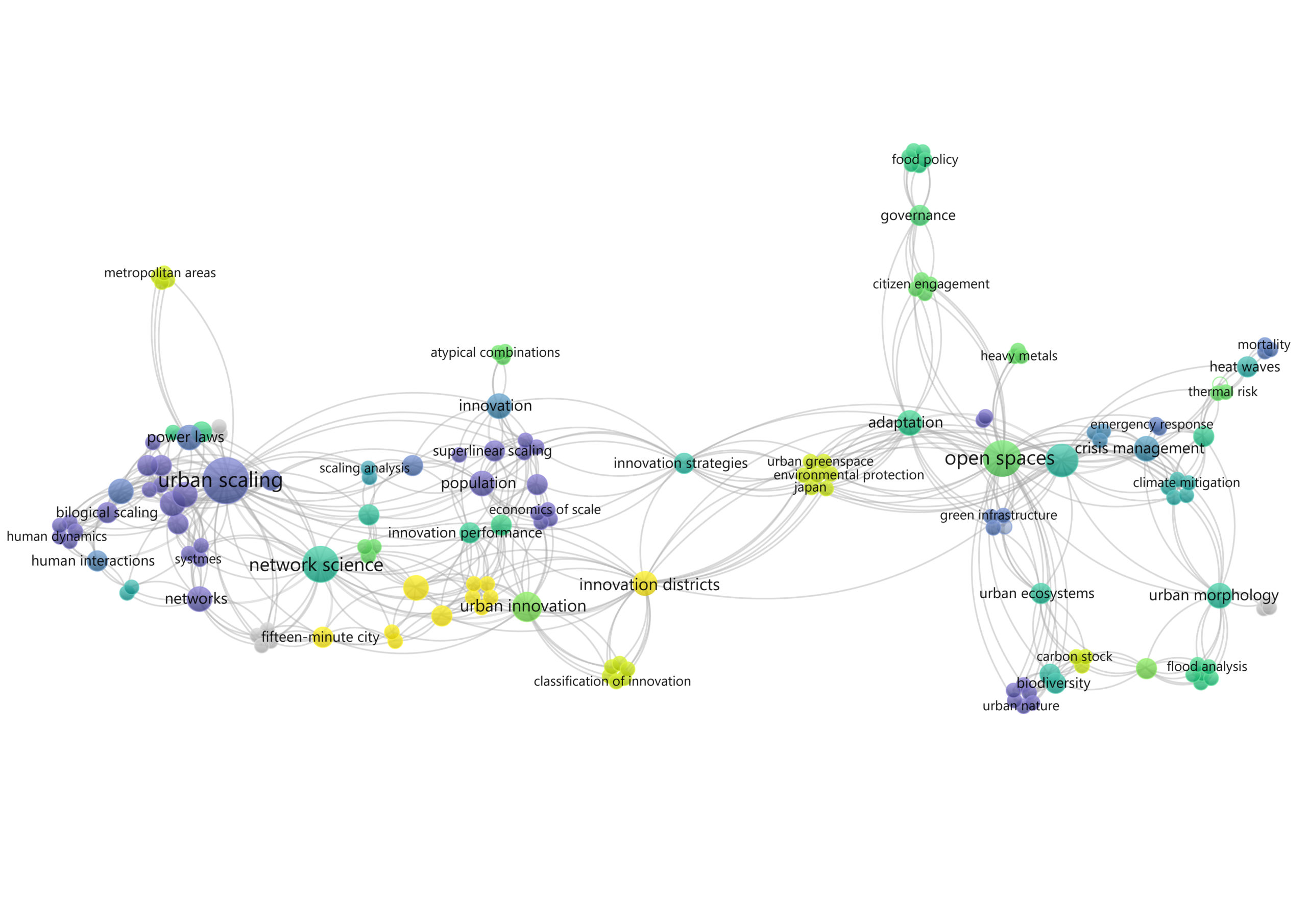
Adaptation districts towards prioritized urban interventions in cities with limited green spaces. The case study of the metropolitan area of Athens, Greece Athens, during the four last decades, has been extremely urbanized while changing the environment dramatically. By reclassifying open spaces and networks of urban mobility, this model aims to suggest strategies for prioritized urban … Read more
Decarbonization of Housing Stock in EU
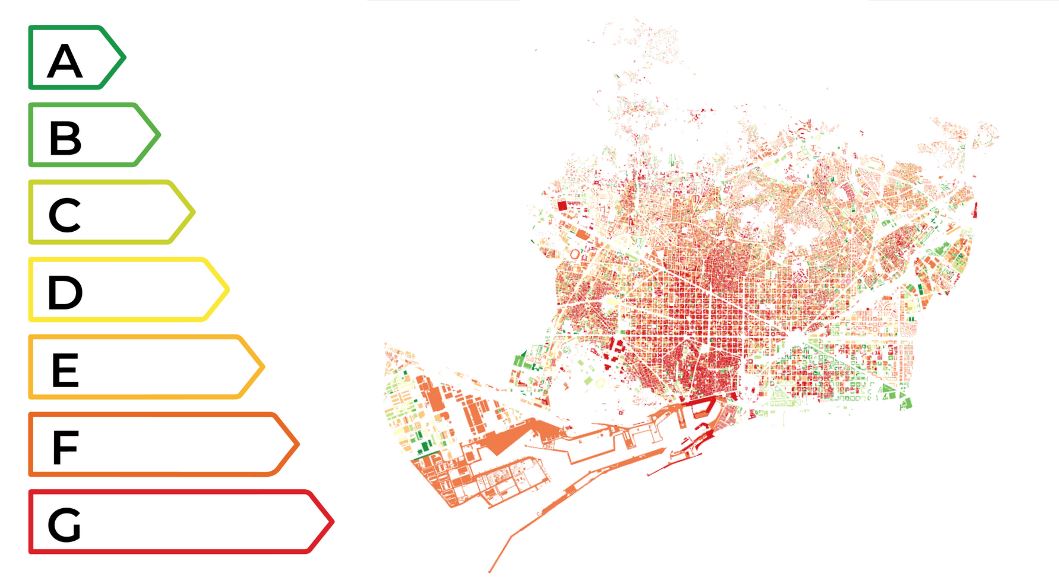
Buildings are an intrinsic part of our lives, where we spend most of our time and unfold as human beings. However, through its different forms, the built environment is responsible for the majority of our energy consumption (around 40 %) and a primary source of greenhouse emissions GHG (around 36 %) (Anderson et al., 2015). … Read more
City of Proximities: Public Markets in Madrid
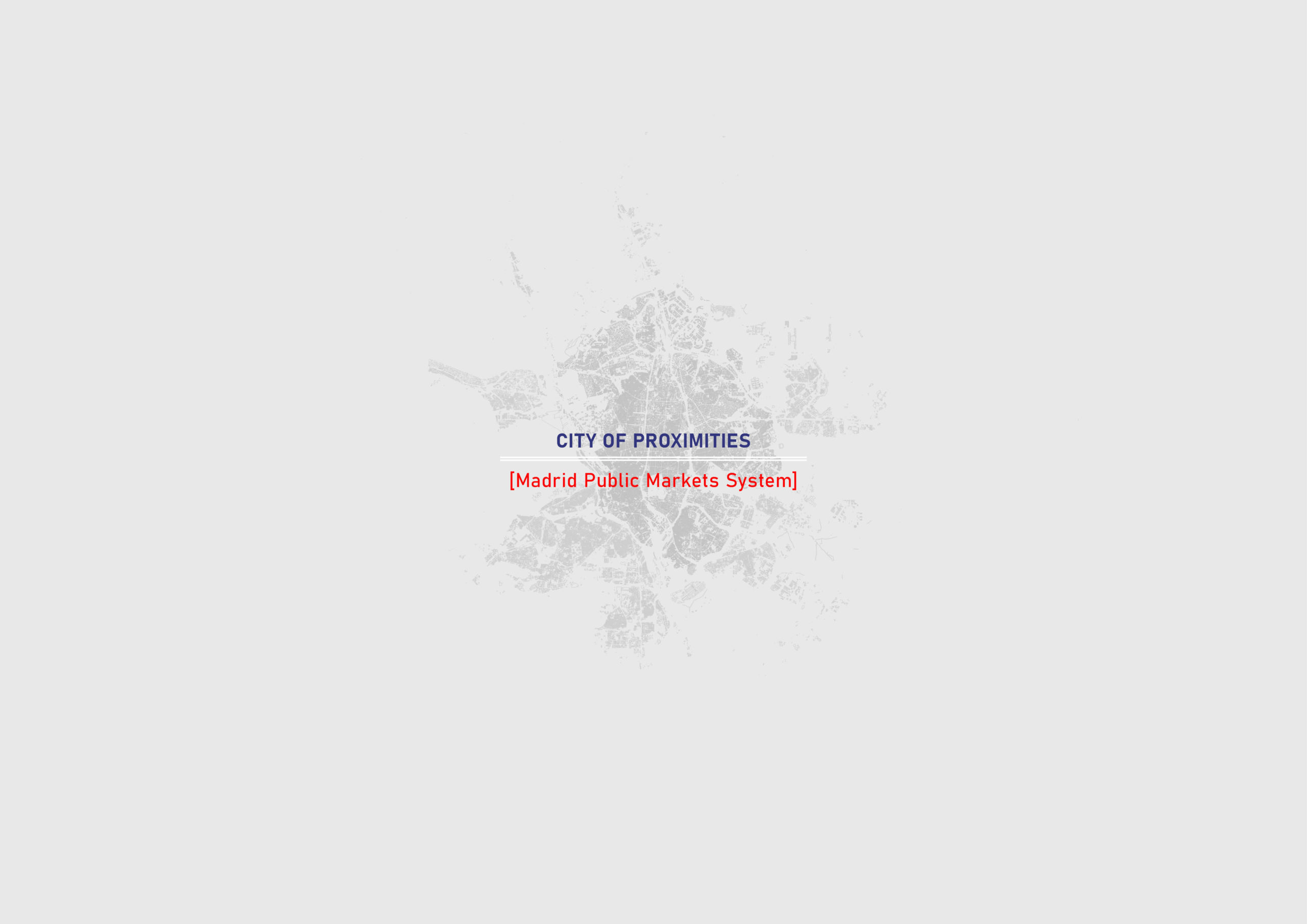
Madrid Public Markets SystemThe toolkit for municipalities, food delivery platforms and local residents 1/ Overall PerspectiveA first overview of the city of Madrid, throughout its administrative districts, their socio-demographics variables, the location of 46 municipal markets and the proximity patterns between them. 2/ Markets Around the Clock To allow citizens to engage with the markets … Read more
Healthcare BCN

Understanding and analysing the existing Healthcare system of Barcelona with the help of open datasets available. This further helps us to understand the robustness, need and requirement to fill the gaps in the system if any with respect to their typologies and location as per districts Step 1: Documenting the distribution of different types of … Read more
Safer City Streets: Urban Mobility in Barcelona
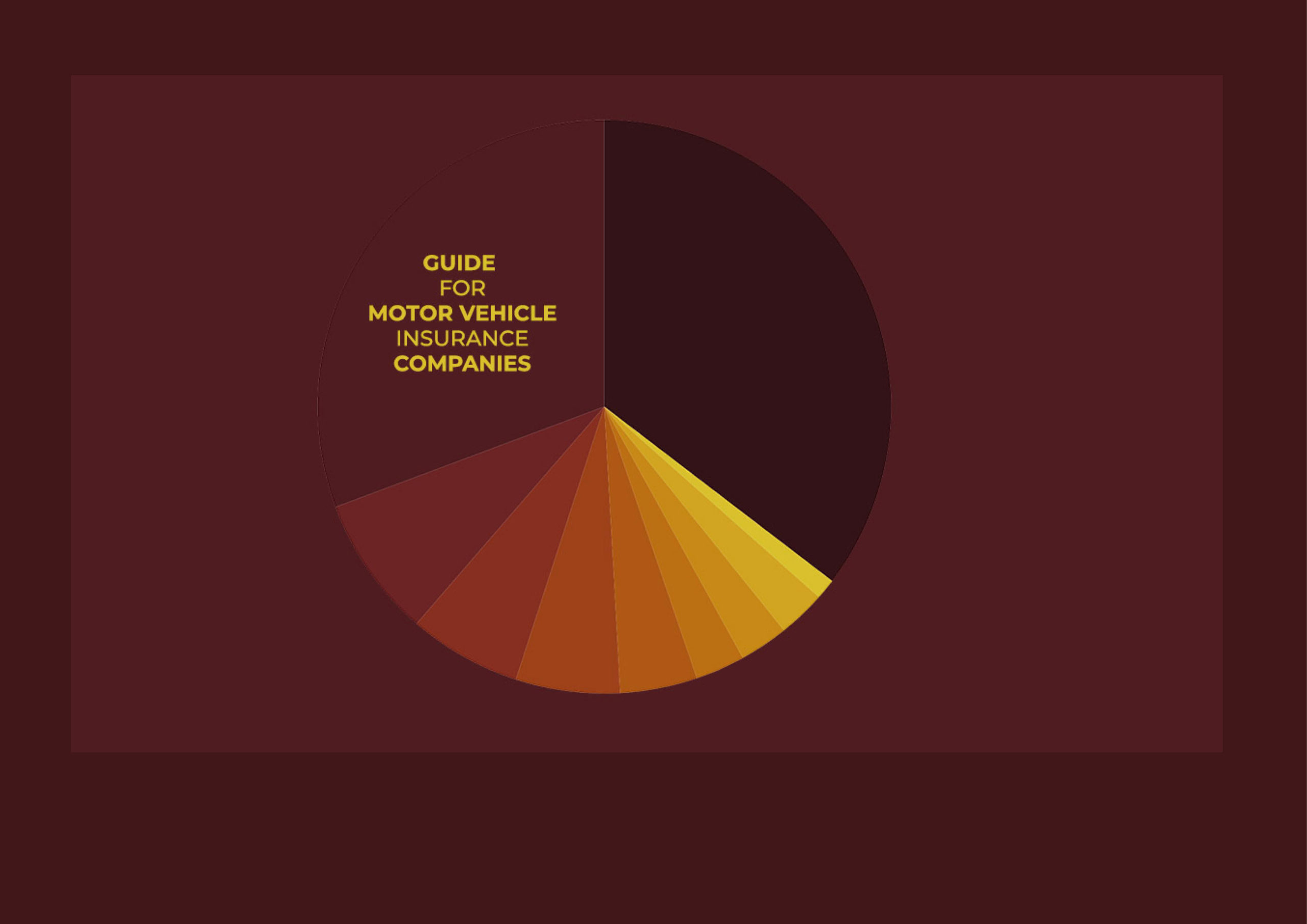
Introduction As of 2021, the city of Barcelona has around 3.8 million vehicles (from cars to buses, cars, vans, etc.) circulating on its streets. Despite the efforts of the city council to better balance the motor urban mobility with the pedestrian flow throughout an urbanism model that puts people at the center, street accidents continue … Read more
A Parallel City for Pollinators

Introduction to Pollination The project attempts to study and research the possibilities of creating a green, three-dimensional corridor for pollinators in a specific area, the historical city center of Madrid, connecting Madrid’s most prominent green park “el Retiro” in the east to the “Casa de Campo” natural reserve in the west. In particular the proposal … Read more
Potential of CO2 mitigation by hempcrete
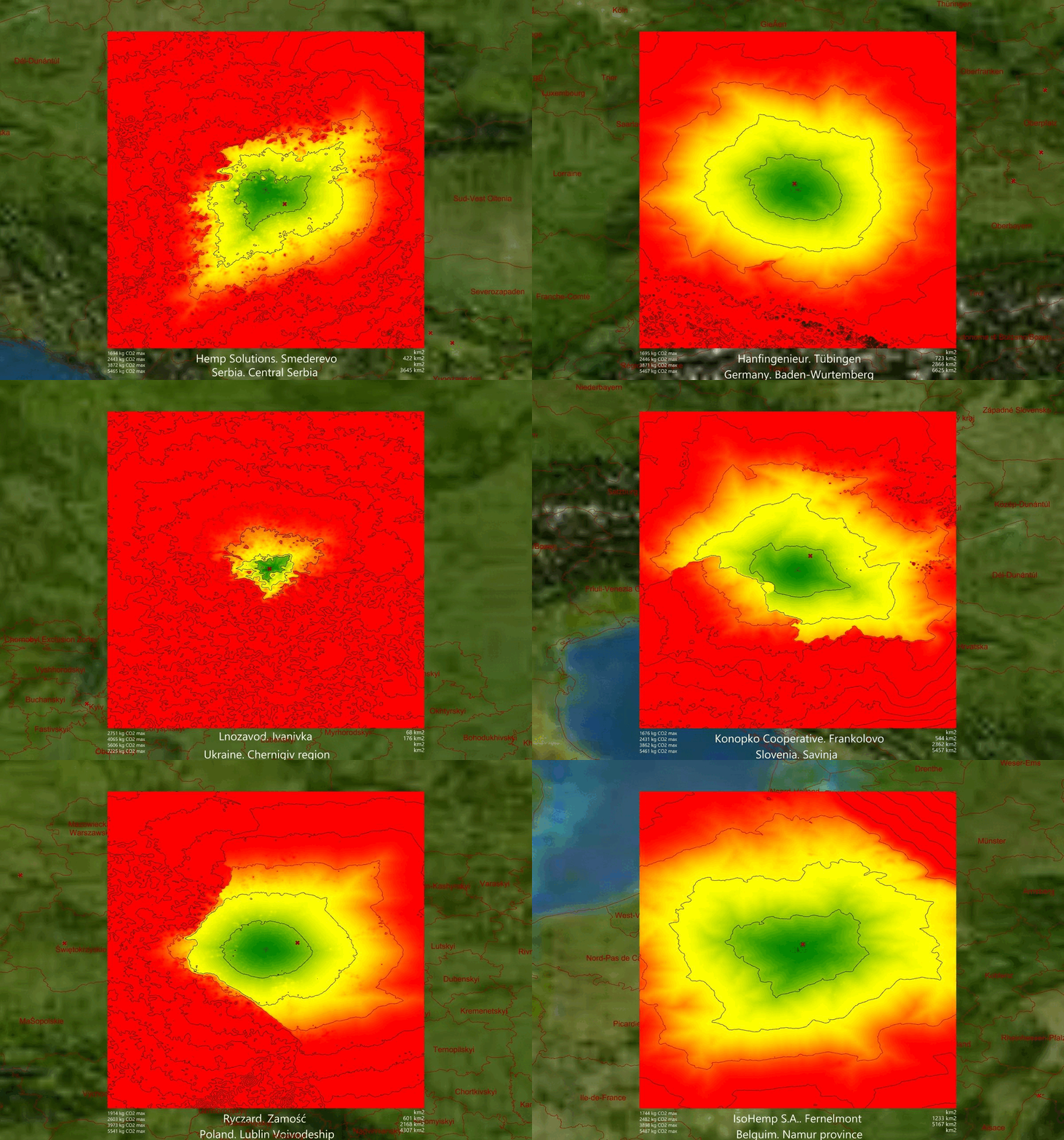
Hemp industry is one fast-growing, environment-friendliest, and perspective branch of the World economy. The hemp market is driven by the growing demand for industrial hemp from application industries, such as the food & beverage, personal care, and animal care industries, across the globe. This infographics of hemp production is made in Grasshopper using imported geojson … Read more
