The Master in City & Technology’s academic structure is based on IAAC’s innovative, learn-by-doing and design-through-research methodology which focuses on the development of interdisciplinary skills. During the Master in City & Technology students will have the opportunity to be part of a highly international group, including faculty members, researchers, and lecturers, in which they are encouraged to develop collective decision-making processes and materialize their project ideas.

Filters
Course

Localize the Loop, Barcelona
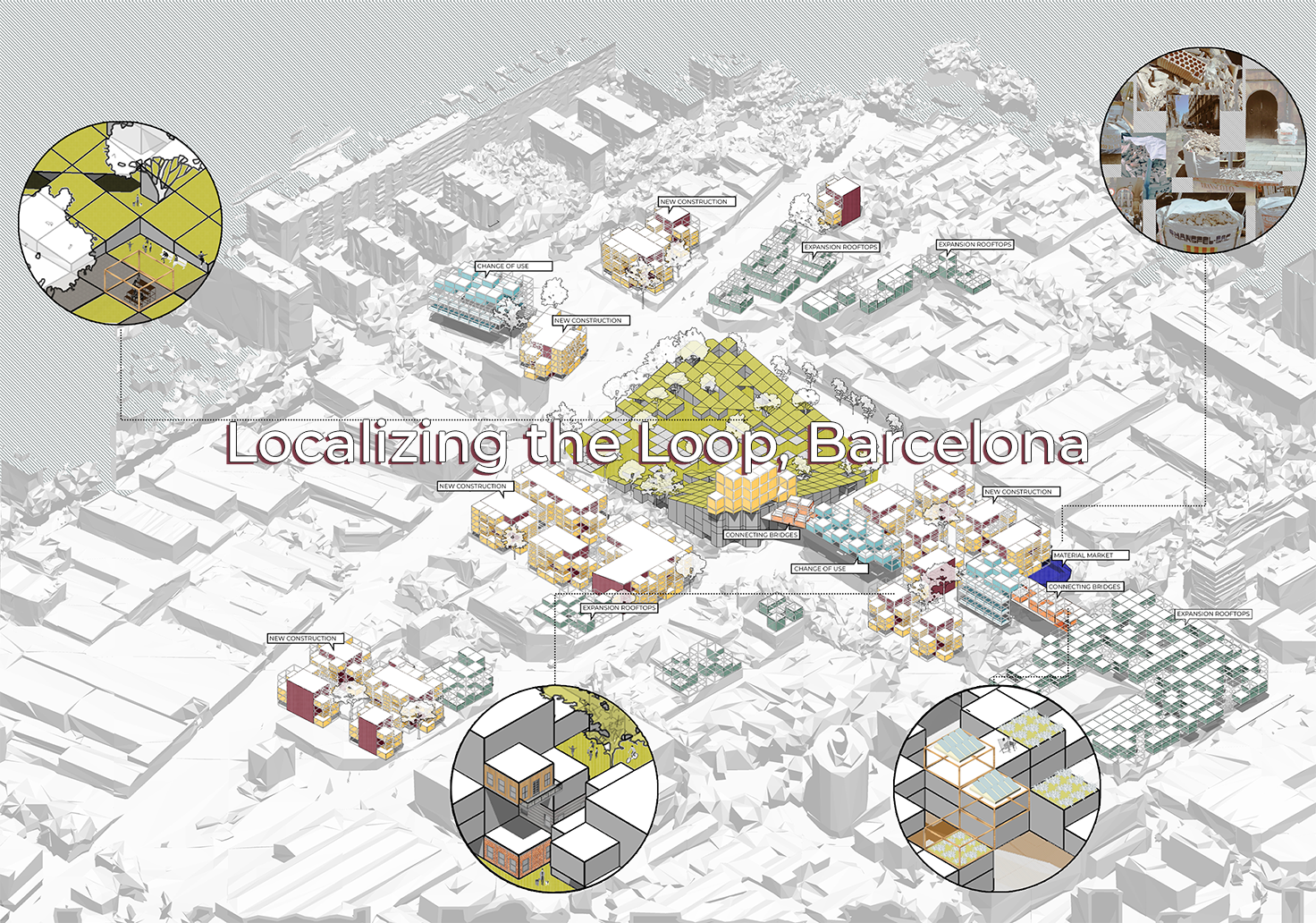
Recycling construction materials is of paramount importance in a city like Barcelona due to its numerous environmental, economic, and social benefits. Barcelona, like many urban centers, faces challenges related to rapid urbanization, resource scarcity, and environmental sustainability. By implementing a robust construction material recycling concept, the city can significantly reduce its construction waste, lower its … Read more
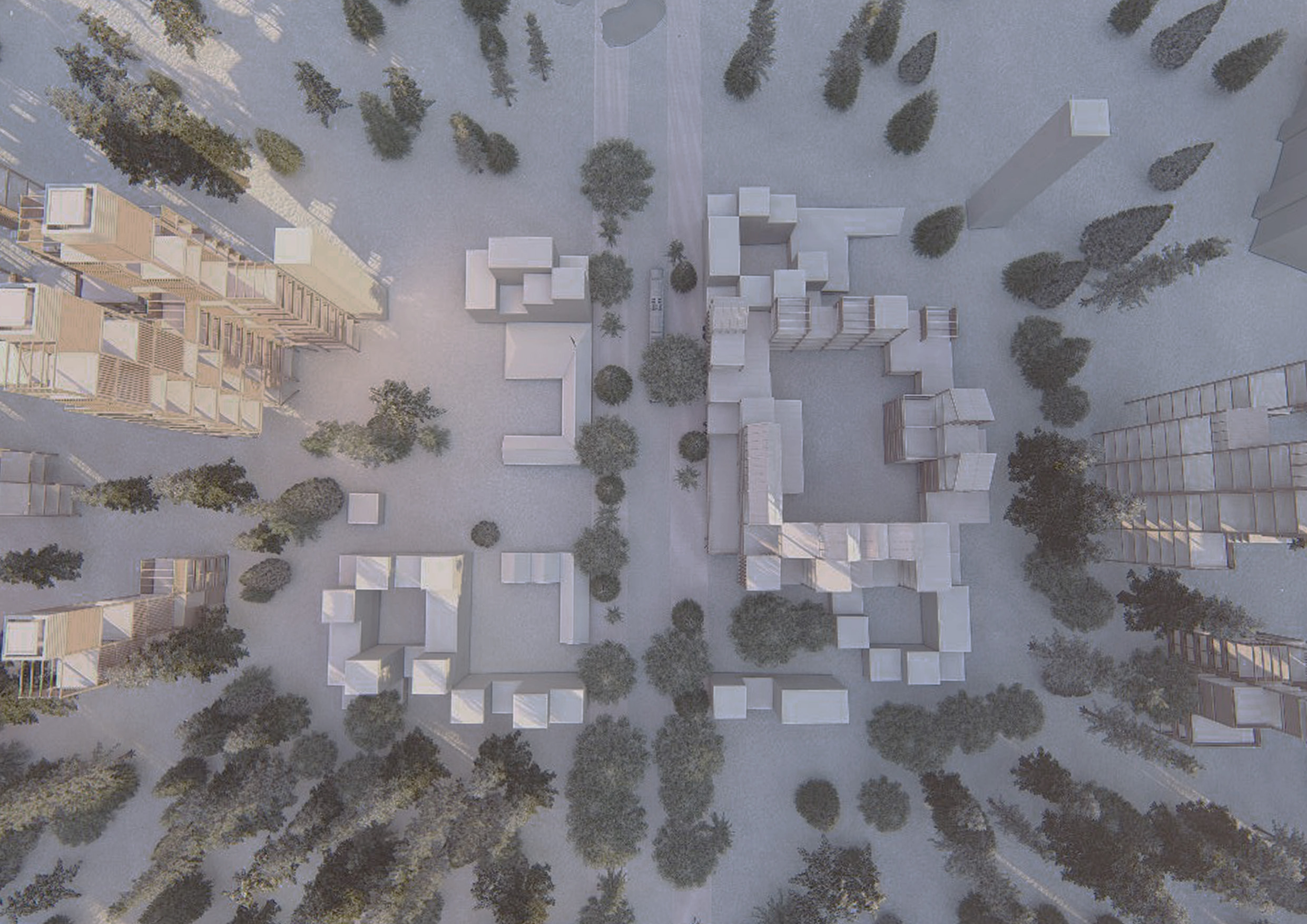
The Boulevard Method

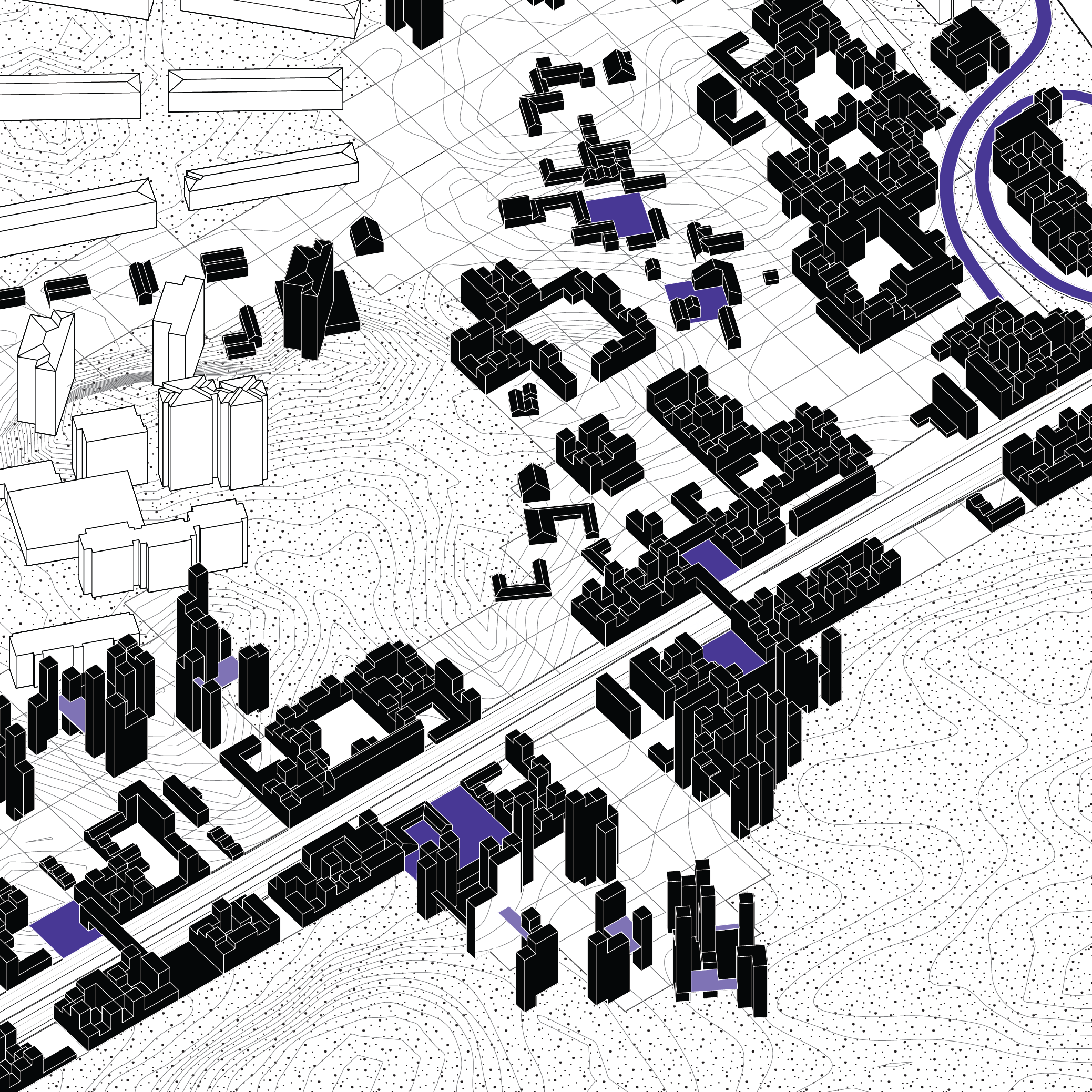
The Boulevard Method utilizes big data analytics and multi-objective optimization processes to map the existing materials building stock and propose adata-driven urban strategy for the future densification of the city of Helsinki. By making the hypothesis that certain roadways will become obsolete in the future due to the transformation of urban mobility, this study analyzed … Read more

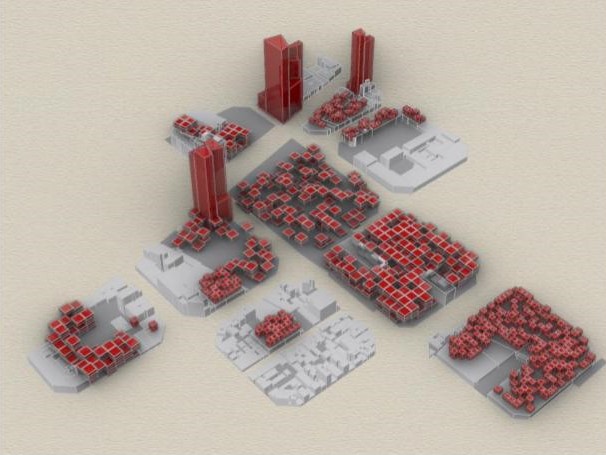
The Linear City Model

Optimizing Helsinki’s Boulevard Densification Method Helsinki, the vibrant capital of Finland, faces significant changes as it prepares for the future. With important challenges ahead such as the continuous population growth for the next decades and the associated risk of urban sprawl in suburban developments, the city must address the issue of land fragmentation by transforming … Read more

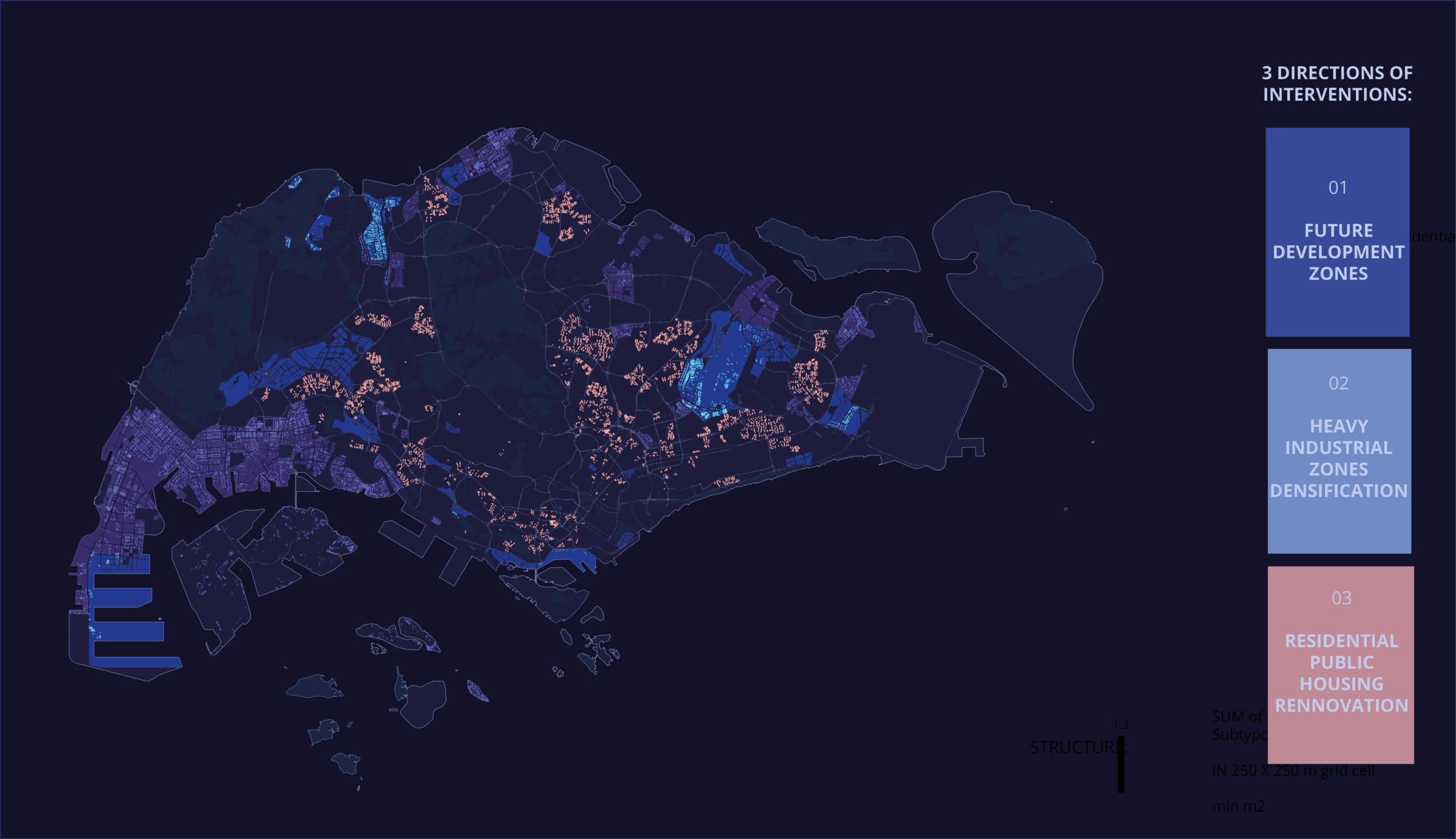
Mitigating embedded CO2 in the urban tissue of Singapore

Main challenge: densify city,  connect nature, and mitigate embedded CO2 Singapore is one of the densest countries in the World. Nature-conscious city densification has to consider reimbursement of natural patches within built environment, applying an connecting nature approach similar to a multi-tiered tropical forest. Mitigation of embodied carbon stays in  a row with nature connectivity. … Read more

‘Optimizing Barcelona’

Before the implementation of Cerda’s radical expansion plan, Barcelona was bound by their medieval walls and making every effort to accommodate its overflowing population. Cerda’s plan took into account scientific objectives that would create a city that is not just a well planned co-habiting space but also user-centric. Some of his objectives were gardens in … Read more