The Master in City & Technology’s academic structure is based on IAAC’s innovative, learn-by-doing and design-through-research methodology which focuses on the development of interdisciplinary skills. During the Master in City & Technology students will have the opportunity to be part of a highly international group, including faculty members, researchers, and lecturers, in which they are encouraged to develop collective decision-making processes and materialize their project ideas.

Filters
Course

Make the Vulnerable, Less Vulnerable
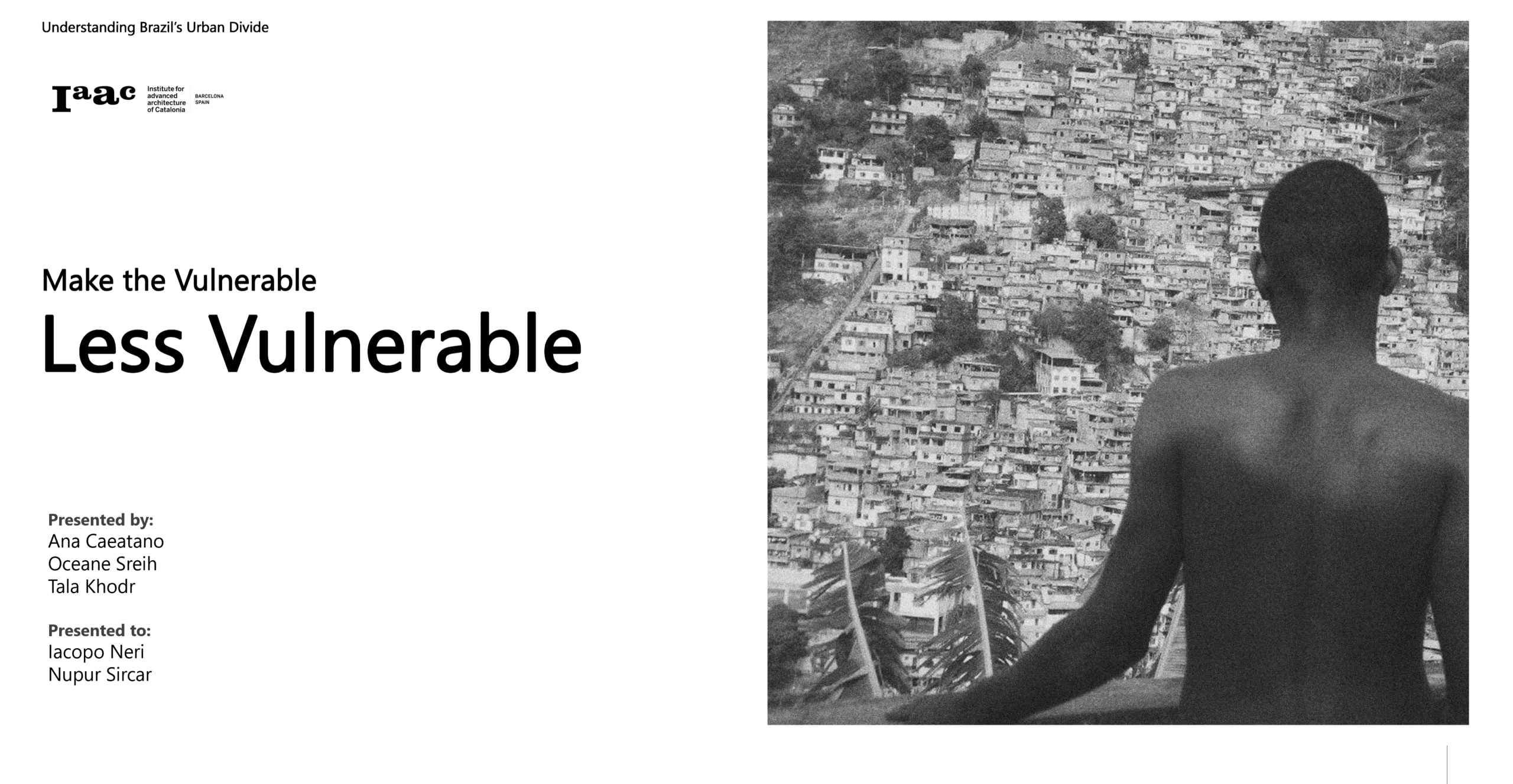
Brazil Vulnerability Cartography Brazil, a vast and vibrant country, is renowned for its breathtaking landscapes from rolling highlands to expansive savannas. It’s known for iconic beaches and bustling urban centers where a dynamic blend of cultures and ethnicities come together. Its cities hum with energy, music, and art. Together, these diverse landscapes and rich social … Read more
Cities on the Edge

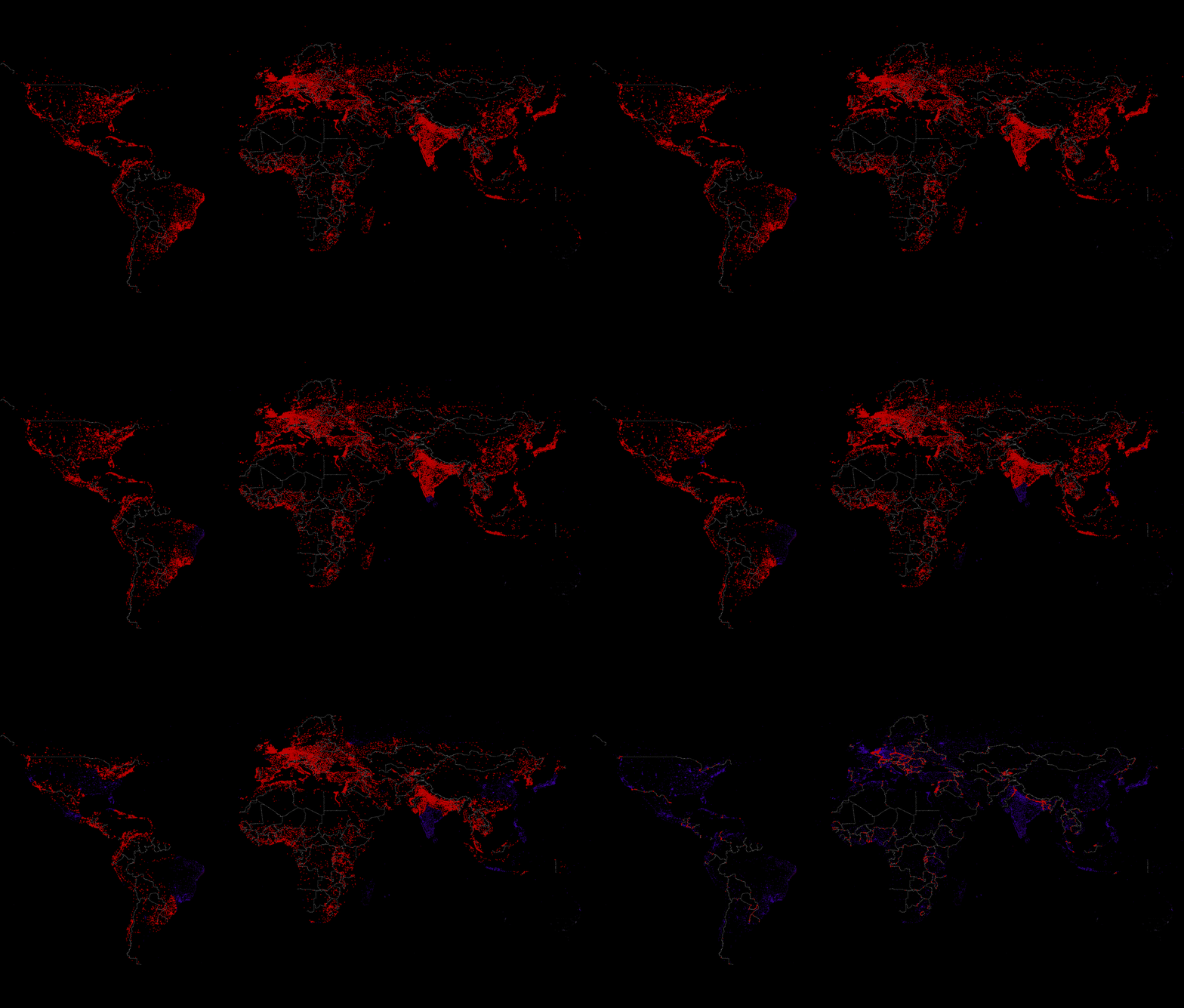
How borders shape frontiers of urban life? I. Introduction Borders are often perceived as abstract lines on maps, yet they deeply shape how cities grow, connect, and fragment. Cities located along international borders experience unique spatial, social, and political conditions that distinguish them from inland urban areas. This project investigates borders not as static lines, … Read more

What’s happening to our downtowns ? 

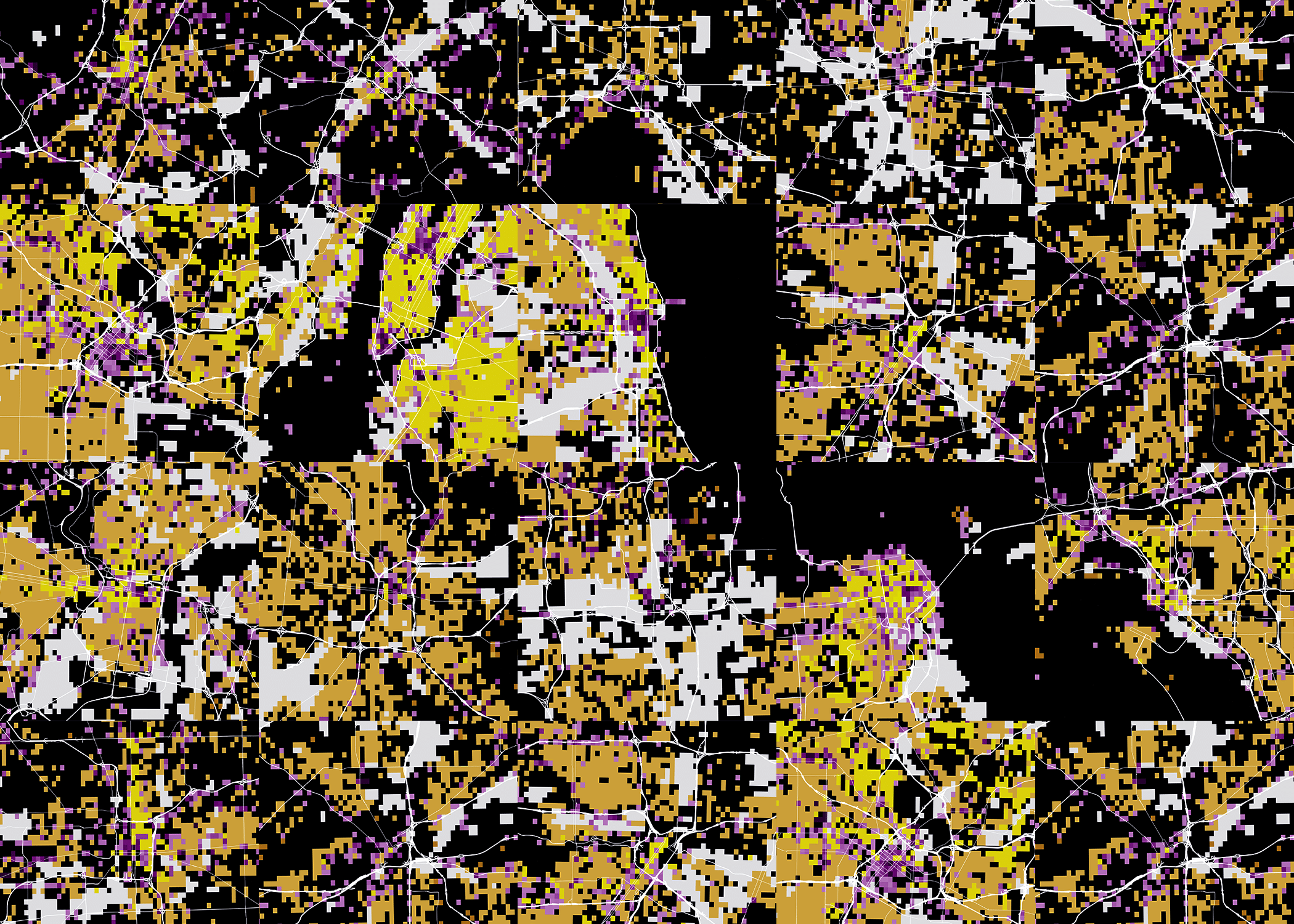
Abstract : In recent years, urban cores across the world have entered a period of uncertainty. Accelerated by the COVID-19 pandemic and the widespread adoption of hybrid work, many central business districts (CBDs) have experienced declining footfall, rising commercial vacancy, and shifts in social life—while others have demonstrated surprising resilience. This project investigates how foundational … Read more

$pot Finder

Preview of our dashboard with cost per m2 map on the right and a bar graph on the left

Opening a business is a bold investment. Factors (many out of business owners’ control) can determine whether or not local businesses thrive or struggle. Location matters, especially for businesses that depend on foot traffic. But the bigger questions are tough to answer: where should the business open? What is a fair rent to expect? Which … Read more

Cities in Pixels: Mapping, Moving, and Meaning in the Digital Era

In the age of digital urbanism, cities are no longer understood only through streets, buildings, or neighbourhoods—they are interpreted, navigated, and governed through layers of pixels, data points, and algorithmic models. Our visualization project, Cities in Pixels: Mapping, Moving and Meaning in the Digital Era, examines this transformation using Geographic Information Systems (GIS) as its … Read more

Sant Antoni Passport

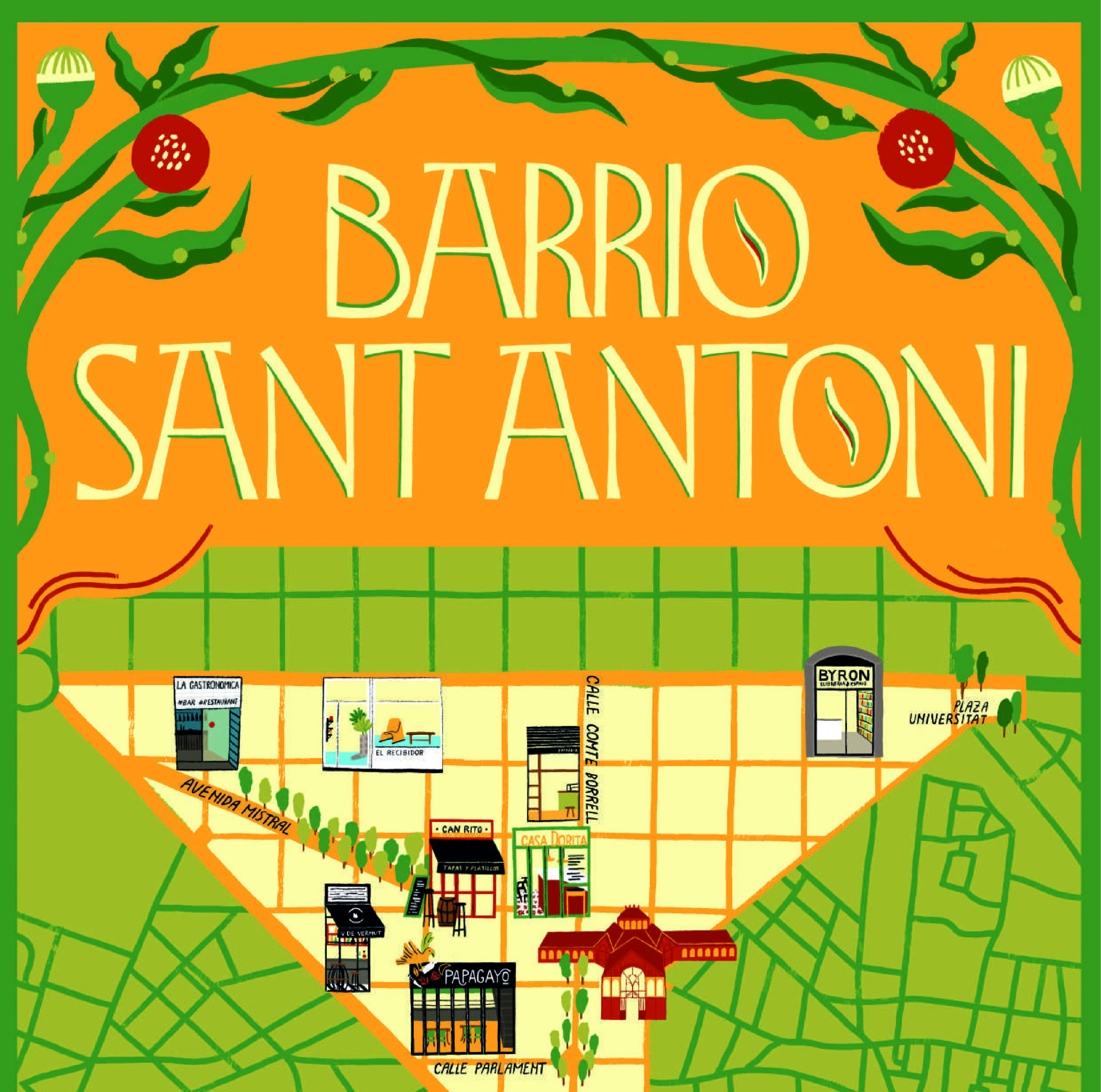
Urban spaces are not just places to live and work—they are playgrounds for social interaction, historical storytelling, and cultural engagement. As part of the IAAC’s Serious Games Seminar, our team explored Sant Antoni, Barcelona, to design playful interventions that connect the community to its past, present, and future. Our approach combined game design with urban … Read more

TIME³

Multidimensionality of Time for Inclusive Urban Lives This project explores urban inclusivity through the multidimensional lens of time, using Barcelona as a case study. The analysis considers three temporal dimensions: time of day, time of year, and time of life, recognizing how these factors shape access to essential urban amenities. Proximity serves as the first … Read more

The Sundarbans: Beyond-Human approach to map cities

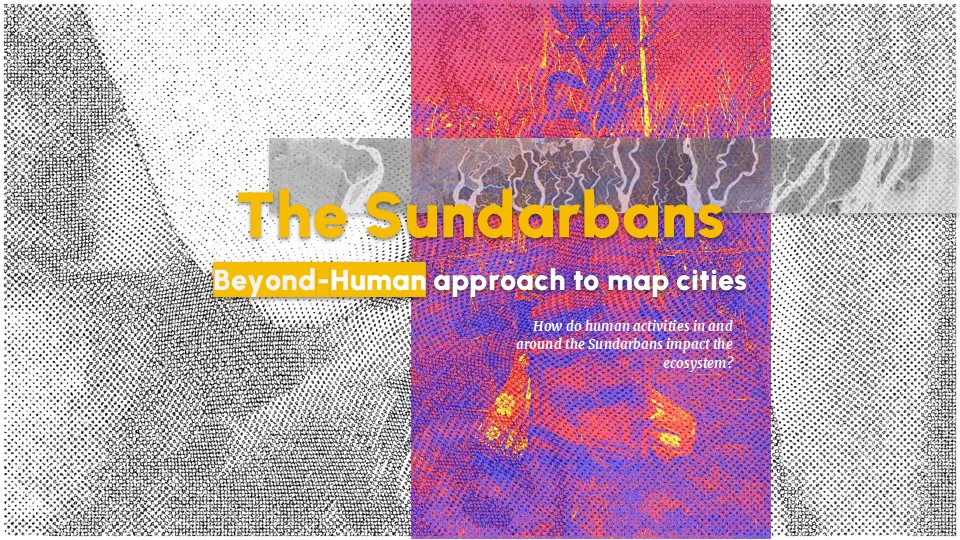
The Sundarbans Reserve Forest is the largest contiguous mangrove forest in the world. A wildlife sanctuary with an area of 139,700 ha,  considered as a core breeding area for a number of endangered species (The Sundarbans, n.d.). and home of the Bengal Tiger. STUDY AREA The Sundarbans is a shared protected area between India and … Read more

Urban Complexity: Rethinking Space & Knowledge

01 Reading as Urban InsightIn a rapidly urbanizing world, the ability to read critically across diverse mediums—both digital and print—serves as an indispensable tool for interpreting the complexities of urban theory. Techniques like HYPERREADING, which facilitates navigation through vast digital information, and CLOSE READING, which emphasizes deep textual analysis, are crucial for decoding the nuanced … Read more

Intro: El Raval

Our research on the El Raval neighborhood explored the tensions and opportunities between residents and tourists, two populations who travel from all over the world to be in El Raval. While tourists and residents can have conflicting priorities and demands of their environment, the two are also dependent on each other and we came upon … Read more

La Barceloneta: A District in Transition

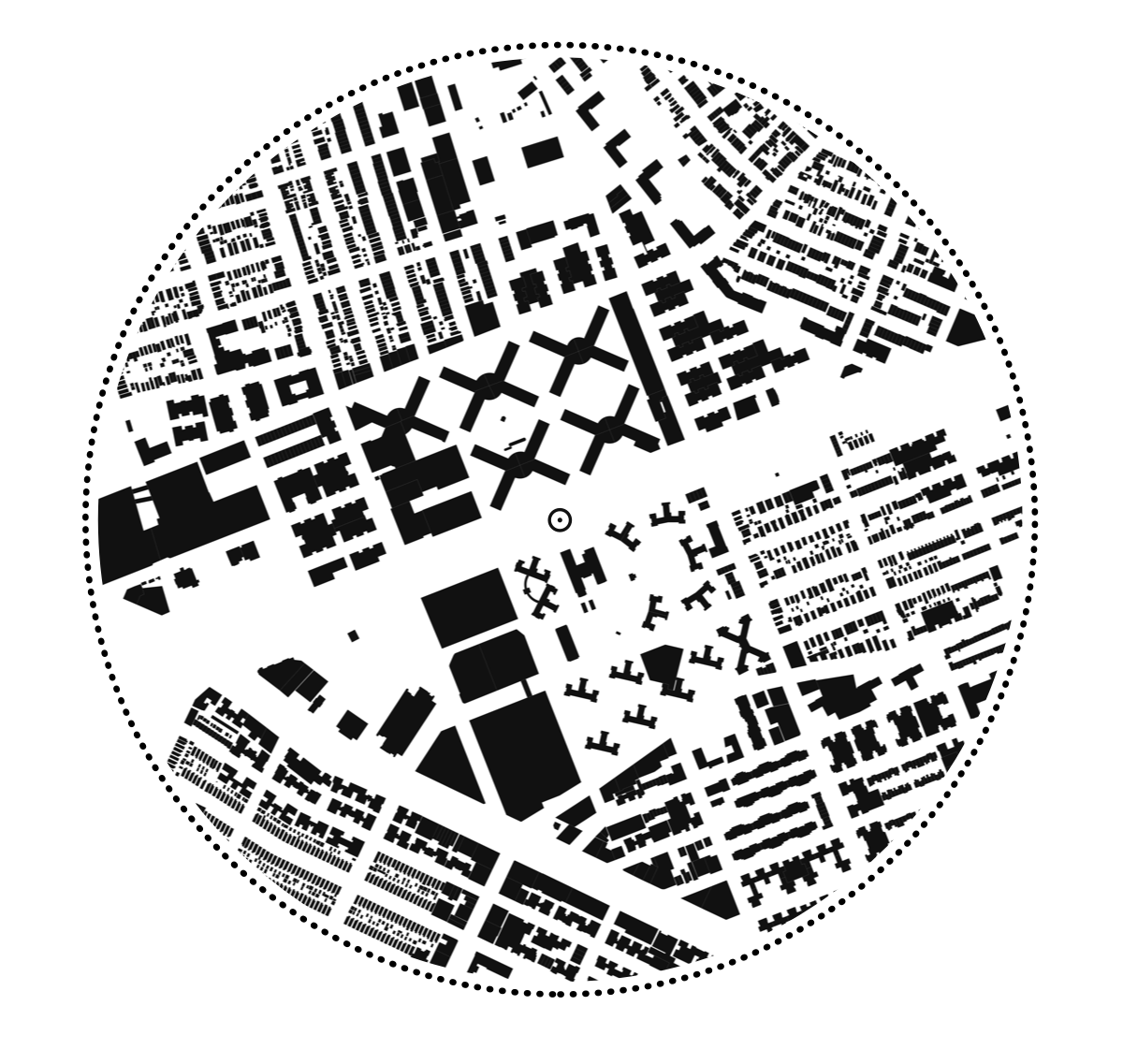
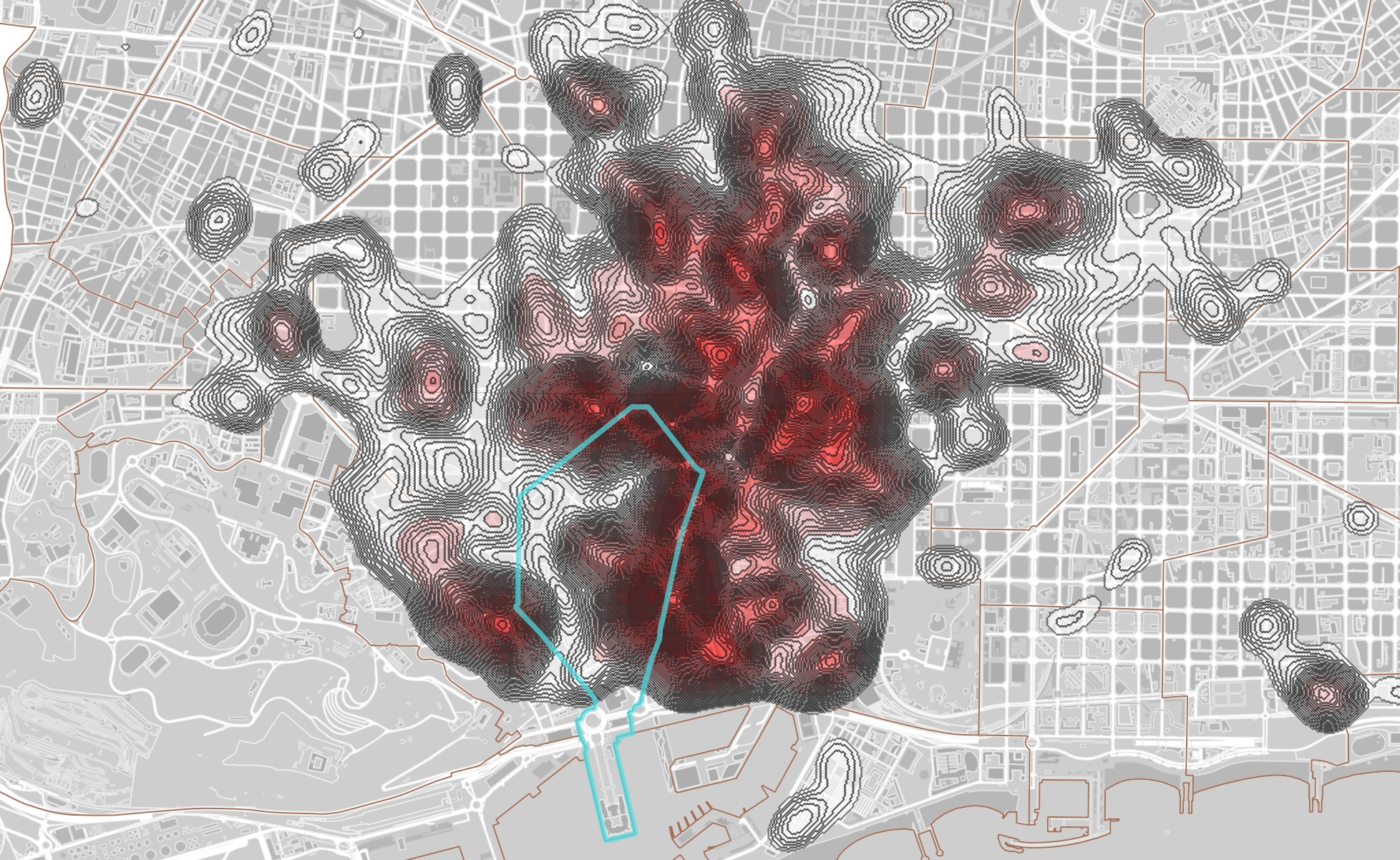
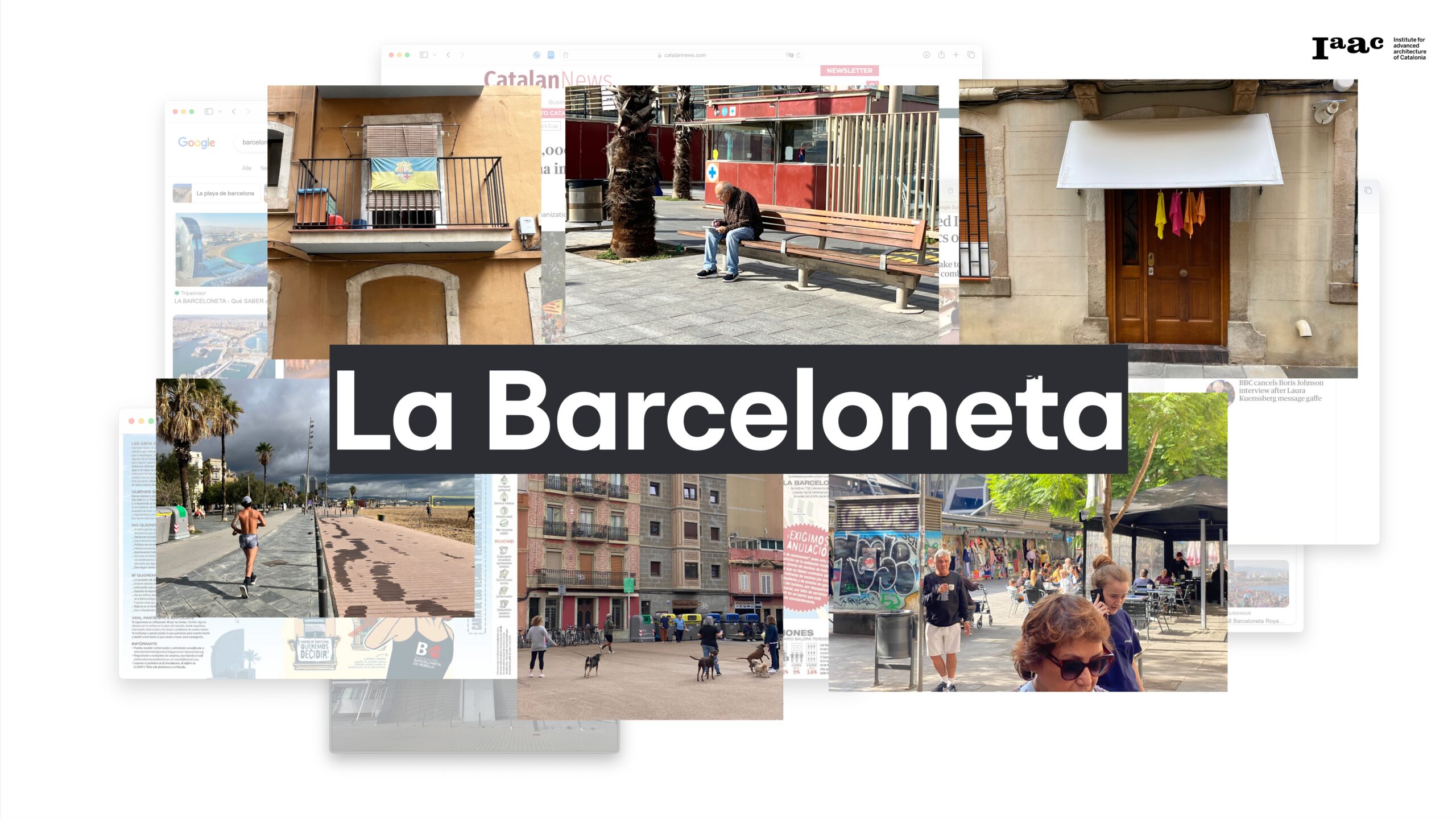
As part of the Master in City & Technology Introductory Workshop, our team was tasked with studying La Barceloneta, a district characterized by its complex layers of social, economic, architectural, and administrative systems. This project aims to explore these dimensions, highlighting the interactions between tourism and the local community in one of Barcelona’s most iconic … Read more

The Arteries of Lombardy

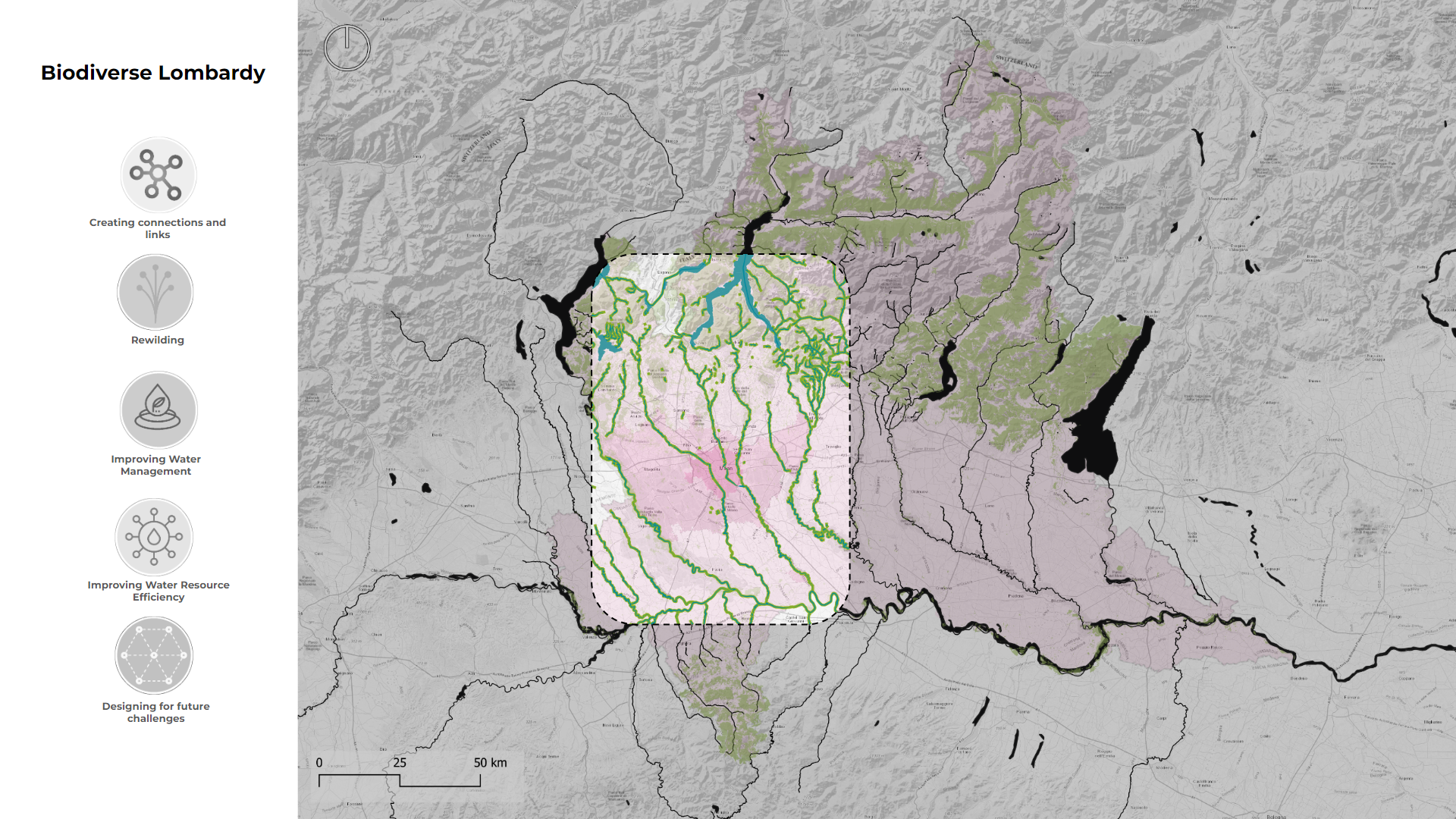
Introduction In the past centuries, Milan used to be perceived as a water-city, with an economy propelled by canals that extended throughout it. However, as the city evolved, those waterways were gradually buried beneath roads, and the aquatic arteries that once defined Milan are now relegated to the periphery of the urban fabric. This covering … Read more

Coltura

Introduction Milan, Northern Italy’s epicenter, confronts economic and environmental challenges rooted in a shift from agriculture to manufacturing. To secure its future, Milan invests in knowledge, tourism, and place-based innovation, relying on revenue from high-income foreigners, students, and the European Union. Strategic efforts to transition to a green economy focus on renewable energy, waste reduction, … Read more