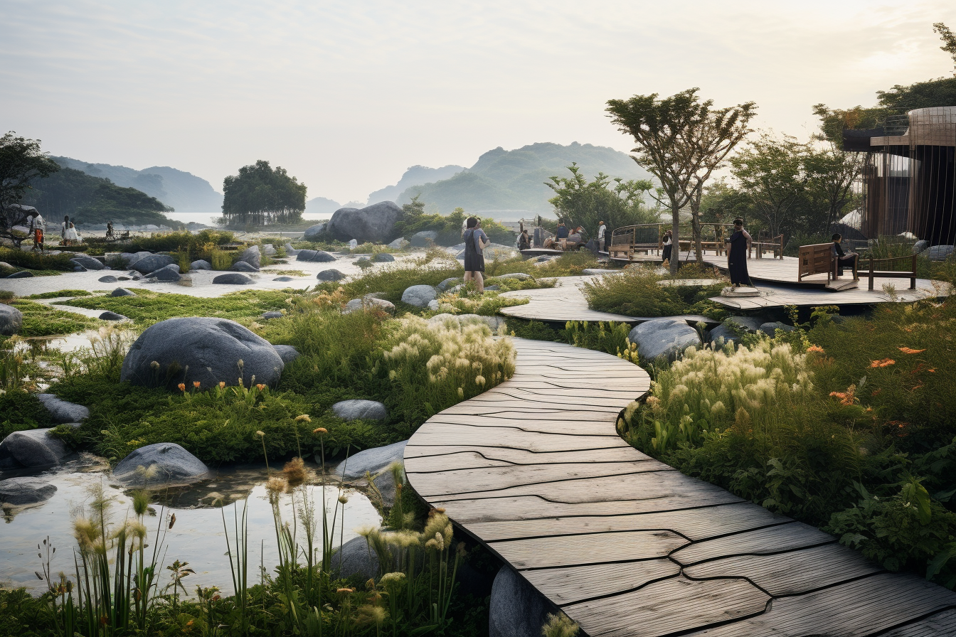
The Master in City & Technology’s academic structure is based on IAAC’s innovative, learn-by-doing and design-through-research methodology which focuses on the development of interdisciplinary skills. During the Master in City & Technology students will have the opportunity to be part of a highly international group, including faculty members, researchers, and lecturers, in which they are encouraged to develop collective decision-making processes and materialize their project ideas.

Filters
Course

Coltura

Introduction Milan, Northern Italy’s epicenter, confronts economic and environmental challenges rooted in a shift from agriculture to manufacturing. To secure its future, Milan invests in knowledge, tourism, and place-based innovation, relying on revenue from high-income foreigners, students, and the European Union. Strategic efforts to transition to a green economy focus on renewable energy, waste reduction, … Read more
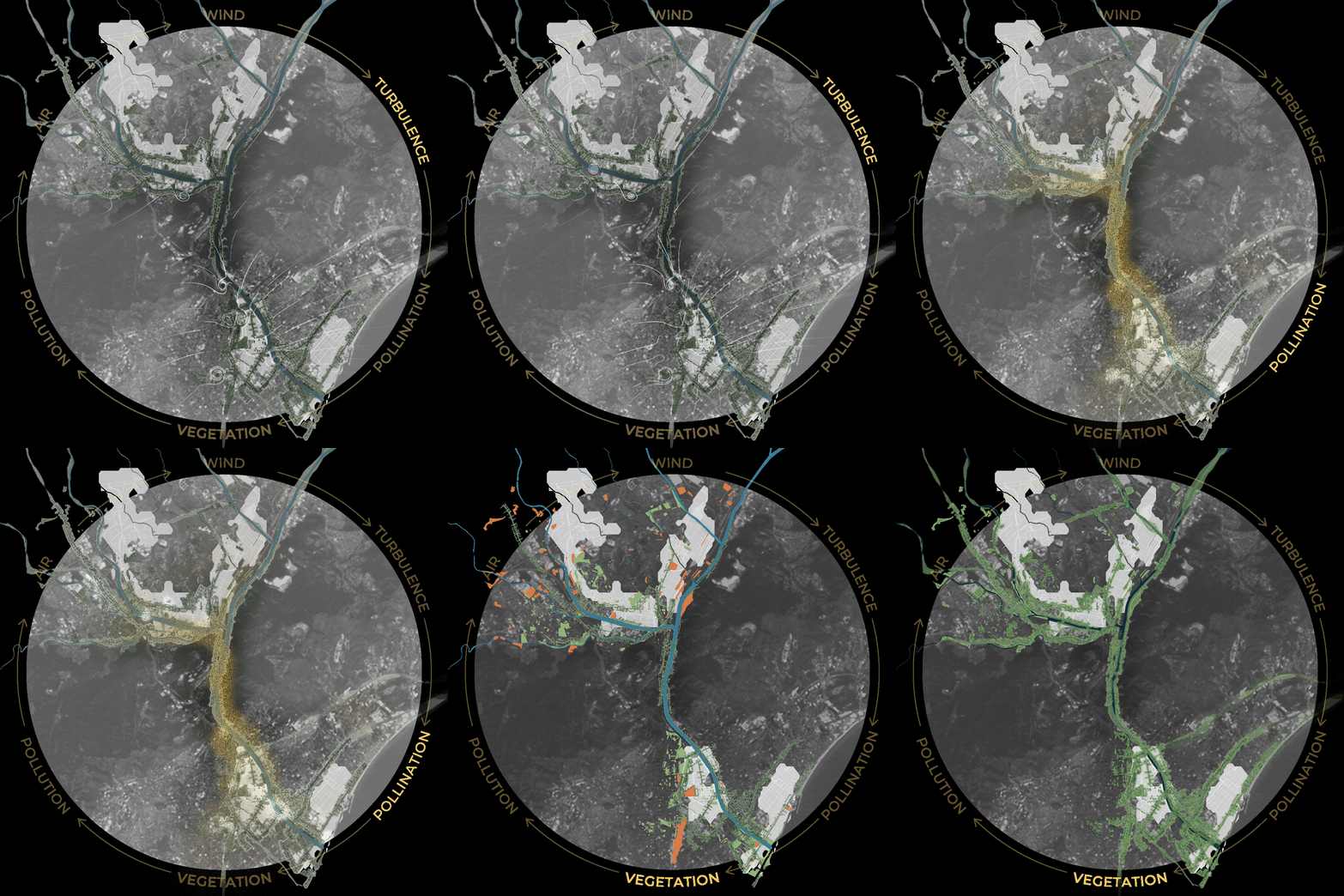
From Pollution To Pollination

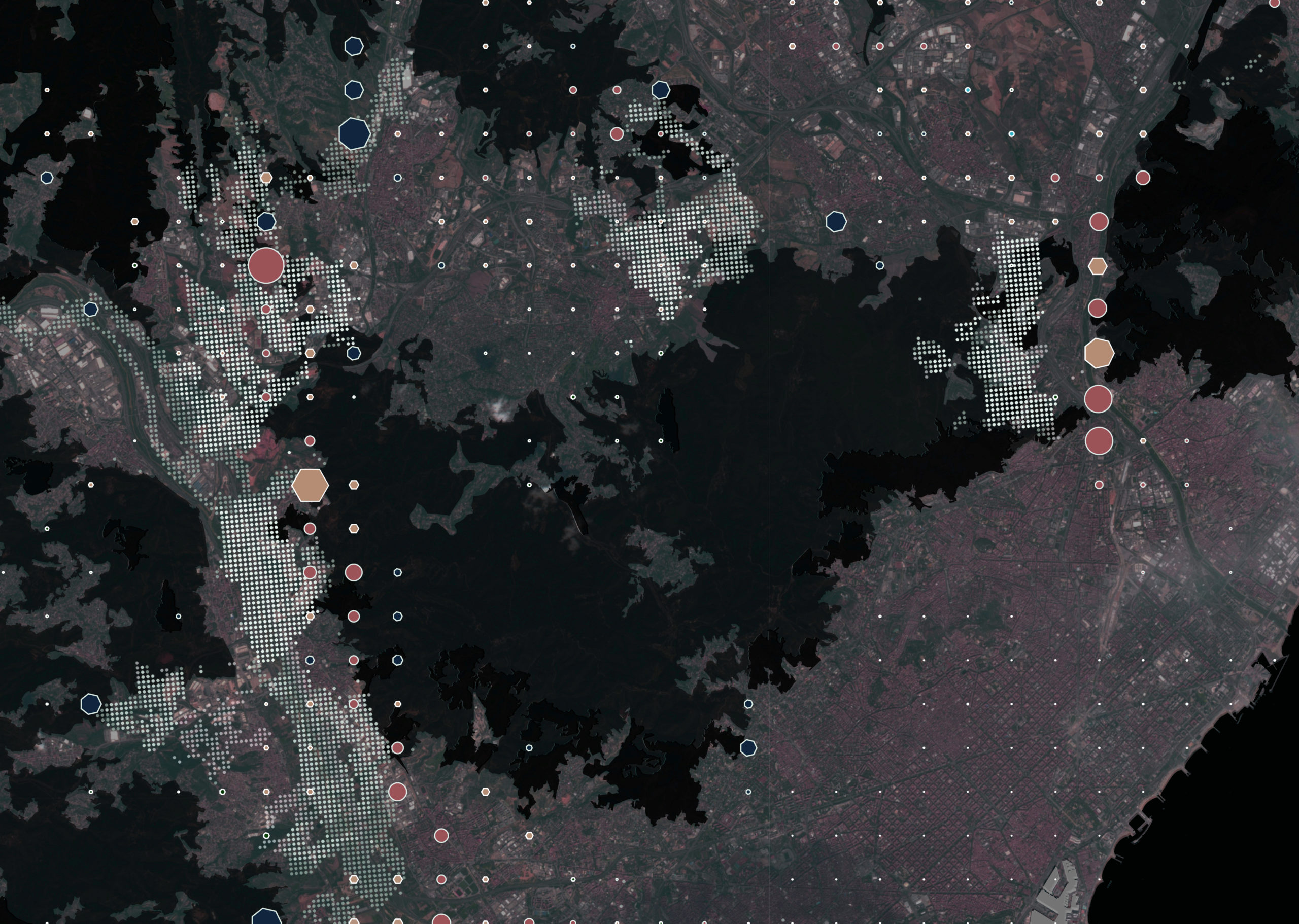
1. Introduction Urban air quality is a pressing concern,  being the result of both natural elements and human-induced pollutants. The city of Barcelona grapples with local pollutants like NOx and PM10, primarily  caused by ground transport and industrial activities. While current policies focus on mobility solutions, the project questions the need for complementary approaches. The … Read more

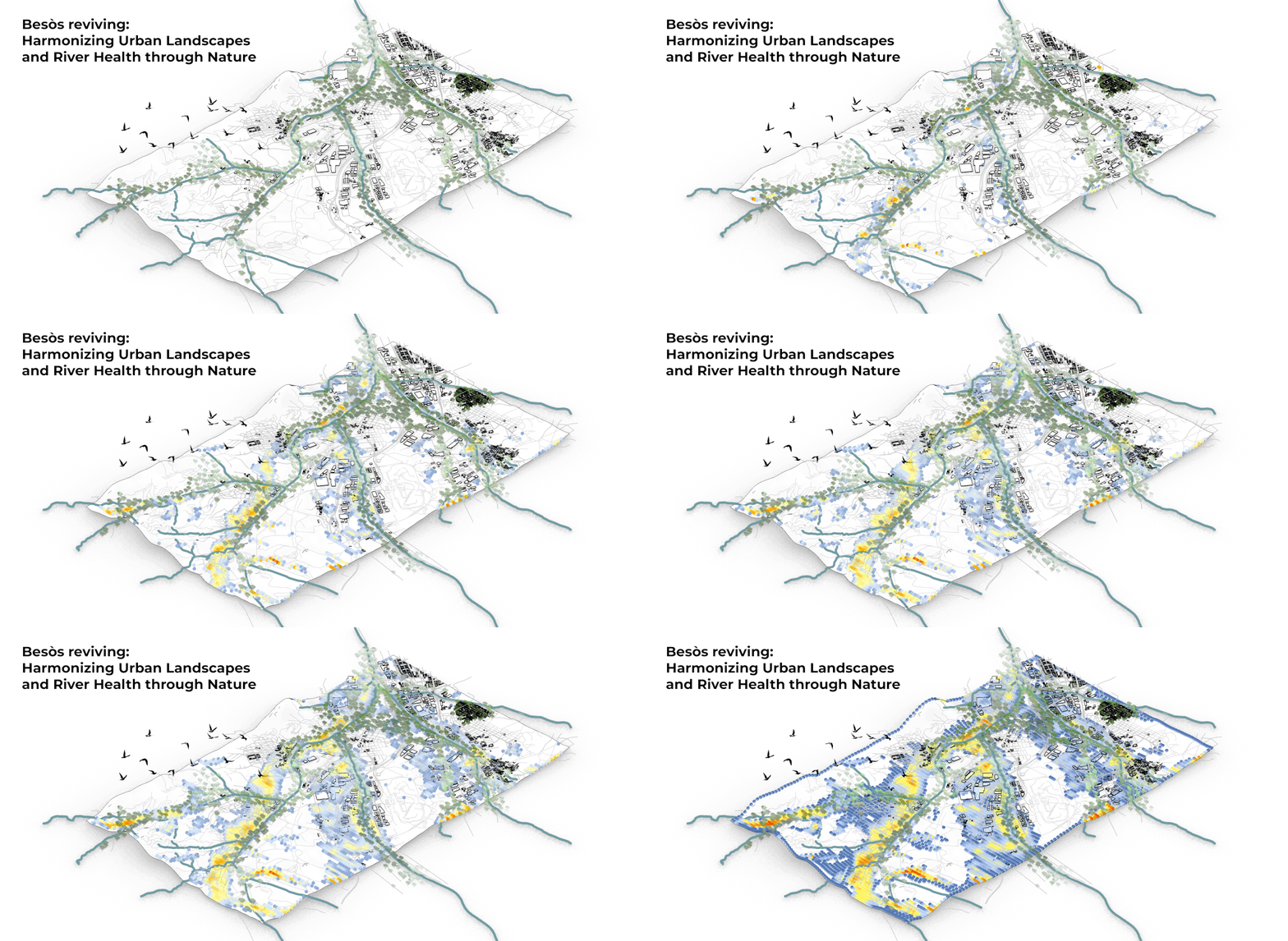
Besòs reviving: Harmonizing Urban Landscapes and River Health through Nature

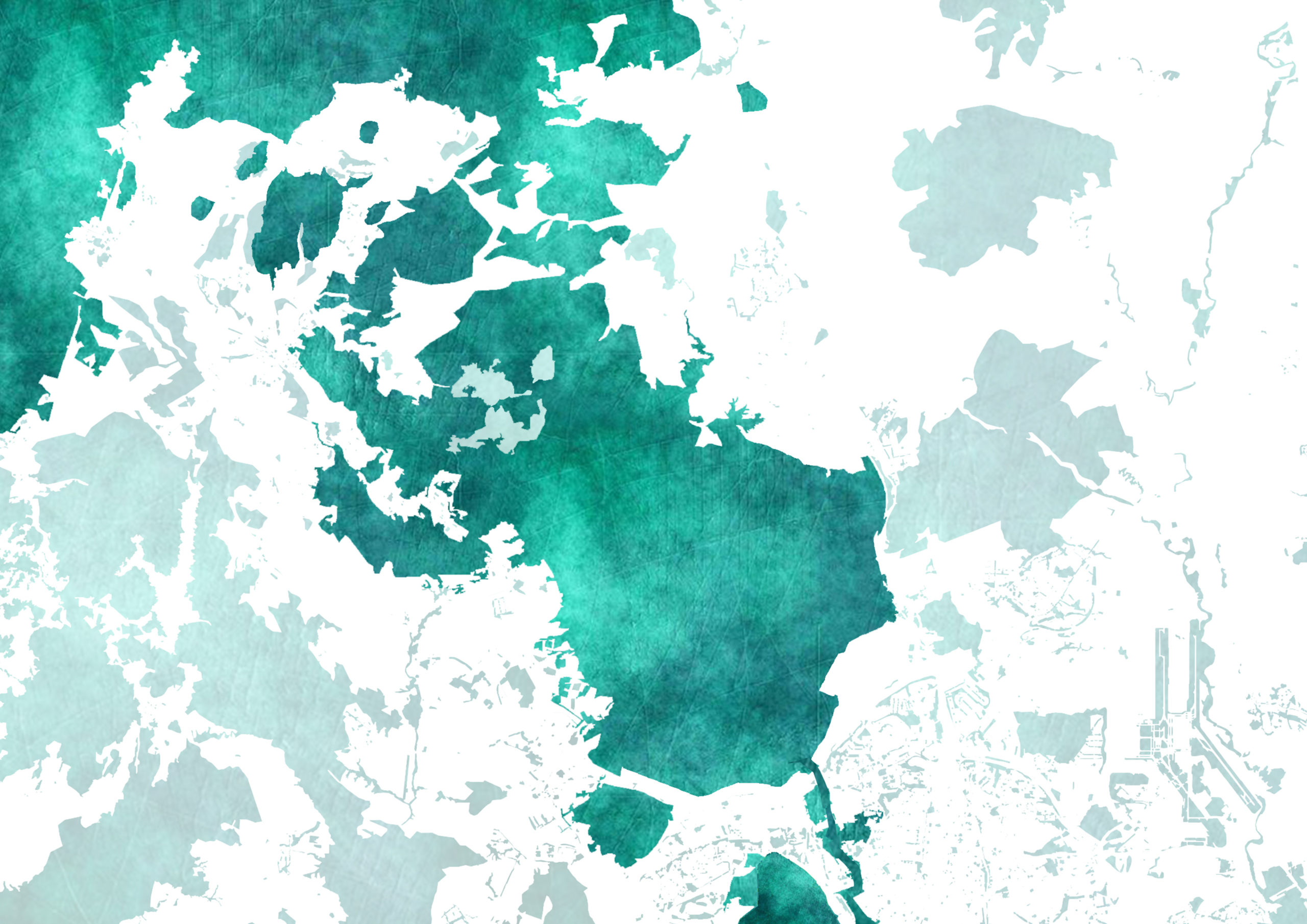
The Besòs River, an integral water source for Barcelona, encapsulates a narrative marked by both significance and environmental challenges. Since the 1970s, its crucial role has been overshadowed by persistent contamination, exacerbated by the rapid urban and industrial developments along its course. This study delves into the intricate correlation between Besòs River pollution, evolving land … Read more

An Encounter with a Passage

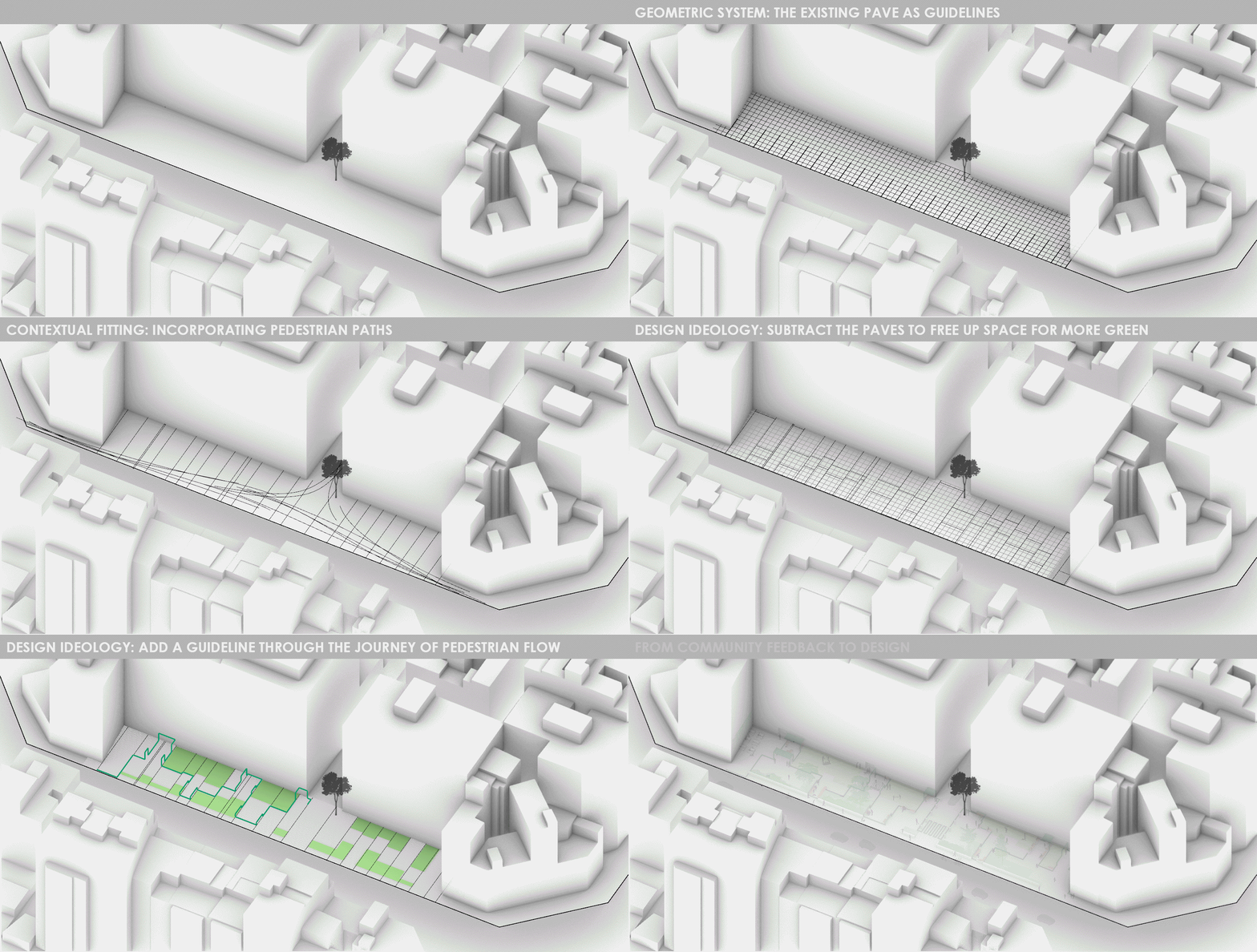
1. Introduction In the exploration of urban design and its impact on community well-being, “An Encounter with a Passage” delves into the heart of participatory design. This project revolves around the central question of integrating green spaces in urban settings, not just as an aesthetic feature but as a core element of community identity and … Read more

Bio-Digital Paths

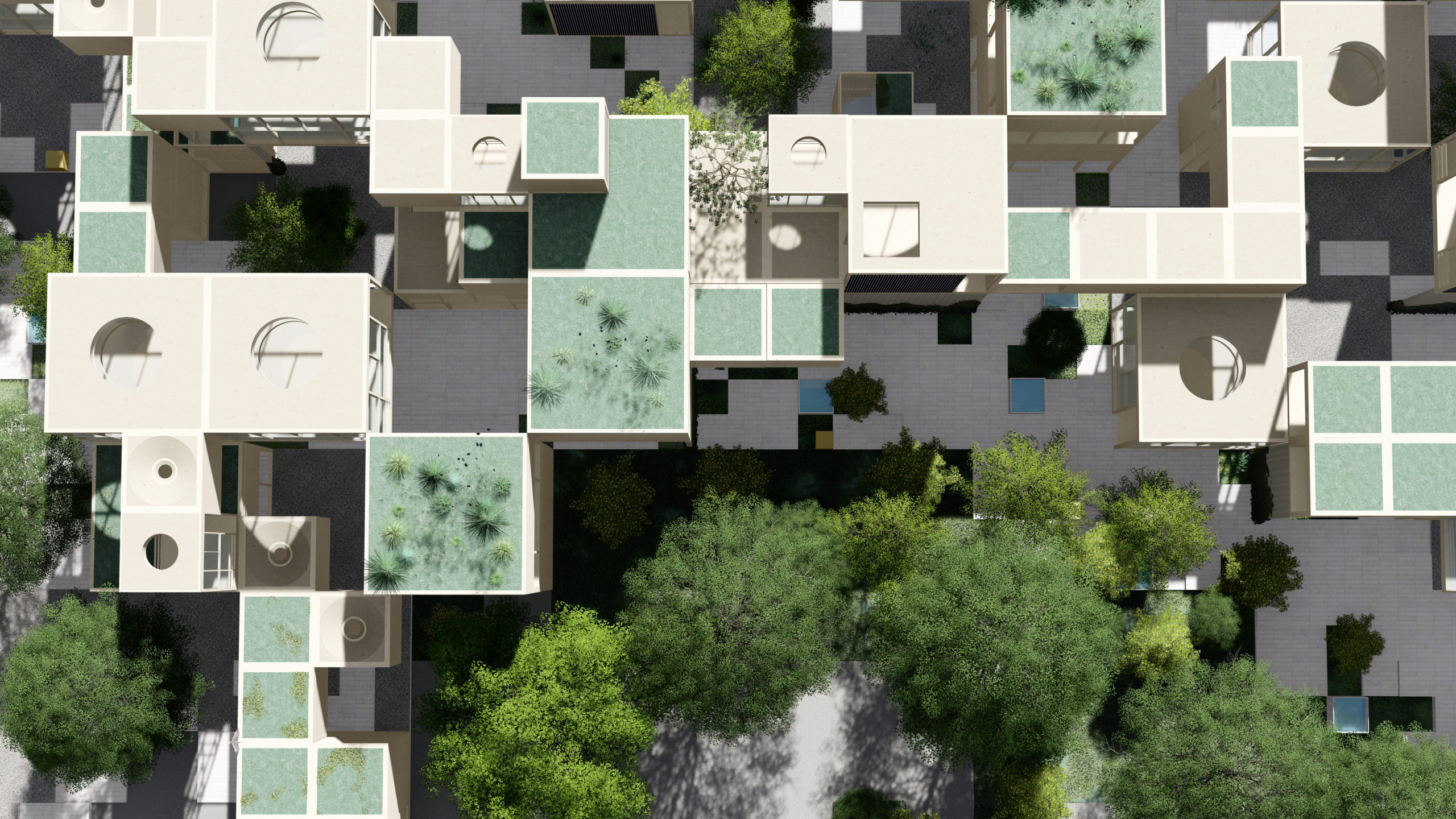
“Bio-Digital Path” is a computational model of modular public spaces generated from emerging public movements within the existing urban fabric of Barcelona.  Global challenges consist of both environmental threats, but also social challenges and this project suggests that planners and architects actually have the tools to construct the public space not as a separate but … Read more

The Green Ally

In Spain, there is an urban myth, according to which – The country was once so thickly forested that a squirrel could cross the peninsula hopping from tree to tree. -However, this condition has changed throughout the years, both in terms of the natural environment and the existence of squirrels in Spain. The case study … Read more

The Wild Deal

ABSTRACT Urban Rights is a term which has been coined by the philosopher Henri Lefebvre (Lefebvre, 1967)  and further explored by David Harvey (Harvey, 2003). It is a concept of a collective right to change the city and shape the process of urbanization. Thus, the right to the city does not merely address what the … Read more

A Parallel City for Pollinators

Introduction to Pollination The project attempts to study and research the possibilities of creating a green, three-dimensional corridor for pollinators in a specific area, the historical city center of Madrid, connecting Madrid’s most prominent green park “el Retiro” in the east to the “Casa de Campo” natural reserve in the west. In particular the proposal … Read more