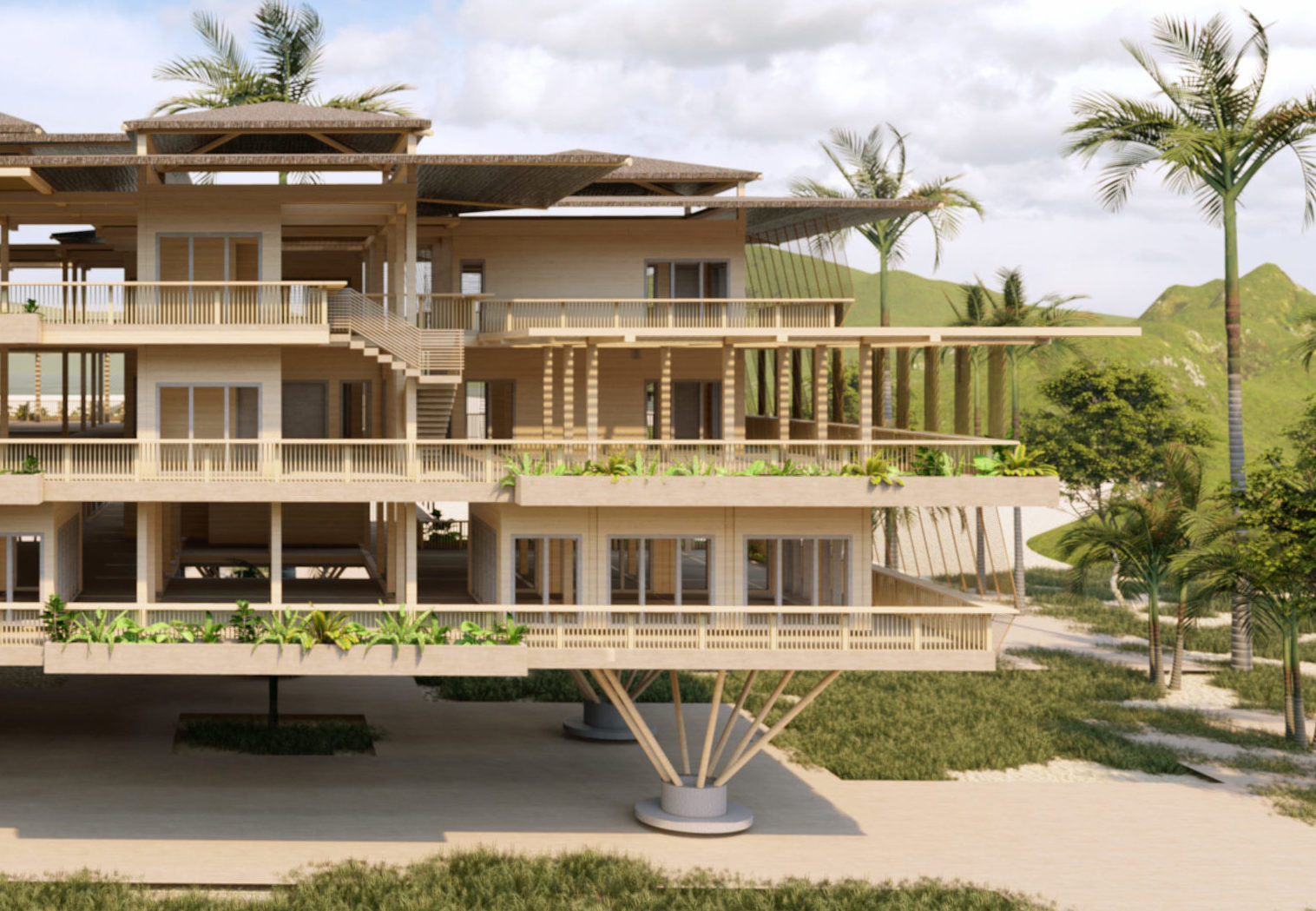
During the first six months in the program, students are comprehensively trained in the principles of design and construction of advanced ecological buildings through a series of focused and intense modules, which include material production, thermal and metabolic building systems, ecological structures and façade systems and much more. After developing the necessary skills and a holistic understanding of advanced and ecological design, students collectively draft and build a full scale ecological building prototype.

Filters
Course

Urban Synthesis| Metabolic Systems: water| GAIA
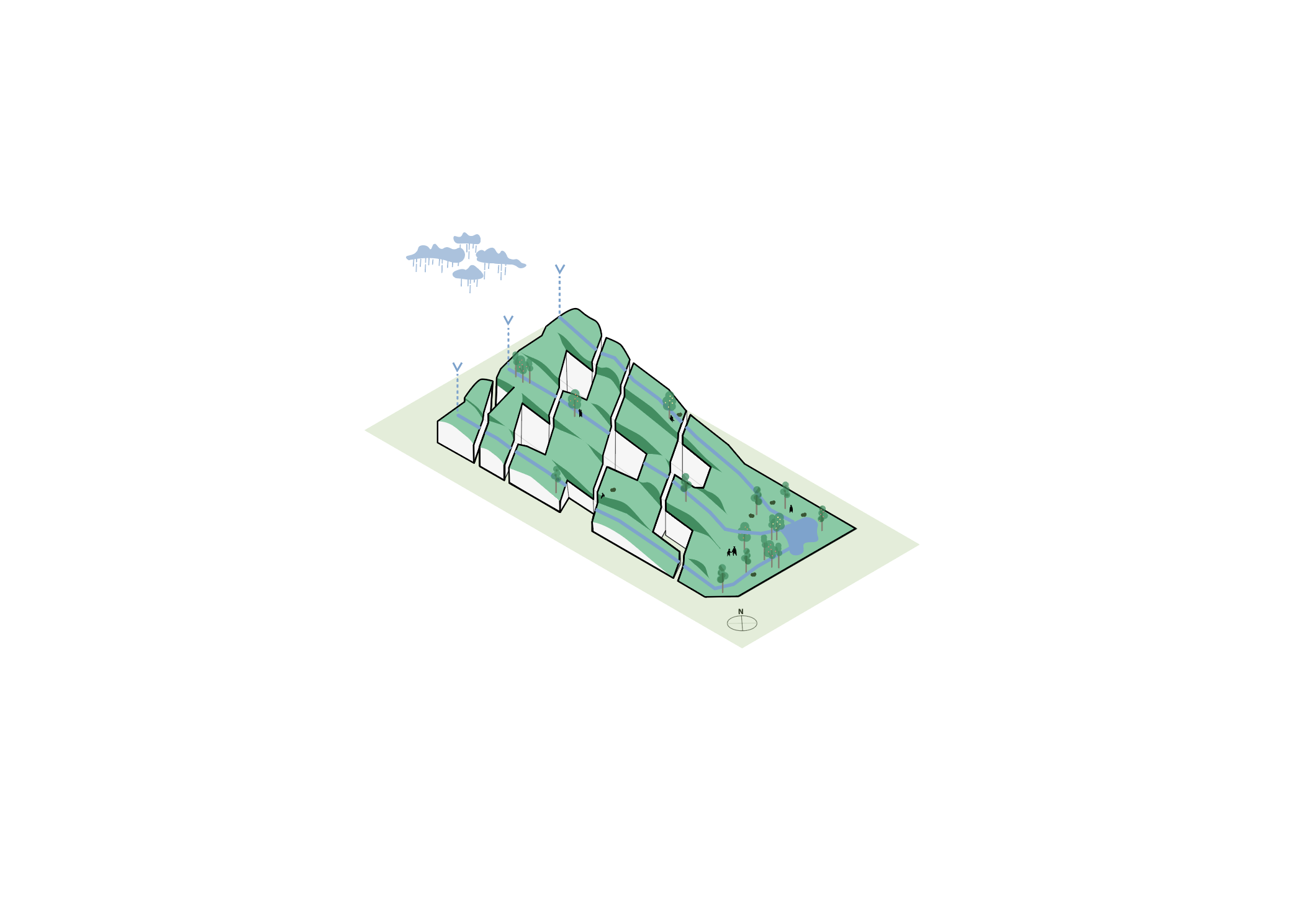
GAIA Plot 1. About. Urban Synthesis | Metabolic Systems: water The goal of this course is to highlight the importance of implementing effective water management strategies early on in architectural projects, with a focus on minimizing ecological impact and enhancing infrastructure resilience. Throughout the course, students will explore innovative water management concepts and technologies that … Read more
Urban Synthesis| Thermodynamic Fabrication| GAIA

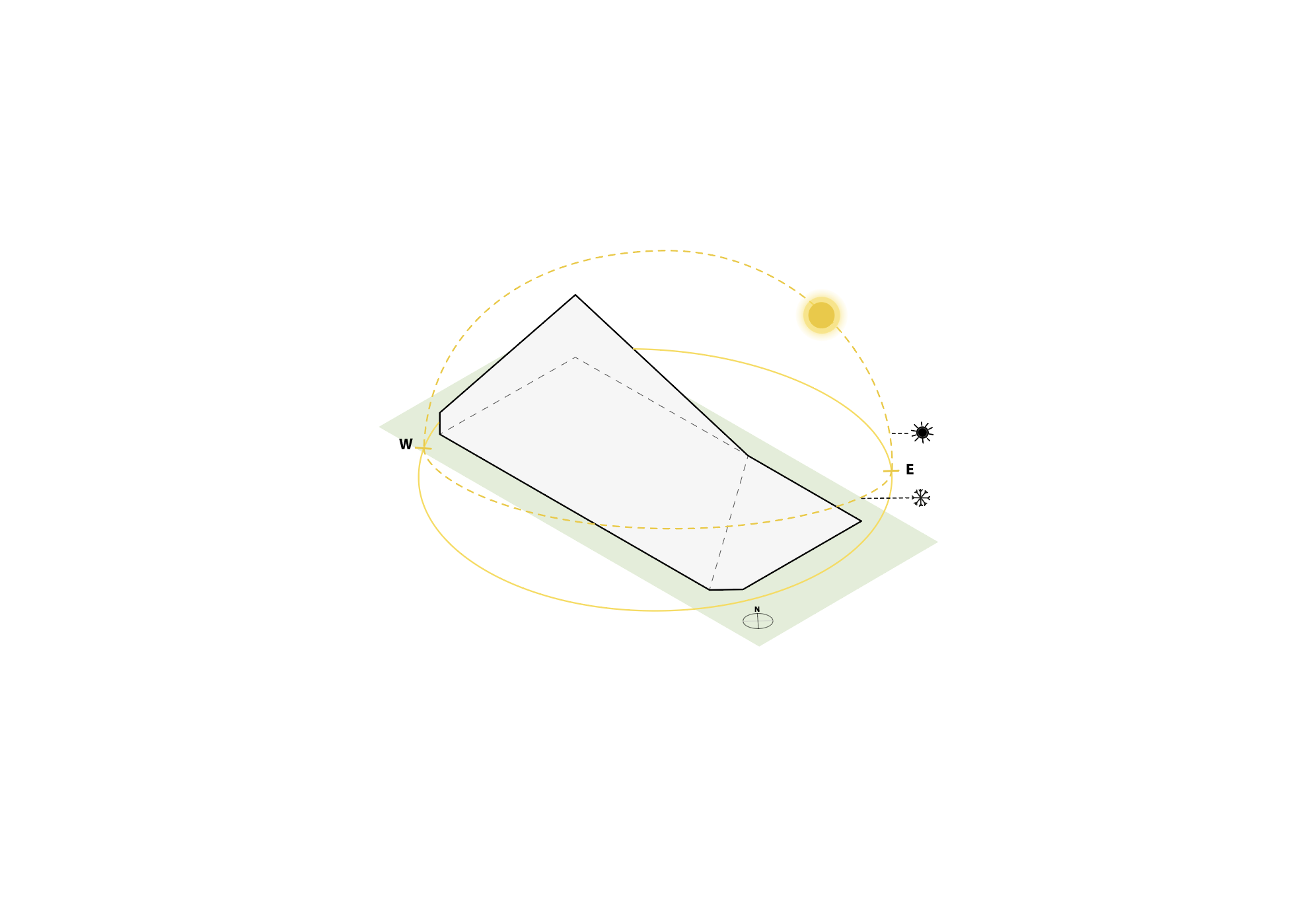
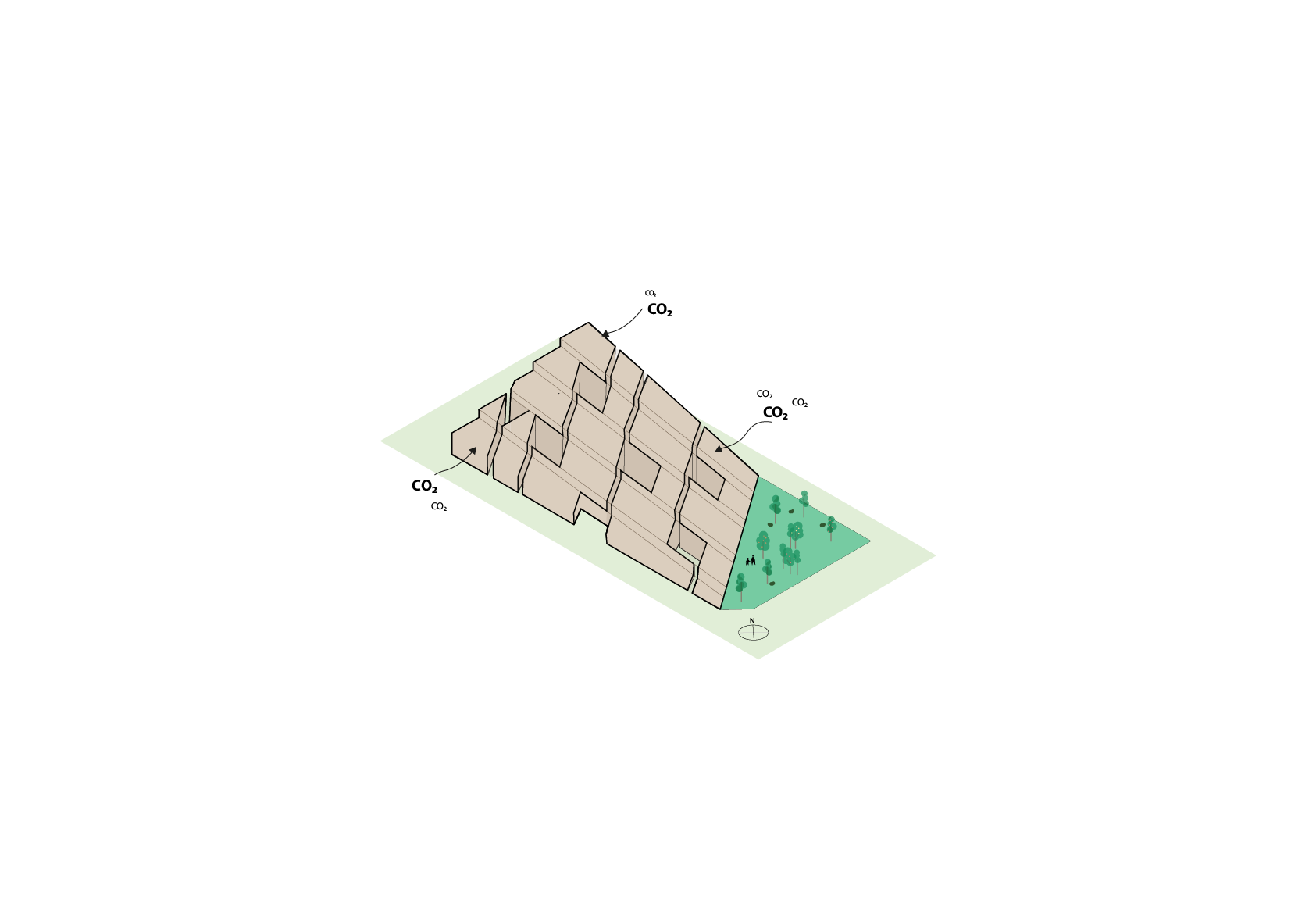
GAIA Plot 1. About. Urban Synthesis | Thermodynamic Fabrication The “Thermodynamic Fabrications” workshop explores how thermodynamics, ecology, and architecture intersect. It goes beyond just considering climate’s role in design and aims to blend both numbers and feelings in designing buildings. It focuses on aspects often ignored in sustainability lessons, linking daily life with architectural ideas. … Read more

Farming on Barcelona’s rooftops | CDS Physical Models

Ensuring food security is a major challenge for cities worldwide. The vision of Bio-cities includes that of food self-sufficiency, tackling the environmental impact of current agriculture systems which contribute to environmental concern through food miles, land and habitat loss, soil erosion,and reliance on fossil-fuel derived fertilisers. The Àrea Metropolitana de Barcelona (AMB) has 636km3 of … Read more

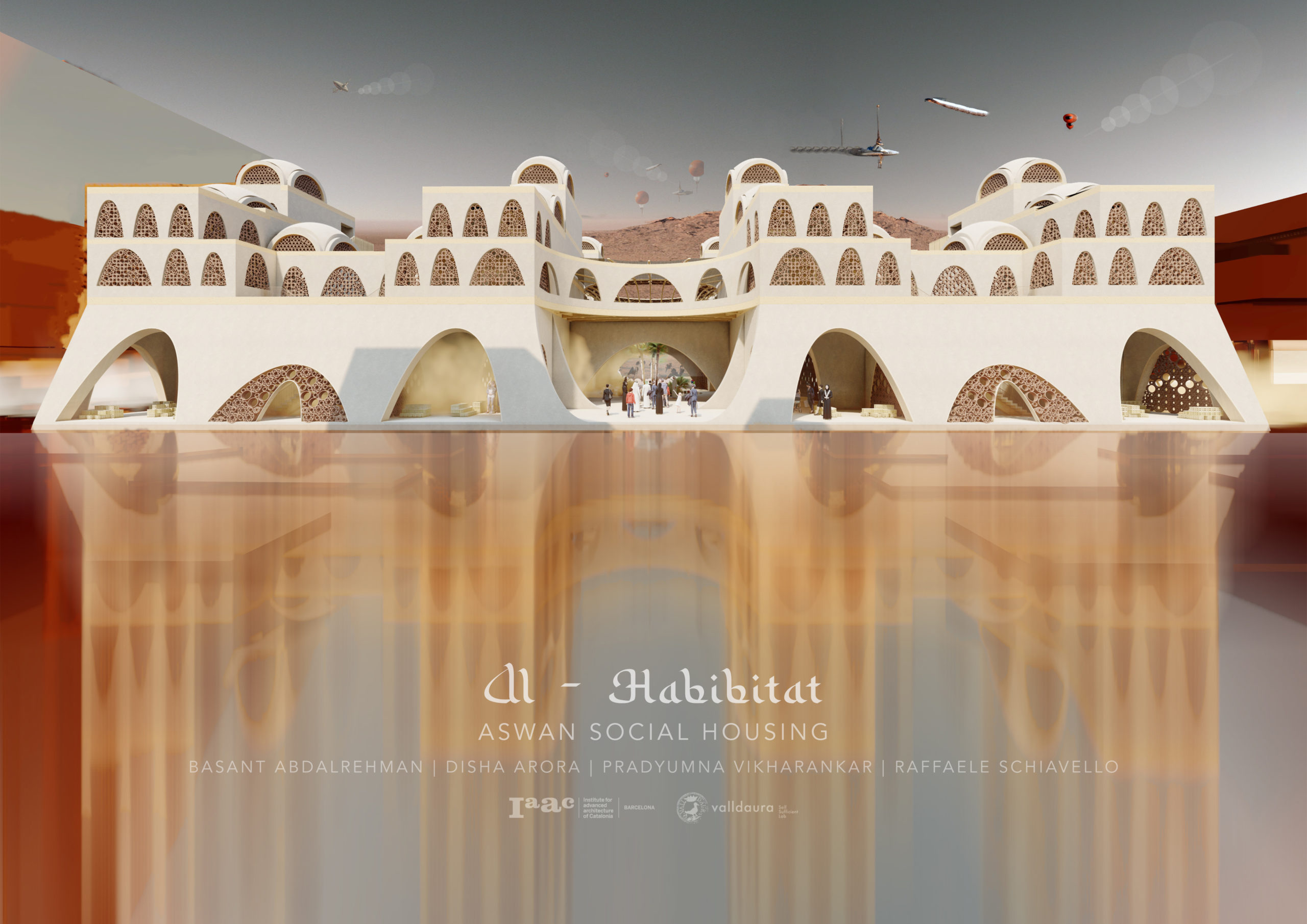
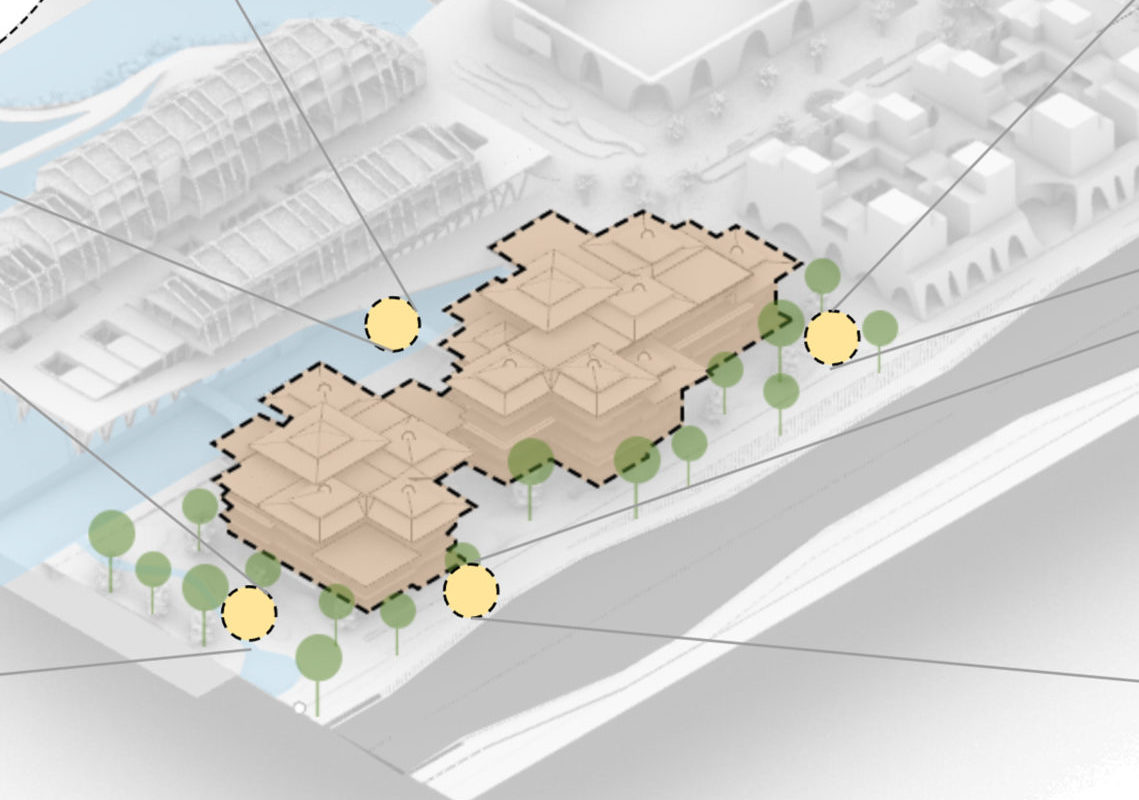
AL HABIBITAT | Urban intervention

Aswan, Egypt being a desert city shows diurnal aspects of climate on a daily basis. The same also affects the day to day activity pattern of the community that adapts to the climate at any given time. This analysis indicates at a close relation between climate, people & their clothing & eventually it traces ahead … Read more

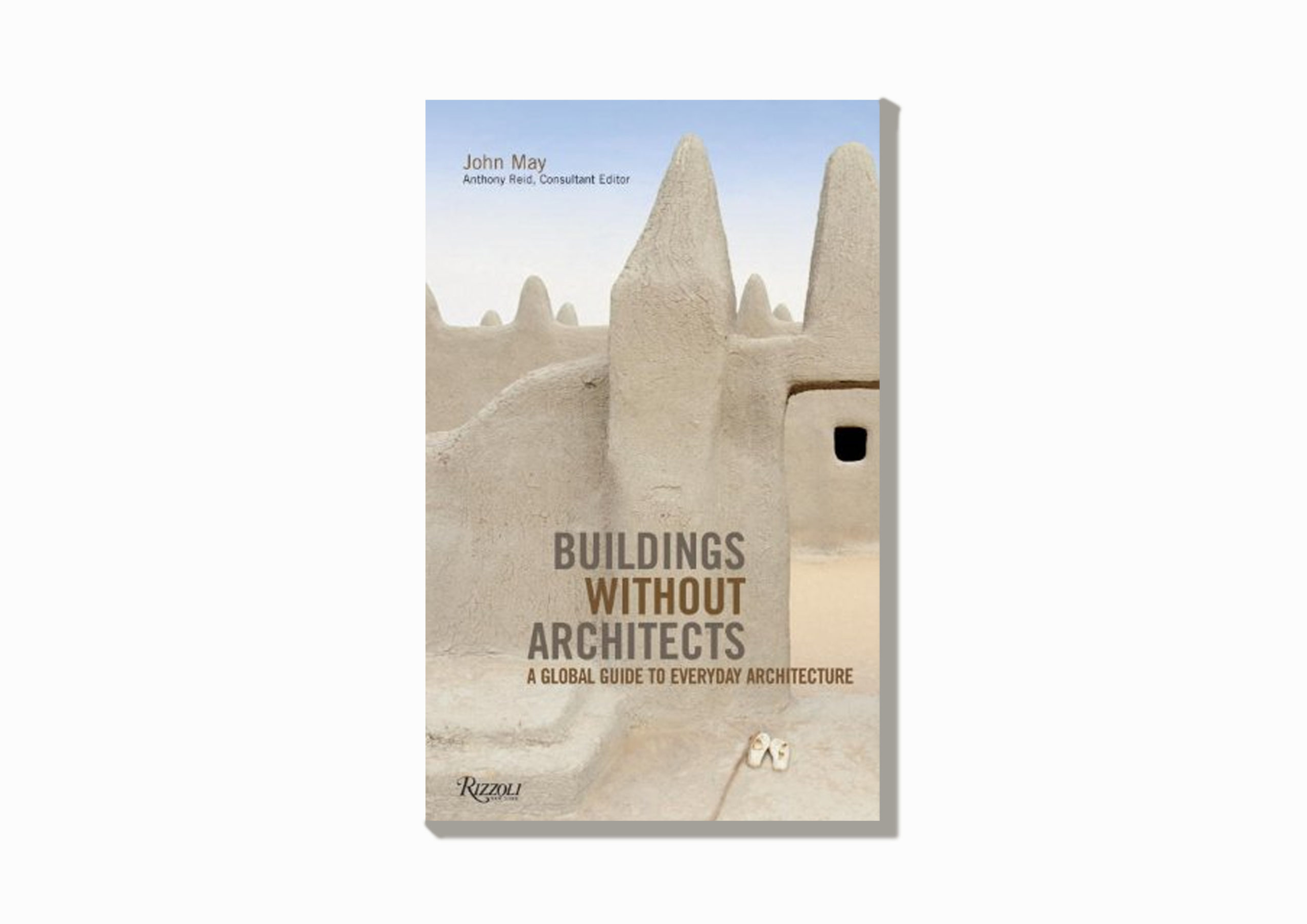
BUILDINGS WITHOUT ARCHITECTS: A Global Guide to Everyday Architecture by John May | Ecological Thinking

This blog is a review of the book, Buildings without Architects: A Global Guide to Everyday Architecture by John May. The book is a culmination of 60+ different styles of vernacular architecture ranging from different materials and different regions of the world. “Architecture should speak of its time and place, but yearn for timelessness.” – … Read more

BIOMIMICRY in ARCHITECTURE by Michael Pawlyn | Ecological Thinking II

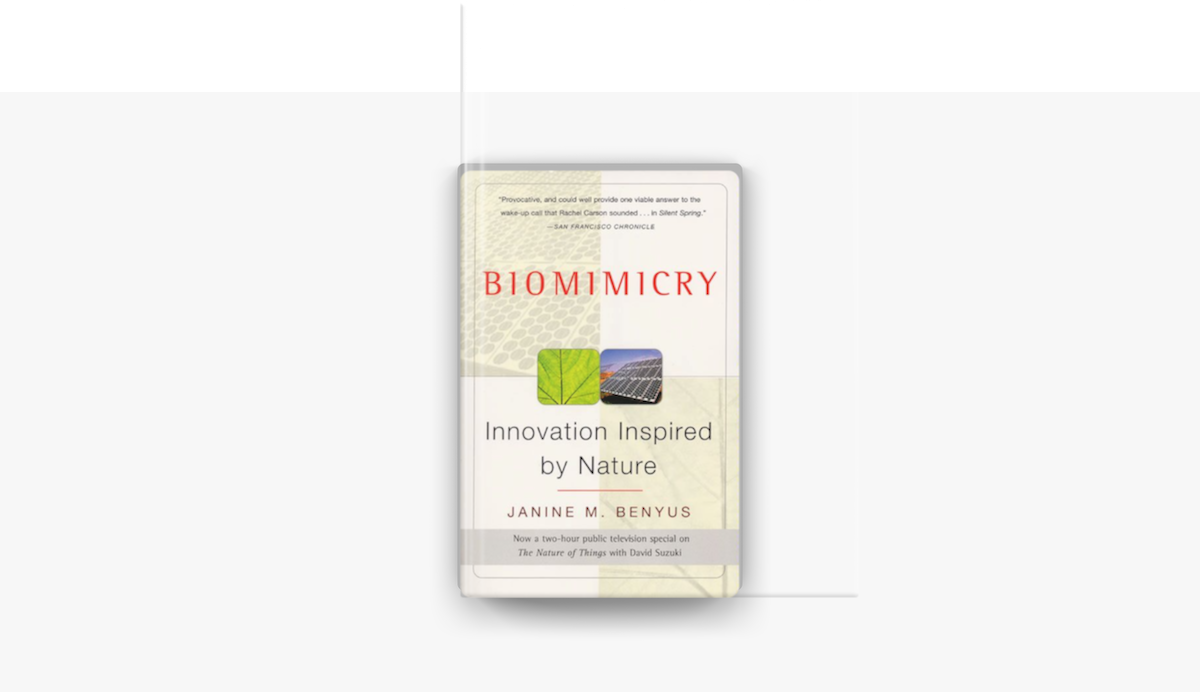
This blog is a review of Michael Pawlyn’s book, Biomimicry in Architecture. “Biomimicry is a powerful innovation tool that allows architects to go beyond conventional approaches to sustainable design and deliver transformative solutions we need.”-Michael Pawlyn The book “Biomimicry in Architecture” by Michael Pawlyn introduces the term biomimicry and how it can impact architecture. The … Read more

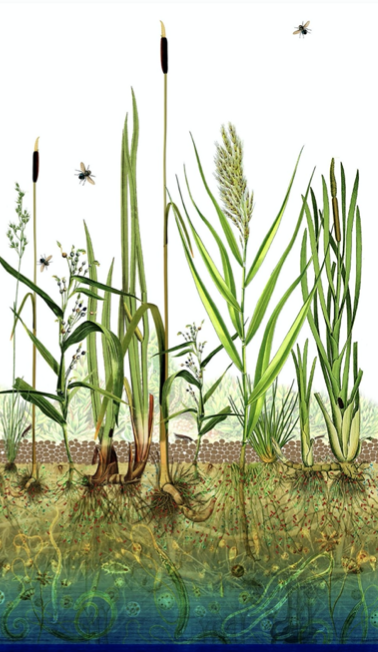
THE NATURAL WAY OF FARMING: The Theory & Practice of Green Philosophy by Masanobu Fukuoka | Ecological Thinking

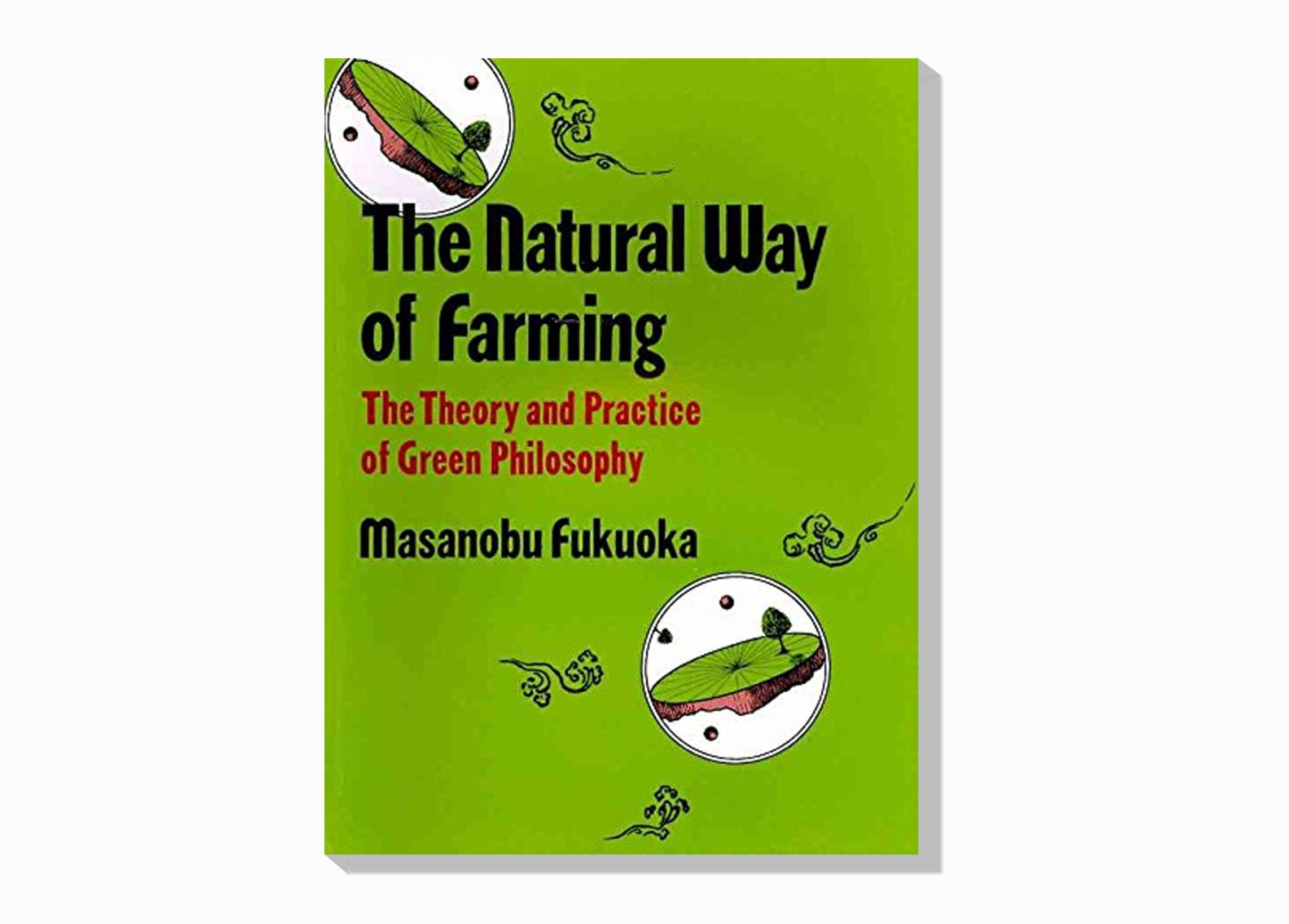
This blog is a review of the book, The Natural Way of Farming: The theory & practice of Green Philosophy by Masanobu Fukuoka. The Book is a deep description on different ideologies and process developed by the author through practice and application. “When the human spirit and human life blend with the natural order and … Read more

Sustainable Forest Management

Our Sustainable Forest Management course kicked off in December with an open air lecture from Dr. Arbol. This explorative walk through the Valldaura forest helped us to better observe and understand how the ecosystem forest functions. We also learned how to identify the existing tree species and their way of growing in the context of … Read more

MO5 Collaborative Design – Bio Berms

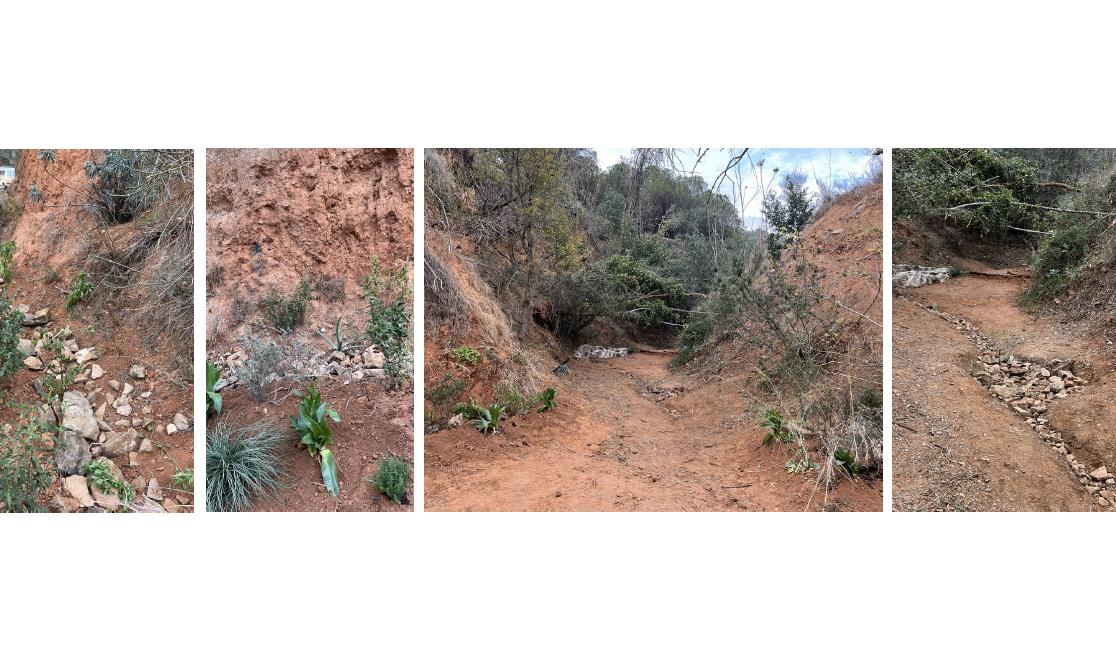
After analyzing the site of Font del Gos we quickly realized that soil erosion was a significant problem.The site is a case study of human interception of an ecosystem, a naturally evolvedlandscape and water stream disturbed by human doings, causing dysfunction.Dry, eroded soil is unable to absorb water properly when raining.This causes a lack of … Read more