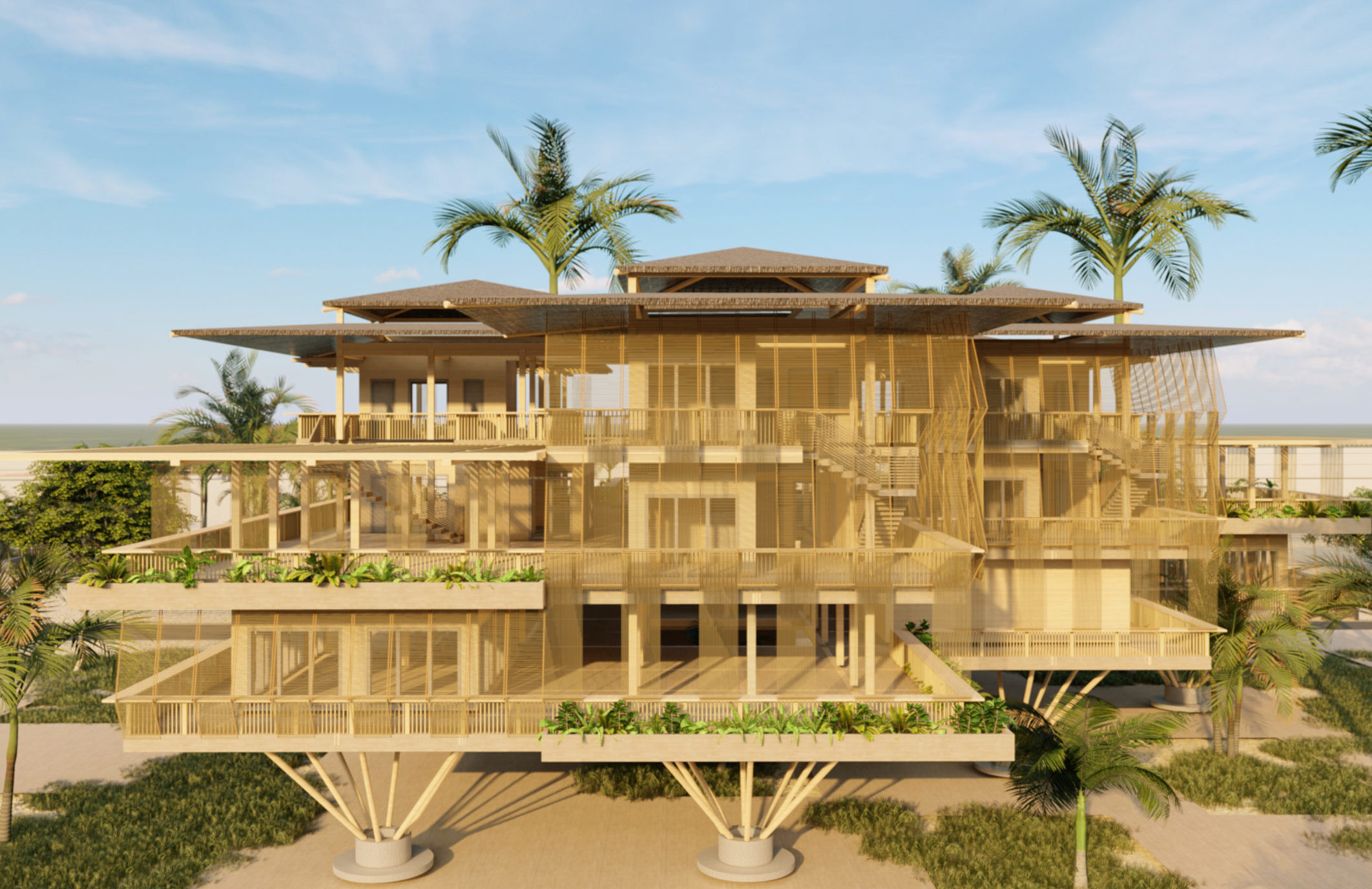
During the first six months in the program, students are comprehensively trained in the principles of design and construction of advanced ecological buildings through a series of focused and intense modules, which include material production, thermal and metabolic building systems, ecological structures and façade systems and much more. After developing the necessary skills and a holistic understanding of advanced and ecological design, students collectively draft and build a full scale ecological building prototype.

Filters
Course

BIOMIMICRY in ARCHITECTURE by Michael Pawlyn | Ecological Thinking II

This blog is a review of Michael Pawlyn’s book, Biomimicry in Architecture. “Biomimicry is a powerful innovation tool that allows architects to go beyond conventional approaches to sustainable design and deliver transformative solutions we need.”-Michael Pawlyn The book “Biomimicry in Architecture” by Michael Pawlyn introduces the term biomimicry and how it can impact architecture. The … Read more

MEDITERRANEAN I Ecosystemic Structures

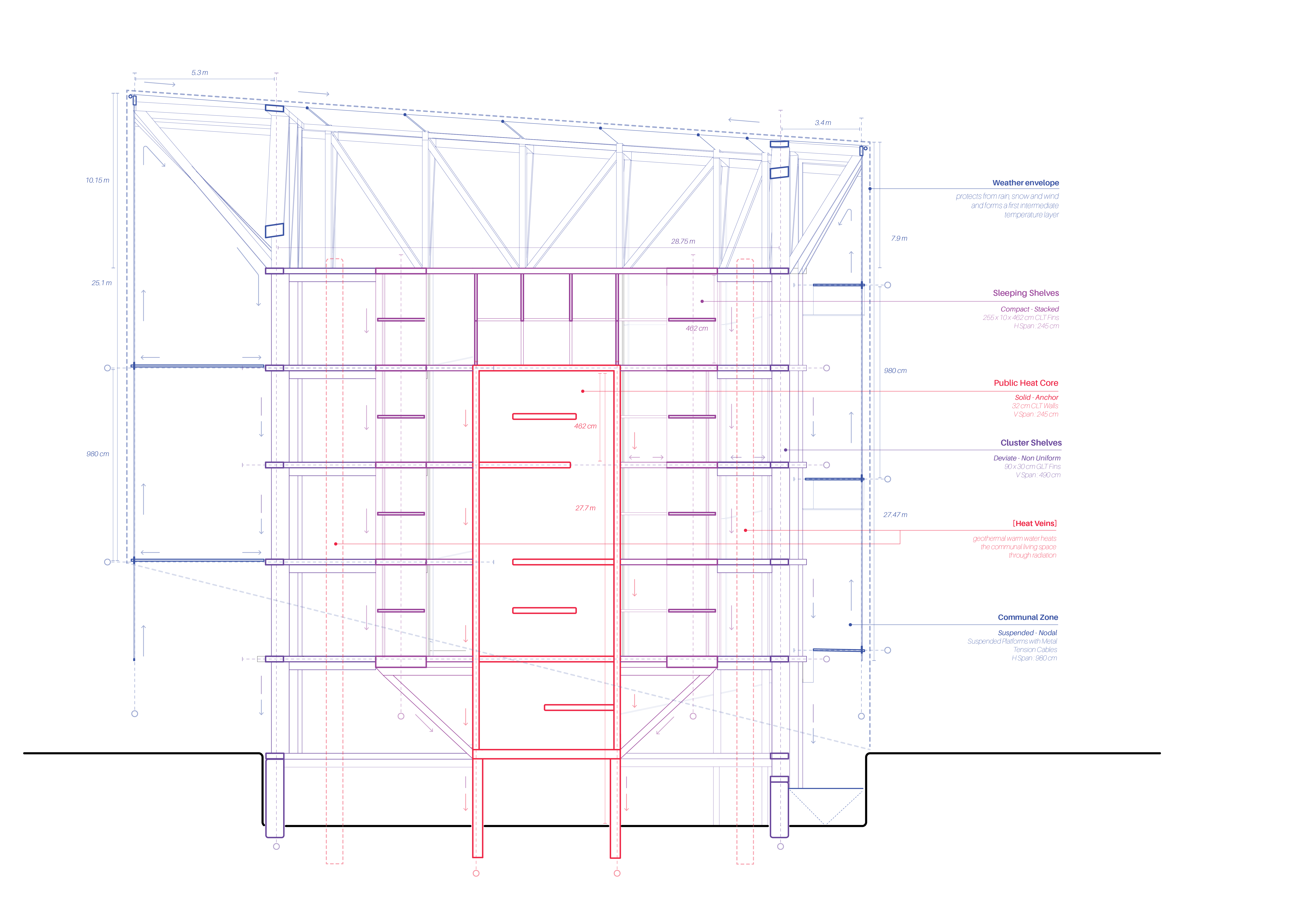
ITERATION 1 Large Span Truss Structure Main Structural Components Primary Trusses Catlogue Forces Diagram Lateral Forces Diagram Gravity Truss Junction Details Physical Model understanding the structure Load Testing After a thorough analysis of the structural loading and its behavior, we have developed a more efficient and lightweight approach to address the cantilever and overall structure. … Read more

THE NEST | Resilient Envelopes

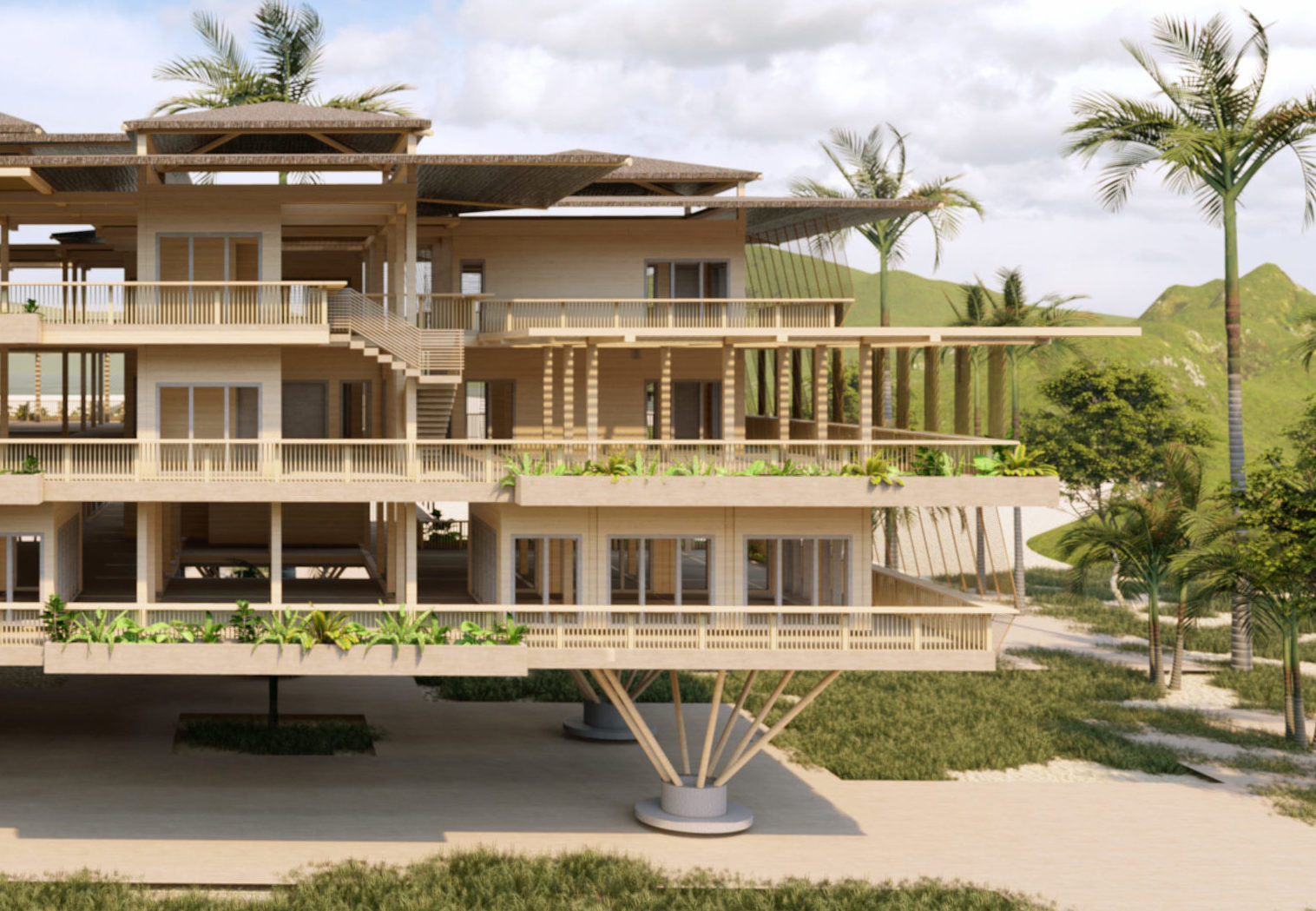
The design of the envelope plays a vital role in the design. The roof and the facade are part of the metabolic systems to aid with generating solar energy and collecting rainwater. The envelope is also efficiently designed keeping the thermodynamic analysis in mind. FACADE DESIGN: The facade is designed using a cane facade. The … Read more

MEDITERRANEAN l Thermodynamics

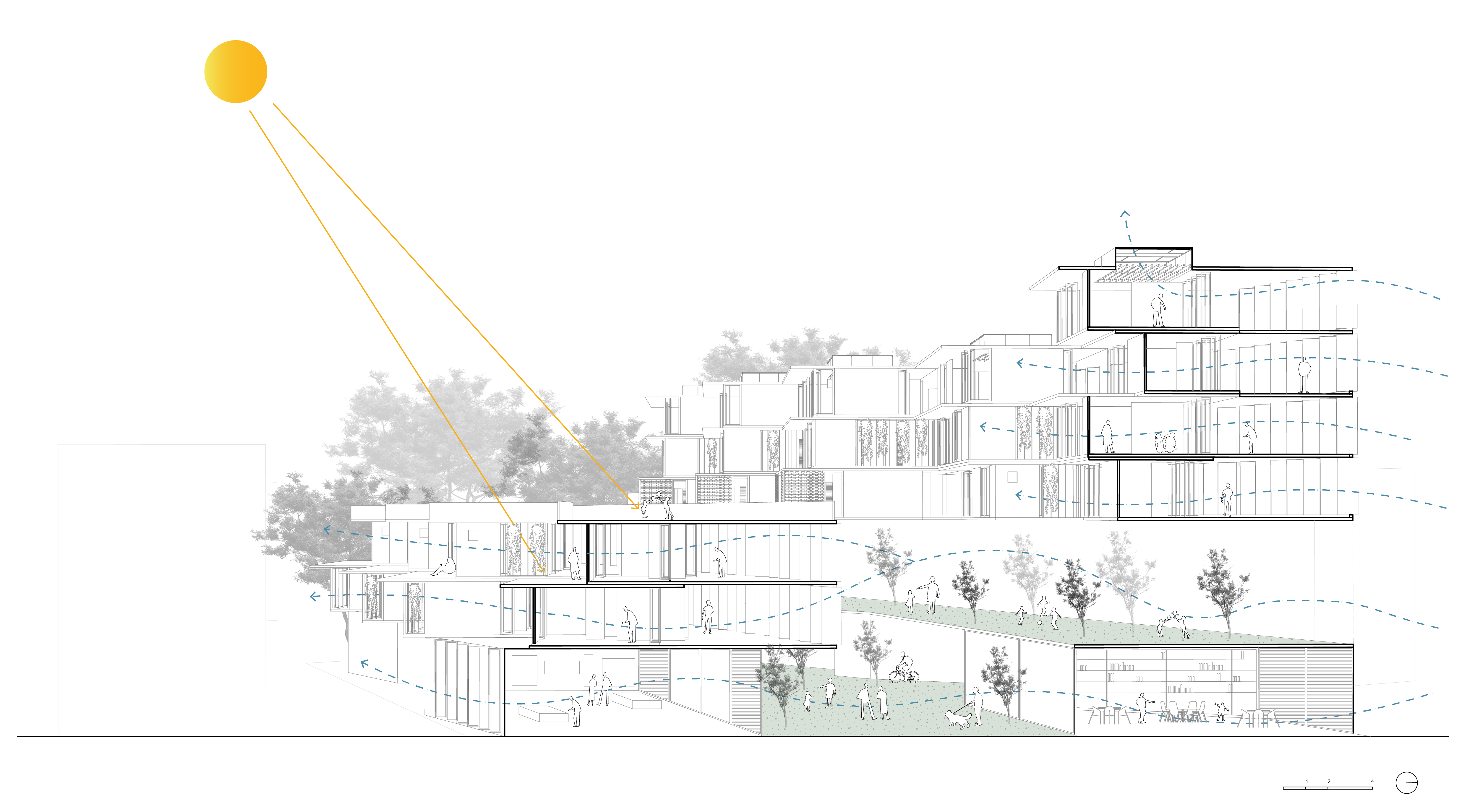
01. Introduction Venice is a city in northeastern Italy and the capital of the Veneto region. It is built on a group of 118 small islands separated by canals and linked by over 400 bridges.According to the Köppen climate classification, Venice has a mid-latitude four-season humid subtropical climate, with cool, damp winters and warm, humid … Read more

Fabrication for Open Nature | Mil Ramas

INTRODUCTION The Design and Fabrication course’s main objective is to orient us towards learning and gaining experience in the use of tools and machines in relation to fabrication. Through designing, manufacturing and prototyping the models we were able to gain hands-on experience on how to fabricate and construct our projects. Valldaura Green FabLab provided us … Read more

Open Nature | Mil Ramas

Brief The main aim of the sculpture seats was to use discarded branches and every part of the tree to create our structure in a sustainable manner. Our project’s objectives were to serve something unique, comfortable and most importantly an advanced form of seating using wooden elements. We began with collecting branches from trees that … Read more