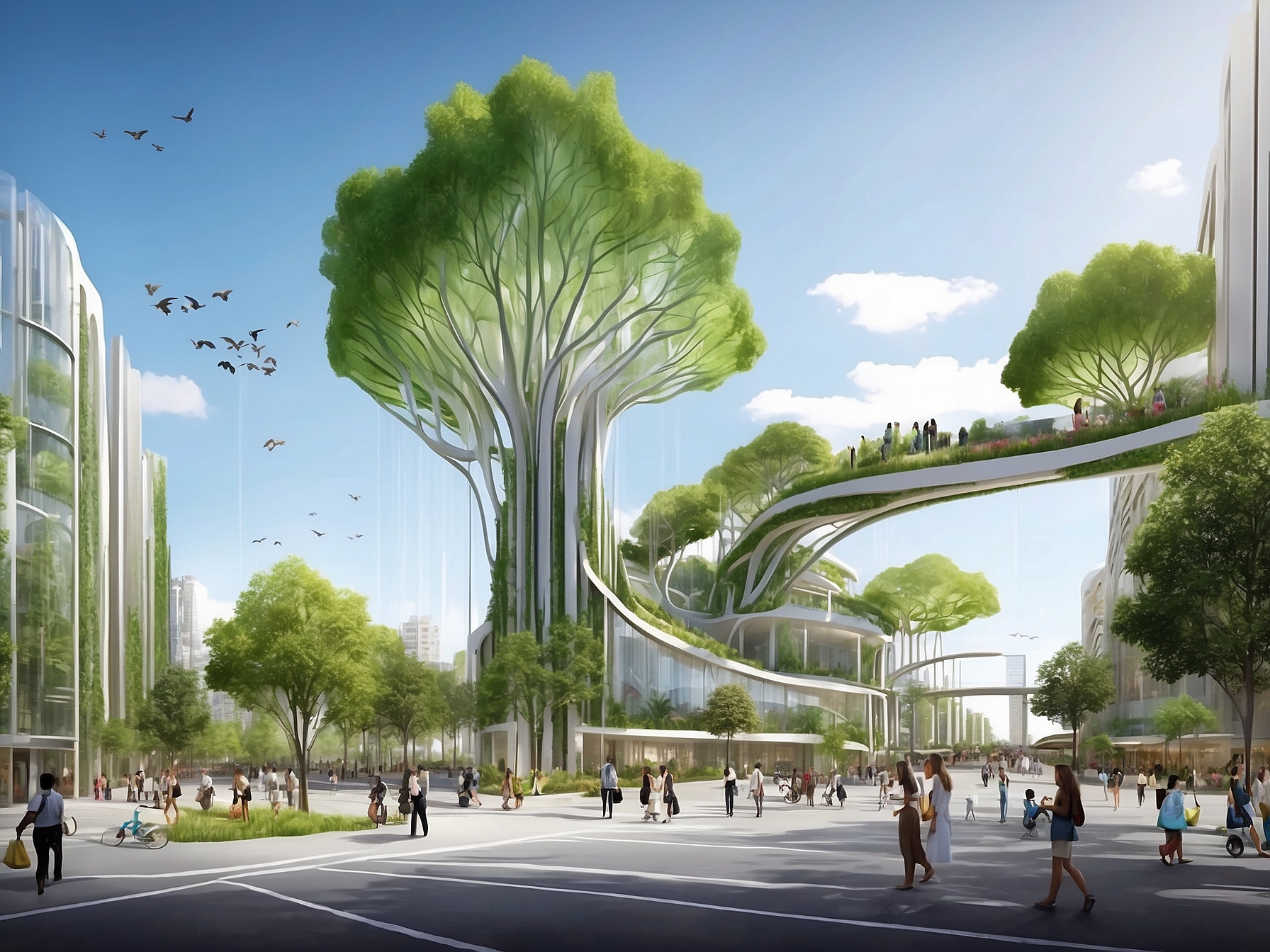
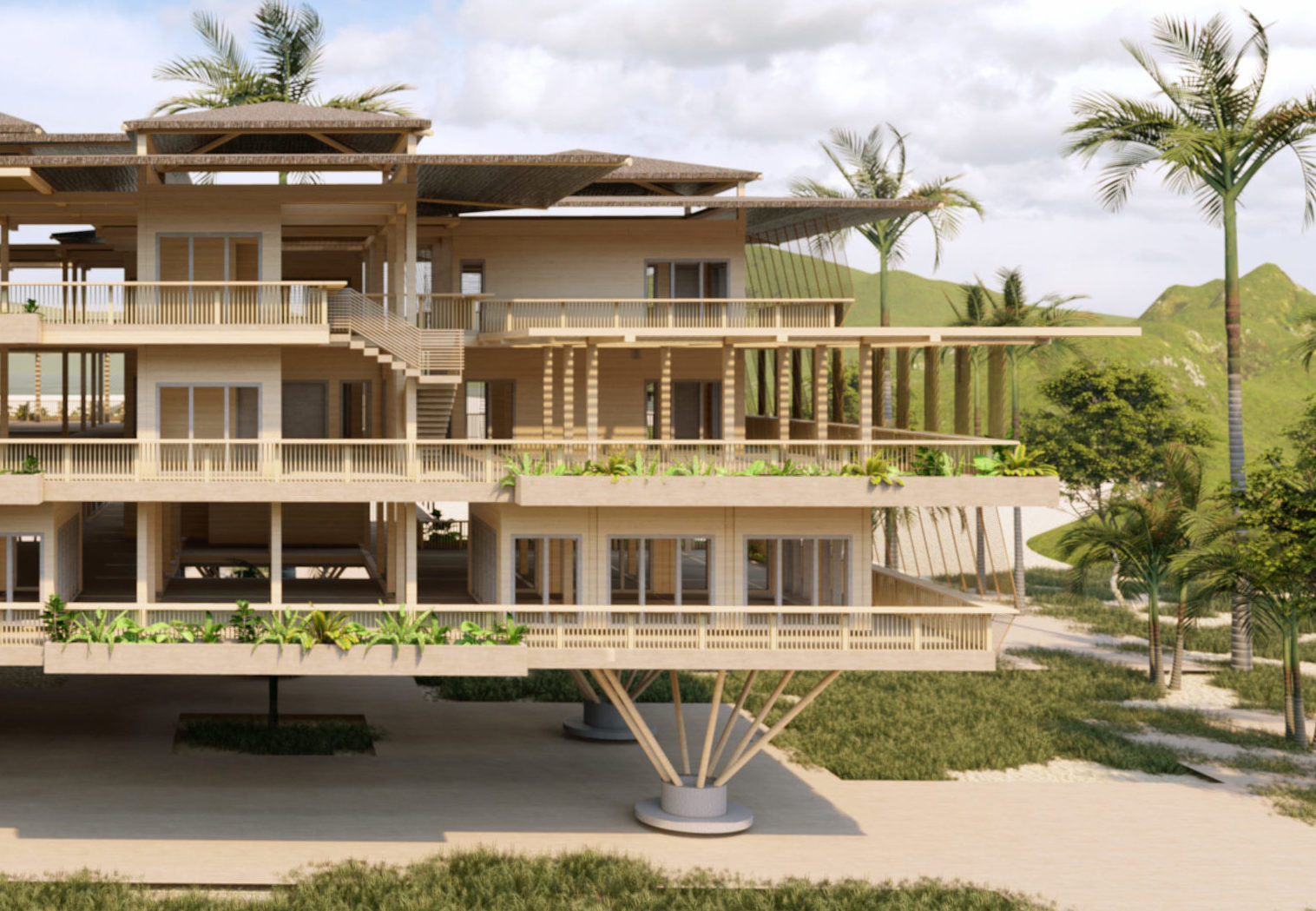
The Master in Advanced Ecological Buildings and Biocities (MAEBB) postgraduate program is an 11-month immersive academic program focused on learning how to design and build a new generation of buildings and cities to respond to the planet’s emerging climate challenges. The program is carried out in Valldaura Labs, in Barcelona, a 135 He property located in the Collserola forest. Here, students will live and work surrounded by nature while using the most advanced technologies and design techniques in the pursuit of what is also IAAC’s long term initiative, to create self-sufficient and ecological environments.


Filters
Course

Defining Biocities

Life cycle Assessment Synonyms: Life cycle analysis Noun Life cycle assessment (LCA) is a tool to evaluate possible environmental effects at every stage of a product’s (which can be commodities, technologies, or services) life cycle, from acquiring natural resources through production and consumption to waste management (including disposal and recycling). Four Components of Life-cycle Analysis  … Read more

Defining Biocities (Stefano Boeri)

In the process of creating this blog post dedicated to defining a Biocity, I played a crucial role in conducting comprehensive research and contributing to the compilation of a specialized dictionary. As part of a collaborative effort involving students from the Institute for Advanced Architecture of Catalonia (IAAC), and under the guidance of mentors Honorata … Read more

C O R K O O N

‘Corkoon’ is a design proposal by a group of six students from MAEBB 2022-23 for the final thesis design of a Mobile home. The project aims to cater to the materiality aspects of a mobile home which we try to achieve by bio-mimicking the principles of a caterpillar in its chrysalis where it goes on … Read more

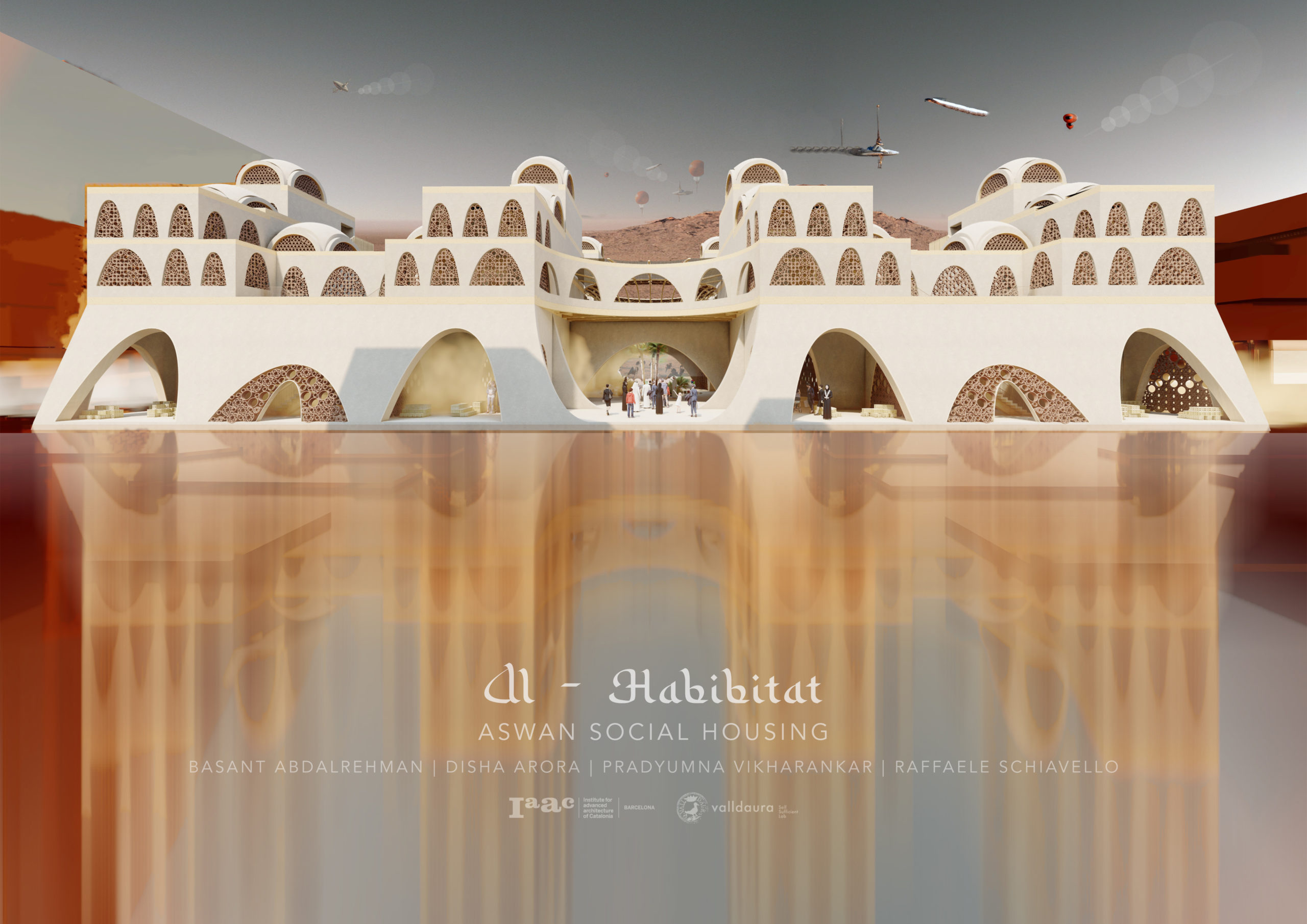
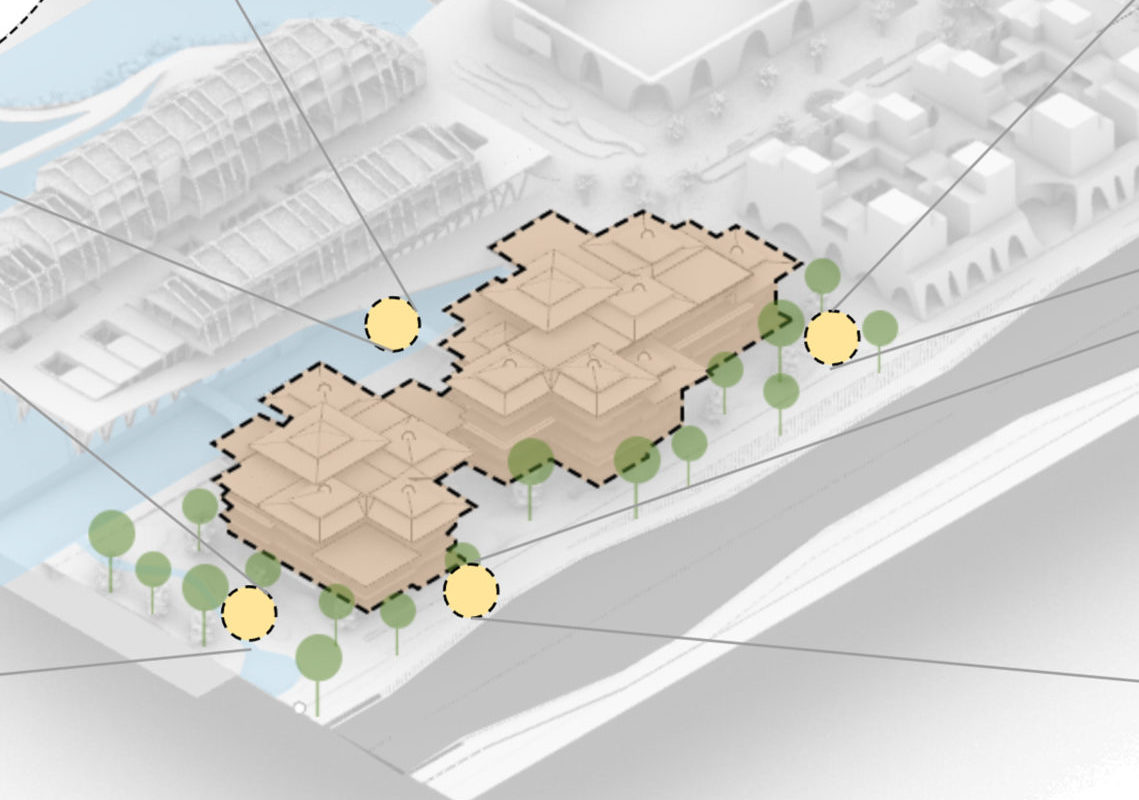
AL HABIBITAT | Urban intervention

Aswan, Egypt being a desert city shows diurnal aspects of climate on a daily basis. The same also affects the day to day activity pattern of the community that adapts to the climate at any given time. This analysis indicates at a close relation between climate, people & their clothing & eventually it traces ahead … Read more

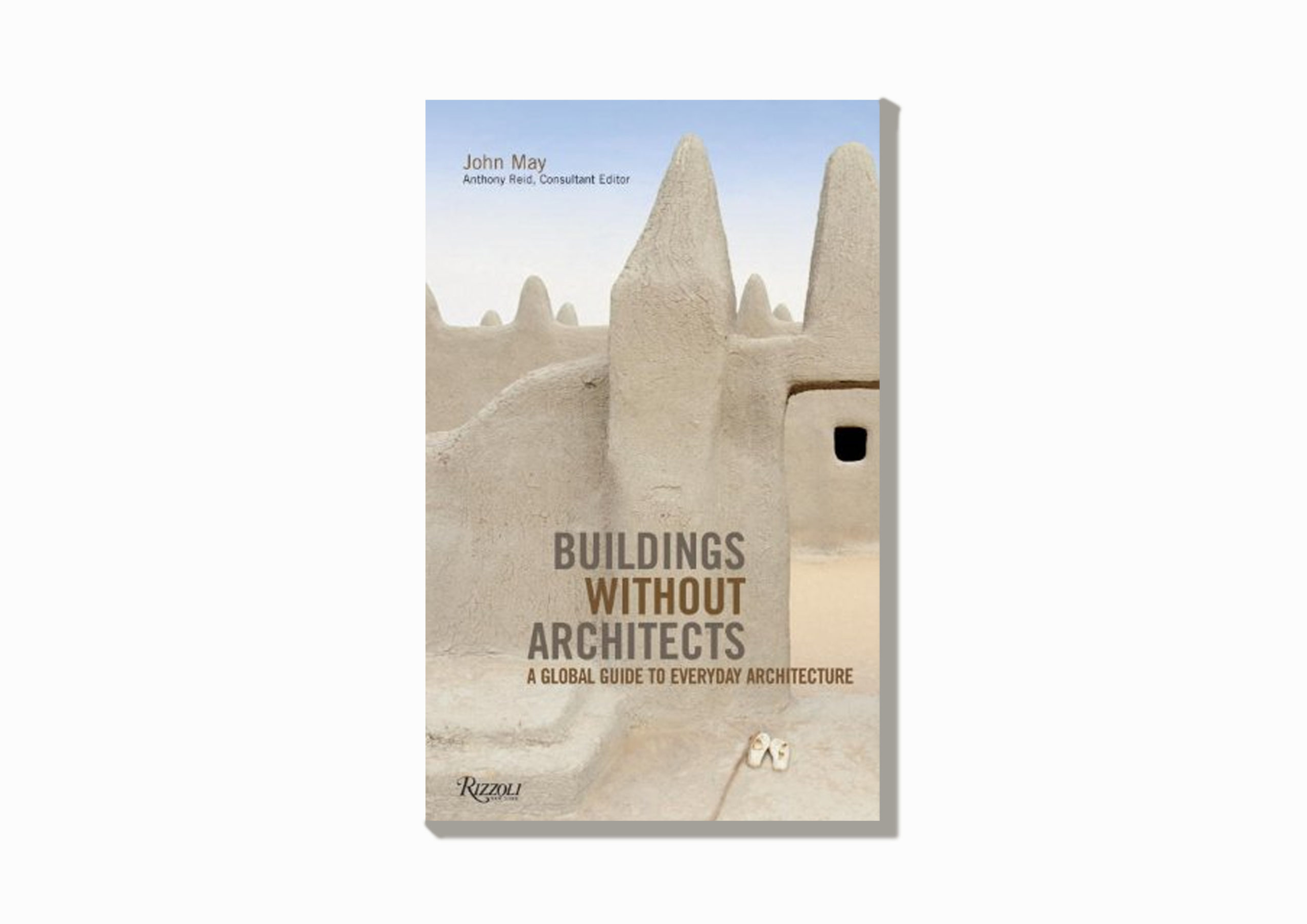
BUILDINGS WITHOUT ARCHITECTS: A Global Guide to Everyday Architecture by John May | Ecological Thinking

This blog is a review of the book, Buildings without Architects: A Global Guide to Everyday Architecture by John May. The book is a culmination of 60+ different styles of vernacular architecture ranging from different materials and different regions of the world. “Architecture should speak of its time and place, but yearn for timelessness.” – … Read more

BIOMIMICRY in ARCHITECTURE by Michael Pawlyn | Ecological Thinking II

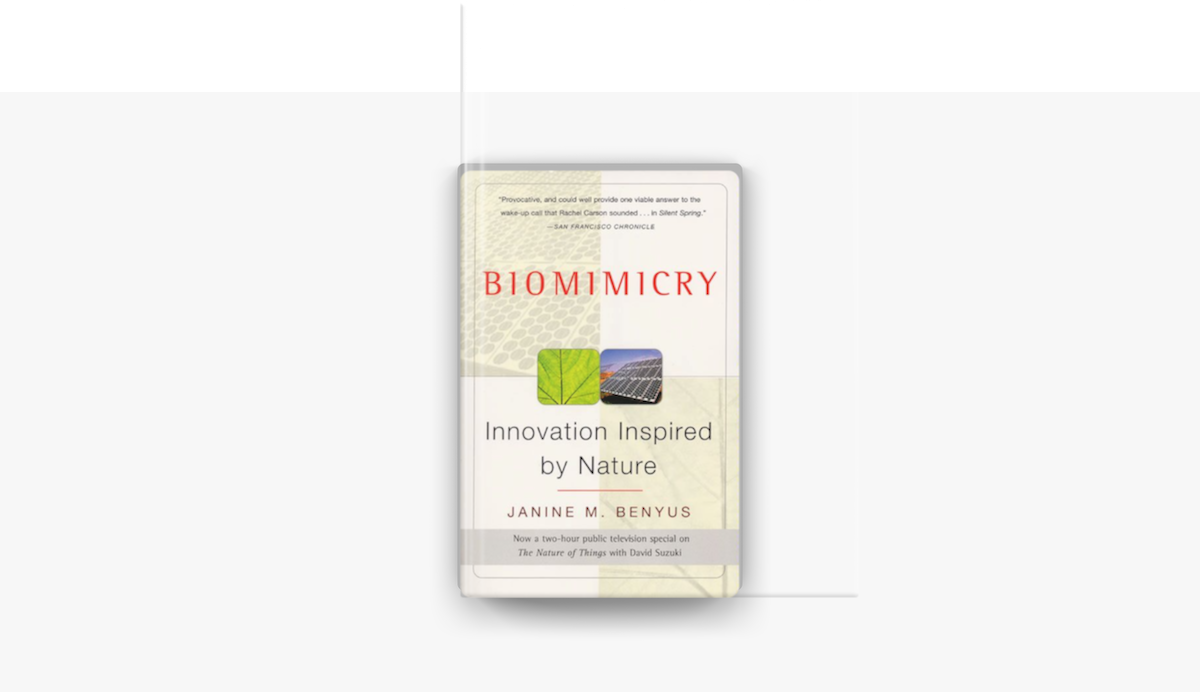
This blog is a review of Michael Pawlyn’s book, Biomimicry in Architecture. “Biomimicry is a powerful innovation tool that allows architects to go beyond conventional approaches to sustainable design and deliver transformative solutions we need.”-Michael Pawlyn The book “Biomimicry in Architecture” by Michael Pawlyn introduces the term biomimicry and how it can impact architecture. The … Read more

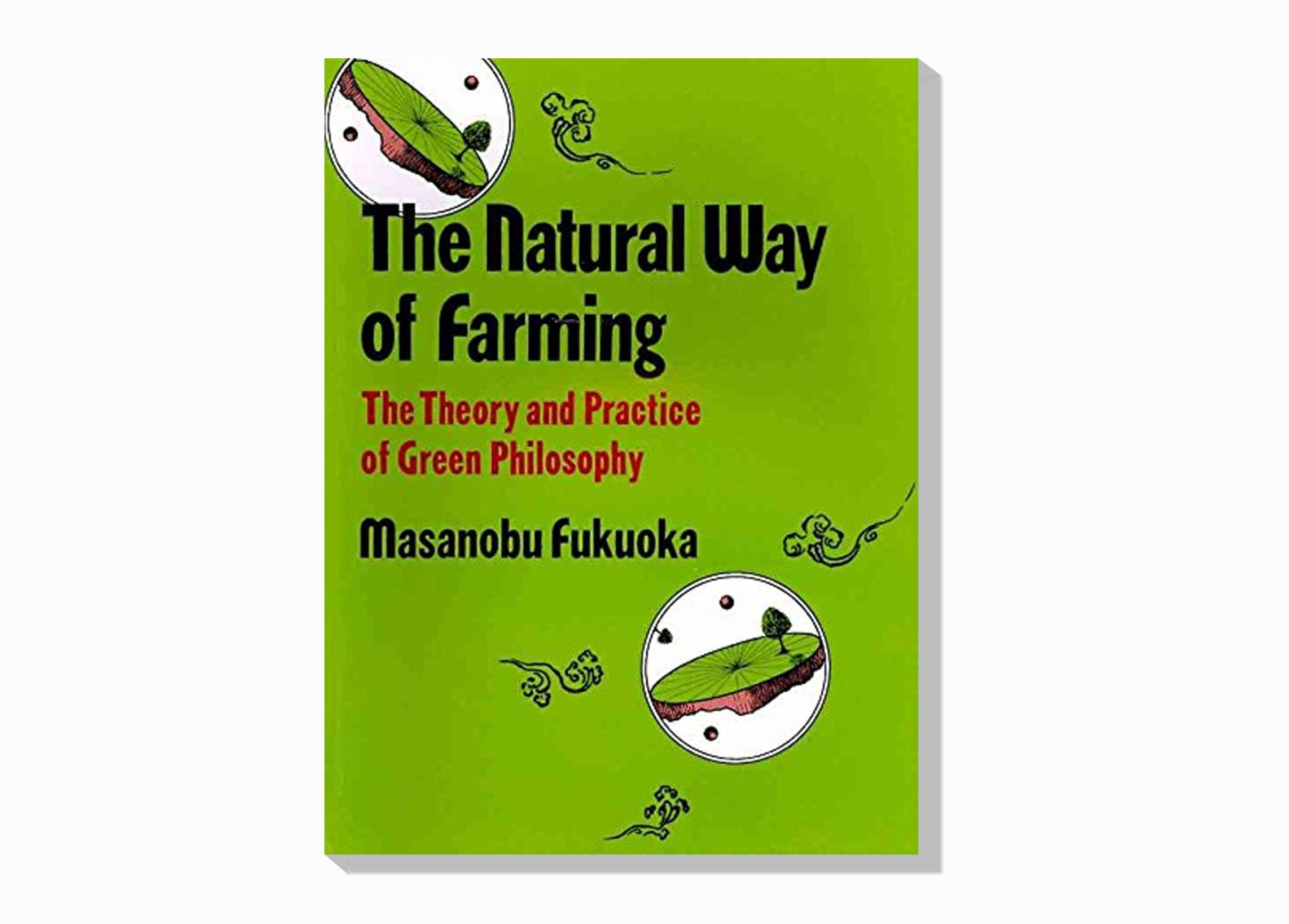
THE NATURAL WAY OF FARMING: The Theory & Practice of Green Philosophy by Masanobu Fukuoka | Ecological Thinking

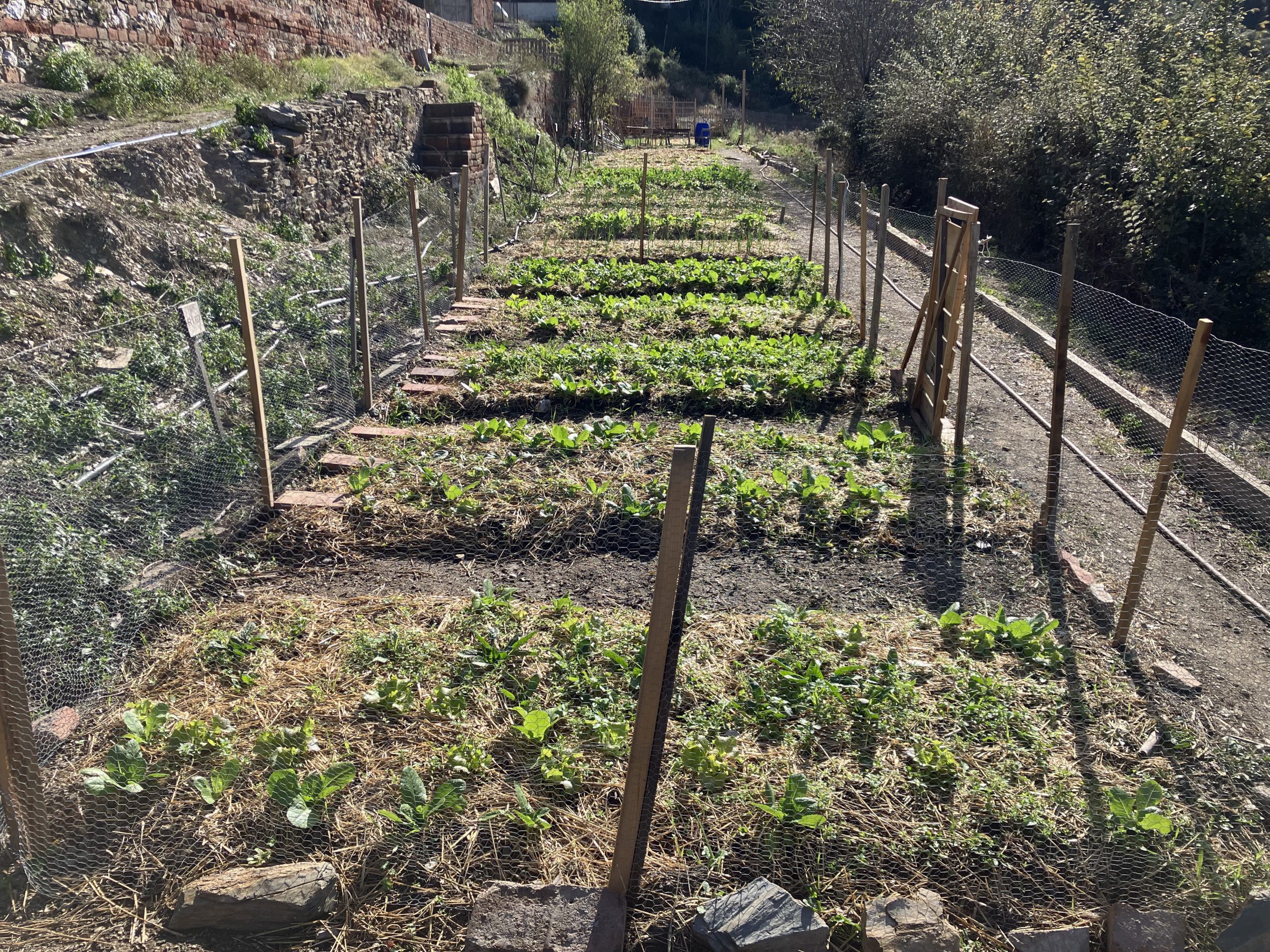
This blog is a review of the book, The Natural Way of Farming: The theory & practice of Green Philosophy by Masanobu Fukuoka. The Book is a deep description on different ideologies and process developed by the author through practice and application. “When the human spirit and human life blend with the natural order and … Read more

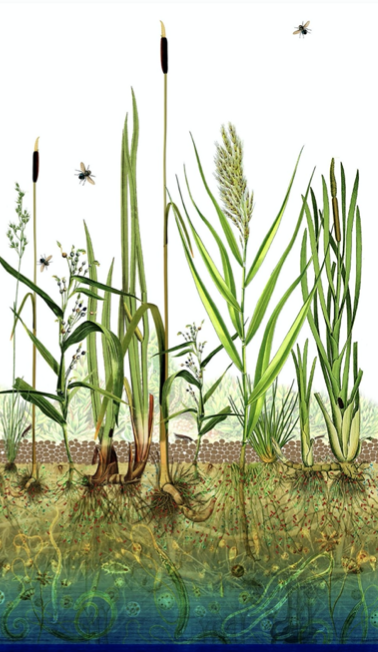
Sustainable Forest Management

Our Sustainable Forest Management course kicked off in December with an open air lecture from Dr. Arbol. This explorative walk through the Valldaura forest helped us to better observe and understand how the ecosystem forest functions. We also learned how to identify the existing tree species and their way of growing in the context of … Read more