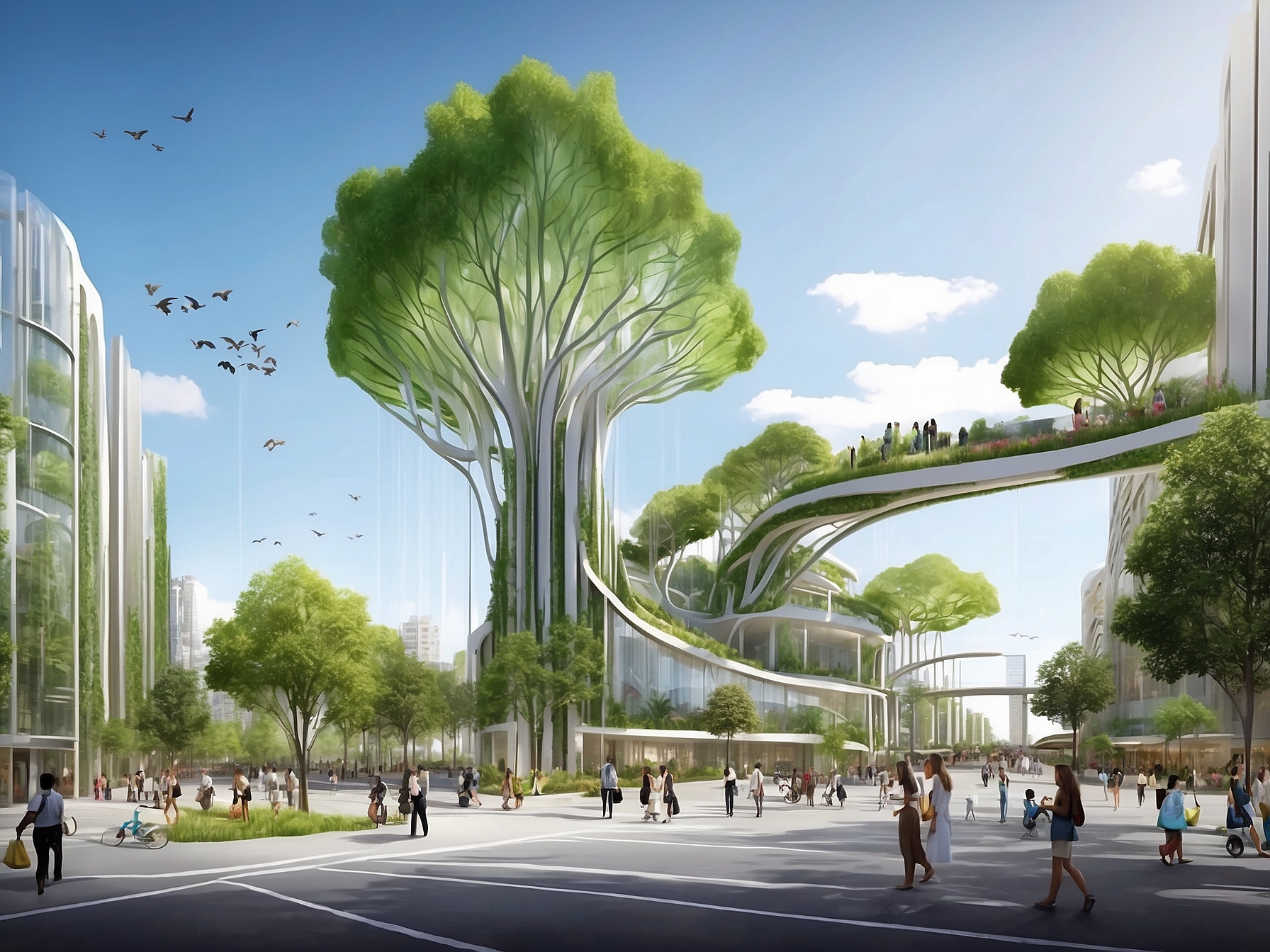
The Master in Advanced Ecological Buildings and Biocities (MAEBB) postgraduate program is an 11-month immersive academic program focused on learning how to design and build a new generation of buildings and cities to respond to the planet’s emerging climate challenges. The program is carried out in Valldaura Labs, in Barcelona, a 135 He property located in the Collserola forest. Here, students will live and work surrounded by nature while using the most advanced technologies and design techniques in the pursuit of what is also IAAC’s long term initiative, to create self-sufficient and ecological environments.


Filters
Course

Urban Alliance: Metabolic Building Systems – Water
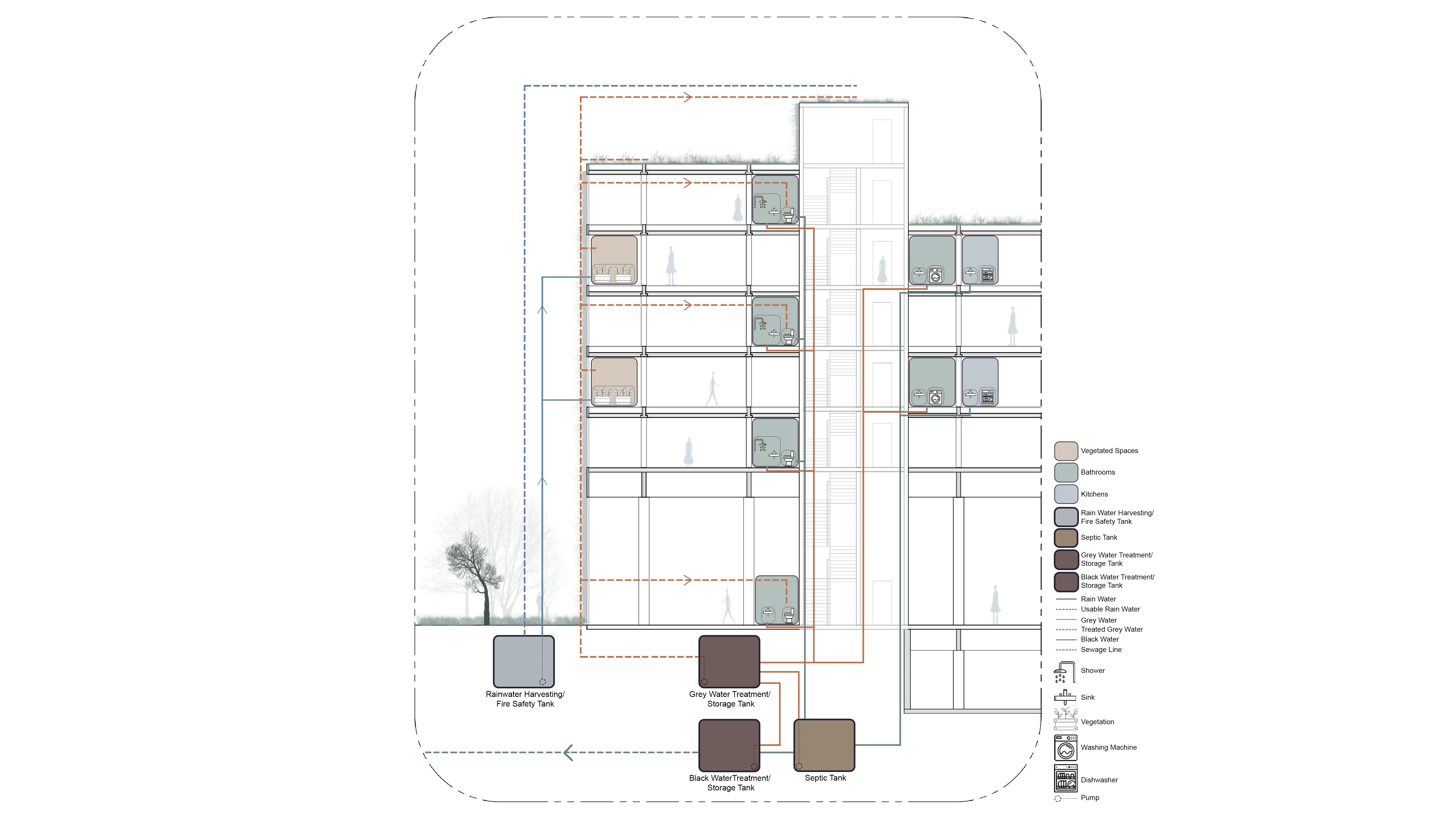
The “Urban Alliance” is a mixed-use architectural design seamlessly integrating Industry 4.0 principles, featuring advanced photovoltaic production units. This visionary space harmoniously combines sustainable energy practices with residential and commercial areas, embodying a forward-thinking urban landscape that fosters eco-friendly living and innovative business practices. It exemplifies a holistic and tech-driven approach to urban planning. The … Read more

Urban Alliance -Thermodynamic Fabrications

The “Urban Alliance” is a mixed-use architectural design seamlessly integrating Industry 4.0 principles, featuring advanced photovoltaic production units. This visionary space harmoniously combines sustainable energy practices with residential and commercial areas, embodying a forward-thinking urban landscape that fosters eco-friendly living and innovative business practices. It exemplifies a holistic and tech-driven approach to urban planning. The … Read more
Ecology | Defining Biocities

The Defining Biocities course gave us a first insight on one of the main subjects of this master: “biocities”. During this course, we analysed and discussed several words related to biocities. These words were separated into three categories, food, energy and ecology. Through their analysis and discussion, we gained loads of knowledge, in terms of … Read more

Introducing need for Bionook

Abstract In response to urgent carbon mitigation challenges and biodiversity loss, a paradigm shift toward manufacturing symbiosis and circular bio-economy is crucial for ecologically sensitive design in urban ecosystems. This study explores the transformative potential of a 3D-printed urban Bionook, incorporating layers of Cross-Laminated Timber (CLT) with a natural-locally sourced soil admixture, to enhance strength, … Read more

Defining Biocities

Life cycle Assessment Synonyms: Life cycle analysis Noun Life cycle assessment (LCA) is a tool to evaluate possible environmental effects at every stage of a product’s (which can be commodities, technologies, or services) life cycle, from acquiring natural resources through production and consumption to waste management (including disposal and recycling). Four Components of Life-cycle Analysis  … Read more

Defining Biocities (Stefano Boeri)

In the process of creating this blog post dedicated to defining a Biocity, I played a crucial role in conducting comprehensive research and contributing to the compilation of a specialized dictionary. As part of a collaborative effort involving students from the Institute for Advanced Architecture of Catalonia (IAAC), and under the guidance of mentors Honorata … Read more

LIFECYCLE OF WOOD

Deconstruction involves the systematic dismantling of buildings to recover valuable materials such as wood, metal, glass, and concrete. This approach prioritizes the preservation of materials for reuse, recycling, or upcycling, diverting a substantial amount of waste from landfills. The extracted materials form the basis of material banks, which act as repositories for salvaged construction elements. … Read more

Architecture Without Architects

The book, ‘Architecture without architects’, illustrates the vernacular architecture from different parts of the world and strives to acknowledge the ‘not so primitive’ techniques from various areas. Architecture history is not given as much acknowledgement as art history and the book is an attempt in the 1960s America to show the potential and the scope … Read more

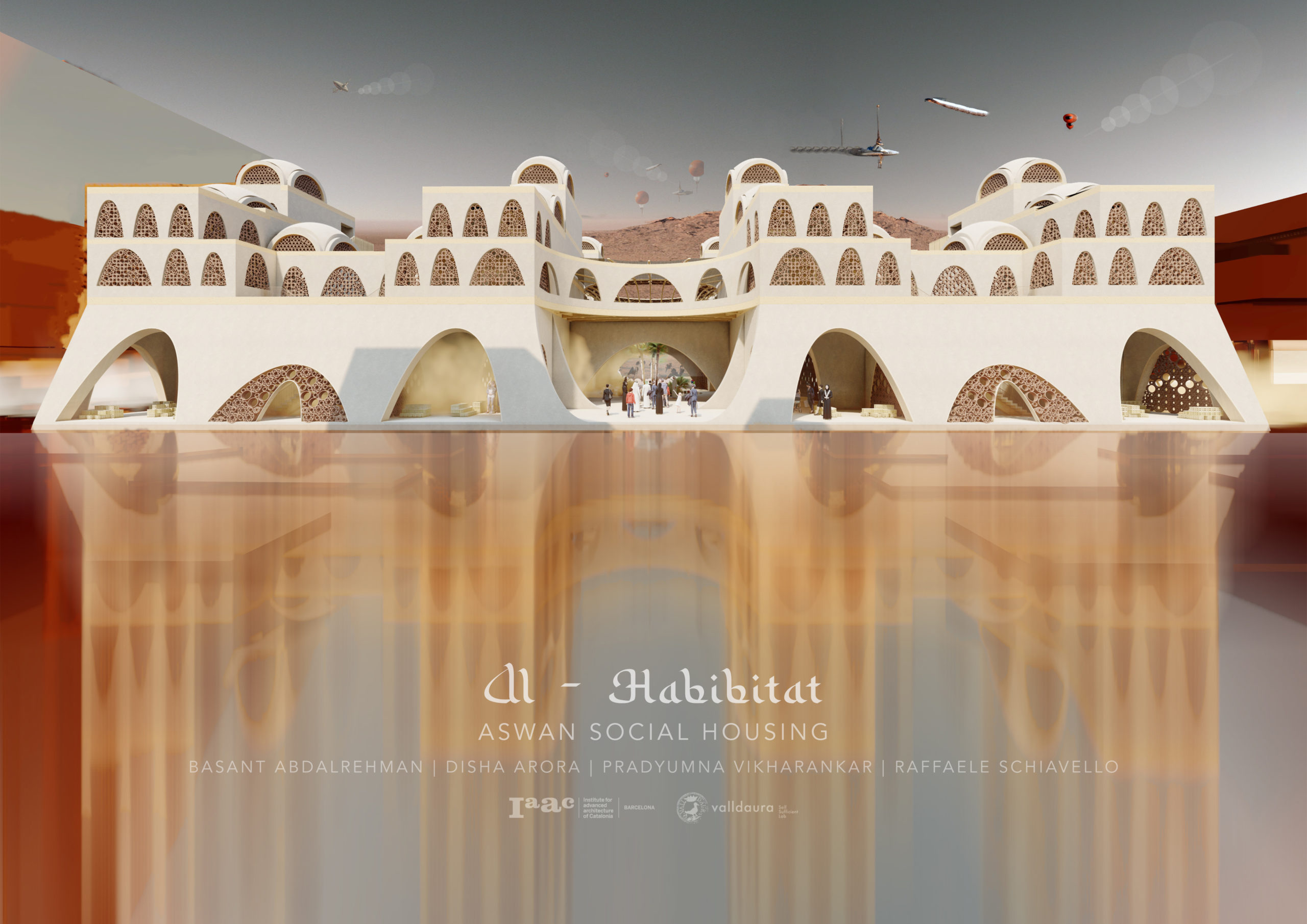
AL HABIBITAT | Urban intervention

Aswan, Egypt being a desert city shows diurnal aspects of climate on a daily basis. The same also affects the day to day activity pattern of the community that adapts to the climate at any given time. This analysis indicates at a close relation between climate, people & their clothing & eventually it traces ahead … Read more

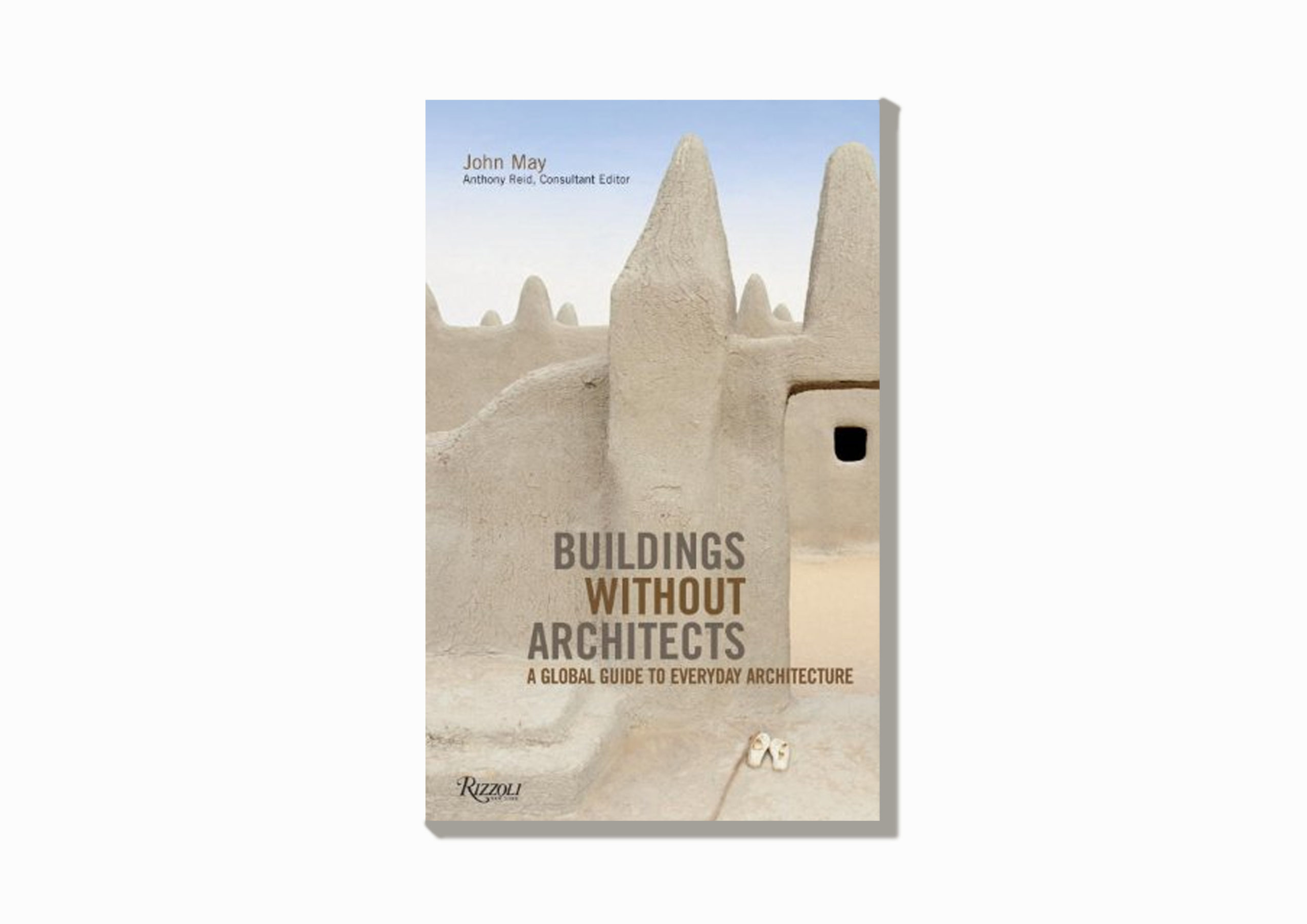
BUILDINGS WITHOUT ARCHITECTS: A Global Guide to Everyday Architecture by John May | Ecological Thinking

This blog is a review of the book, Buildings without Architects: A Global Guide to Everyday Architecture by John May. The book is a culmination of 60+ different styles of vernacular architecture ranging from different materials and different regions of the world. “Architecture should speak of its time and place, but yearn for timelessness.” – … Read more