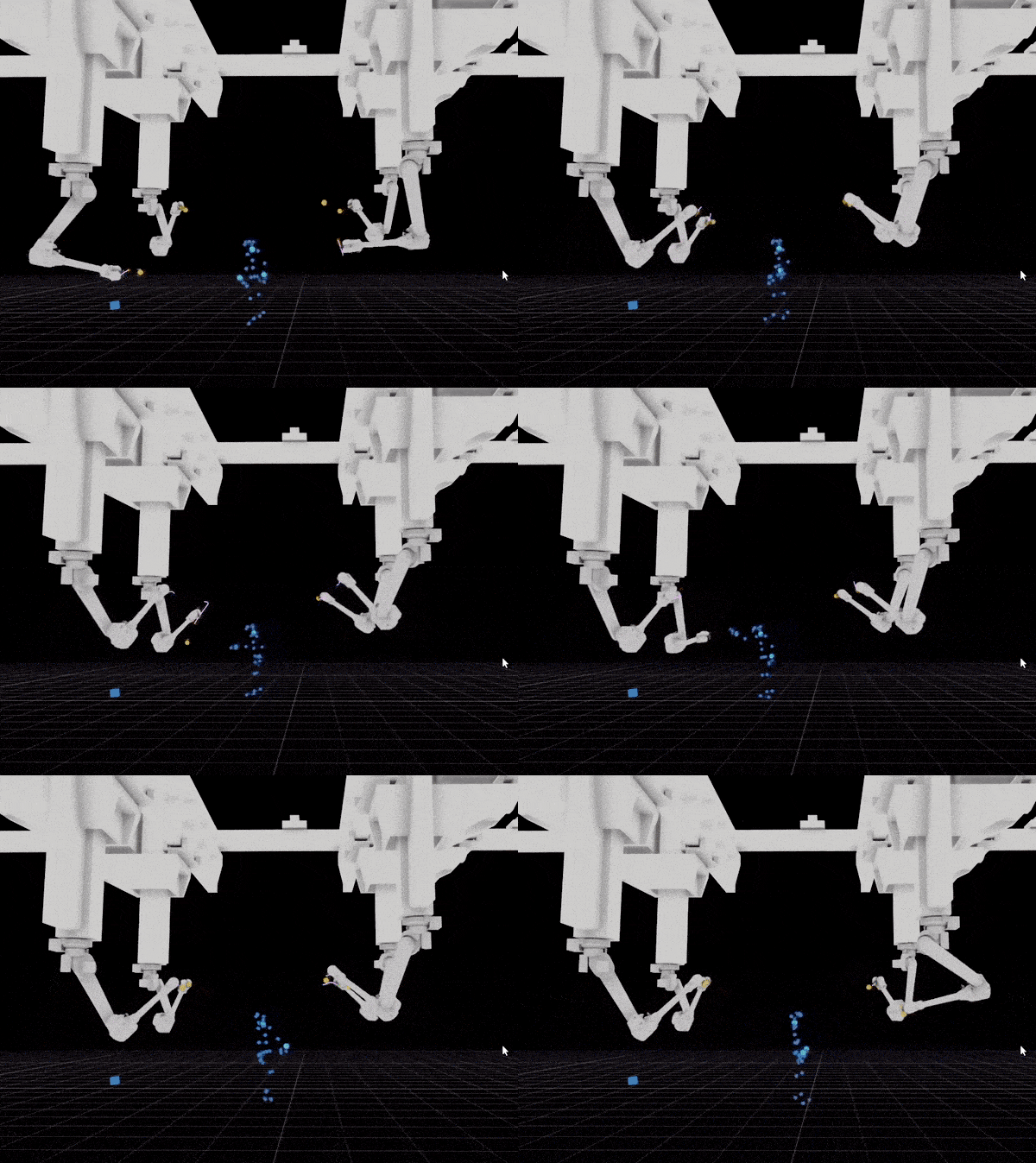
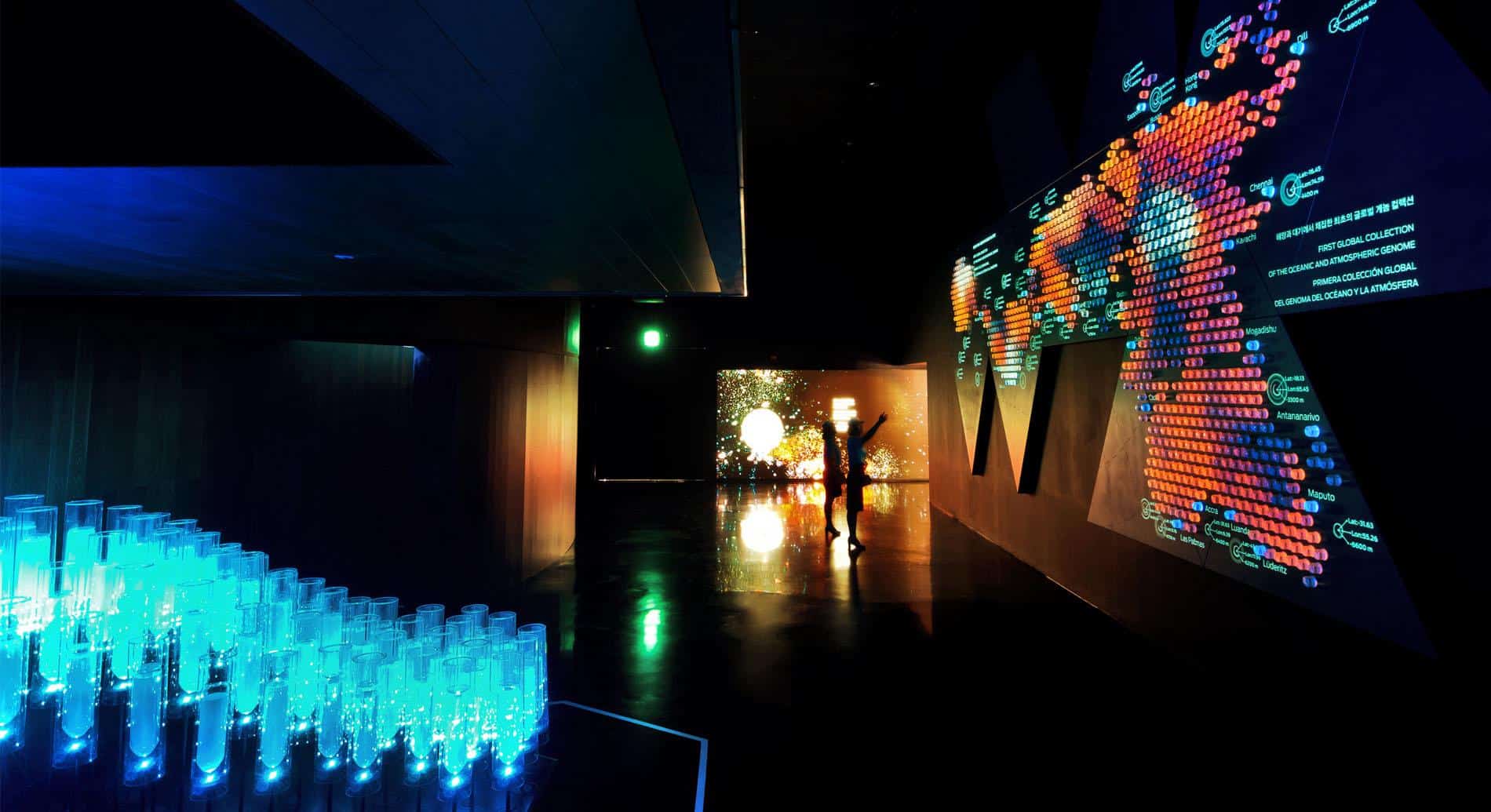
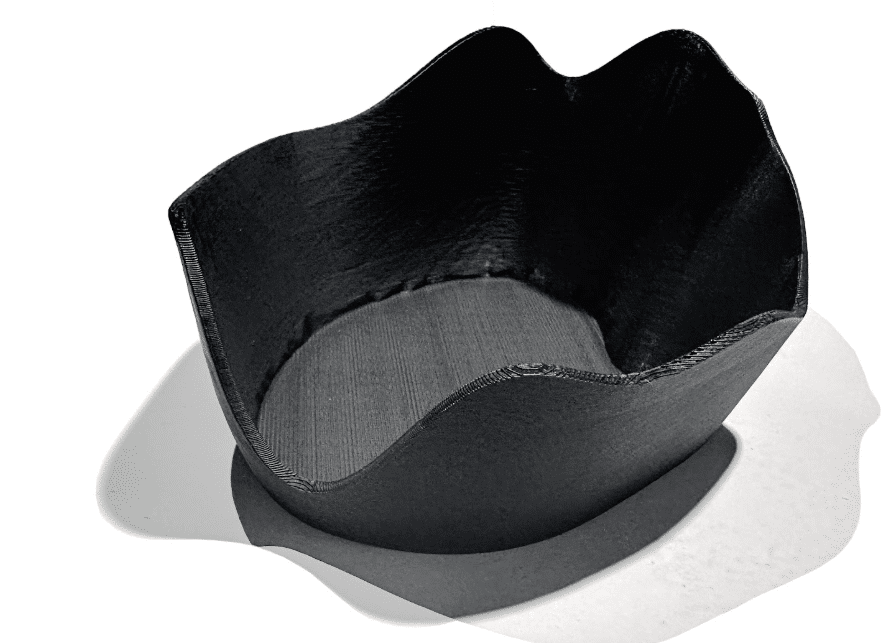
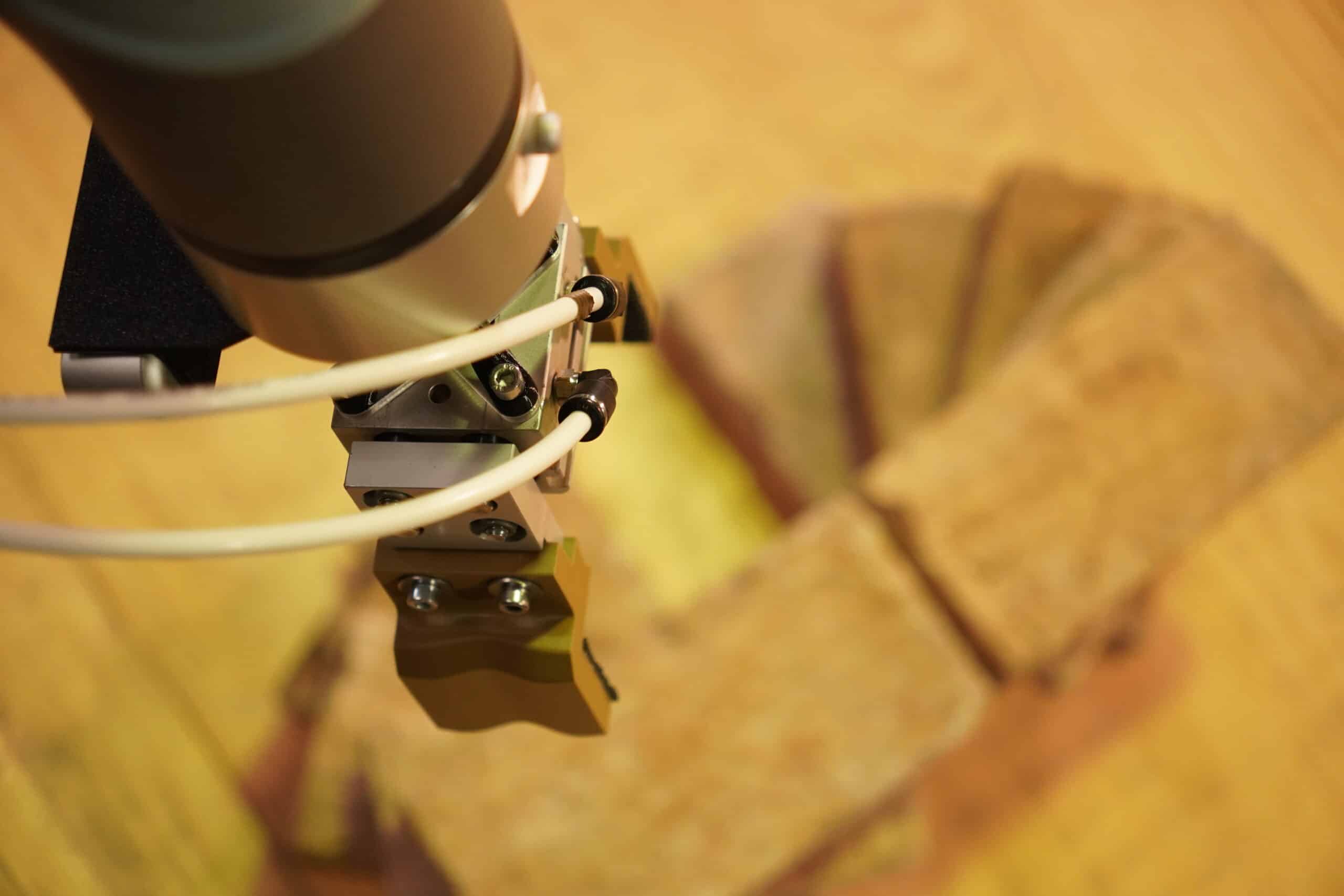
The Master Programme in Robotics and Advanced Construction is an innovative educational format that offers interdisciplinary skills and understanding through a series of class seminars that are put into practice through hands-on workshops. IAAC gives students the opportunity to create individual studio agendas and develop Pilot Thesis Projects based on the knowledge acquired during the seminars and workshops split into 3 Modules. In this way, IAAC puts together an experimental learning environment for the training of professionals with both theoretical and practical responses to the increasing complexity of the construction sector.

Filters
Course

Robotics for Ecological Buildings: STRAW

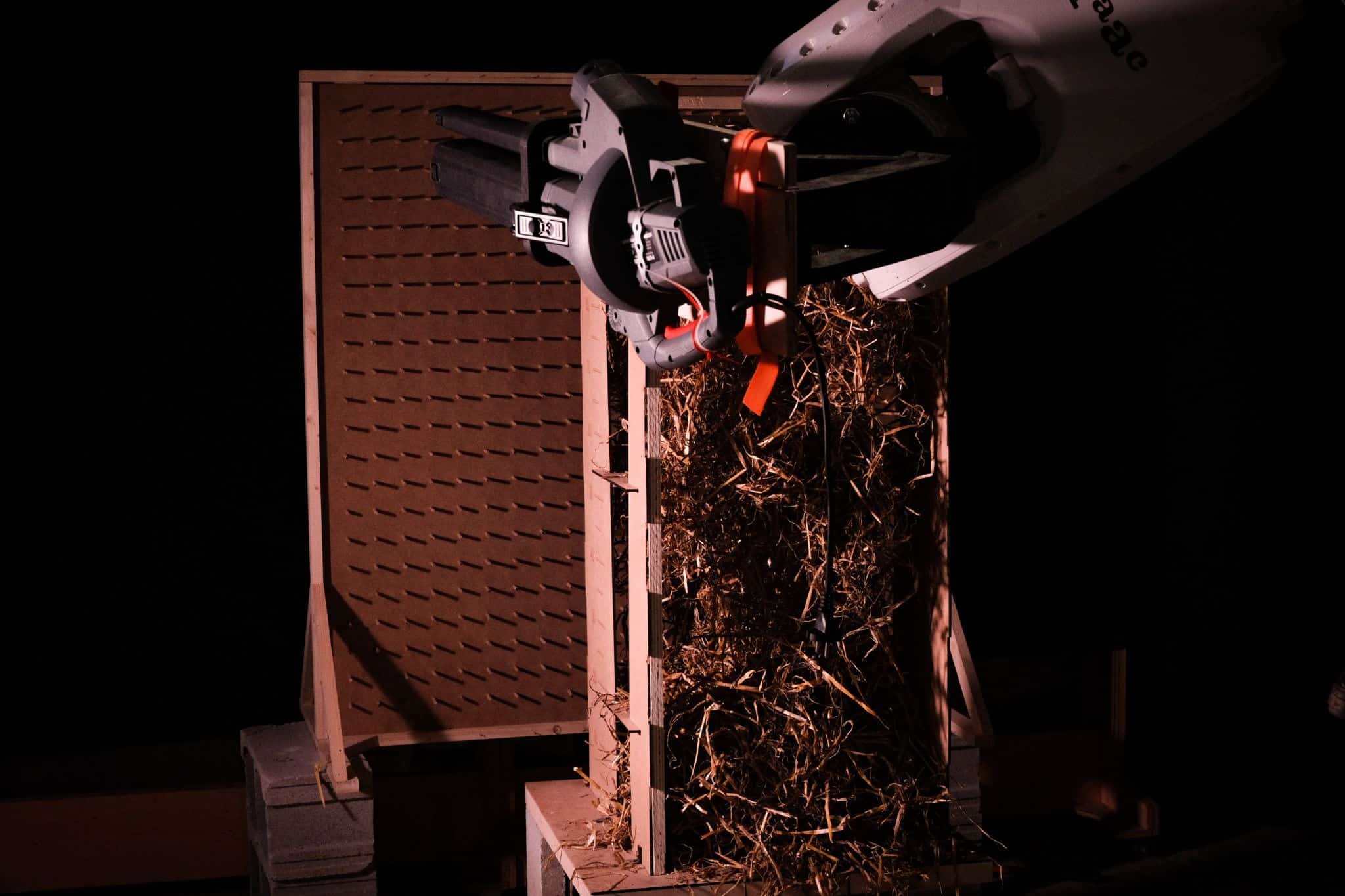
This work investigates the structural potential of straw in its raw, unprocessed state — exploiting its natural wilderness and fibrous friction to build systems from its inherent properties. By coupling these material behaviors with robotic fabrication, the process becomes parameterized, enabling a vernacular material to be deployed within a precise and predictable architectural system. Introduction … Read more

The Illusion of Life: A conversation with Madeline Gannon

Rethinking Robotics Through Experience Reflections on a lecture by Madeline Gannon Introduction “Somehow, someway, I have built a career out of misusing technology.” Madeline Gannon has spent over a decade working at the intersection of industrial robotics, art, and human interaction. This text presents a thematic synthesis of her lecture for the MRAC, followed by … Read more

Mathilde Marengo from External References: Designing Experience through Technology

The lecture by Mathilde Marengo, Head of Studio Operations at External References, offered an in-depth overview of how contemporary architectural practice operates at the intersection of computation, fabrication, storytelling, and experiential design. Rather than presenting technology as an isolated tool, Mathilde framed it as an integral part of design thinking. Digital tools, parametric workflows, and … Read more

Workshop 1.2 Data to Motion – DRYING RIVERS

This article presents my Workshop 1.2 individual assignment, which focuses on analyzing data and translating it into robotic movements to control an ABB IRB 6700-150/3.20 industrial robot equipped with a plastic pellet extruder for additive manufacturing. The core concept of the project involved studying the drying and shrinkage of the Aral Sea over time, extracting … Read more

Workshop 2.1 – AIRFLIP

In the following blog post, we will analyse the development of the concept of our project carried out in Workshop 2.1. Team Collaborative Workflow and Modular System Development Guide, in which a Rotatory Gantry structure is proposed for the flip-type movement of a robotic arm. AIRFLIP – Rotary Gantry System for Small-Scale Cobots Overview The … Read more

WORKSHOP 2.1 toss a coin

Robotic Coin Toss — Workshop Context This project was developed within the framework of MRAC Workshop 2.1, a hands-on workshop focused on collaborative workflows and modular system development in robotics. The workshop emphasizes not only technical experimentation, but also the process of working as a team using shared digital tools, version control, and structured documentation. As … Read more

Workshop 1.2 Data to Motion – TSUNAMI

This article presents our Workshop 1.2 project, which focuses on analyzing data and translating it into robotic movements to control an ABB IRB 6700-150/3.20 industrial robot equipped with a plastic pellet extruder for additive manufacturing. The core concept of the project involved studying the tsunami-related terrain and displacement data, extracting spatial and intensity-based information to … Read more

Anatomy of a Machine: Shape

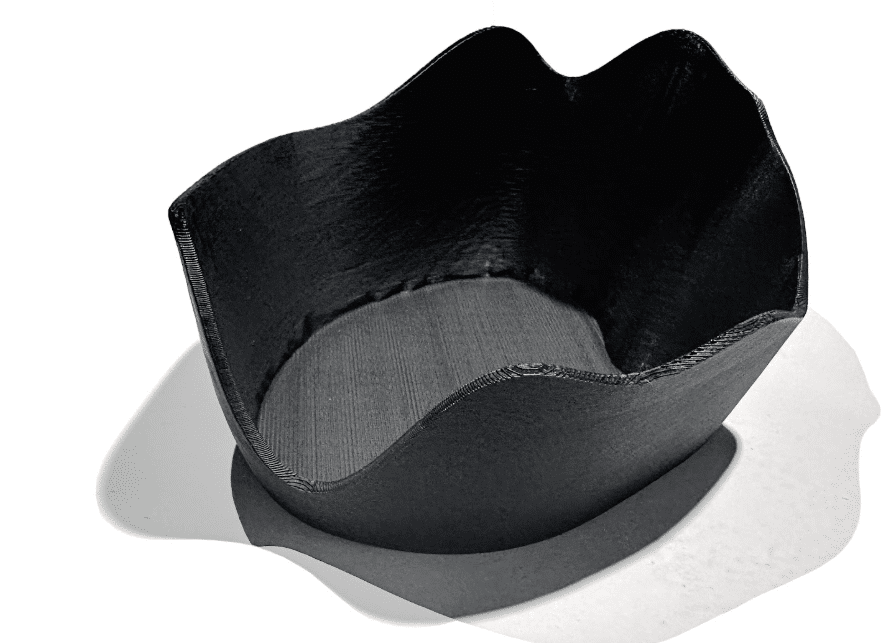
Context This exercise explores robotic fabrication processes through the direct manipulation of malleable materials. The assignment consisted of producing a 2.5D clay piece, measuring 40 × 40 cm with a maximum height of 5 cm, understood as a physical result of a robotically applied force on soft matter.Rather than designing a predefined form, the goal … Read more

Anatomy of a Machine: Spill

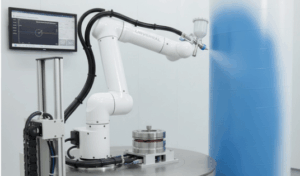
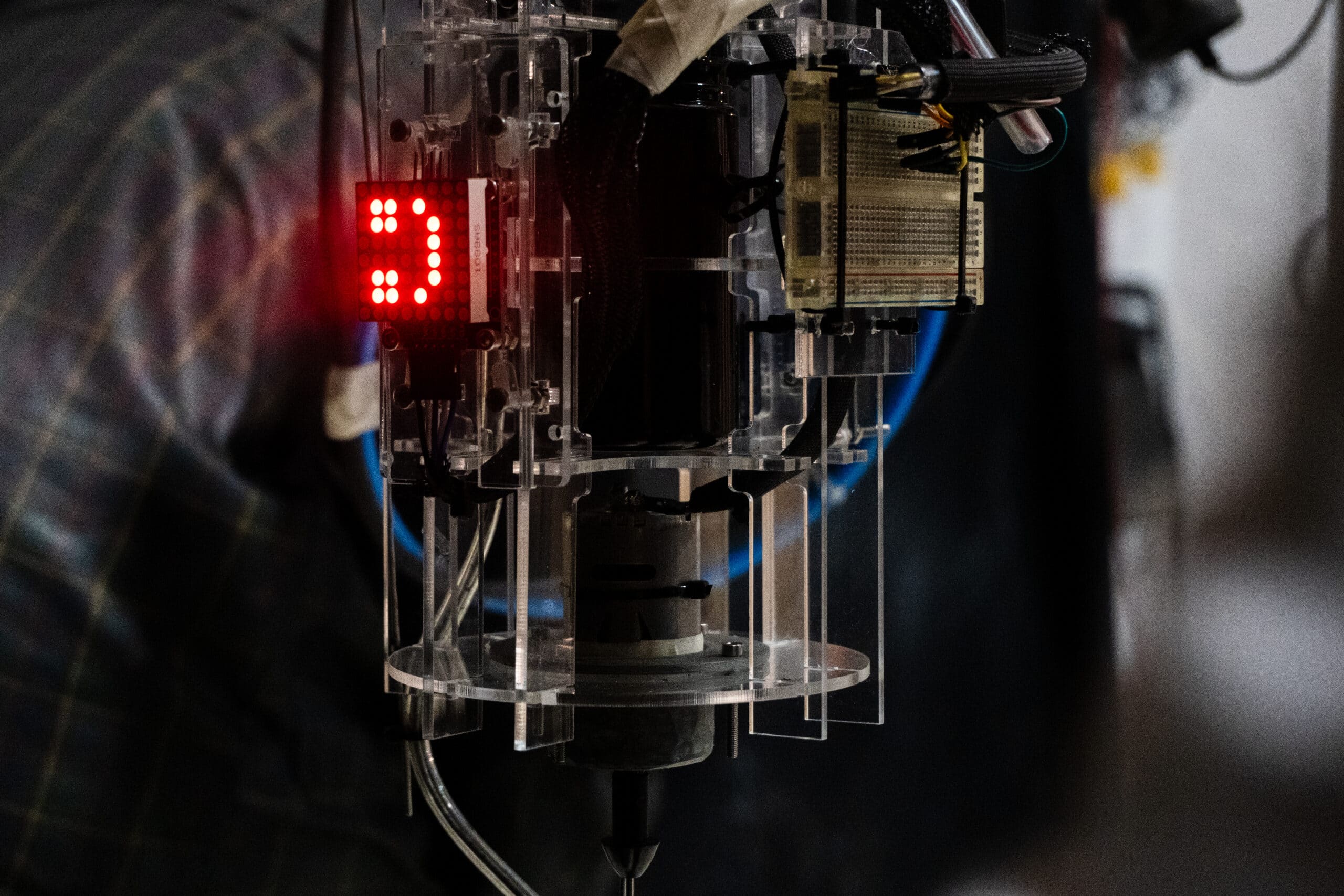
Introduction In Anatomy of a Machine: Spill, we designed and built our own paint-spilling tools and worked with large robotic arms to create expressive, A0-scale paintings. Over the weeks, we tested movements with our hands, translated them into robotic trajectories, and refined both the tools and the resulting spill patterns. Using Arduino and laser-cut acrylic … Read more

Anatomy Anatomy of a Machine: Shape “Blobs & Lines”

Exploring Clay 3D Printing Through Viscosity, Speed, and Time For the Shape exercise within Anatomy of the Machine, we worked with clay as a material, specifically focusing on robotic 3D printing using clay extrusion. The objective was to understand how material behavior, robotic parameters, and geometry interact, and how form emerges from the machine–material relationship. … Read more

Anatomy of a Machine – SPILL

In the second exercise of Anatomy of a Machine, our goal was to understand how a robot expresses itself through material behavior. Instead of carving or shaping solids, we explored how liquid material behaves when actuated, accelerated, and released through a controlled spraying mechanism. “Spill” became a study of force, viscosity, height, angle, and timing … Read more

Anatomy of a Machine: Spill

Over the past four weeks, we developed a project focused on designing and fabricating a custom-made end effector for a robotic arm, with the aim of producing a painting on a canvas using black acrylic paint. Unlike the first assignment, where the drawing tool was predefined, this time we were required to build our own … Read more

Anatomy of a Machine: Stroke

Introduction This project investigates the dialogue between human gesture and robotic motion through painting. Over three weeks, students study brush behavior, paint flow, and stroke dynamics, beginning manually and progressively translating gestures into robotic trajectories. The final outcome is an A2 robot-made painting, accompanied by a vectorial drawing and a 60-second video, reflecting the anatomy … Read more

Soul and System | A Conversation with Aldo Sollazzo

Guest Lecture at IAAC (14 October 2025) – Exploring how La Máquina merges design, robotics, and the human element. During one of our sessions at IAAC, we had the opportunity to meet Aldo Sollazzo, co-founder of La Máquina, Noumena, and Pure.Tech, as well as a former IAAC faculty member in the field of robotic fabrication.Invited through the coordination of … Read more

Motion  Control of Robotic Arms Through Grasshopper and Sketching Devices

Introduction This project orients around robotic drawing system that uses a brush to create adaptive visual results. It focuses on turning basic painting actions; such as dipping, stroking, and rotating—into clear, programmable steps. By combining digital design tools with robotic movement, the work explores how changes in brush angle, paint material, and surface conditions shape … Read more