The Master in Robotics and Advanced Construction (MRAC) seeks to train a new generation of interdisciplinary professionals who are capable of facing our growing need for a more sustainable and optimised construction ecosystem. The Master is focused on the emerging design and market opportunities arising from novel robotic and advanced manufacturing systems.

Through a mixture of seminars, workshops, and studio projects, the master programme challenges the traditional processes in the Construction Sector. It investigates how advances in robotics and digital fabrication tools change the way we build and develop processes and design tools for such new production methods.


Filters
Course

MATERIALS INTELLIGENCE – ‚Stone and Code‘
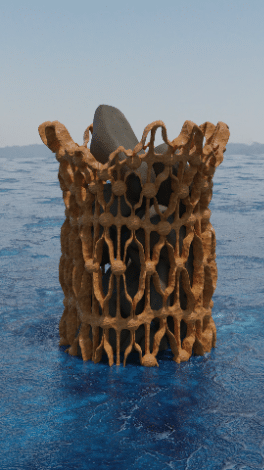
WORKSHOP 3.2 STONE AND CODE is a robotic column sculpture that combines natural stone construction with computational fabrication. Using two robotic systems, one robot prints the column layers while the other places digitally scanned stones into the structure. Around 40% of each stone remains exposed, creating a raw and natural texture. Pathways through Barcelona and … Read more
OMNIMORPH

Adaptive Framework for Hybrid Slicing Strategies in Large-Scale Robotic Fabrication of AI-Derived Architectural Systems Throughout history, imagined worlds have existed through literature, cinema, and digital environments, continuously expanding architecture beyond the built. Today, AI allows these speculative realities to be generated with unprecedented complexity, while robotic fabrication enables their materialization. Through an adaptive framework using … Read more

CLAY CREATE

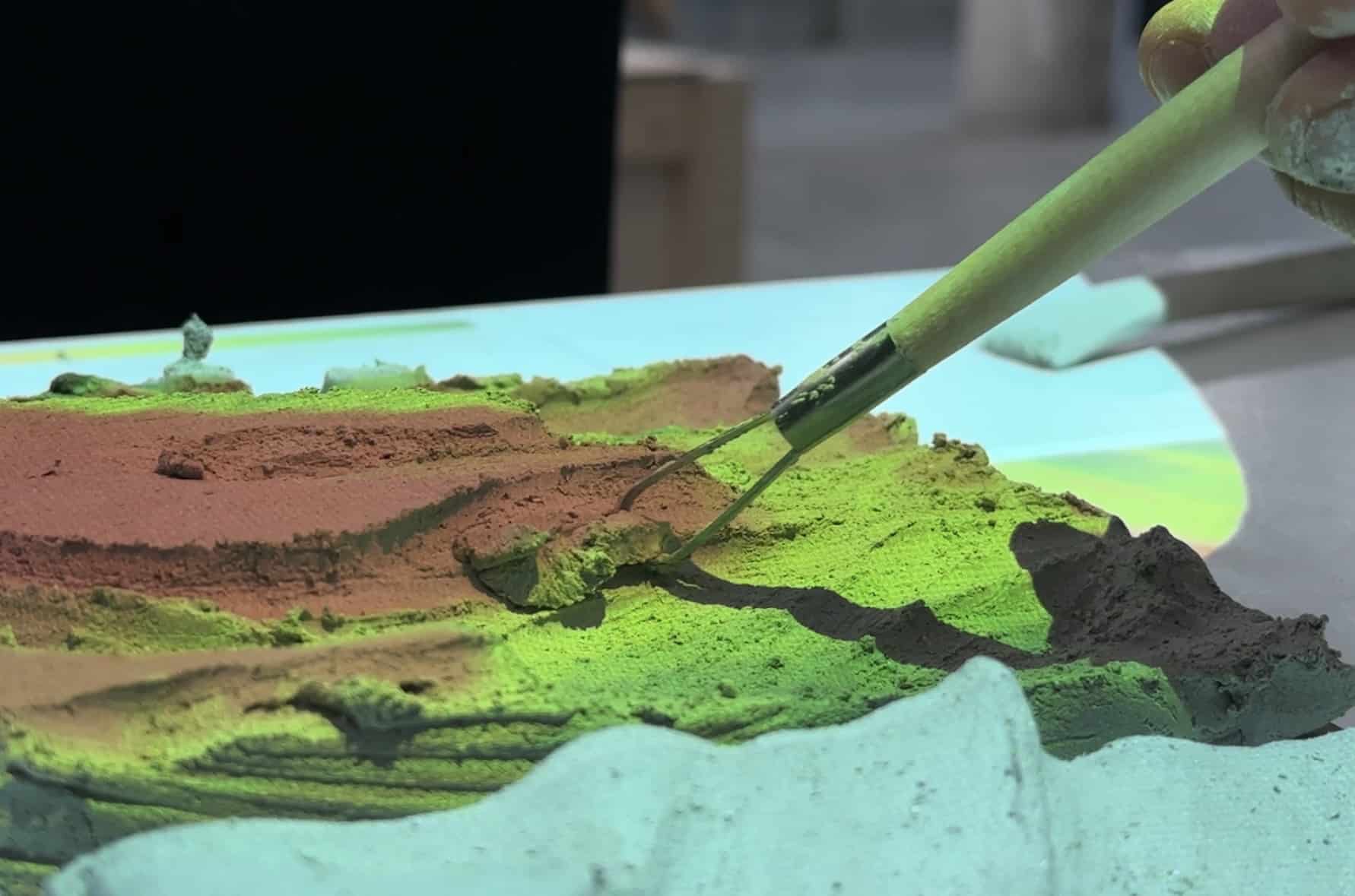
A Collaborative Human-in-the-Loop Clay Modelling System The Question What if anyone could sculpt a wall like an artist? That question sits at the center of Clay Create, a collective ceramic fabrication system where non-specialized users participate in the production of a wall of unique modules, each one manually shaped by a different person. The project … Read more

Limitless Project

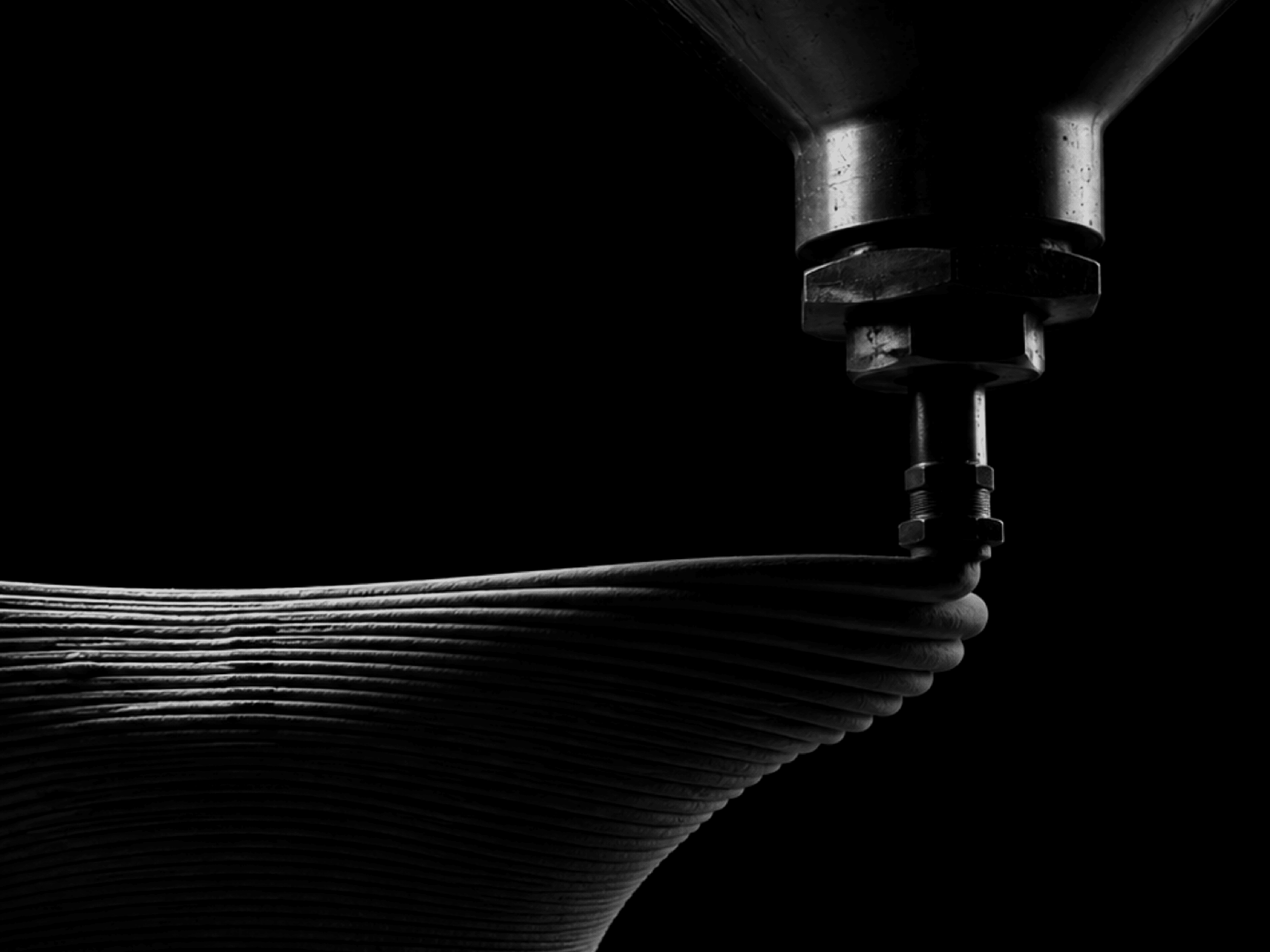
The industry of construction creates most of the waste in the world. By 2025 we expect to reach 2.2 billion tons globally. As a solution of this problem, industry 4.0 proposed  the Additive manufacturing process, which is looking for the optimization of fabrication and construction adding layer by layer different materials; this process started being … Read more

PRINT POINT:

The reference marking system for Additive Manufacturing Context Additive manufacturing (AM) technologies have established and grown significantly over the past few decades, solidifying themselves as a mature and competitive alternative across various sectors of fabrication and construction. This development has been observed across multiple levels and applications of production, primarily due to its remarkable properties … Read more

Print – Scan – Cut

Preliminary steps towards a hybrid workflow for smooth 3D printed surfaces. Aim To develop a hybrid workflow to obtain smooth surfaces on 3D printed clay for improved alignment and surface finish. State of the Art Additive manufacturing enables the precise and cost-effective creation of complex designs while minimizing waste. One of the shortcomings common to … Read more