The Master in Robotics and Advanced Construction (MRAC) seeks to train a new generation of interdisciplinary professionals who are capable of facing our growing need for a more sustainable and optimised construction ecosystem. The Master is focused on the emerging design and market opportunities arising from novel robotic and advanced manufacturing systems.

Through a mixture of seminars, workshops, and studio projects, the master programme challenges the traditional processes in the Construction Sector. It investigates how advances in robotics and digital fabrication tools change the way we build and develop processes and design tools for such new production methods.


Filters
Course

Anatomy of a Machine: Shape

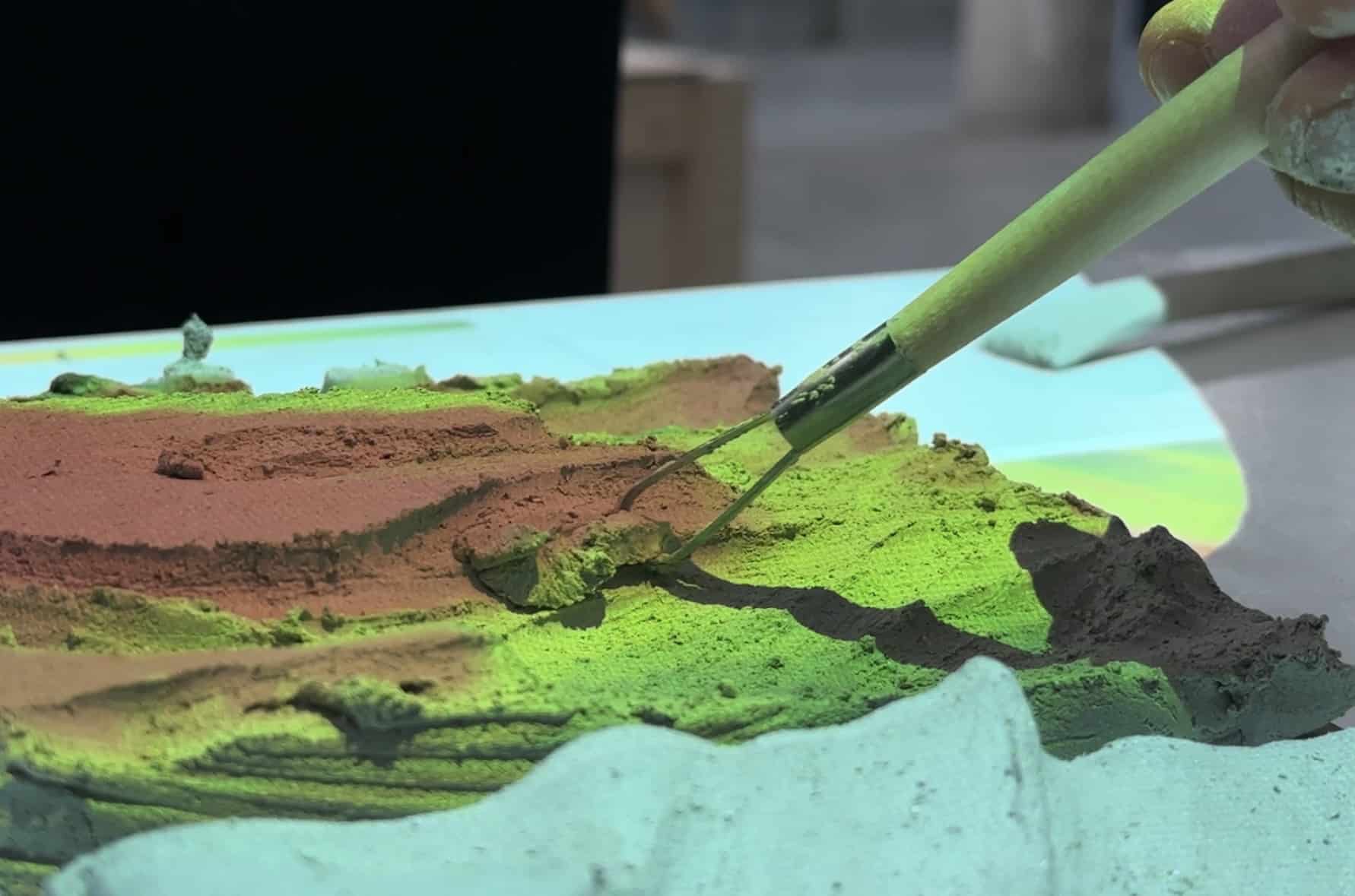
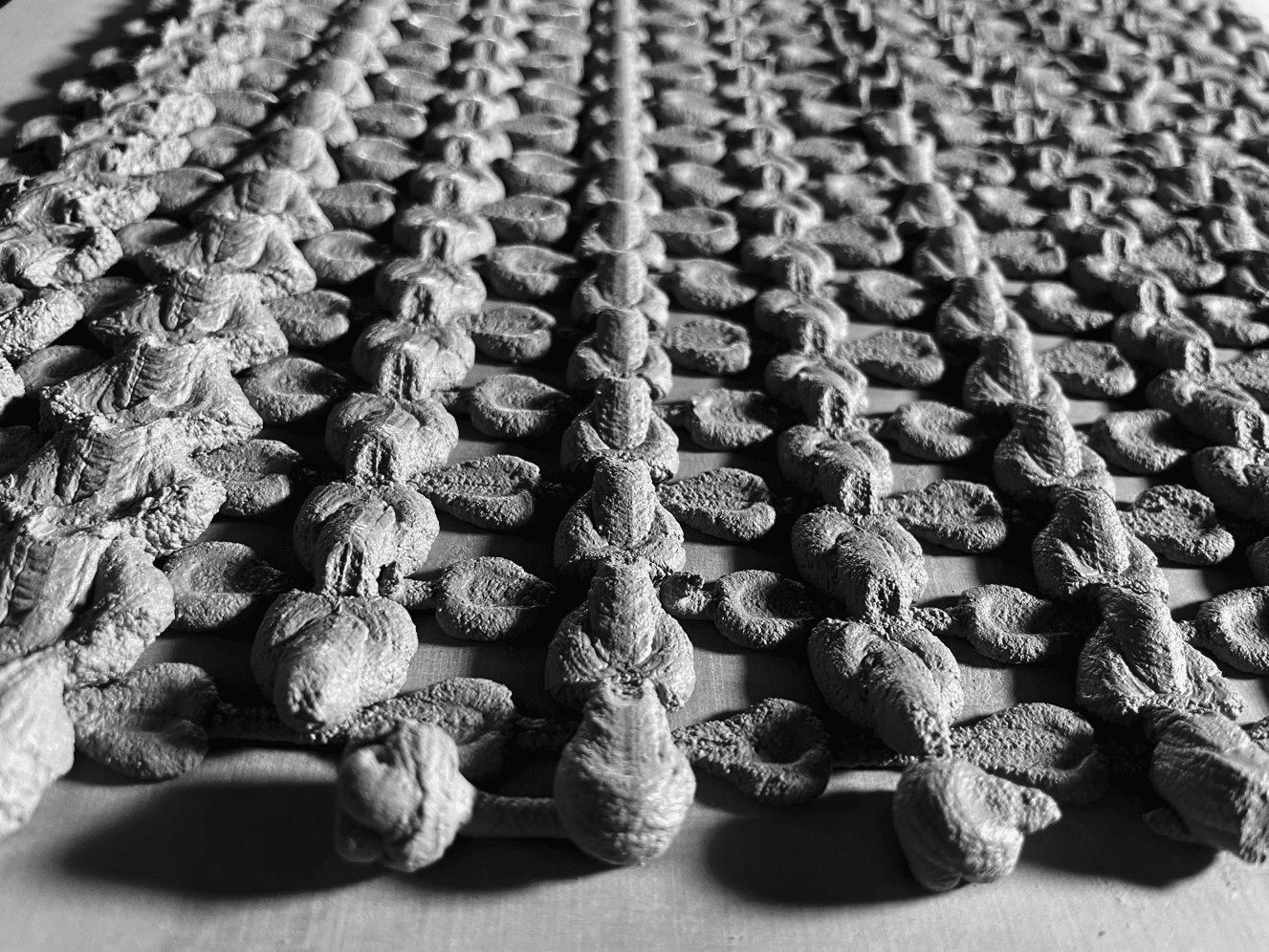
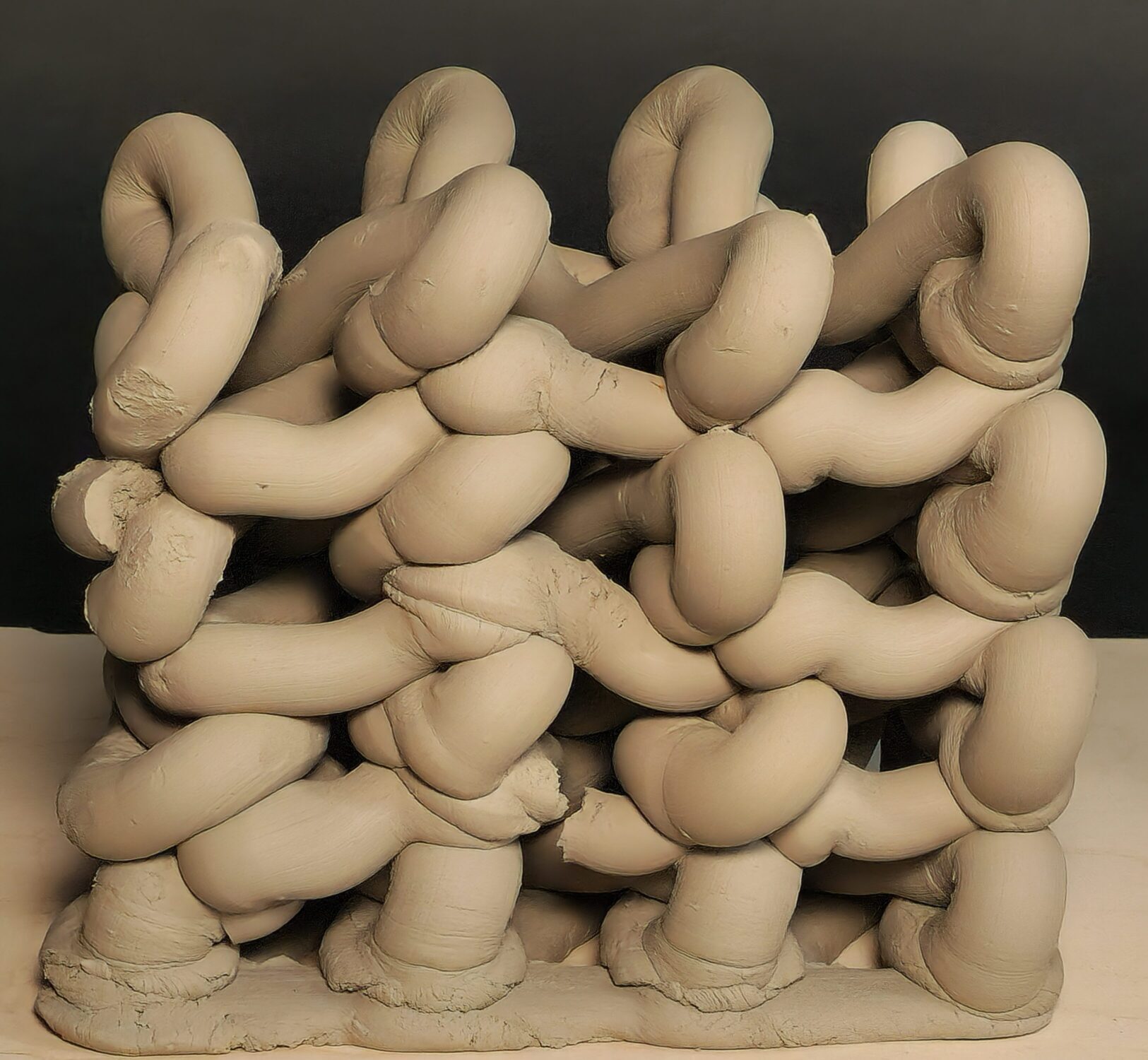
Context This exercise explores robotic fabrication processes through the direct manipulation of malleable materials. The assignment consisted of producing a 2.5D clay piece, measuring 40 × 40 cm with a maximum height of 5 cm, understood as a physical result of a robotically applied force on soft matter.Rather than designing a predefined form, the goal … Read more

Anatomy Anatomy of a Machine: Shape “Blobs & Lines”

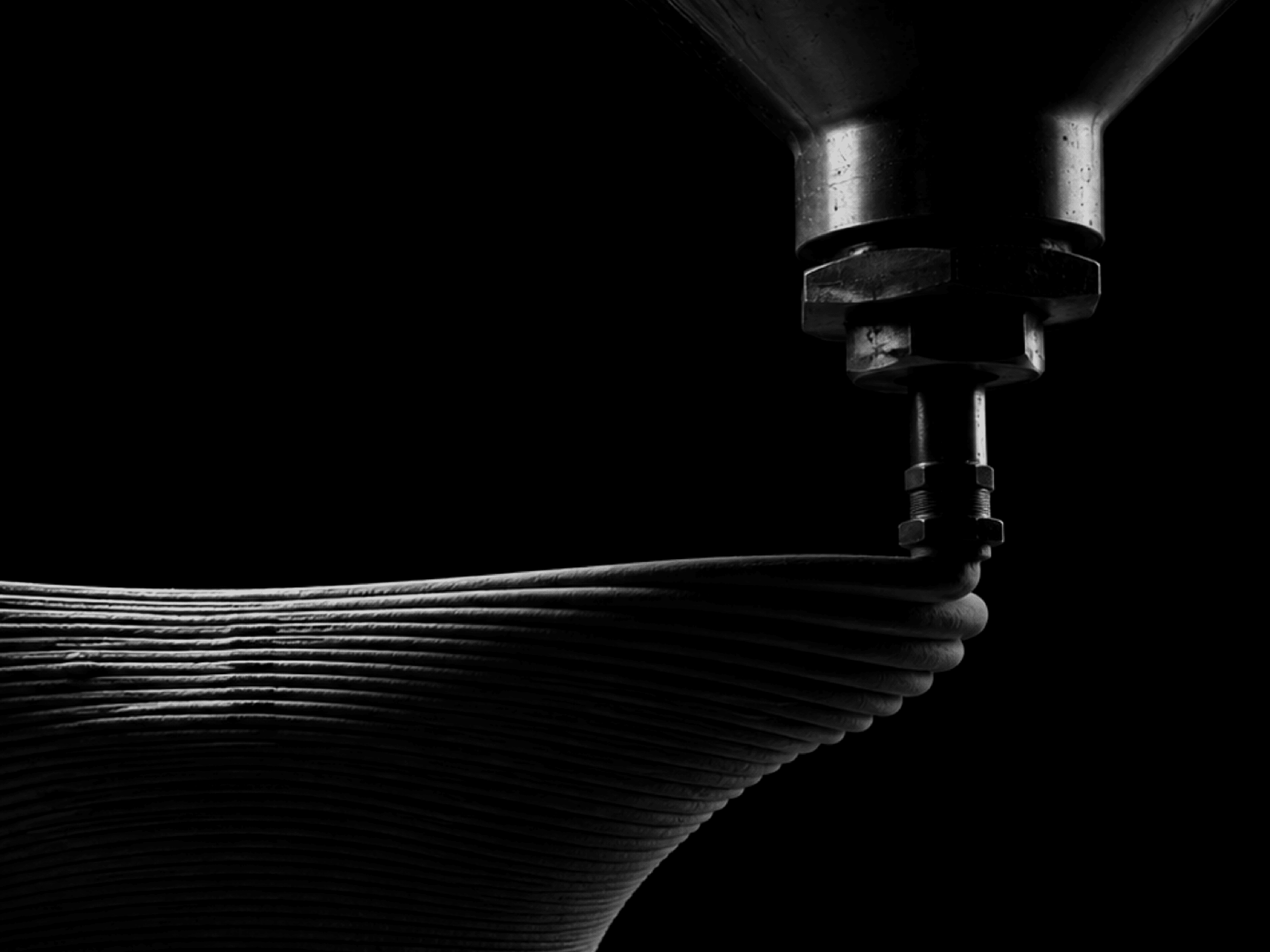
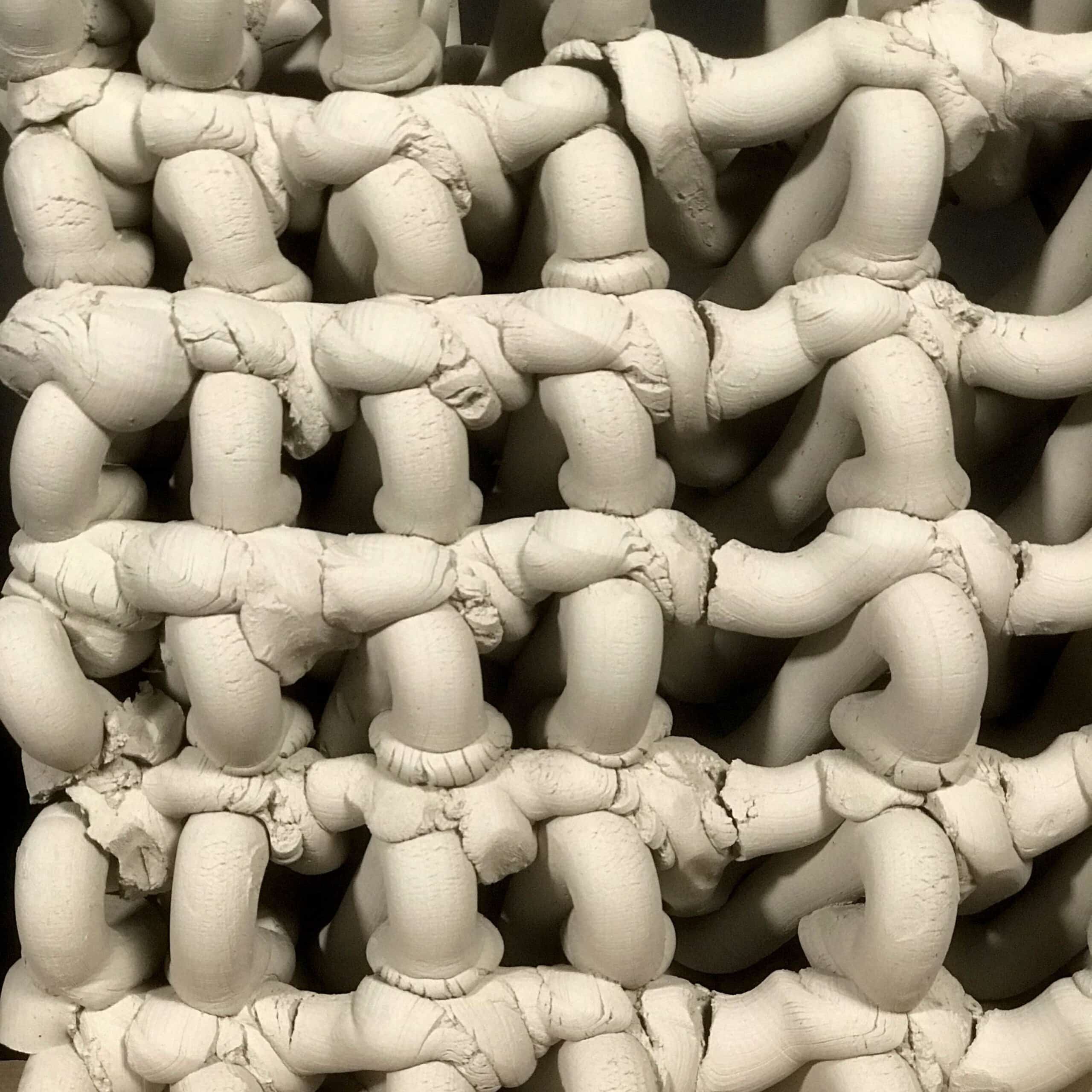
Exploring Clay 3D Printing Through Viscosity, Speed, and Time For the Shape exercise within Anatomy of the Machine, we worked with clay as a material, specifically focusing on robotic 3D printing using clay extrusion. The objective was to understand how material behavior, robotic parameters, and geometry interact, and how form emerges from the machine–material relationship. … Read more

Feasibility and cost estimations in digital fabrication

Building on our previous analysis of a large clay-printed geometric form, this study evaluates the feasibility of its digital-fabrication workflow. Through modular breakdown, material and time estimation, non-planar slicing analysis, and production-logistics modeling, we assess whether the system can be manufactured efficiently and economically. The process concludes with the development of a complete production plan … Read more

KAPLA KADABRA

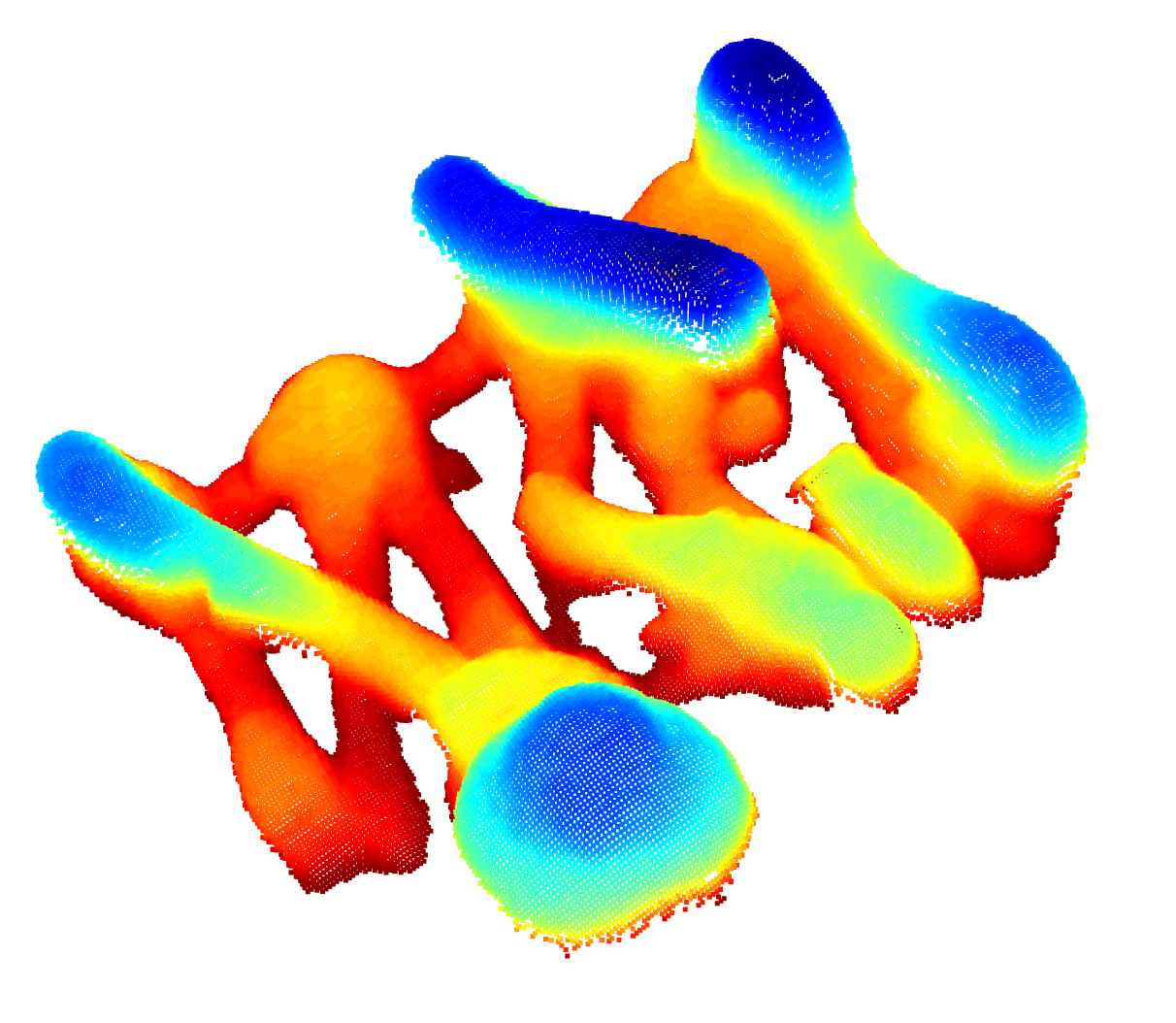
XX WS3.1 XX How can we compress the soul of a 3D object into a few pixels?Kapla Kadabra explores the magic of encoding geometry into 2D data structures – and bringing it back to life. XXXXXXXXXXXX AIM XXXXXXXXXXXX This project explores a lightweight method to encode and decode 3D geometries into pixel matrices. Instead of … Read more

Terraweave: Innovative Structures for a Changing World

terraweave

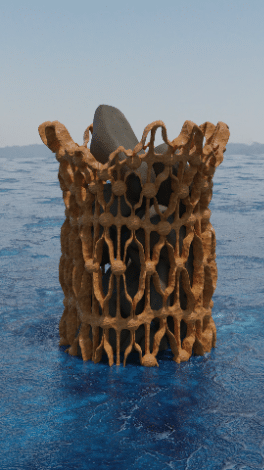
Introduction In the face of the growing demand for sustainable construction, the integration of renewable materials with advanced fabrication techniques is essential for creating adaptable and efficient structures. Our team developed Terraweave, a project that combines willow and earth to create hybrid building components. By leveraging the natural properties of willow for flexibility and earth … Read more

TerraWeave: Startup Pitch

TerraWeave

The Problem The built environment is responsible for 42% of annual global CO₂ emissions. Within this, building operations and construction alone contribute nearly one-third. Yet, current construction methods lack flexibility, efficient resource use, and environmentally friendly solutions. This is the context that drove our project. Terraweave Solution  TerraWeave integrates robotics, wattle and daub construction and … Read more

BANDY.DUCKS_2.1_Robotic Glazing Choreography

Introduction This project was done in collaboration with Heatherwick Studio. Our starting point was a problem that emerged when patterned ceramic tiles were deployed at scale. Specifically, factory-produced tiles create repetitive patterns, which detract from their crafted intricacy. On the other end of the spectrum, hand glazing is a highly skilled and time-consuming process that … Read more

Robotic Craft Interaction

An Intersectional Investigation Robotics is the field of study focused on the research and application of robotic systems. This definition, however, doesn’t provide much insight. So, what is a robot? Robots are machines that can operate autonomously or through programmed input to perform specific tasks, often replacing human effort. These tasks are typically complex and … Read more

Designing Dynamic Forms – Robotic Fabrication Techniques

Team member(s):zeyu chao, Elizabeth.frias.martinez,Chi.Lee 3Dprint pavilion Introduction This project explores the large-scale robotic clay printing of a pavilion, with the geometry divided into four equal segments. The chosen geometry, Segment 1, was further developed into modular units to optimize the construction process. The modular approach allows for efficient fabrication and assembly, enhancing the structural and … Read more

MURO DE AGUA

INTRO This study investigates innovative joinery solutions for modular evaporative cooling systems using 3D printed clay. With the rising global temperatures and subsequent increased demand for energy-consuming air conditioning systems, there is a crucial need for sustainable cooling alternatives. The research focuses on addressing the challenges of material shrinkage and joinery reliability in 3D printed … Read more

Clay Virtuoso

How might we improve clay 3D printing by integrating automated post-processing techniques and hybrid workflows?Our goal is to implement craftsmanship techniques to robotic processes to elevate surface finishes & improve dimensional accuracy to create new opportunities for the mass customization of clay. Introducing our project Clay Virtuoso. Our project focuses on how might we enhance … Read more

ReWeave

Aim Our objective is to construct a wall with an emphasis on maximizing the utilization of construction and demolition waste, thereby minimizing landfill contributions. This will be achieved by incorporating a sustainable binder through advanced robotic processes. Context Construction and demolition waste accounts around 30% of waste generated in Europe, making it the heaviest and … Read more