

Predicting Biking Station Vacancy in Barcelona
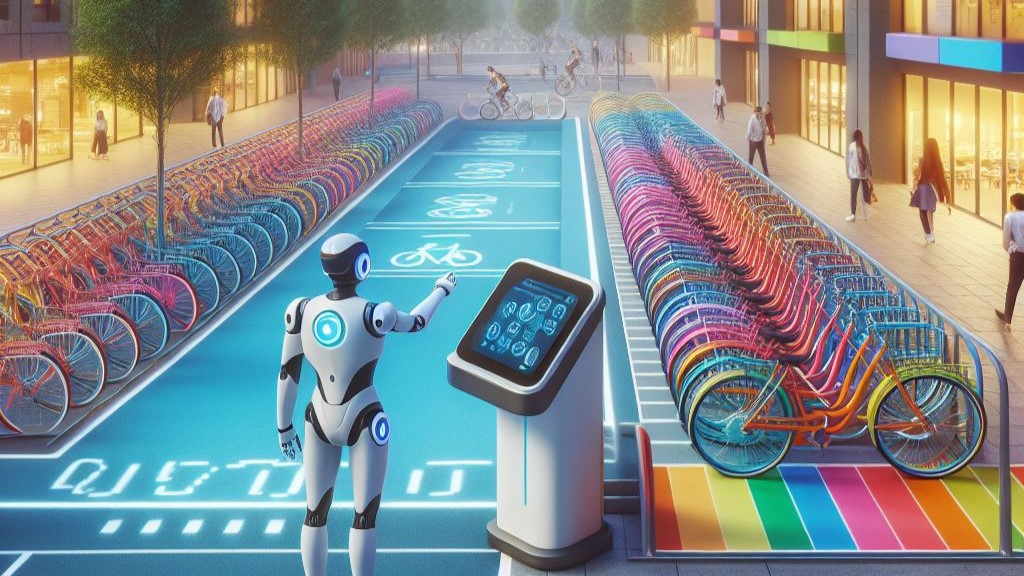
Introduction Urban transportation planning relies on data science to explain the conditions driving mobility patterns. This exploration of bicing, Barcelona’s resident bike rental program, analyzes the actors impacting discrepancies in bicing data to select machine-learning strategies able to predict biking station vacancies across Barcelona for the year 2024 with an accuracy of 0.02387. With this … Read more
Peacock Immersive Experience

Concept Most of Virtual Experiences are designed and model for humans and by humans. In this scenario believe the overall concept is that the game platform is seen from the perspective of an animal. References Aim “Our goal is to offer humans a unique experience through the eyes of a peacock. This game platform immerses … Read more

Machine Learning to predict no. of seating spaces

Aim: To predict the number of seating spaces based on various types of seating layout, number of corridors and dimensions of generative enclosed rectangular spaces such as an auditorium. Objectives: Dataset Design: To create Dataset for the required problem, a synthetic dataset is designed with the help of various bylaws supporting the problem. Data Analysis: … Read more
Timber outlook
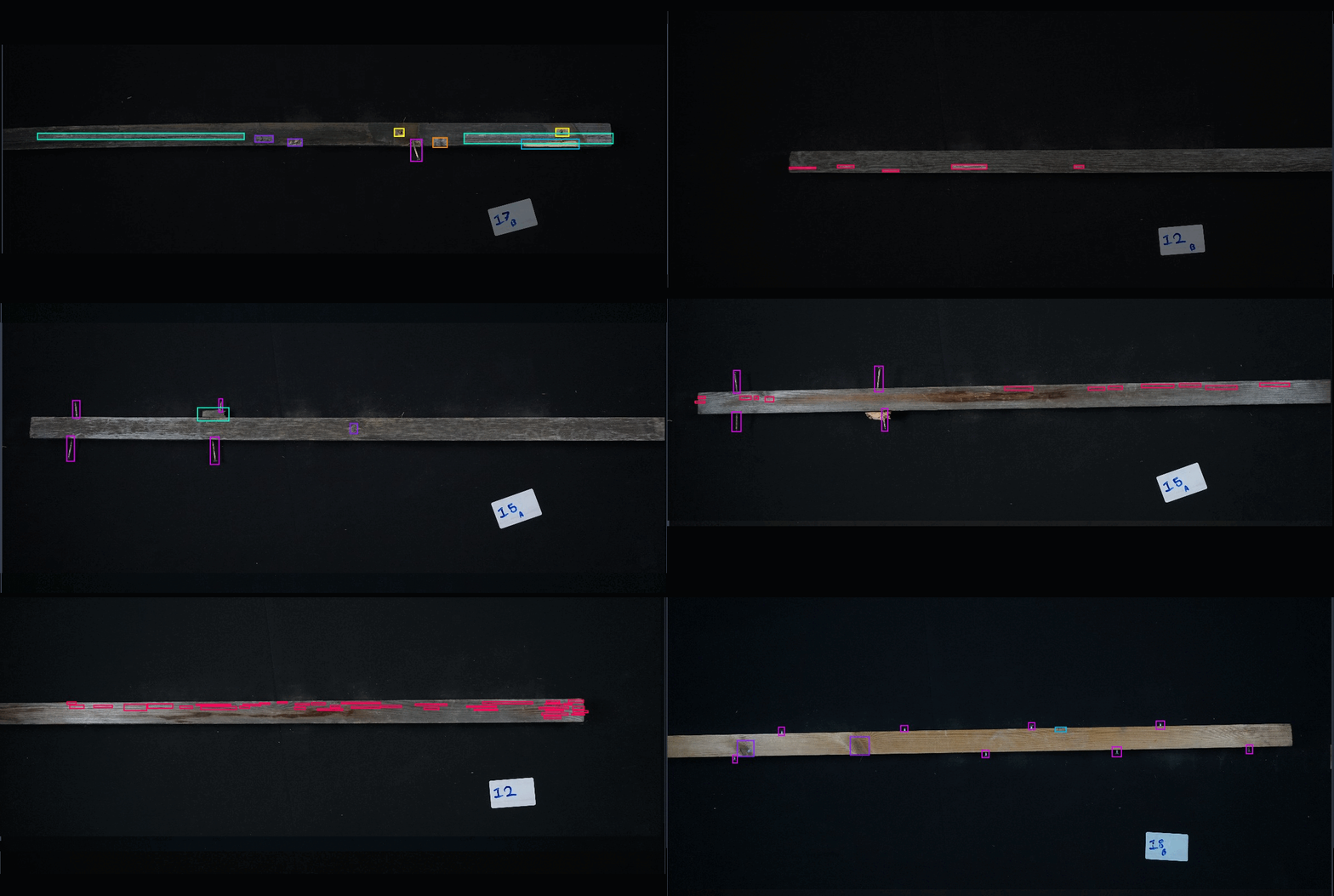
The project’s objective was to create a machine-learning model capable of classifying repurposed timber components within an assembly process as either structural or non-structural, using factors such as defect quantity, age, and exposure to weather conditions as input. Dataset Generation and Analysis The dataset was produced using Roboflow by utilizing scans of the timber elements … Read more
Predicting Ceramic Underglaze Colors

Our aim is to develop a machine learning model that accurately predicts the color outcome of ceramic underglazes based on their ingredient compositions and firing conditions. In the world of ceramic art, the process of underglazing involves applying colors to pottery which are then sealed under a transparent glaze before firing. However, predicting the final … Read more
From following instructions to autonomy
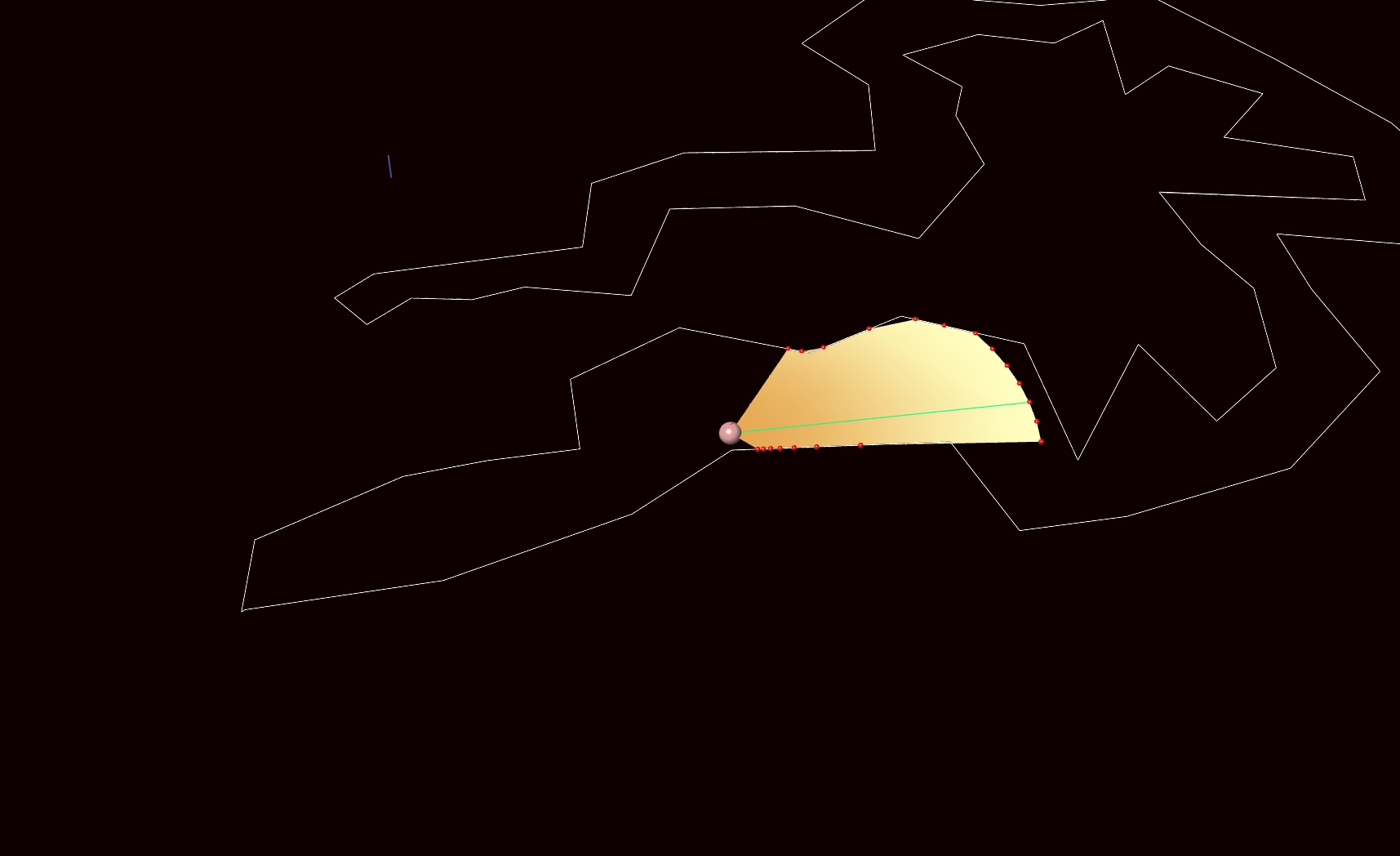
The project started with an experiment to see if an agent could follow a line and illuminate its path to see obstacles. The light is composed of isovits and only the ones in front of the agent are colored. The experiment went then to make the light 3D to illuminate buildings facades. Many approaches were … Read more
Automated Construction Through the Integration of BIM and Digital Twins

Digital twins or “digital replica” refer to a highly detailed virtual model of a physical building or infrastructure project, and through real-time monitoring the delivery of continuously updated data about systems and construction processes can be recorded within BIM. In a “House of Digital Twin”, the foundation of the house is Building Information Modeling (BIM), … Read more
Urbanization and gene pools: A simulation study
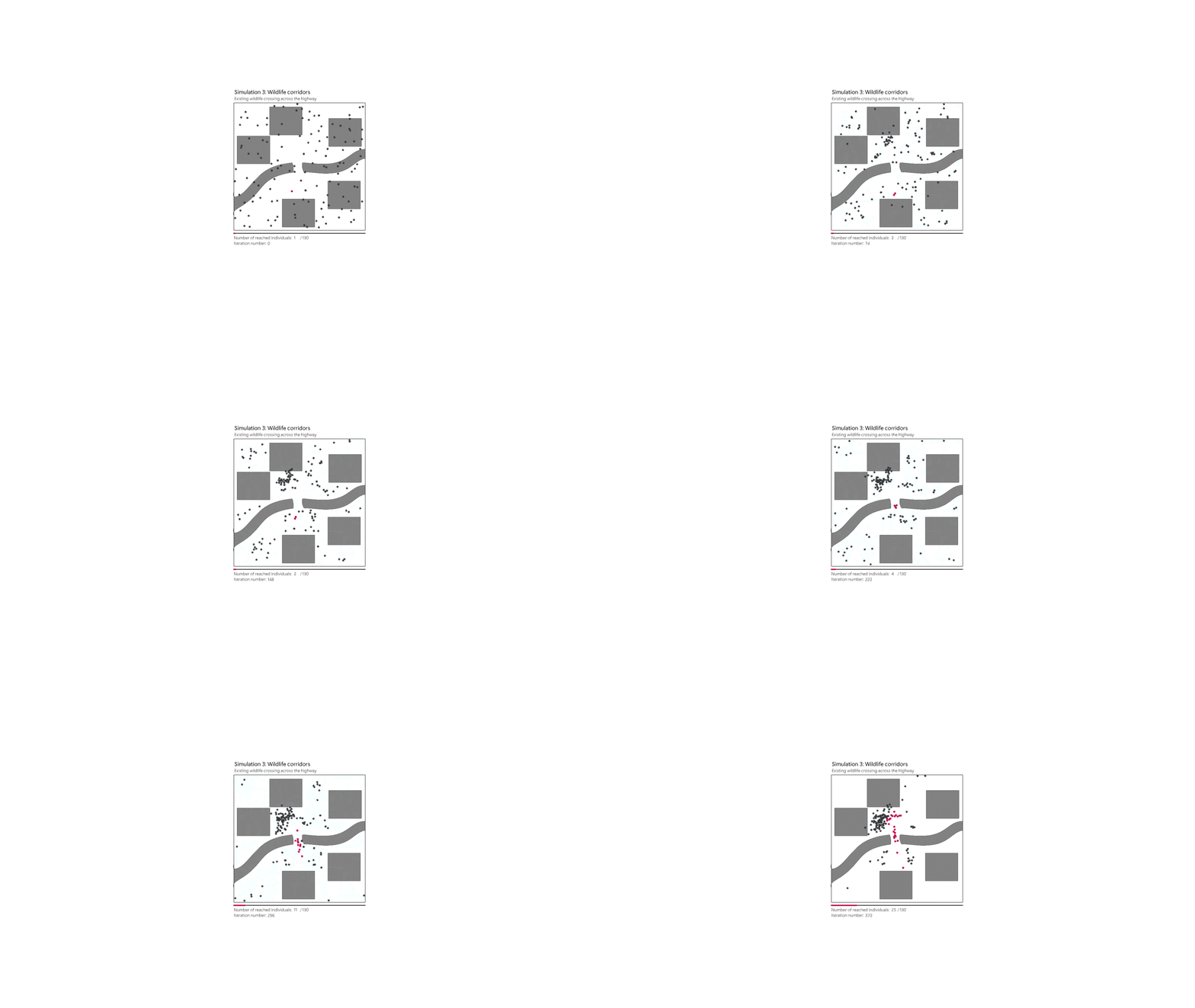
The persistent expansion of urbanization poses a significant threat to wildlife populations. One under-explored facet of this impact concerns the genetic health of these populations. Genetic diversity, measured by the variation within a gene pool, is crucial for resilience and adaptation. This project utilizes Grashopper-led simulations to explore the dynamics between habitat fragmentation, animal movement, … Read more
HAVEN AI

A global survey was attempted – by the United Nations – an estimated 100 million people were homeless worldwide. As many as 1.6 billion people lacked adequate housing (Habitat, 2015). In 2021, the World Economic Forum reported that 150 million people were homeless worldwide. SOURCE Homelessness by Country 2024 (worldpopulationreview.com) “How can we address the … Read more
SUPRACOLLECTIVES
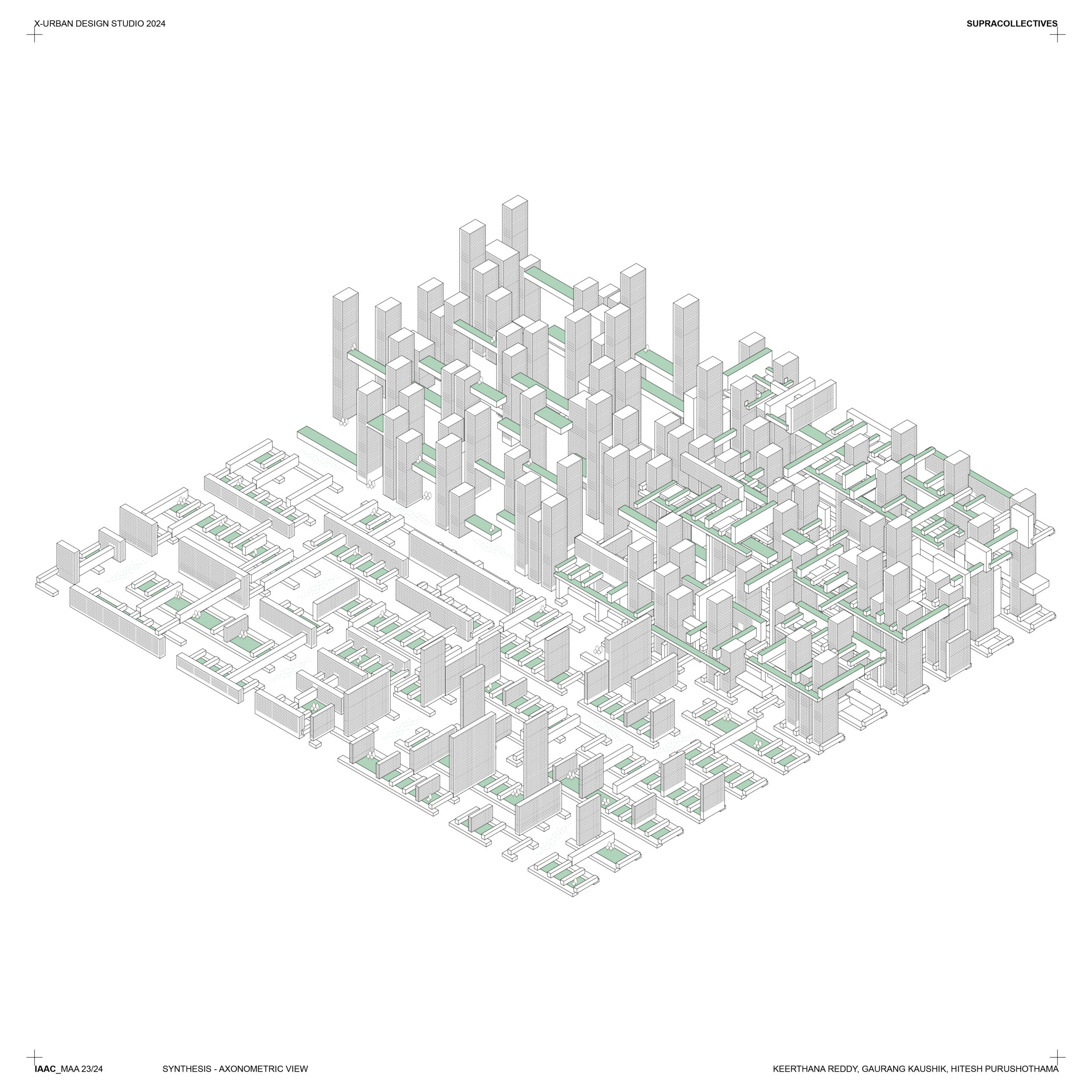
THE PINNACLE BUILDING FORM The Pinnacle@Duxton is a 50-storey residential development in Singapore ‘s city center, it defines super-density housing with 1,848 apartment units built on a plot of only 2.5 hectares (6 acres)The project addresses pragmatic, financial, social issues, and respond sensitively to a myriad of planning constraints. It boldly demonstrates a sustainable and … Read more
Manifesto for a New Era in Construction: Embracing AI

“In the dawn of this new era, the construction industry stands at the threshold of transformation, poised to redefine its legacy through the power of Artificial Intelligence (AI) and comprehensive data analytics.”* This manifesto aims to put forward the benefits of AI and how it can help the The construction business be improved by collecting … Read more
Wood ID

WoodID is a revolutionary project aiming to transform the utilization and reutilization of wood in the industry. Leveraging artificial intelligence (AI) technology, WoodID targets to enhance the circular model of reutilization by operating within a smaller loop, converting wood into various useful products. The WoodID process commenced with gathering industry insights from Barcelona related to … Read more
Redefining the Urban
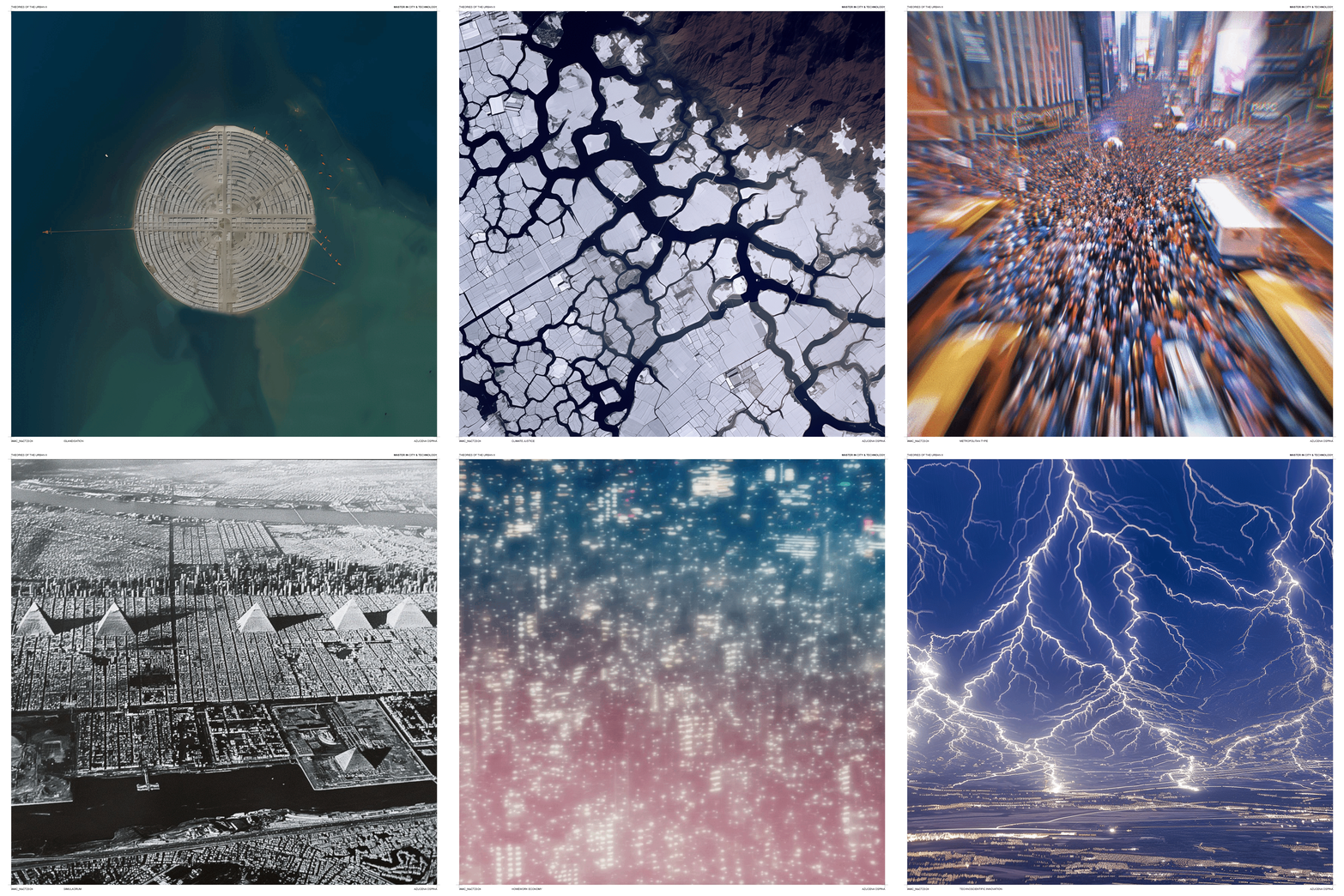
Based on the theoretical frameworks of diverse urban theorists, this project explored multiple dynamics between the metropolis, design, and technology within the context of the Anthropocene epoch and the rise of technology. The following lexicon was developed and graphically illustrated with the assistance of Artificial Intelligence, creating images that aim to cause a cognitive effect … Read more
Solving the maze

Mazes have fascinated humans for centuries. Solving them requires decision making based on limited knowledge, and the ability to remember and avoid previous mistakes. The problem of solving a maze from any given position within it, without knowing the location of the exit lends itself well to the iterative logic that is central to this … Read more
