
From Afar 2nd Term
Salt is Essential
Salt is a fundamental element of human and animal physiology. The body cannot produce all the sodium and chloride it needs on its own, so it depends on a constant dietary intake. Sodium and chloride regulate nerve signaling, muscle contractions, fluid balance, and blood pressure, and they are continuously lost through sweat.
For wild animals, a salt lick serves this purpose. For human civilizations, the answer has been large-scale extraction. Salt is mined from underground deposits, drawn from brine through solution mining, and harvested through solar evaporation, in which shallow ponds of seawater are left to crystallize under the sun. It is one of the oldest production processes still in active use, and one of the least visible, despite underpinning nearly every kitchen in the world.
But most of the world’s salt does not end up in the shaker on your table…
Approximately 82% of global salt production is used for chemical purposes across a wide range of industries.
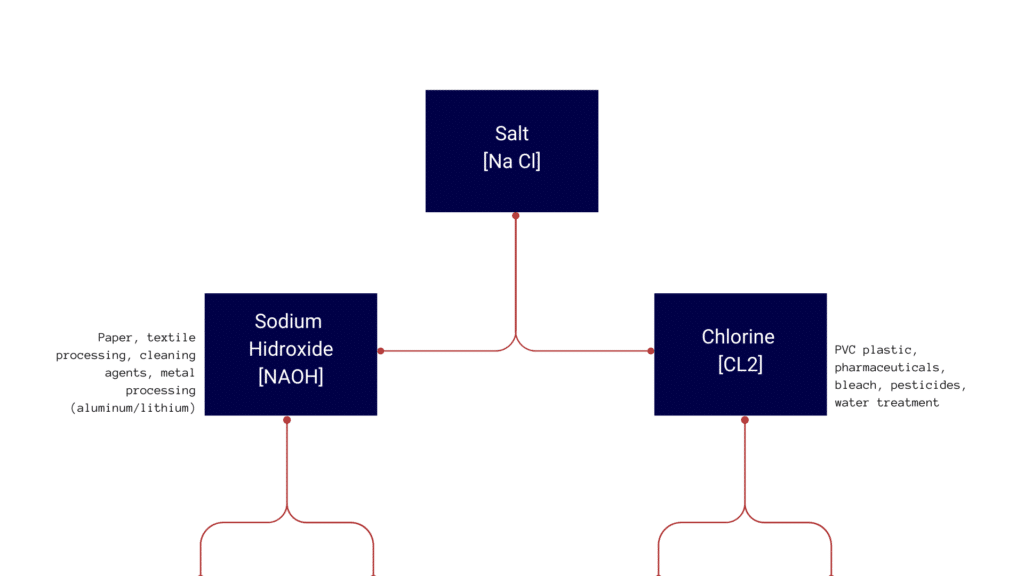
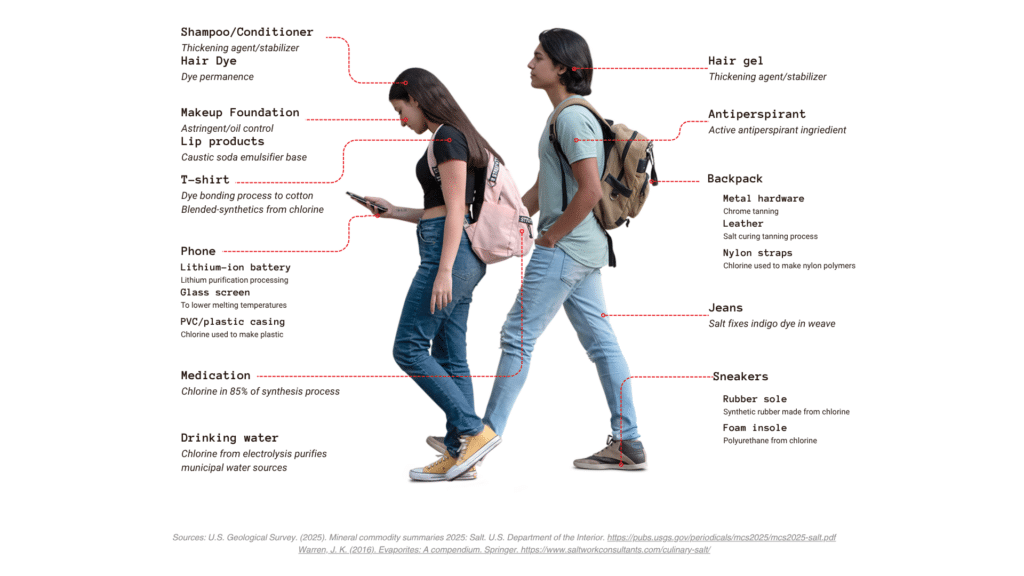
Only around 18% of global salt production is used for food. The rest feeds industrial processes. Salt is a chemical feedstock, a raw material transformed through an industrial process into something entirely new, like:
Salt Market and Trade Strategies
To meet the world’s salt demand, the world leans on a handful of large producers
Global salt production is highly concentrated among a small number of countries. China leads the world with approximately 53 million tons annually, followed by the United States and India. Together, these three nations account for nearly half of global output.
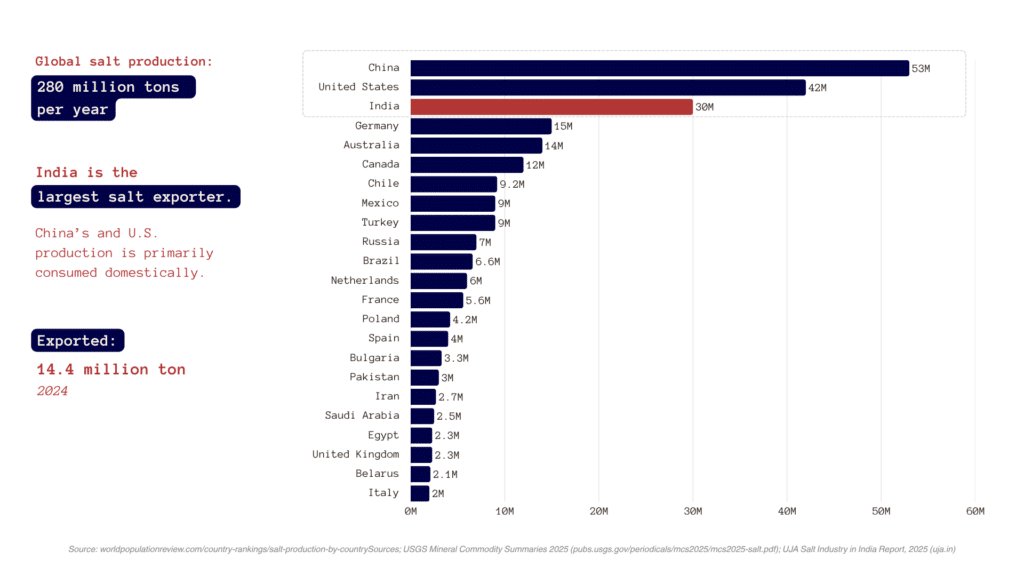
While China and the United States consume most of their production domestically, India has emerged as the world’s largest salt exporter, shipping around 14.4 million tons in 2024. In total, the world produces roughly 280 million tons of salt each year to supply industries, agriculture, water treatment, and food production.
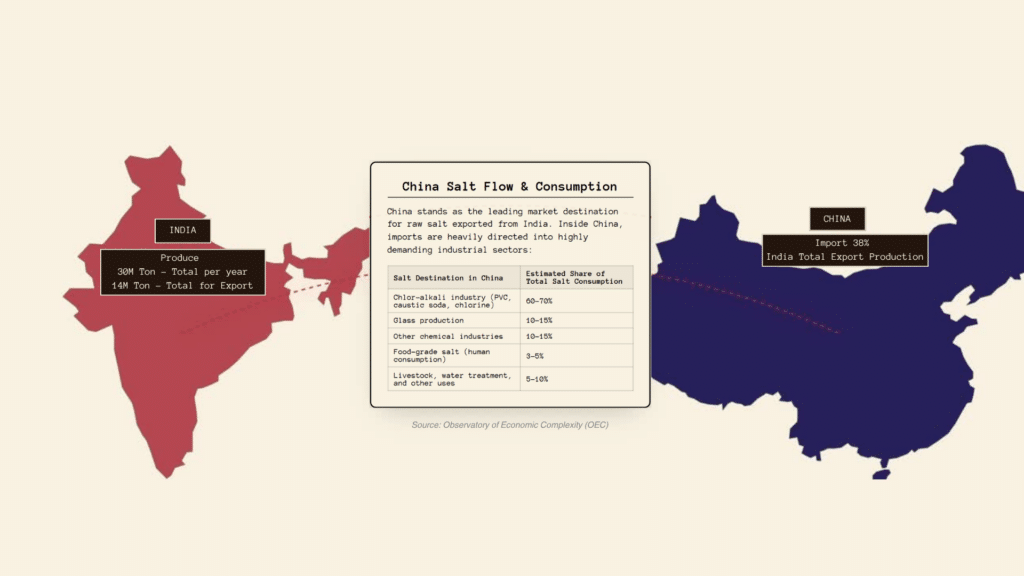
And demand may be set to grow. China is investing heavily in sodium-ion battery technology, which could become an important component of the global energy transition. If adopted at scale, these batteries could significantly increase demand for salt-derived materials. This is particularly notable because China is not only the world’s largest salt producer but also the largest importer of Indian salt, purchasing roughly 38% of India’s exportable supply. As demand for sodium-based energy storage expands, trade flows and strategic access to salt resources may become increasingly important.
Major Salt Production in India
76% of India’s production comes from Gujarat, where solar evaporation pan farming is the primary method, split between two contexts: coastal farming, where seawater is pumped directly into pans from the nearby ocean, and inland farming, which accounts for roughly 22% of Gujarat’s output and takes place in the middle of the desert.
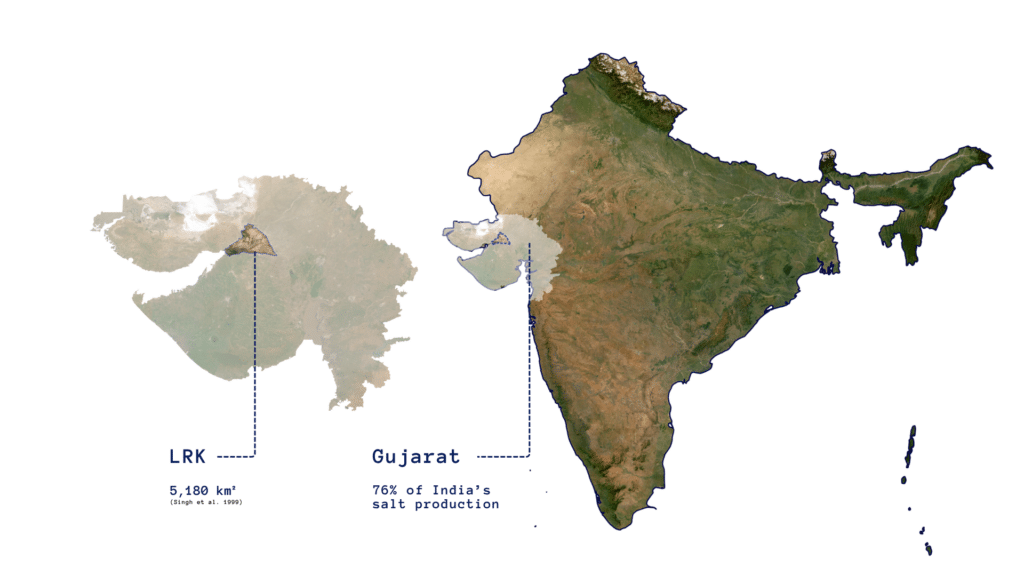
That desert is the Little Rann of Kutch (LRK), a vast flat expanse that floods during monsoon season and dries into a white crust the rest of the year. It was originally an inlet of the Indian Ocean until a massive 1819 earthquake created a natural dam and cut it off. Under British colonial rule the area became a controlled and taxed salt-farming zone. Salt became central to the independence movement because it was one of the few goods that cut across class lines: every Indian paid the tax, and every Indian felt it. After independence, to support small producers, India ruled in 1948 that salt farmers working less than 10 acres would not require a license-allowing rapid expansion of the practice.
Agariyas of Gujarat
The people who farm LRK desert salt are called the Agariyas, named after the salt pans they work in, known as agars. Each year, from October to April, they migrate to the Little Rann of Kutch, a protected area that is largely desolate, extremely hot, and sparsely vegetated, with seasonal flooding during the monsoon. They have been practicing this way of life for generations, but always within a framework of governmental, economic, and social constraints that shape and limit nearly every aspect of their work.
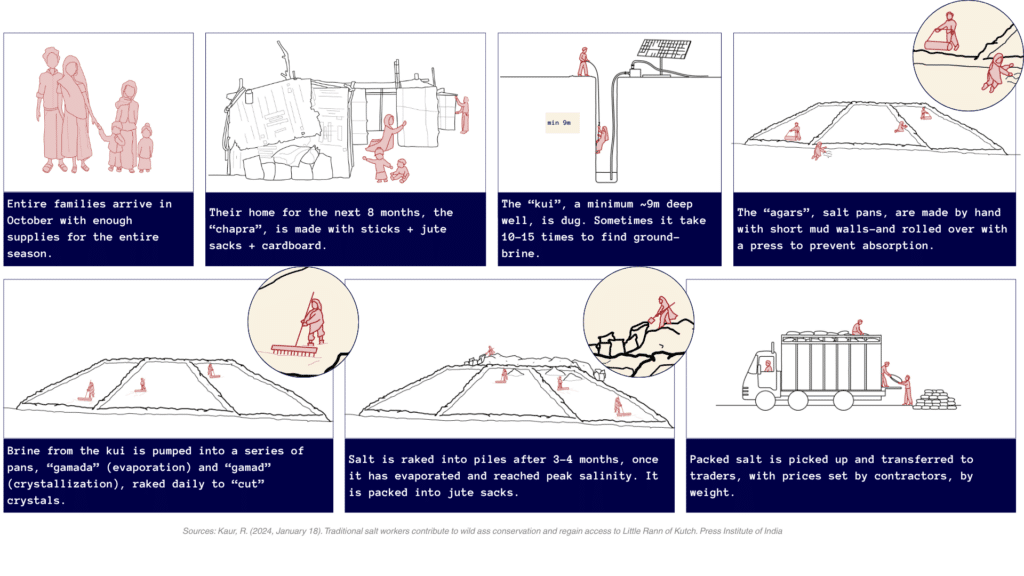
Entire families arrive in October with enough supplies to last the whole season. Their home for the next eight months, the chhapra, is built from sticks, jute sacks, and cardboard. The kuï, a minimum 9-meter-deep well, is dug to access groundwater—sometimes requiring 10 to 15 attempts before finding usable brine.
The salt pans, or agars, are constructed by hand using short mud walls, which are rolled and compacted to prevent water absorption. Brine from the kuï is then pumped into a network of evaporation and crystallization pans, where it is raked daily to encourage salt formation.
After 3 to 4 months, once the salt has evaporated and reached peak salinity, it is gathered into piles and packed into jute sacks. The harvested salt is then collected and transported to traders, with prices typically set by contractors based on weight.
Although widely studied, the understanding of the scale and spatial organization of Agariya salt farming remains limited. Important NGO interventions, such as SEWA’s efforts to provide sustainable energy and reduce diesel dependence, have helped families significantly reduce harvesting costs. Meanwhile, the Agariya Heet-Rakshak Manch, a registered non-profit organization, continues to advocate for the rights and recognition of these workers.
To highlight the injustices that have contributed to the isolation of these communities in the Little Rann of Kutch, we explore a mixed-method approach, combining geospatial data with an anthropological perspective.
Research question:
How can we use remote spatial analysis to expose the scale of injustice lived of the people who are supplying salt for growing demand?
The Salt Pans of LRK – Spatial Identification Process
The distribution of sub-soil salt farming is located deeper into the desert, in contrast to coastal practice. Recognized workers operate within the organized structures of coastal salt farming, which strongly contrasts with the informal settlements associated with seasonal work performed by Agariyas. In true color satellite imagery, only larger areas interpreted as salt pans are visible; however, the range of colors produced by the evaporation process can be misleading. To determine whether these areas are indeed salt pans, Short-Wave Infrared (SWIR) composites were used to distinguish salt pans through the presence of brine water – shown in cyan in the images below – against the dry desert terrain. This approach enables differentiation between large industrial operations, medium-sized industrial pans, and small, scattered Agariya pans that are otherwise not visible in standard imagery.
Visual process:
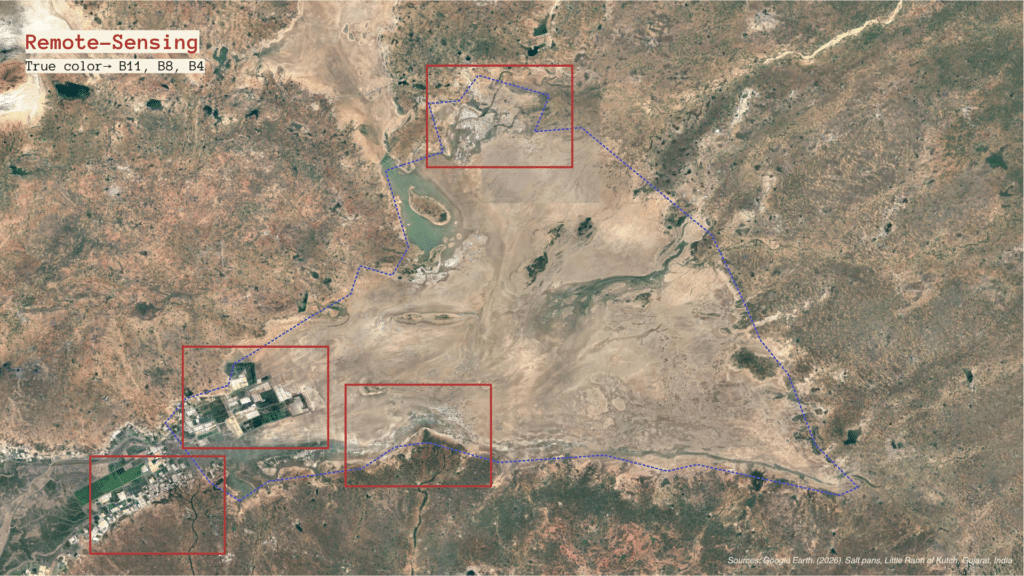
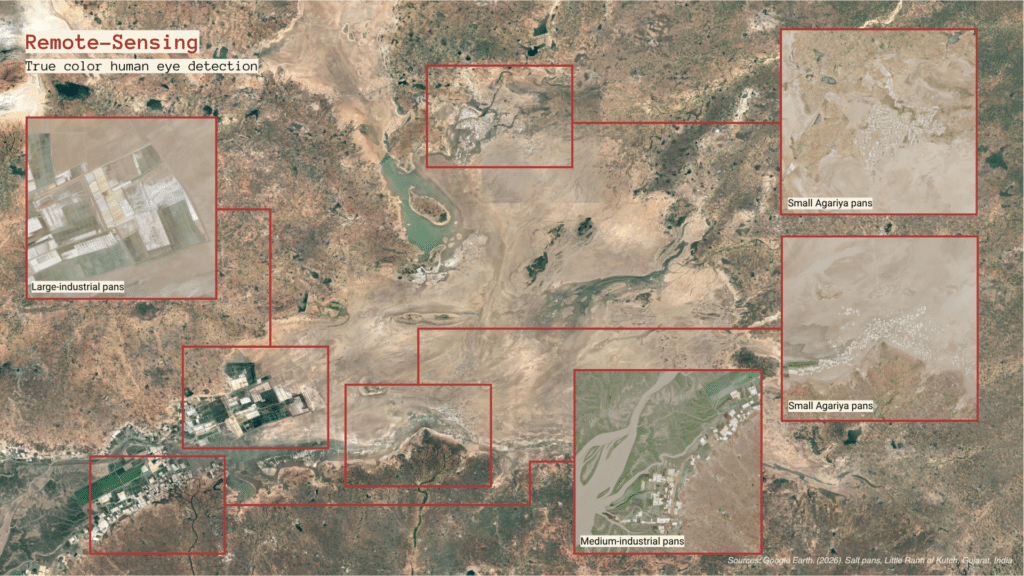
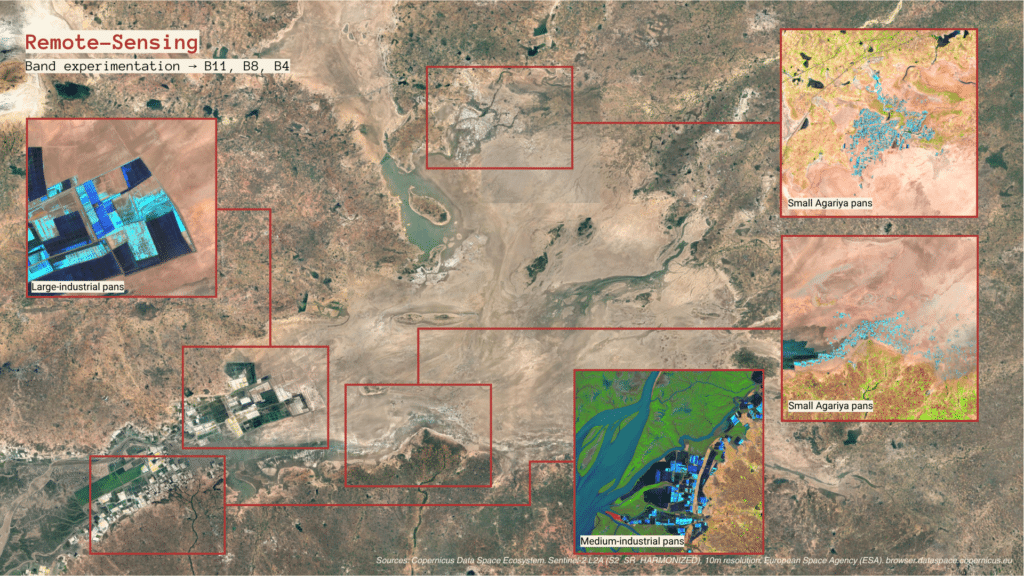
A false color model was used to train a computer vision system, focusing on imagery from the end of the harvest season. Using the online platform Roboflow, approximately 100 images were manually annotated, resulting in a training dataset of 275 images. This process involved a learning curve due to the temporal dynamics of salt pans, as their appearance changes during evaporation, along with the wide variation in size and typology across the Little Rann.
Visual process:
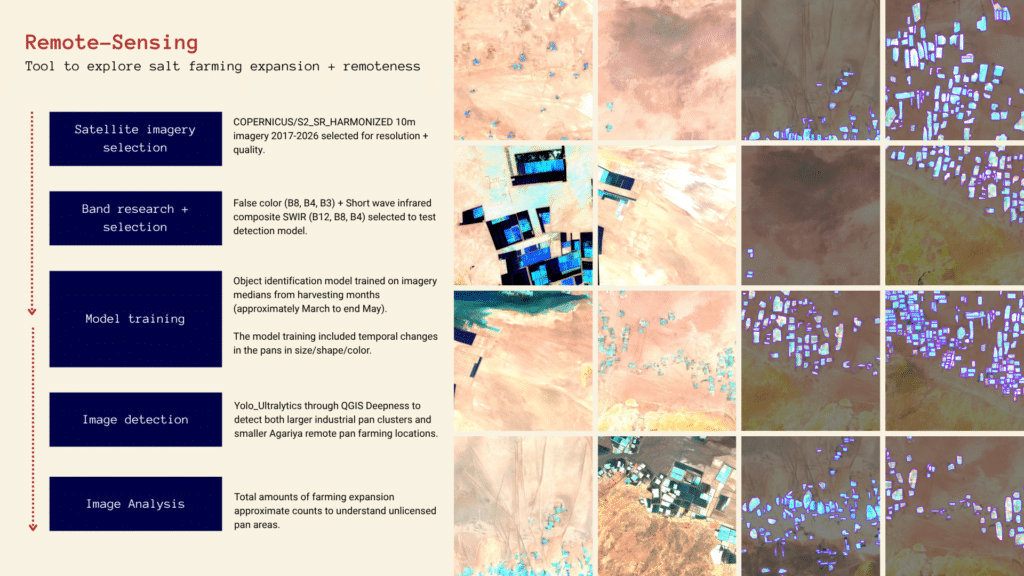
Several models were trained in order to reach the final version. The resulting model was then integrated into QGIS through the Deepness plugin for salt pan detection. It was applied to Copernicus SWIR imagery from the past 10 years. The model successfully identified numerous small pans in previously undocumented areas, deep within the desert and far from villages, roads, water sources, and other infrastructure.
In 2023, a noticeable decline in pan counts is observed, likely linked to eviction notices issued to members of the Agariya community who had not registered as legal farmers under the updated salt production agreement associated with the Forest Rights Act and conservation policies. Over 64% of all detected pans are smaller than 10 acres, falling under the original regulation that exempts farms under 10 acres from registration. However, these smaller pans account for only 13% of the total detected salt production area. This indicates a selectively regulated extraction landscape in which Agariya labor remains constrained by the 10-acre threshold, while significantly larger industrial operations continue to function.
Following the identification of pan locations, their remoteness was analyzed through three perspectives:
– geographical & environmental;
– socio & political;
– economical
Geographical and Environmental Perspective
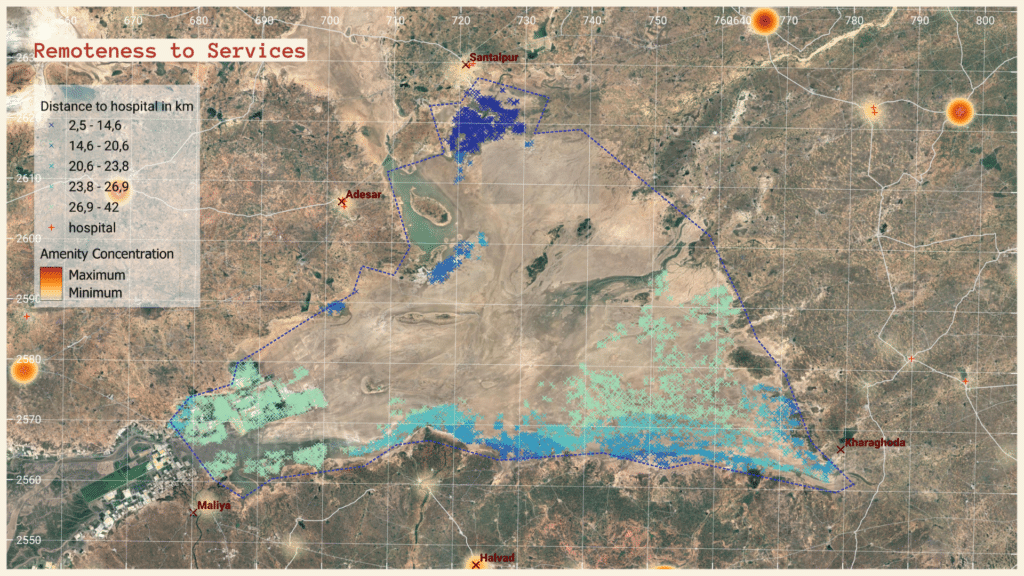
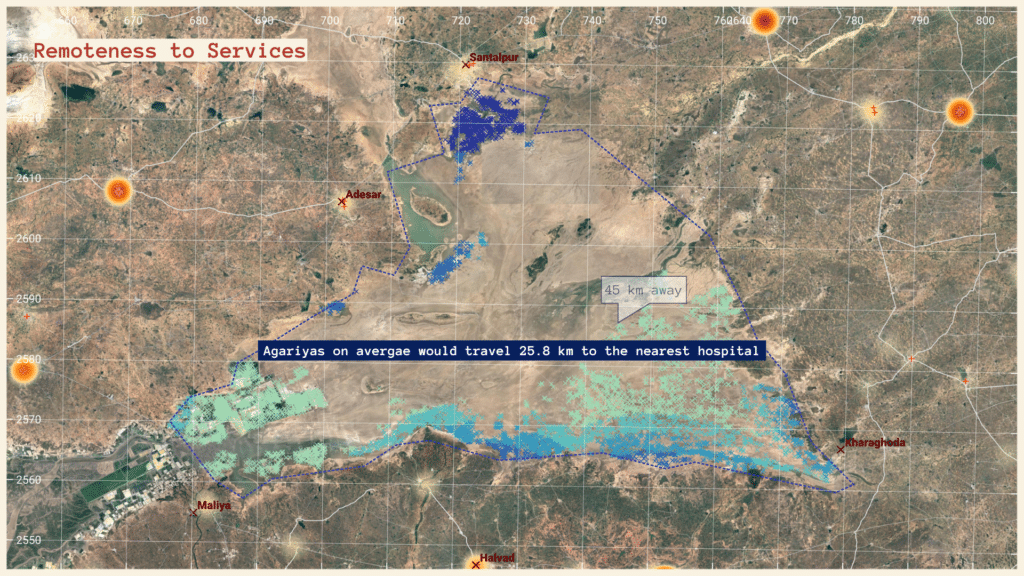
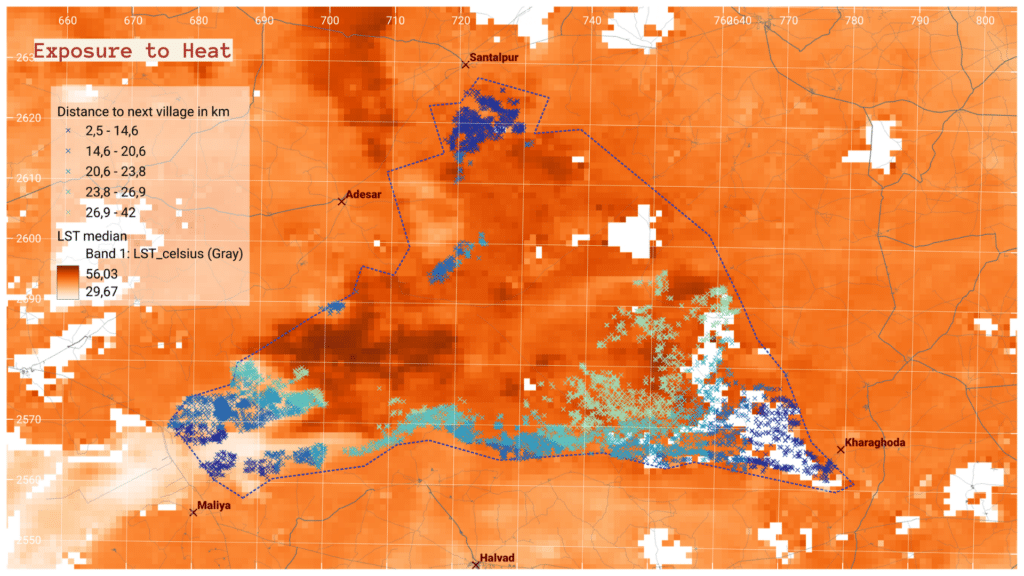
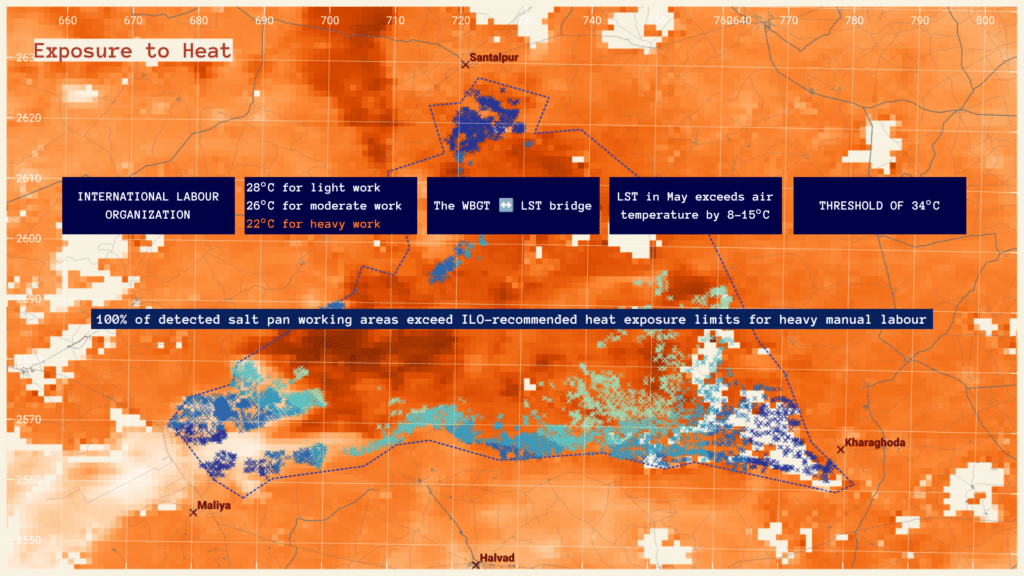
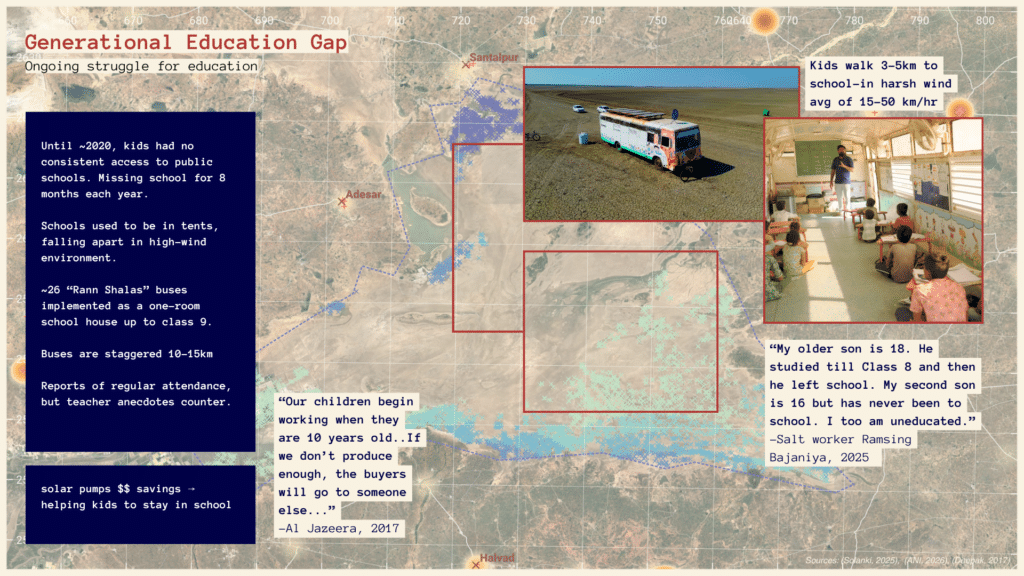
Spatial analysis revealed significant distances to healthcare facilities, schools, and other public services. In addition to physical isolation, workers face severe environmental conditions. Land Surface Temperature (LST) data show that salt production areas are exposed to temperatures that regularly exceed international occupational health thresholds for heavy manual labor. The combination of remoteness, limited infrastructure, and extreme heat creates a challenging environment that directly affects workers’ health, mobility, and daily life.
Socio and Political Perspective
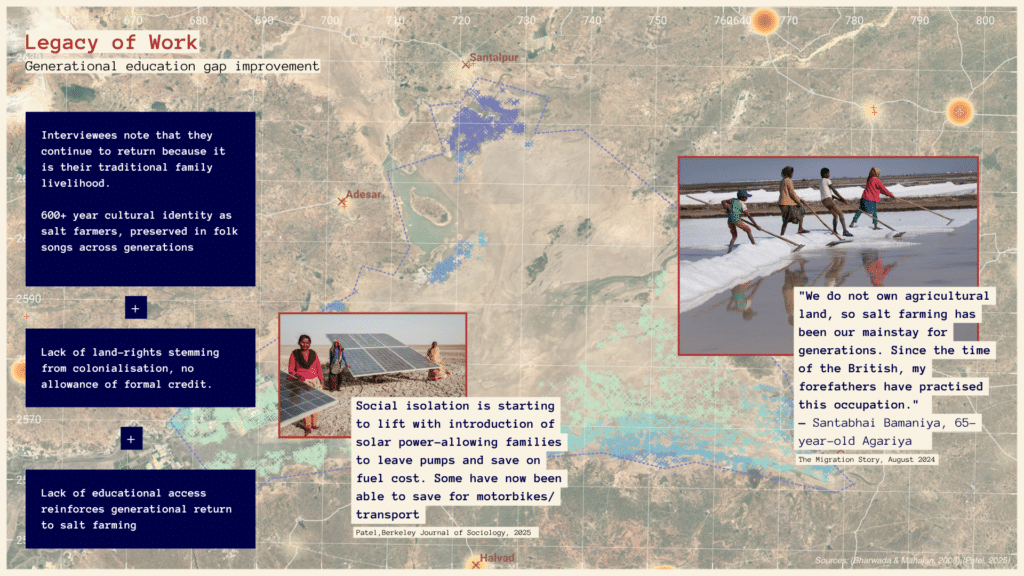
The isolation of the Agariya community is also rooted in a long history of political exclusion and contested land rights. For centuries, salt production has been both an economic activity and a cultural identity passed down through generations. However, historical policies, conservation regulations, and administrative restrictions have limited the community’s formal recognition and access to land.
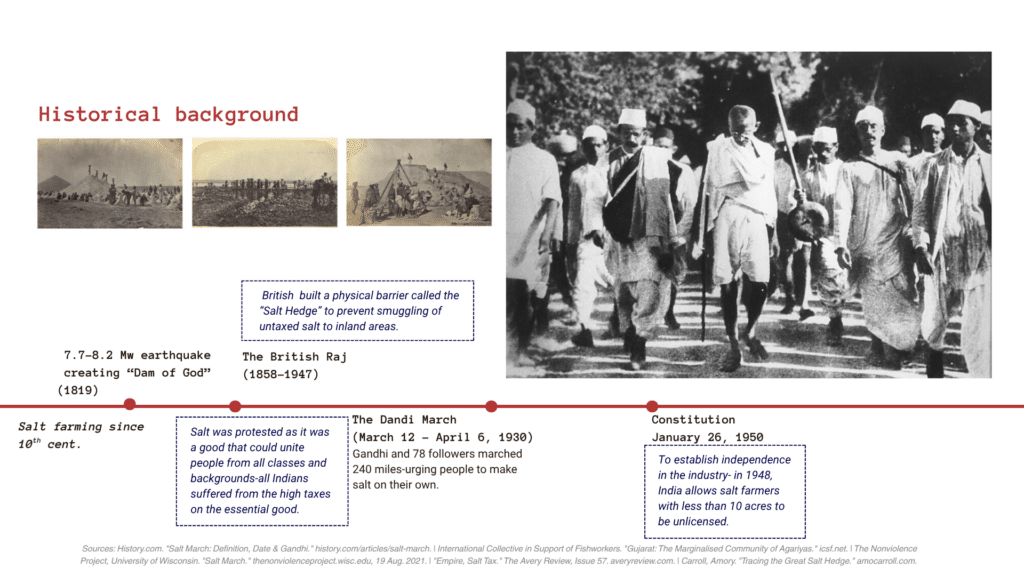
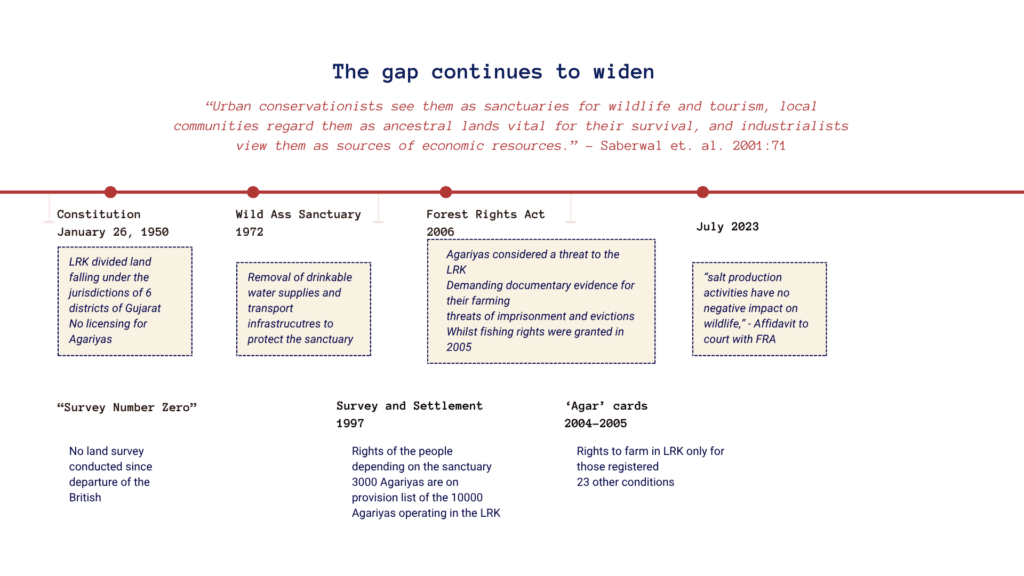
The creation of protected areas, combined with complex licensing systems and uncertain tenure arrangements, has often left salt workers without secure rights over the territories they depend on. This institutional marginalization affects access to public services, education, credit, and political representation. As a result, remoteness is not only geographical but also embedded in governance structures that continue to shape opportunities available to the community.
Economical Perspective
While the salt pans of the Little Rann of Kutch are geographically isolated, the Agariya community also experiences a form of economic remoteness shaped by unequal market relationships, limited bargaining power, and restricted access to formal labor protections.
Despite producing nearly three-quarters of India’s salt supply, Agariya families capture only a small fraction of the final market value. Salt production is organized through a network of lease holders, traders, processors, and branded firms, with workers often receiving advance loans at the beginning of the season. These loans create a debt relationship that requires producers to sell their harvest at predetermined prices, limiting their ability to negotiate or benefit from market fluctuations.
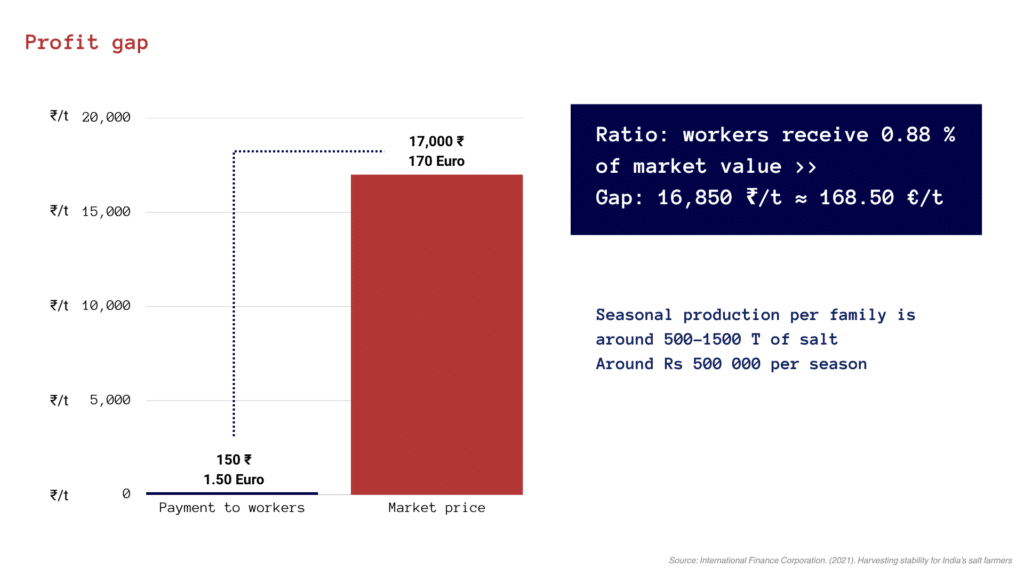
This imbalance becomes evident when comparing production earnings to market prices. Workers receive approximately ₹150 per ton of salt, while the processed product may reach market values around ₹17,000 per ton. Although value is added through processing, transportation, packaging, and branding, the disparity highlights how little of the final economic value remains with the primary producers.
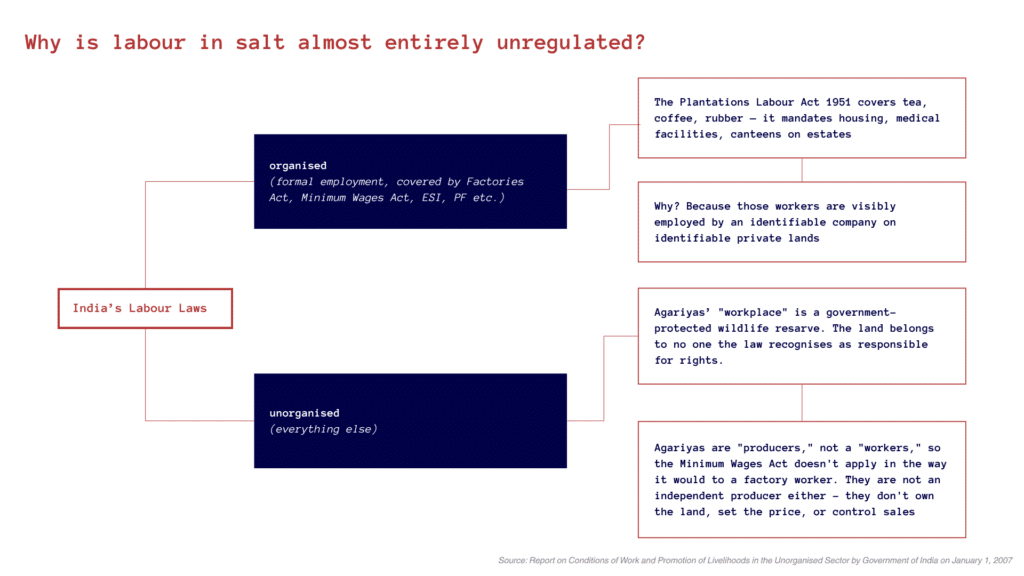
Economic vulnerability is further reinforced by the ambiguous status of Agariyas within India’s labor system. Because they are classified neither as formal employees nor fully independent producers, many labor protections, including minimum wage mechanisms and workplace welfare provisions, do not apply in practice. Operating within a protected wildlife reserve adds another layer of complexity, as no single institution assumes full responsibility for regulating working conditions or guaranteeing workers’ rights.
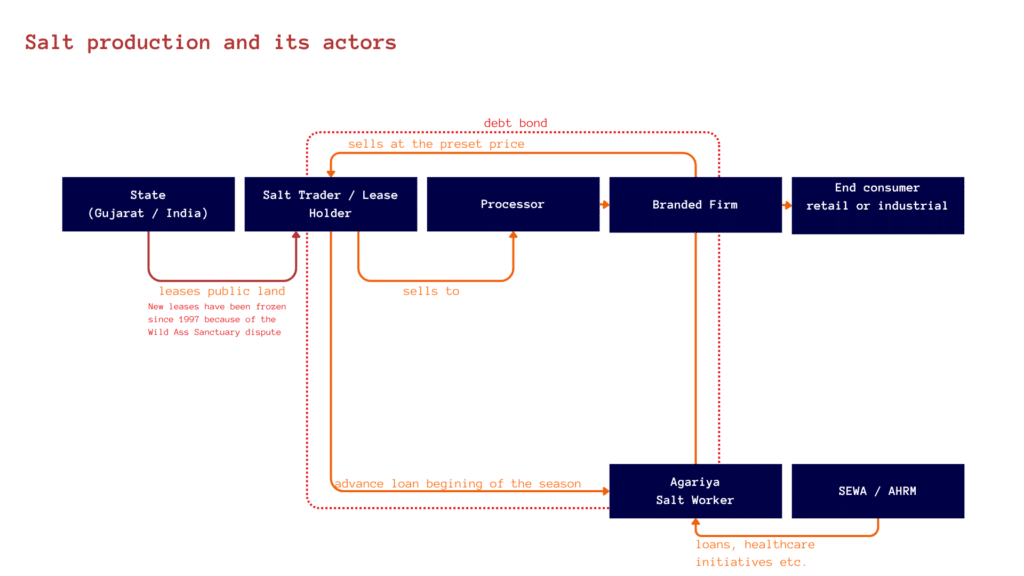
As a result, the remoteness of salt workers extends beyond geography. It manifests as limited access to financial resources, weak negotiating power within supply chains, and exclusion from regulatory frameworks designed to protect labor and livelihoods.
