

Design Concept | Horseshoe Crab–Inspired Lattice Structure
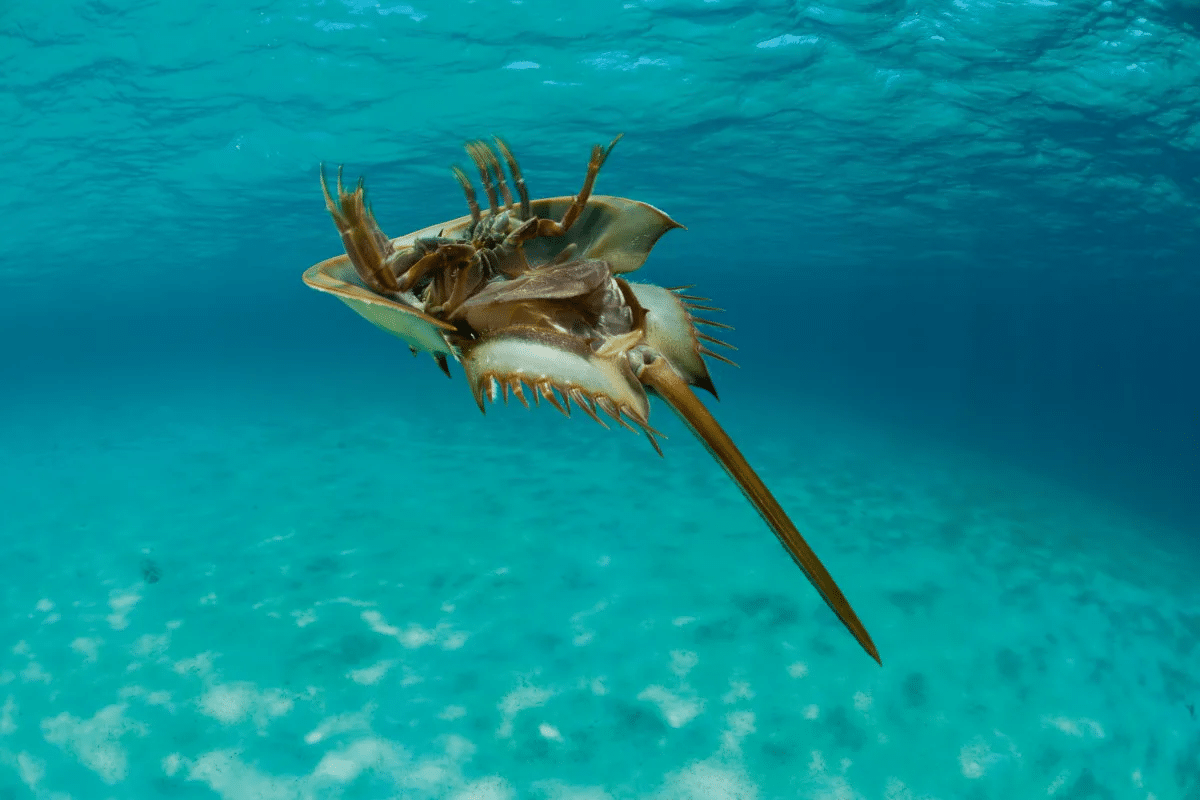
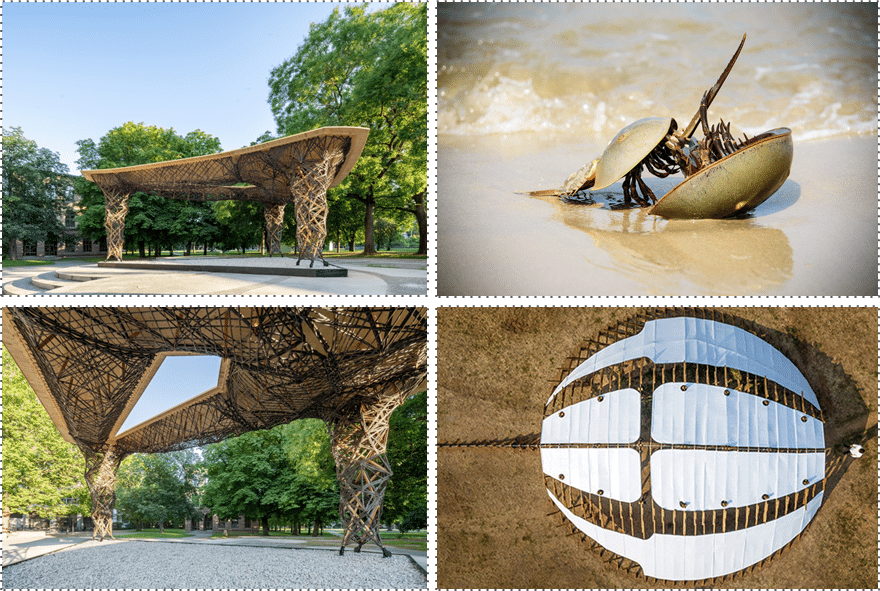
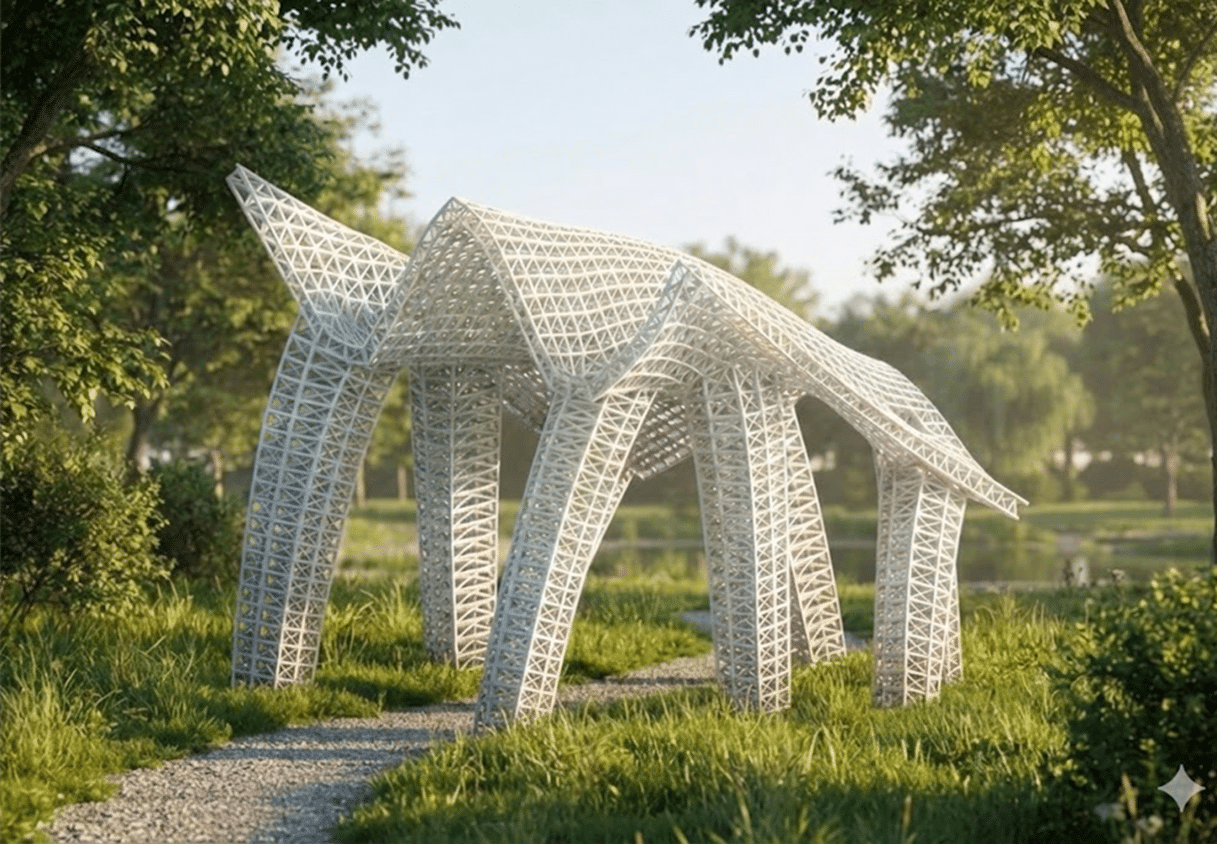
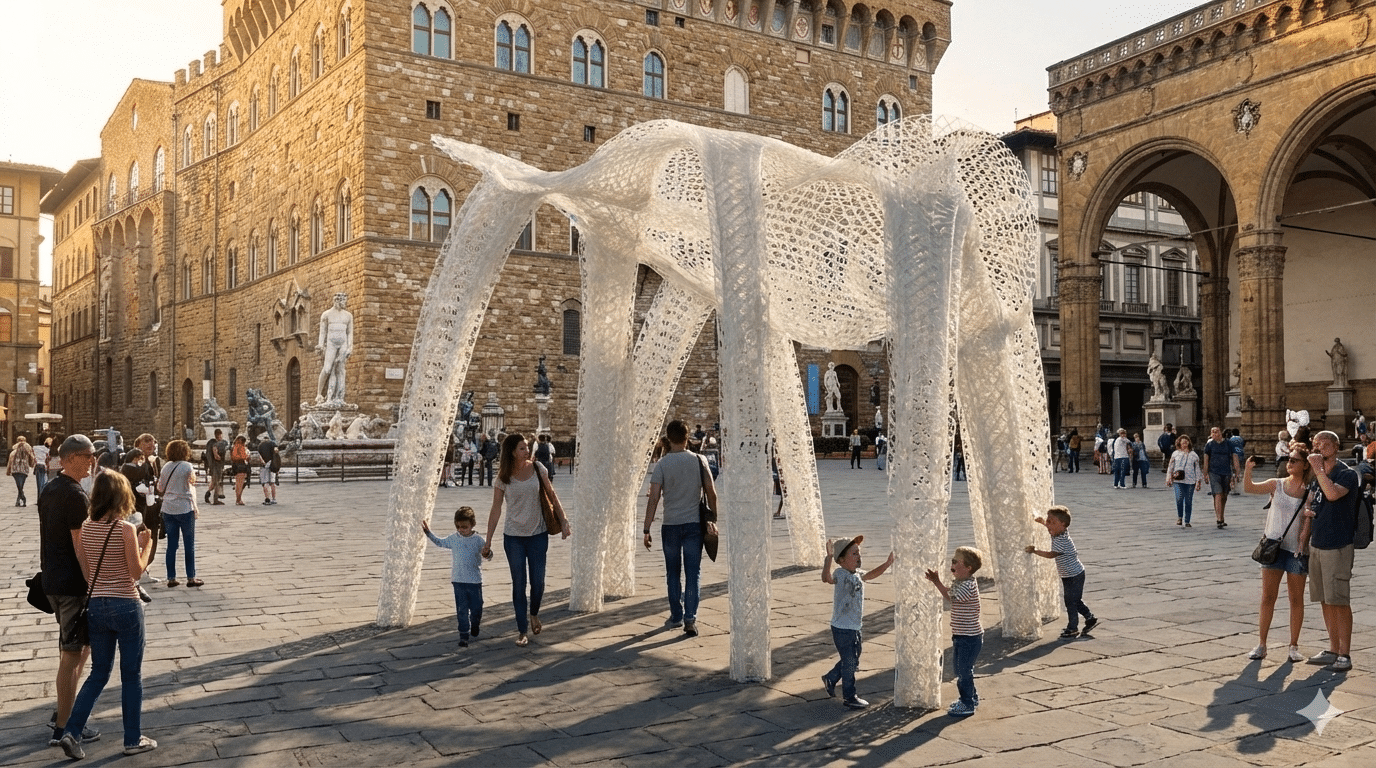
Inspired by the exoskeleton of horseshoe crabs and the ITECH Research Pavilion 2024, this project explores a biomimetic lattice shell structure supported by discrete legs.
A continuous mesh distributes loads efficiently across its surface, transferring forces to the ground through optimized supports.
The parametrically generated lattice expresses structural performance, integrating form, structure, and material efficiency into a unified architectural system.
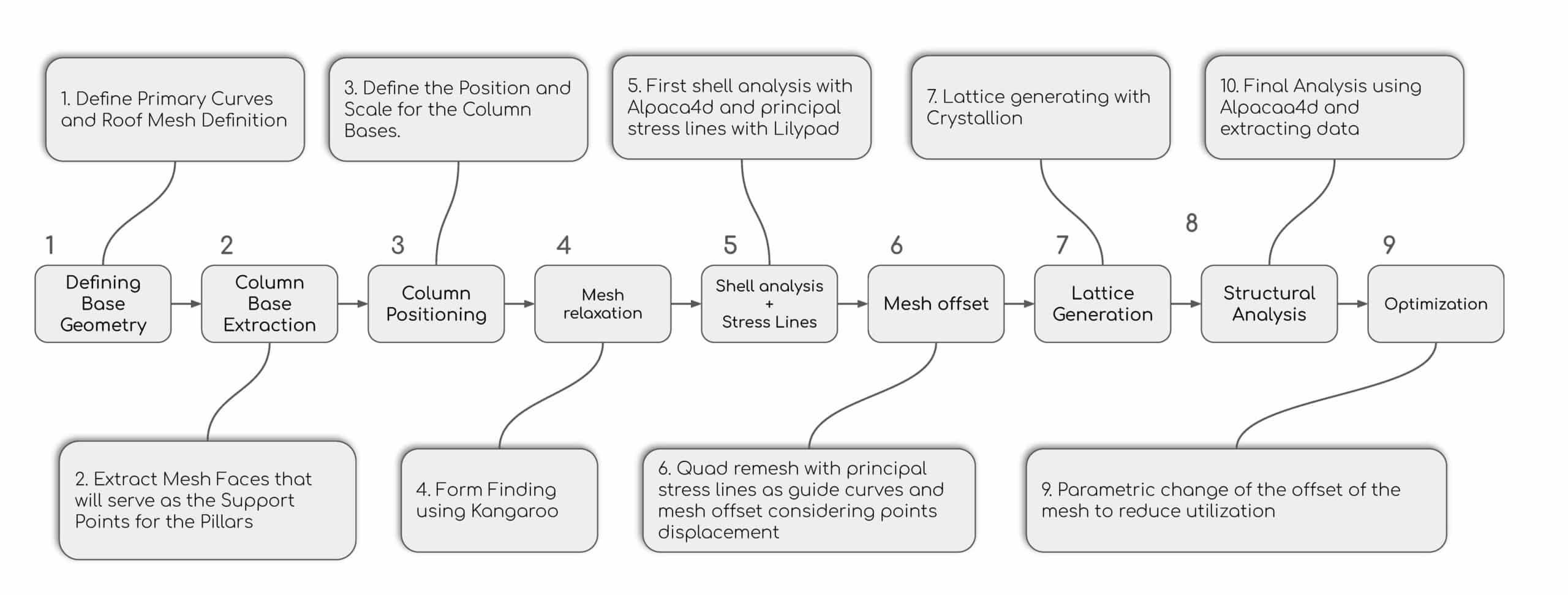
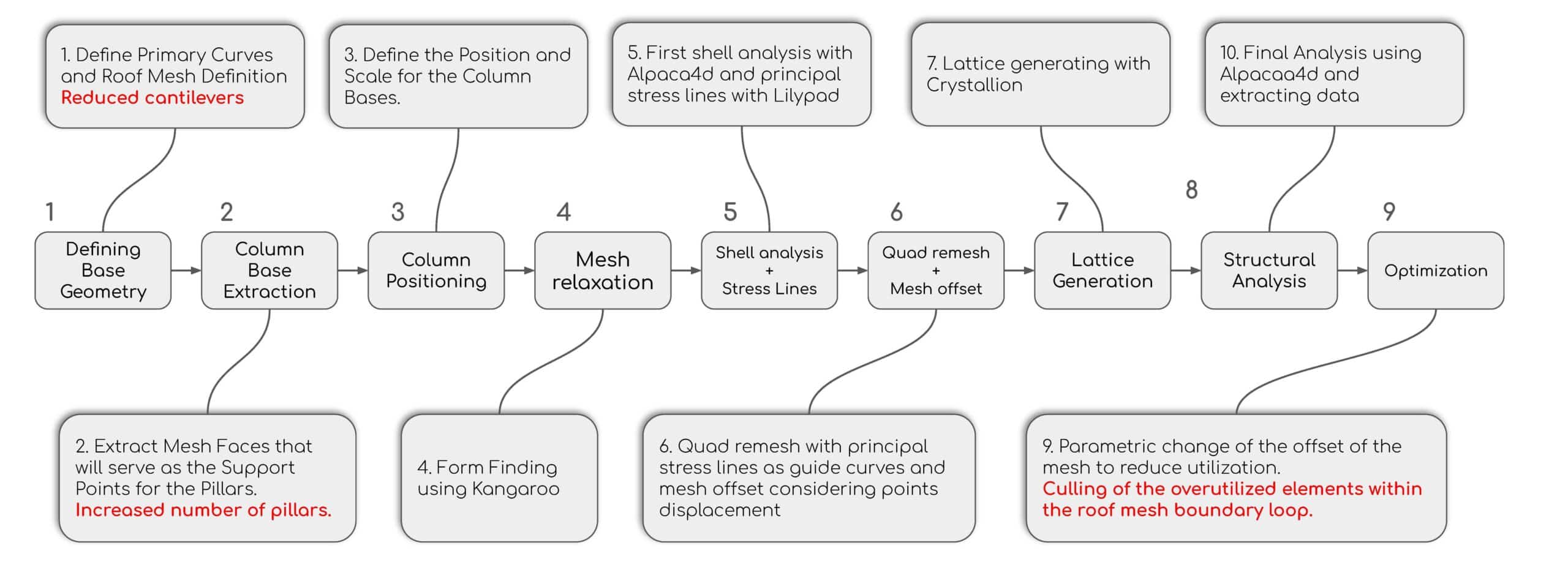
Workflow
Form Finding + structural analyses

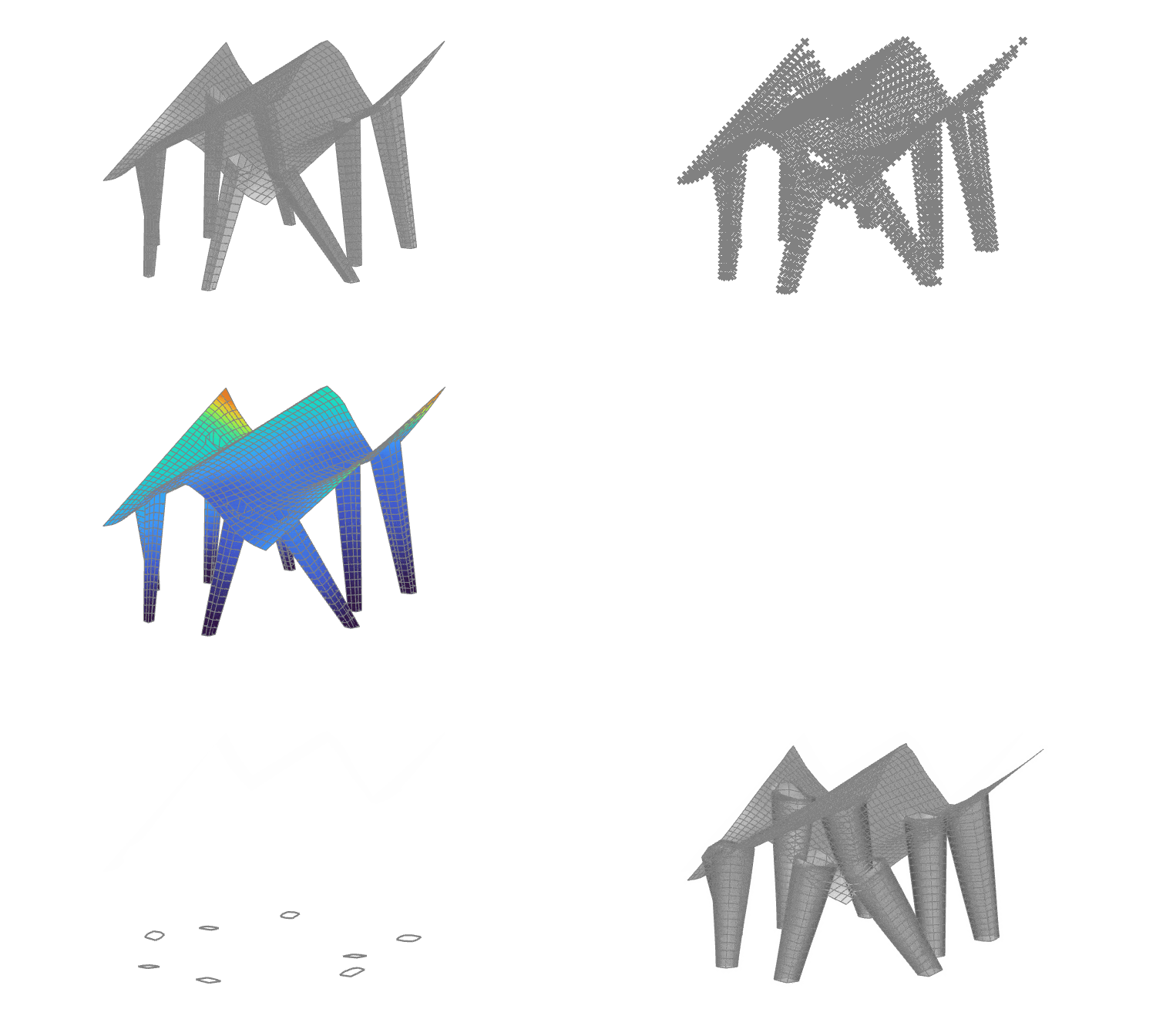
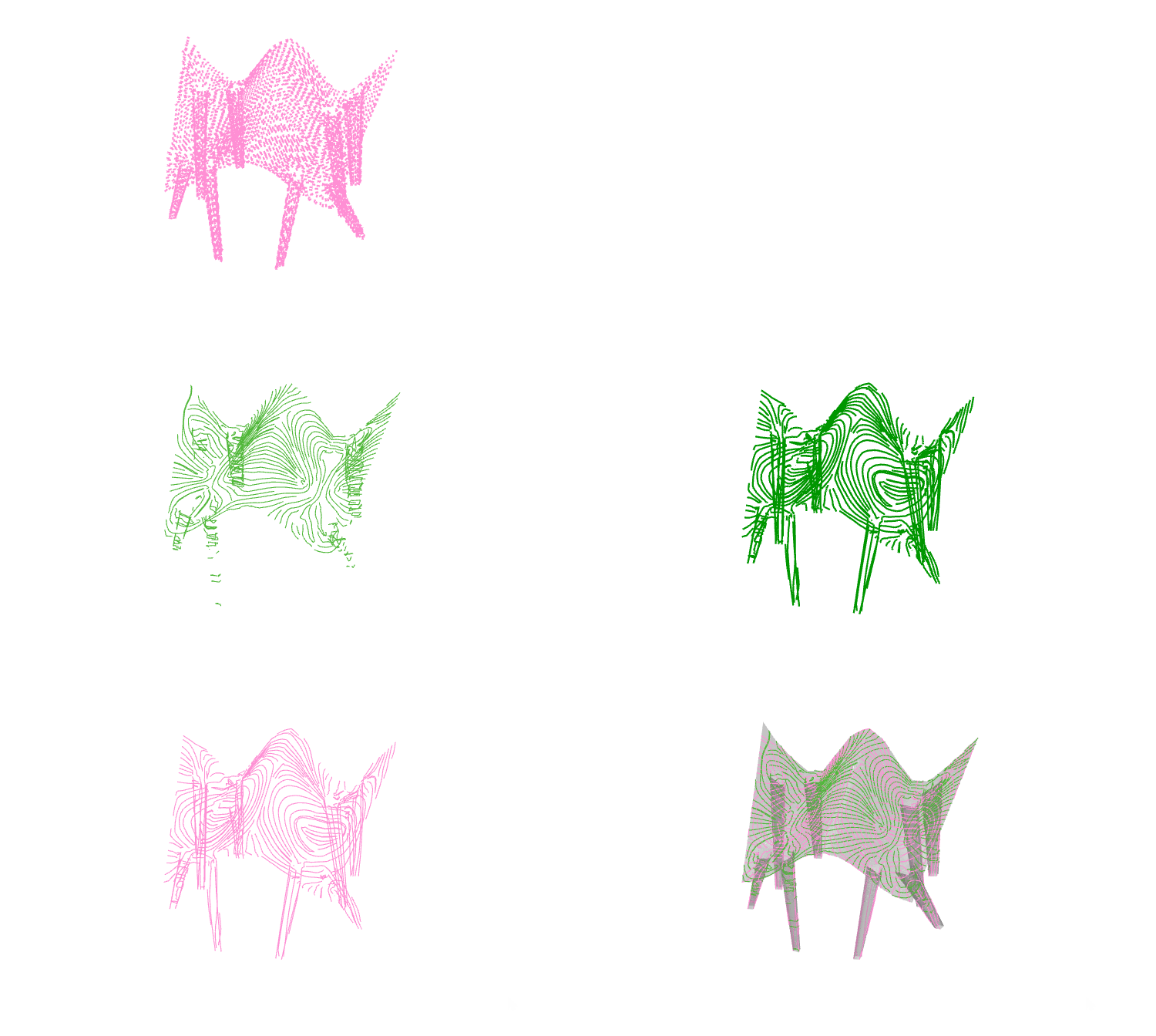
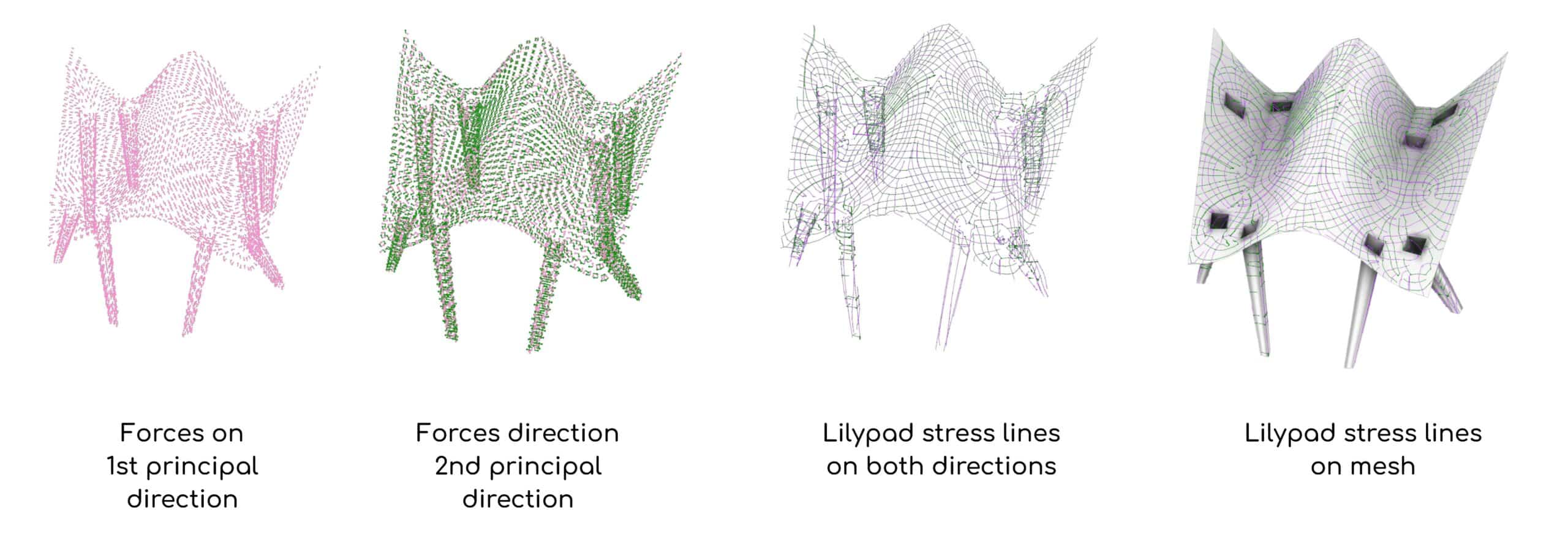
Lilypad stress lines
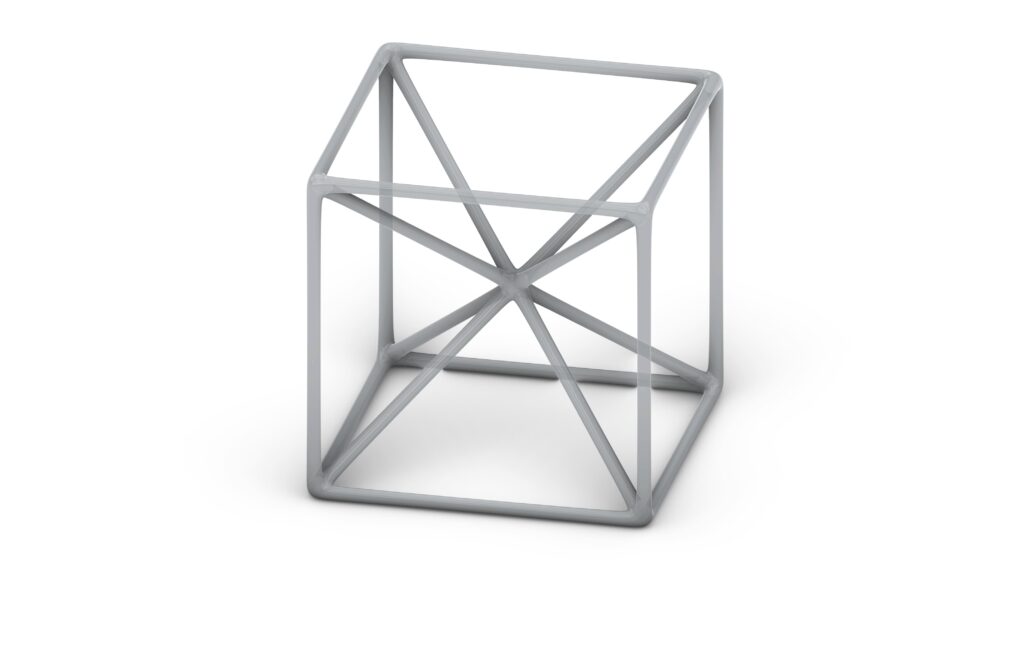
Crystallon lattice fill
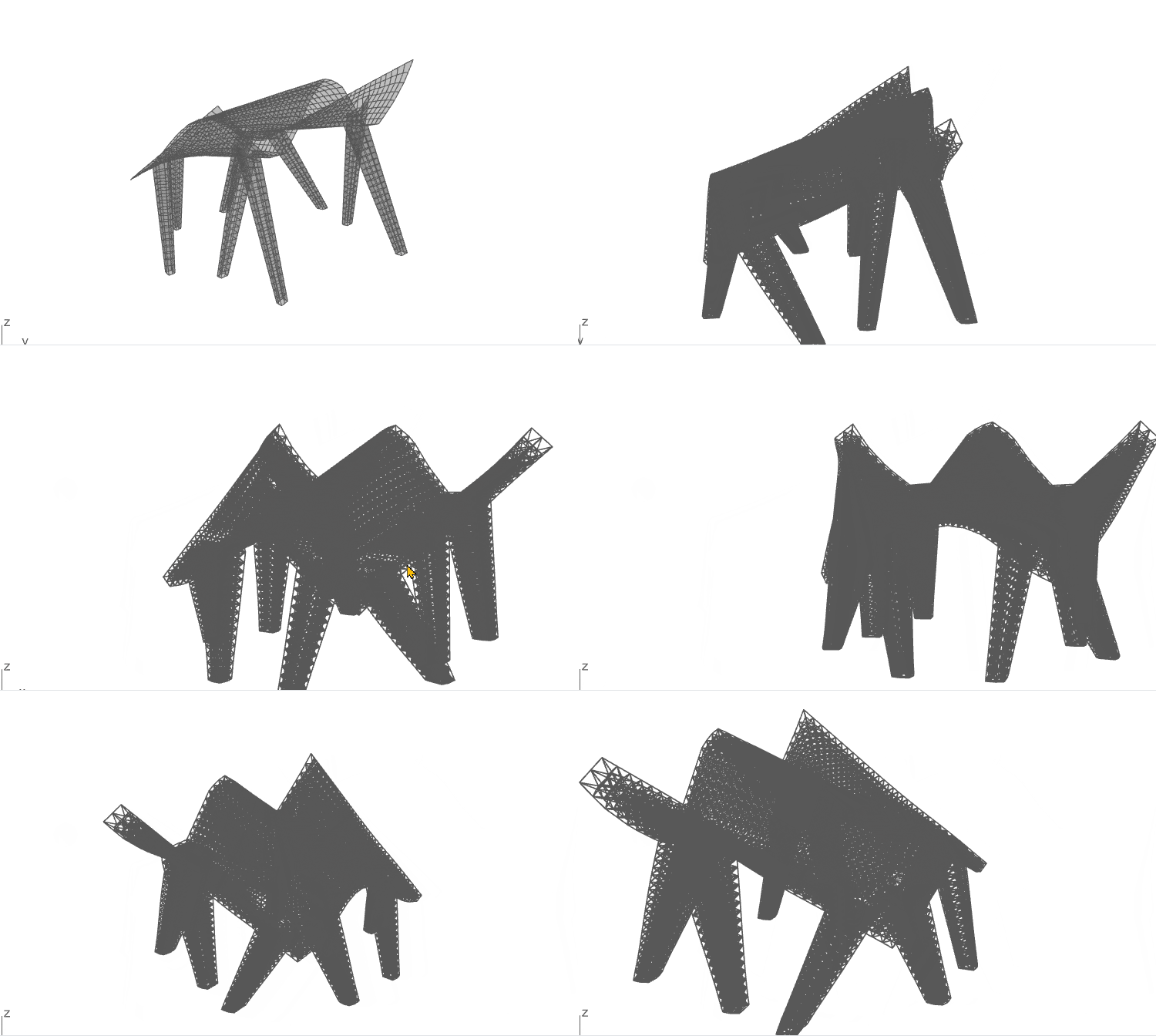
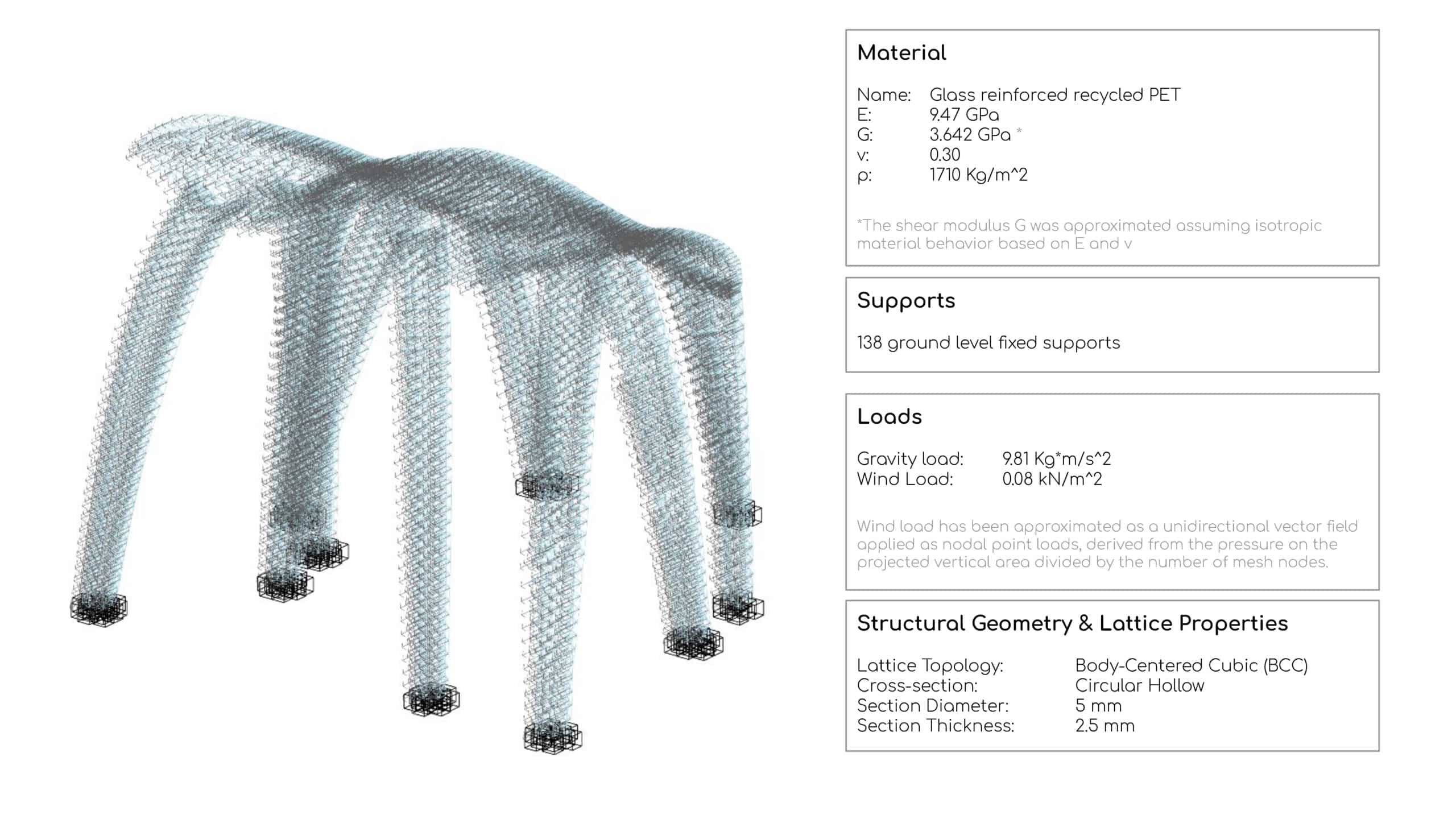
Structural model settings
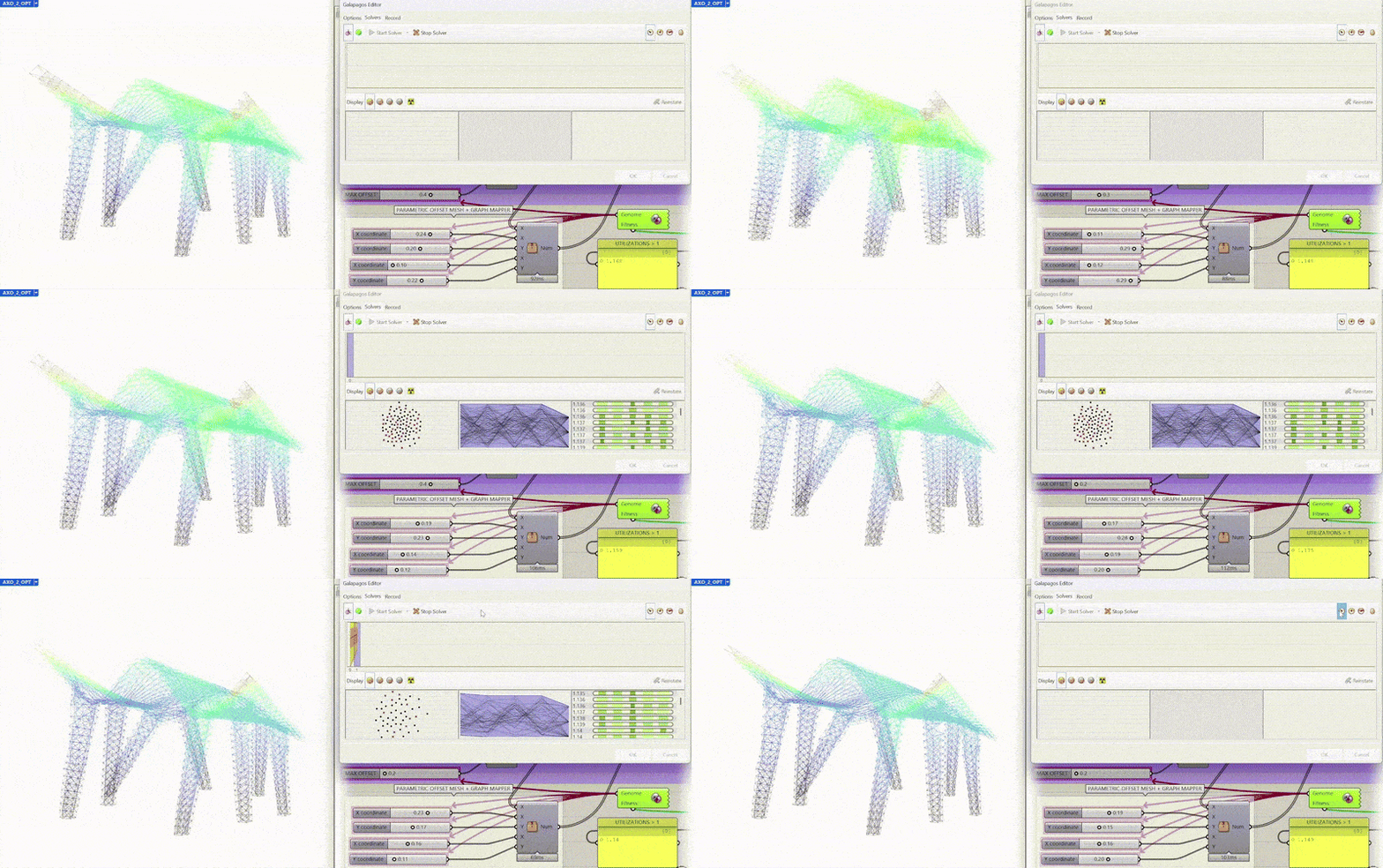
Mesh Offset Optimization
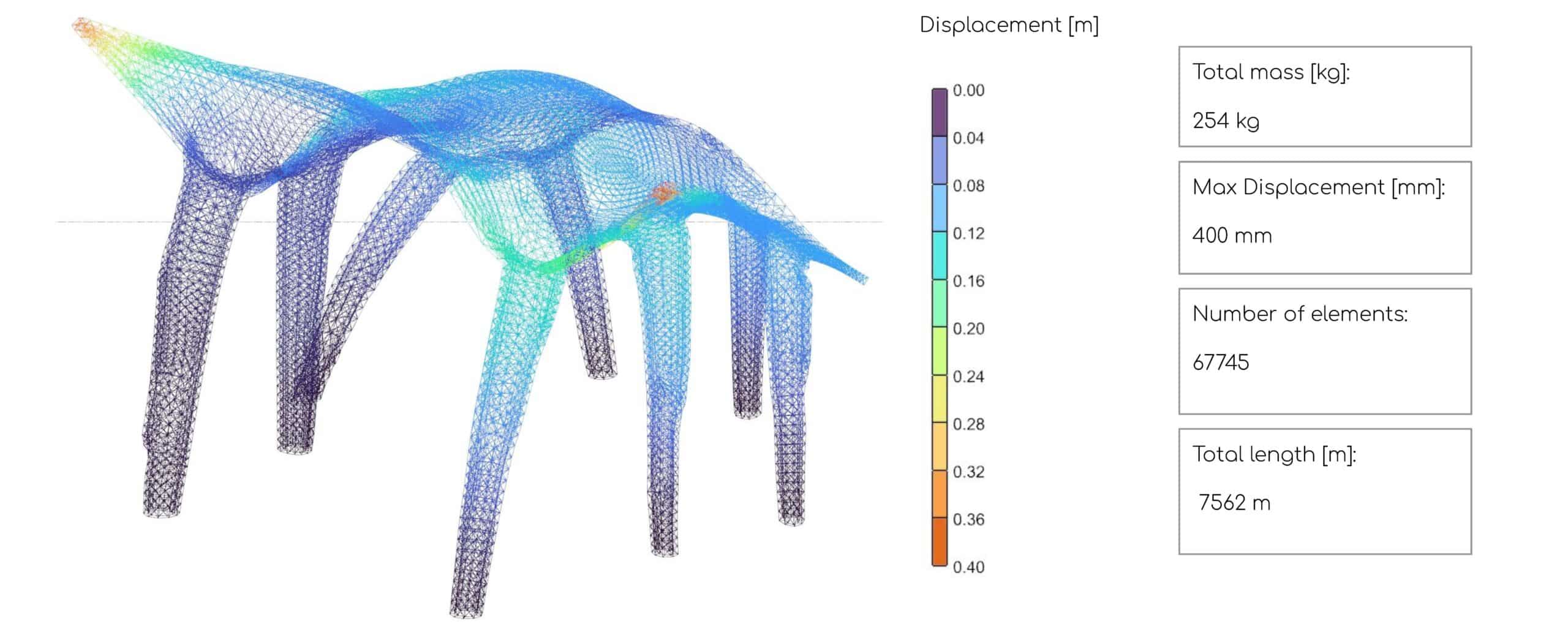
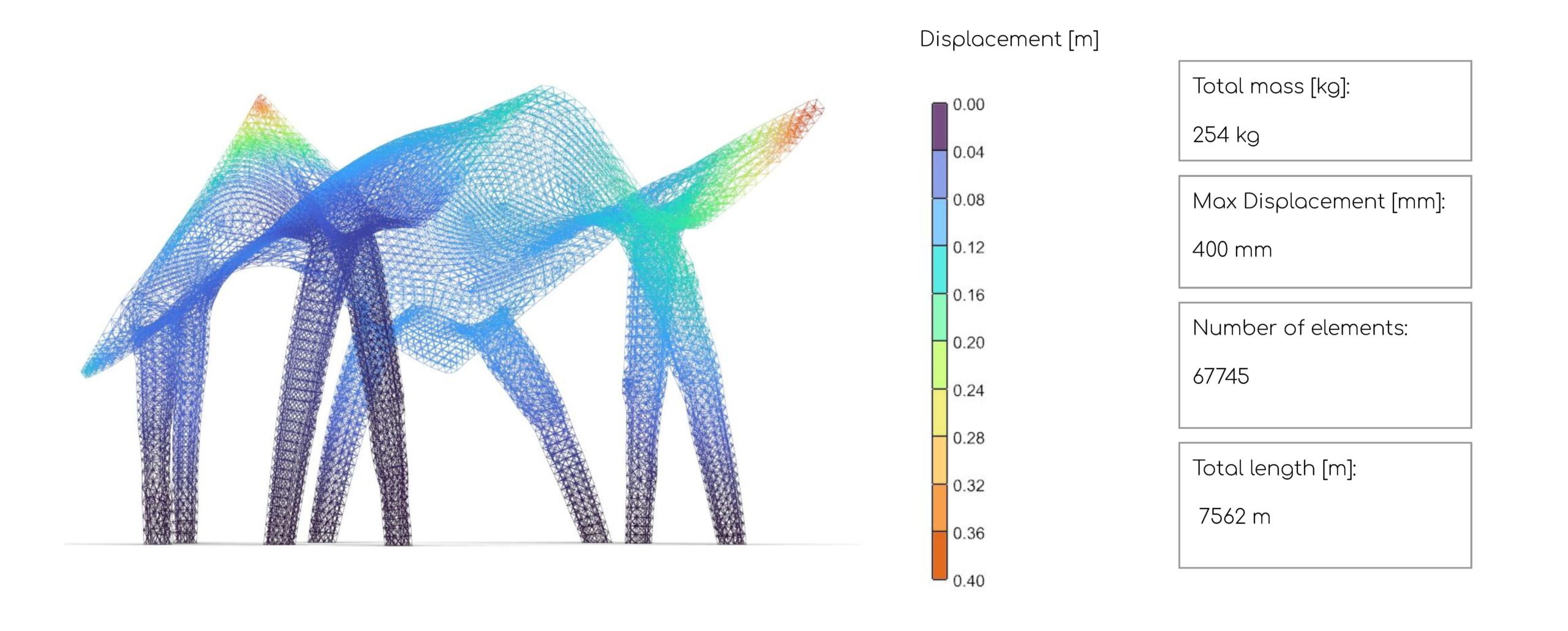
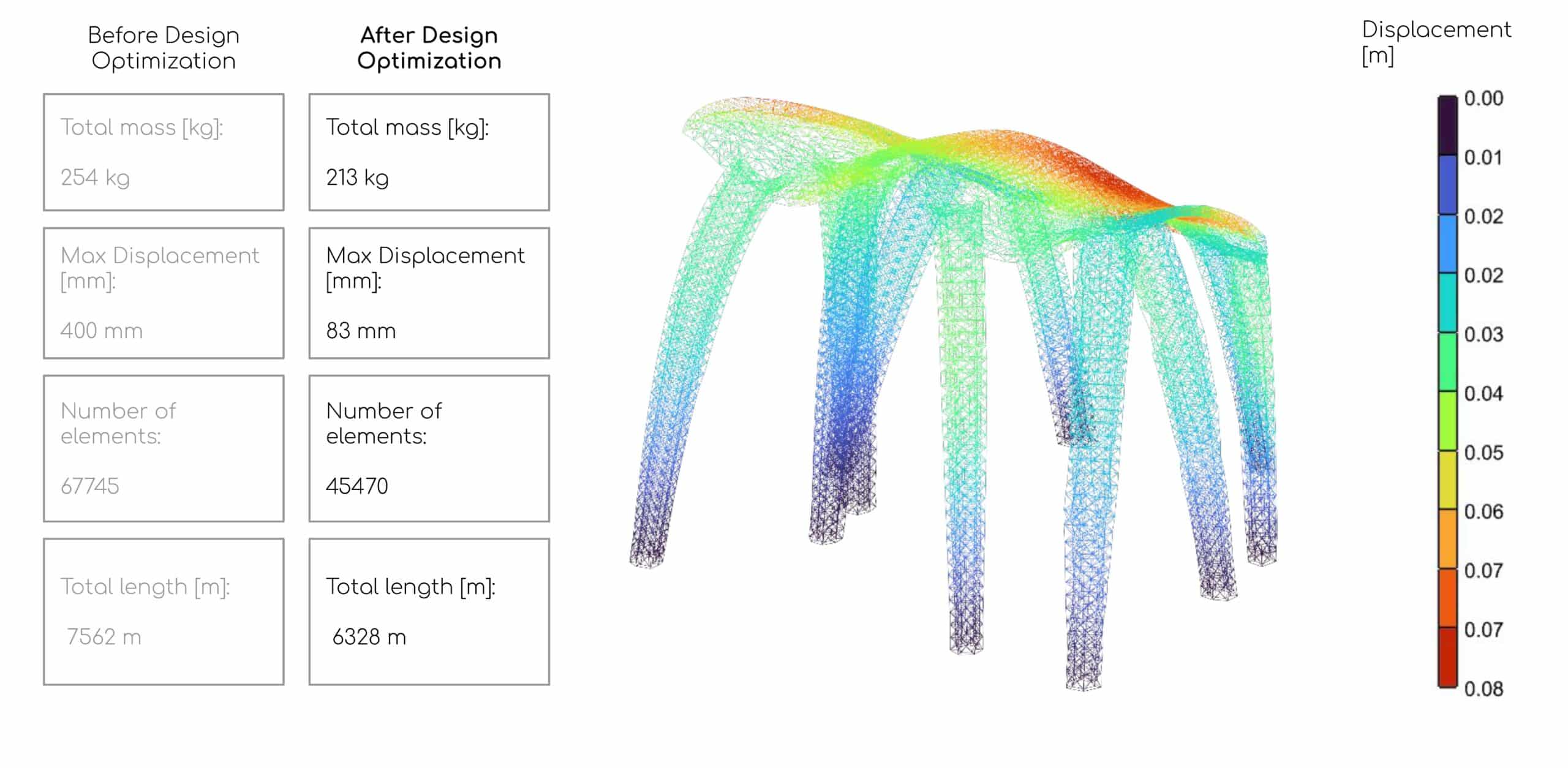
Deformed model data
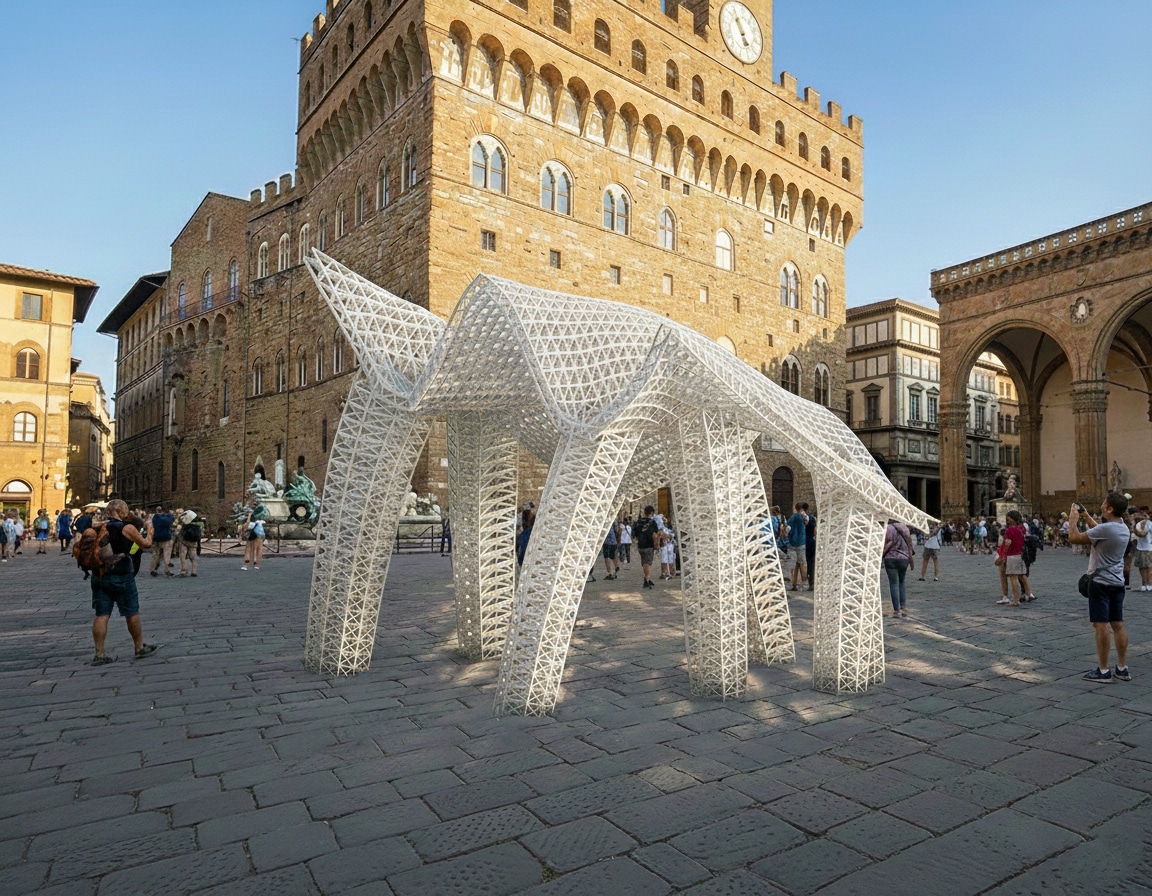
Visualizations

Revised Workflow – 2nd proposal
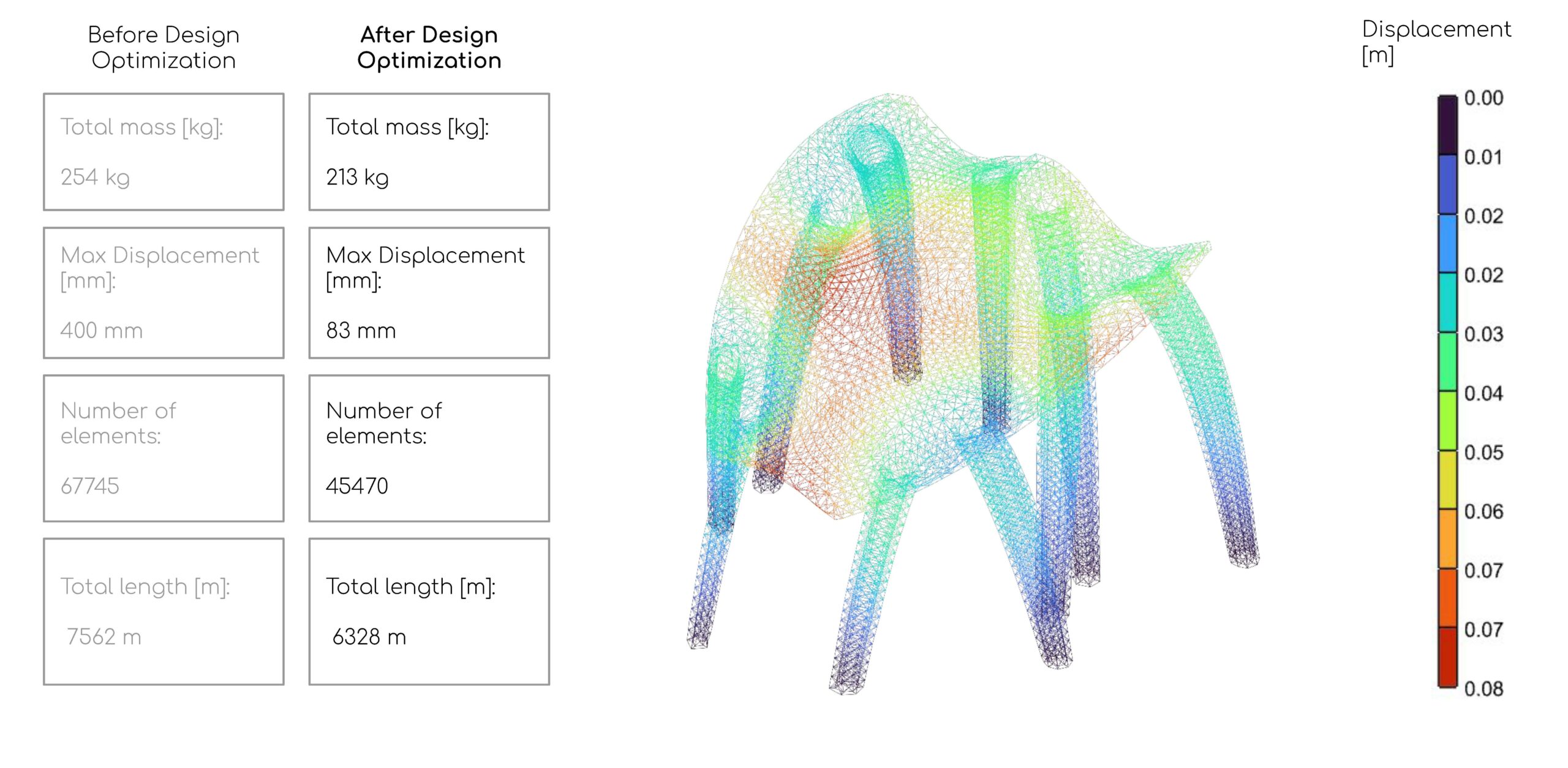
Deformed model data – 2nd proposal
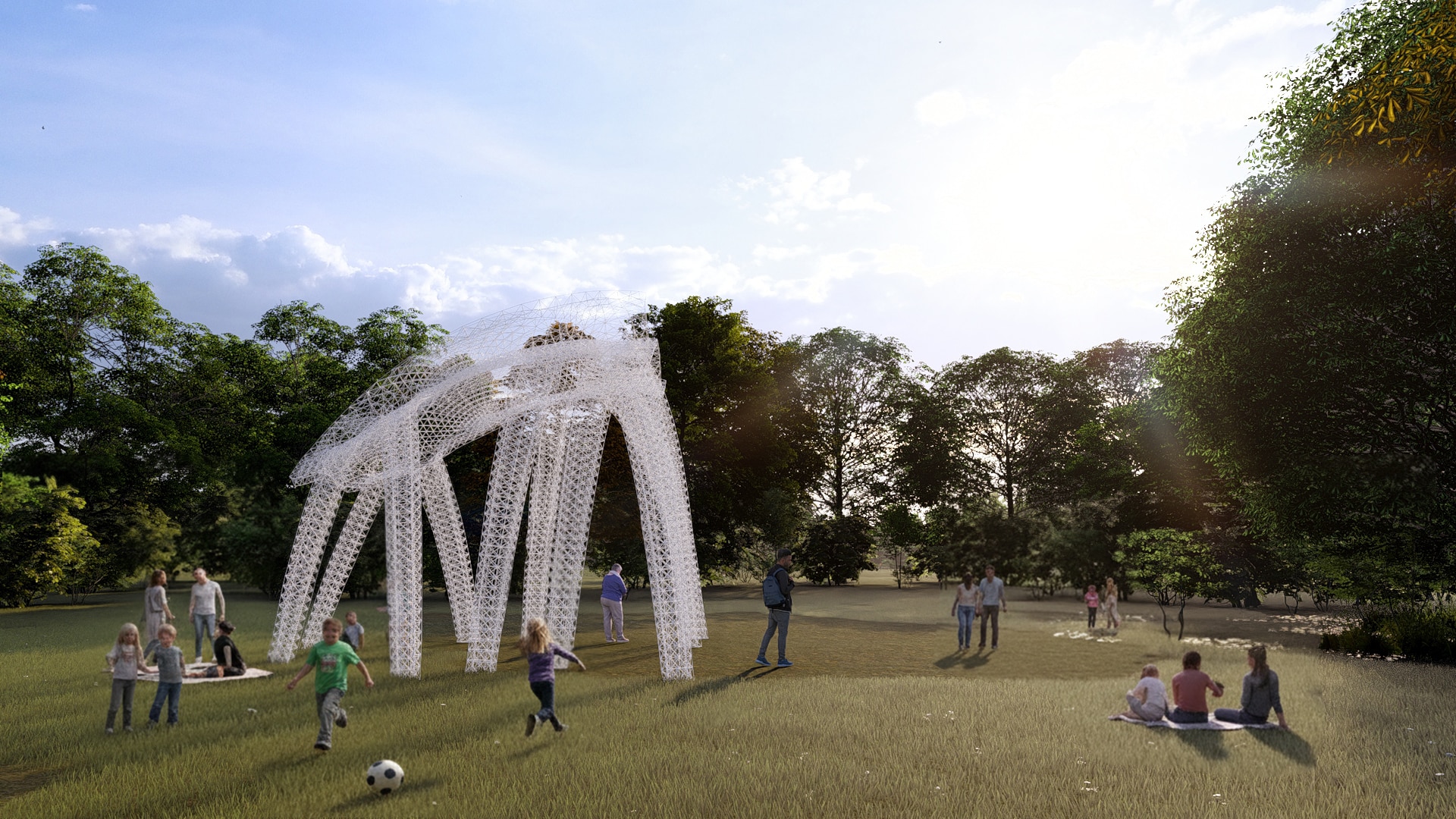
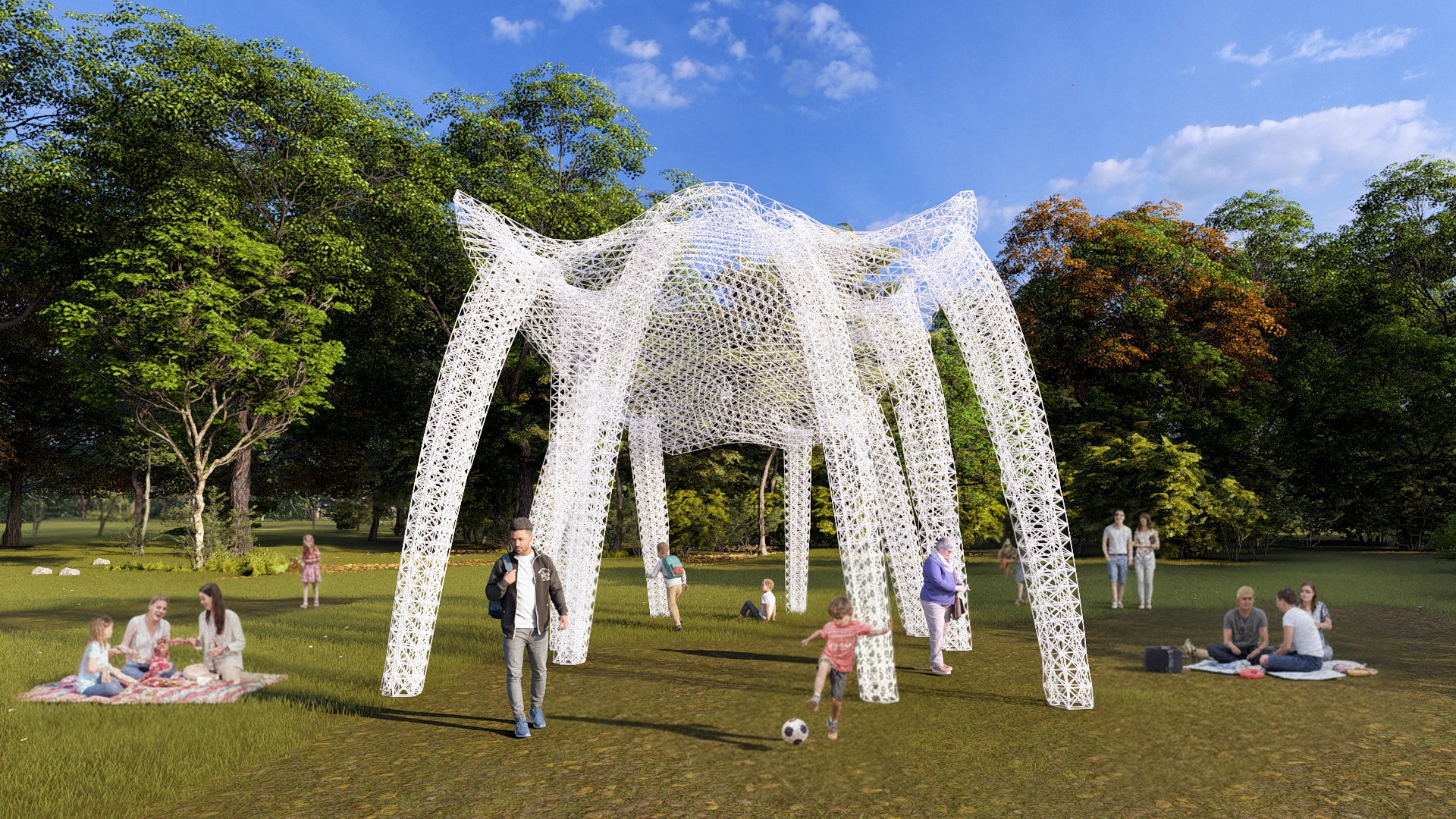
Visualization – 2nd proposal
Conclusions: Structural Optimization & Workflow Refinement
By taking a critical step back to reassess the global geometry, the initial form of the pavilion underwent significant structural modifications. The cantilevered portions of the roof were reduced in span, and additional structural pillars were integrated to provide a more direct load path to the ground. As a result, the global maximum displacement was considerably minimized.
Furthermore, a strategic decision was made to remove the outer boundary loop from the roof mesh, effectively eliminating the perimeter elements subjected to the highest stress concentrations. This design refinement led to a further reduction in maximum displacement, reaching a final value of 83 mm.
The impact on structural utilization was equally significant: the number of overutilized beams was drastically reduced, with only 6 elements exceeding capacity out of a total of approximately 45,500. While this iteration represents a substantial leap in performance, it is not yet the “perfect” solution; however, it demonstrates that through further refinement of the computational workflow, achieving the absolute structural optimum is well within reach.
