Within the current global context of rapid change, integrated with the potentials of digital technologies, IAAC’s Master in Advanced Architecture (MAA) is committed to the generation of new ideas and applications for Urban Design, Self Sufficiency, Digital Manufacturing Techniques and Advanced Interaction.

In this context IAAC works with a multidisciplinary approach, facing the challenges posed by our environment and the future development of cities, architecture and buildings, through a virtuous combination of technology, biology, computational design, digital and robotic fabrication, pushing innovation beyond the boundaries of a more traditional architectural approach.

Filters
Course

BIO FLOW

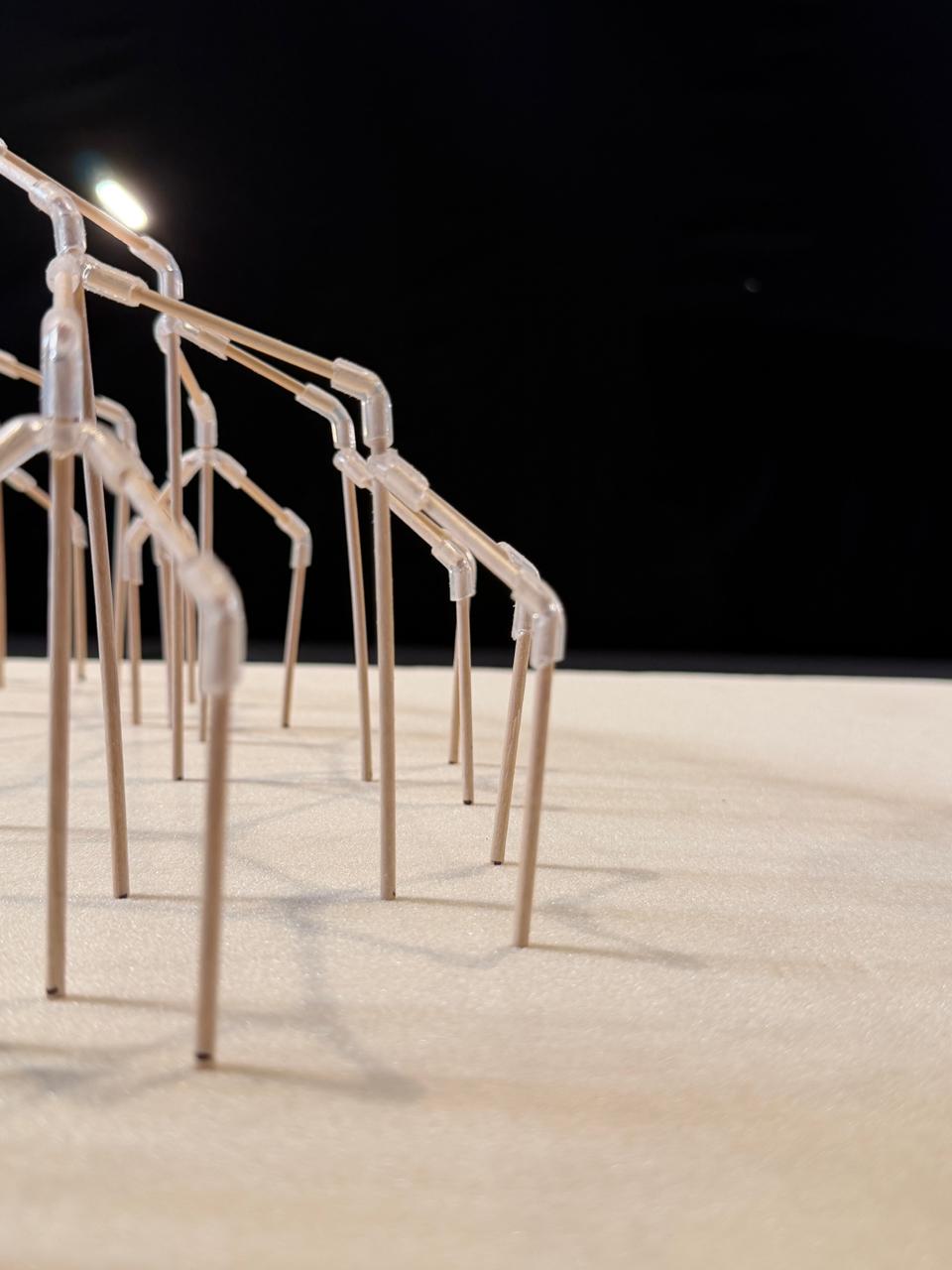
“ An AR-Driven Biomimetic Pavilion Generated Through Environmental Field Behavior “ Architectural pavilion design and fabrication often require complex digital workflows, technical expertise, and multiple visualization tools, making the process difficult for rapid concept development and real-world understanding. Designers also face challenges in translating organic, nature-inspired forms into fabrication-friendly structures.  BIOMIMICRY PAVILIONS Organic Geometry Biomimicry … Read more

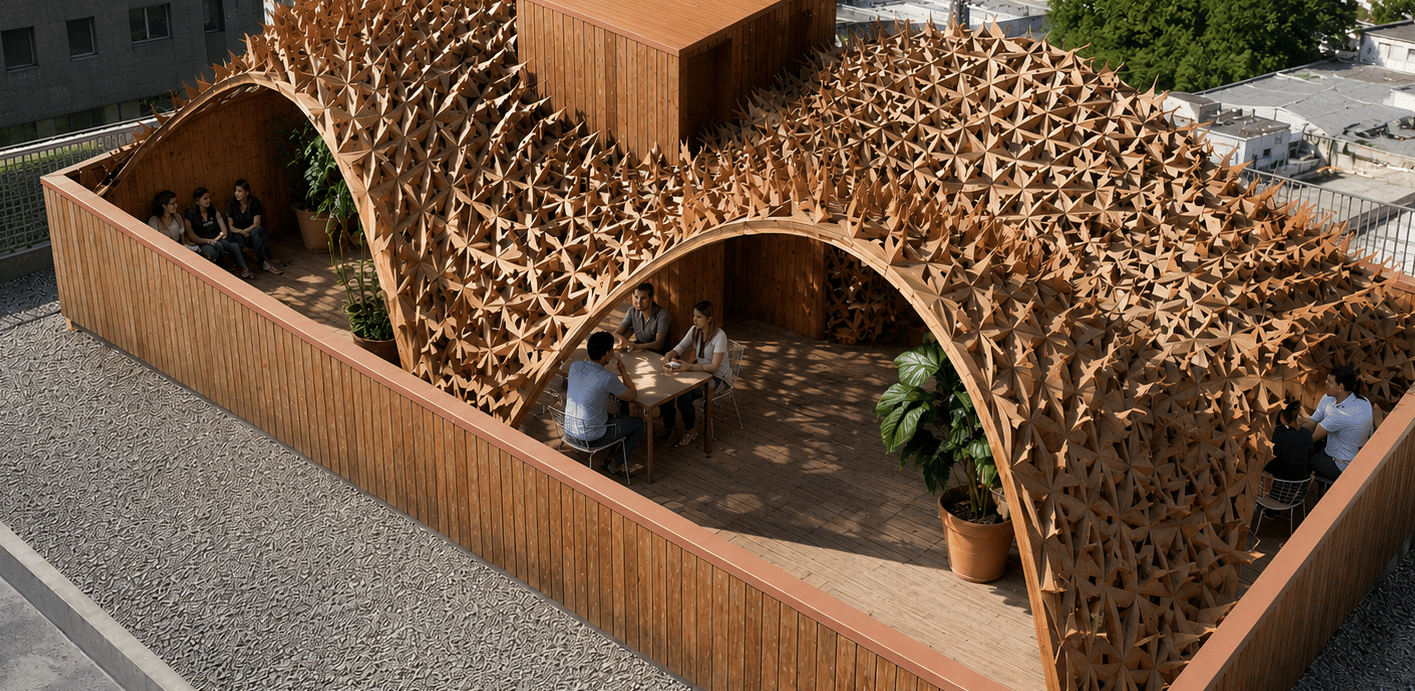
MORPHOLOGIES OF SHADE: A Computationally Optimized Pavilion for the IAAC Rooftop.

Abstract Morphologies of Shade explores the design of a computationally optimized pavilion for the rooftop of the Institute for Advanced Architecture of Catalonia (IAAC) in Barcelona. The project responds to the environmental challenges of excessive solar exposure and strong wind conditions that limit the usability of the rooftop throughout the day. Inspired by natural canopy … Read more

Project Michigan

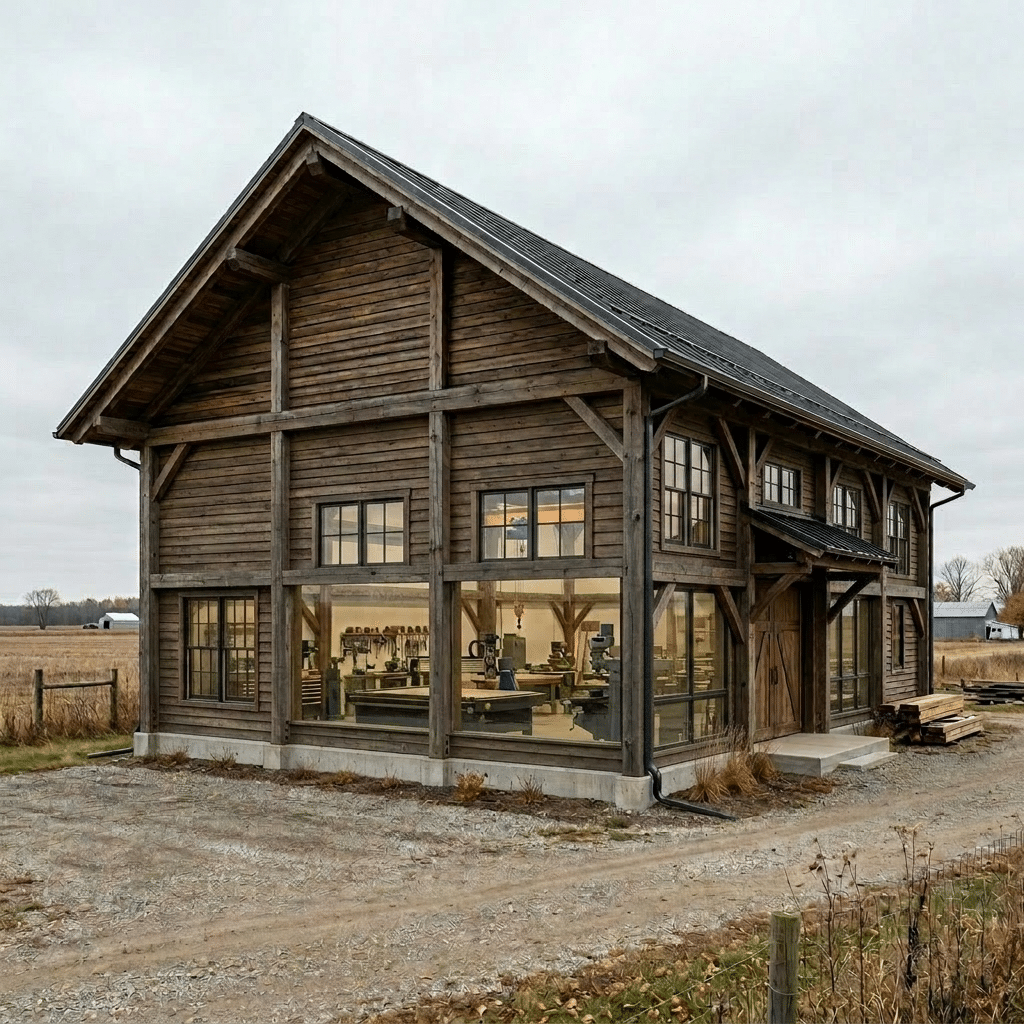
Using climate clustering, vernacular precedent research, and evolutionary optimisation to create climate-responsive design typologies when no established local precedent exists Overview Lovingly named after the very first test location, Project Michigan is a tool that provides climate-responsive design guidelines when no local vernacular precedent exists. Through scraping climate data and global vernacular information, it helps … Read more

KINXA | Form Finding Optimization

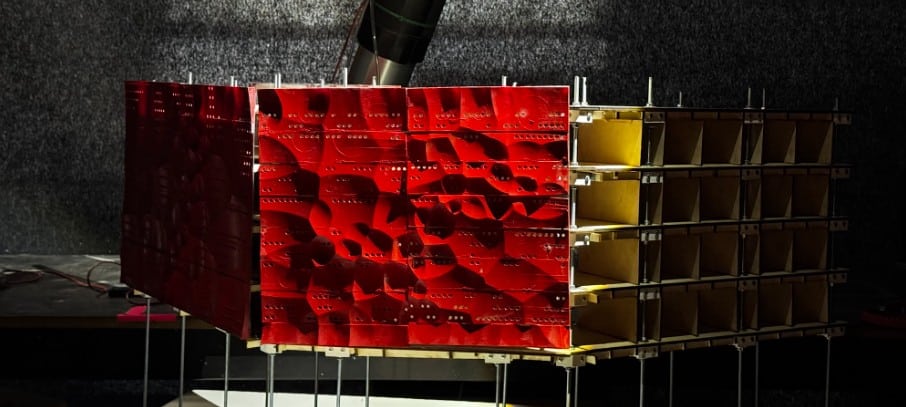
As an extension to our Digital Matter studio project, KINXA, developed the computational design portion utilizing Grasshopper to combine both the use climate analyses and optimizing tools to help us generate the most suitable design iteration for our project. PROJECT CONTEXT KINXA’s Mission: KINXA aims to bring vernacular construction back into contemporary architecture by systemizing … Read more

Evolving Architecture: Genetic Optimization of a Pavilion through Solar Analysis

Project by Saad Khan and Sai Mohan Satwik Introduction- Evolution In nature, evolution is the quiet engineer — iterating lifeforms through adaptation, selection, and mutation to thrive in ever-changing environments. From the spiral of a seashell to the branching of trees, nature doesn’t design — it evolves. Inspired by this process, computational design tools now … Read more

EcoTessara

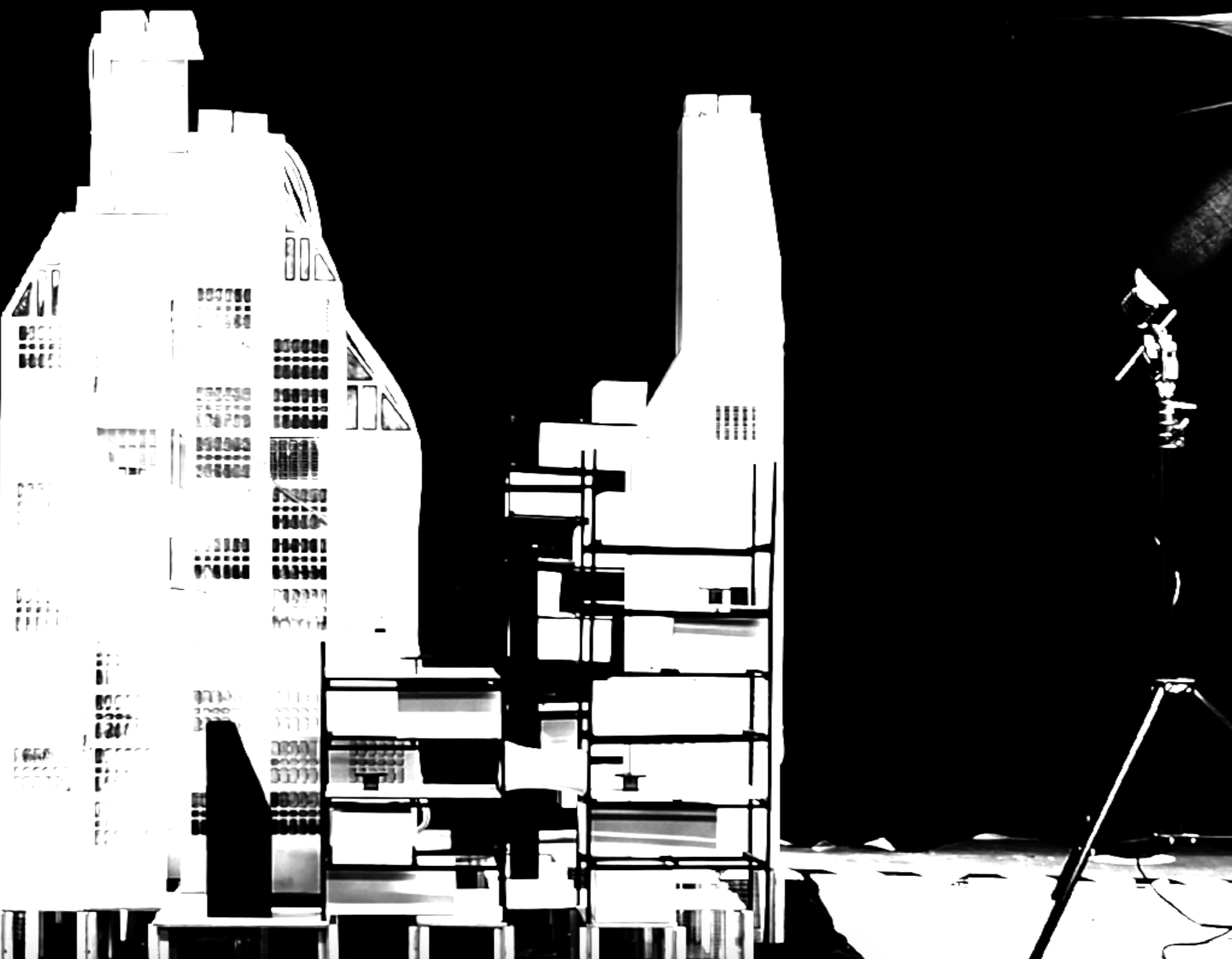
MANIFESTO In the tightly packed neighborhood of To Kwa Wan, space is limited and buildings are pressed close together, making it tough to design high-rises that feel light, breezy, and livable.This project uses generative design tools like Grasshopper and Wallacei to explore better ways of shaping a new tower near Kwun Shan Court.The goal is … Read more

Mush.FORM

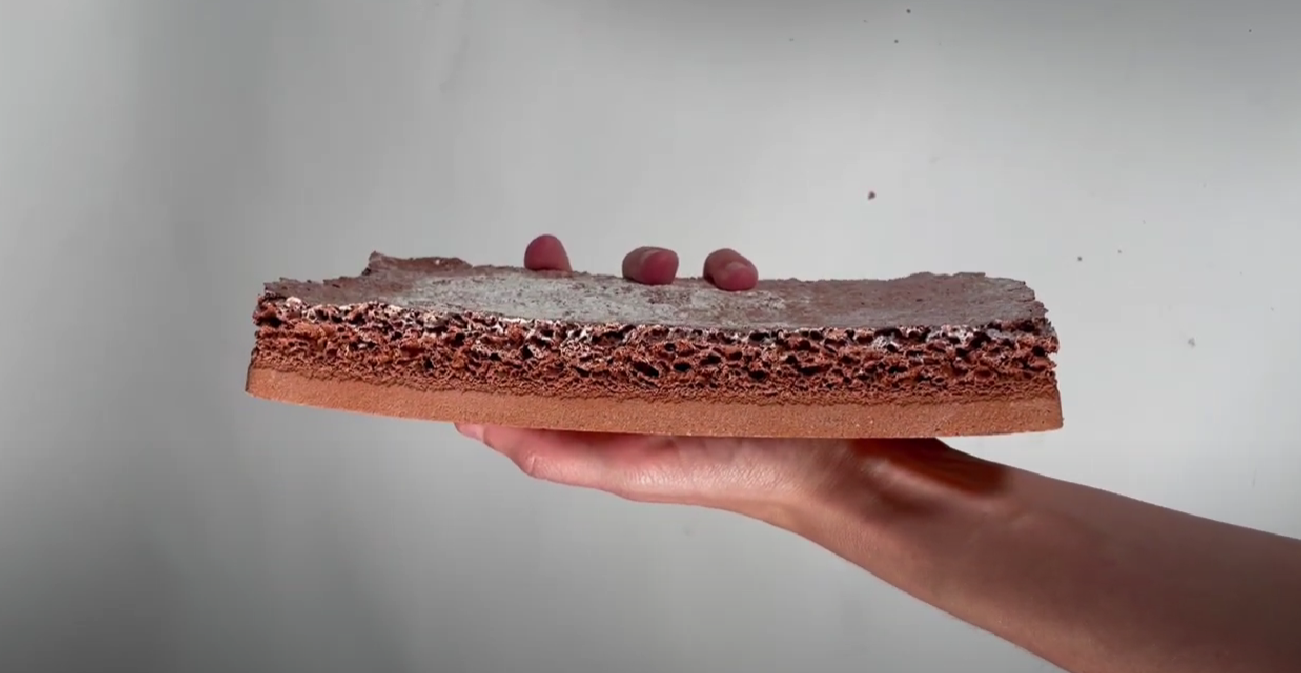
Multi-objective optimization – a living panel grown from bio-waste, offering thermal and acoustic comfort. designed as a retrofit solution for the existing low-energy-performance building stock, it’s paired with a digital tool and suggests the best optimized panel for acoustics and thermal resistance, bringing sustainable design to your fingertips. This study introduces a form-finding method for … Read more

TREE WISE

TIMBER SENSING TECHNOLOGY A material system combining timber and graphene, replacing traditional sensors through graphene’s sensing capabilities. This innovative approach allows first, real-time tracking of deformations inside the wood. Second, creating a digital twin that improves maintenance efficiency in the operational phase. Third, providing a detailed service life passport, this system supports reuse and reduces … Read more

Tiny Topographies

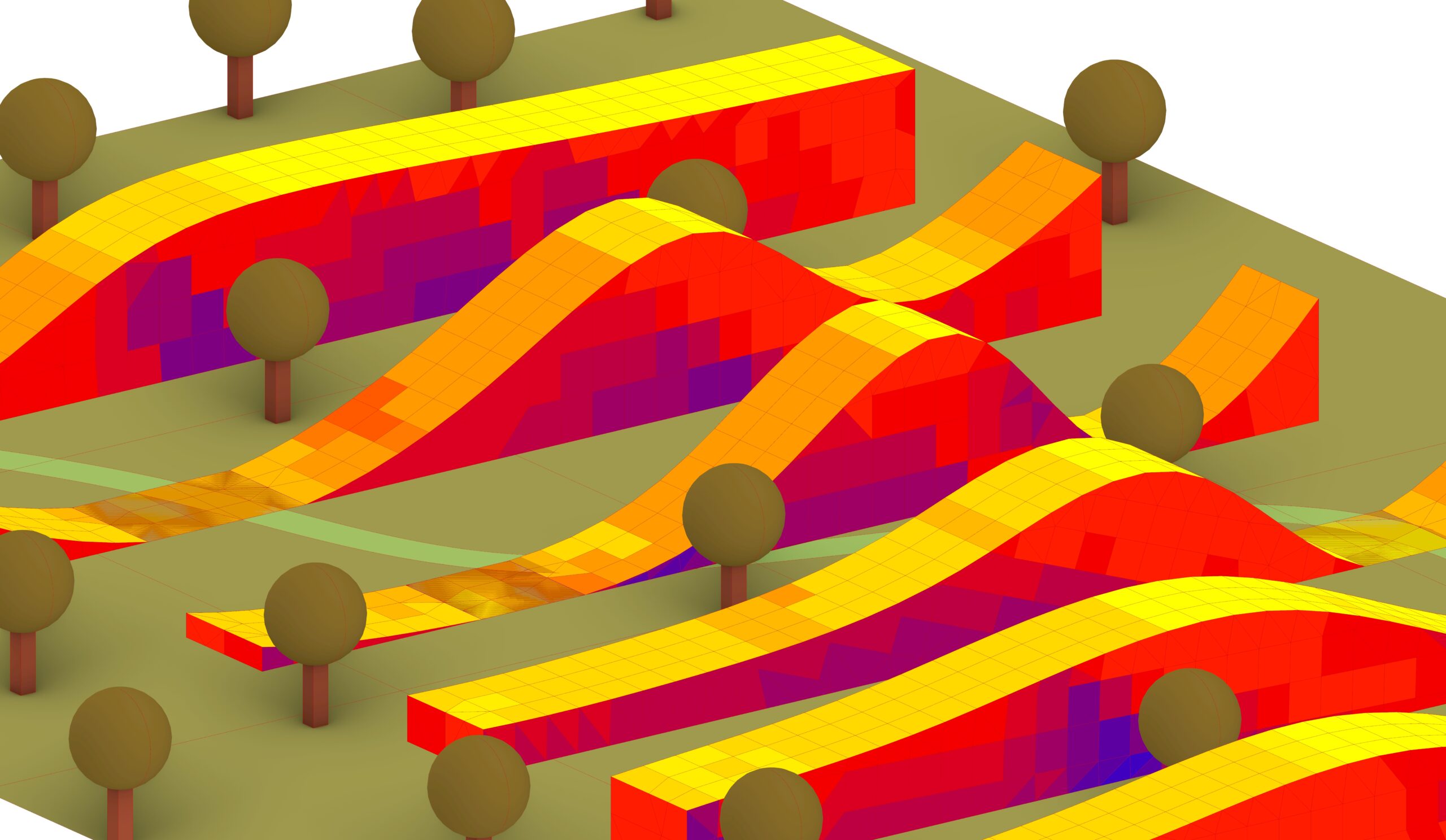
Optimizing Bar Buildings for Sunlight and Pathways The aim of this project was to design a typology of housing is needed that resembles small, artificial terrains. The Bar Building typology will have set of long, dense buildings that will mimic the form of a topography. The forms will need to be optimized to allow for all the … Read more

SWARM_FACADE

SWARM_FACADE investigates using swarm intelligence principles (separation, alignment, and cohesion) in architectural design and façade construction. By employing multi-agent-based swarm intelligence algorithms, a conceptual design method was introduced. Evolutionary optimization and parametric control were applied to define solid-void elements in the building façade. The resulting façade variations were optimized and evaluated based on relative daylight … Read more