Within the current global context of rapid change, integrated with the potentials of digital technologies, IAAC’s Master in Advanced Architecture (MAA) is committed to the generation of new ideas and applications for Urban Design, Self Sufficiency, Digital Manufacturing Techniques and Advanced Interaction.

In this context IAAC works with a multidisciplinary approach, facing the challenges posed by our environment and the future development of cities, architecture and buildings, through a virtuous combination of technology, biology, computational design, digital and robotic fabrication, pushing innovation beyond the boundaries of a more traditional architectural approach.

Filters
Course

Facade Energy Optimization

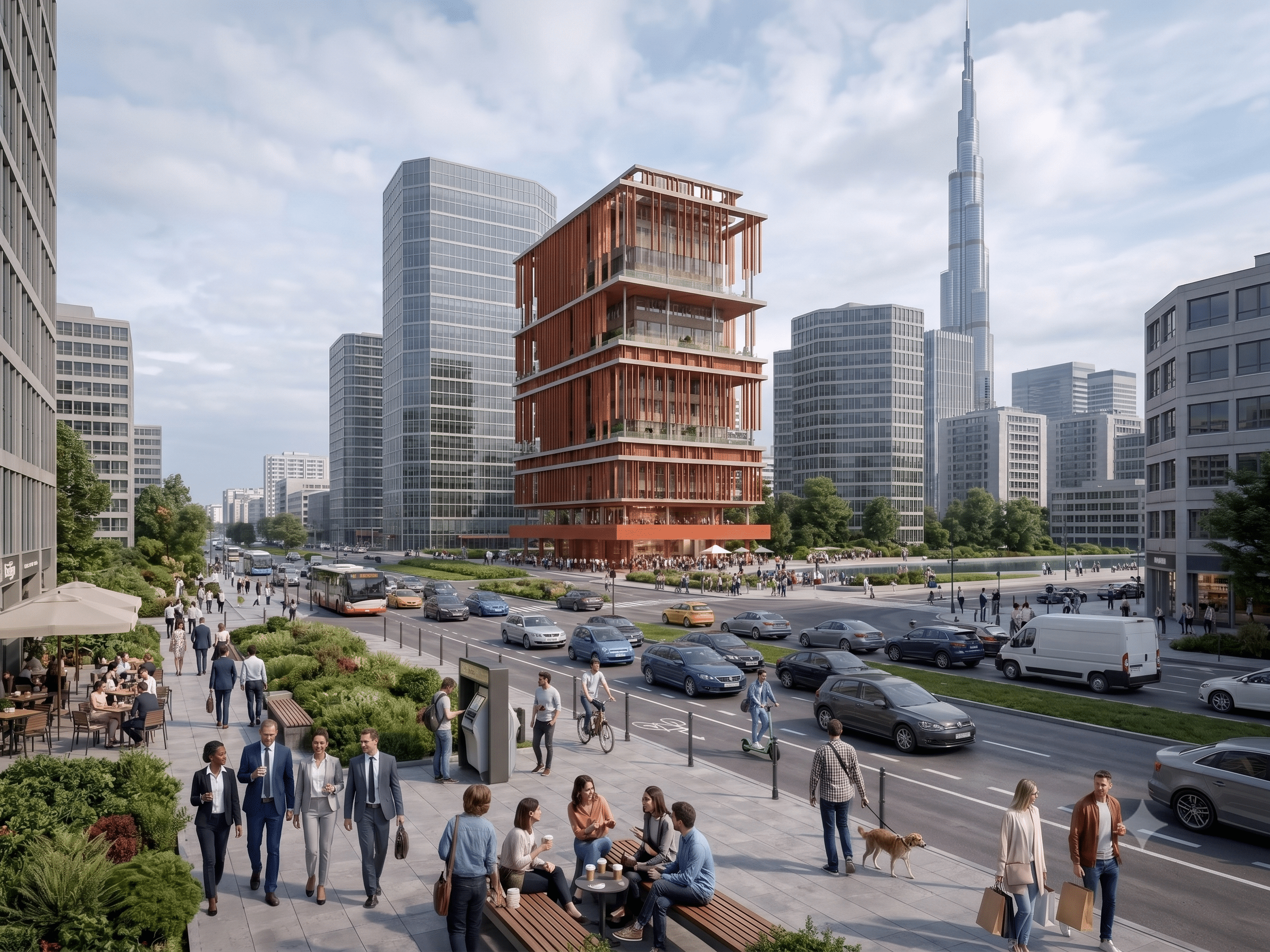
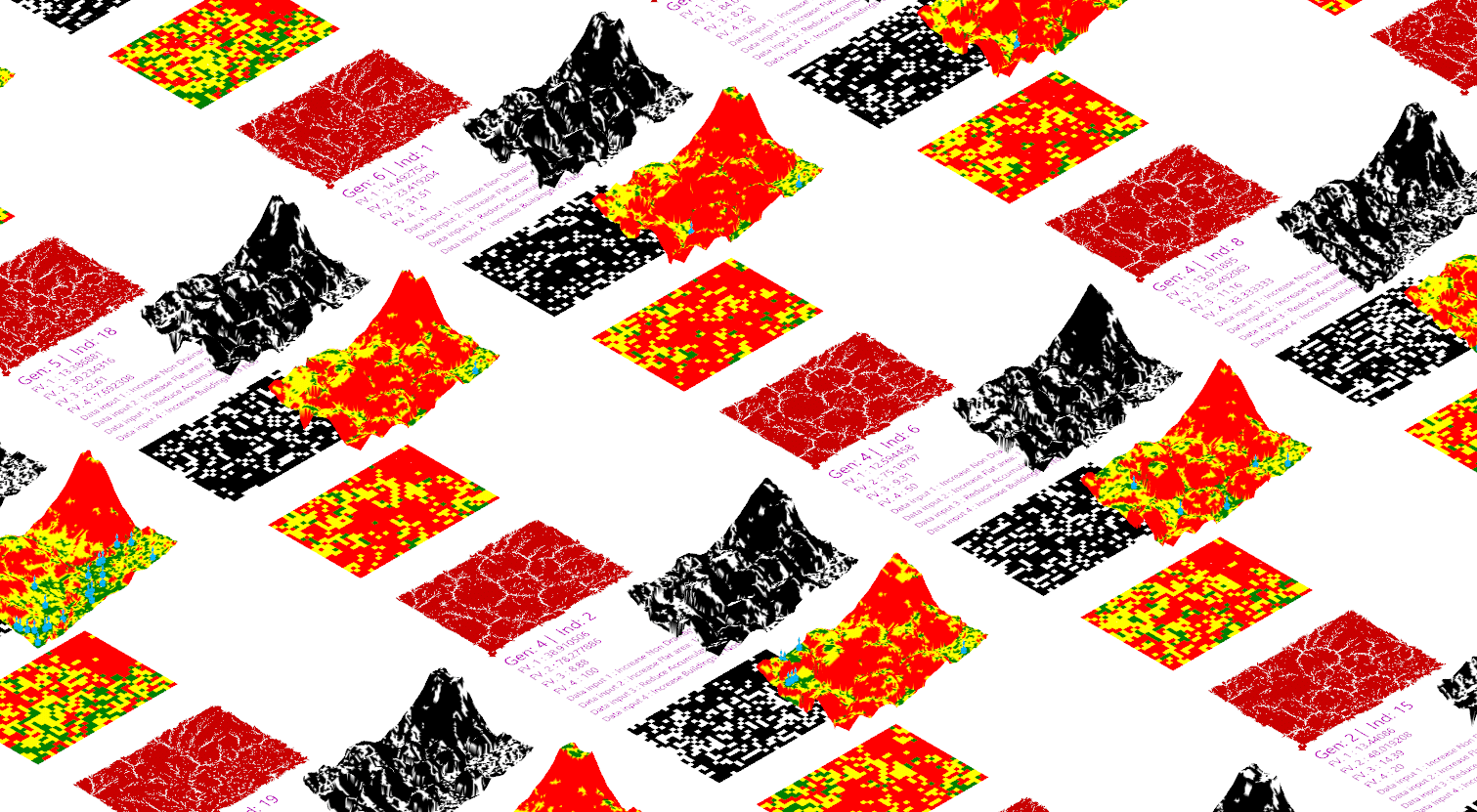
This research explores the use of Wallacei X to optimize a parametric facade for a site in Dubai, UAE. The study evaluates facade performance based on four objectives: maximizing sun hours, minimizing solar radiation, minimizing material consumption, and maximizing views. Through evolutionary optimization, hundreds of design variations were generated and assessed, revealing the trade-offs between … Read more

Weathered Form

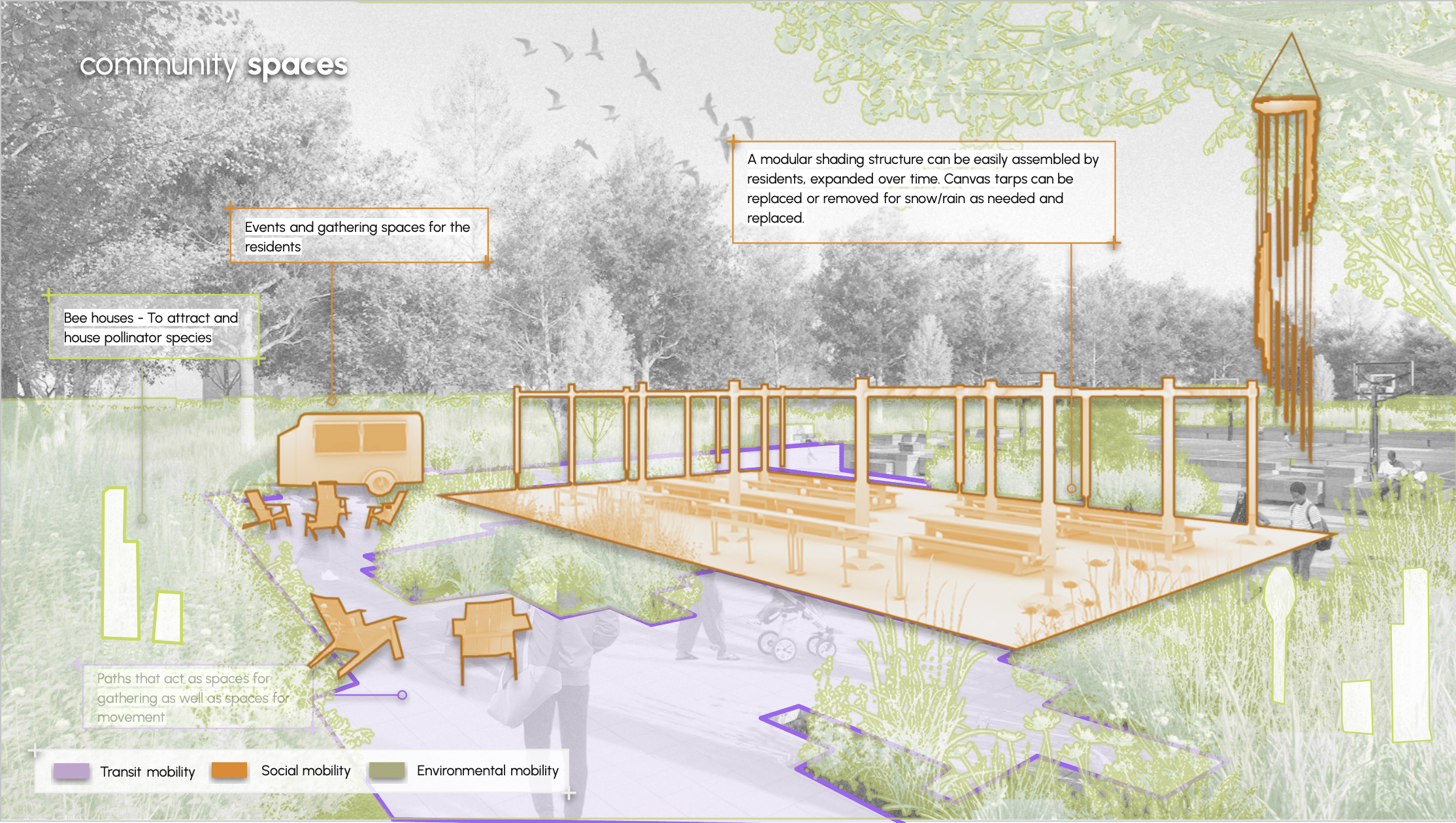
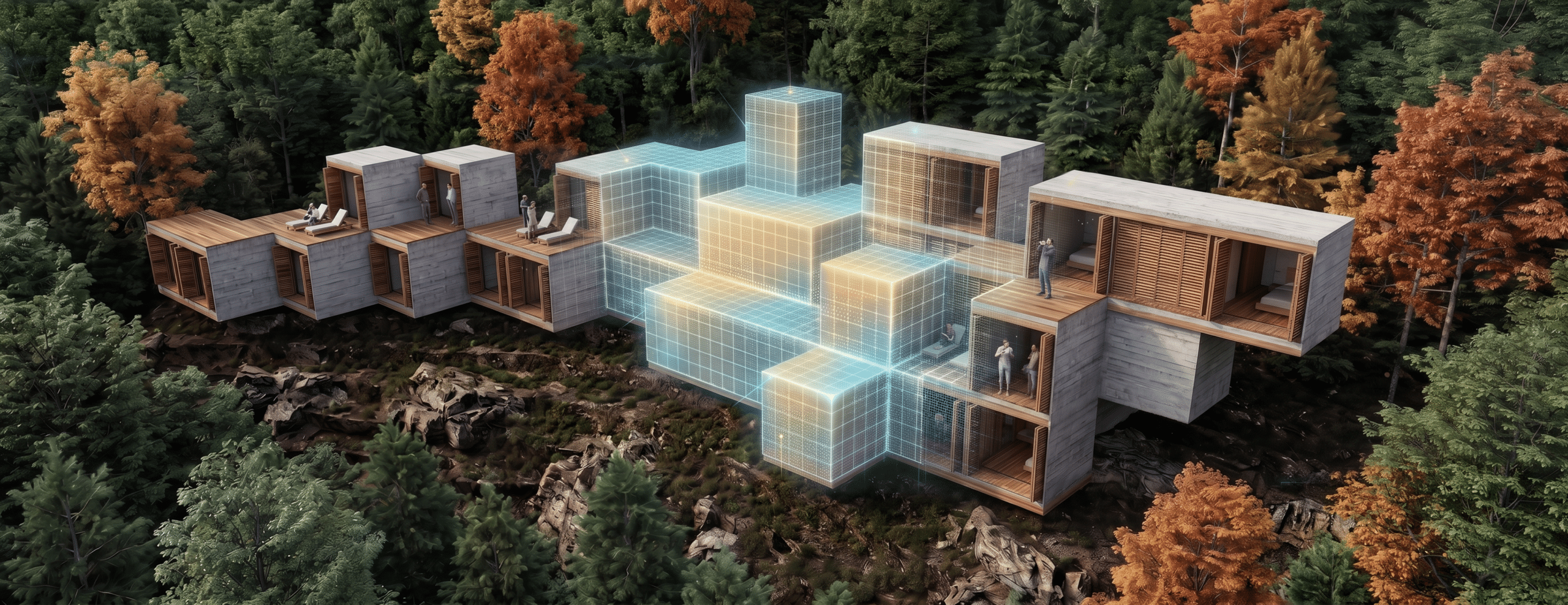
This project turns wind and snow into design tools. Instead of starting with a fixed form, environmental forces drive the geometry, generating adaptive architectures that evolve through performance. Project Description The site spans 39 acres and consists of two adjacent properties: Trumbull Park Homes, established in 1938 and owned and operated by the Chicago Housing Authority (CHA), occupies 21 acres and contains 454 housing units; … Read more

BIO FLOW

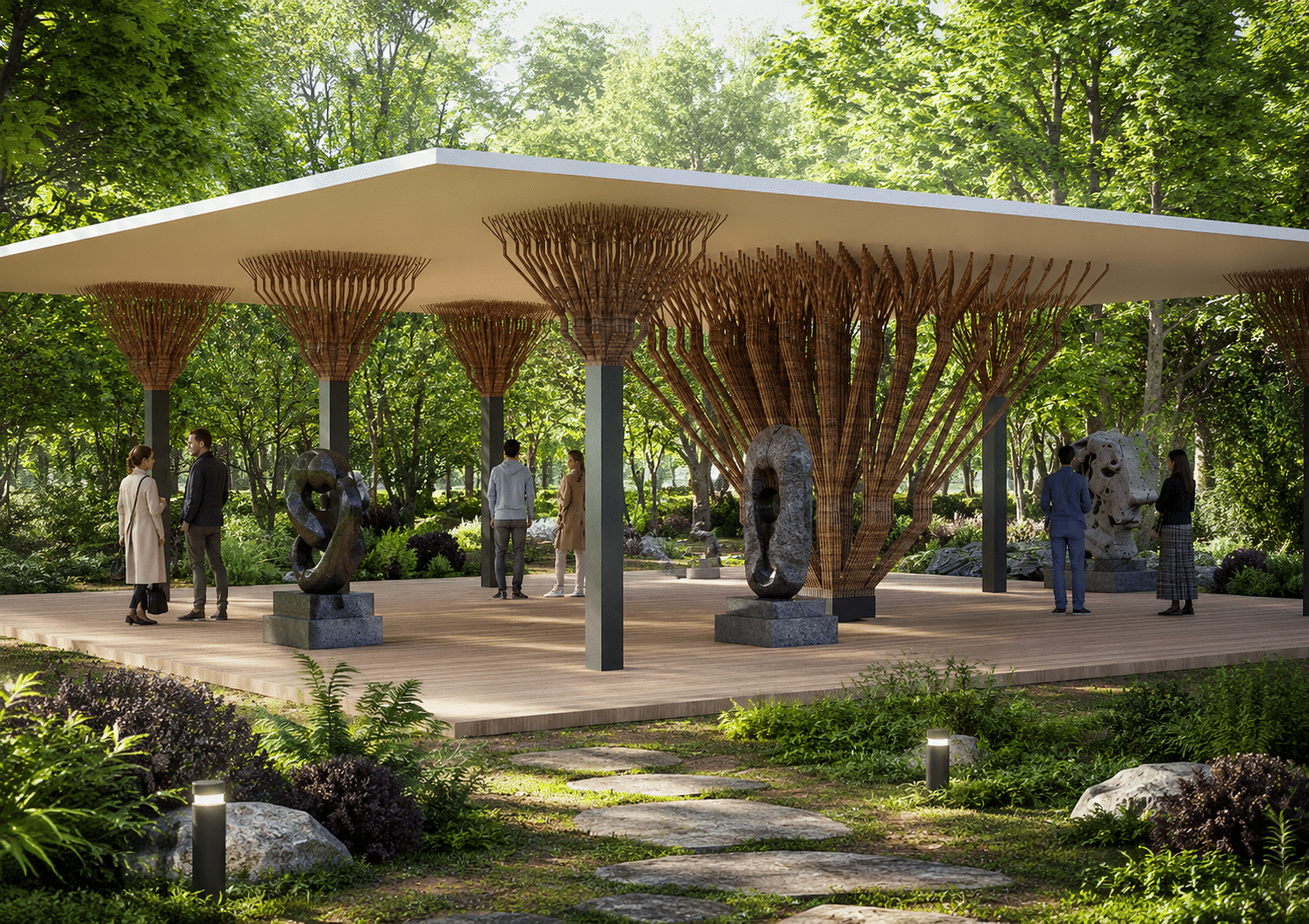
“ An AR-Driven Biomimetic Pavilion Generated Through Environmental Field Behavior “ Architectural pavilion design and fabrication often require complex digital workflows, technical expertise, and multiple visualization tools, making the process difficult for rapid concept development and real-world understanding. Designers also face challenges in translating organic, nature-inspired forms into fabrication-friendly structures.  BIOMIMICRY PAVILIONS Organic Geometry Biomimicry … Read more

L.O.O.P. Evolution 

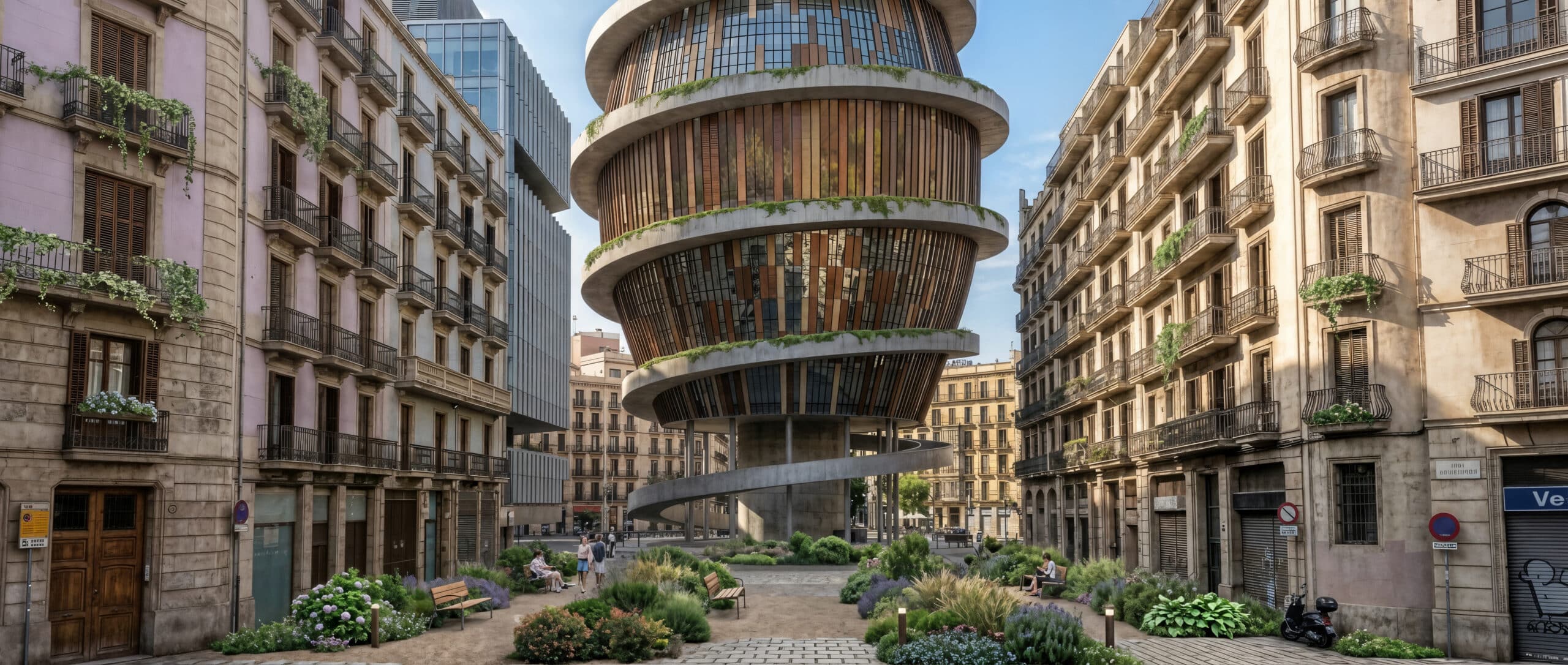
Project Selection L.O.O.P is a project developed in the Introductory Studio G1 with Carmelo Zappulla, Sebastian Amorelli and Amin Bigdeli.The project takes shape as a continuous green spiral that lifts both housing and public space off the sealed ground, freeing the courtyard and threading a biodiverse path vertically through the Eixample block.  Computational Method Parametric … Read more

Osteomorphic optimization

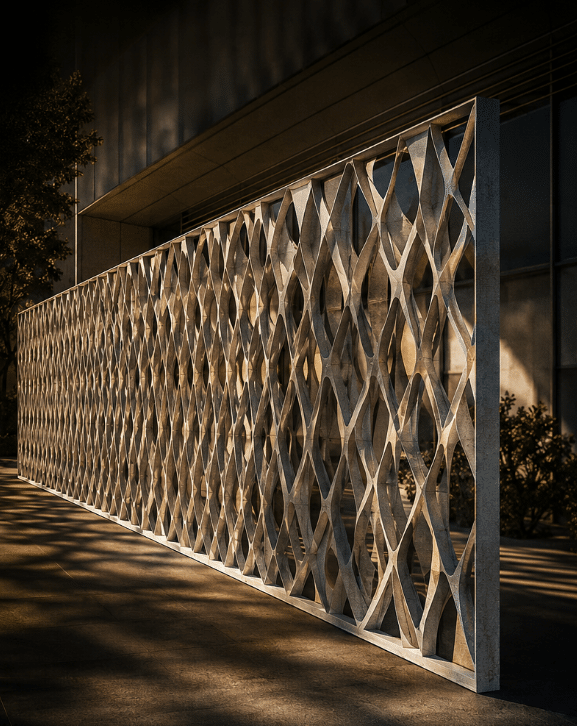
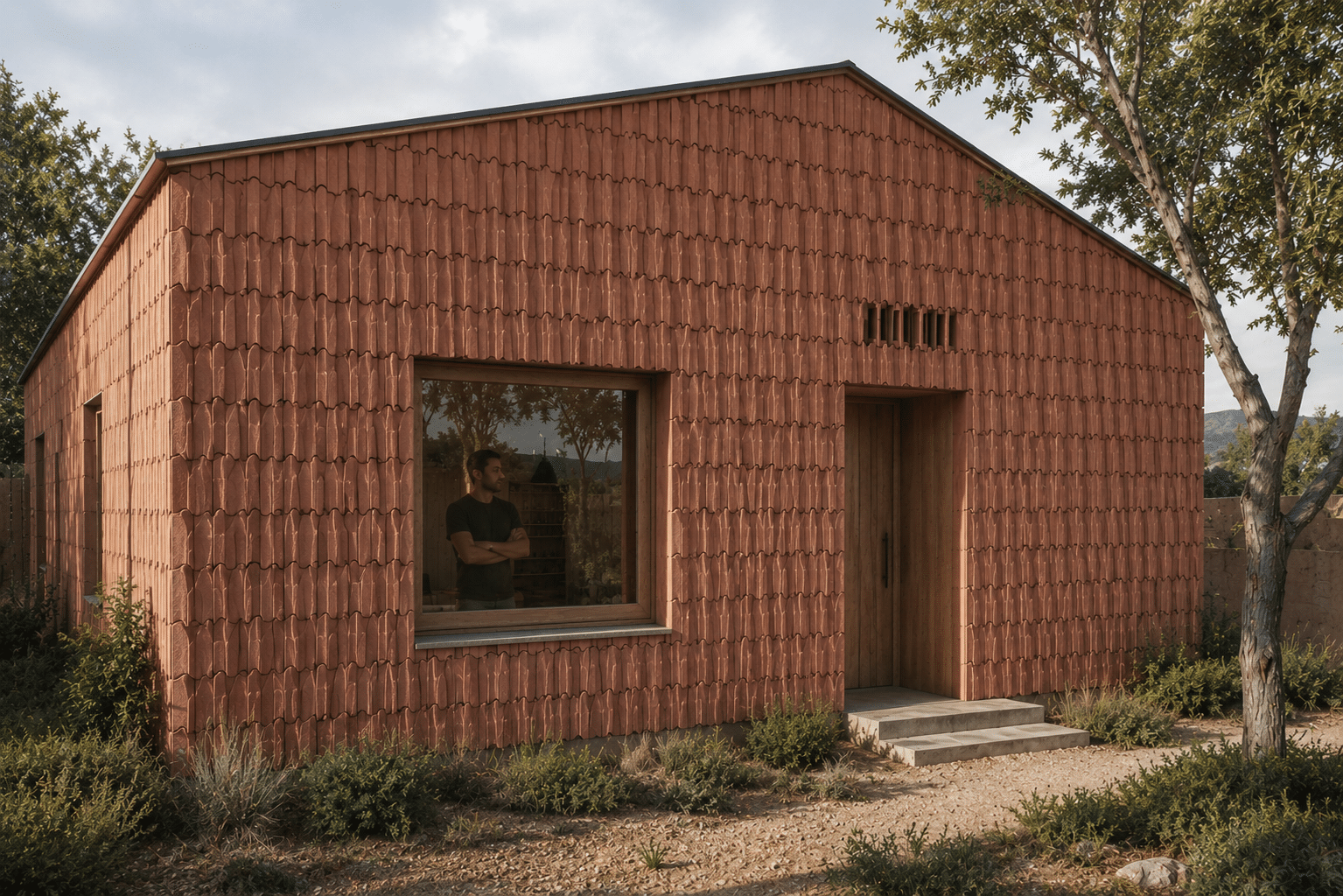
A TerraFormed production CONTEXT TerraFormed is an ongoing project developed within Digital Matter Studio 2026 that implements osteomorphic blocks as a standardizable and industry-compatible approach for producing a novel geopolymer material within a sustainable construction framework. DESIGN OBJECTIVES Osteomorphic blocks are primarily governed by the parameters of the sine curve that defines their geometry. This … Read more

Sunburn

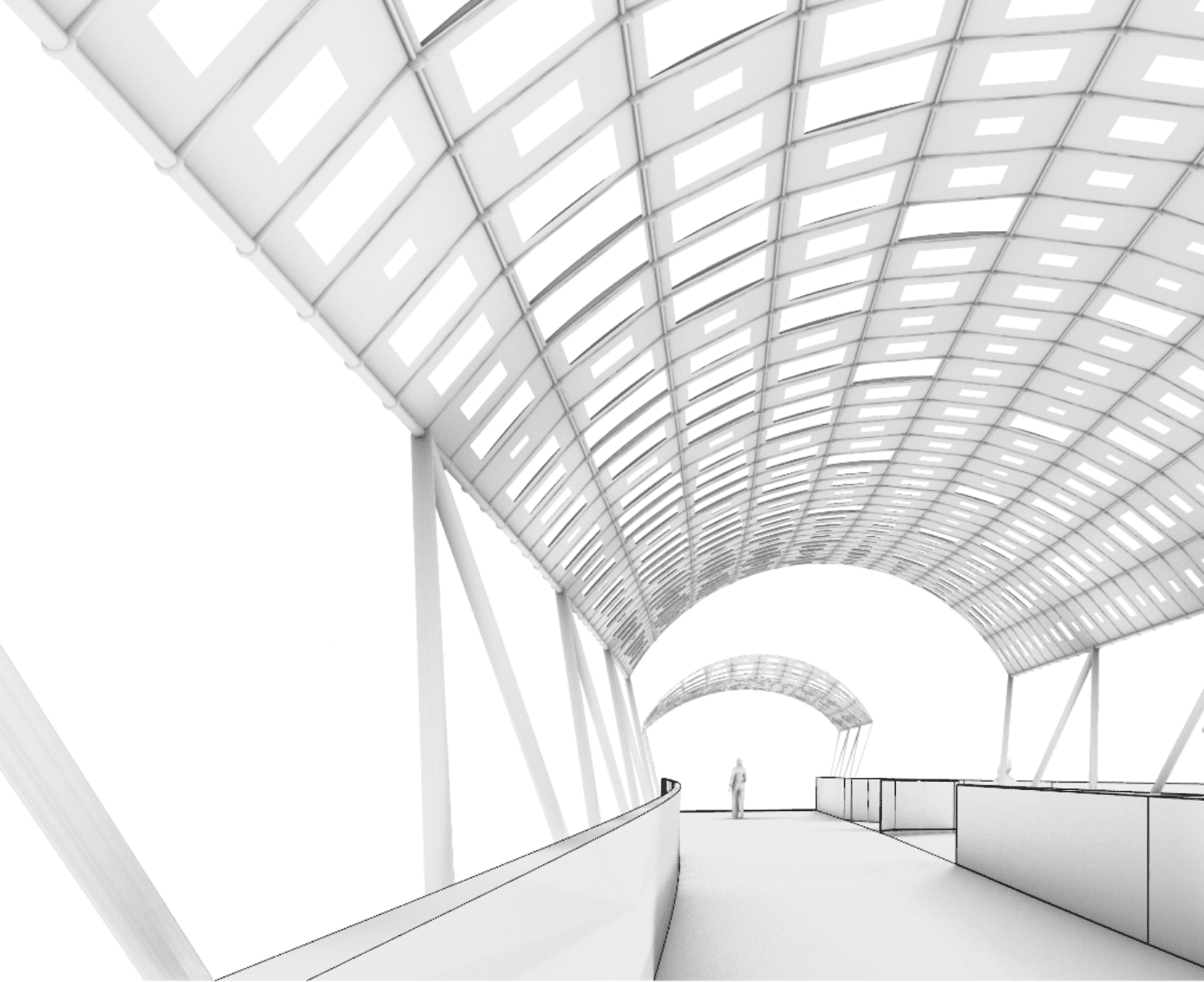
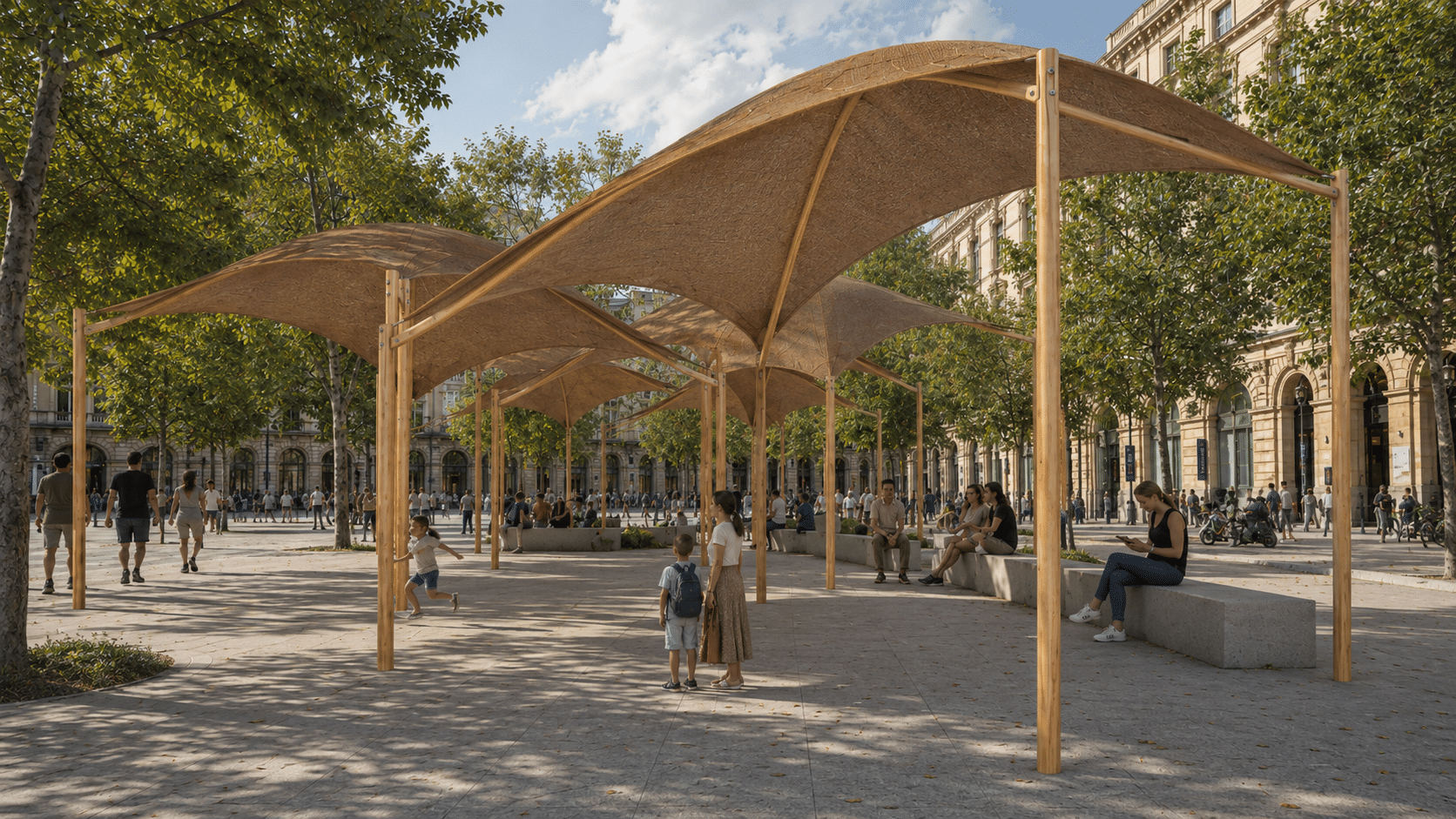
Sunburn is a computationally designed urban shading pavilion for Plaça Universitat in Barcelona. The project explores how lightweight canopy structures can improve comfort in public space while creating an inviting social environment. Using parametric column placement, Kangaroo surface generation, Ladybug solar analysis, and Galapagos optimization, the canopy geometry is tested across different sun-hour periods to … Read more

Terrana

Modifying terrain slope to optimize drainage and building footprint. Can we optimize cut and fill for terrain modification to optimize water drainage and maximize building footprint? The “Sponge City+” toolkit is a Grasshopper-based platform that helps architects integrate low-impact development (LID) strategies into early-stage urban design. Tested on three Chinese university campuses, it combines runoff … Read more

Tetuán Responsive Lattice

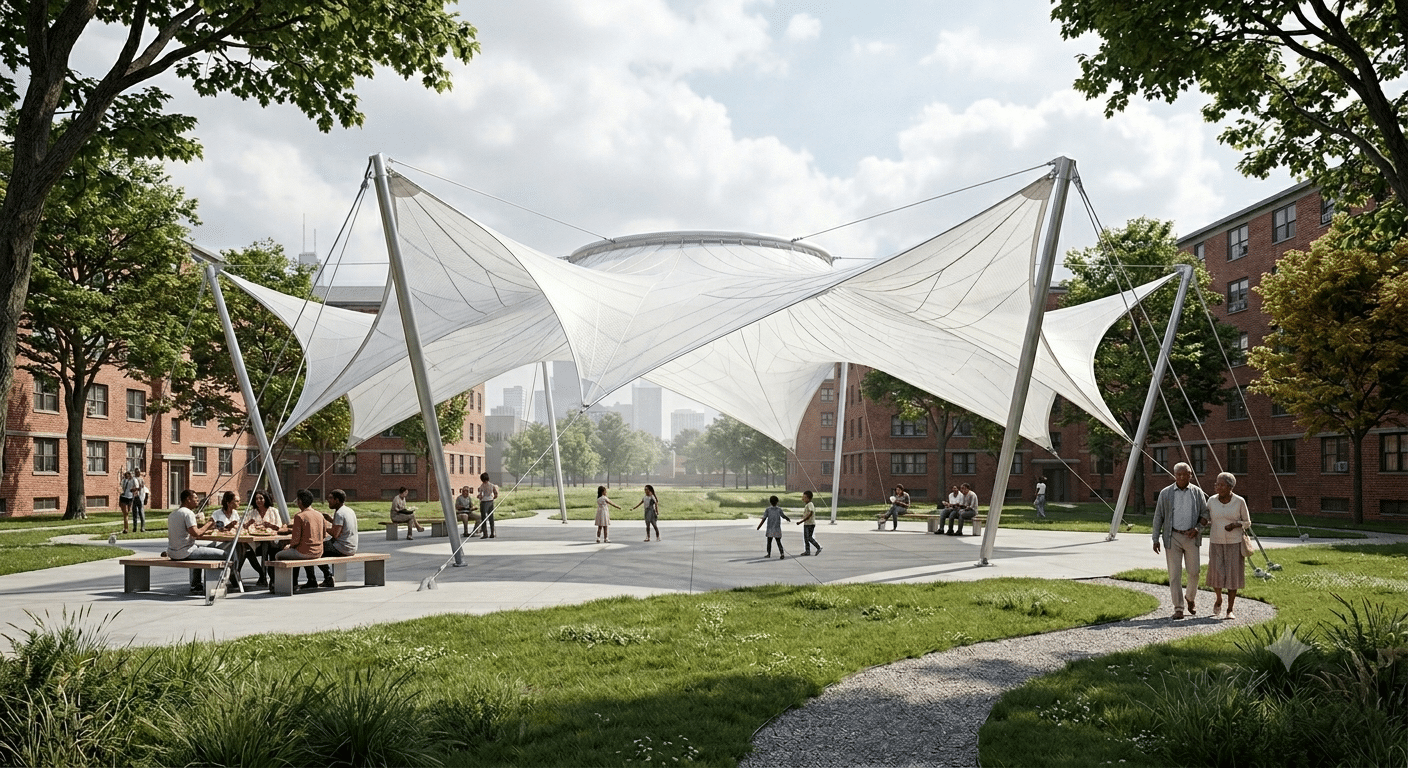
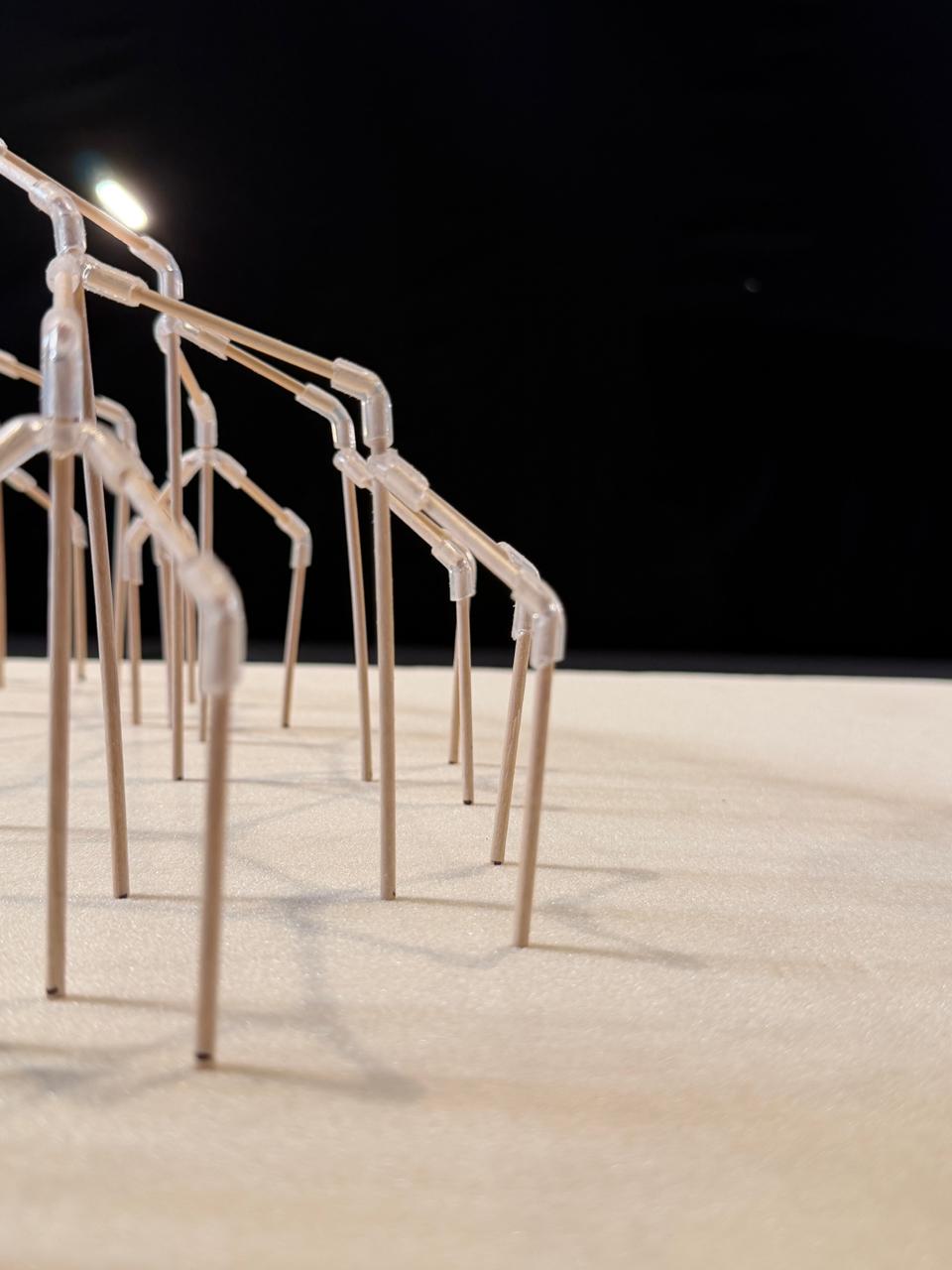
This project explores a parametric pavilion designed for Plaça de Tetuan, where variations in canopy height generate different spatial and shading conditions. A lightweight steel framework supports tensile textile panels, creating a porous roof that filters sunlight while maintaining an open public space. Using environmental analysis and Wallacei optimization, multiple alternatives were evaluated to balance … Read more

Corrosion – Green In cities

Concept: Corrosion Species: Interface elements Multi-Species Viewing Devices The Multi-Species Viewing Devices are ecological interface elements that frame different layers of the riverside habitat. Through varied openings, heights, and orientations, they guide people to observe birds, plants, water, and ground-level species, turning the ramp edge into a shared space of awareness between humans and non-humans. … Read more

TerraFORMED Optimization

Abstract This project uses parametric design and multi-objective optimization to develop an interlocking masonry brick. A Grasshopper workflow generated brick geometries by varying sinusoidal width, depth, and cavity parameters. The designs were evaluated using structural and geometric performance criteria, including load transfer, web thickness, horizontal area, volume, and interlocking capacity. An evolutionary optimization process identified … Read more

Scarpa

“If the architecture is any good, a person who looks and listens will feel its good effects without noticing.” — Carlo Scarpa Introduction The GreenInCities Seminar at IAAC explores the potential of circular construction practices and multispecies design within contemporary urban environments. Framed by the GreenInCities initiative in Barcelona, the seminar challenges students to rethink … Read more