The MAA is a visionary master program with an innovative and open structure, mixing diverse disciplines, shaping professionals capable of producing theoretical & practical solutions towards responsive cities, architecture & technology.


Filters
Course

EcoNodes

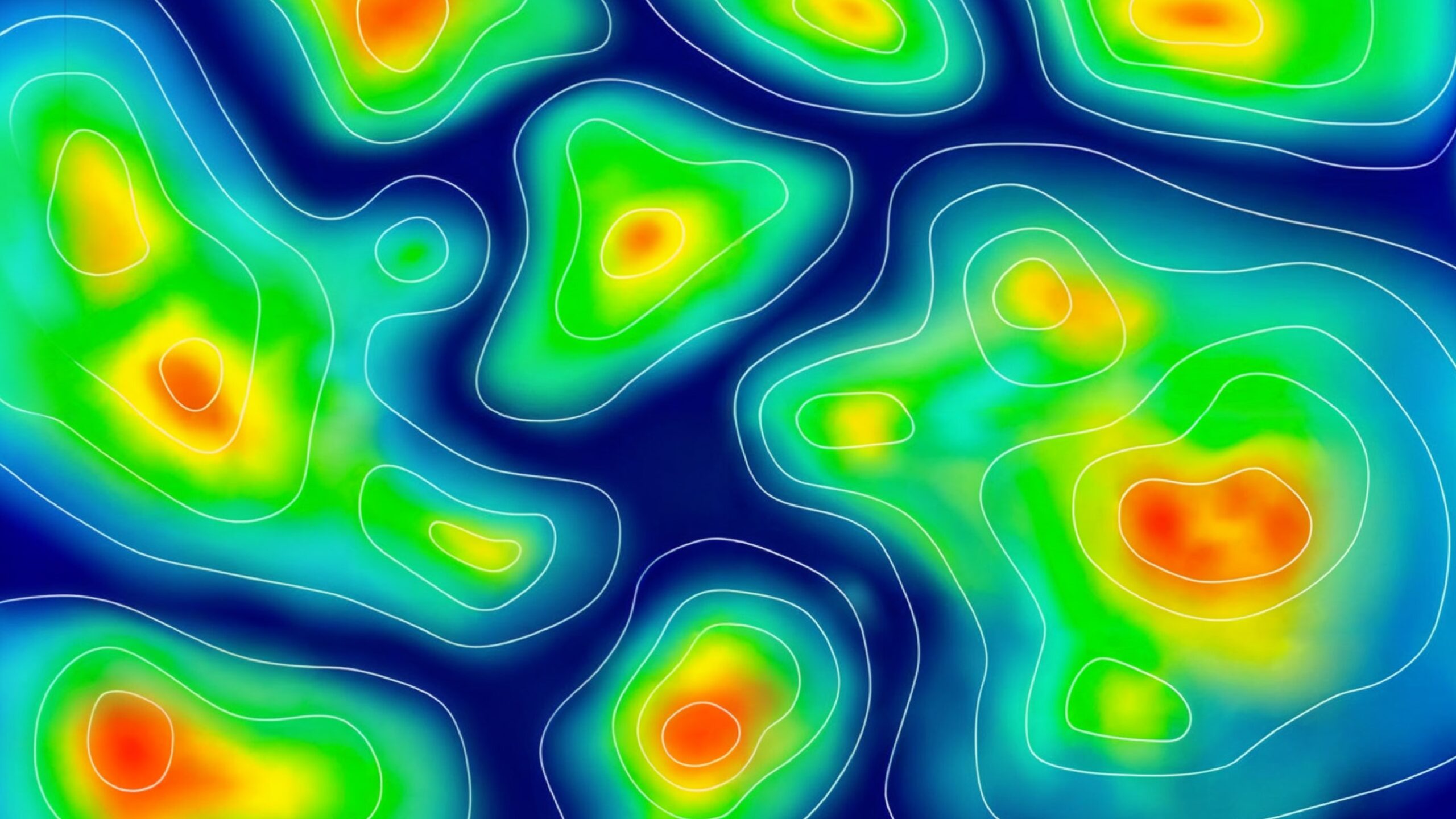
EcoNodes is an AI-driven urban planning platform designed to identify and prioritize the city’s most heat-stressed and impervious junctions for strategic green interventions. By combining satellite imagery, street view segmentation, and environmental datasets, EcoNodes highlights the urban nodes that lack vegetation, suffer from poor air flow, or trap excessive heat. The tool empowers planners to … Read more

CONTEXEPT

Contexept is a Context-to-Conceptualization framework integrating Generative AI and Additive Manufacturing to produce facades for specified architectural contexts in upscaled construction scenarios Architecture at the Edge of InnovationTechnological Breakthroughs that Reconfigured Design PossibilitiesTime// Architectural Style//Technology //Architecture has never been static   it continuously absorbs and reflects the technologies of its time. From Industrial Revolution, prefabrication and … Read more

TÀN 58

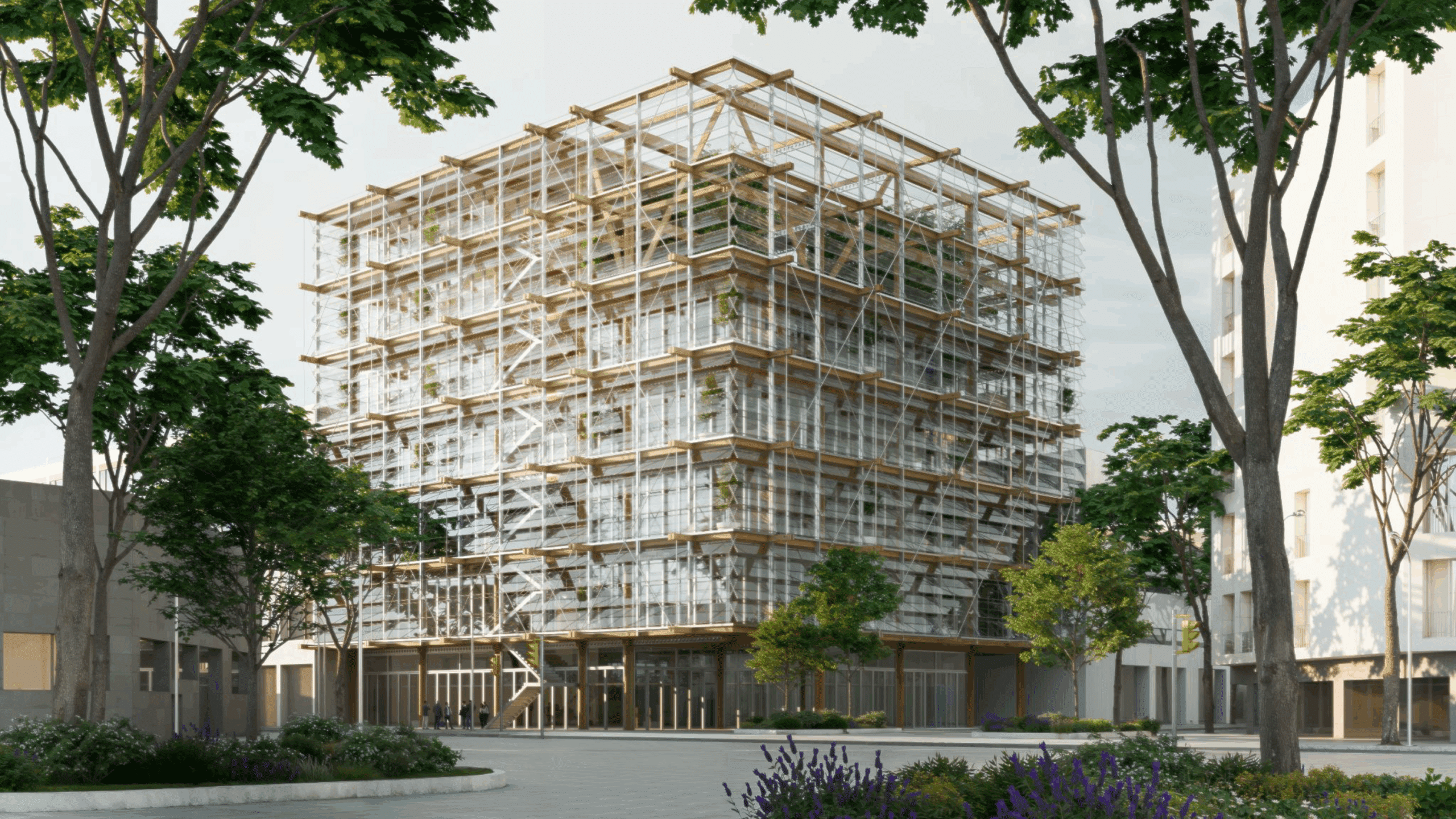
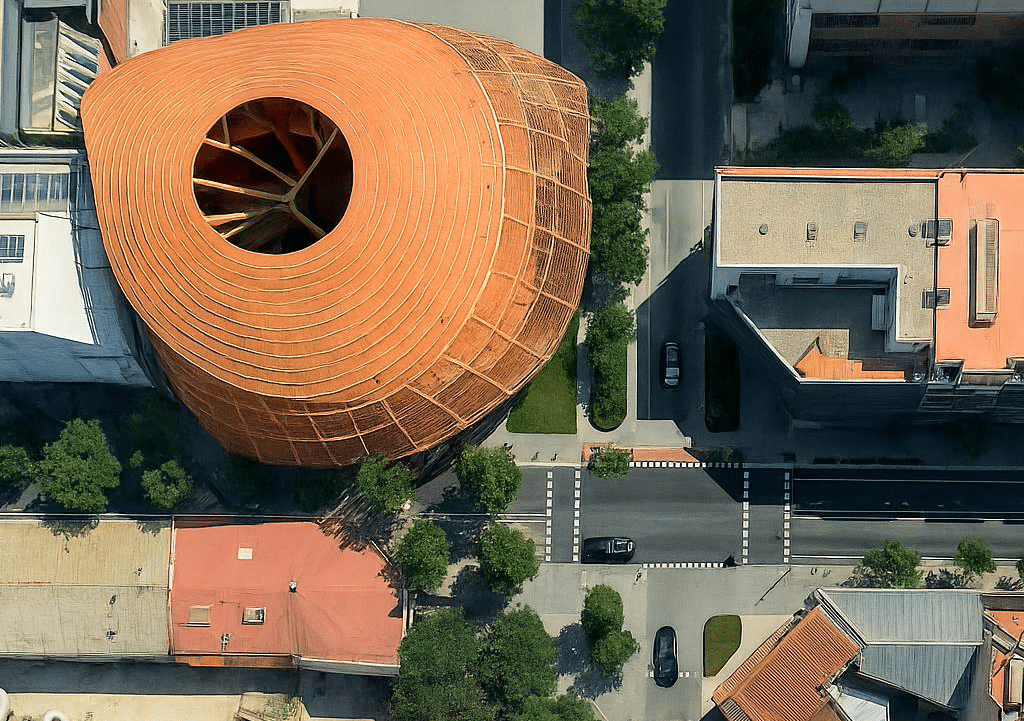
TÀN 58 is a seven-story student housing project located in Poblenou, an industrial district of Barcelona. The building’s form and orientation were shaped through computational studies that optimized daylight access and solar radiation across the site. This analysis led to the introduction of two central atriums, which act as vertical heat sources and organizational cores—spaces … Read more

Venus- 3-D Printed Bio-composite.

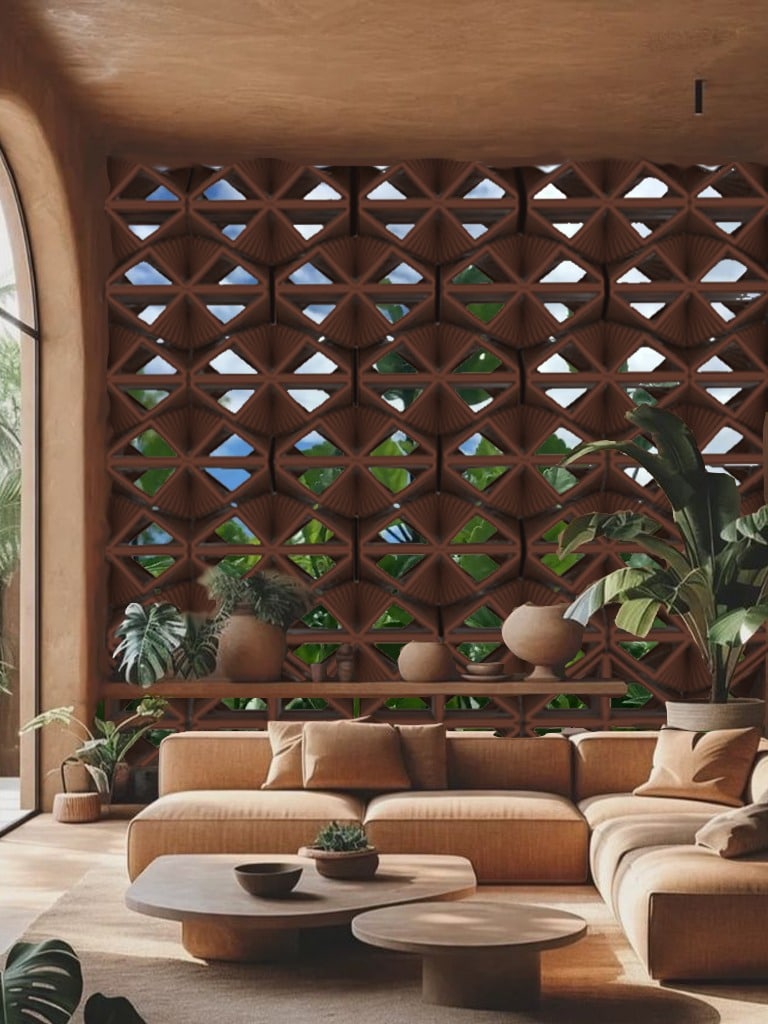
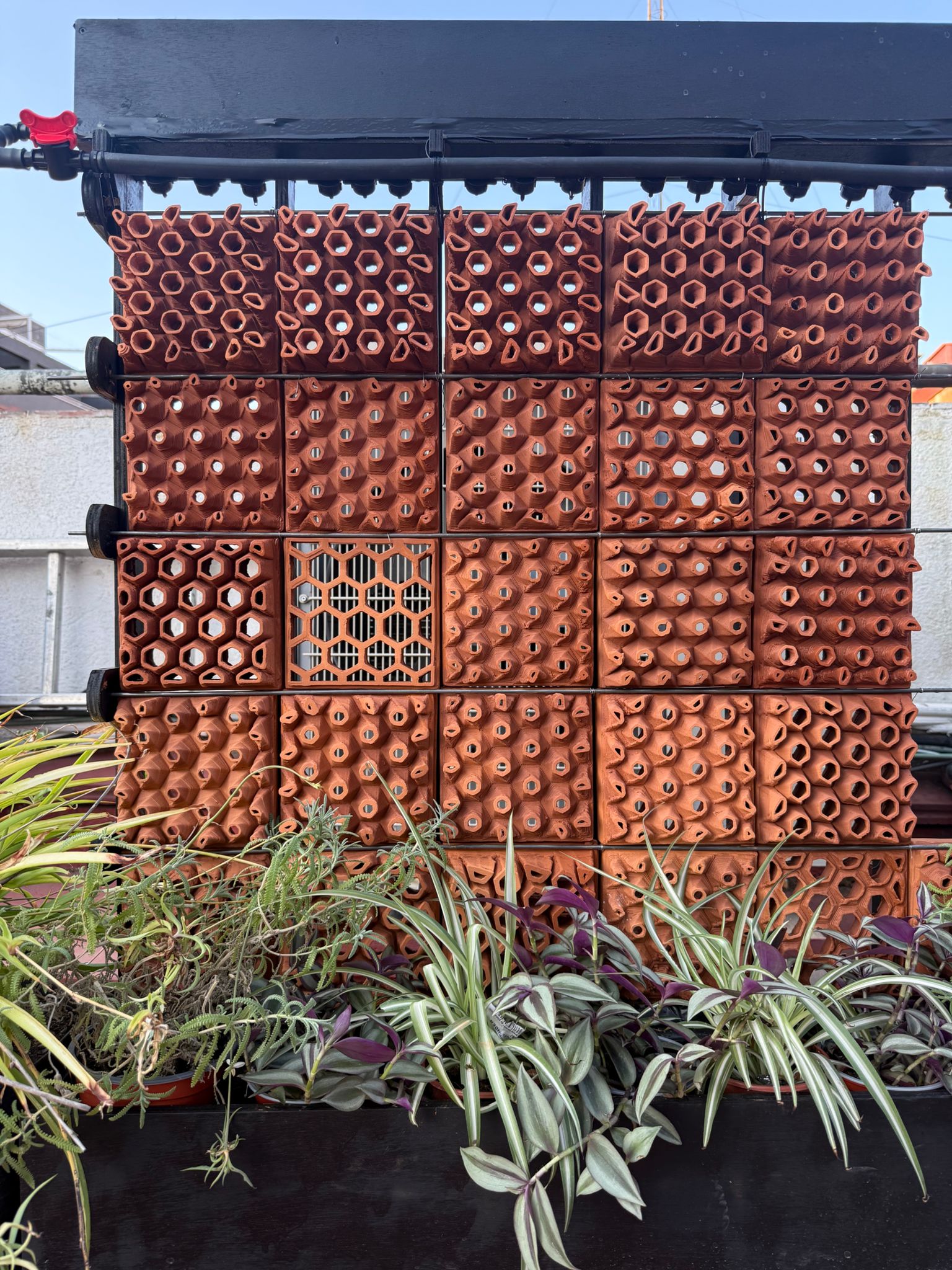
VENUS is a 3D printable bio-composite made from clay and mycelium. It merges natural building materials with bio-based growth to create modular, biodegradable, and regenerative architectural components. Design The voids in the geometry enhance ventilation, critical for mycelium growth. Simultaneously, the organic content in the bricks regulates mycelium-colonized surfaces, particularly in shaded and moist environments. … Read more

Urban Matrix

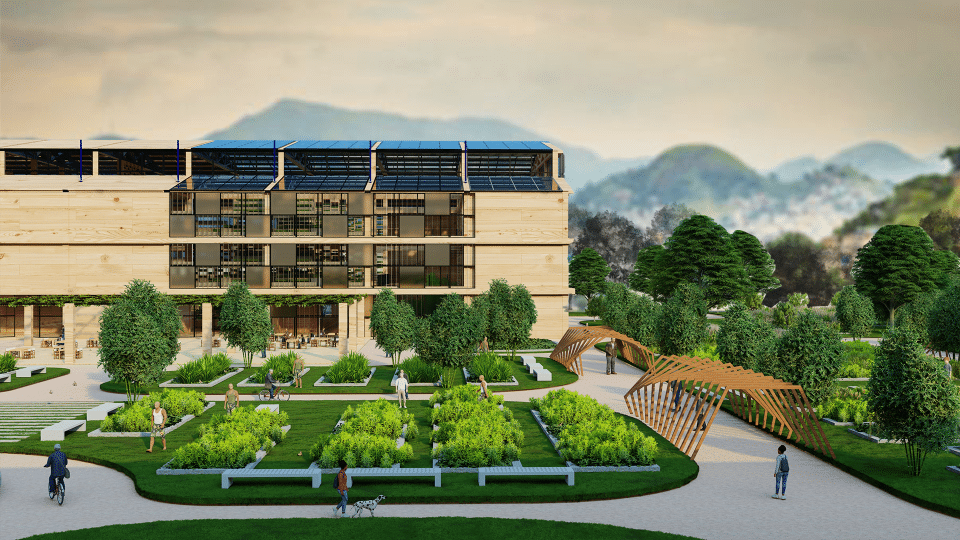
Abstract Our project, addresses the need for Productive Justice for Self-Sufficiency in Mesquita, a municipality in Rio de Janeiro marked by socio-economic challenges such as food insecurity, water scarcity, infrastructure deficiencies, and a strong dependence on government subsidies. Our strategy transforms residual urban spaces-abandoned plots, unused corners, canal edges-into a Productive Web of interconnected hubs … Read more

Flow – SIGHT: De- coding urban mobility

Introduction Urban traffic congestion is more than just an inconvenience—it’s a global challenge tied to pollution, stress, and wasted time. While cities are turning to AI-driven systems to ease the gridlock, the question remains: Do these technologies actually perform better than traditional methods?Flow – SIGHT is a comparative research project that investigates traffic systems across … Read more

BARA

Carbon Envelopes Toward Carbon-Sequestering Architectural Systems through Biochar-Concrete and Hybrid Fabrication The construction industry is one of the biggest contributors to climate change.We’re facing a paradox: The materials we use and how the construction industry works today are destroying our chance of having a future. Besides the emissions, there are other problems that we need to … Read more

SecondMatter

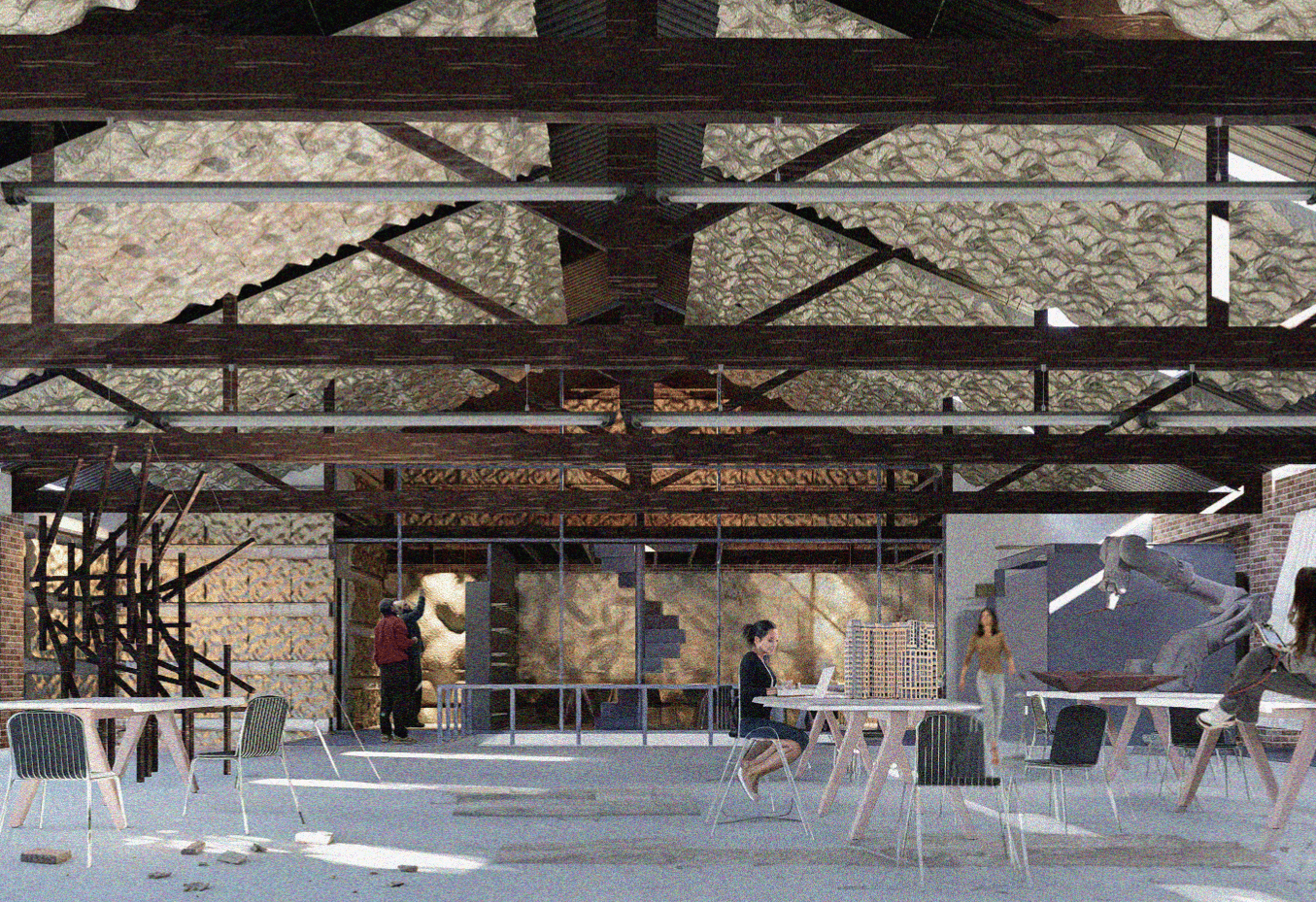
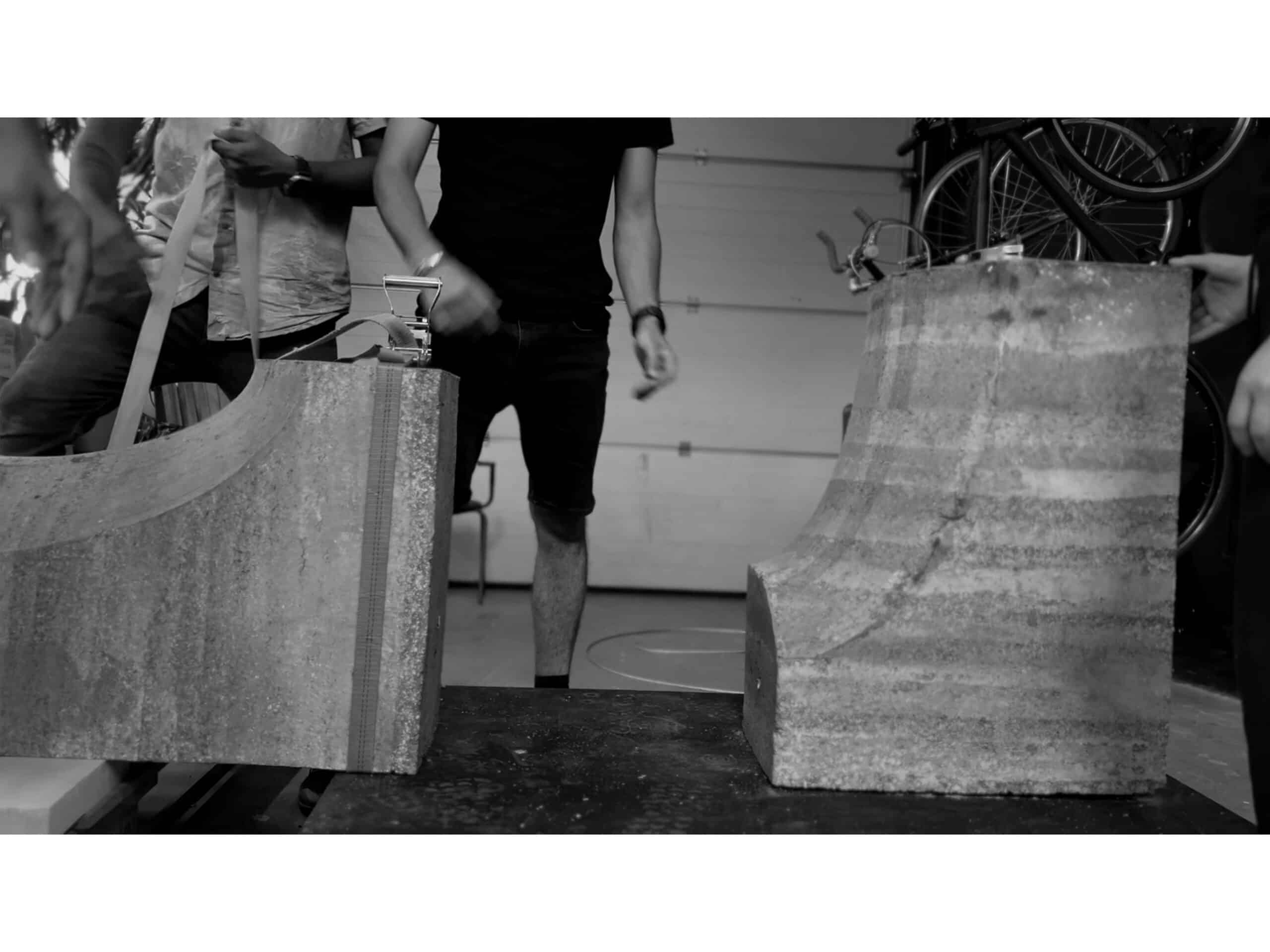
SecondMatter upcycles 85% construction and demolition waste into low-impact building units using a hybrid ramming-jamming technique. With 9 MPa strength and 7% lower carbon emissions, it forms walls, panels, and columns. Integrated into municipal waste systems, its compaction method adapts to unpredictable debris, turning urban waste into resilient, structural architecture within existing material cycles. What if … Read more

Tierra Tower

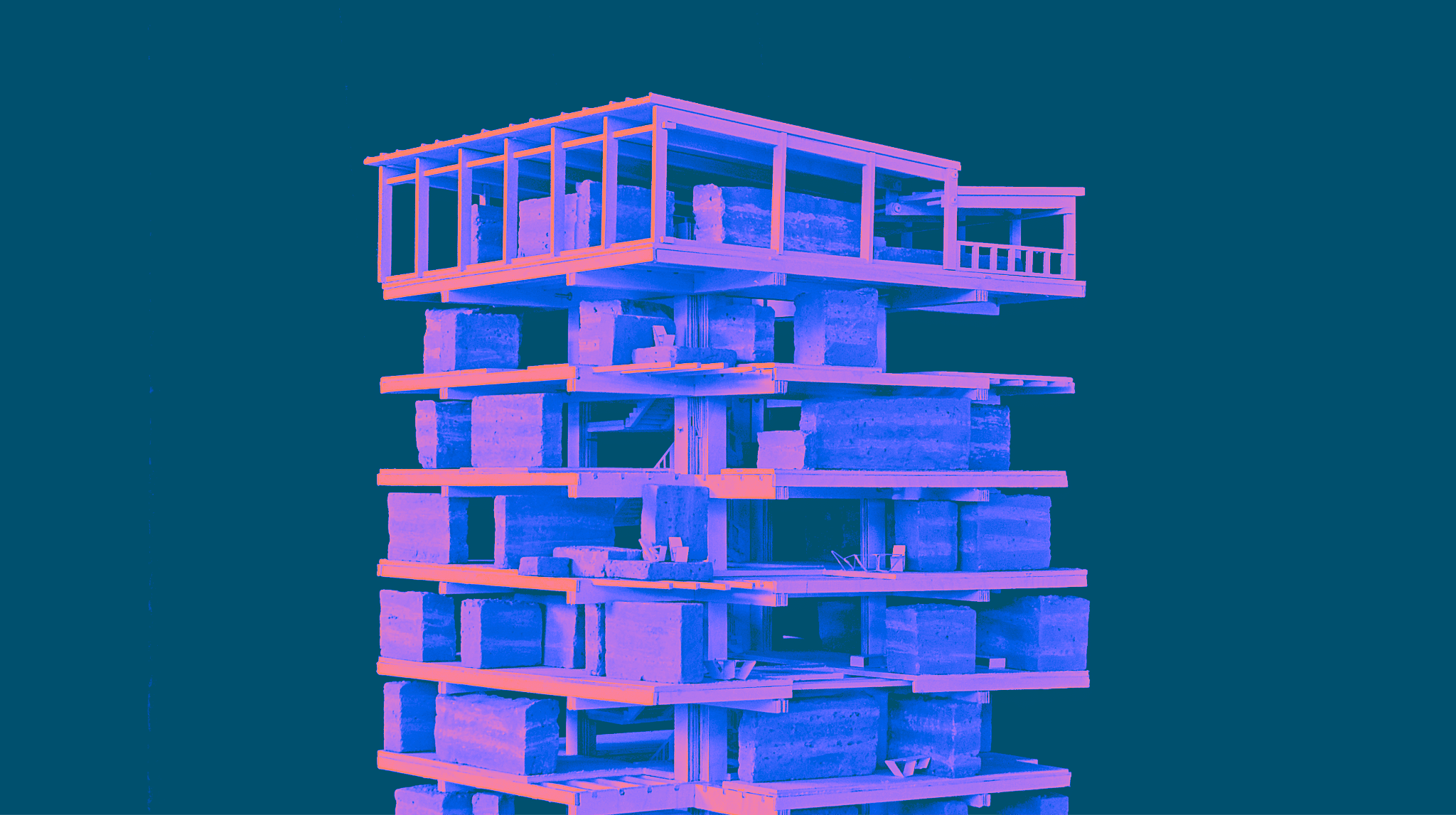
Tierra Tower is a student housing project shaped by climate and material. Using earth sourced directly from site, it creates a vertical sequence of spaces that adapt to seasonal change and personal comfort. Thick earthen walls absorb and release heat, guiding movement through warm and cool zones. The building responds passively—through texture, temperature, and atmosphere—to … Read more