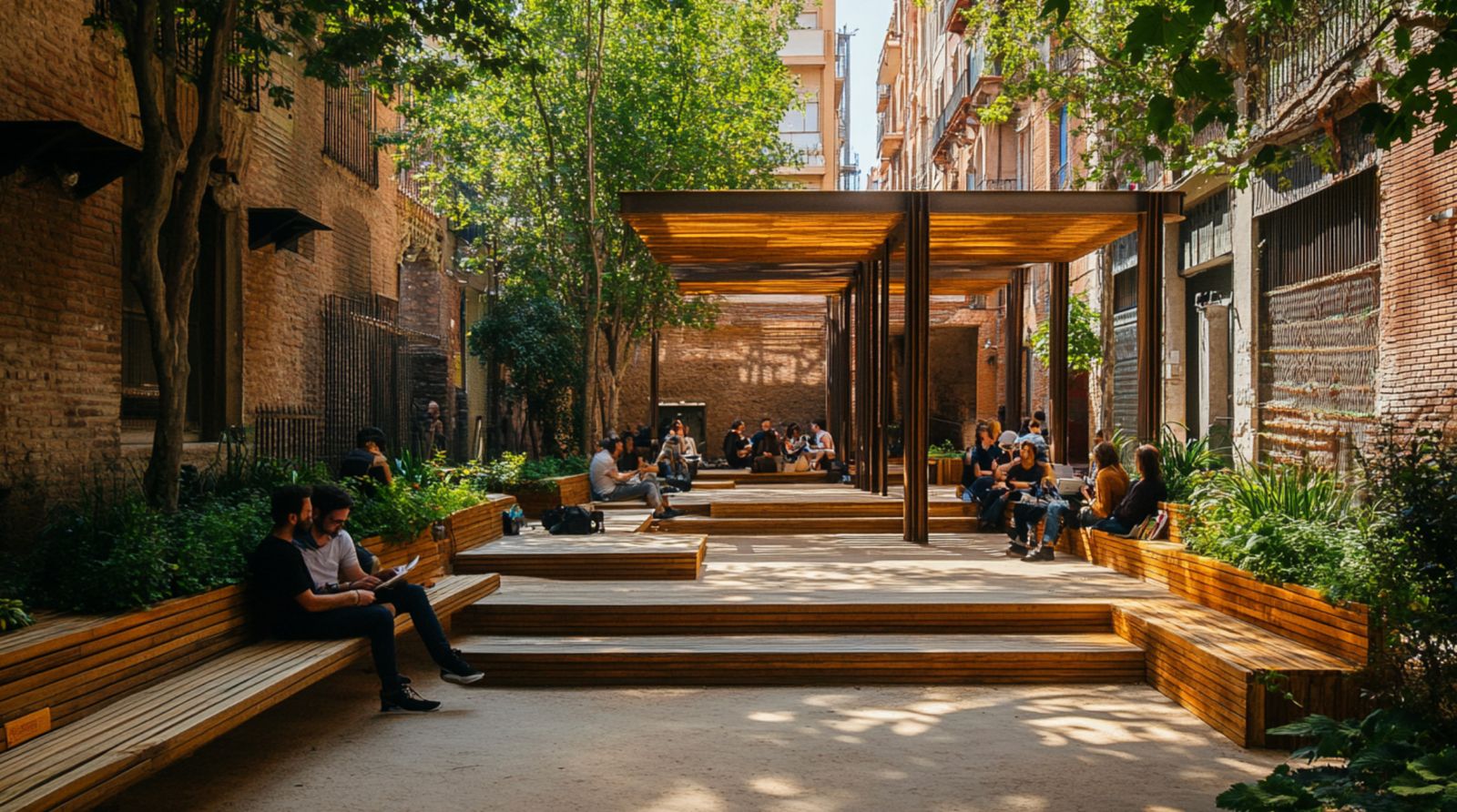
The Master in City & Technology’s academic structure is based on IAAC’s innovative, learn-by-doing and design-through-research methodology which focuses on the development of interdisciplinary skills. During the Master in City & Technology students will have the opportunity to be part of a highly international group, including faculty members, researchers, and lecturers, in which they are encouraged to develop collective decision-making processes and materialize their project ideas.

Filters
Course

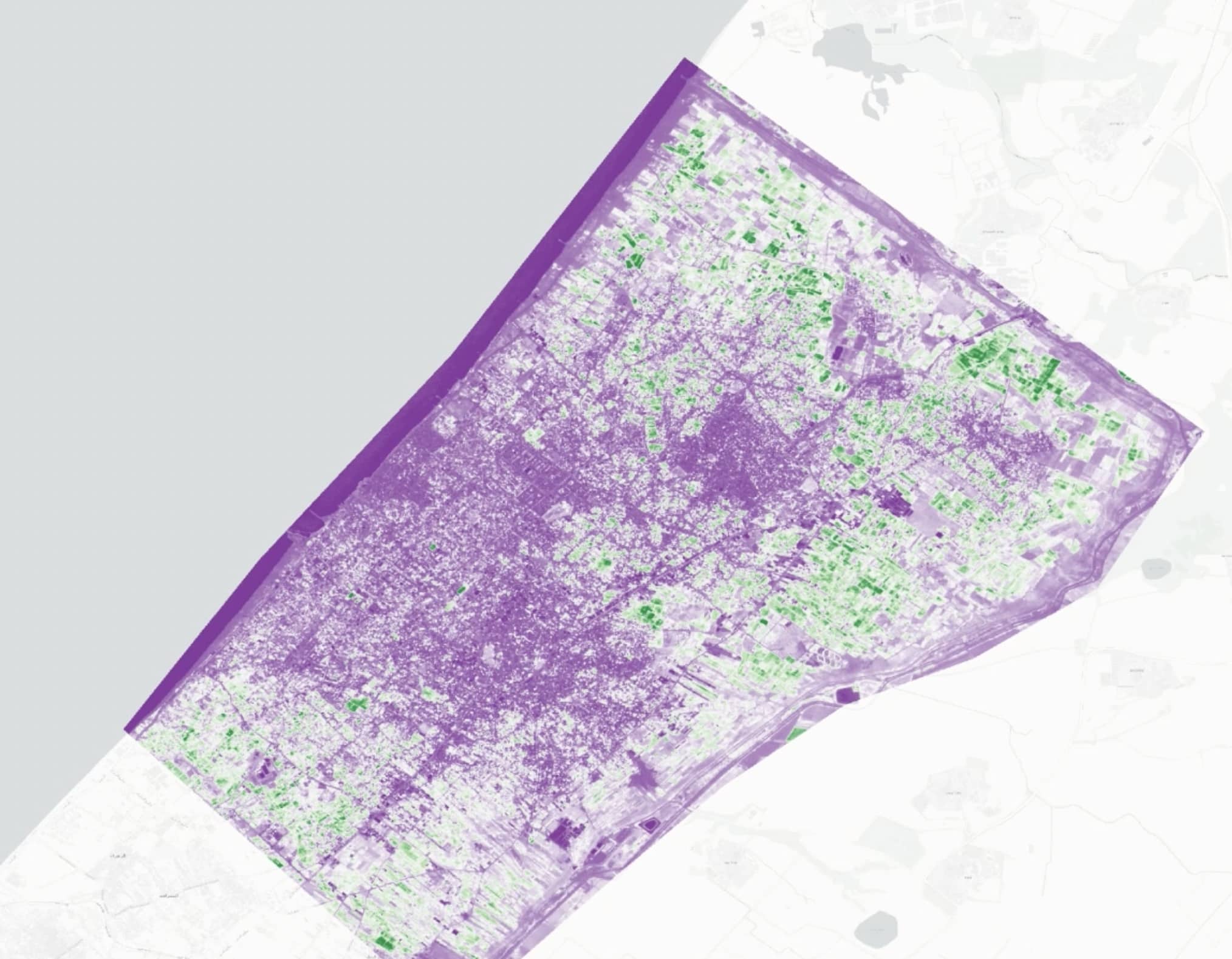
The Land Remembers

Agricultural landscapes often disappear from visual and political attention during conflict, overshadowed by images of urban destruction. This project uses satellite imagery to examine agricultural land in Gaza, focusing on the Beit Hanoun belt as an intersection between destruction and food systems. Through vegetation indices and bombing crater detection, the study distinguishes seasonal agricultural cycles … Read more
Sand Mining – from Afar

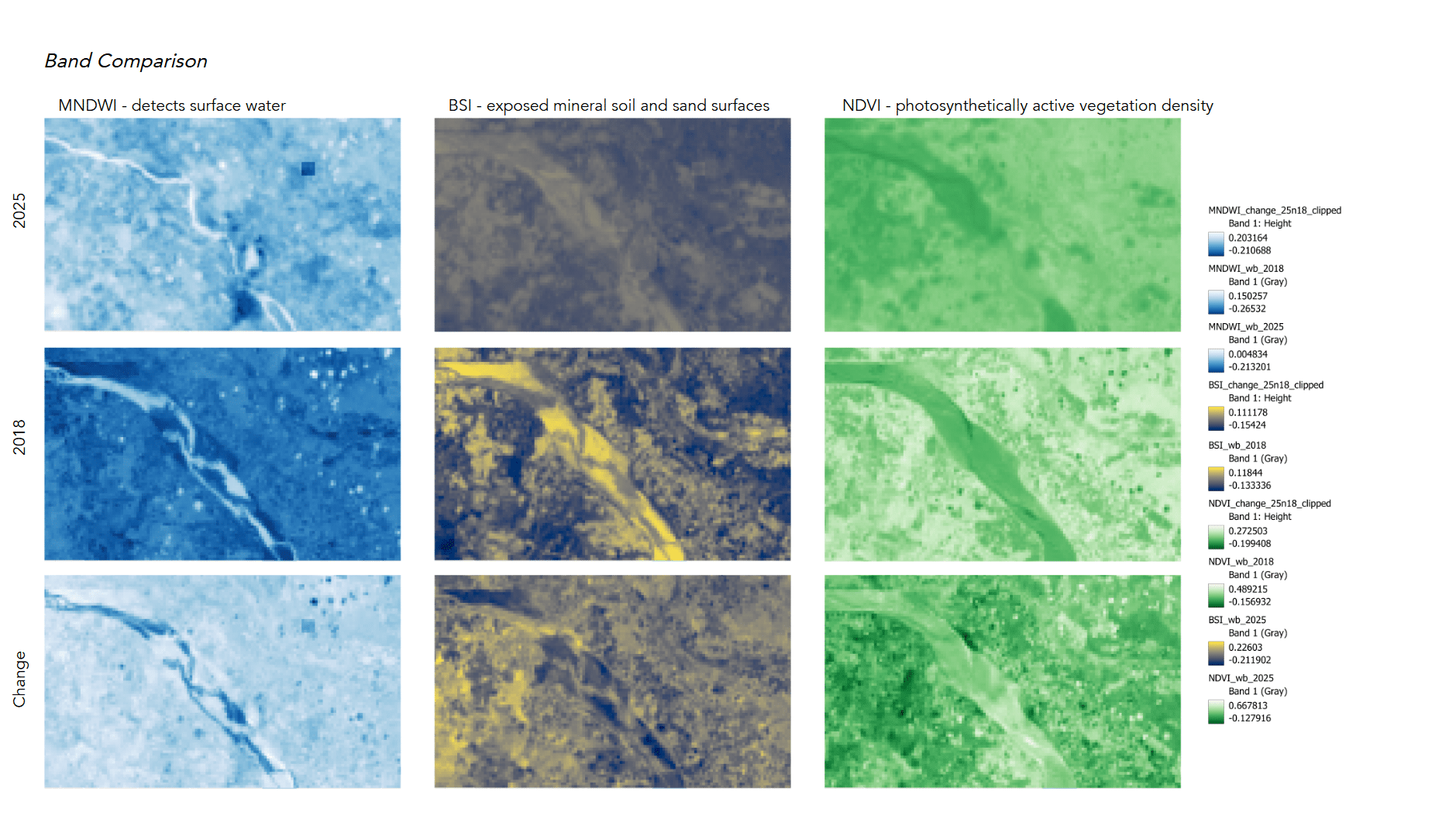
DETECTING SAND MINING USING MULTI-TEMPORAL SATELLITE IMAGERY Introduction Sand is ubiquitous in the modern world. It is the second-most extracted material on Earth after water, driven principally by the global demand for concrete, infrastructure, and urban expansion. Estimates place global sand and gravel extraction at 40–50 billion tonnes per year, a scale that outstrips many … Read more

Layers of Besòs: Unfolding Barrio’s Identities

Introduction: Understanding Besòs Beyond the Surface The El Besòs i el Maresme area in Barcelona carries a complex history—one shaped by migration, exclusion, and resilience. Often perceived through the lenses of insecurity and economic struggle, the neighborhood is in fact a vibrant intersection of identities, cultures, and urban transformations. Layers of Besòs is a research-driven … Read more

Literary Landscapes &AI-Driven Urban Design

tres tombs

A speculative approach to Design through data, literature, and participatory AI in Sant Antoni Our urban issue: The Lack of Narrative-Driven Urban Design in a Data-Driven City Contemporary urban design increasingly relies on AI and big data, often sidelining human stories, cultural narratives, and historical context in shaping urban spaces. While data-driven design optimizes efficiency, … Read more

Agent-Based Collaborative Design

FETCH.AI Design

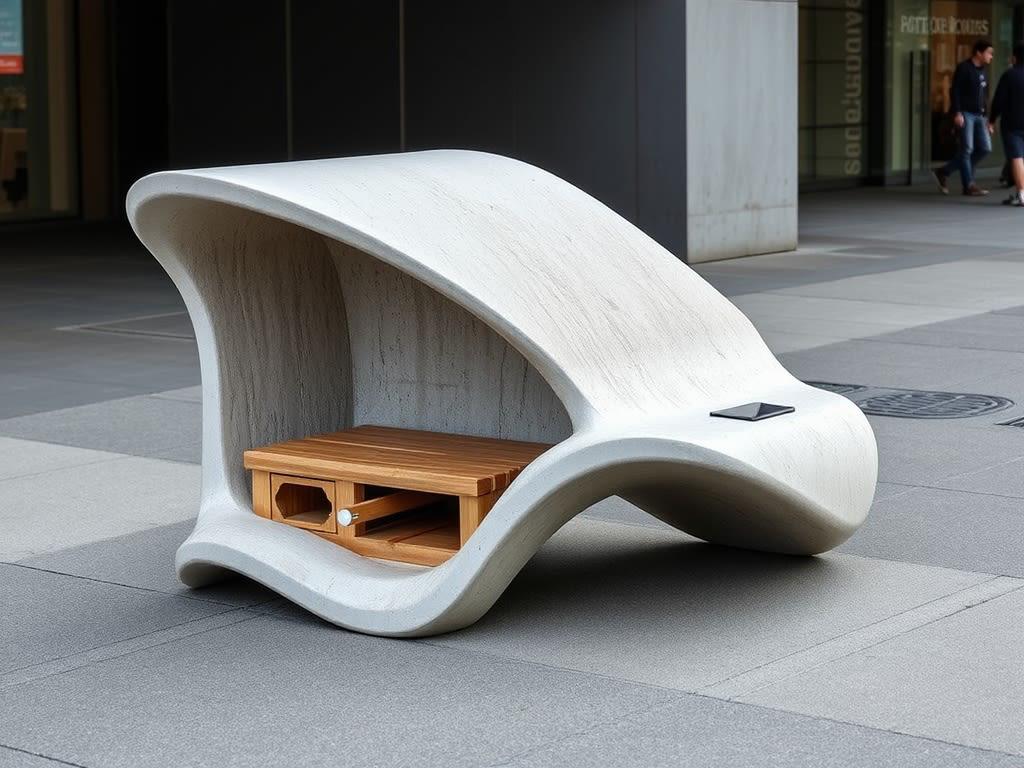
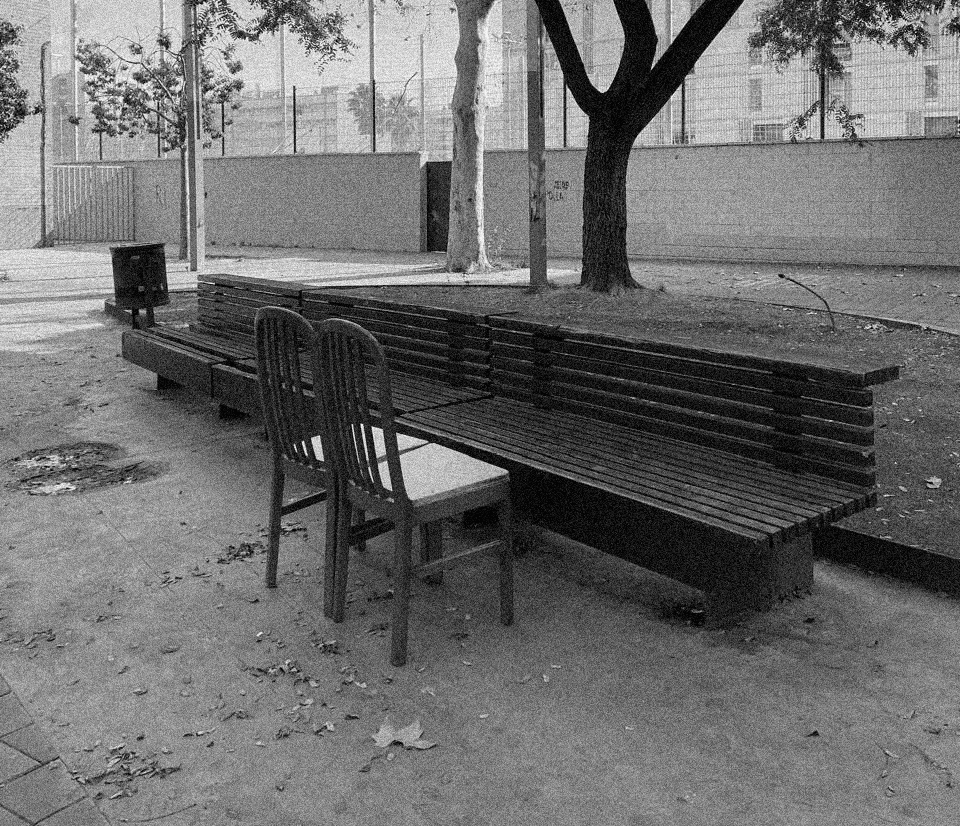
Designing an Inclusive and Functional Bench Through the Lens of Iconic Visionaries Urban design has always required balancing complex social, cultural, and environmental factors. In this project, we explored the potential of AI in shaping public spaces. Specifically, designing a bench that serves the needs of both homeless individuals and daily users. We developed a … Read more

Informal Settlements in Chile

Informal settlements have become a pressing issue across Latin America, reflecting deep-rooted socioeconomic inequalities and rapid urbanization. In 2014, approximately one-quarter of the urban population in Latin American cities lived in informal housing. By 2017, this number had increased to nearly one-third, and the trend continues to rise. Each country’s informal settlements have unique names … Read more

Apps4Citizens

logo

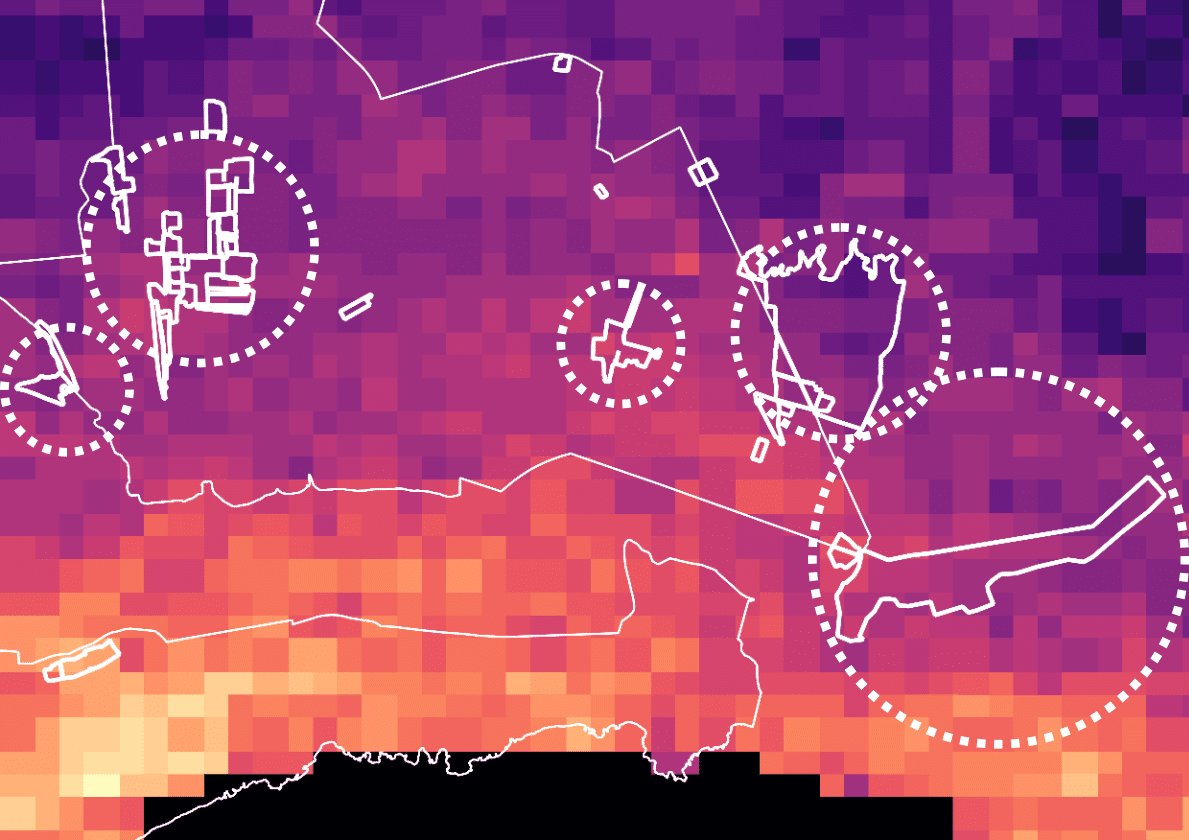
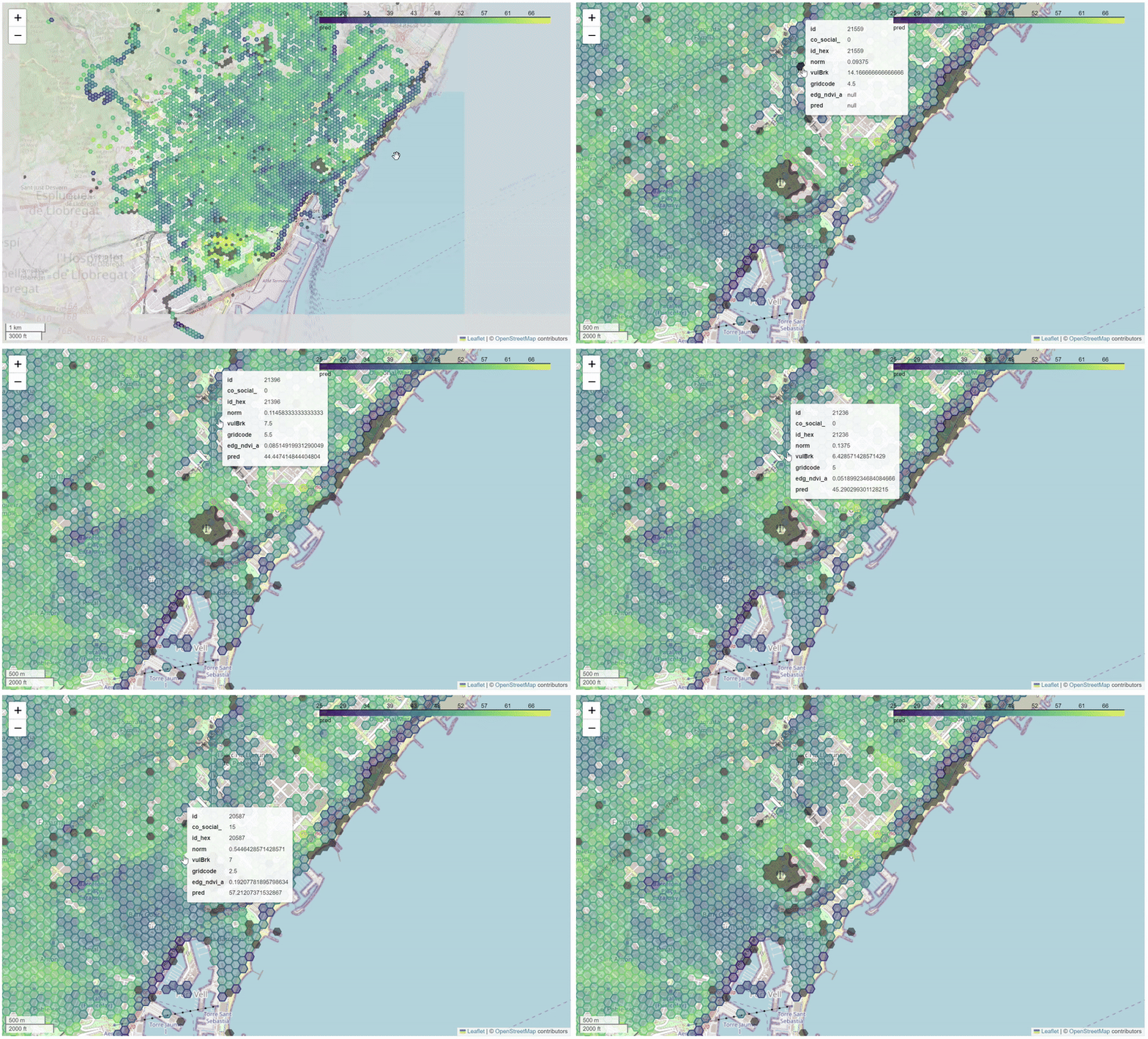
Barcelona, like many modern cities, experiences the Urban Heat Island (UHI) effect, where built-up areas retain more heat than surrounding natural landscapes. This interactive map visualizes temperature variations across the city, highlighting areas most affected by heat buildup. 🛰️ What This Map Shows: 📍 Heat Hotspots – Areas with high surface temperatures due to dense construction and limited … Read more

Places to stay

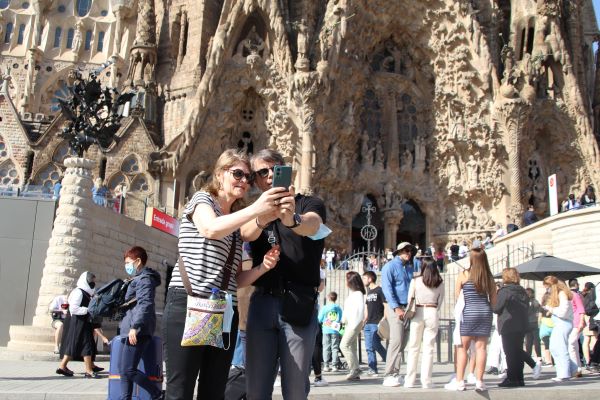
Viladecans greeted us with an unexpected tranquility. We arrived to the city on the commuter train from Barcelona, opposing the flow of morning commuters. The station was empty. A single street, lined with abandoned plots and industrial sheds led us up the hill into the town. A few hundred metres later the scene couldn’t be … Read more

Tracking Cross-Border Monetary Flows to measure Geopolitical Insecurity

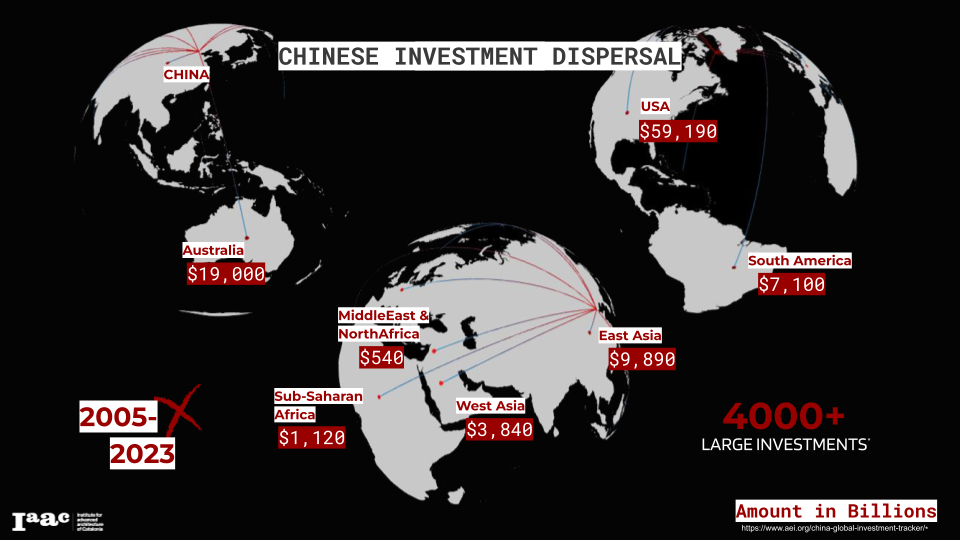
Creating a streamlined pipeline to visualize and extrapolate financial data enabling a correlation with spatial geo-specific information. The World and all countries alike have been increasingly more susceptible to events and developments in the geo-political theatre. It is not surprising that the world’s top two economic and military superpowers play a pivotal role in this … Read more

Hyperenergetic Viladecans

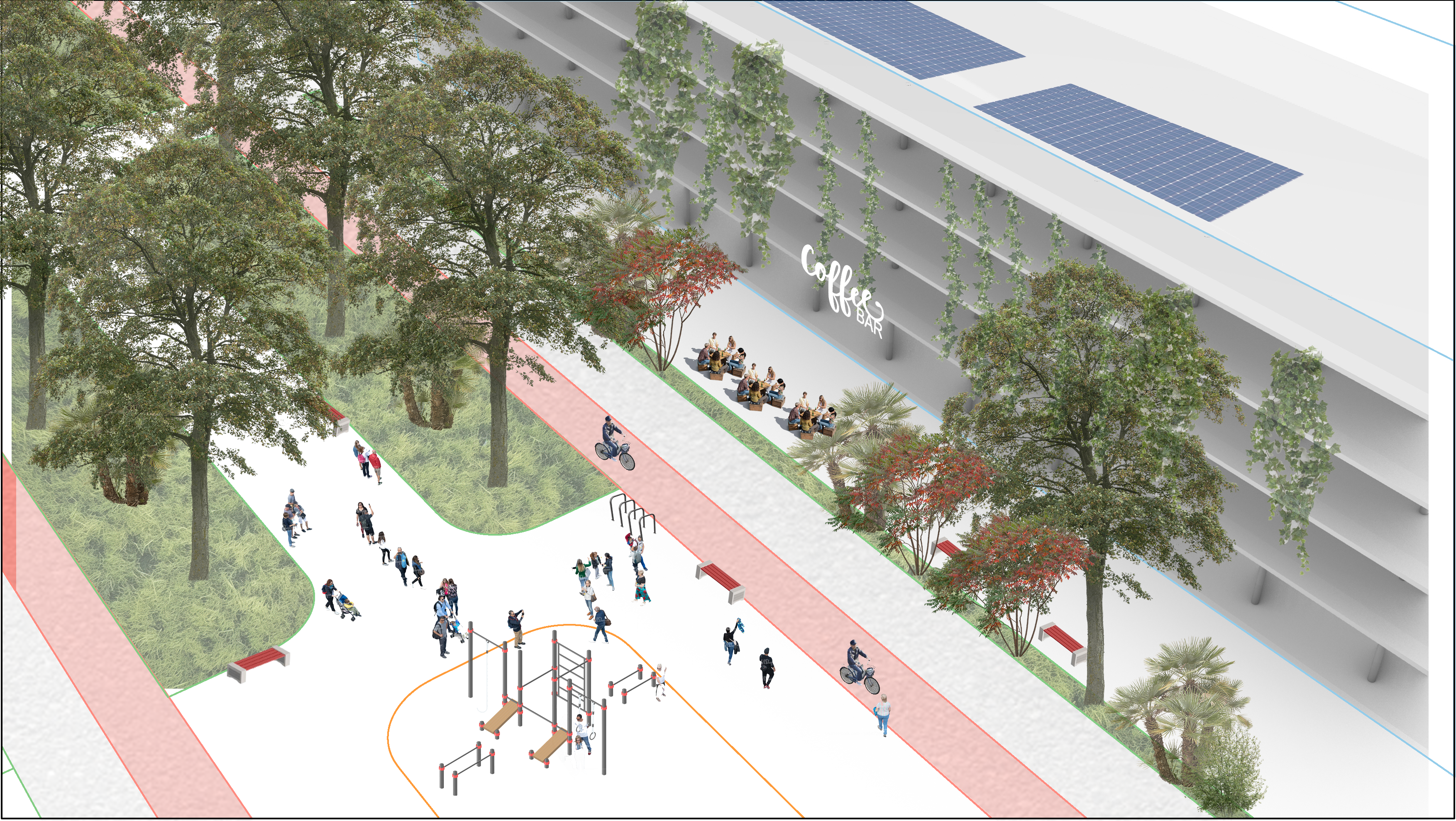
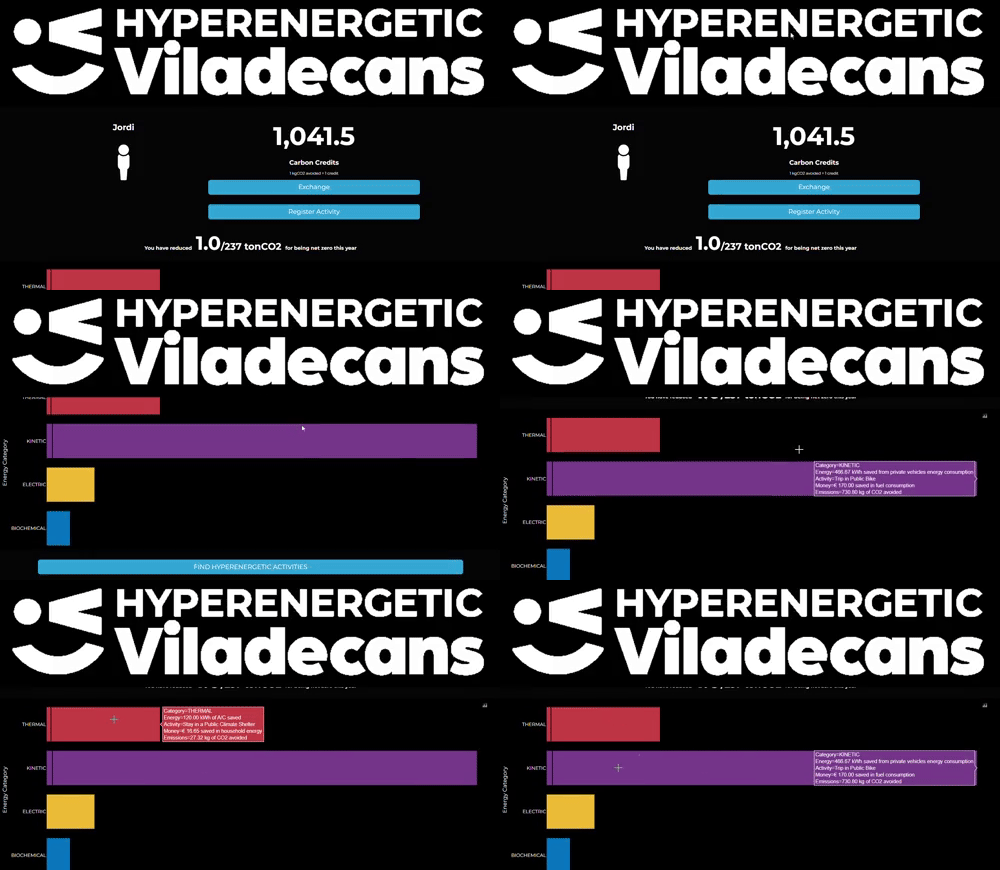
By 2100, the global temperature is forecasted to increase from 2 to 4 degrees Celsius due the effects of Greenhouse Gases Emissions and Human Activities. The City of Viladecans has developed a Vision by 2030 which expects the city to become EMISSIONS NEUTRAL, and EMISSIONS NEGATIVE by 2050. For approaching this goal, HYPENERGETIC VILADECANS establishes … Read more

Unveiling the Great Innovation Barrier: Leaders and Followers in the EU

In the dynamic landscape of global innovation, understanding the intricacies of what drives or hinders progress is crucial. This post dives deeper into the innovation data concerning EU countries, aiming to decipher it visually for clearer insights. Leveraging the Global Innovation Index 2022, which assigns each nation an innovation score, this project set out to … Read more

Art on air

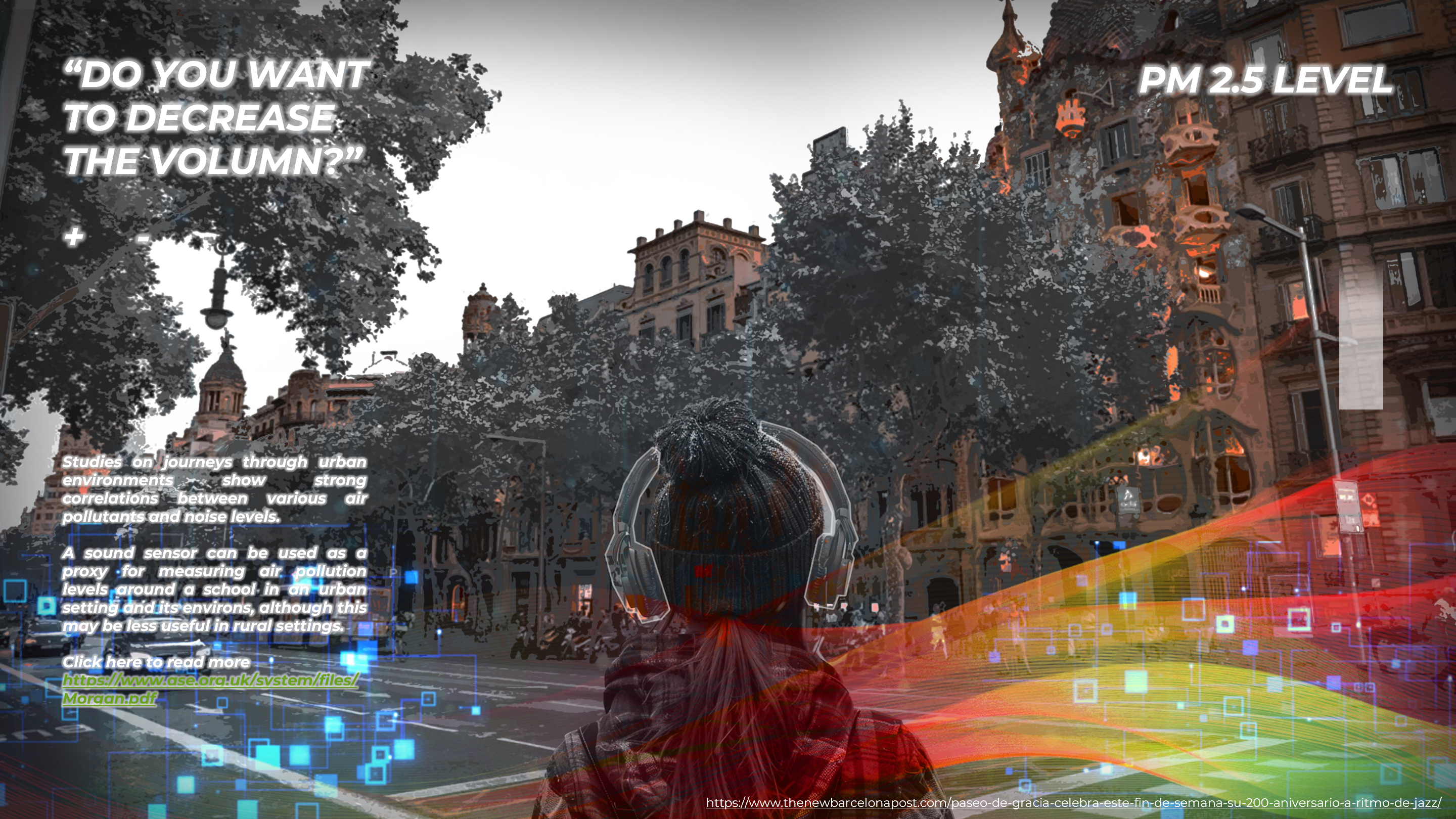
Introduction Air quality is a problem in many cities around the world, yet it remains largely invisible to the naked eye. This reality struck us deeply when the four of us, having lived in Barcelona, Lagos, Bangkok, and Medellin – our four cities of origin – came together. Amidst our diverse backgrounds and experiences, we … Read more

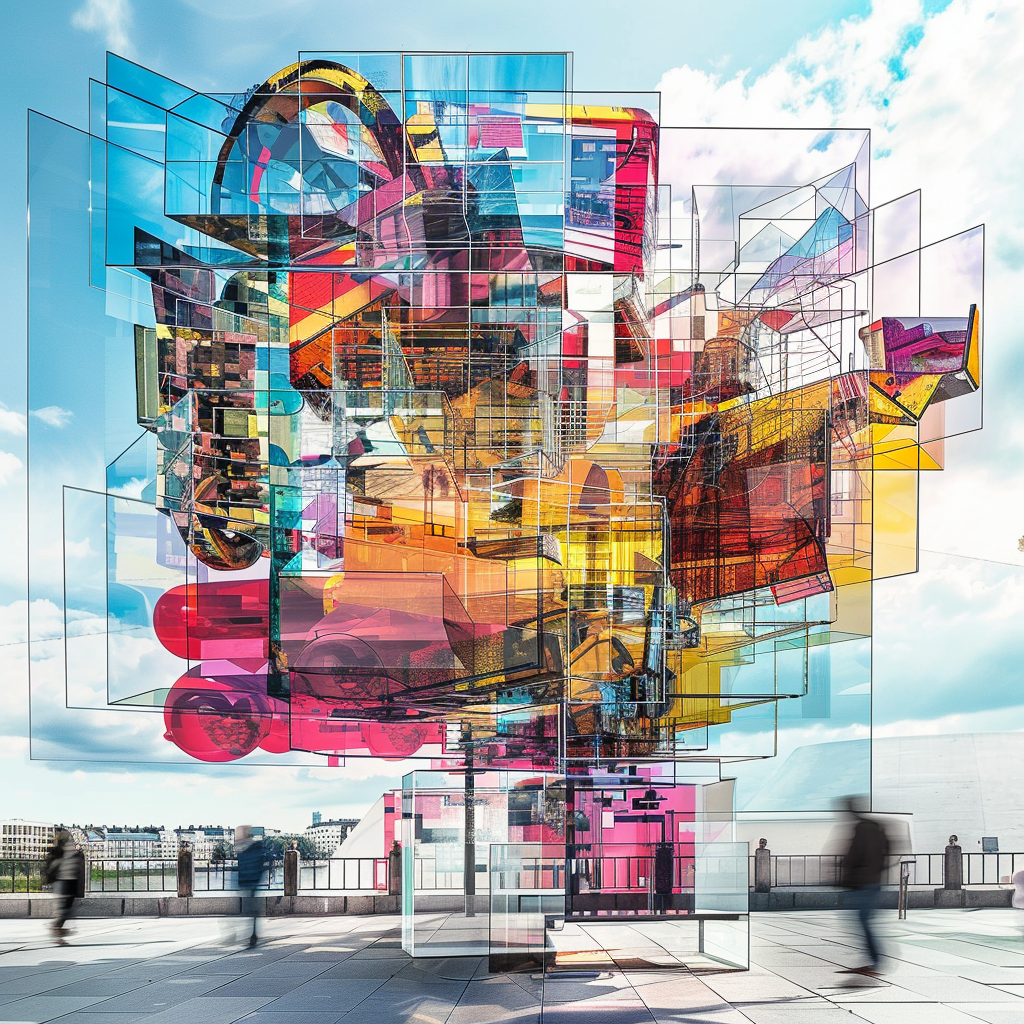
The Future of Public Art

In the ever-evolving field of urban development, “The Future of Public Art” sets out to be a project that reimagines the role and impact of art in public spaces. At its core, the project seeks to quantify the value of public art through a systematic approach, anchored in three fundamental pillars: democracy, contextuality, and insightfulness. … Read more