IAAC’s Master in City & Technology (1 or 2-year program) is a unique program oriented towards redefining the analysis, planning, and design of twenty-first-century cities and beyond. The program offers expertise in the design of digitally enhanced, ecological and human-centered urban environments by intersecting the disciplines of urbanism and data science. Taking place in Barcelona, the capital of urbanism, the Master in City & Technology is training the professionals that city administrations, governments, industries, and communities need, to transform the urban environment in the era of big data.


Filters
Course

Potential of CO2 mitigation by hempcrete
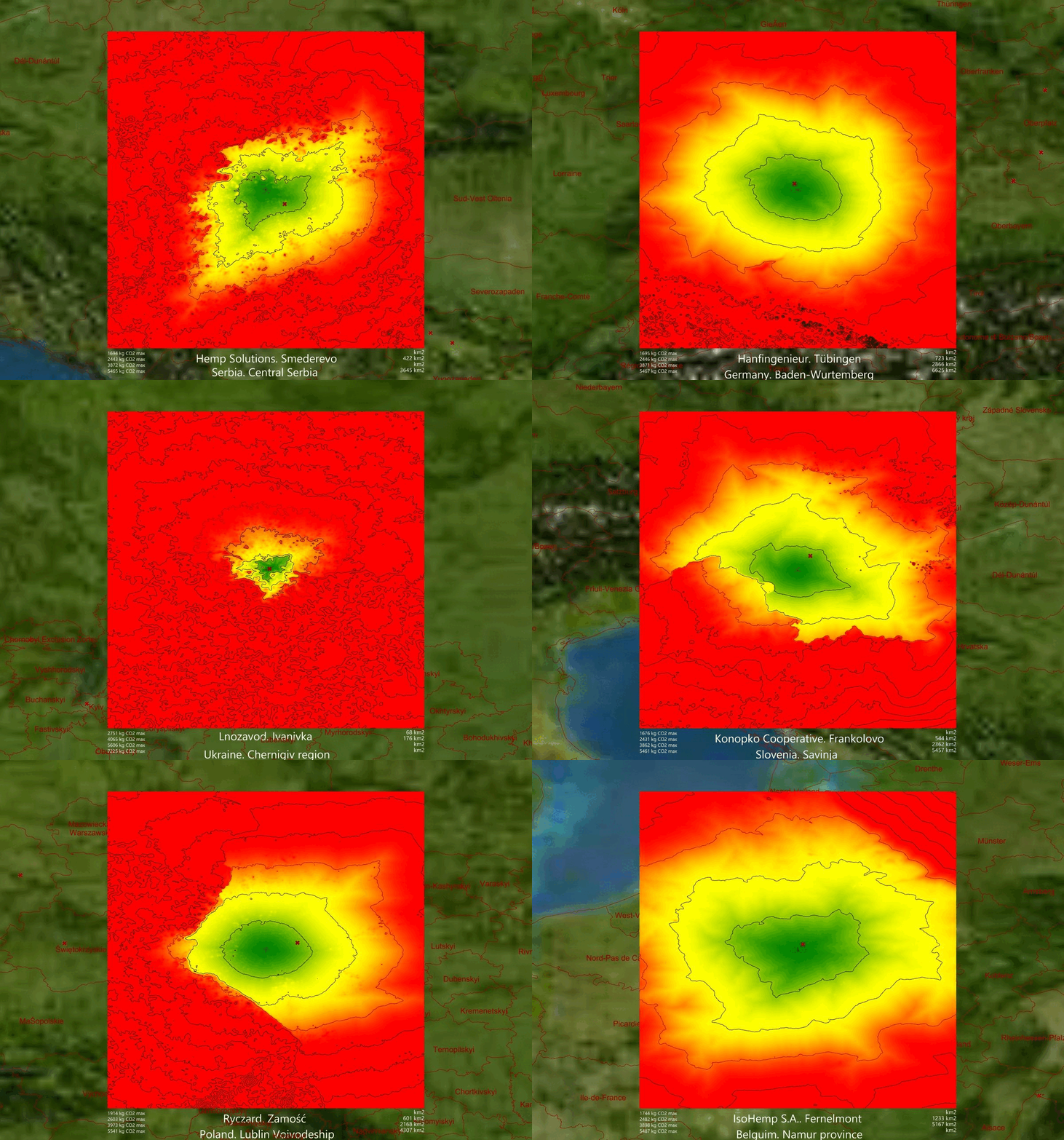
Hemp industry is one fast-growing, environment-friendliest, and perspective branch of the World economy. The hemp market is driven by the growing demand for industrial hemp from application industries, such as the food & beverage, personal care, and animal care industries, across the globe. This infographics of hemp production is made in Grasshopper using imported geojson … Read more
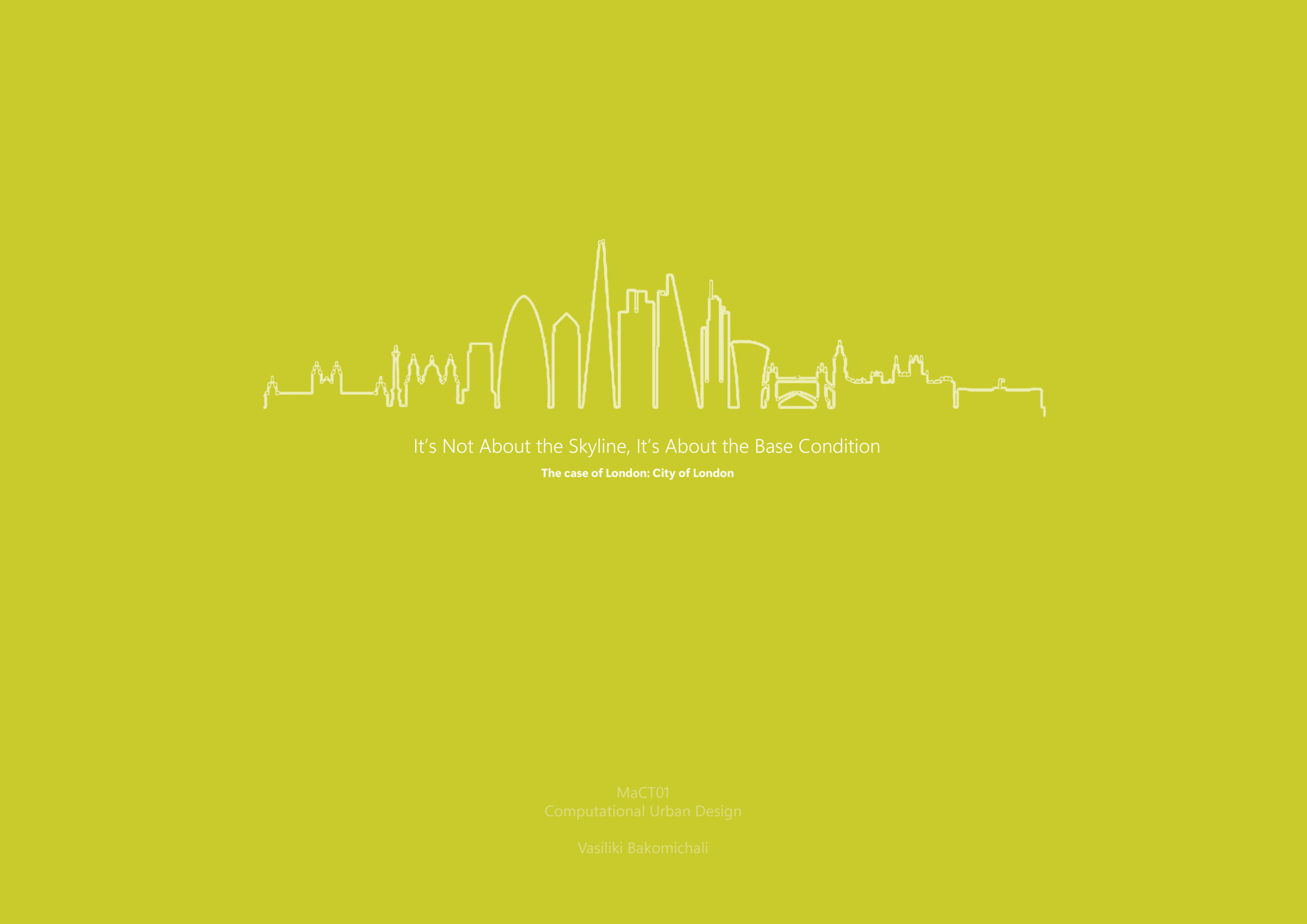
It’s Not About the Skyline, It’s About the Base Condition

There is no unambiguous definition of the tall building (skyscraper) in the world. A tall building is one that dominates in the landscape through its scale, so it does not have to be significantly high, but it is prominent above the surrounding buildings. As a consequence, the term “tall building” is relative to the environment … Read more

Topography of Tears

Laser Cutting – Material Repositories Material repositories consist of a timeline to estimate the demolition of building blocks, as an identification method for materials extraction based on the circular economy’s principles from 2022 to 2072. Choosing a study area La Dreta de L’Eixample neighborhood, we identify the buildings which can be used as material extraction … Read more

[DATA-CITY] MUMBAI

THE DESIGN AND FABRICATION OF CLIMATE ACTION INTERVENTIONS AND MODELS Our explorations surround the creation of climate action data models for the city of Mumbai. For a context that is only now becoming aware of the potential of data, The creation of interactive models can help educate citizens. The curation of multimedia models prototyped and … Read more

Urban Data Visualisation – Barcelona and Brazil

The aim of this studio was to explore the design opportunities arising from three common digital fabrication processes: Laser Cutting, CNC milling and 3D Printing. These exercises were supported by an interactive exploration of each technology and material, while also understanding conceptual and prototyping process of design. 1. Laser Cutting The first digital fabrication exercise … Read more

Process & Prototypes

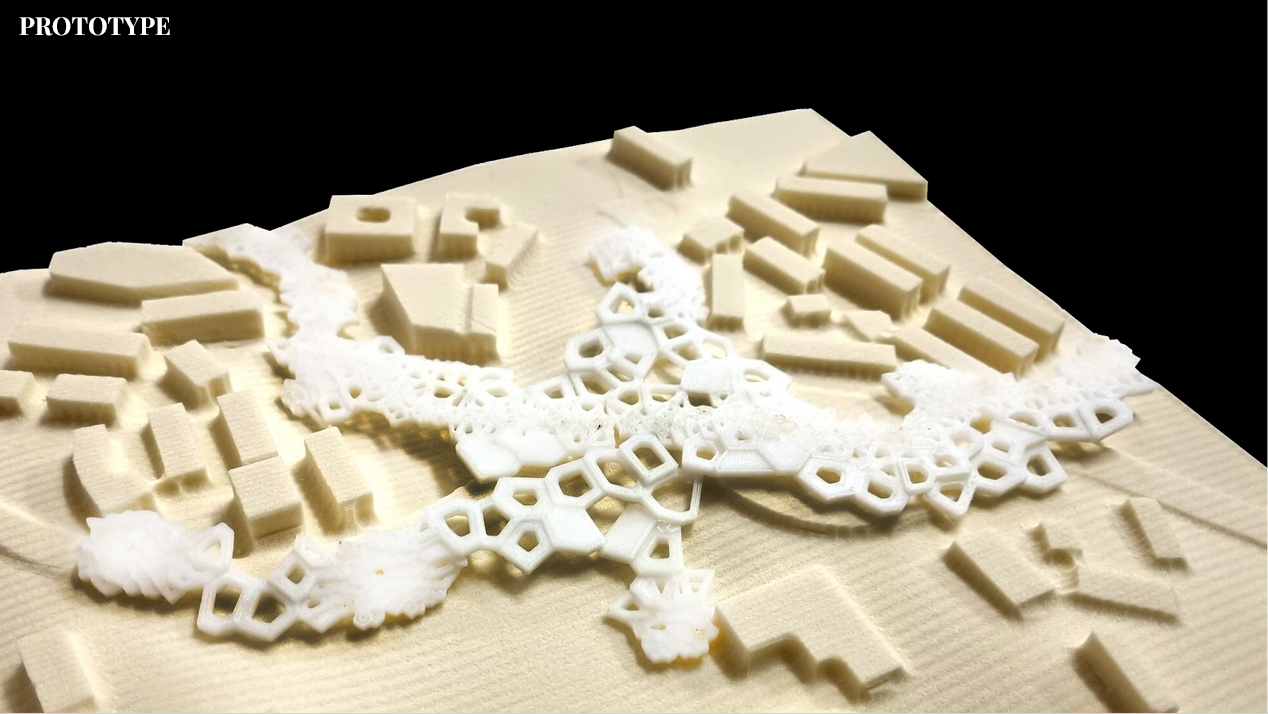
During the first seminar on Design for interaction and fabrication, we explored 3 different manufacturing techniques: we started with Laser cutting for the project @mazing 4.0 designed during the Internet of buildings studio and adopted CNC milling and 3D printing, highlighted with a video mapping projection for the project Eskurtze Parkea developed during computational urban … Read more

“Water Bodies towards crisis management”

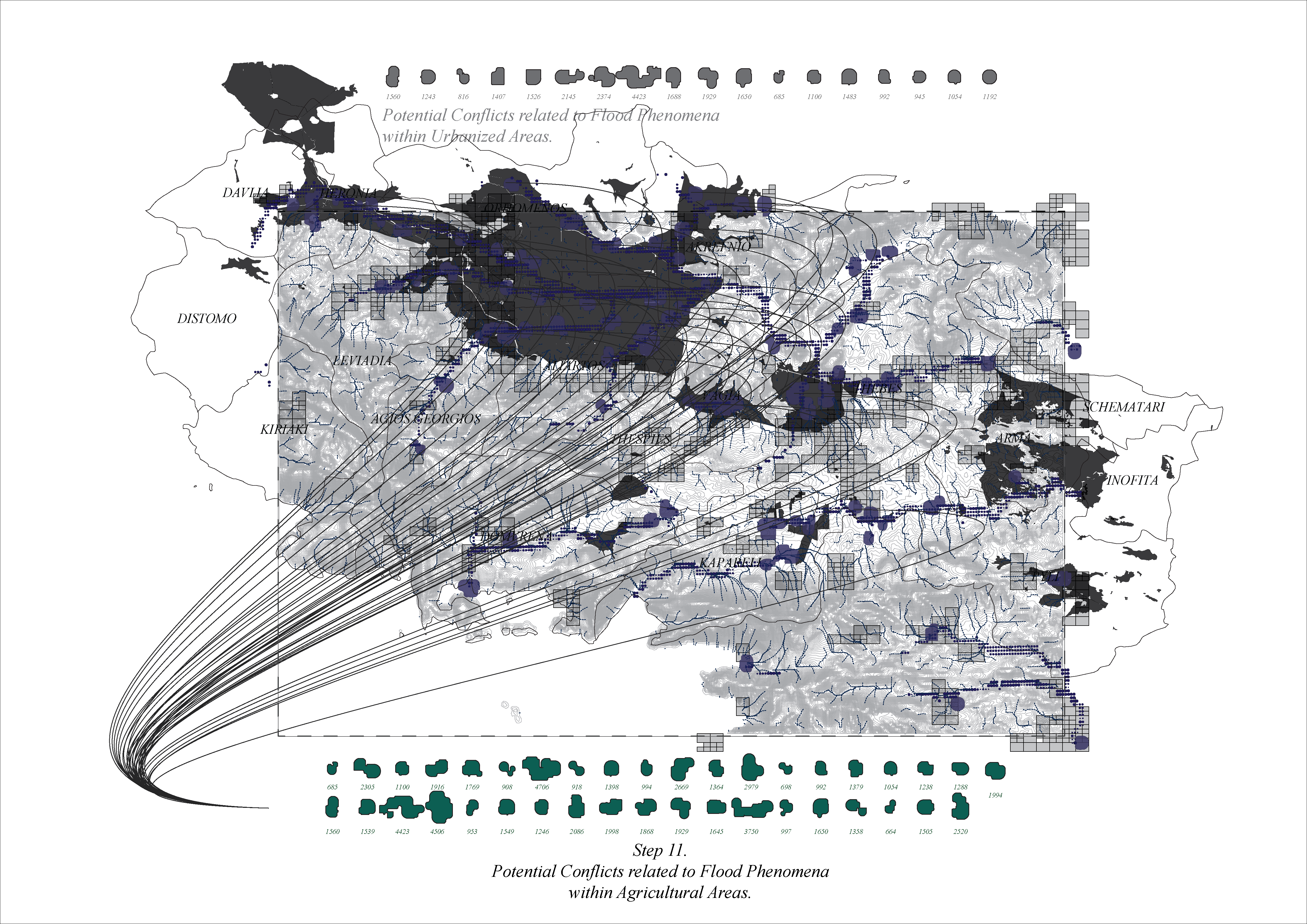
Potential Conflicts related to flooding phenomena in highly urbanized and agricultural areas.

Almost every day, we are confronted with dramatic images of communities and environments incrisis . Flash floods have recently become one of Greece’s most common natural occurrencesafter wildfires. Flooding occurs due to rapid rainfall and heavy storms, from rising river levelsor melting snow.Deforestation, poor soil quality and rapid urbanization significantly contribute to the genesis of … Read more

HANDS OVER BEIRUT and GREEN’IN CORRIDORS

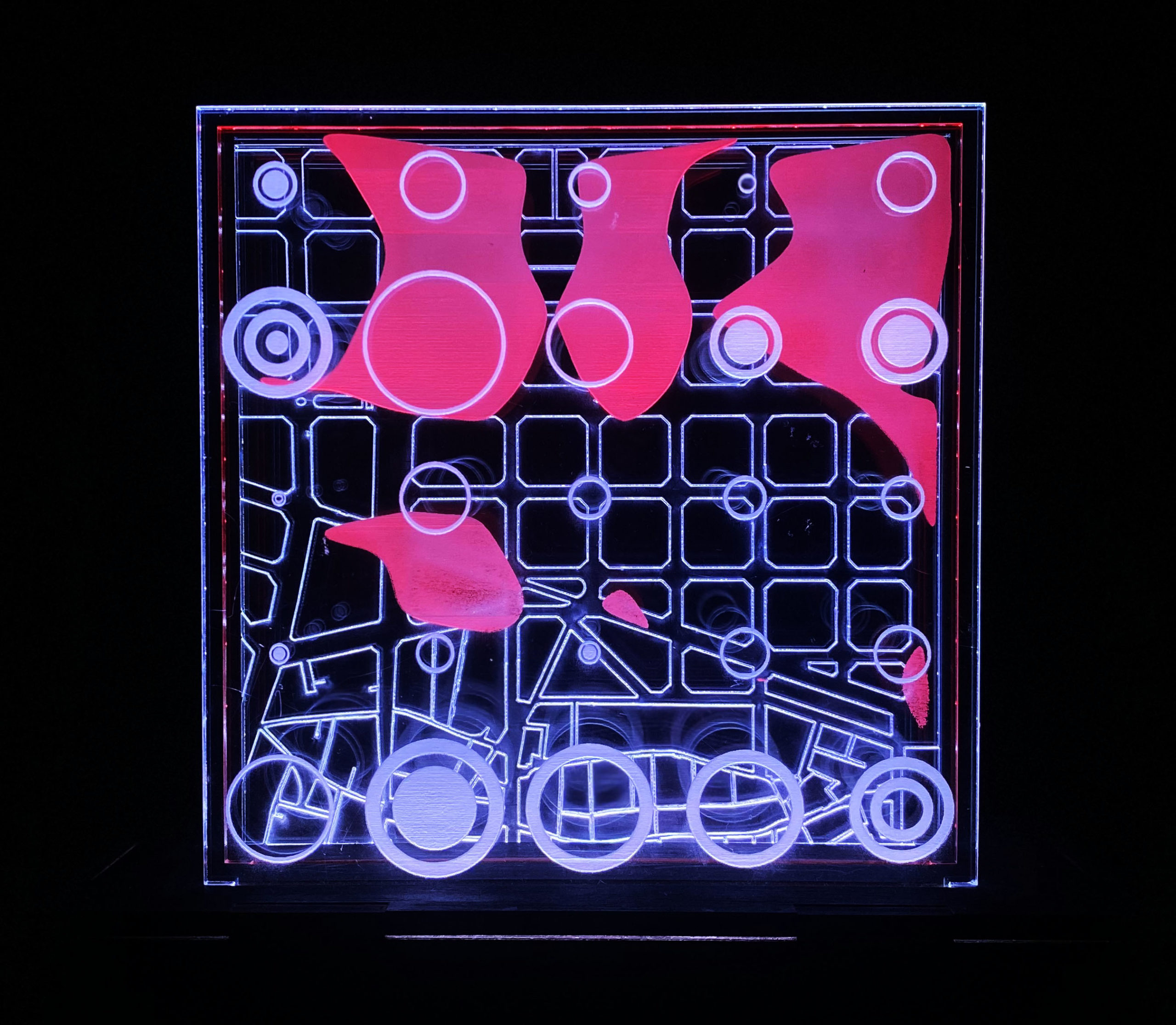
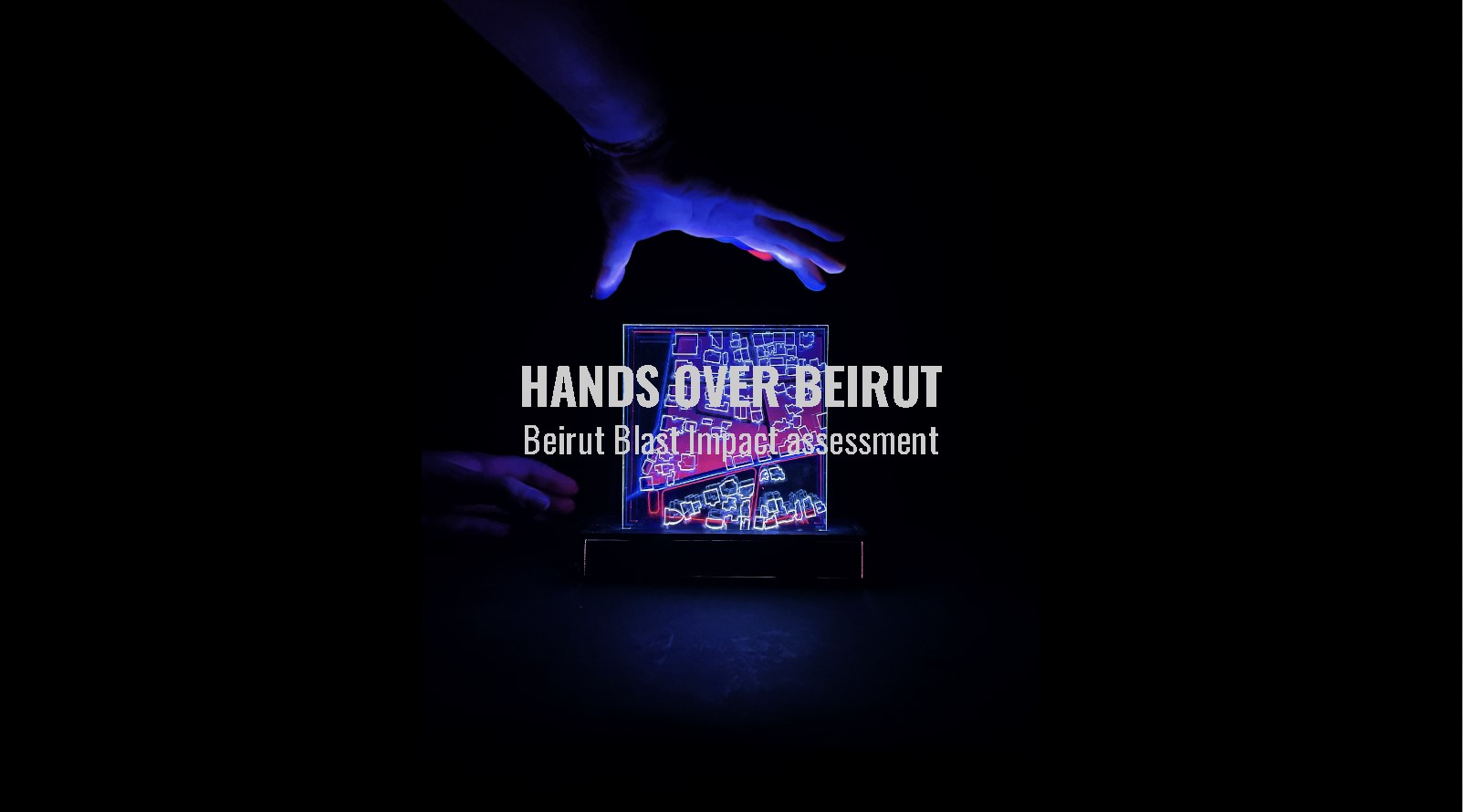

HANDS OVER BEIRUT Beirut Blast impact assessment visualization Neighborhood: Mar Mikhael (Beirut port)/ Gemmayze – Bashoura – Ashrafieh The Area chosen has received the most impact and visualization of the plot of land where buildings got damaged but on a different scale is relevant to understand the shock wave repartition. To physically be able to … Read more

Reclaiming the Street

The Sant Martí district of Barcelona includes the past and the future of the city, ??with ten neighborhoods that share a common link: an industrial past. Sant Martí was originally a large territory on the outskirts of Barcelona’s wall, and was hardly inhabited. It used to be marshes, swamps and lagoons belonging to the Besòs … Read more

growing sidewalks

Poblenou, Barcelona The project focused on a specific site in the district of Poblenou, which has been identified as the one who has the most problematic street conditions. Traffic accidents, asphalt, no liveability and no safety. “Growing sidewalks” proposes a design strategy to change this, projecting into the needs of the future. Site overview and … Read more