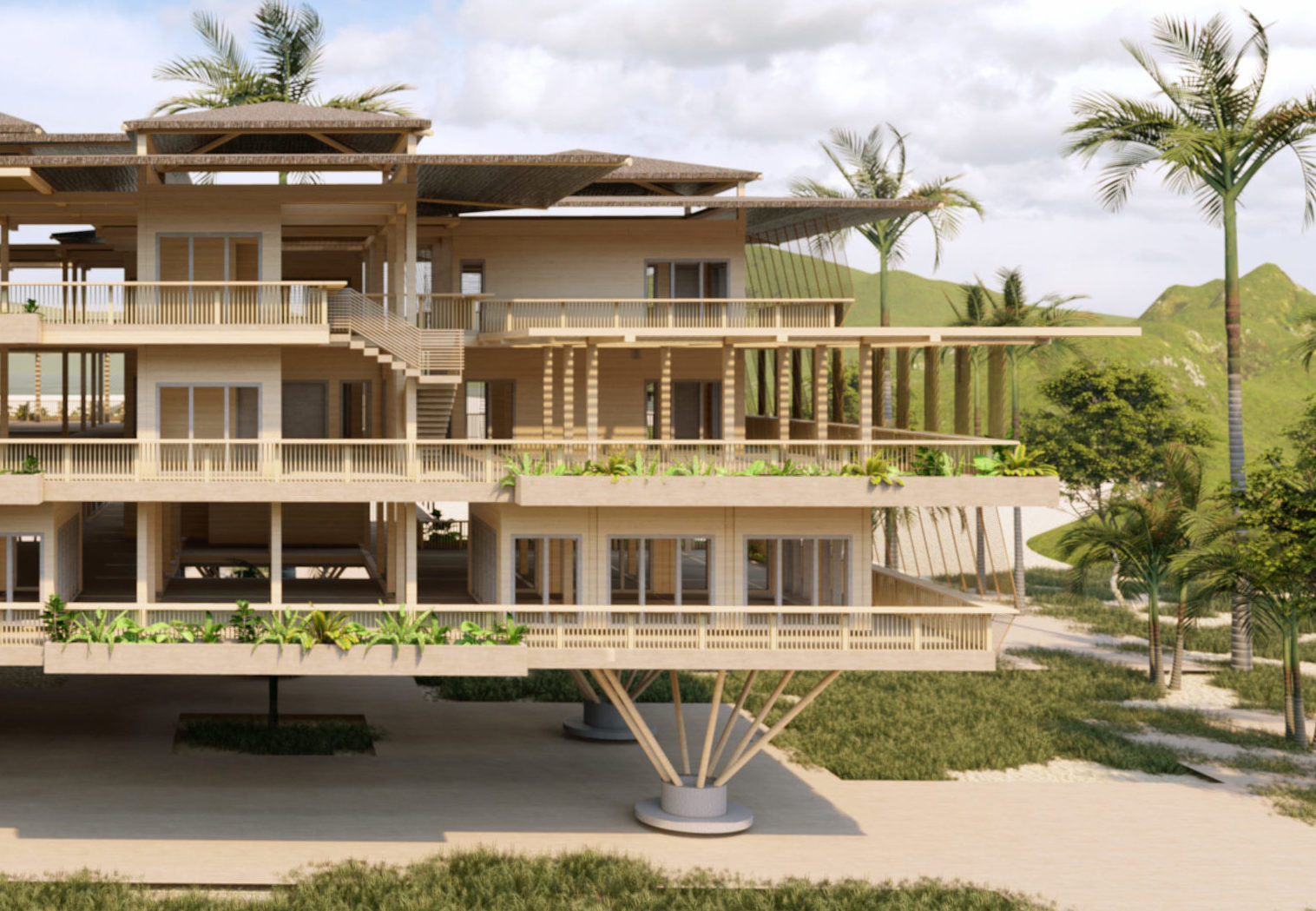
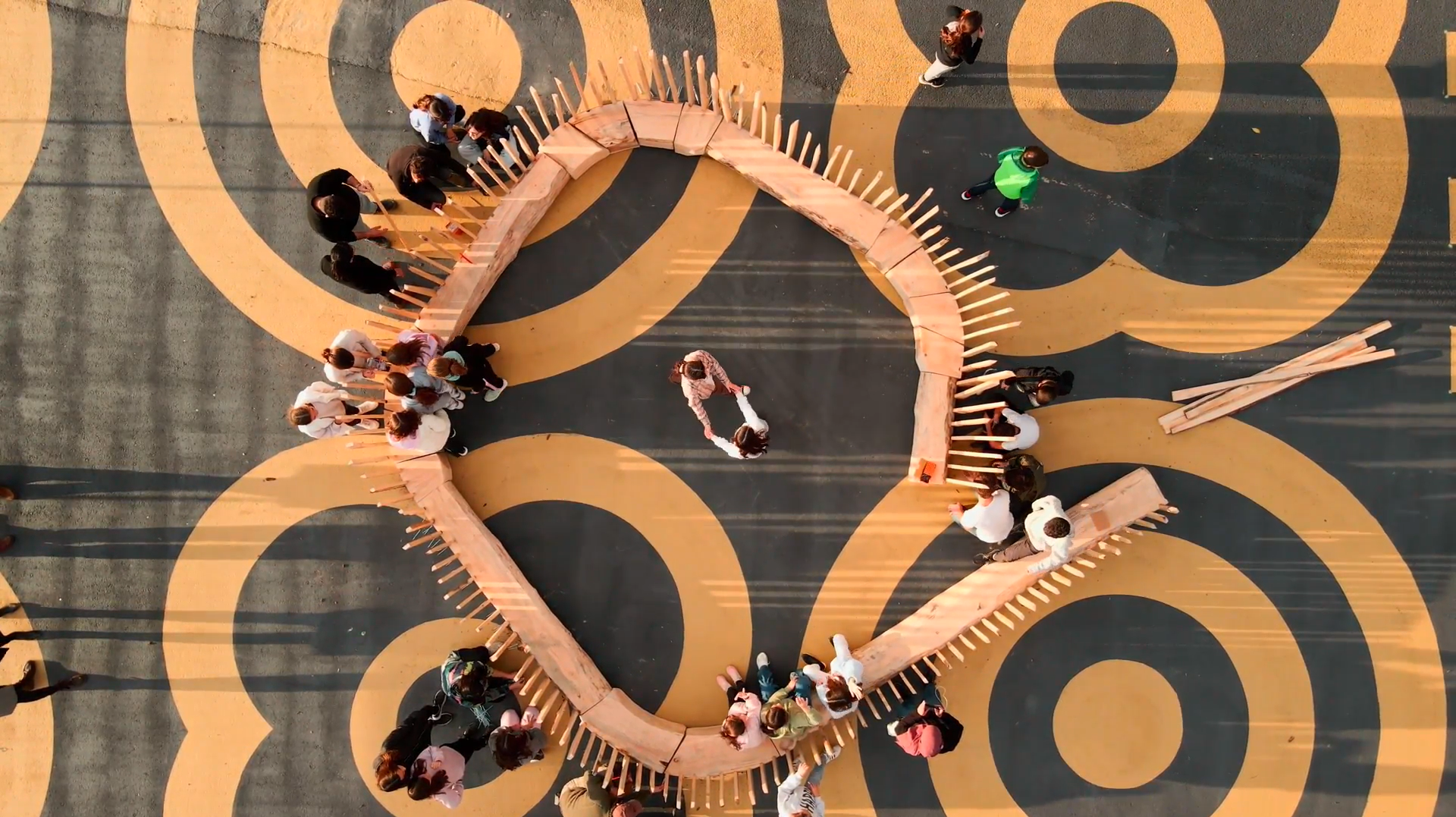
During the first six months in the program, students are comprehensively trained in the principles of design and construction of advanced ecological buildings through a series of focused and intense modules, which include material production, thermal and metabolic building systems, ecological structures and façade systems and much more. After developing the necessary skills and a holistic understanding of advanced and ecological design, students collectively draft and build a full scale ecological building prototype.

Filters
Course

Advanced Computational Tools: A Journey Through Grasshopper

Welcome to the world of advanced computational tools, where we delve into the intricacies of Grasshopper, a graphical algorithm editor tightly integrated with Rhino’s 3-D modeling tools. This blog post will guide you through the learning process, focusing on the fundamental aspects of Grasshopper and logical representations. Grasshopper Fundamentals Grasshopper is a powerful tool that … Read more
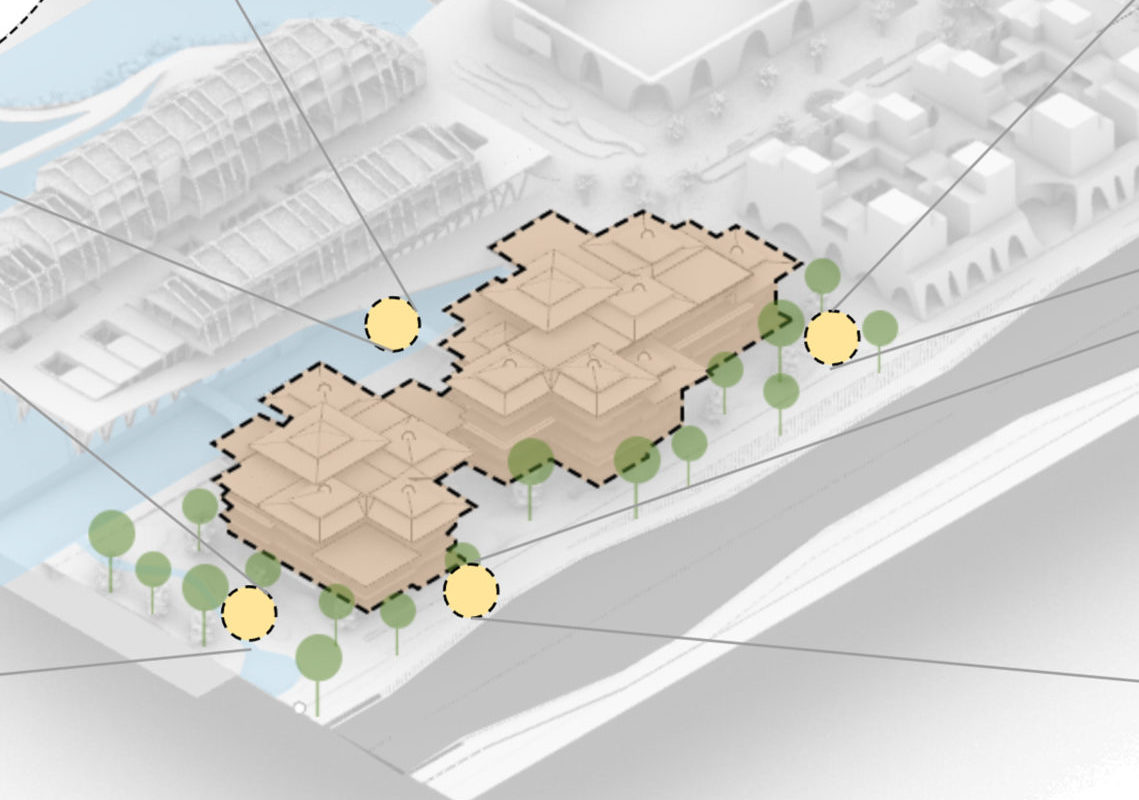
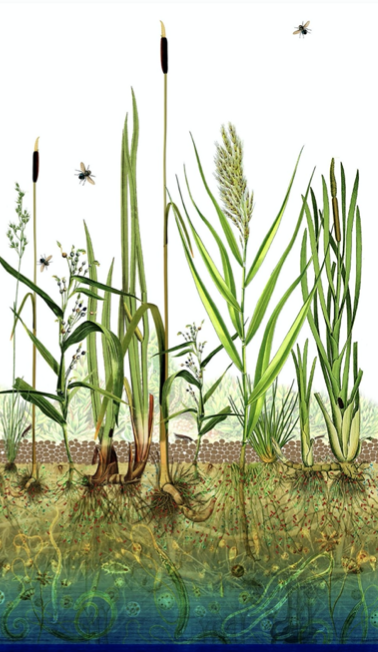
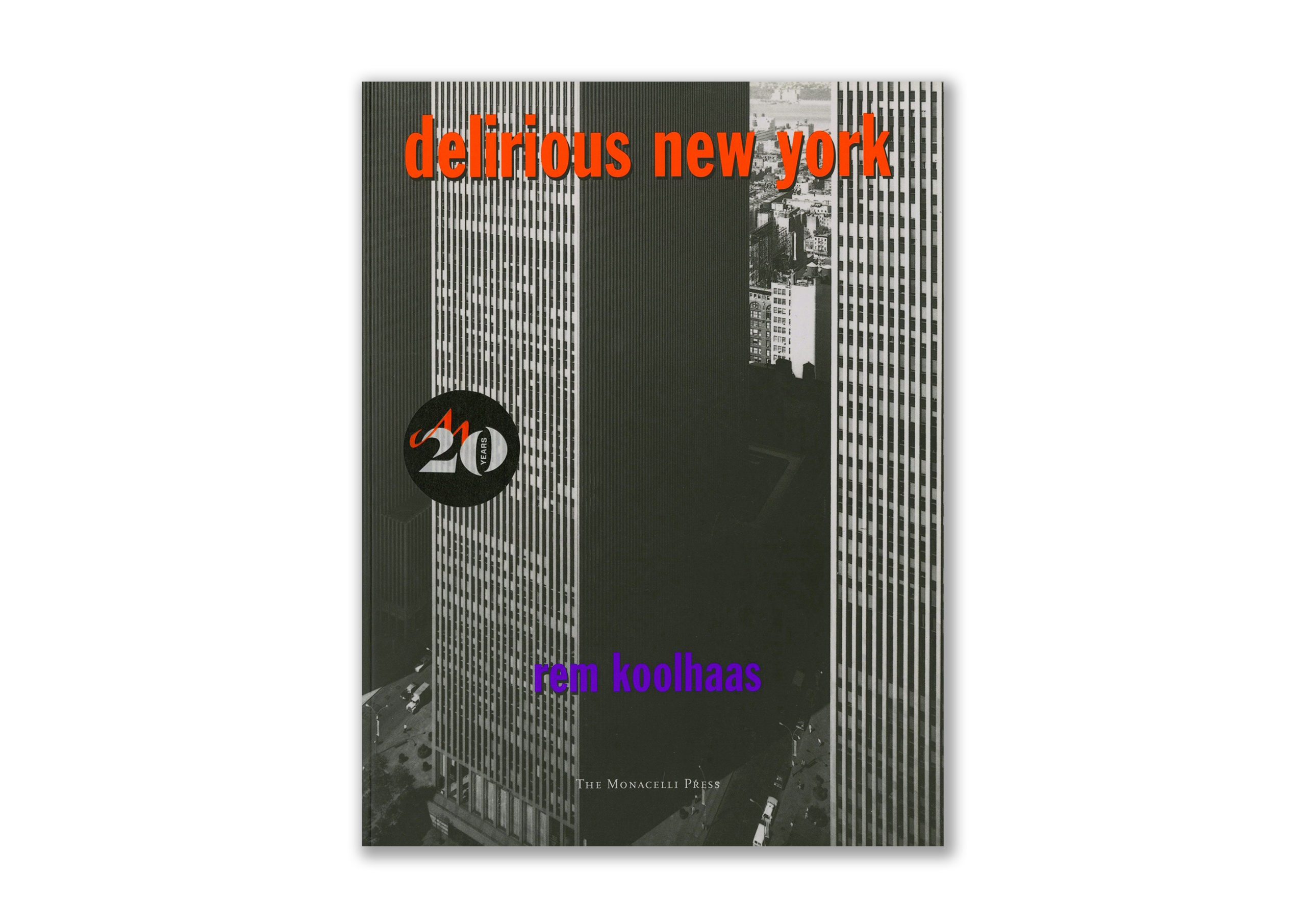
DELIRIOUS NEW YORK: A Retroactive Manifesto for Manhattan by Rem Koolhaas | Ecological Thinking II

This blog is a review of the book “Delirious New York” written by Rem Koolhaas. “The future is no longer about power, but about bandwidth.” Rem Koolhas Rem Koolhaas wrote a novel titled “Delirious New York” that outlines the evolution and background of Manhattan’s design and urbanism. Koolhaas wrote this book because he desired to … Read more

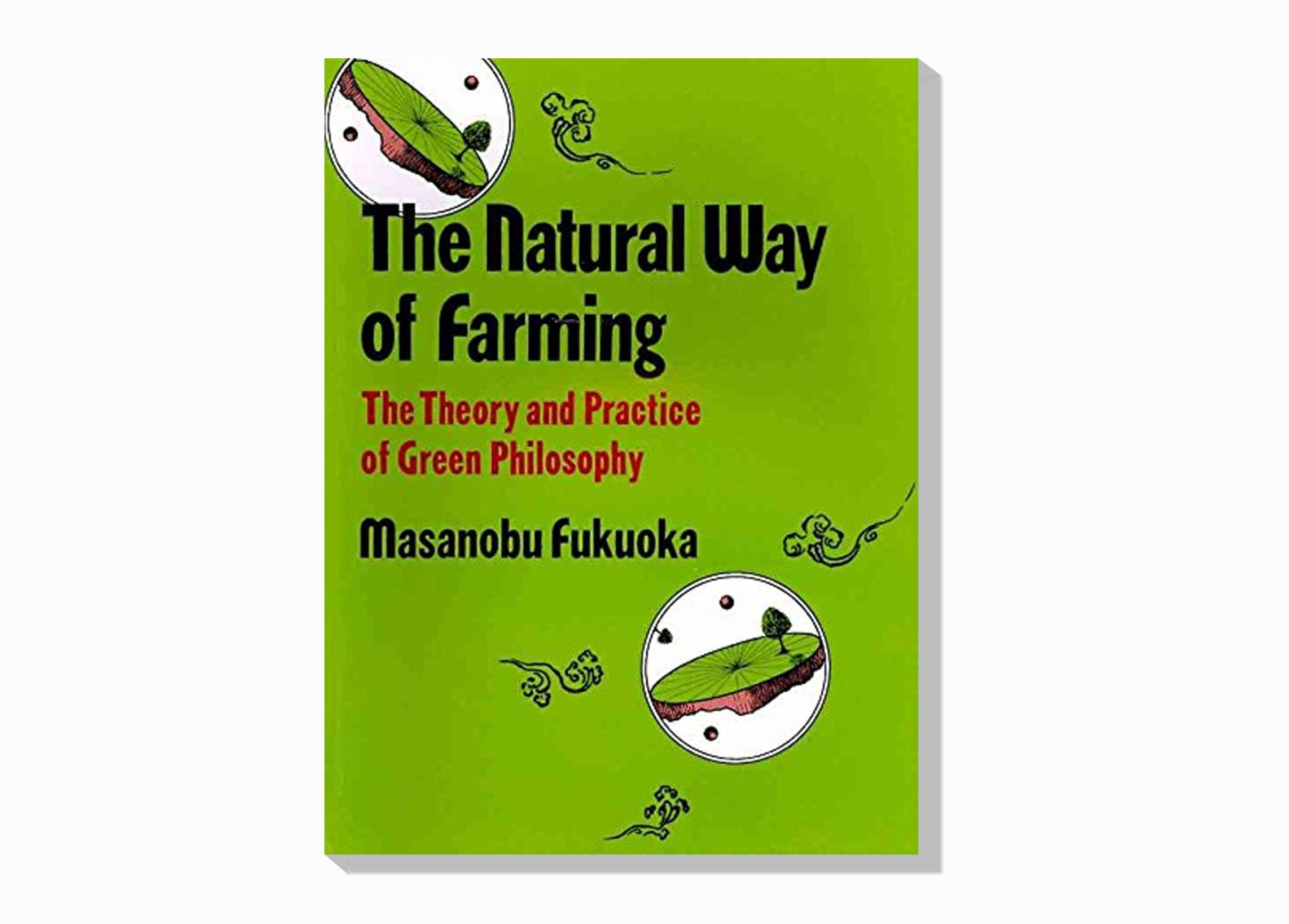
THE NATURAL WAY OF FARMING: The Theory & Practice of Green Philosophy by Masanobu Fukuoka | Ecological Thinking

This blog is a review of the book, The Natural Way of Farming: The theory & practice of Green Philosophy by Masanobu Fukuoka. The Book is a deep description on different ideologies and process developed by the author through practice and application. “When the human spirit and human life blend with the natural order and … Read more

SCALE by Geoffrey West | Ecological Thinking

Exploring the Fundamentals of Scaling Laws with Geoffrey West’s Scale Geoffrey West’s book, Scale, explores the fundamental principles that govern complex systems in the naturalworld, including organisms, ecosystems, cities, and companies. The book argues that these systems exhibit predictable patterns of behaviour as they grow and scale, which can be explained by a few simple … Read more

Open Nature | [WOOD]LE

The project ‘[Wood]le’ – a ‘Wooden Noodle’ explores the idea of steam-bending tree logs to create a self stable structure. The [Wood]le assumes the function of a seating area as it rests on the ground at one end and folds up to become an element that frames the valley of Font Del Gos on the … Read more

Fabrication for Open Nature | Mil Ramas

INTRODUCTION The Design and Fabrication course’s main objective is to orient us towards learning and gaining experience in the use of tools and machines in relation to fabrication. Through designing, manufacturing and prototyping the models we were able to gain hands-on experience on how to fabricate and construct our projects. Valldaura Green FabLab provided us … Read more

Open Nature | Mil Ramas

Brief The main aim of the sculpture seats was to use discarded branches and every part of the tree to create our structure in a sustainable manner. Our project’s objectives were to serve something unique, comfortable and most importantly an advanced form of seating using wooden elements. We began with collecting branches from trees that … Read more

Furnish KIDS 2.0

SCOPE / OBJECTIVES Many European cities are looking to redesign their public spaces. FURNISH (Fast Urban Responses for New Inclusive Spaces and Habitat) aims to merge the challenge of having more public spaces through ‘tactical urbanism’, which can reconfigure and co-create a street expanding the space for pedestrians and leisure, with local manufacturing, through the … Read more