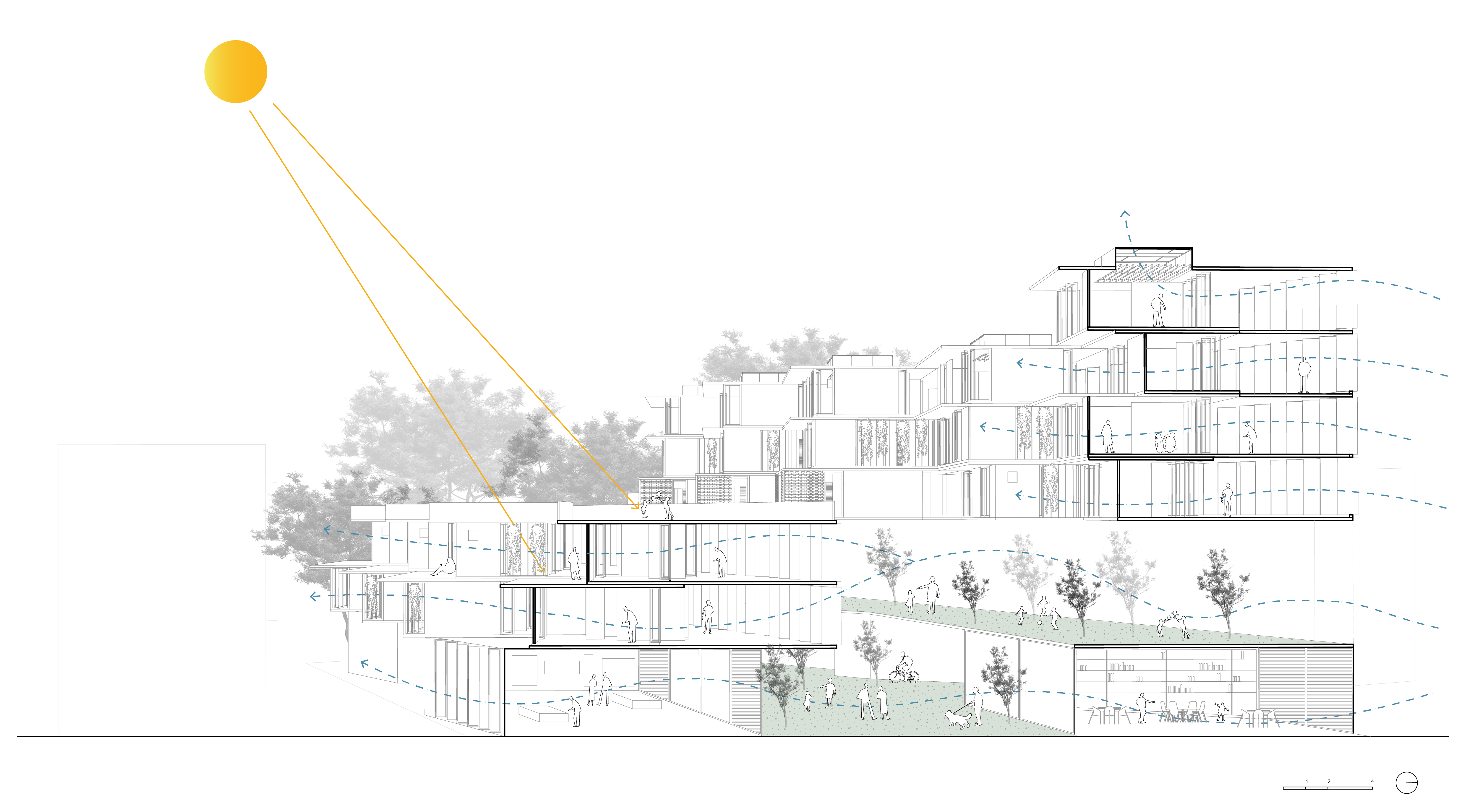
During the first six months in the program, students are comprehensively trained in the principles of design and construction of advanced ecological buildings through a series of focused and intense modules, which include material production, thermal and metabolic building systems, ecological structures and façade systems and much more. After developing the necessary skills and a holistic understanding of advanced and ecological design, students collectively draft and build a full scale ecological building prototype.
Natural Capital Investments | Barcelona Protocol
-The future of the earth, its eco-systems, and our own civilization will be decided in and by our citIes– Learn more about Barcelona Protocol here “Only if we ensure that the material, means, and methods with which we build and manage our cities are primarily drawn from regionally available and sustainably managed biological resources can … Read more
MEDITERRANEAN l Thermodynamics
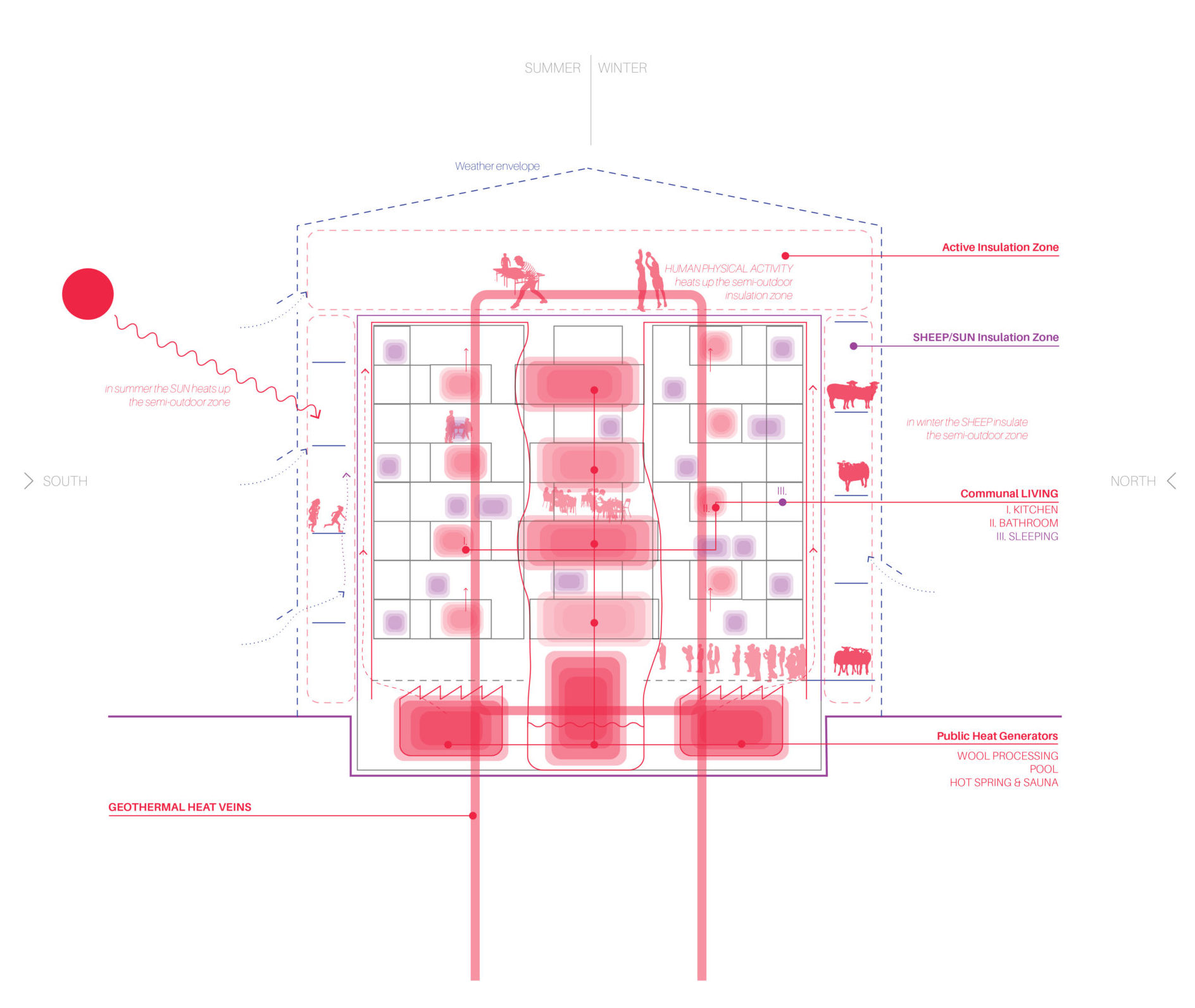
01. Introduction Venice is a city in northeastern Italy and the capital of the Veneto region. It is built on a group of 118 small islands separated by canals and linked by over 400 bridges.According to the Köppen climate classification, Venice has a mid-latitude four-season humid subtropical climate, with cool, damp winters and warm, humid … Read more
Sustainable Forest Management
Our Sustainable Forest Management course kicked off in December with an open air lecture from Dr. Arbol. This explorative walk through the Valldaura forest helped us to better observe and understand how the ecosystem forest functions. We also learned how to identify the existing tree species and their way of growing in the context of … Read more
MO5 Collaborative Design – Bio Berms
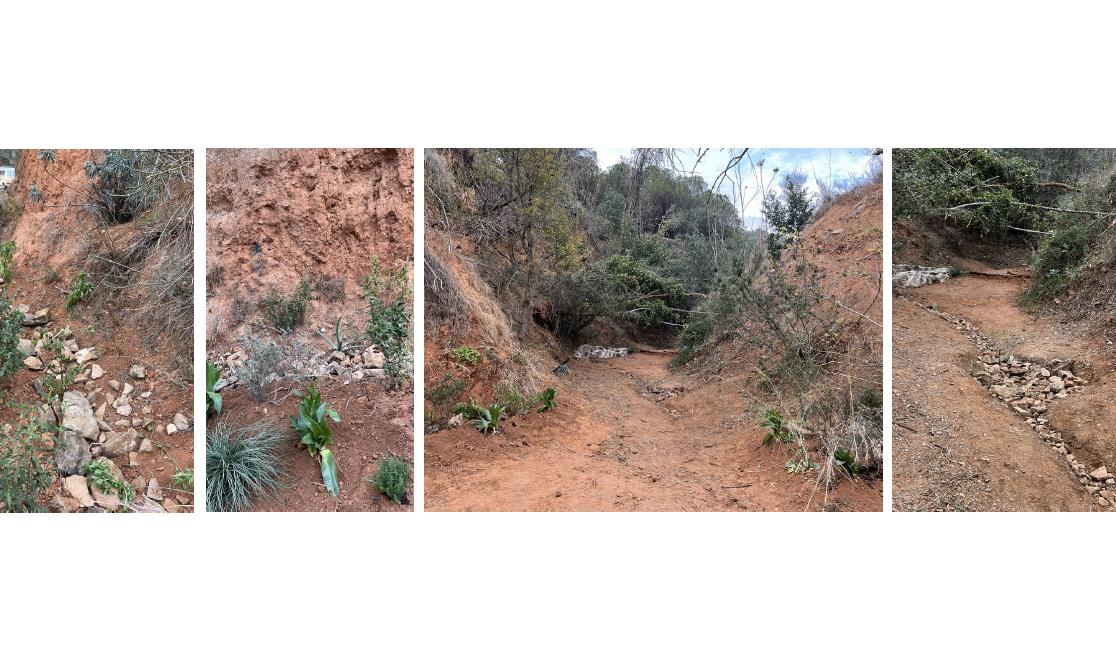
After analyzing the site of Font del Gos we quickly realized that soil erosion was a significant problem.The site is a case study of human interception of an ecosystem, a naturally evolvedlandscape and water stream disturbed by human doings, causing dysfunction.Dry, eroded soil is unable to absorb water properly when raining.This causes a lack of … Read more
Open Nature | [WOOD]LE | Digital Tools
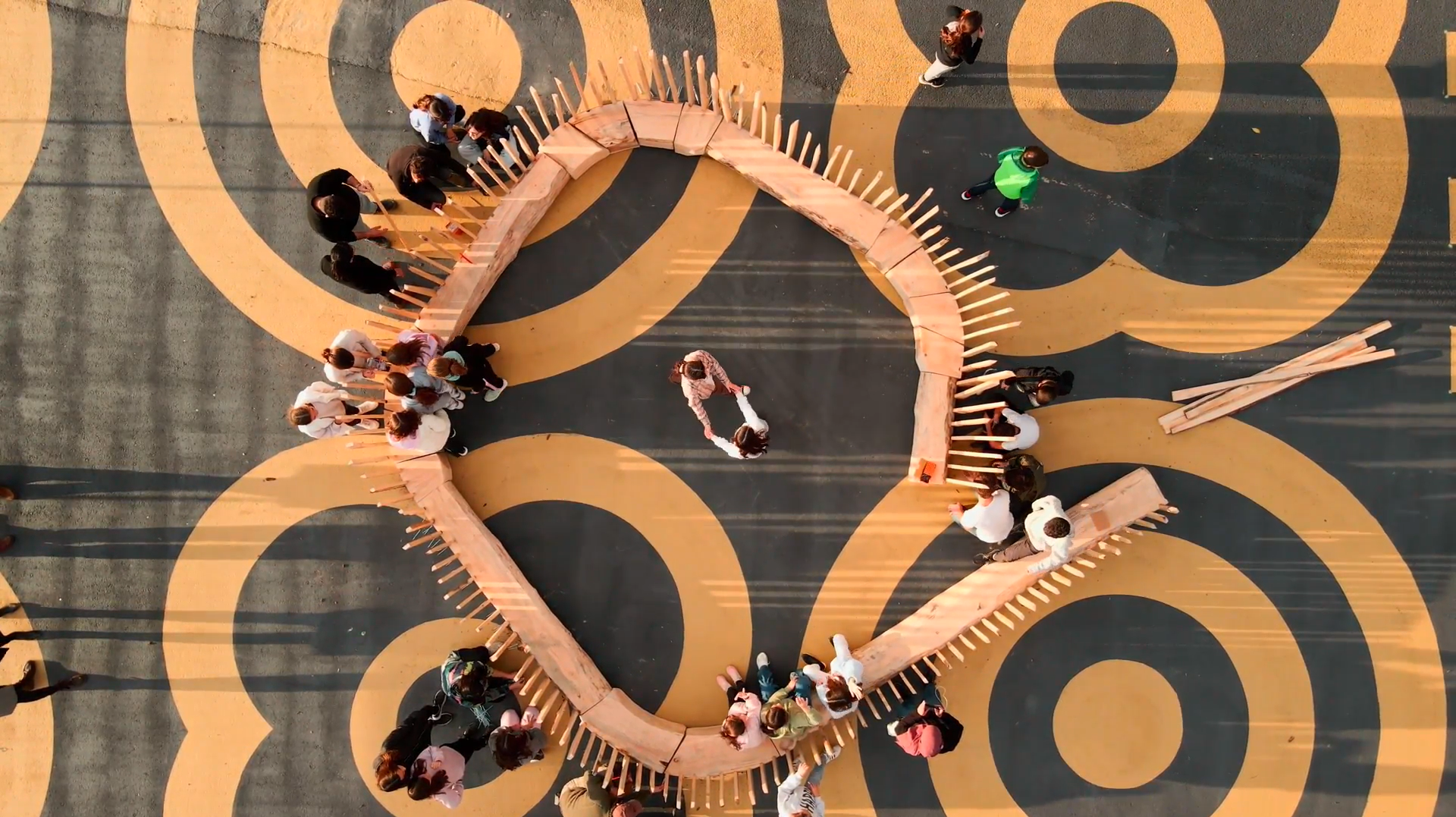
The project ‘[Wood]le’ – a ‘Wooden Noodle’ explores the idea of steam-bending tree logs to create a self stable structure. The Woodle assumes the function of a seating area as it rests on the ground at one end and folds up to become an element that frames the valley of Font Del Gos on the … Read more
Open Nature | [WOOD]LE
The project ‘[Wood]le’ – a ‘Wooden Noodle’ explores the idea of steam-bending tree logs to create a self stable structure. The [Wood]le assumes the function of a seating area as it rests on the ground at one end and folds up to become an element that frames the valley of Font Del Gos on the … Read more
Advanced Digital Tools for Open Nature | Mil Ramas
Through the classes of this course, we practised and learned how to apply the parametric software Grasshopper as well as associated plug-ins into our computational designs. We implemented what we learned in our studio projects in order to comprehend it in real-time. Since our project did not require any direct fabrication through 3d software, we … Read more
Fabrication for Open Nature | Mil Ramas
INTRODUCTION The Design and Fabrication course’s main objective is to orient us towards learning and gaining experience in the use of tools and machines in relation to fabrication. Through designing, manufacturing and prototyping the models we were able to gain hands-on experience on how to fabricate and construct our projects. Valldaura Green FabLab provided us … Read more
Open Nature | Mil Ramas
Brief The main aim of the sculpture seats was to use discarded branches and every part of the tree to create our structure in a sustainable manner. Our project’s objectives were to serve something unique, comfortable and most importantly an advanced form of seating using wooden elements. We began with collecting branches from trees that … Read more
Furnish KIDS 2.0
SCOPE / OBJECTIVES Many European cities are looking to redesign their public spaces. FURNISH (Fast Urban Responses for New Inclusive Spaces and Habitat) aims to merge the challenge of having more public spaces through ‘tactical urbanism’, which can reconfigure and co-create a street expanding the space for pedestrians and leisure, with local manufacturing, through the … Read more