During the MAEBB02, IAAC gives students the opportunity to create individual Studio agendas and develops Thesis Projects based on ecological design, thermodynamics applied to buildings, new fabrication techniques, material experimentation, solar technologies and more. In this way, IAAC puts together an experimental and learning environment for the training of professionals with both intellectual and applied responses to the increasing complexity and environmental pressures of contemporary urban environments.

Filters
Course

Framing Irregularity

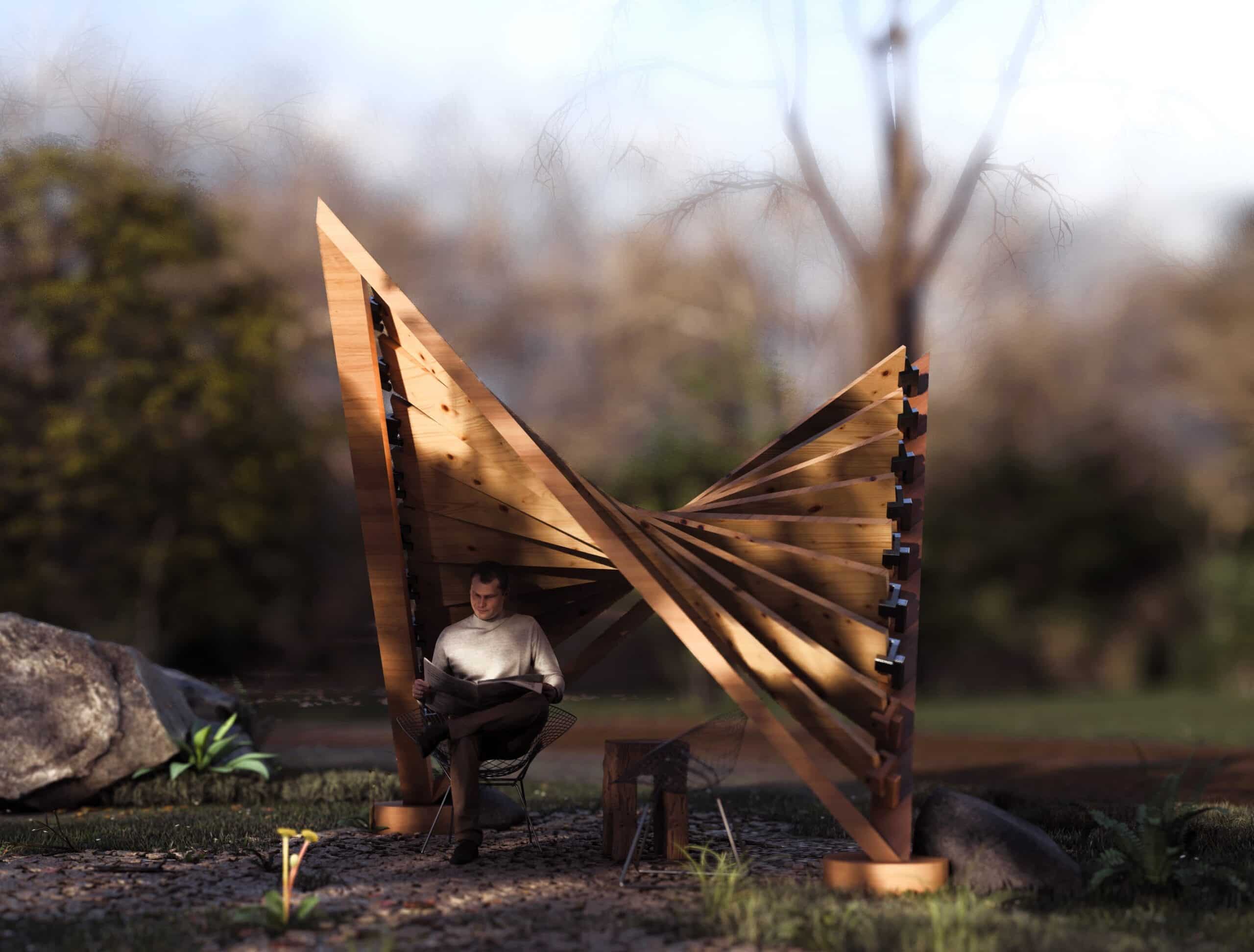
Designing Adaptive Framing System forWarped Wood: Exploring in to framing system thataccommodates different warped pieces of planks caused by uneven anisotropic bending characteristics of Pine Wood forfunctional applications in architectural design and construction. How can we create a Adaptable Frame System that accommodates different warped wooden pieces resulting from uneven anisotropic drying behavior of pine … Read more

Metabolic building systems: Water – N.E.S.T. Research Center

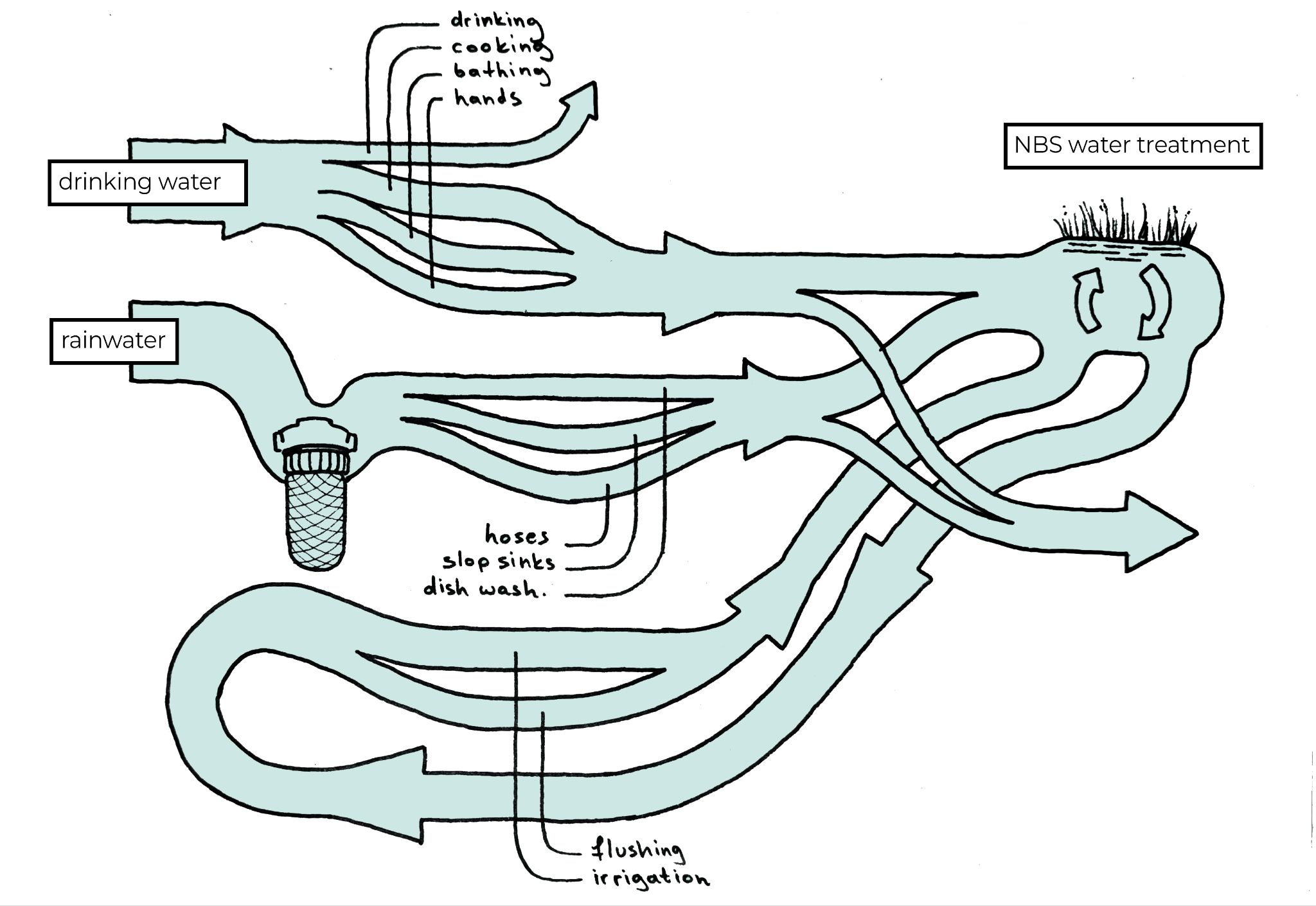
Introduction: A Water-Smart Timber Research Center The NEST Timber Research Center in Sant Adrià del Besòs, Barcelona, is redefining sustainable water management in urban developments. Designed as an innovative hub for timber research and ecological design, N.E.S.T is focused on material exploration and creating a circular water system that maximizes efficiency, reduces waste, and integrates natural treatment solutions. Water is … Read more

Nature’s pallete in the Built Environment

Material Cultures - Circular biobased construction

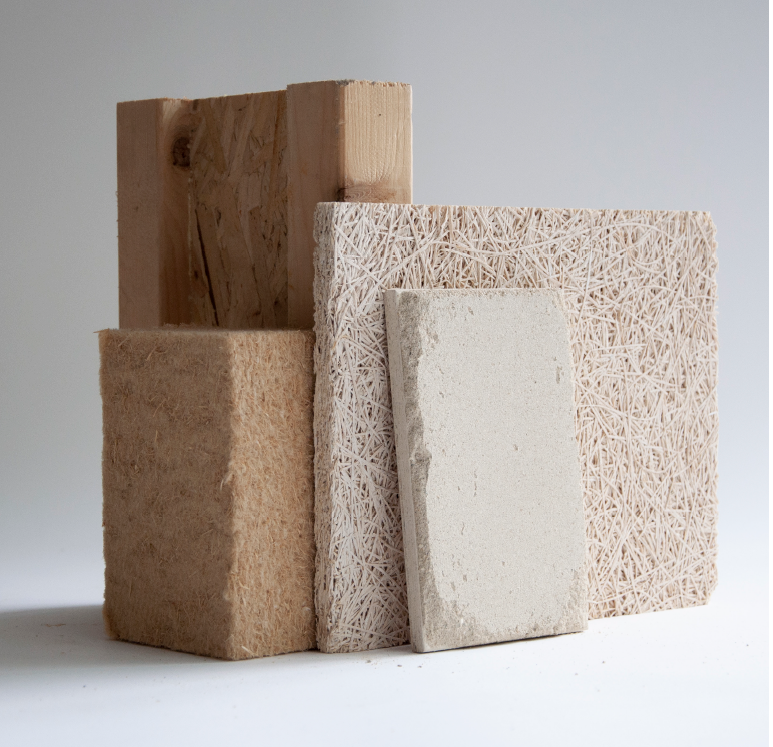
Could bio-based materials be the key to transforming the building sector and reducing its impact on climate change? The articles described present a compelling set of arguments on timber industry, sustainable forestrynonconventional materials and innovative technologies. TIMBER Timber is highlighted as the biggest widespread potential of low-carbon alternative to steel and concreteespecially referred to in … Read more

Bio Diverse City

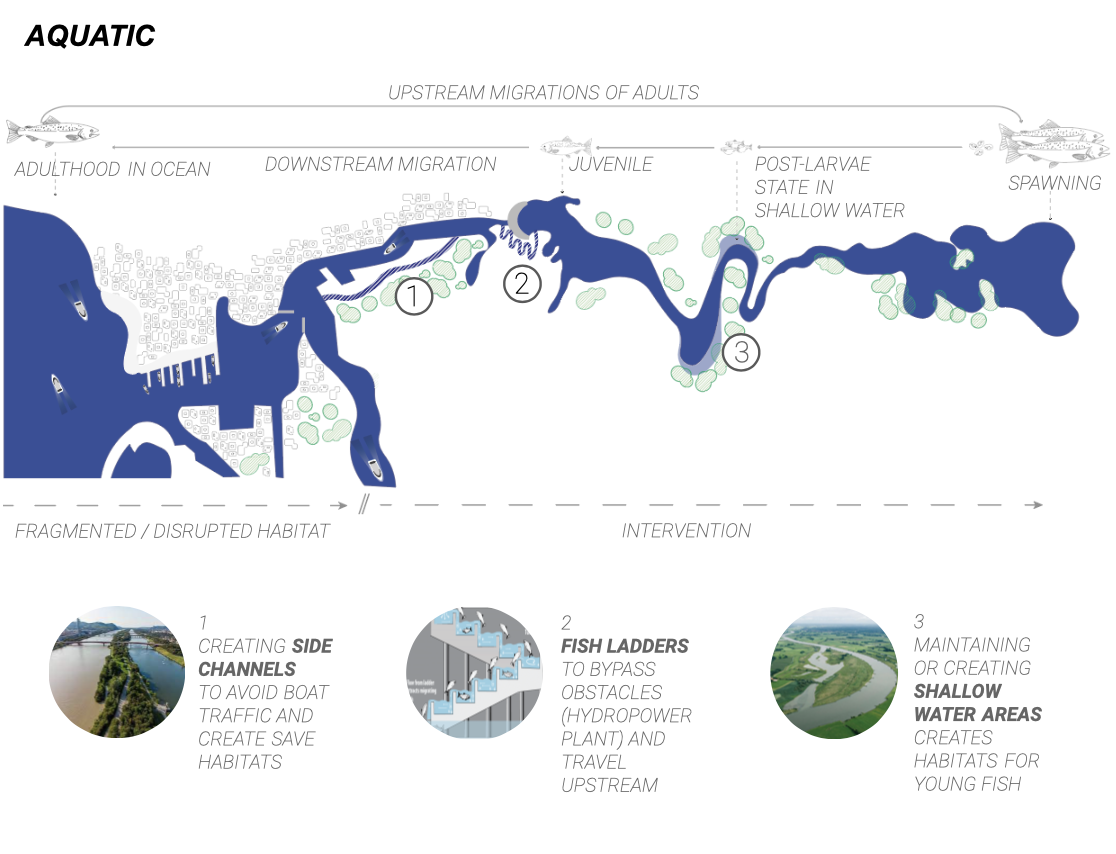
In the article ‘Coral Reefs of the Land’ Madhusudan Katti suggests we reimagine our cities as coral reefs. Coral reefs correlate with tropical rainforests concerning their biological productivity. These dynamic marine metropolises accommodate diverse species. Conversely, our cities offer limited spaces for species to build habitats. Could cities embrace coexistence and invite more species to … Read more

Bionook

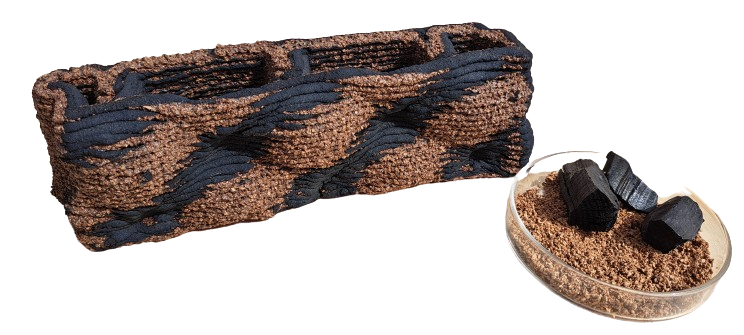
This blog describes and showcases the second-term research and prototyping for Bionook. Research Topic: Investigating the Synergistic Potential Between Additive Manufacturing Methods and Engineered Timber in Reshaping Urban Design Paradigms. This research delves into precisely integrating sawdust and orange peels as industrial by-product additives for Soil Additive Manufacturing and locally sourced Engineered Timber, synergizing them … Read more

PEXEL: Exploring parametricism through the lens of modularity.

Research Topic:How can a system of modular units embedded with the ability to connect through a combination of joineries achieve a wide range of reciprocal forms, flexibility in design, and a simplified construction process? Keywords: design flexibility, reciprocal structures, interlocking joineries, efficient construction, modularity.The tectonics of parametric architecture using timber primarily stem from two processes: … Read more

Lumber Legacy : A Silent Tale of Dowel Laminated Timber

Starting with my master’s thesis, my primary objective was to delve into the realm of sustainable materials. Throughout my first year, I immersed myself in the study of timber assemblies, intrigued by their potential contribution to environmentally conscious construction practices. Researching concepts such as the circular economy and cradle-to-grave analysis, I gained a deeper appreciation … Read more

Defining Biocities

In the ever-evolving landscape of urban planning, the concept of “Biocities” has emerged as a beacon of hope for a sustainable future. As we delve into the intricacies of creating urban spaces that harmonize with nature, it becomes imperative to establish a shared language— a lexicon that defines the essence of Biocities. This blog post … Read more

Introducing need for Bionook

Abstract In response to urgent carbon mitigation challenges and biodiversity loss, a paradigm shift toward manufacturing symbiosis and circular bio-economy is crucial for ecologically sensitive design in urban ecosystems. This study explores the transformative potential of a 3D-printed urban Bionook, incorporating layers of Cross-Laminated Timber (CLT) with a natural-locally sourced soil admixture, to enhance strength, … Read more

Defining Biocities

Life cycle Assessment Synonyms: Life cycle analysis Noun Life cycle assessment (LCA) is a tool to evaluate possible environmental effects at every stage of a product’s (which can be commodities, technologies, or services) life cycle, from acquiring natural resources through production and consumption to waste management (including disposal and recycling). Four Components of Life-cycle Analysis  … Read more

Defining Biocities (Stefano Boeri)

In the process of creating this blog post dedicated to defining a Biocity, I played a crucial role in conducting comprehensive research and contributing to the compilation of a specialized dictionary. As part of a collaborative effort involving students from the Institute for Advanced Architecture of Catalonia (IAAC), and under the guidance of mentors Honorata … Read more