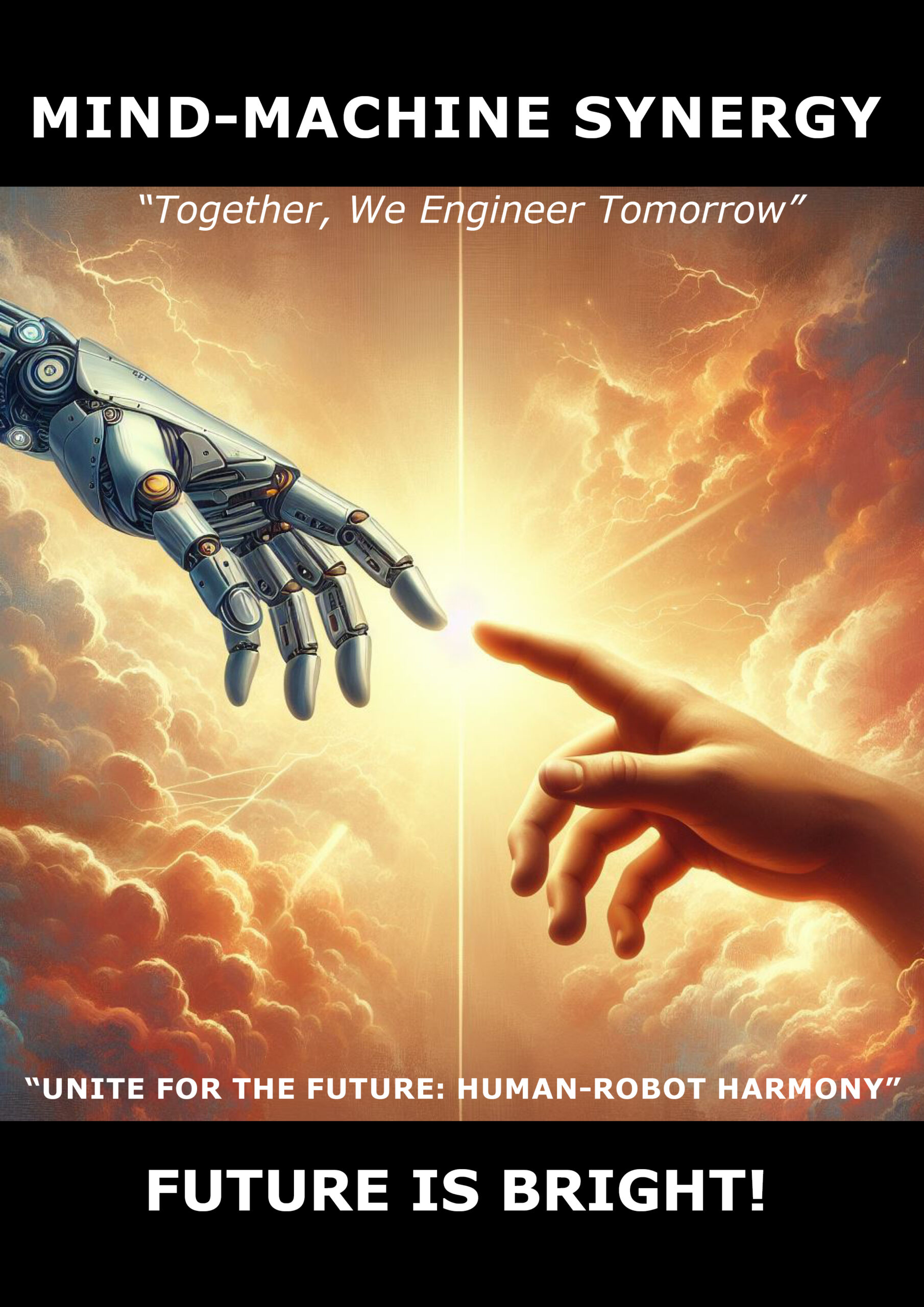
Mind – Machine Synergy [Manifesto for human-robot collaboration]
The Context Driving Innovation in Architecture: Key Concepts from Tom Svilans Research

The Master Programme in Robotics and Advanced Construction is an innovative educational format that offers interdisciplinary skills and understanding through a series of class seminars that are put into practice through hands-on workshops. IAAC gives students the opportunity to create individual studio agendas and develop Pilot Thesis Projects based on the knowledge acquired during the seminars and workshops split into 3 Modules. In this way, IAAC puts together an experimental learning environment for the training of professionals with both theoretical and practical responses to the increasing complexity of the construction sector.
The Context Driving Innovation in Architecture: Key Concepts from Tom Svilans Research

Introduction: This manifesto champions interdisciplinary collaboration, drawing inspiration from Luis Fraguada’s transformative work in ‘Robots in Gastronomy and Fashion Technology’. His achievements underscore the immense potential of exploring the intersection of design, technology, gastronomy, fashion, and more, filling us with optimism and hope. Join us on this journey to unearth hidden synergies and boundless possibilities. … Read more

“In the dawn of this new era, the construction industry stands at the threshold of transformation, poised to redefine its legacy through the power of Artificial Intelligence (AI) and comprehensive data analytics.”* This manifesto aims to put forward the benefits of AI and how it can help the The construction business be improved by collecting … Read more
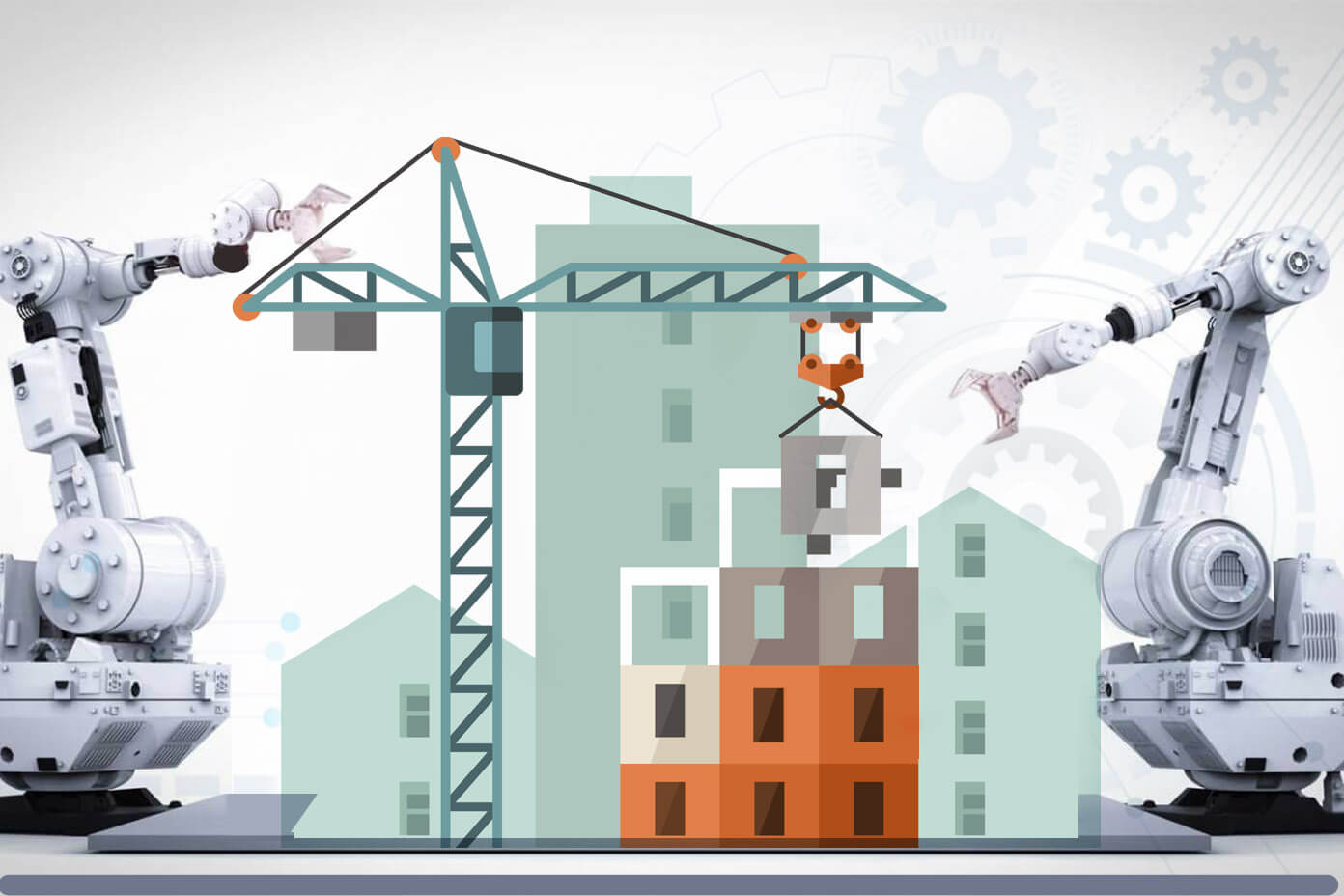
Inspired by Jordi’s Masterclass at IAAC, where he shared his experiences in robotic business and scope exploration, we’ve crafted our manifesto. This document reflects the significant insights he shared, particularly concerning entrepreneurship and startup endeavors in the construction industry. Shaping our collaborative journey into the intersection of design, technology, and construction, this manifesto outlines tailored … Read more

Introduction: In the realm of architecture, we stand at a pivotal moment where traditional construction methods struggle to meet the demands for intricate architectural forms while sustainability concerns continue to mount. As students of the Master in Robotics and Advanced Construction program, guided by the expertise of Mariana Popescu, we advocate for a paradigm shift … Read more

Taking inspiration from Luis Fraguada’s Masterclass at IAAC, where he shared his journey with food 3D printing, the ups and downs of running a startup, and his dive into wearables, we’ve put together our manifesto. It’s shaped by the key insights he shared, especially around business and startups, setting the direction for our collective venture … Read more
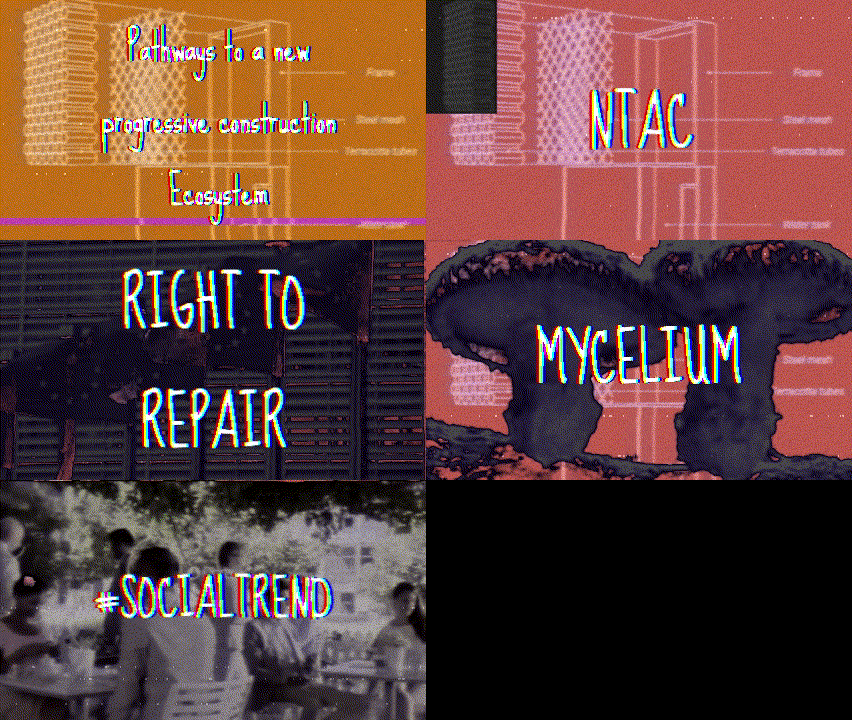
“How can we employ innovative materials and techniques to construct an ecosystem that is instrumental in decarbonising our environment?” Mycelium in Construction for Catalonia – IAAC BLOG Natural Terracotta Air Conditioners – NTAC

CONTEXT Consequences of carbon emission Building operations are responsible for approximately 27% annually, while the embodied carbon of just four building and infrastructure materials – cement, iron, steel, and aluminum – are responsible for an additional 15% annually EuropeanClimateLaw The European Climate Law writes into law the goal set out in the European Green Deal for Europe’s economy and society to become climate-neutral by 2050. The law also sets the intermediate target of reducing net greenhouse gas emissions by at least 55% by 2030, compared to 1990 levels. Climate neutrality by 2050 means achieving net zero greenhouse gas emissions for EU countries as a whole, mainly by cutting emissions, investing in green technologies and protecting … Read more
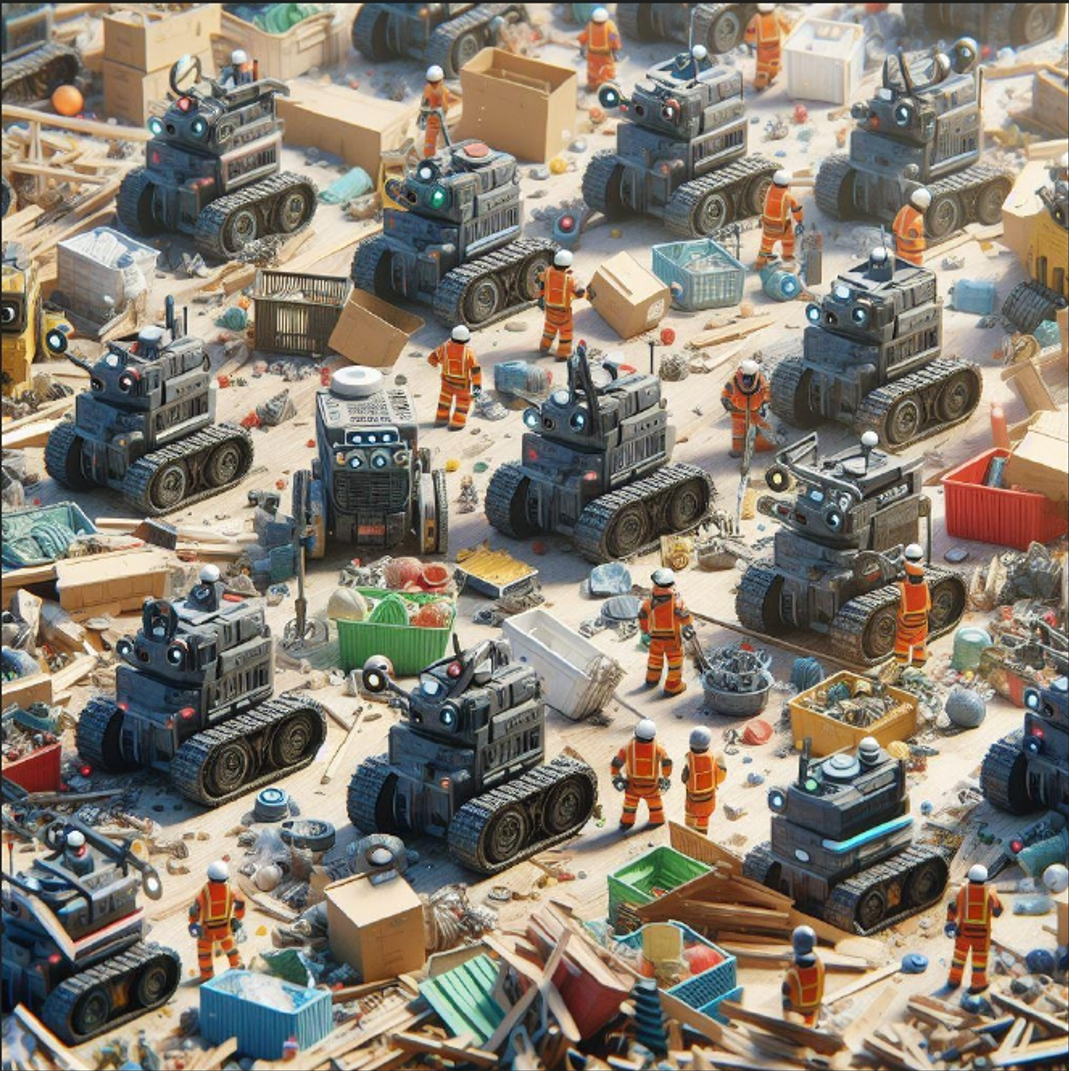
The integration of a rover or swarm of rovers into construction demolition sites represents a paradigm shift in waste management practices. Equipped with advanced sensors and AI algorithms, this rover possesses the capability to accurately identify and segregate valuable materials such as steel and metal amidst debris and rubble. These rovers operate seamlessly alongside human … Read more
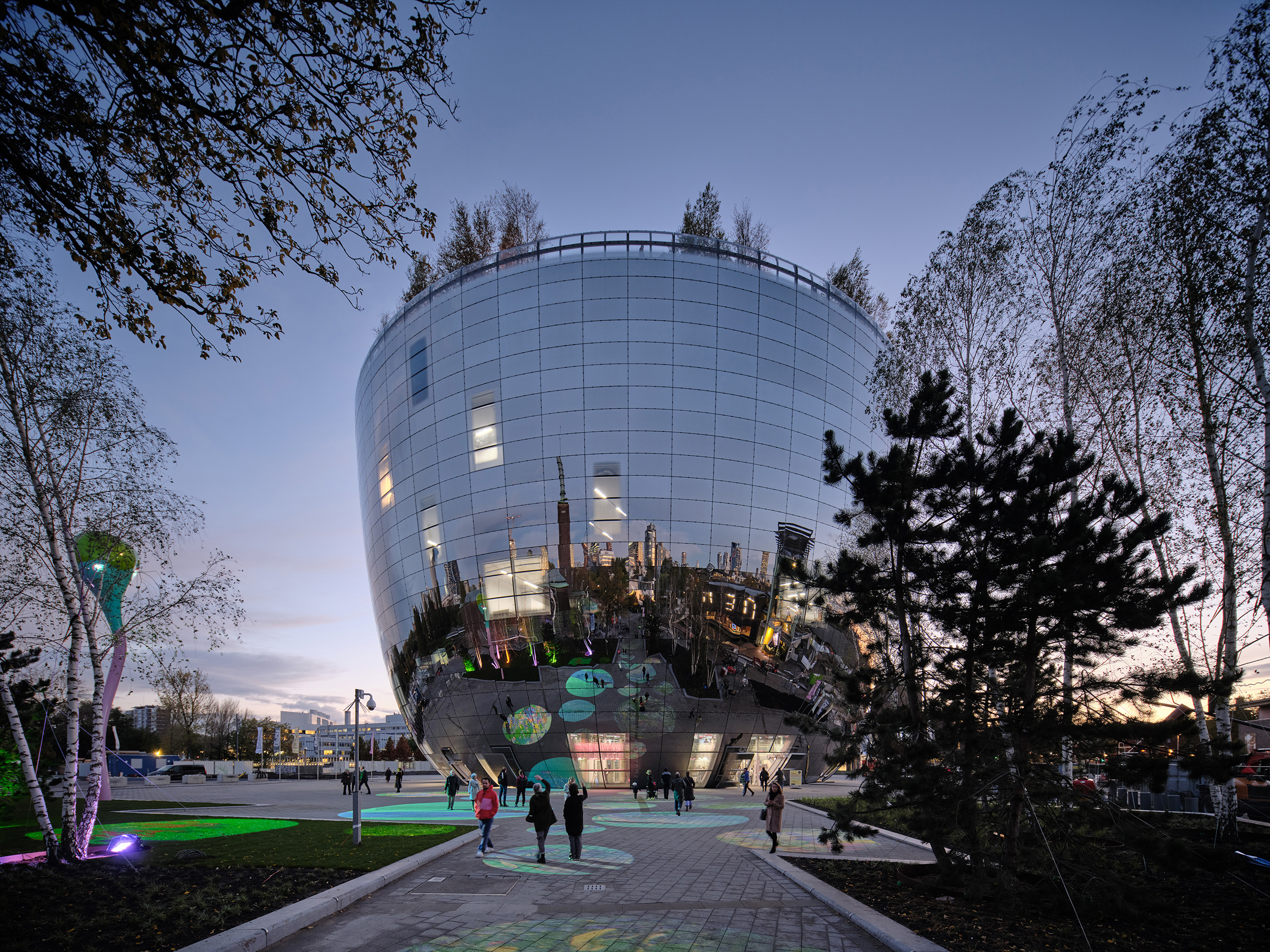
The building and construction industry is currently not meeting the targets for achieving decarbonization by 2050. Heightened environmental expectations from regulators, investors, and occupants have led to an uneven business landscape.Regulatory frameworks aimed at reducing carbon emissions, such as building codes and energy efficiency standards, are becoming more stringent, further complicating the landscape for businesses. … Read more
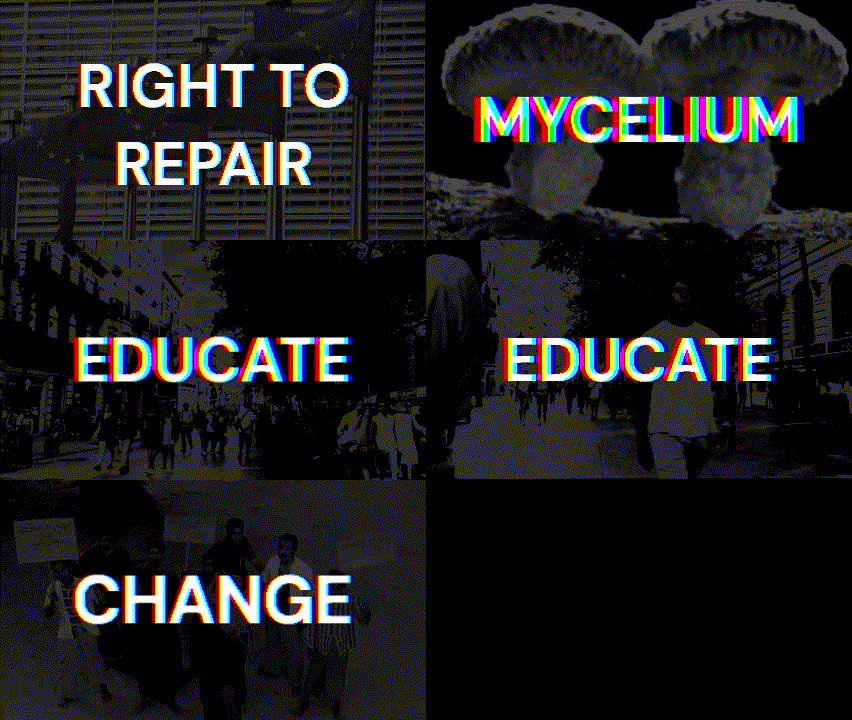
Throughout this blog we will highlight each section and we hope to inspire others like the way we have been inspired. We will present a progressive material, then show how we get this material integrated into the construction world. Proposition “ We propose that the usage of Mycelium should be legalised in the Code for … Read more
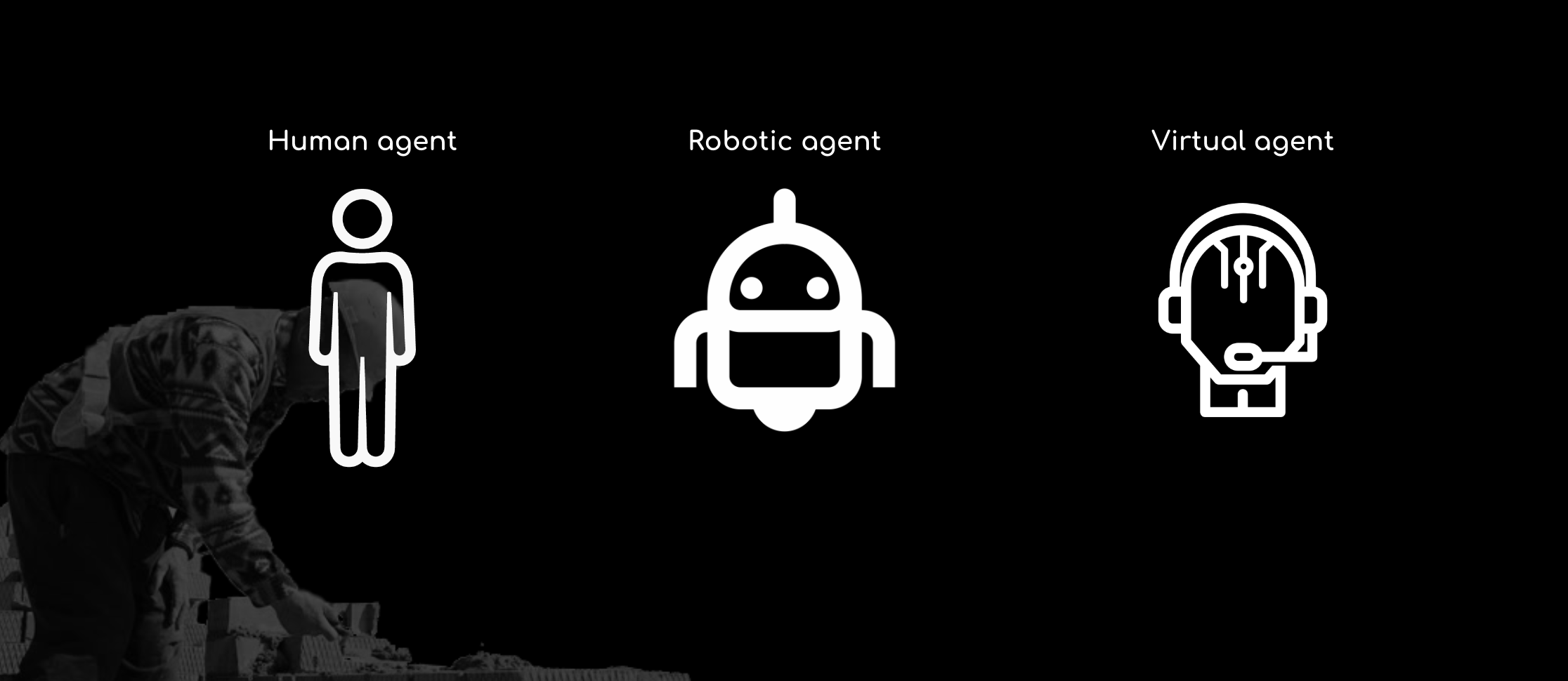
In recent years, there has been a growing interest in developing multiagent systems that combine the strengths of human, robotic, and virtual agents to perform complex tasks. In this project we theorize on how such a system could be implemented in bricklaying at a construction site, which traditionally relies heavily on human labor. With the … Read more
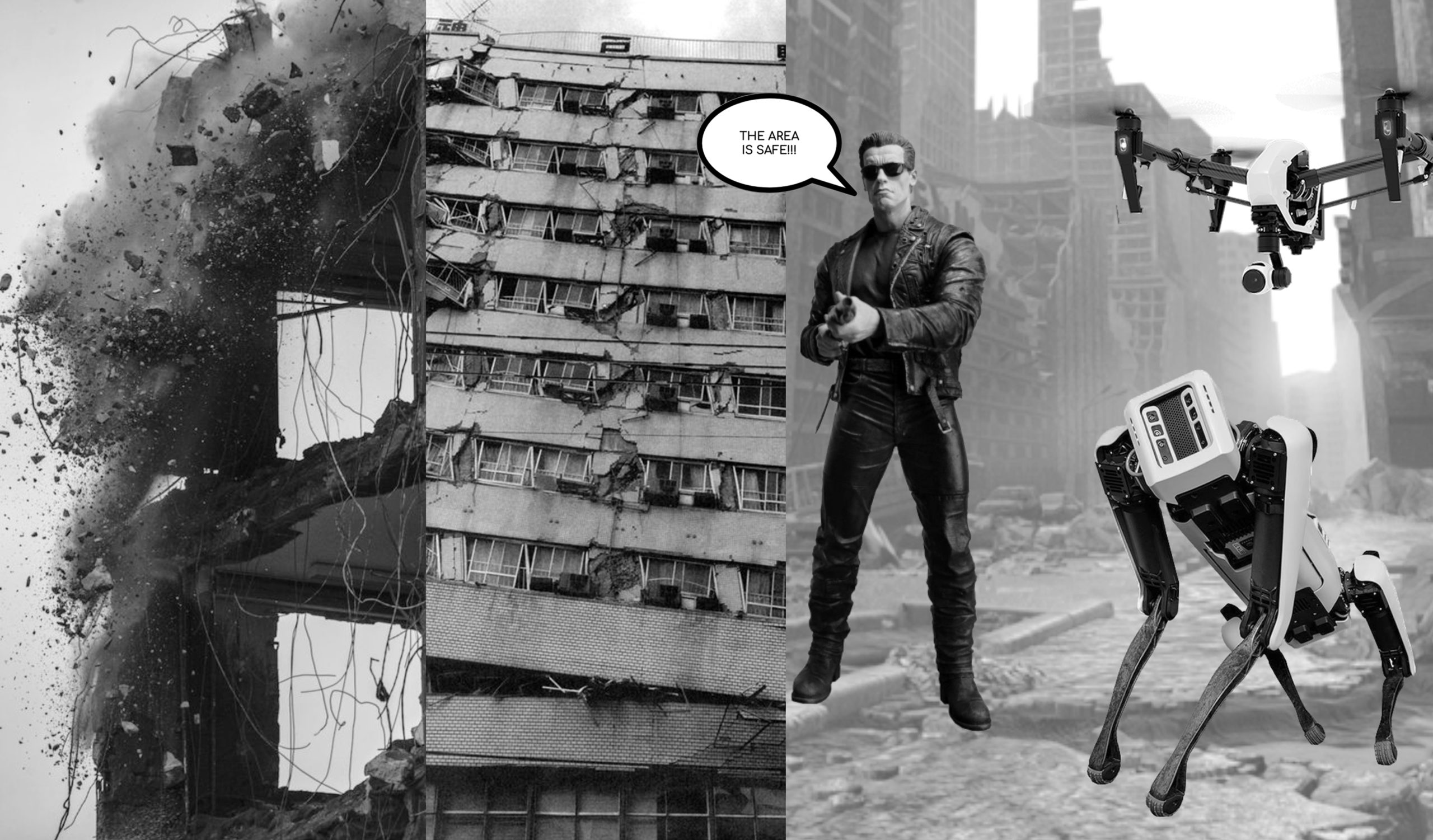
Autonomous emergency response and safety evaluation system In a catastrophic event geographical region, robots are deployed to collect and process data, allowing the rescue team to analyze the situation from a safe distance and provide an effective rescue operation. Dangerous zones can be accessed by robots without any harm and no human life needs to … Read more
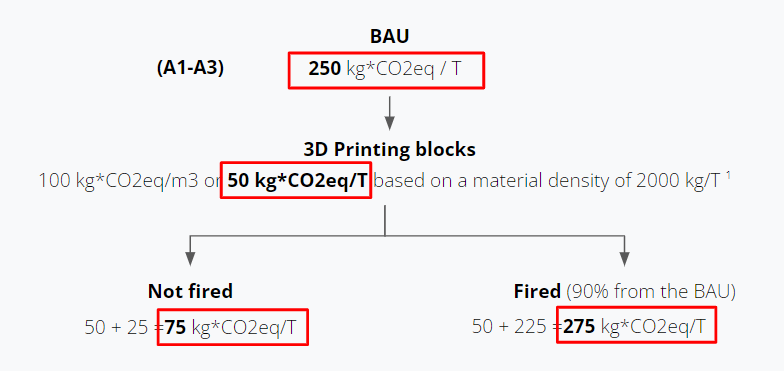
The analyzed material of our team in this class is clay, which is a fine/grained sediment primarily composed of small particles of minerals that are formed when rocks are exposed to different elements such as rain, wind and temperature changes. It can be considered as a natural material which is taken from the Earth, however … Read more
