Re-clay(m)

The old builds the new Manifest Can we transform construction waste? Can brick waste be a potential upcycled material in an structurally optimized system? Two main factors, the huge amount of CDW and the importance of brick production in Spain, gives us the decision to select our material, the brick waste. We attempt to propose optimized solutions … Read more

Architecture Without Architects

The book, ‘Architecture without architects’, illustrates the vernacular architecture from different parts of the world and strives to acknowledge the ‘not so primitive’ techniques from various areas. Architecture history is not given as much acknowledgement as art history and the book is an attempt in the 1960s America to show the potential and the scope … Read more

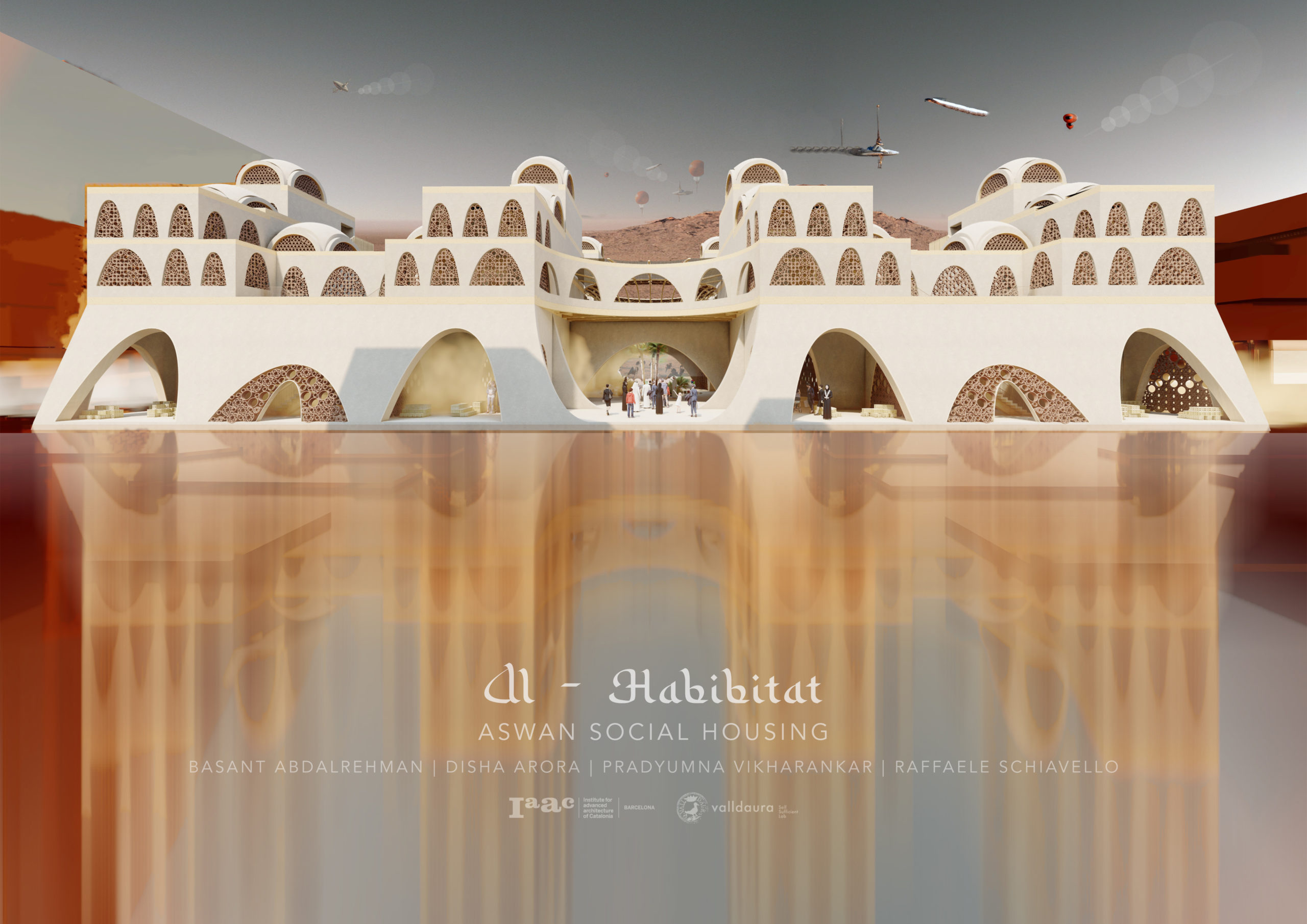
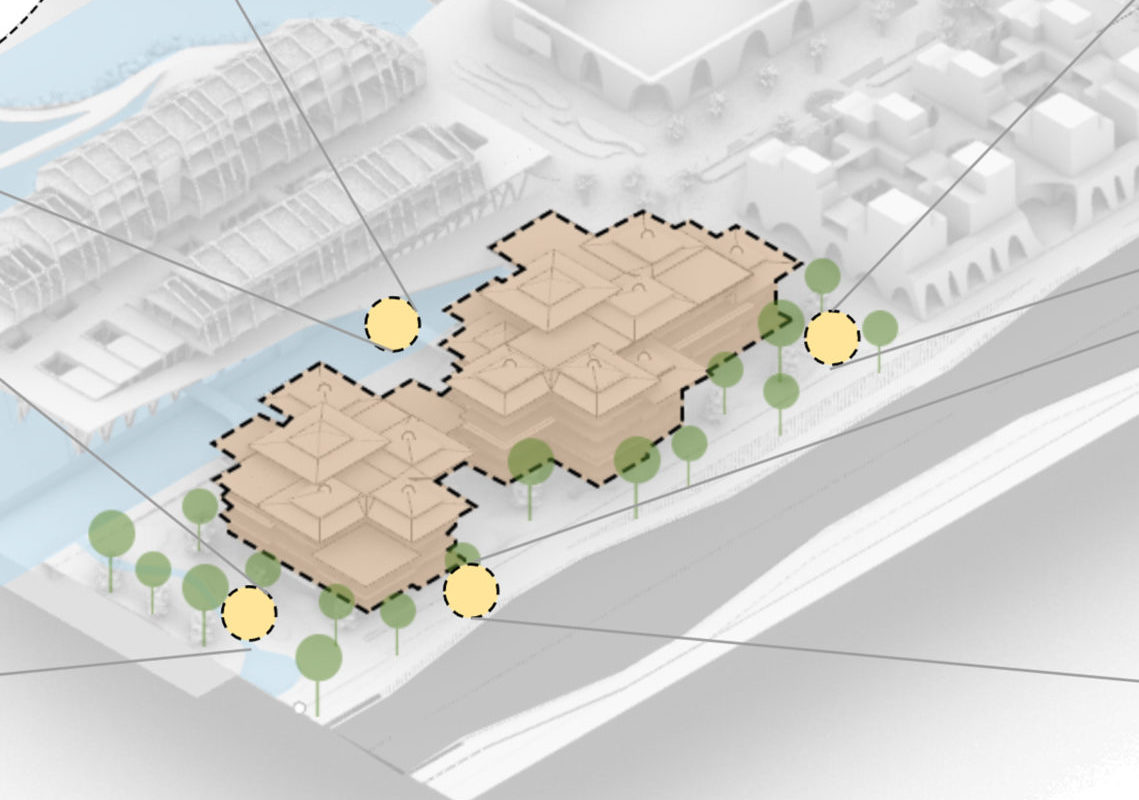
AL HABIBITAT | Urban intervention

Aswan, Egypt being a desert city shows diurnal aspects of climate on a daily basis. The same also affects the day to day activity pattern of the community that adapts to the climate at any given time. This analysis indicates at a close relation between climate, people & their clothing & eventually it traces ahead … Read more

BIM towards life cycle assessment

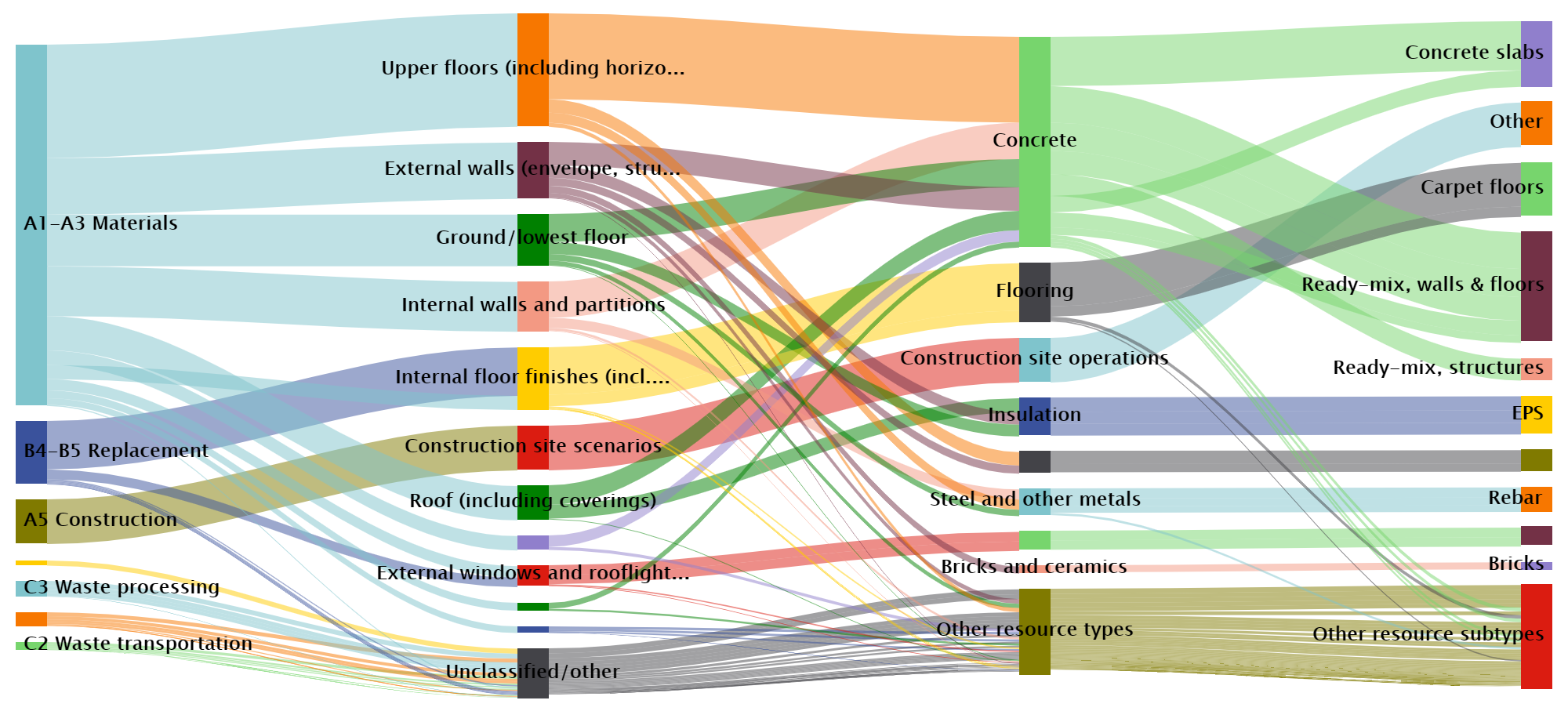
Introduction Building Information Modeling (BIM) workflows can support Life Cycle Assessment (LCA) by providing a centralized digital repository of building data and design information. BIM can facilitate the collection and management of data related to material sourcing, energy use, and environmental impact throughout a building’s lifecycle. This set of information is relevant to perform LCA … Read more

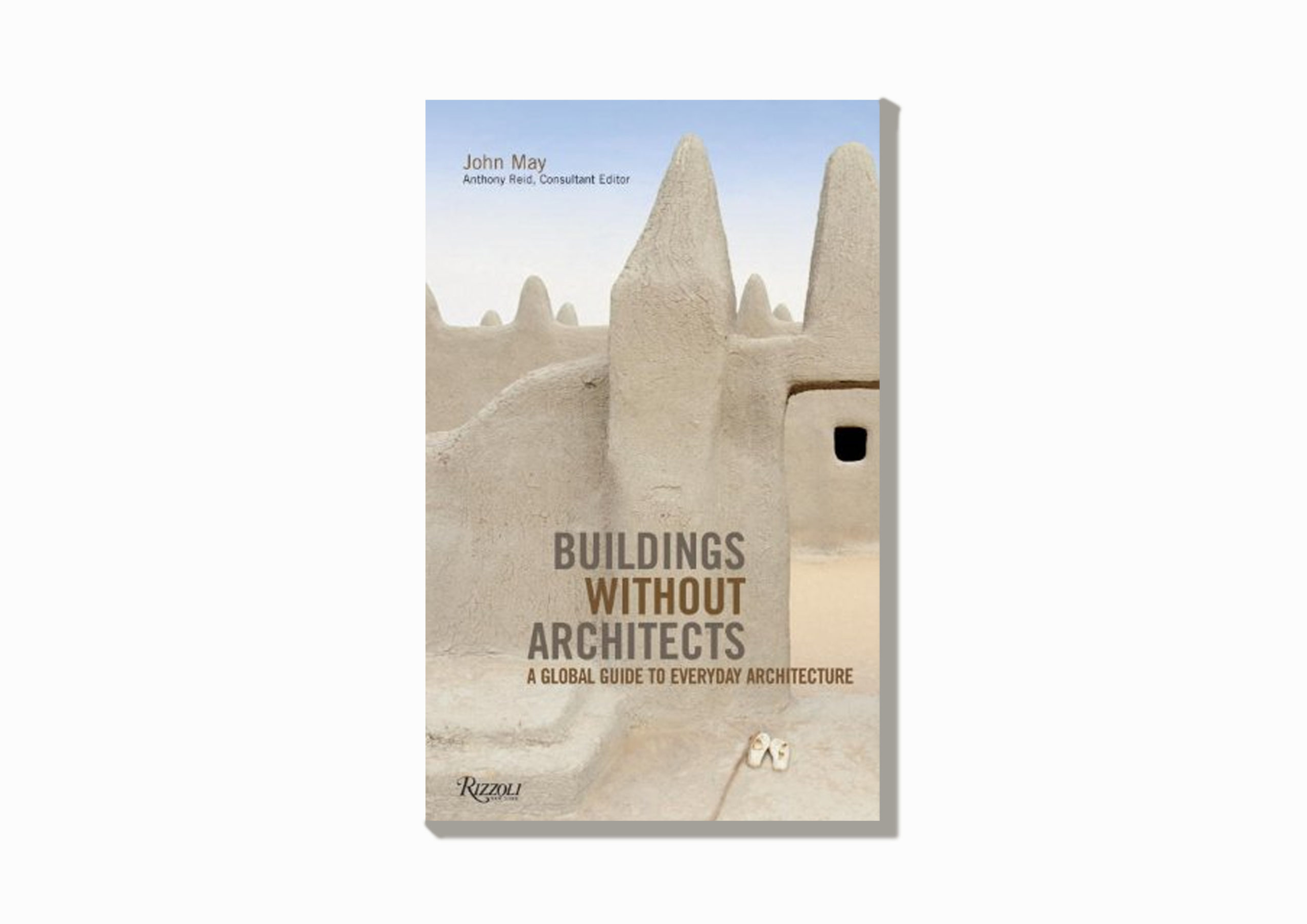
BUILDINGS WITHOUT ARCHITECTS: A Global Guide to Everyday Architecture by John May | Ecological Thinking

This blog is a review of the book, Buildings without Architects: A Global Guide to Everyday Architecture by John May. The book is a culmination of 60+ different styles of vernacular architecture ranging from different materials and different regions of the world. “Architecture should speak of its time and place, but yearn for timelessness.” – … Read more

DUST UP! (Term02)

(Continuation from the first term. To view the Term01 click here : https://blog.iaac.net/dust-up-design-behavior-thesis-cluster-term-01/) Material Research – Strategies To solve the issues from the Term01, approaches from different scales were implemented. From material scale, adding marble dust can give more stability to the mixture and help it move less during printing. Exploring different curve connections such … Read more

Ciudad Vieja Comestible

Mi lugar de trabajo es la Ciudad Vieja de Montevideo, el casco histórico de la ciudad, Aquí residen aproximadamente 12.500 personas  y cuenta con una población flotante de 40.000,  en un área aproximada de 140 hectáreas. Es uno de los barrios financieros, así como el barrio turístico y cultural por excelencia de la ciudad.  ¿PORQUE … Read more

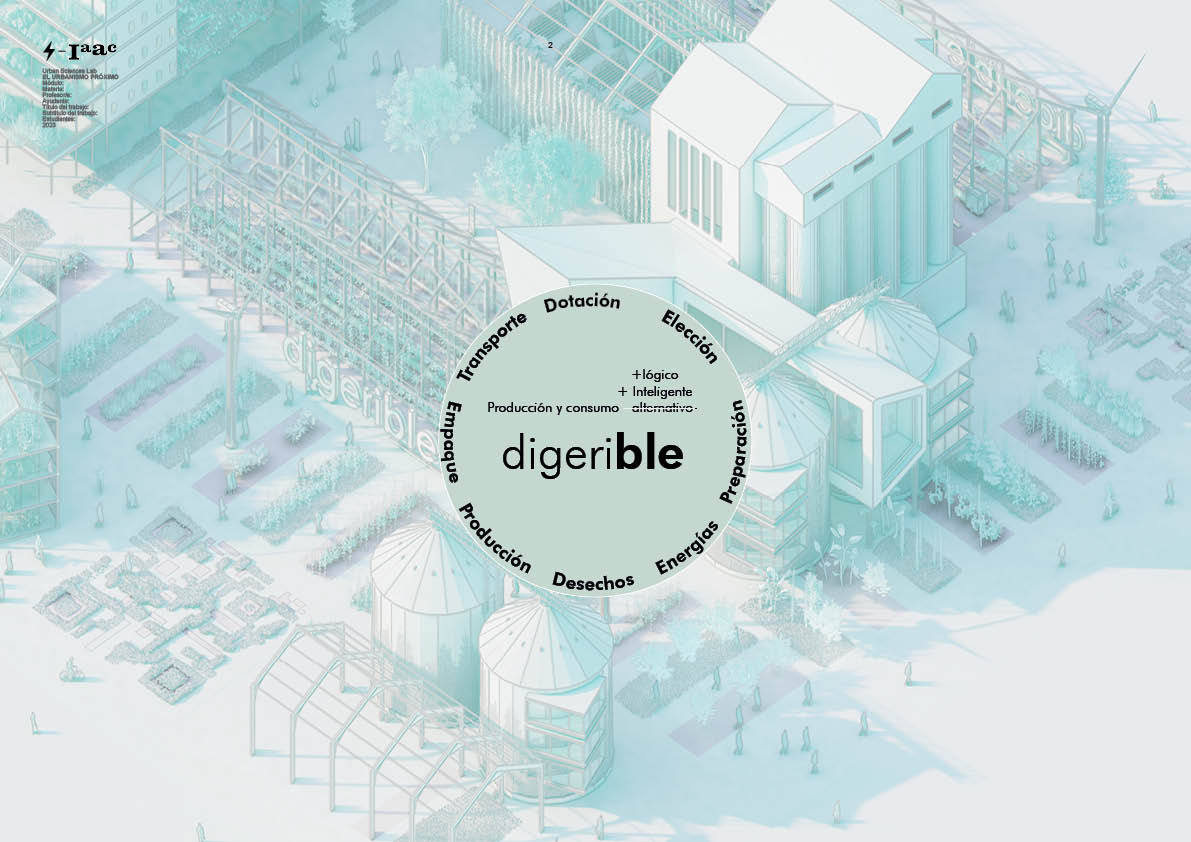
Digerible

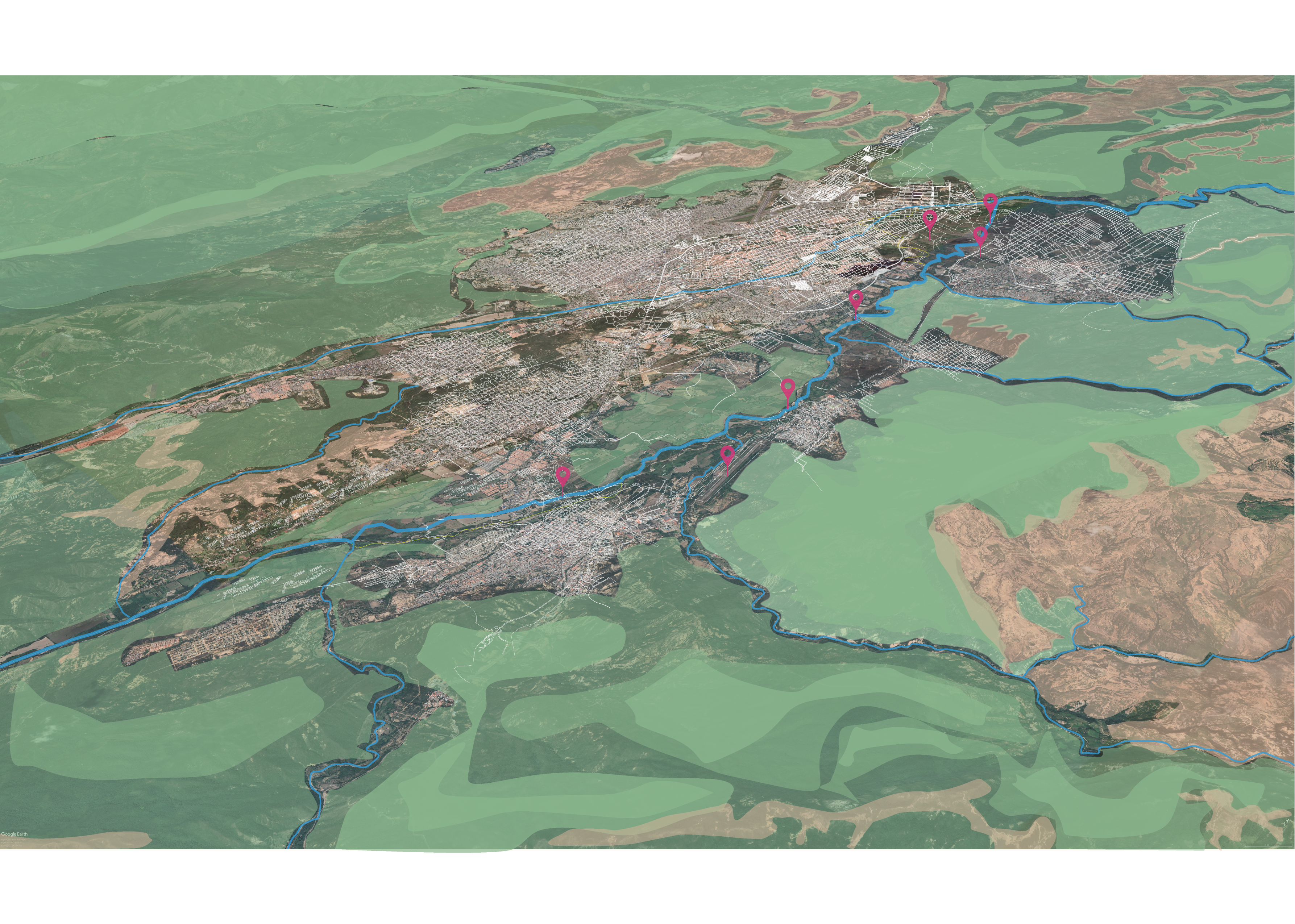
Ciudades urbana y humanamente digeribles Quetzaltenango, Guatemala. C.A Anteriormente el tema se aborda desde la perspectiva de ecología y cambio climático, donde se expone la situación actual de la ciudad de Quetzaltenango y donde se identifican los procesos alimentarios a traves de la industria y como estas dinámicas crean ciudades enfermas y obviamente ciudadanos enfermos, … Read more

FRONTERAS TRASLAPADAS

REPROGRAMANDO EL BORDE ¿Como seria el mundo si fuéramos un solo país?  ¿Como imaginarnos un lugar en donde no existen fronteras, ni limites imaginarios que separen culturas? Antes del periodo de colonización en América no existían fronteras, barreras imaginarias que empiezan a tejerse con la llegada de los colonos, es por ello que a través … Read more

Form Follows Availability

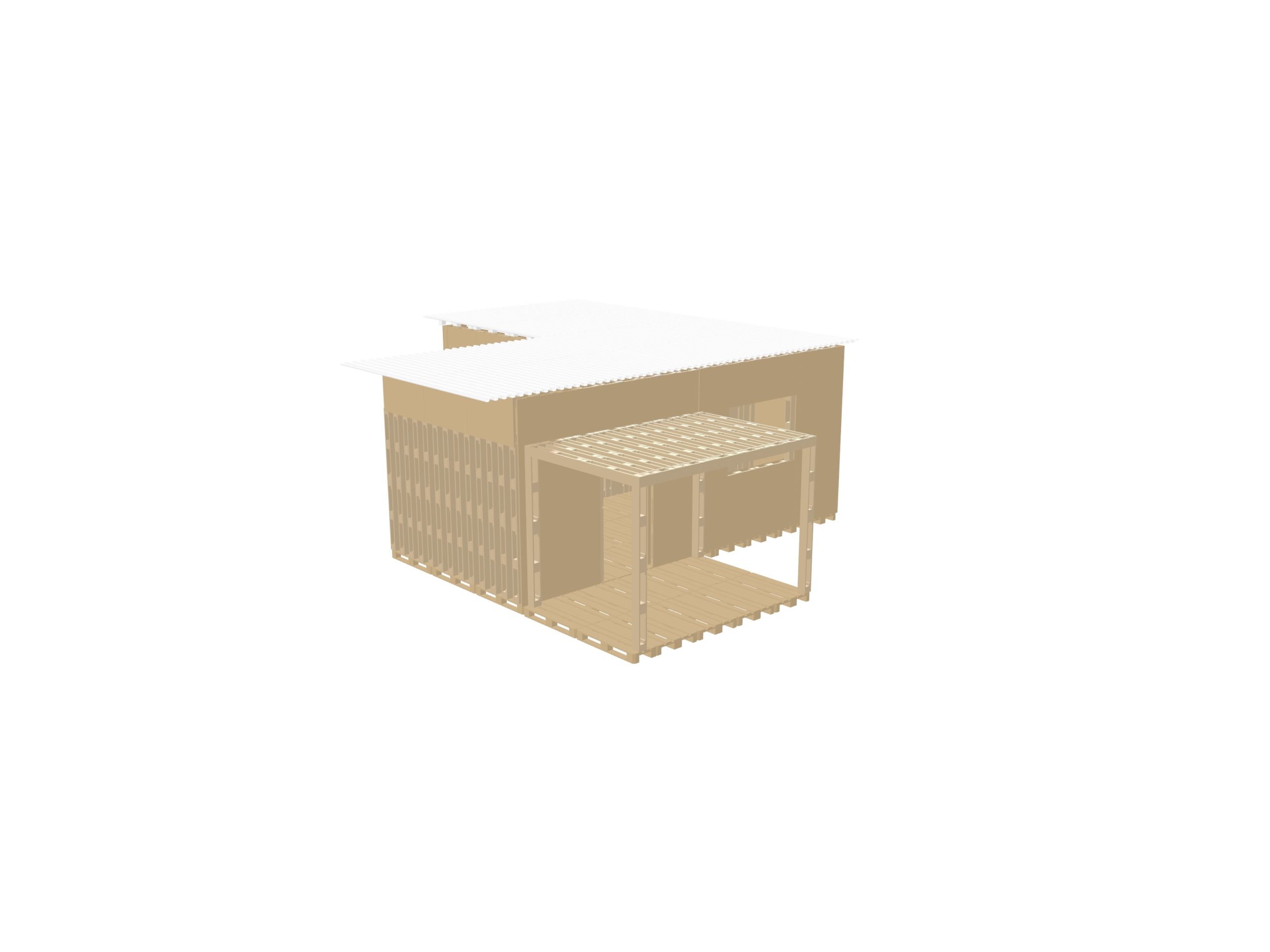
The construction industry is the number one consumer of global raw materials while being one of the biggest producers of waste in the European Union.In this Research, we aim to explore the possibilities of secondary waste wood (Pallets) based on the notion of discreteness and develop a “Programmable Matter System”.These discrete building blocks can be … Read more

BIOMIMICRY in ARCHITECTURE by Michael Pawlyn | Ecological Thinking II

This blog is a review of Michael Pawlyn’s book, Biomimicry in Architecture. “Biomimicry is a powerful innovation tool that allows architects to go beyond conventional approaches to sustainable design and deliver transformative solutions we need.”-Michael Pawlyn The book “Biomimicry in Architecture” by Michael Pawlyn introduces the term biomimicry and how it can impact architecture. The … Read more