Design Ethos
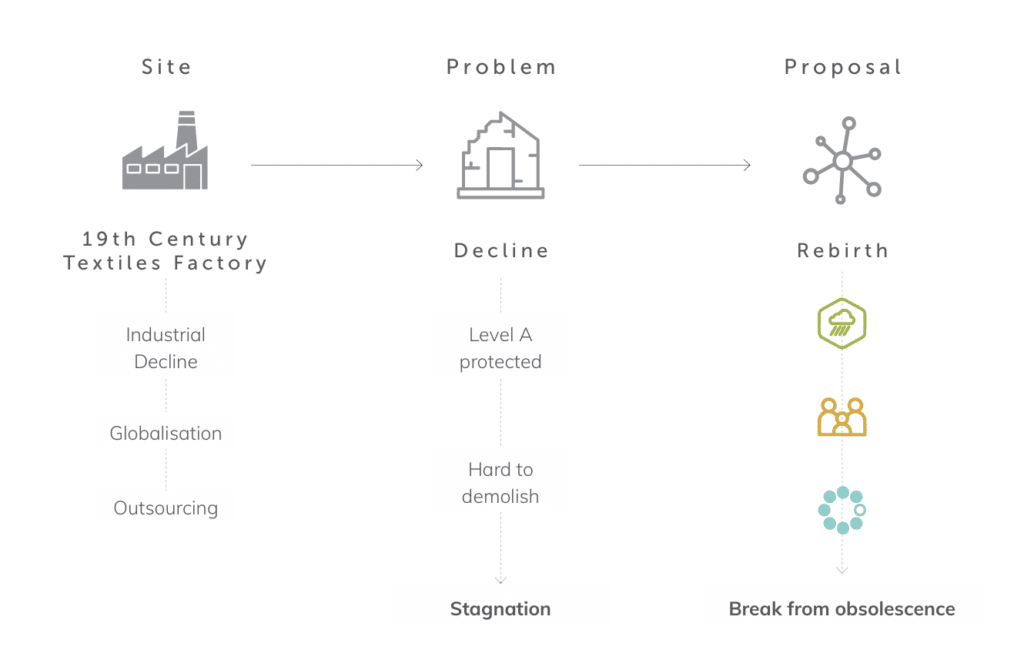
This project seeks to explore how issues of stagnation and obsolescence can be tackled whilst still enabling socio-economic and technological developments of our urban spaces. It will explore how they can be applied within architecture to evaluate how we can more effectively address issues of erasure whilst still permitting modern interventions and advancements to address the changing socio-economic needs as well as climate resilience strategies.
How can architecture adapt to future needs while remaining
relevant and rooted to its place and its people?

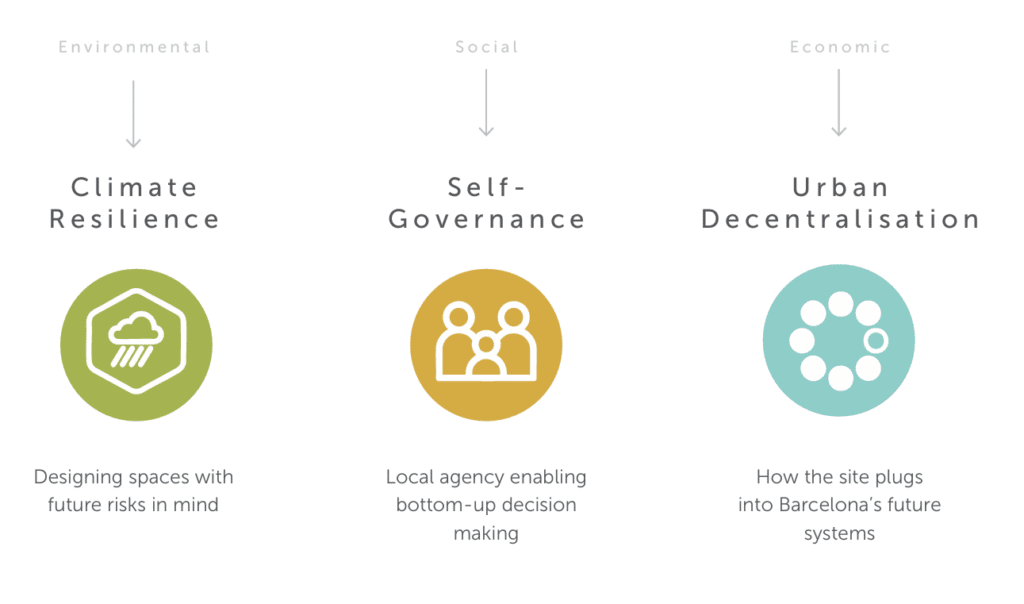
Core Principles
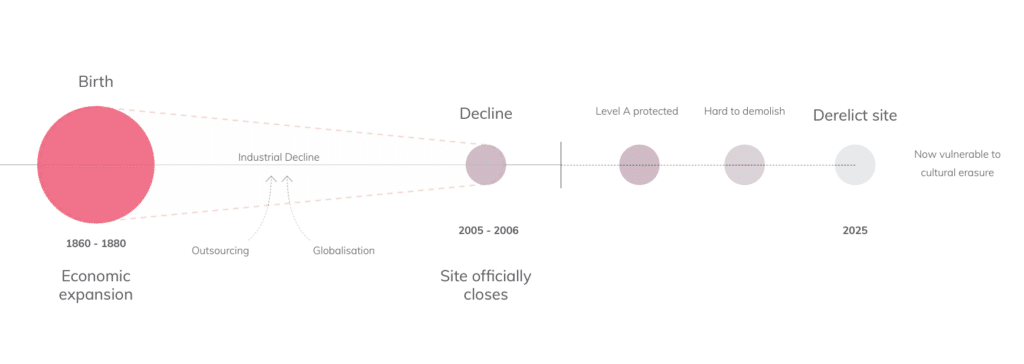
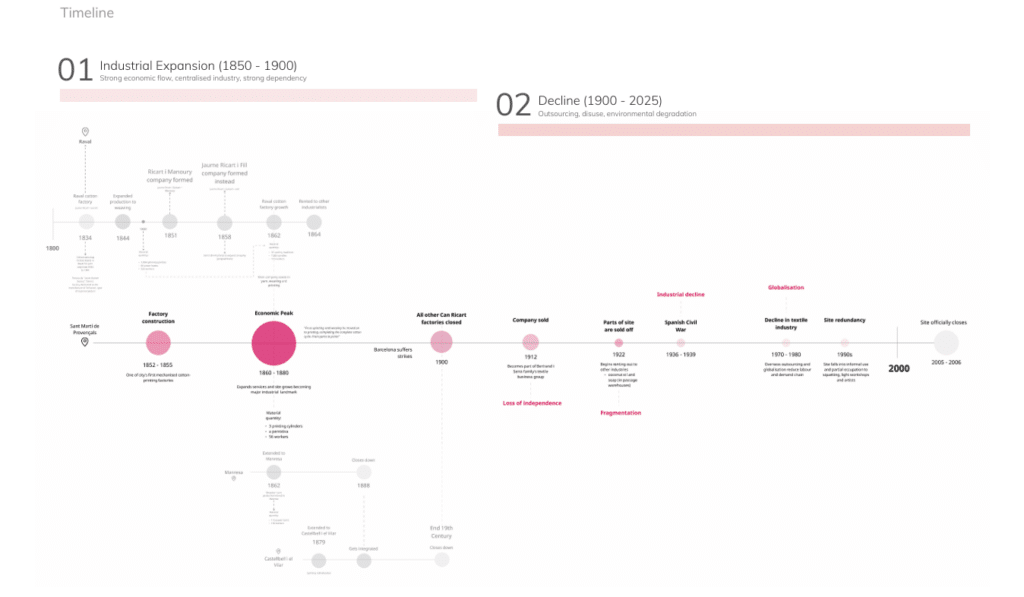
Site History
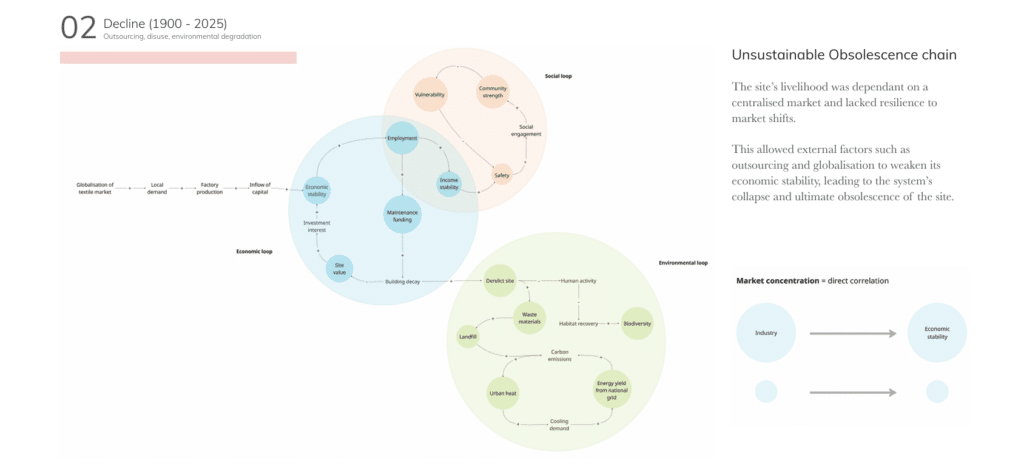
Identifying Failure
Transformation Framework
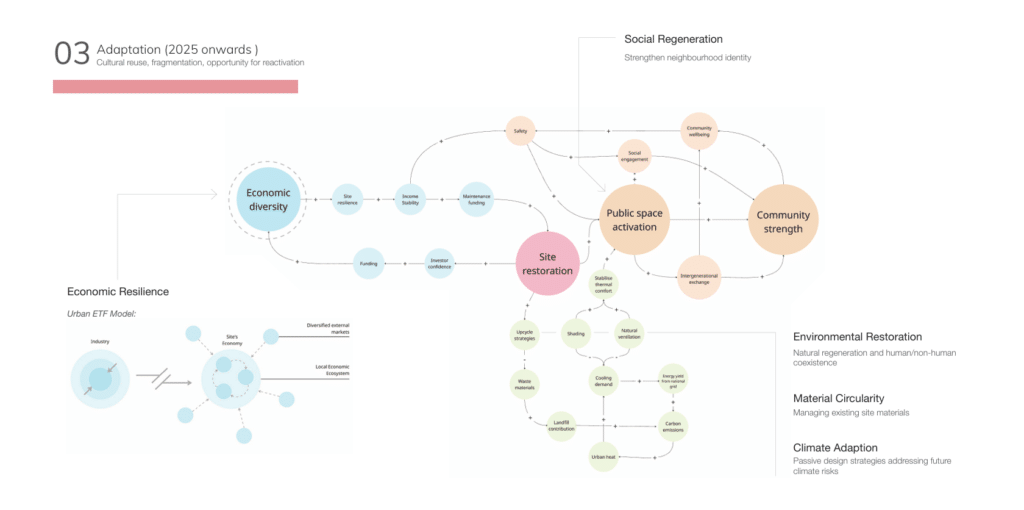
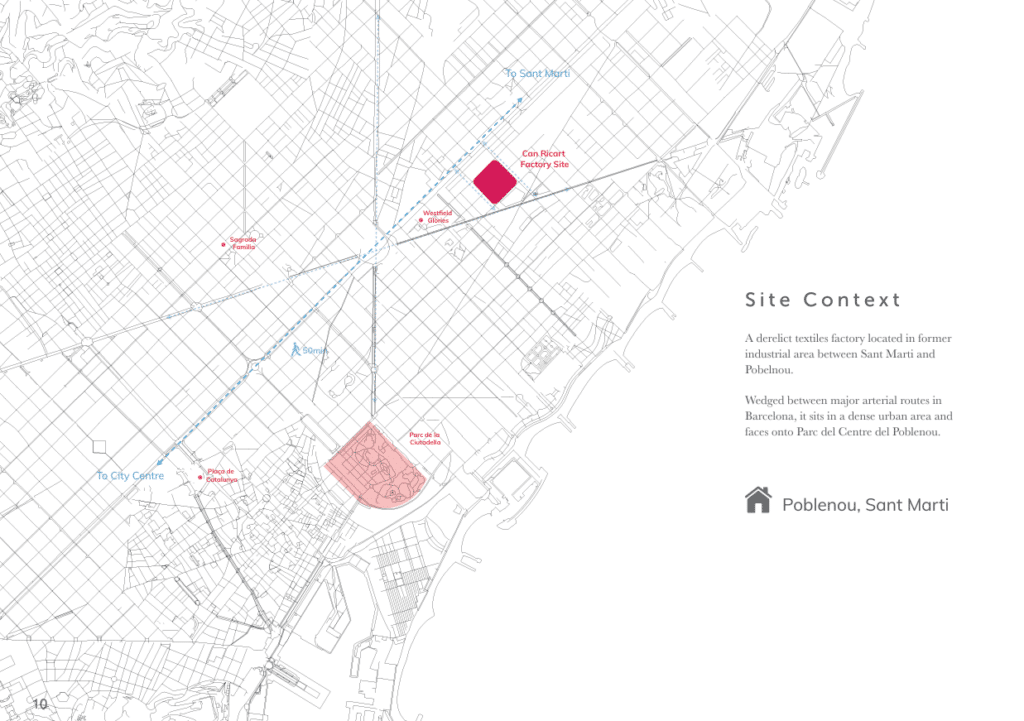
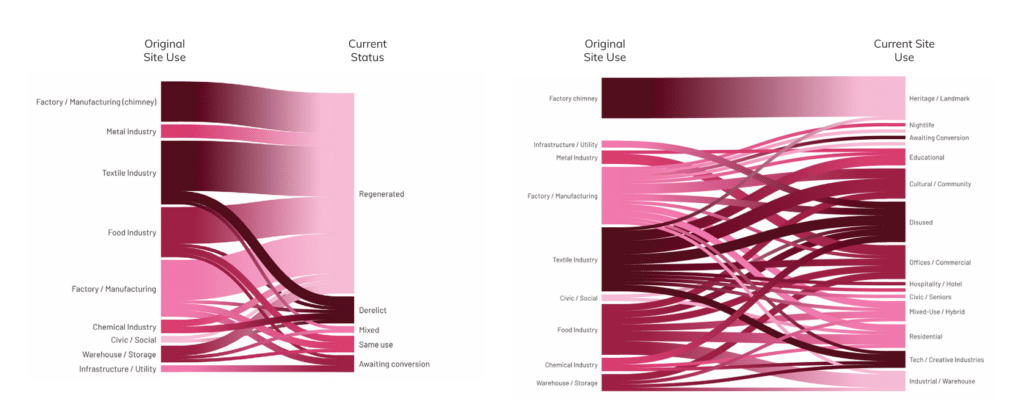
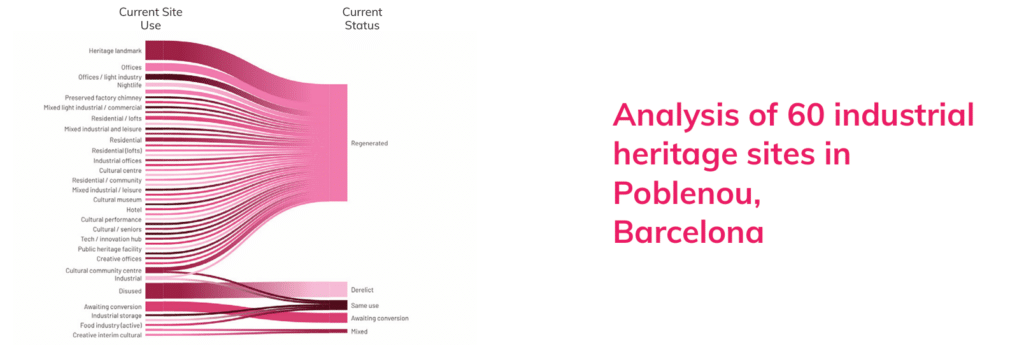
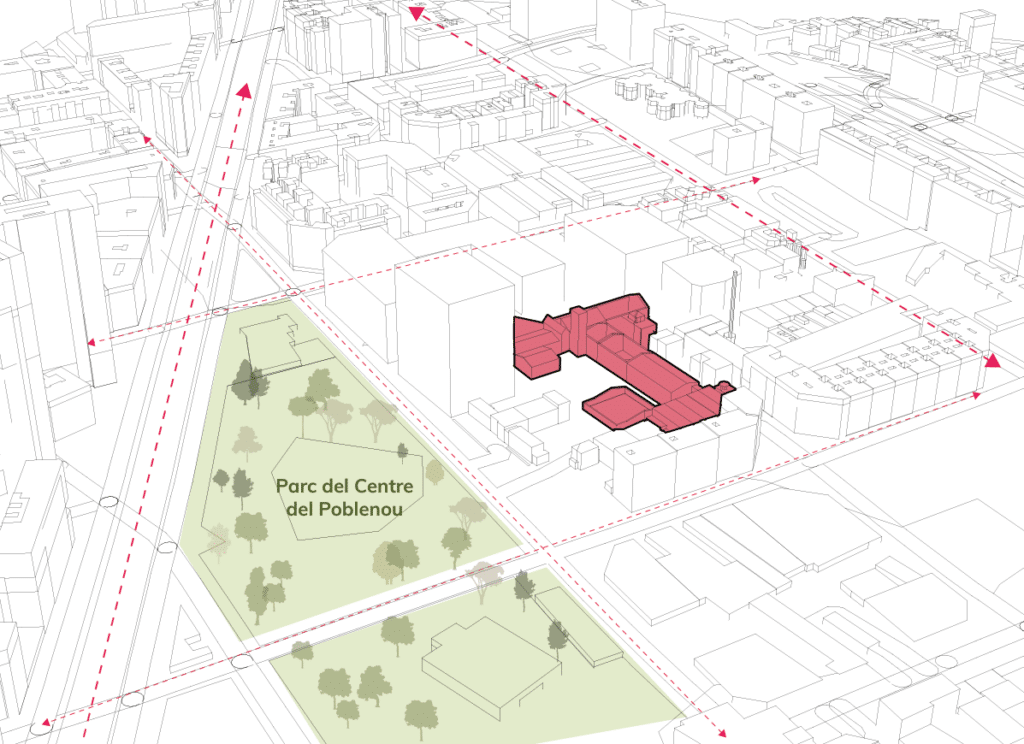
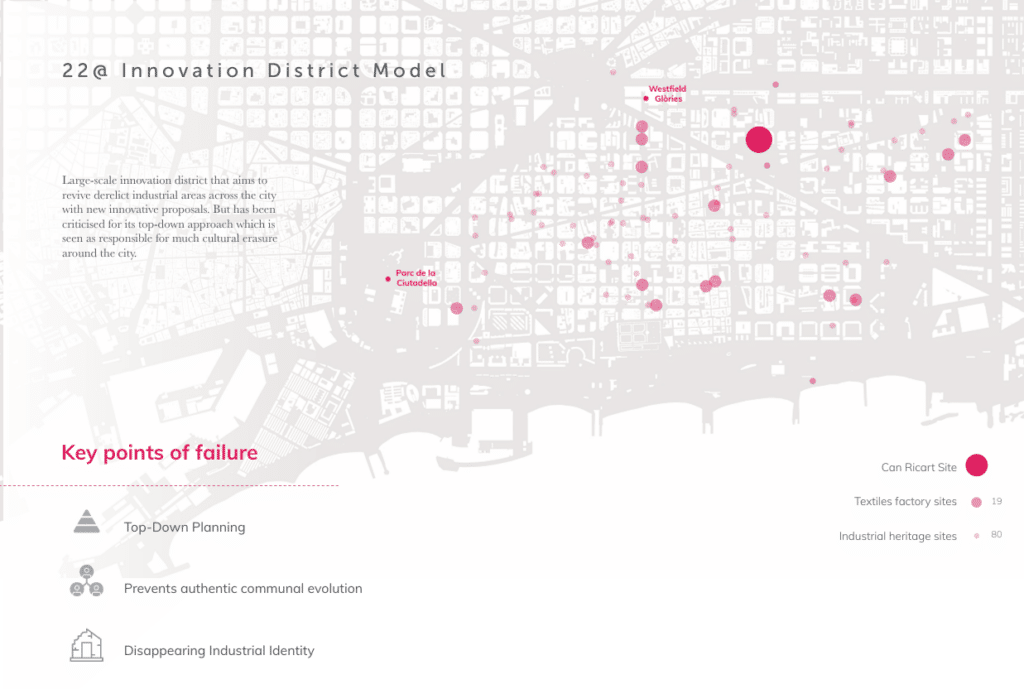
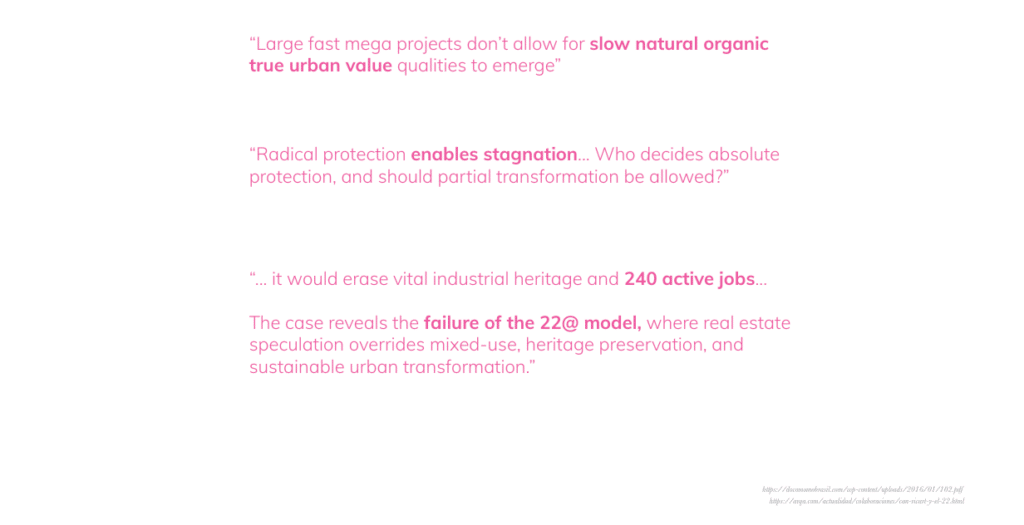
Excerpts from research studies into the 22@ District model
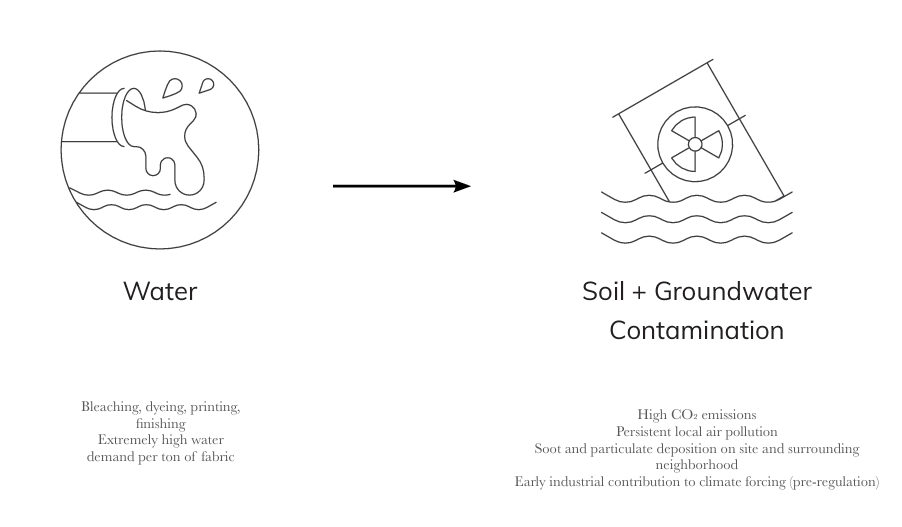
Water, Energy & Waste Analysis
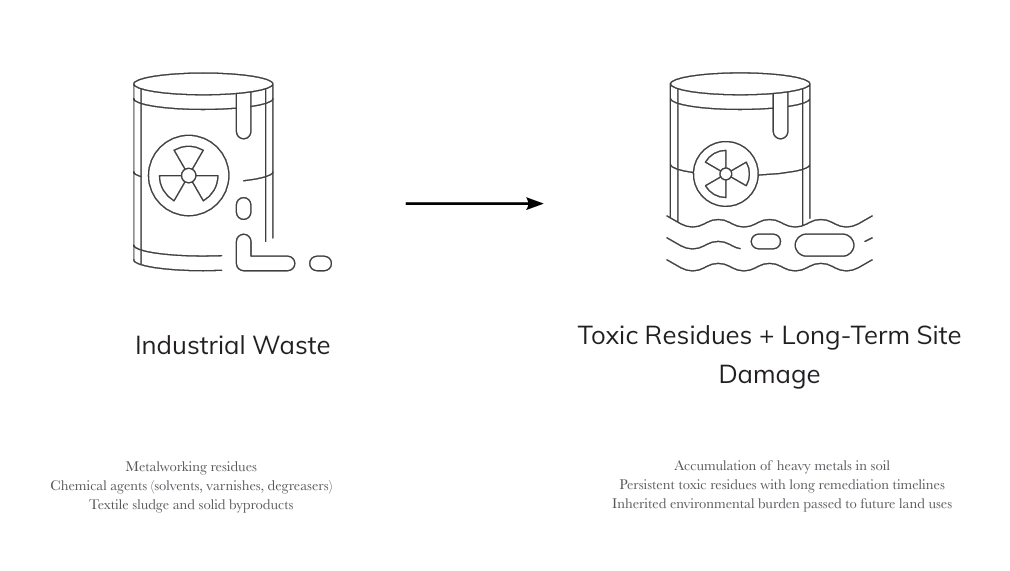
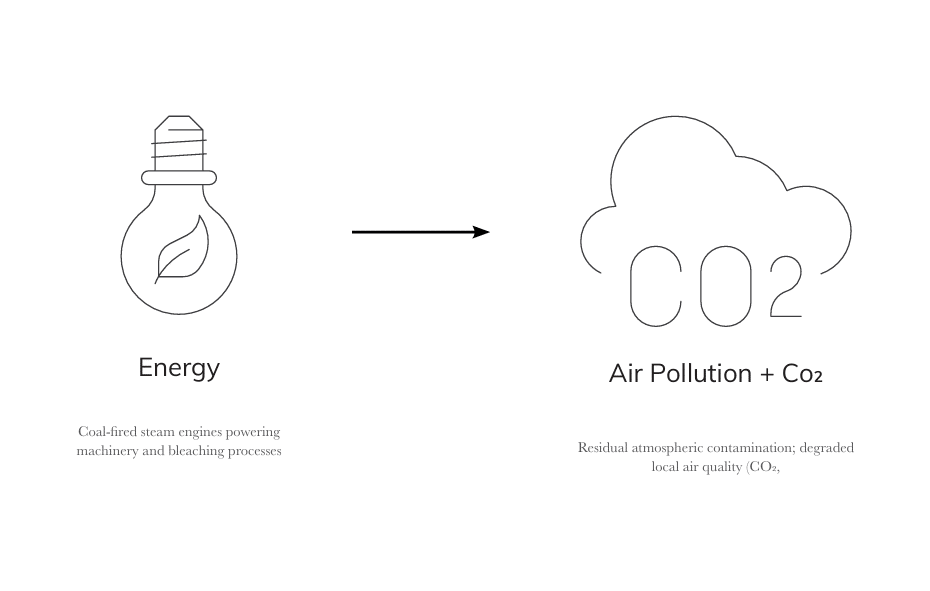
Can Ricart operated as an extractive industrial system in which energy, water, and waste flows produced irreversible environmental damage to air, soil, and water.
Wind Analysis
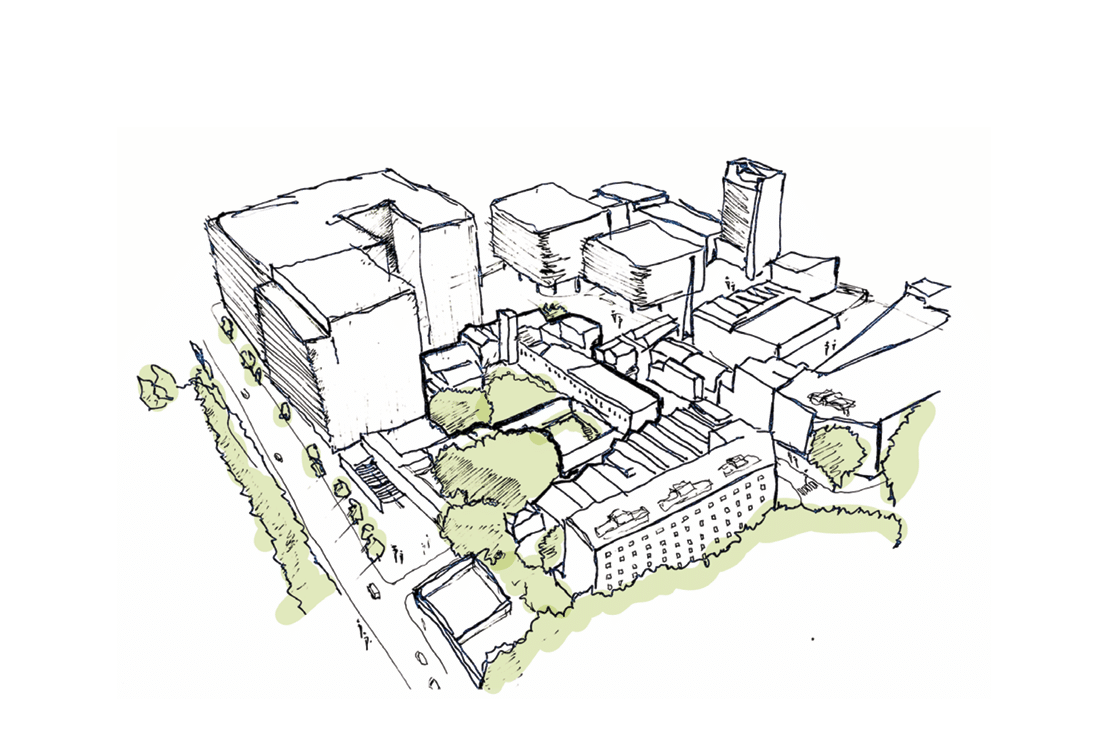
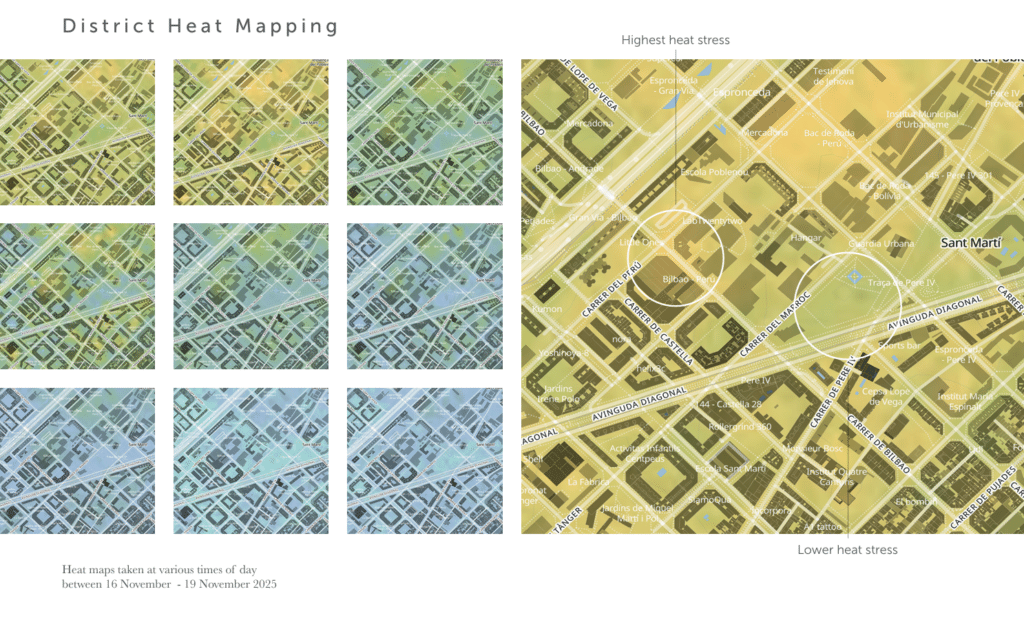
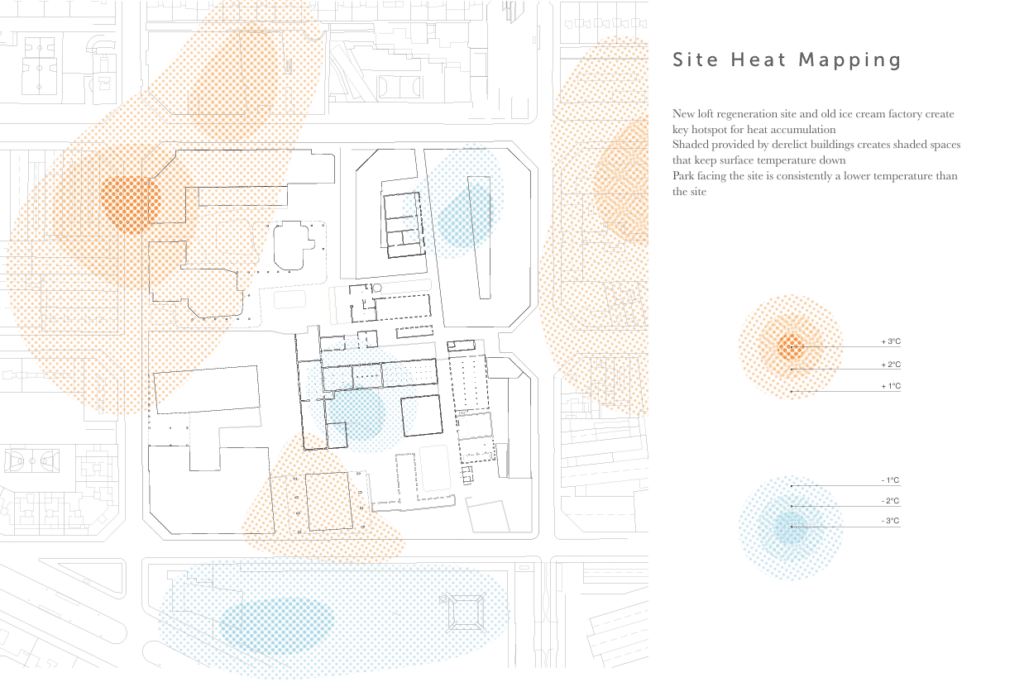
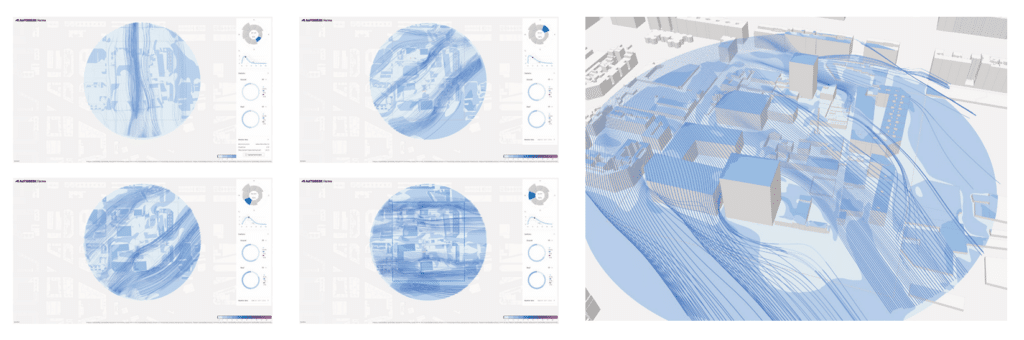
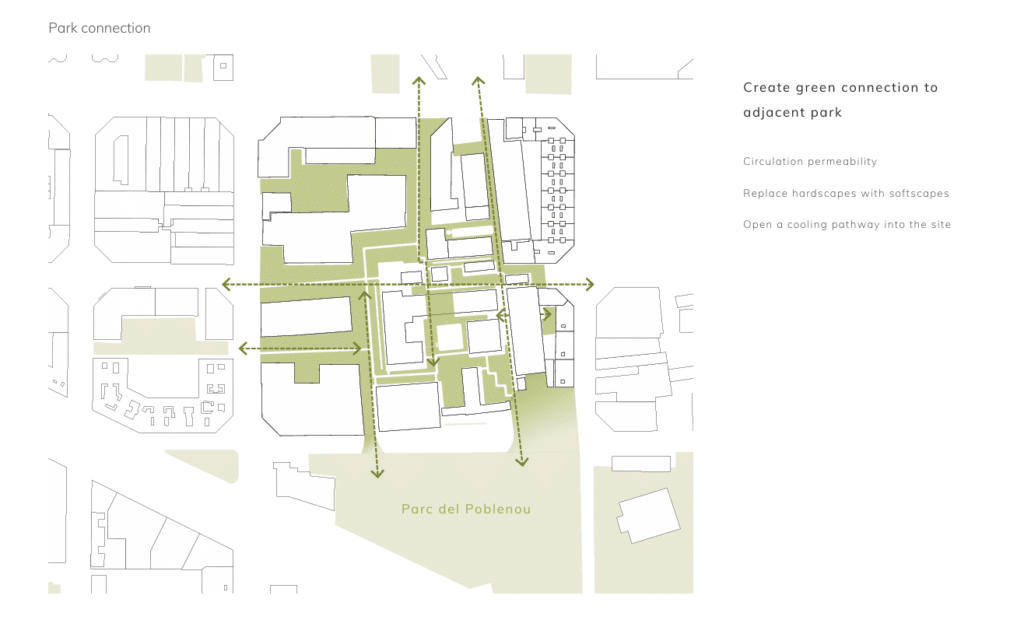
Surrounded by high-rise buildings along its perimeter, the site receives less natural ventilation. This enclosure increases heat retention at ground level, decreasing thermal comfort during warmer summer periods.

Flood Risk
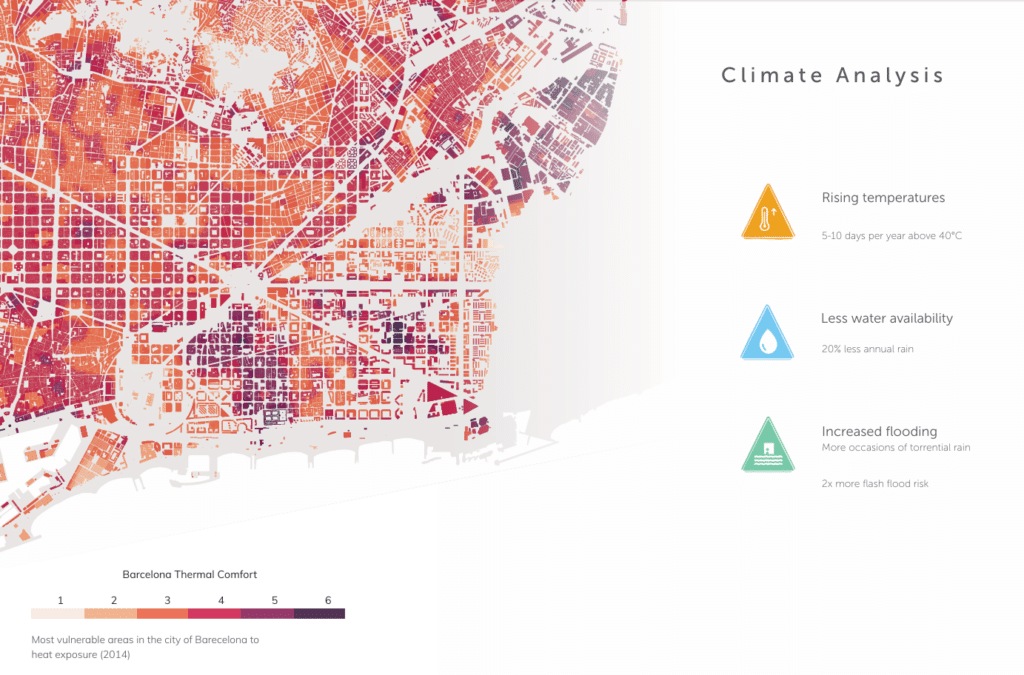
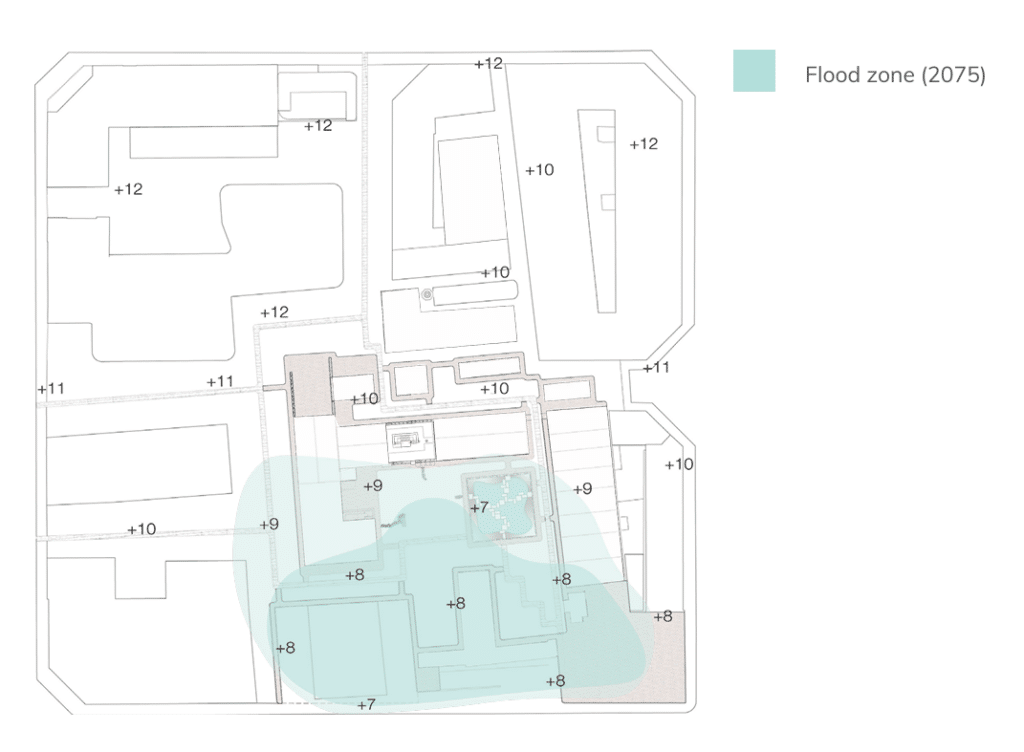
The location, elevation and material strategy at Can Ricart leave the central corridor of the site particularly vulnerable to catastrophic flooding.
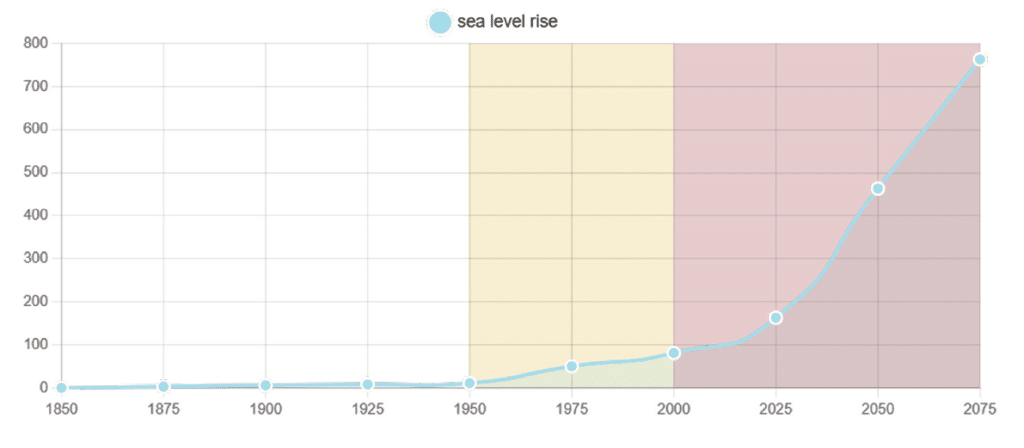
While permanent inundation as a direct result of sea level rise is unlikely within the projected forecast, the rising sea level will continue to apply
pressure to the urban water matrix resulting in greater frequency and intensity of storm surges and pluvial flooding.
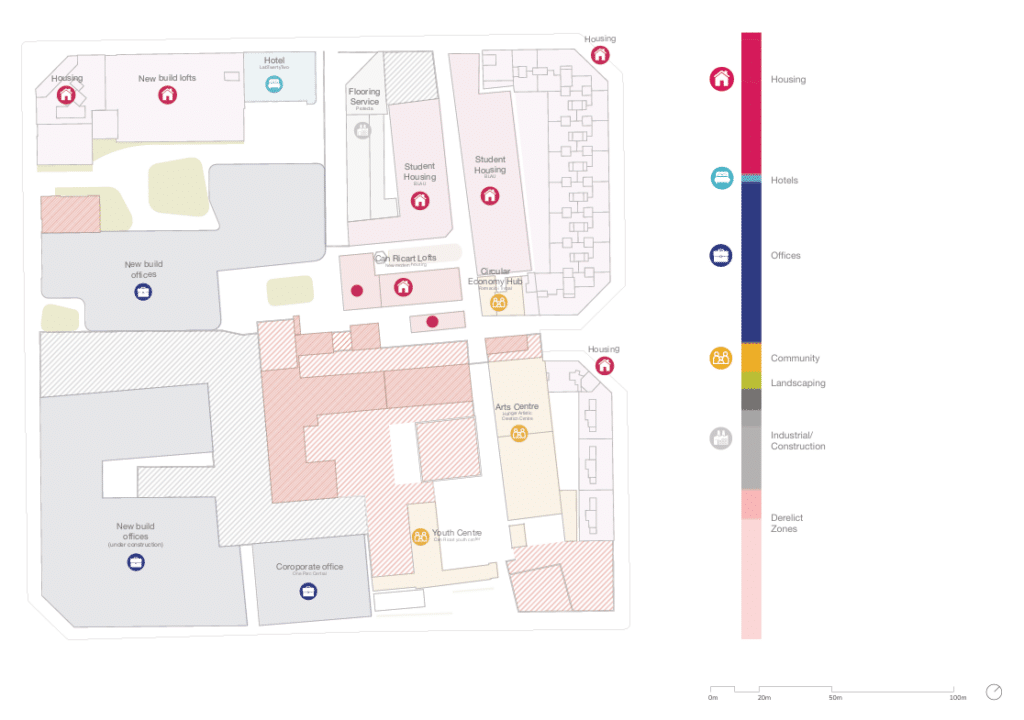
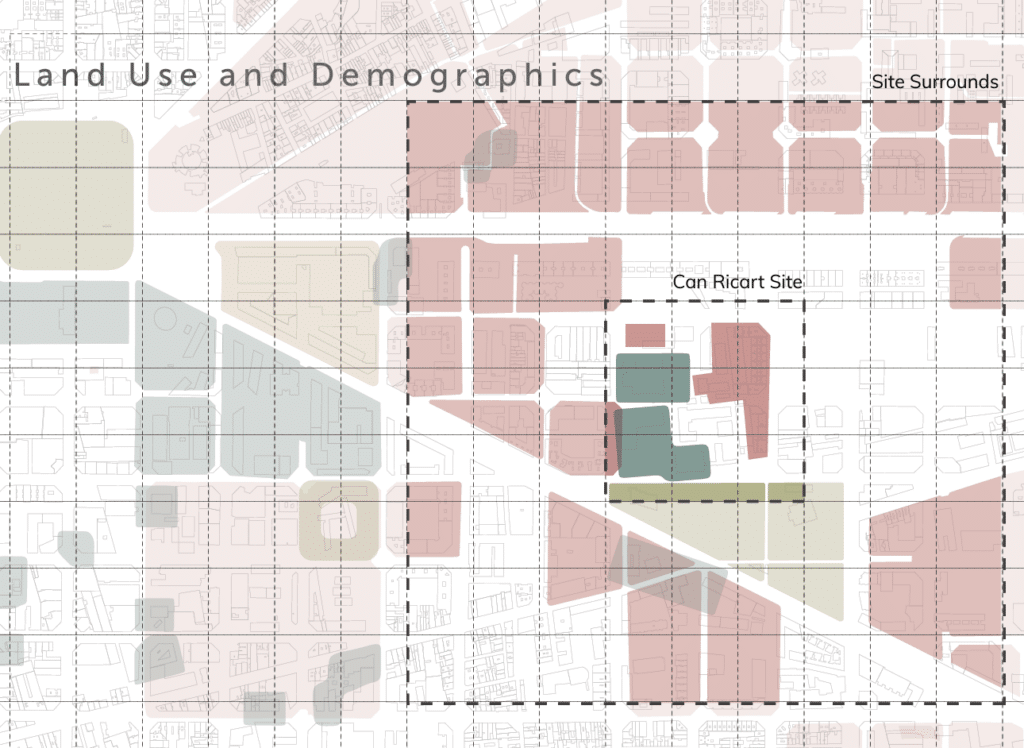
Site Land Use
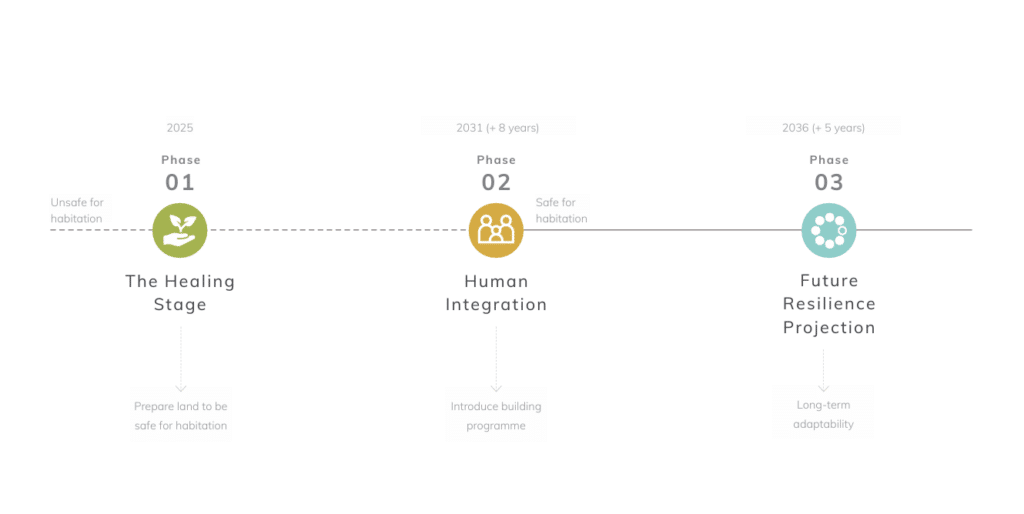
Phasing Strategy
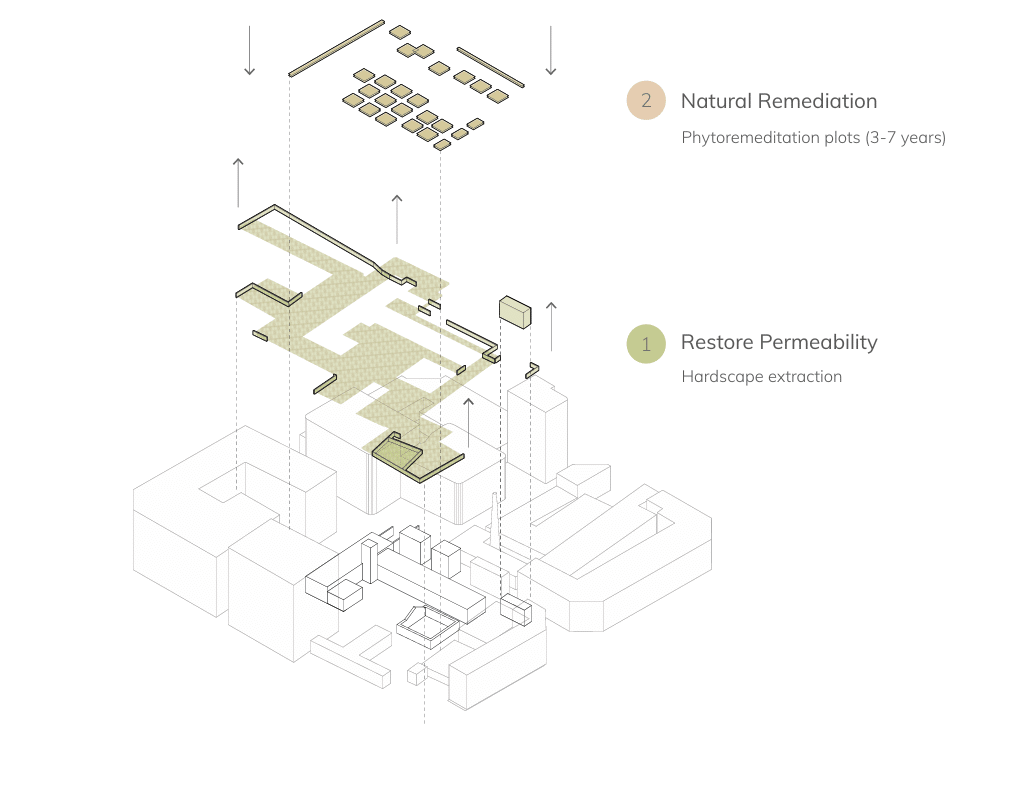
Restore Permeability
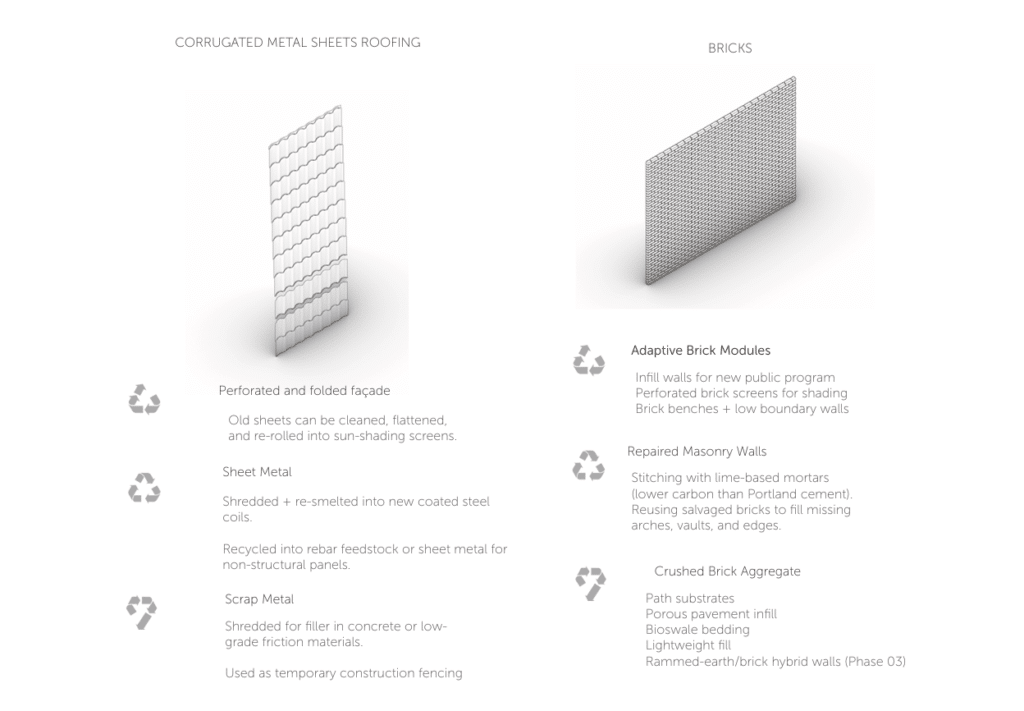
Hardscape Material Re-use Evaluation Process
1. Visual Inspection
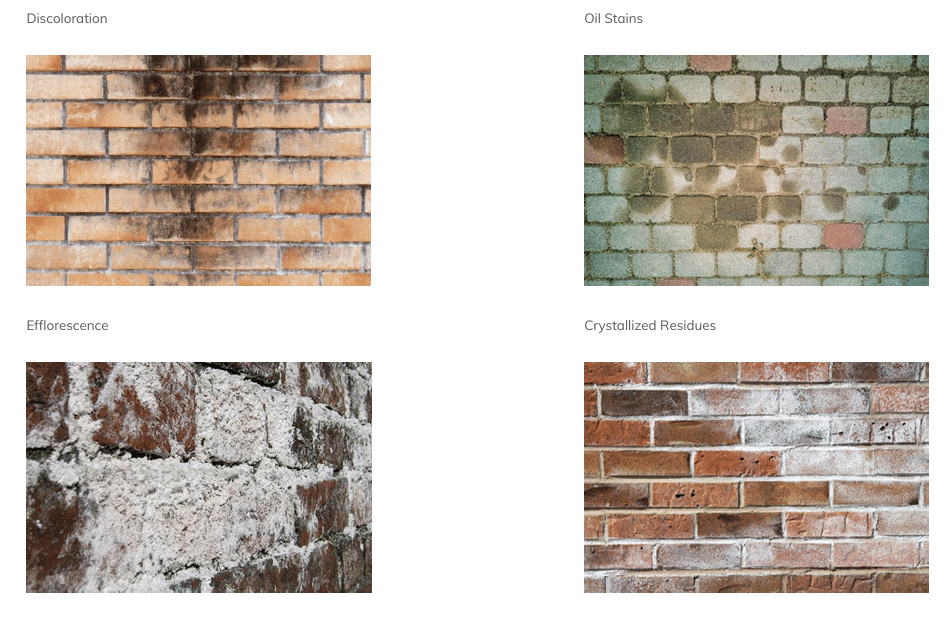
Note contamination “hot spots” – near old chimneys, tanks, drainage channels, or loading zones.
2. Material Testing
Select 5-10 bricks from different zones of the site and test for:
-Heavy metals (lead, cadmium, chromium, mercury, arsenic).
-Hydrocarbons (PAHs, petroleum residues).
-Volatile Organic Compounds (VOCs) — solvents, phenols, etc.
-pH and salinity (important for masonry reuse).
-Leachability (TCLP test) — determines whether contaminants could migrate out of the material.
Results:

3. Cleaning and Re-Use
Clean bricks with low-pressure water and neutral detergent, not acid wash (which could mobilize contaminants).
Wear PPE (gloves, respirator) during handling. Use sealed joints or surface finishes to prevent direct skin contact if used for seating.
4. BCN Contact / Collaborations
Agència de Residus de Catalunya – for contaminated material regulations.
Institut de Diagnosi Ambiental i Estudis de l’Aigua (IDAEA-CSIC) – for lab testing or consultation.
UPC – Escola Tècnica Superior d’Arquitectura de Barcelona (ETSAB) – materials science department can sometimes support student-led testing.
Environmental engineering firms: Ambiens S.L., Geoserveis, or Applus+ Laboratori Mediambiental.
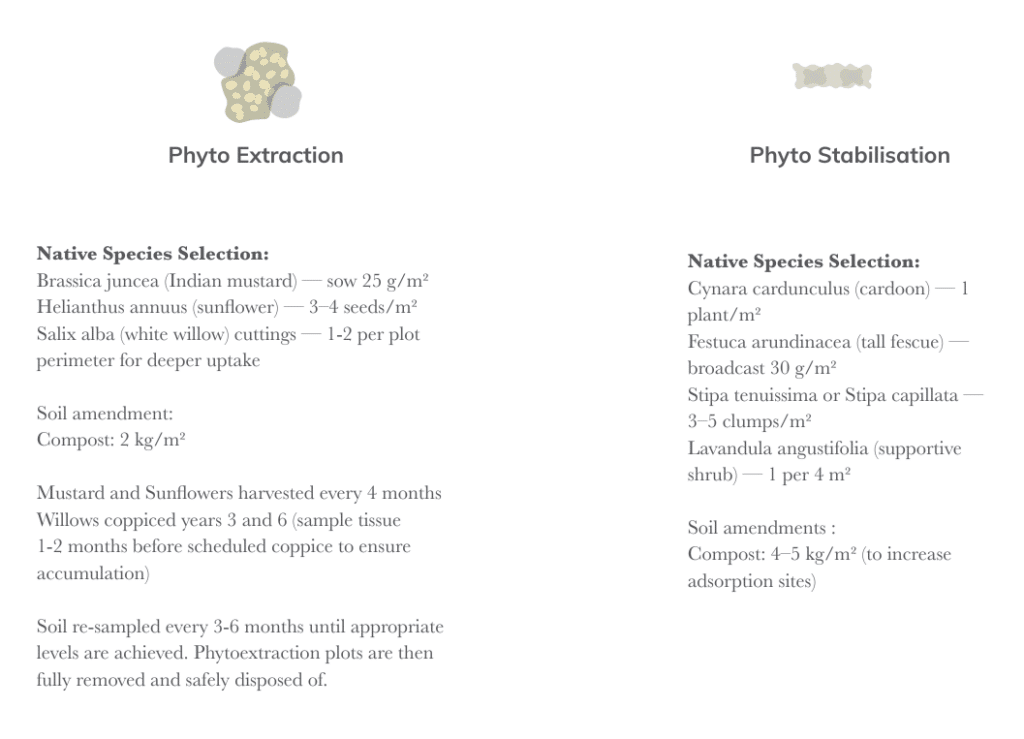
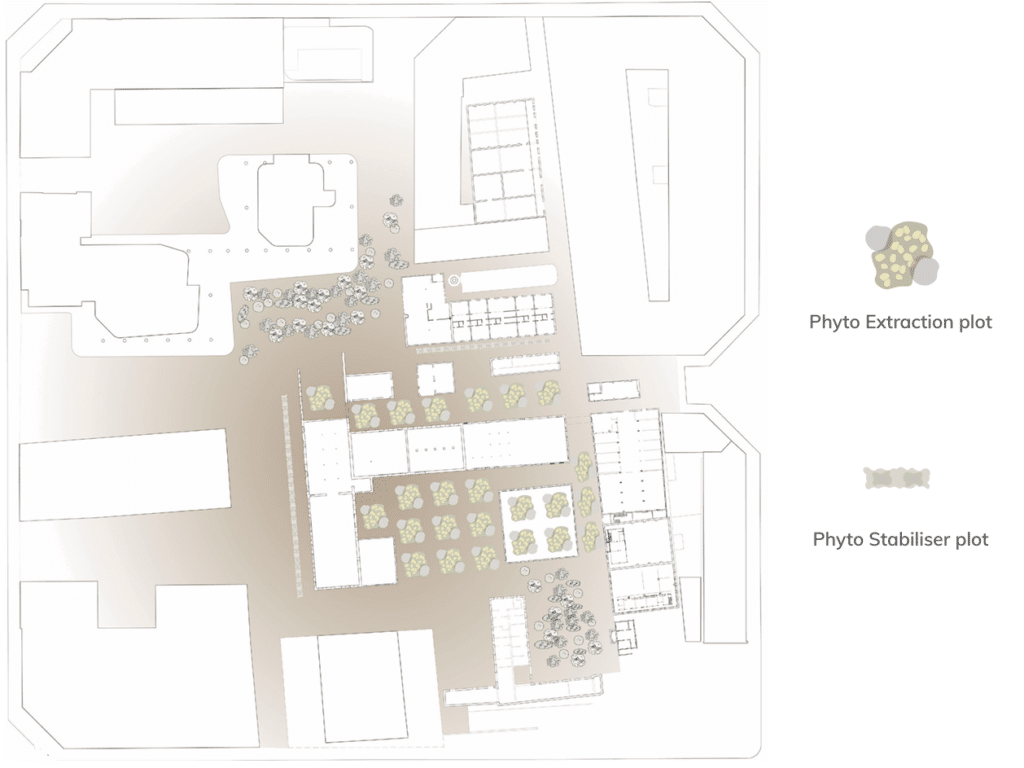
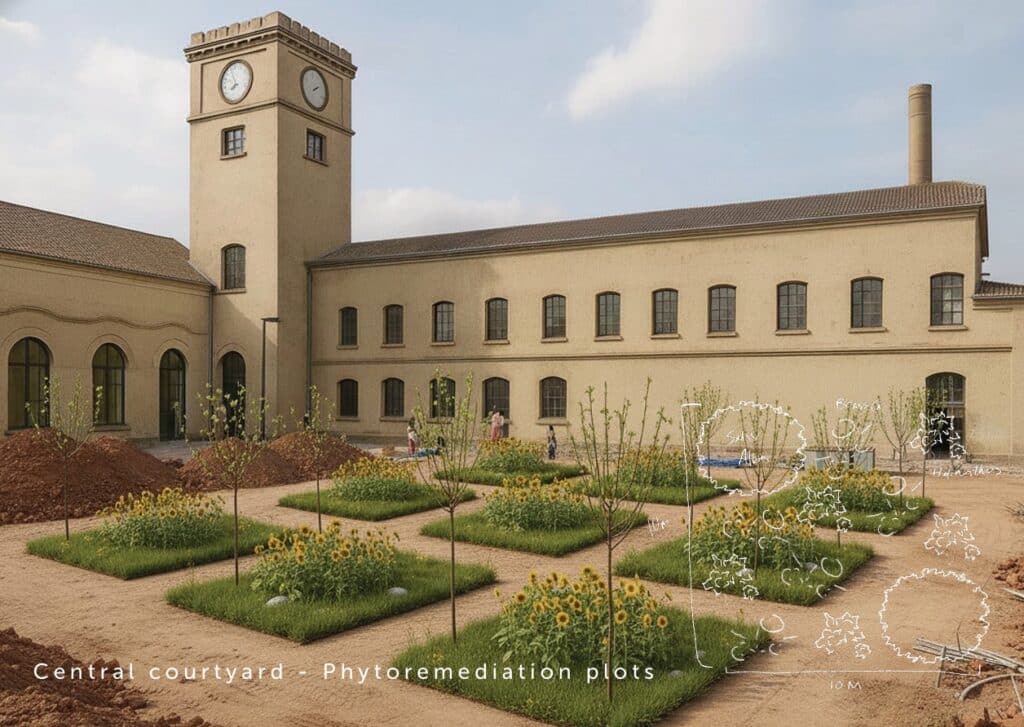
Phyto- Remediation (3 – 7 Years)
Elevated Human Paths
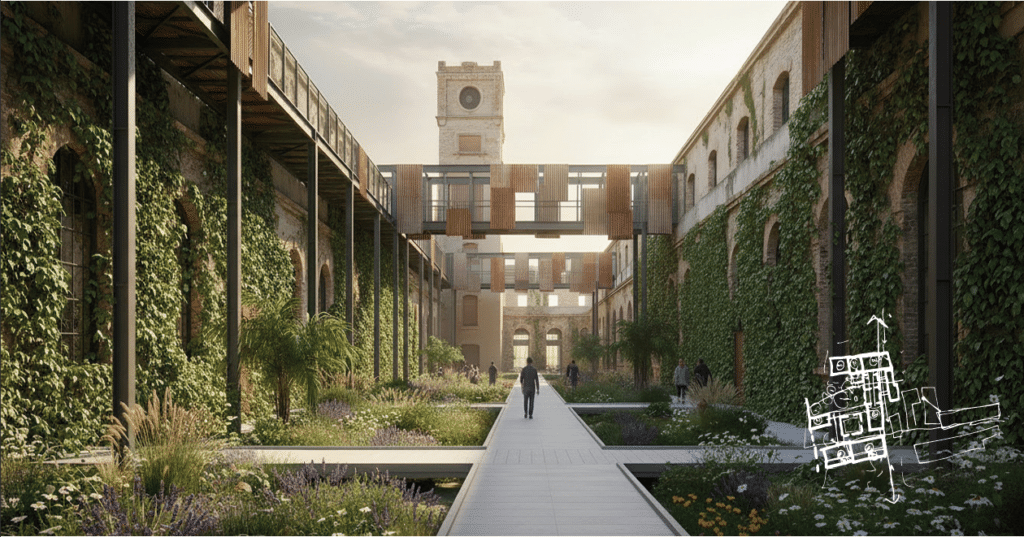
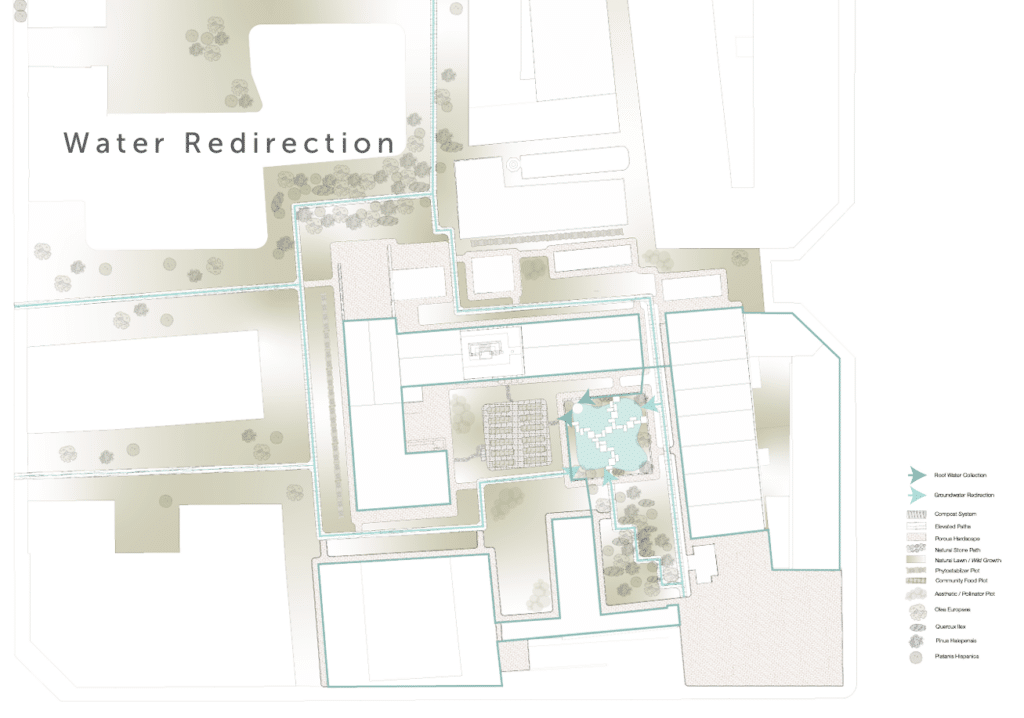
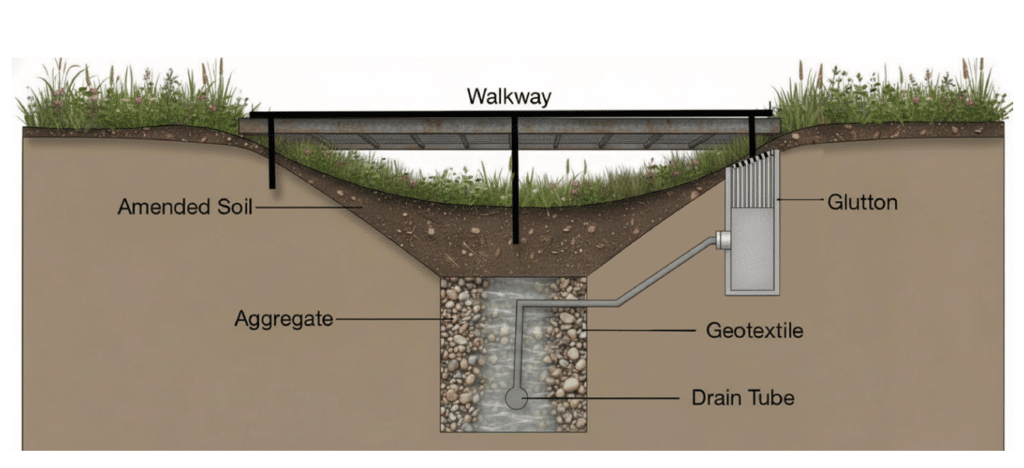
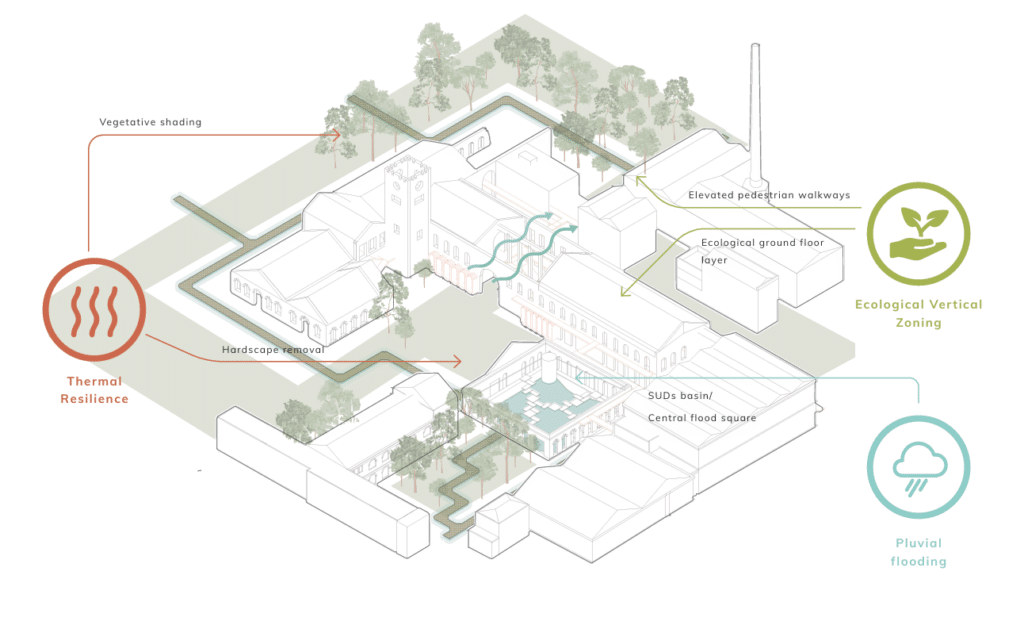
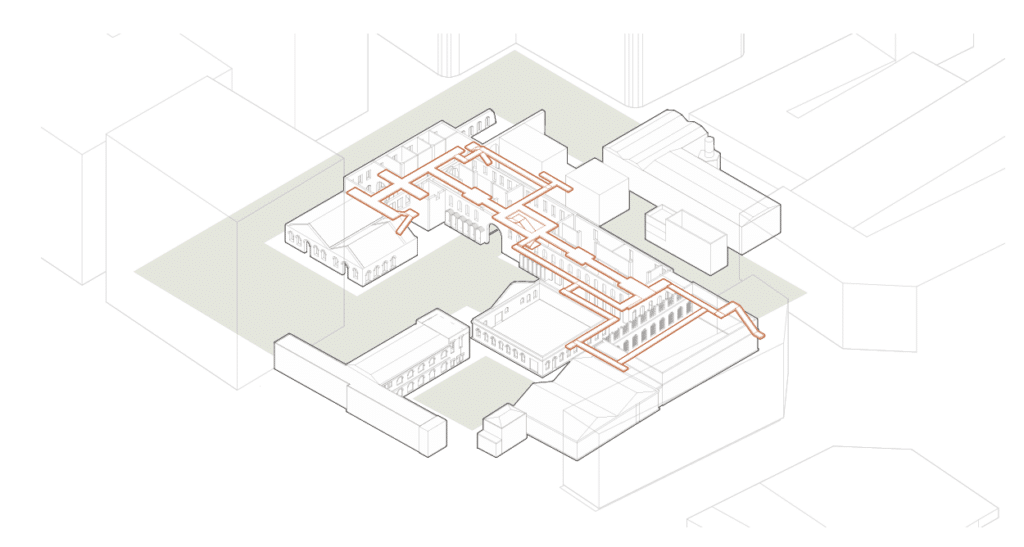
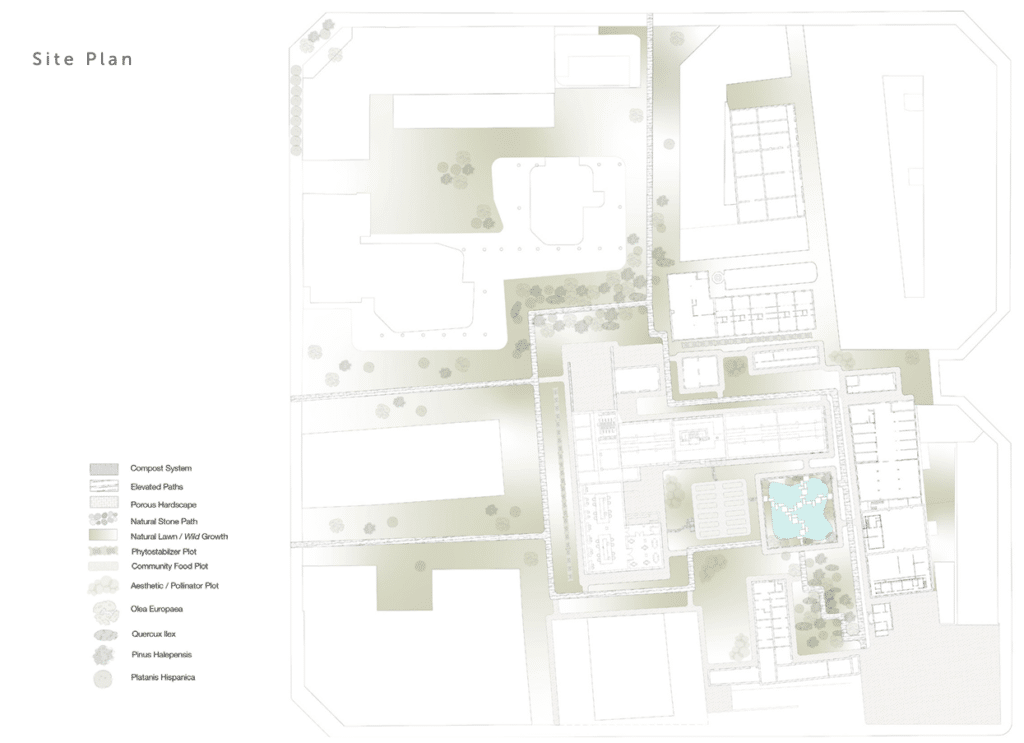
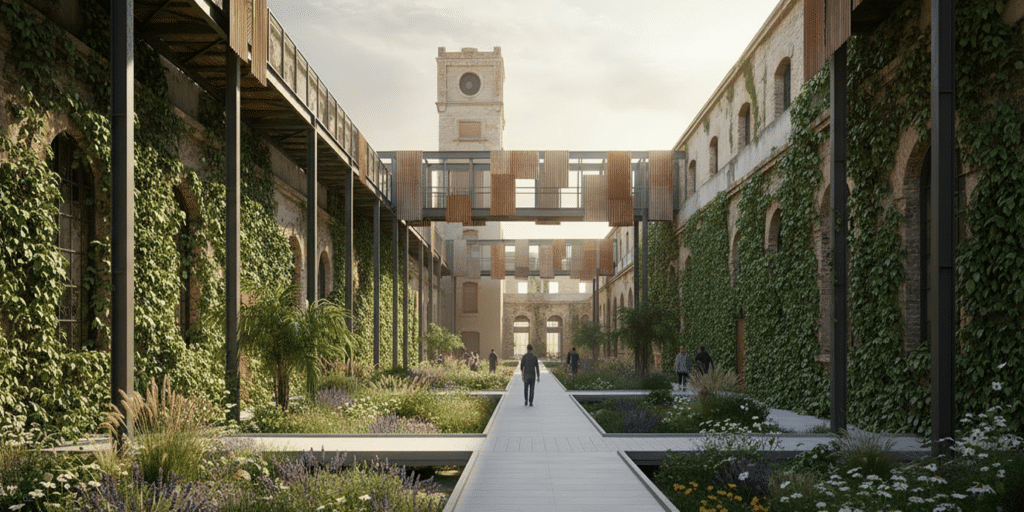
A network of gently sloping ditches will be carved across the site redirecting ground water into an interactive water feature both preventing catastrophic flooding and creating a nature immersion experience for pedestrians. An elevated walkway will be constructed above the ditch system serving the dual purposes of providing human paths accessing all points of the site regardless of current water levels and allowing native non- human species to
grow freely underneath.
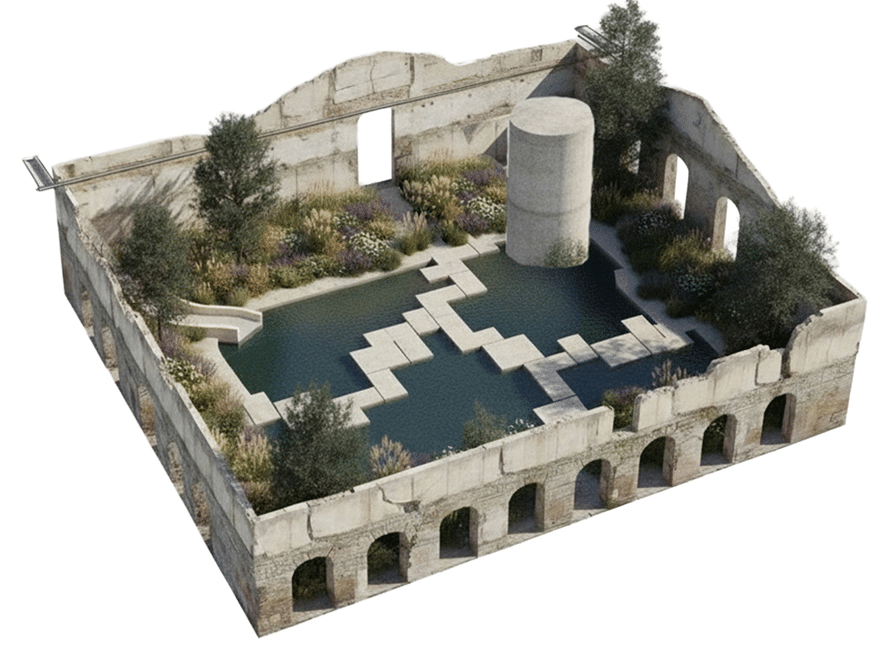
Reclaimed Ruins Functional Water Feature
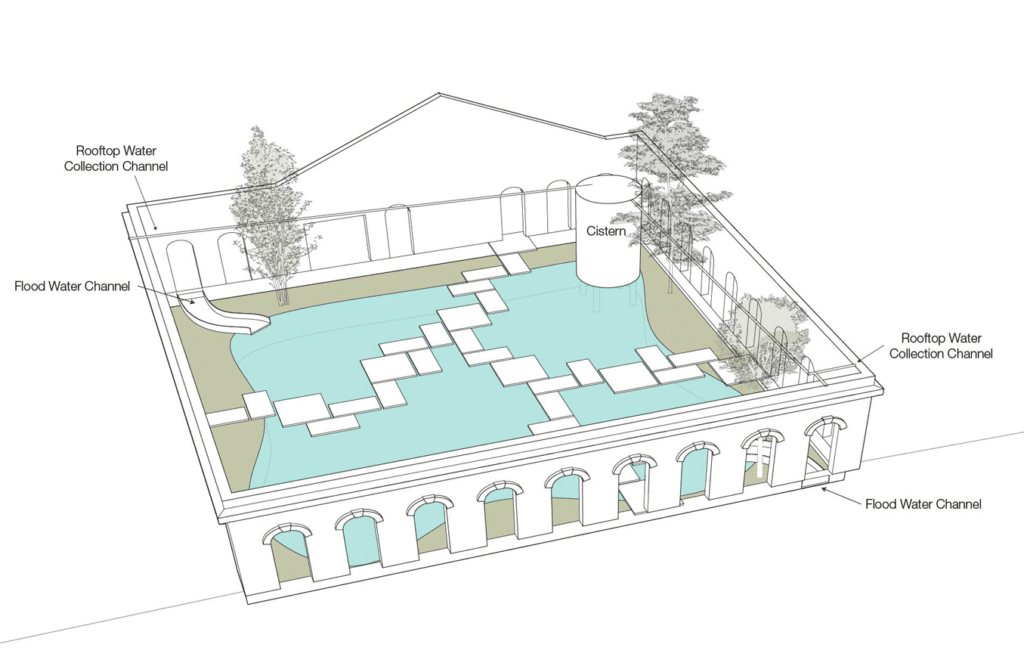
Redirected ground water from across the site will be fed into an interactive water feature built in the reclaimed ruins of a derelict building, restoring purpose while preserving industrial heritage. Rooftop rainwater collection will also be collected and fed into a cistern system within the water feature that will be used as an irrigation source for the adjacent community garden.
Green Corridor
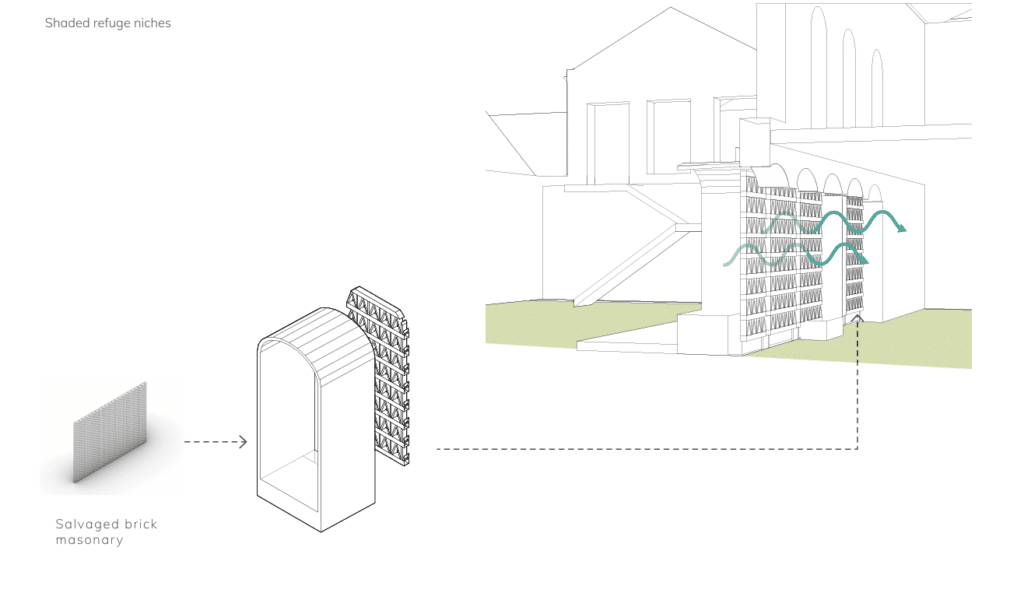
Passive Cooling
Interventions Summary
By the end of Phase 1, the site will be environmentally stabilized, safe for human reintroduction, and equipped with systems of long-term resilience. Flood risk is reduced, soil health is restored, and the transformation from hardscape to living landscape establishes a new ecological foundation for future phases.
Circular Program
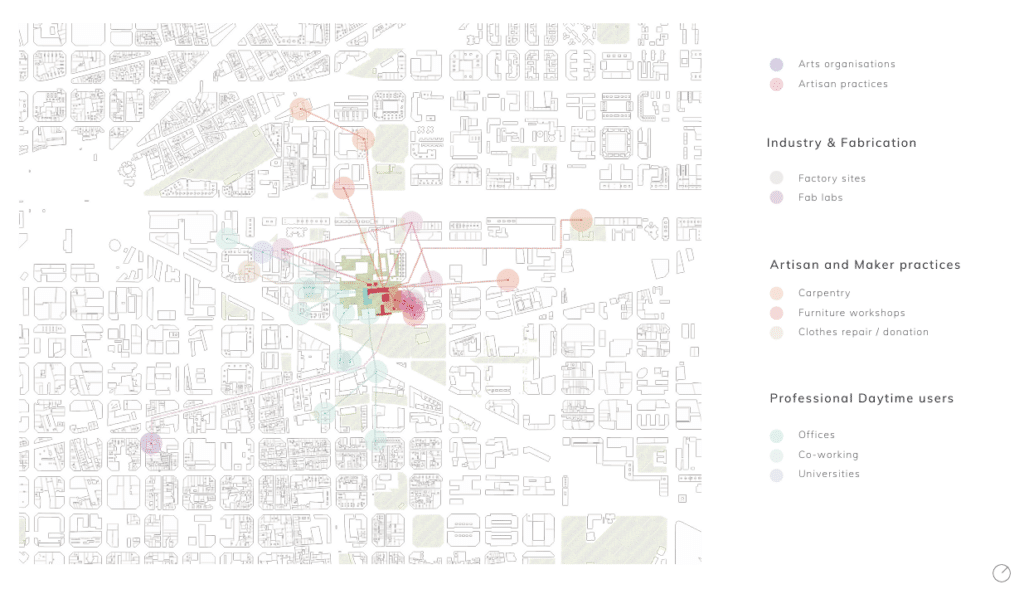
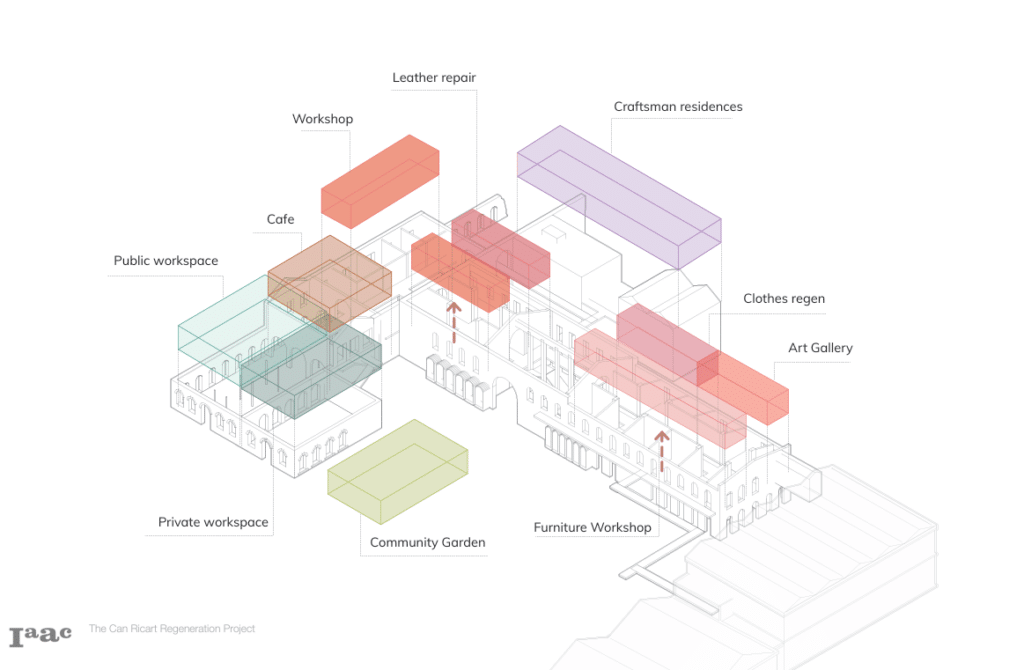
The program that will be introduced during phase 2 takes into consideration the network of artisan programming surrounding our site and finds opportunities to compliment and interweave into the surrounding context while addressing the needs and desires of residents and community members of Can Ricart. Additionally, key infrastructure is moved above ground level with ground floor programming being permeable and floodable in the event of future flood activity.
Circular Movement
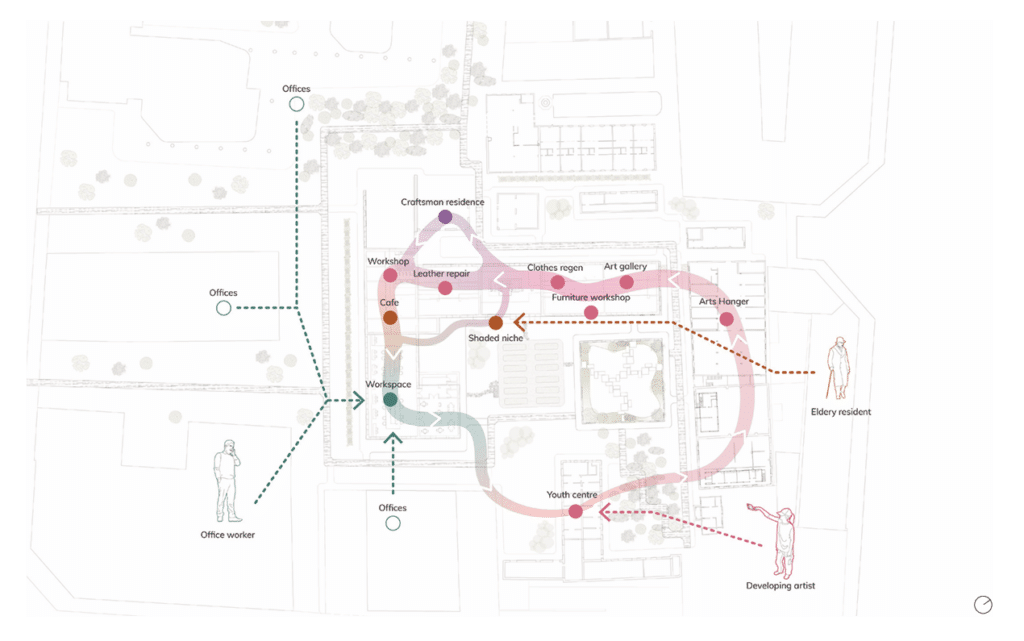
Our programme also takes into account the path of each member through our network of businesses and communal spaces. We seek to provide opportunities for members to interact with Can Ricart throughout the various phases of their lives. For example, imagine a young student grows up visiting the youth center and learns to love creating. As a teenager he starts working in the art hangar. As a young adult, he might take up a space in one of the craftsman residences and sell his work in retail space. He might break up his day the community cafe. Throughout his life, he has new opportunities to interact with and grow at Can Ricart.
Cafe to Community Garden Circularity
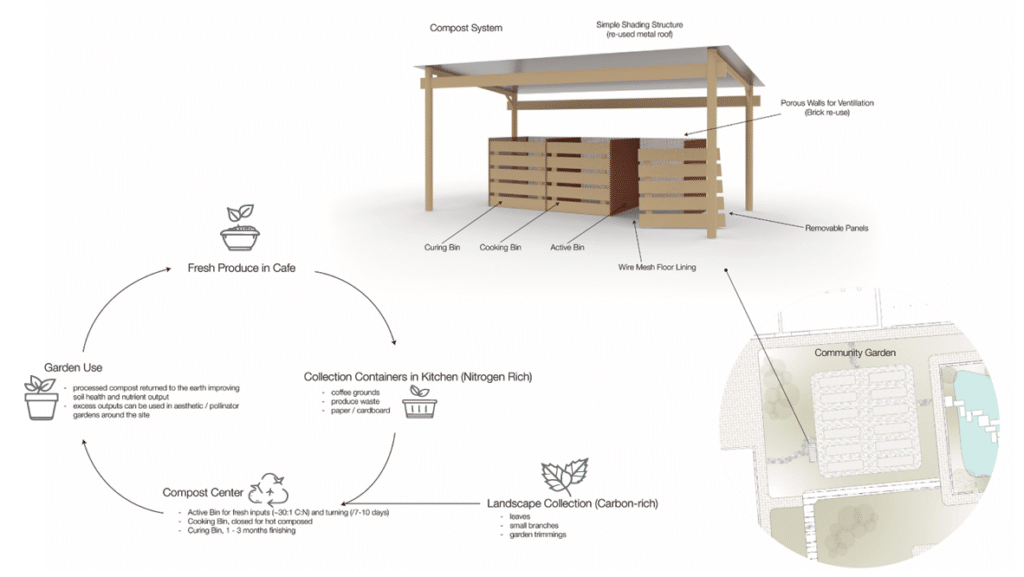
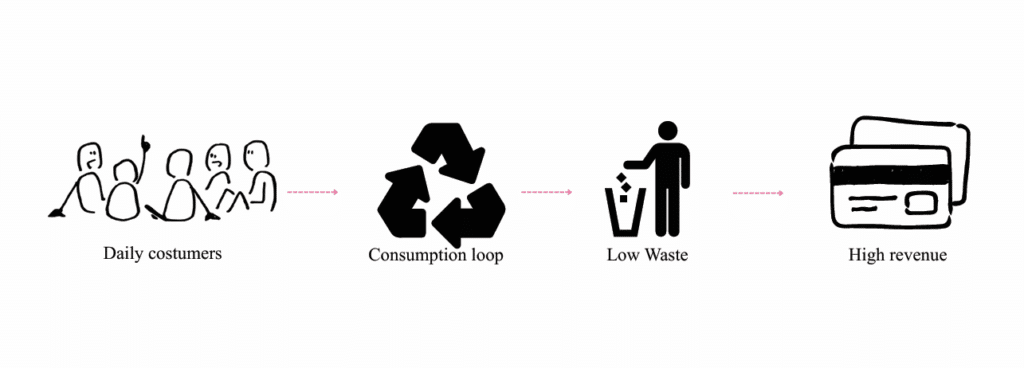
One final example of circularity is the relationship between the café and the community garden. Organic waste from the café, combined with landscape waste, is composted on site and returned to the soil—supporting food production that feeds directly back into the café and reinforcing a closed-loop system of use and reuse.
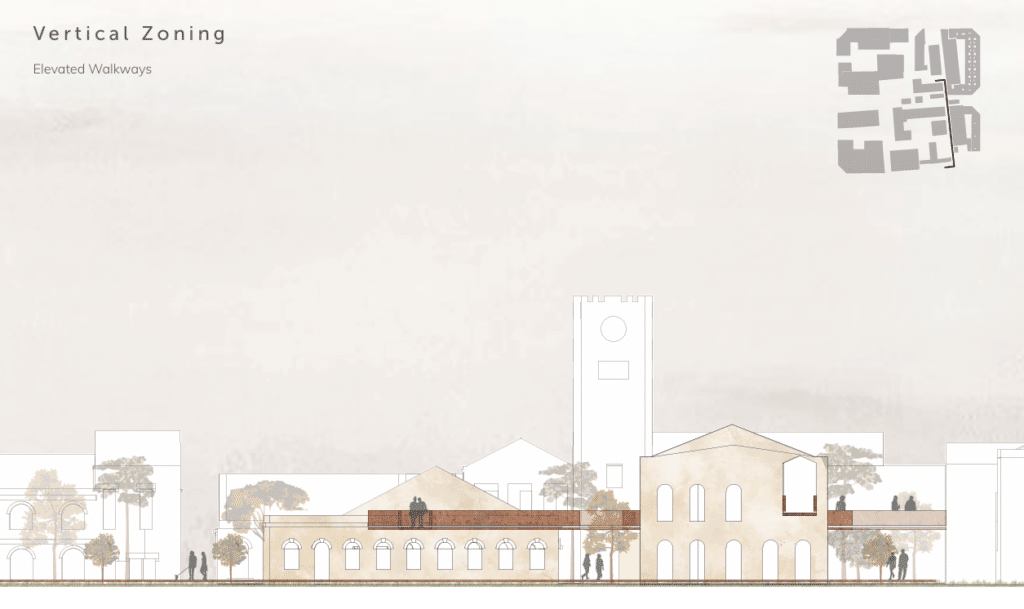
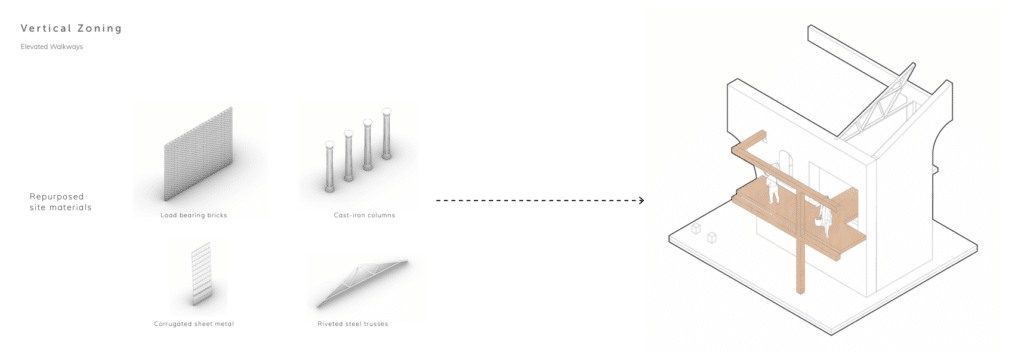
Vertical zones began with our introduction of slightly elevated paths above our water redirection system and continues with upper floor human paths creating connections across upper levels of the site while maximizing space for natural growth.
Programme – a Closer Look
Textile Regeneration – Chemical
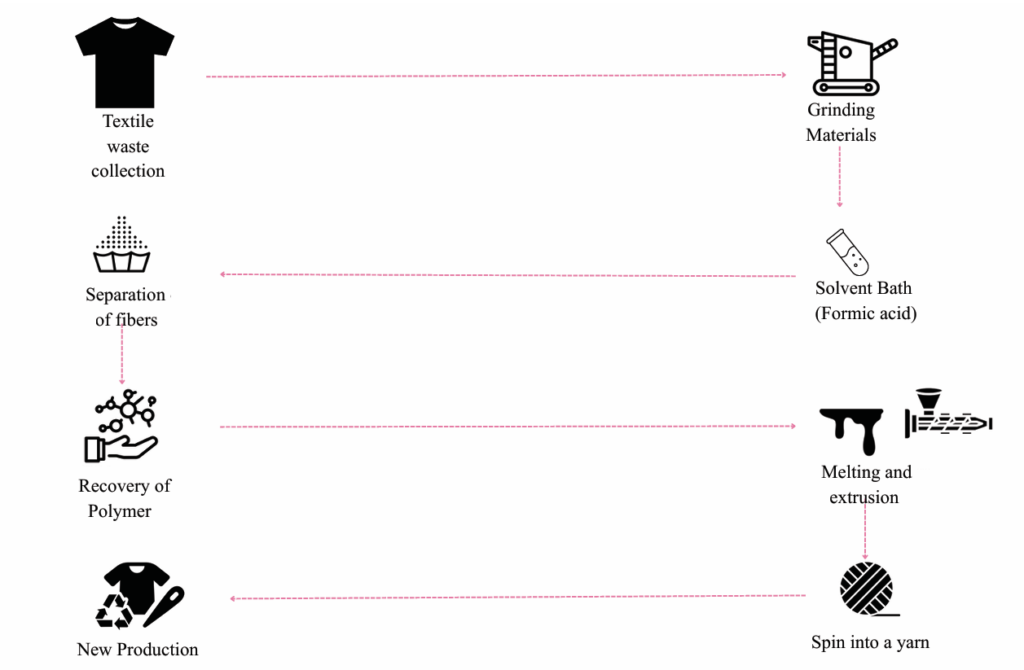
Textile Regeneration – Mechanical
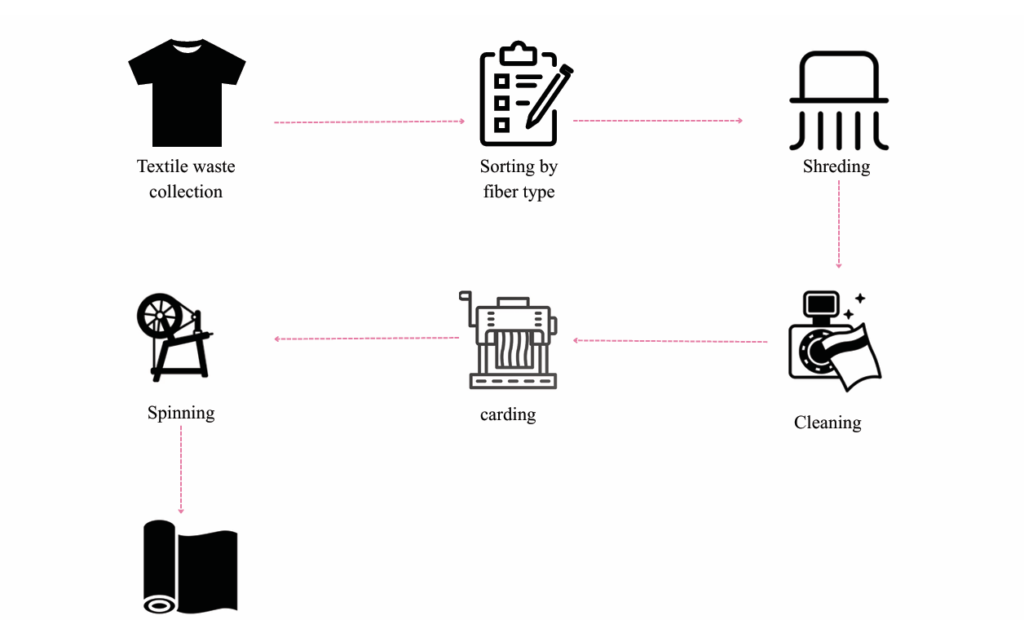
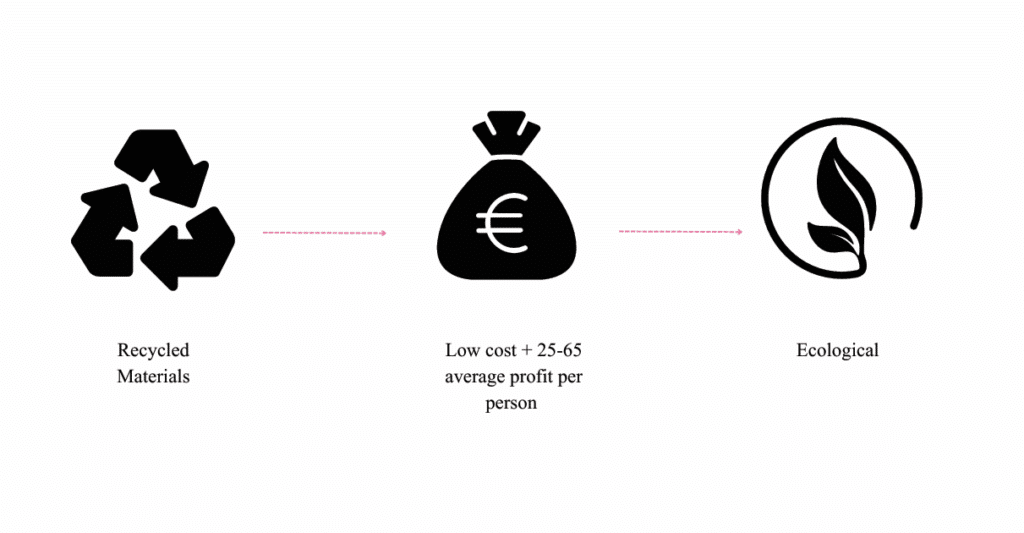
Workshop
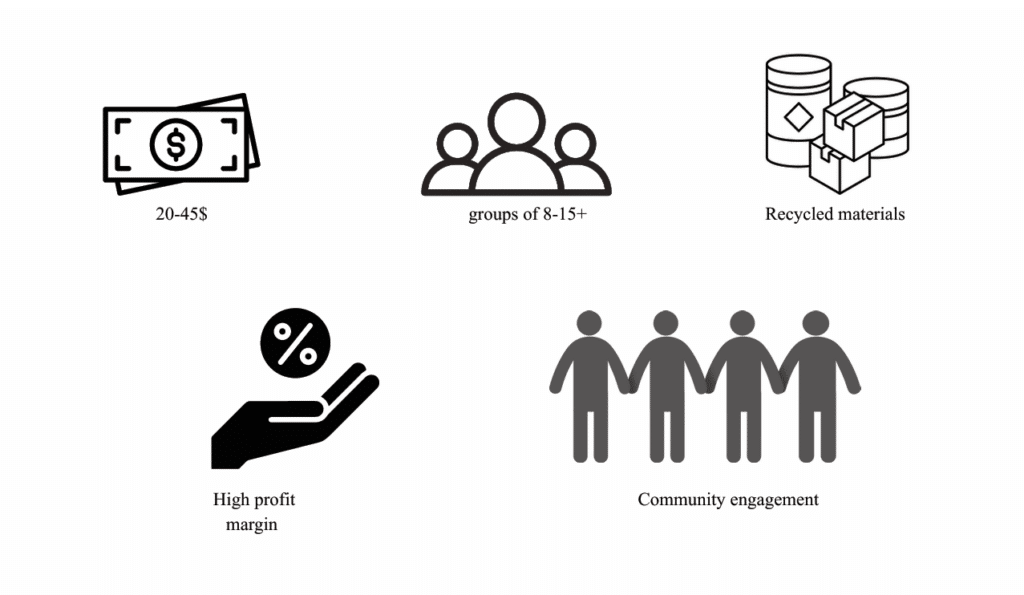
Network, Circular Coffee Shop
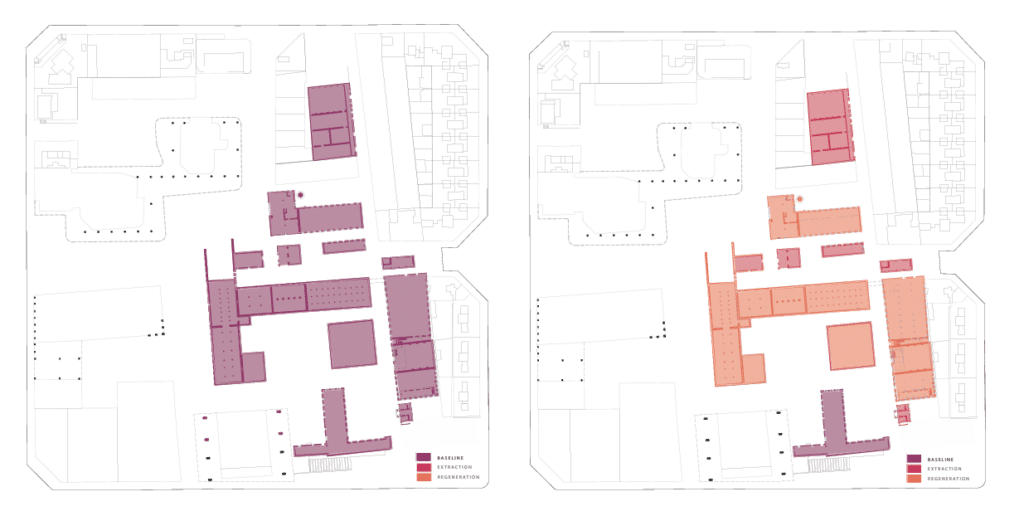
LCA – Baseline
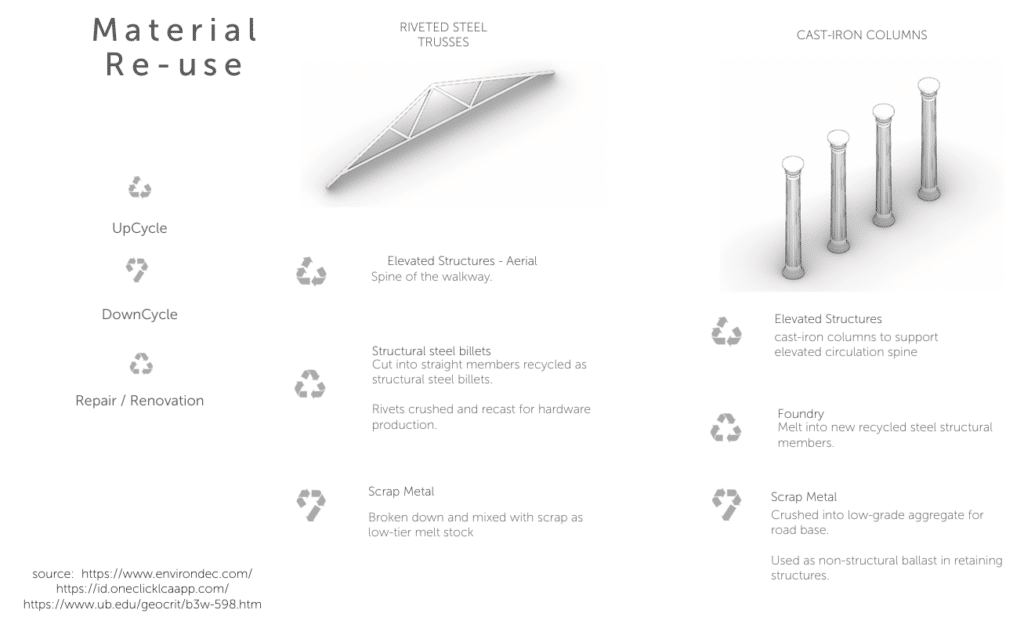
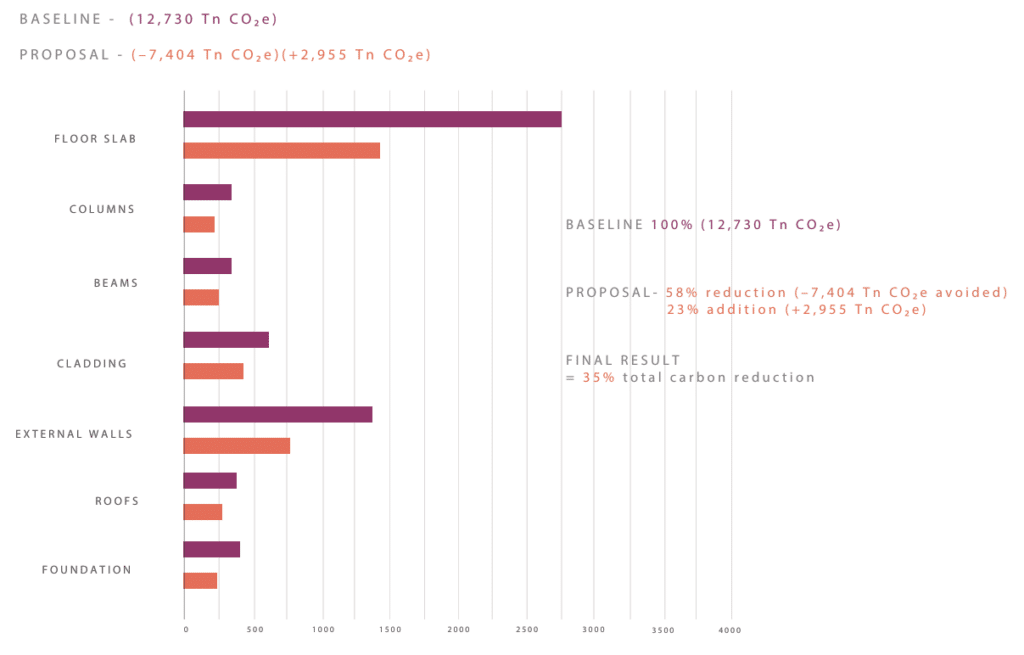
Through selective extraction, structural retention, and material reuse, the Can Ricart regeneration achieves an estimated 35% reduction in embodied carbon compared to a demolition-and-rebuild scenario, despite the addition of new public infrastructure and ecological systems.
Carbon Footprint Tn CO2e – By Building Part
Phase Summary
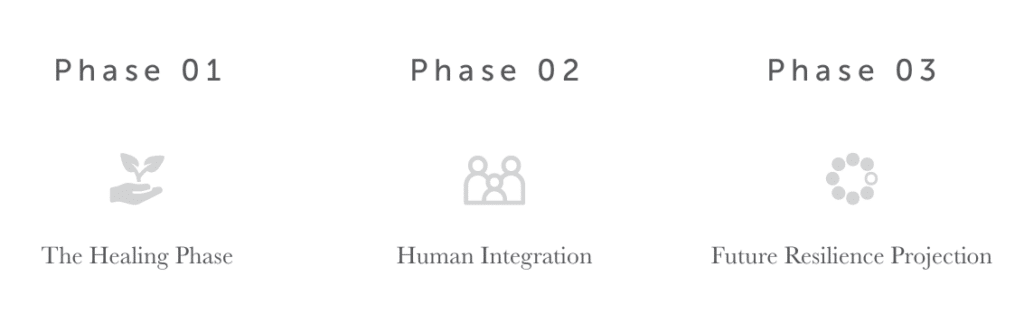
Phase 1: The Healing Phase
Laying the Groundwork
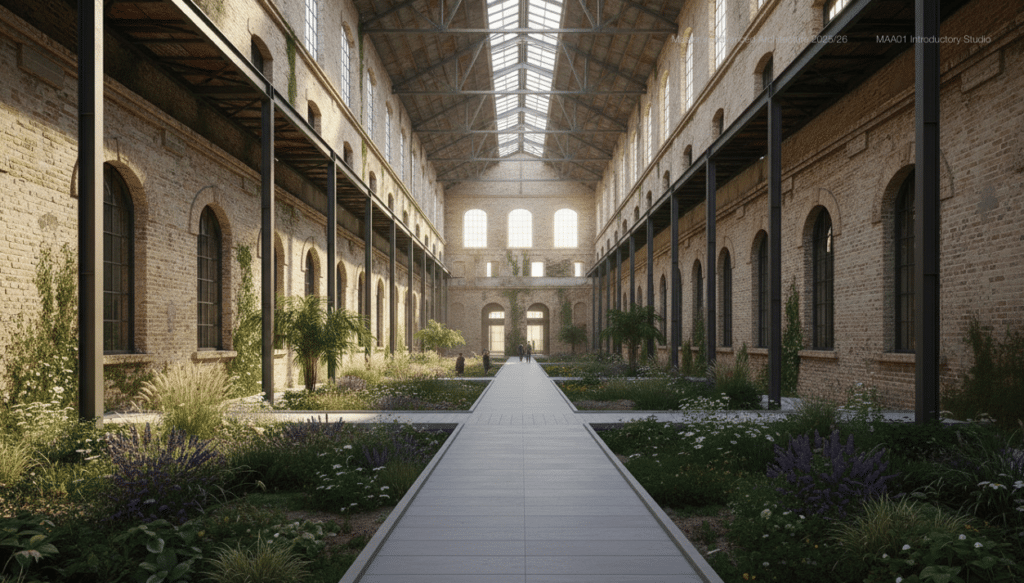
Phase 2: Human Integration
Adding infrastructure and human programme.
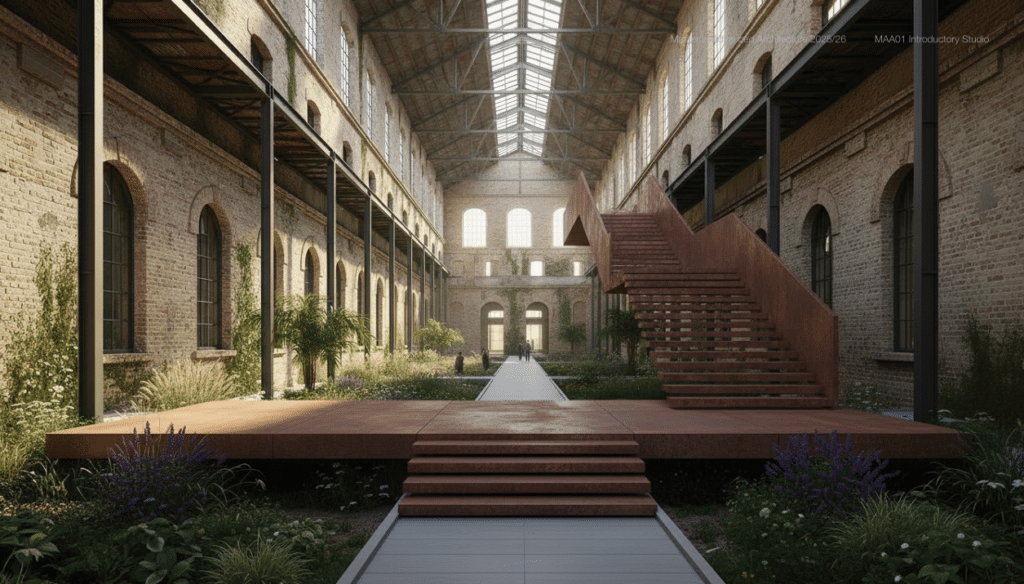
Phase 3: Future Resilience Strategy
Designing for adaptability and future resilience.
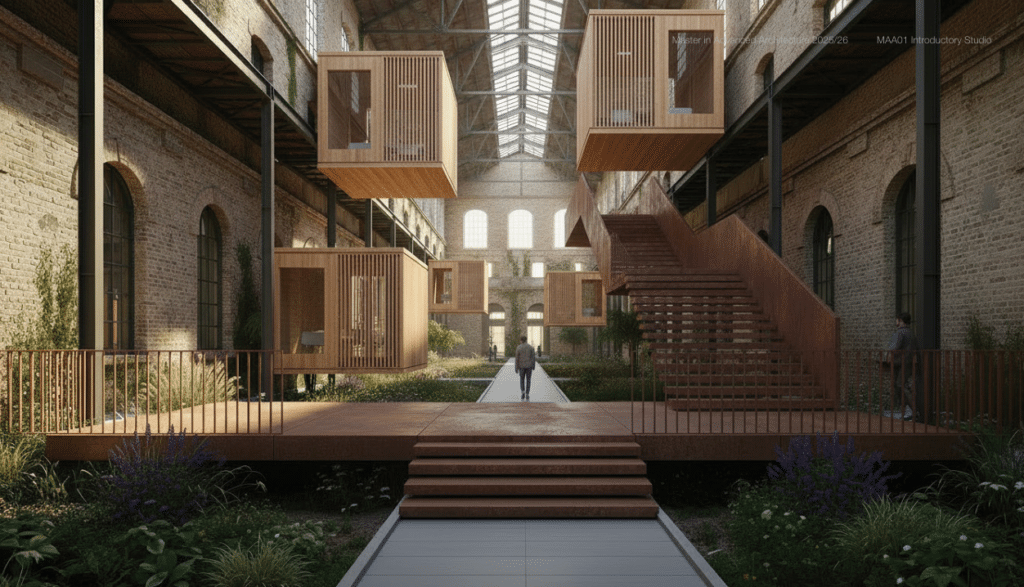
Decentralized Resilience Map
How the site plugs into Barcelona’s future systems.