
Expert introduction

Milos Dimčić
CEO &founder of Programming Architecture
Milos Dimčić, PhD is an architect, computational designer and software developer specializing in the automation of design and construction workflows in the AEC industry. He has PhD in architecture & structural design from the University of Stuttgart and is guest assistant professor at TU Graz Faculty of Architecture. His work focuses on transforming design models into automated production systems capable of generating geometry, data, and fabrication information directly from computational workflows.
Dimčić studied architecture at the University of Belgrade and completed a PhD in structural design at the University of Stuttgart. Throughout his career he has contributed to several large-scale international projects involving complex geometry and advanced digital workflows, including the Las Vegas Sphere, Kuwait International Airport, and other computationally intensive façade and structural systems. These projects are notable for their reliance on parametric modeling and automated production pipelines, where digital models are used not only for design but also to coordinate fabrication and assembly processes.
Changing role of BIM
A central theme of the discussion was the changing role of BIM within contemporary computational design workflows. In traditional architectural practice, BIM platforms are widely used to produce documentation—such as drawings, schedules, and data tables—that communicate design decisions between architects, contractors, and manufacturers. However, in workflows where design and production are closely integrated, the need for such documentation can change significantly. When a single digital model contains the geometry, information, and fabrication logic required to manufacture building components, it can function as a direct interface between design and production.
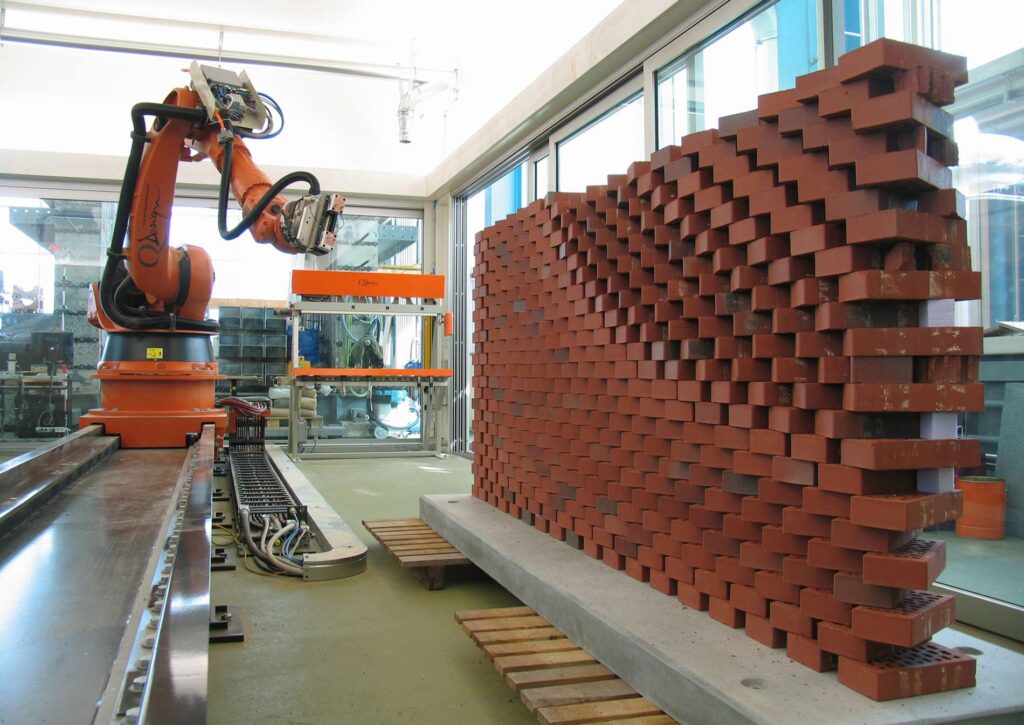
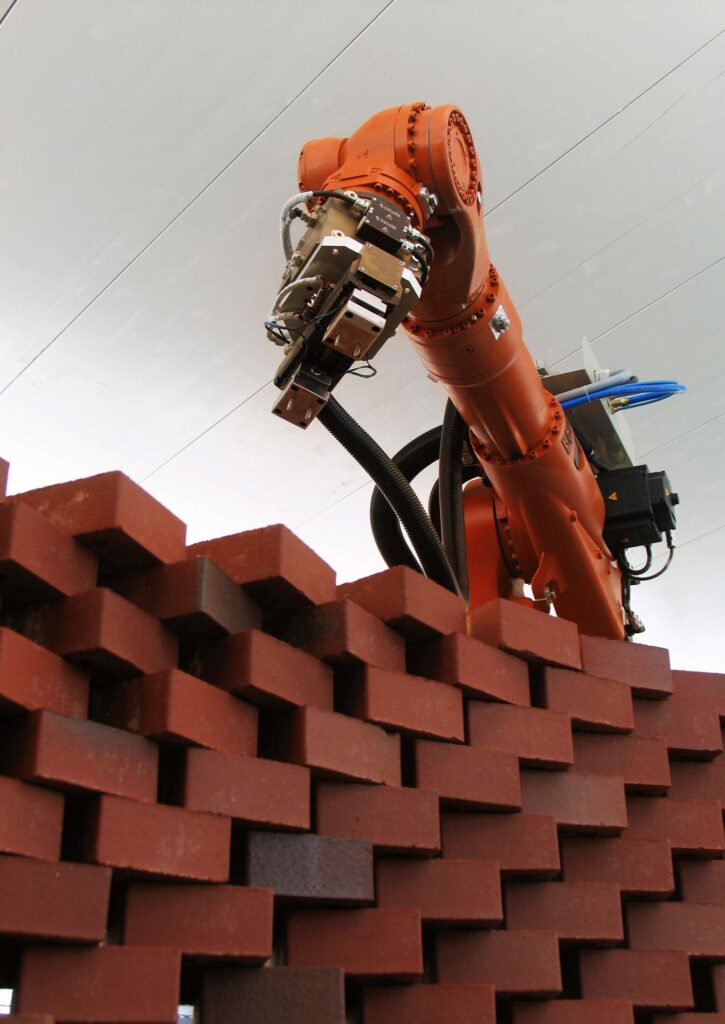
Dimčić described how, in some projects, particularly those involving complex geometries or specialized fabrication processes, the entire workflow can be managed directly within a parametric modeling environment such as Rhino. In these cases, custom tools and scripts transform the design model into a digital twin that can be sent directly to fabrication or assembly. BIM platforms may still play a role in communication with external stakeholders, but they are not always central to the production workflow itself.
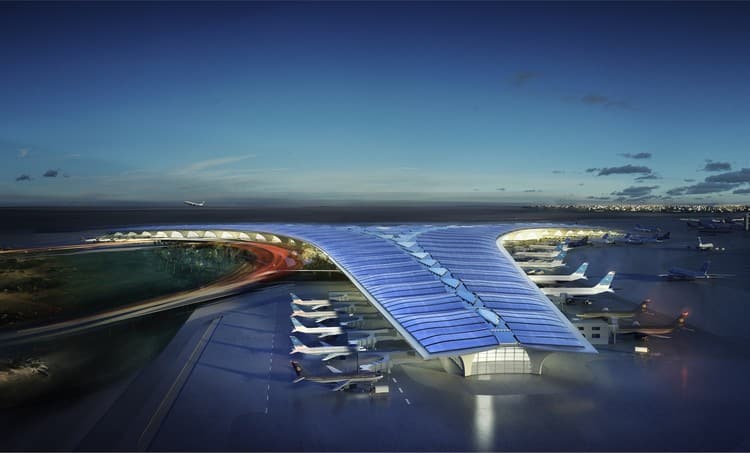
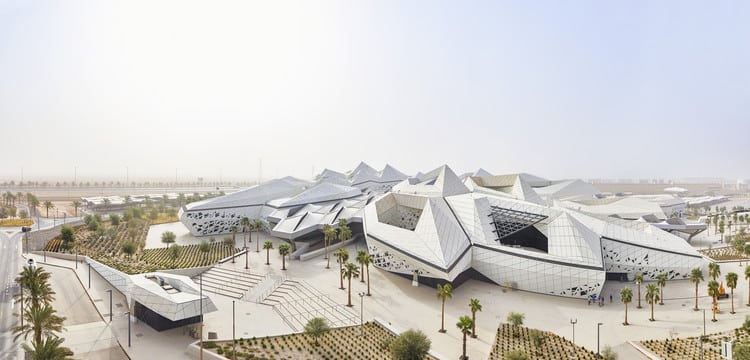
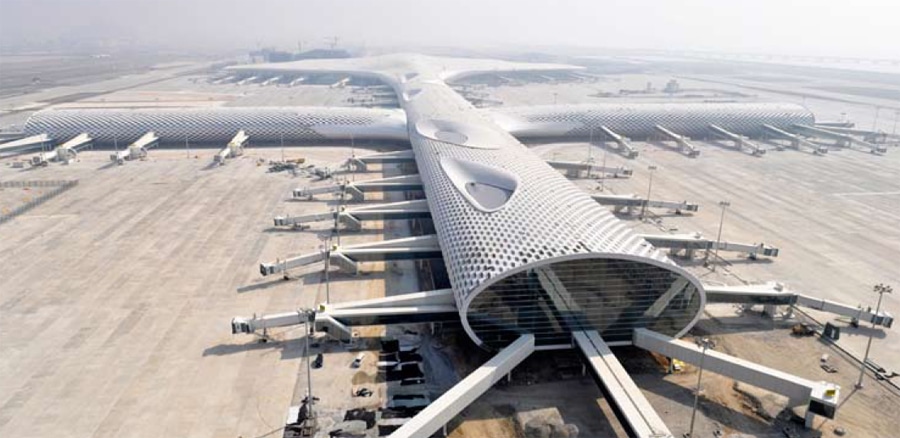
This shift raises broader questions about the role of drawings in architectural practice. Traditionally, drawings have served as the primary medium for communicating design intent and construction instructions. However, if a digital model already contains the necessary production information, drawings may become less essential within certain workflows. While legal and bureaucratic processes—such as permitting—still rely heavily on 2D documentation, emerging construction technologies are beginning to support model-based approaches where geometry and data guide fabrication and assembly directly.
The role of programing and the future of computational design
The conversation also addressed the role of programming and artificial intelligence in architectural practice. As computational design tools become more powerful and AI-assisted development becomes more widespread, the role of designers is gradually shifting from writing code to organizing complex software systems. According to Dimčić, computational designers increasingly act as “software architects,” structuring workflows, defining system logic, and coordinating automated processes rather than manually producing every script or tool themselves.
For students entering the field of computational design, he recommends developing a foundational understanding of programming and software logic, even as AI tools become more capable. Understanding how software systems function remains essential for structuring and managing complex digital workflows.
Conclusion
Overall, the discussion highlights an ongoing transformation in architectural practice. As computational tools, digital fabrication, and automation continue to evolve, architects are increasingly required to think not only as designers of buildings but also as designers of systems—connecting geometry, data, production processes, and information management within integrated digital environments.
Fore more on Milos Dimčić work please visit: Programing architecture and his linked in page
