Coral
Robotics
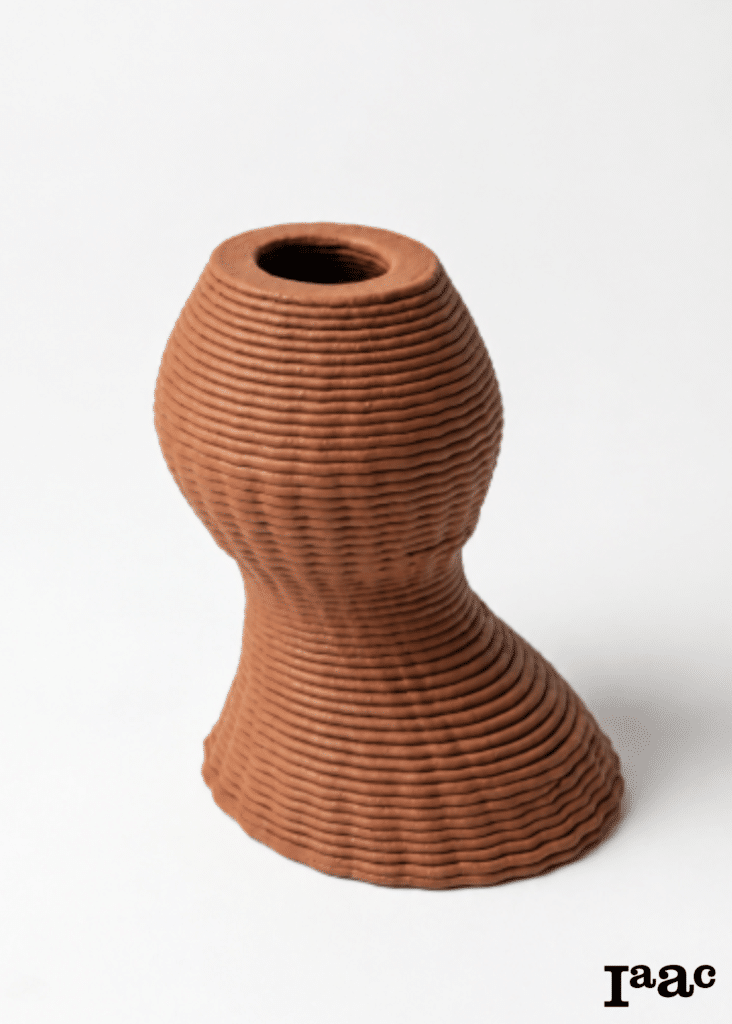
Concept: Our concept takes inspiration from the organic forms of coral, translating its natural shapes and irregular structures into a unique cup design. We wanted to create an object that feels natural, sculptural, and almost as if it has grown rather than been manufactured. By embracing fluid forms and organic textures.
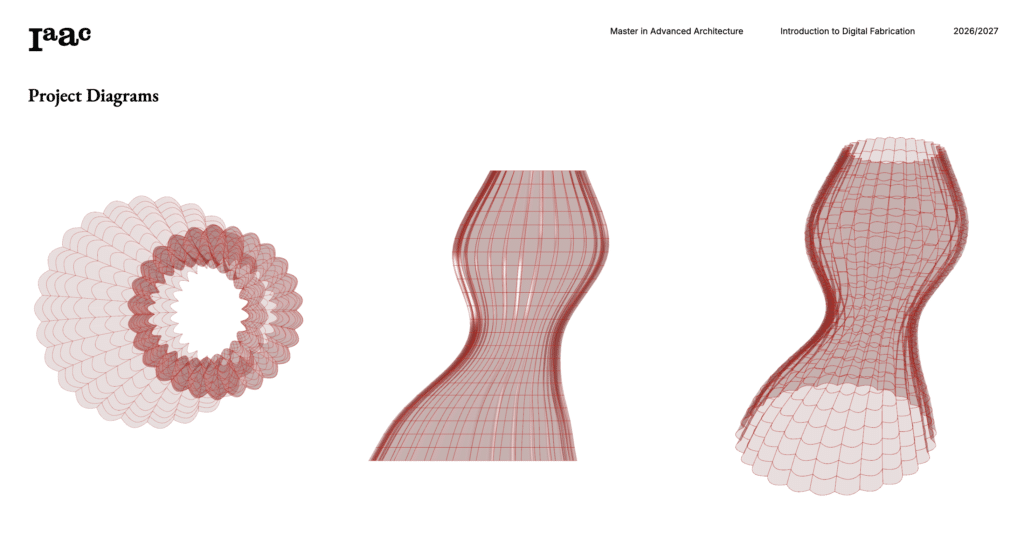
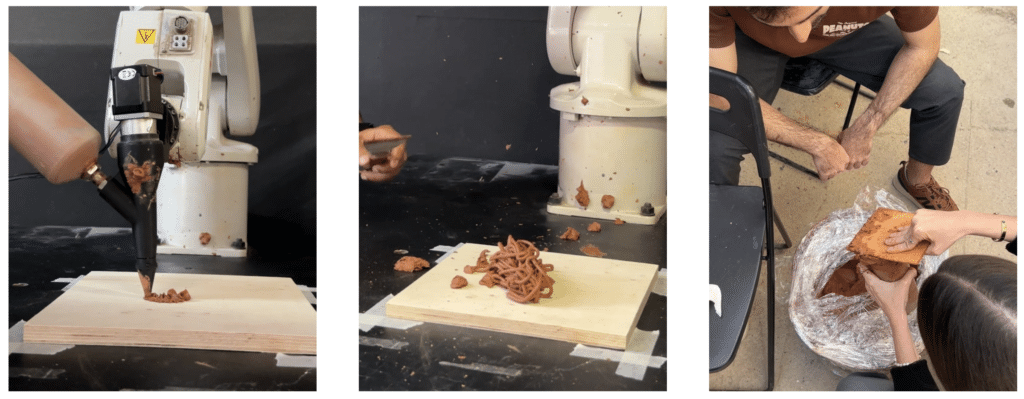
Fabrication Strategy: During the 3D printing process, we had to carefully consider factors such as printing speed and material properties to achieve a successful fabrication. Adjusting these parameters was essential to ensure the final object stayed as close as possible to our intended design, maintaining structural stability.
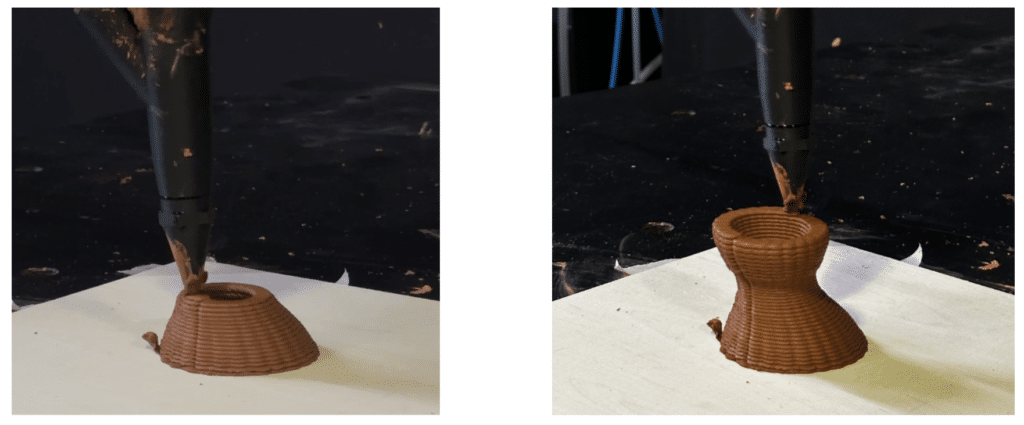
Trial and error: During printing, we encountered issues caused by air trapped in during preparation, which led to splattering and inconsistent extrusion. This affected the printing requiring adjustments to the fabrication process and remaking the material.
Final prototype
ABAKUS
Laser cutting
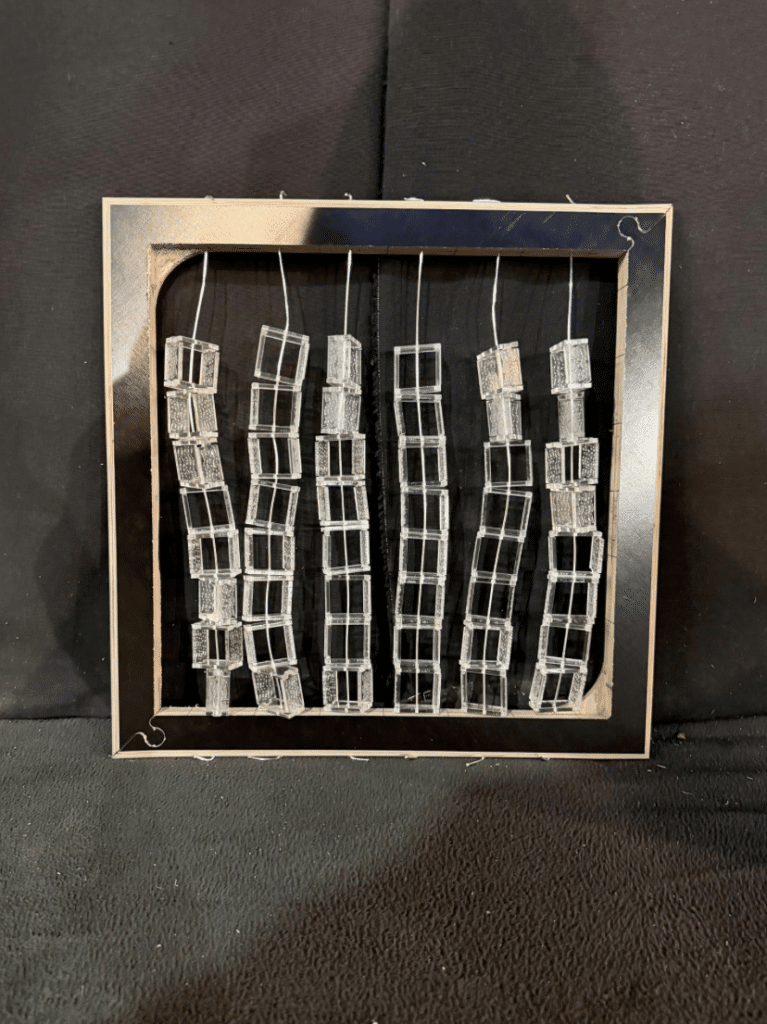
Concept: Inspired by architectural façade design, Abakus is an interactive piece made of laser-cut acrylic, used in its pure state.
The modules rotate and slide freely, inviting people to engage through touch. The textured surfaces read as movement even when the piece is still, and that sense of motion changes as the viewer moves around it. Metal wire wraps each module and draws vertical lines that repeat across the frame like a pulse.
Minimal in form and dynamic in use, Abakus is never fixed. Each gesture changes it.
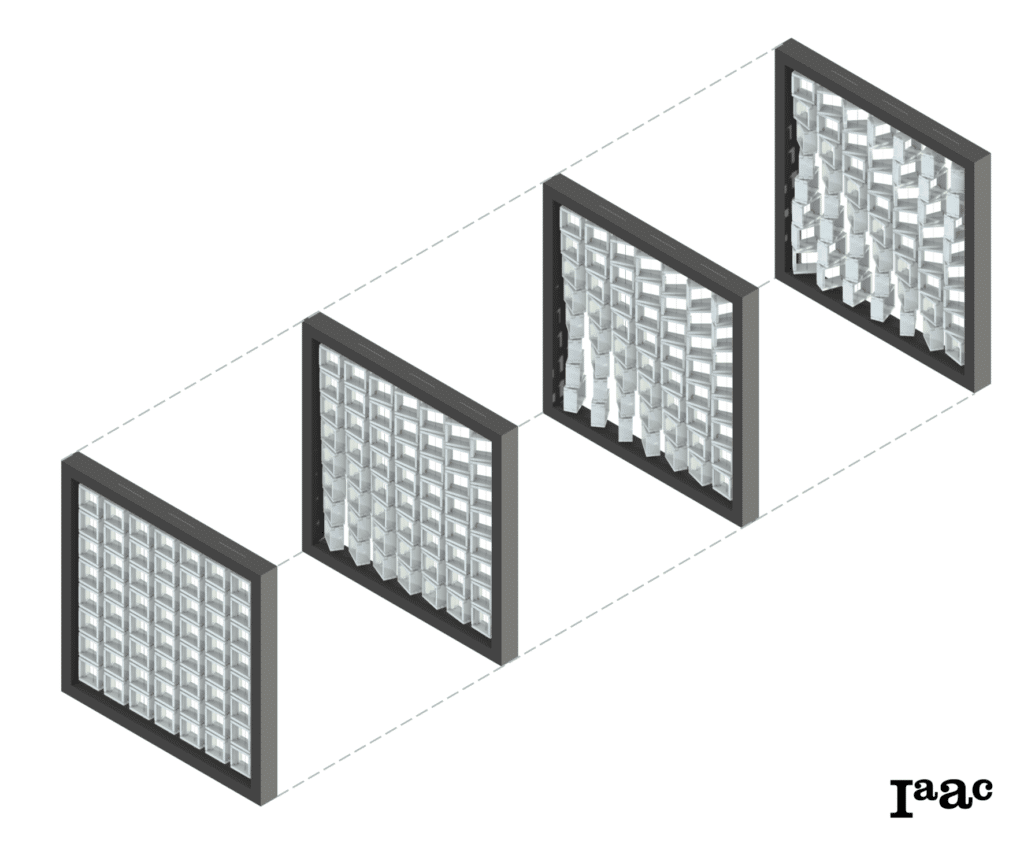
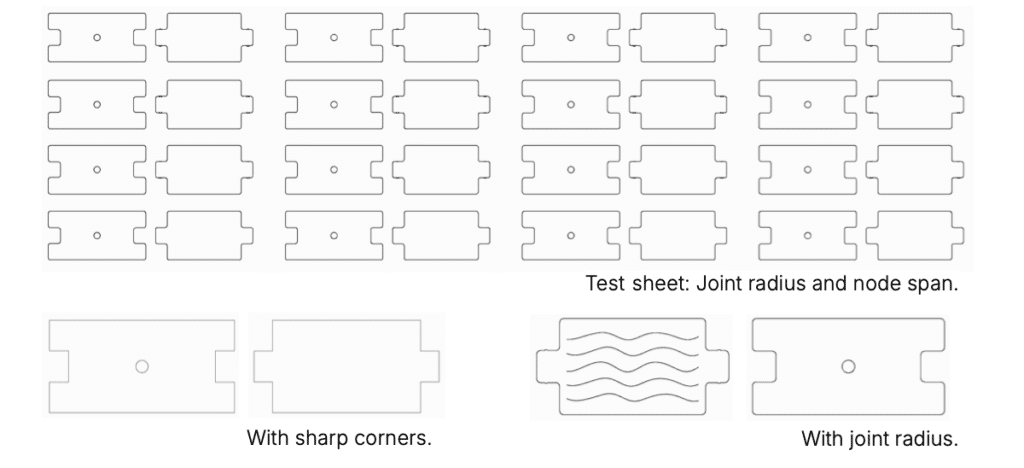
Diagrams & Drawings: A sharp corner creates a weak point in the acrylic. Not good when this is structurally an important part of the design. A small radii in that corner does wonders to transfer the forces from one face of the hole or slot to the other and reduces the risk of the material splitting at the corner.
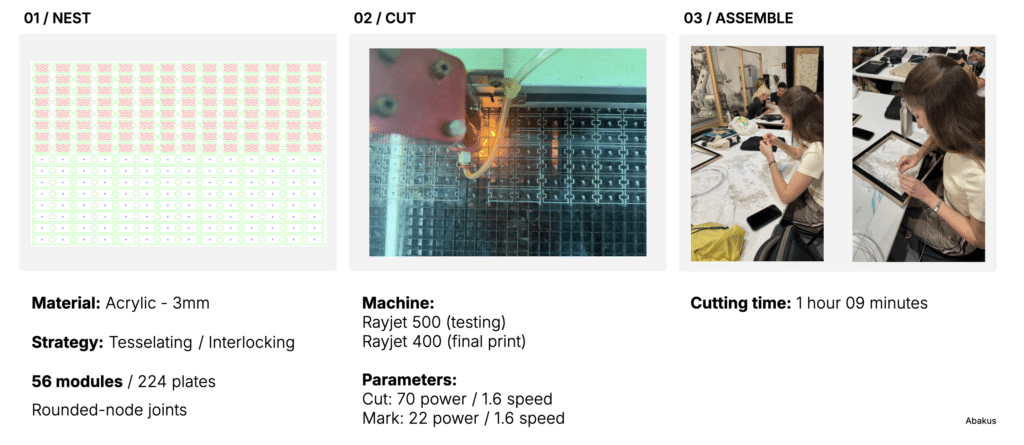
Fabrication Process:
Final prototype
Venom Weave
3D Printing
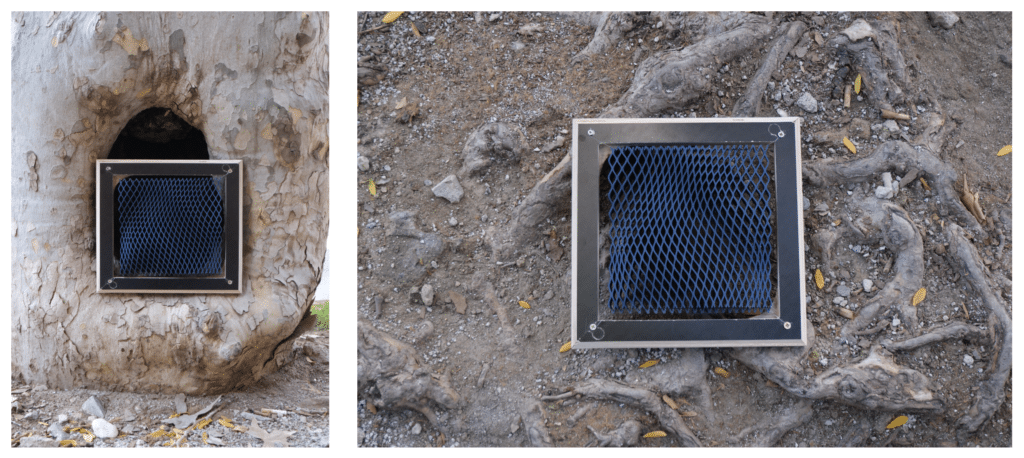
Movement, Pattern, Curves: Venom Weave is a design project inspired by the Blue Coral Snake, known for its deep blue coloration, distinctive scales, and fluid movements. The project aims to explore and experiment with textures, curved forms, and organic patterns through 3D printing, translating natural characteristics into a contemporary design language.
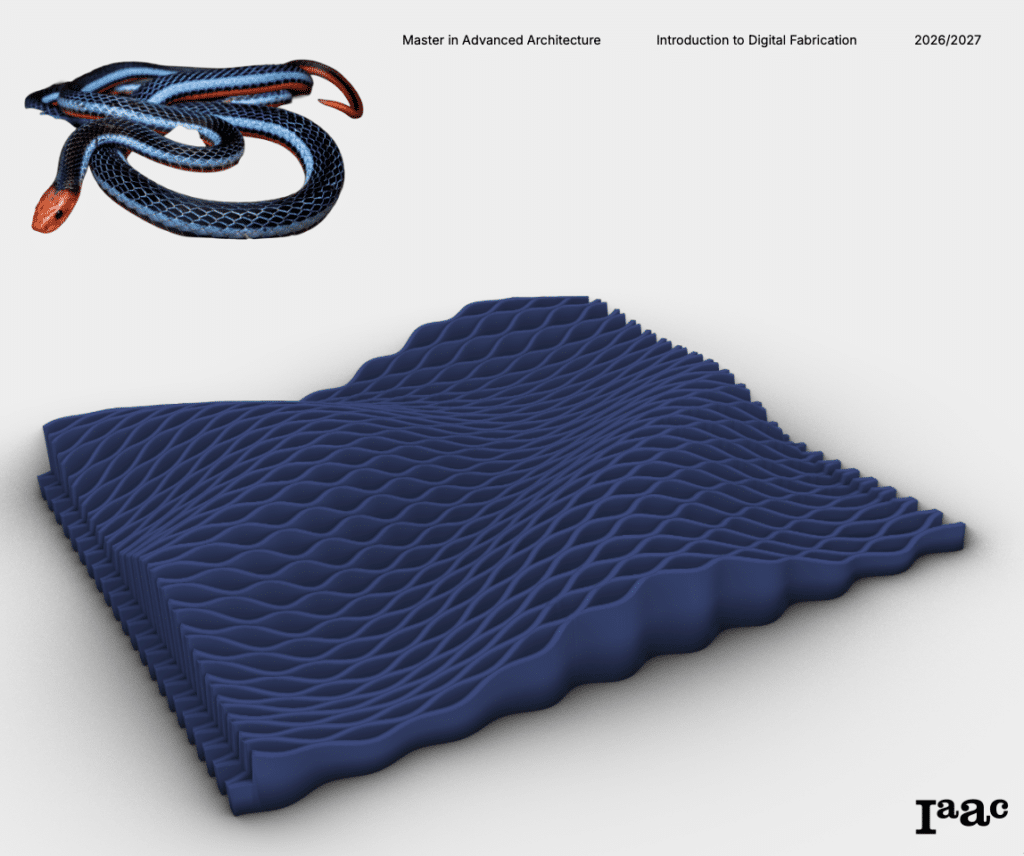
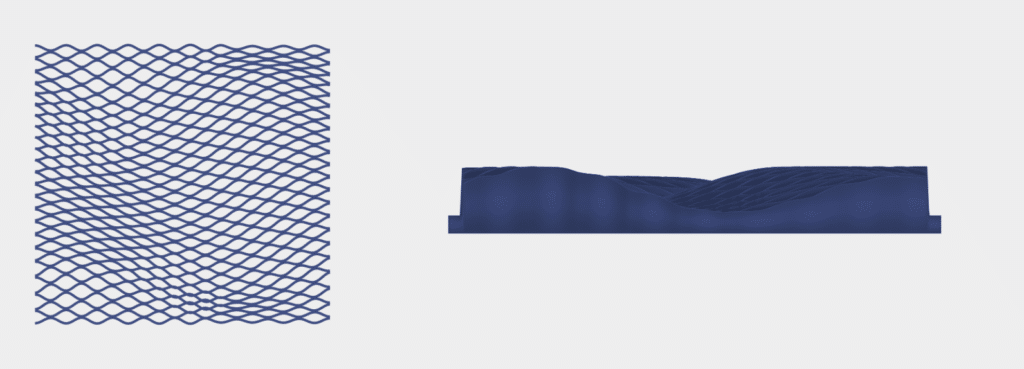
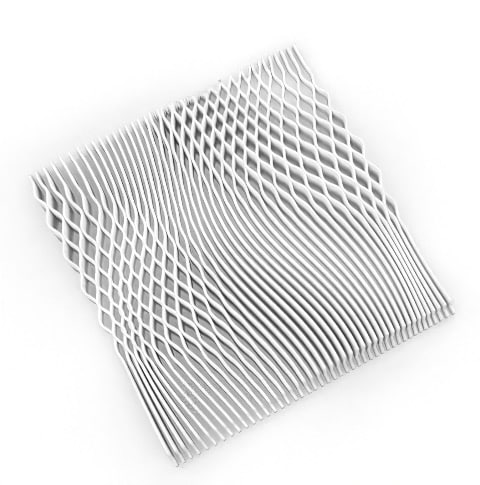
The design explores the relationship between curved surfaces and repetitive geometric patterns. Its interwoven structure creates a continuous texture that adapts to the object’s curvature, combining organic forms with the precision of 3D printing.
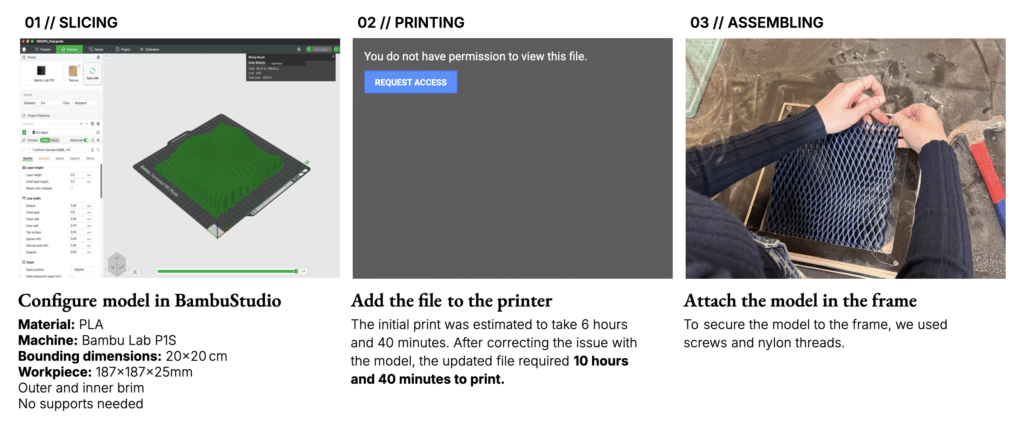
Failed attempt and Learnings: In our first model some of the strips designed were not attached to each other, so we had to redo the model. We also didn’t use brim in our first print attempt, so the filament did not attach properly to the plate.
Fabrication strategy:
Final prototype
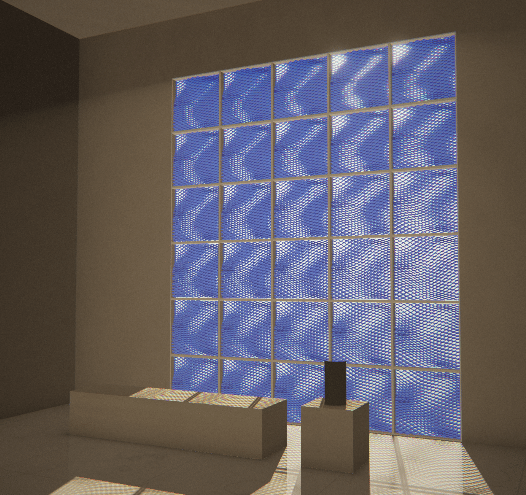

CNC
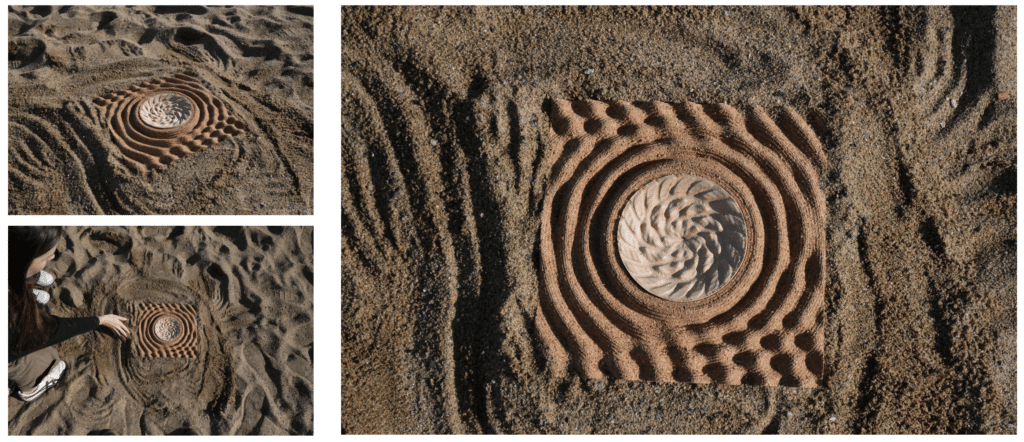
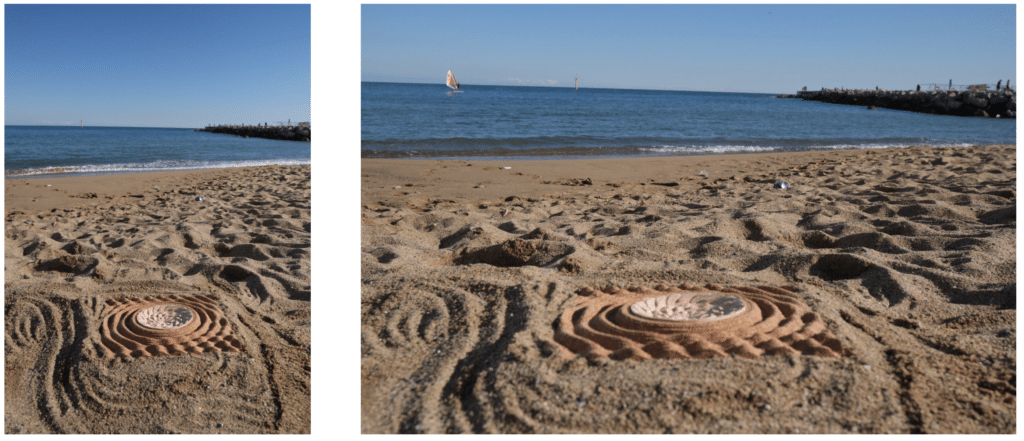
Concept: DUNE
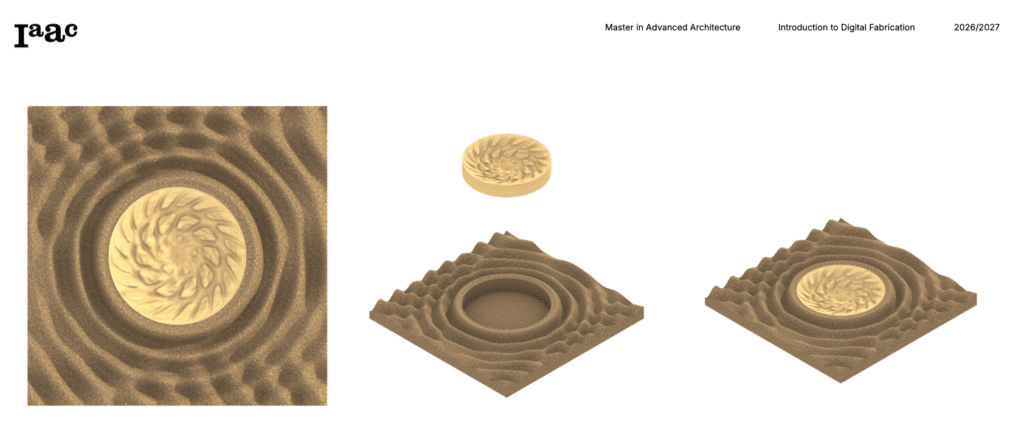
Inspired by the textures of sand and by the desert of Dune, the piece captures the moment of an eruption. The beech core, deep and carved with a woven texture, is the explosion. Around it, cork undulations are the sand dispersing, fading as they move away from the center.
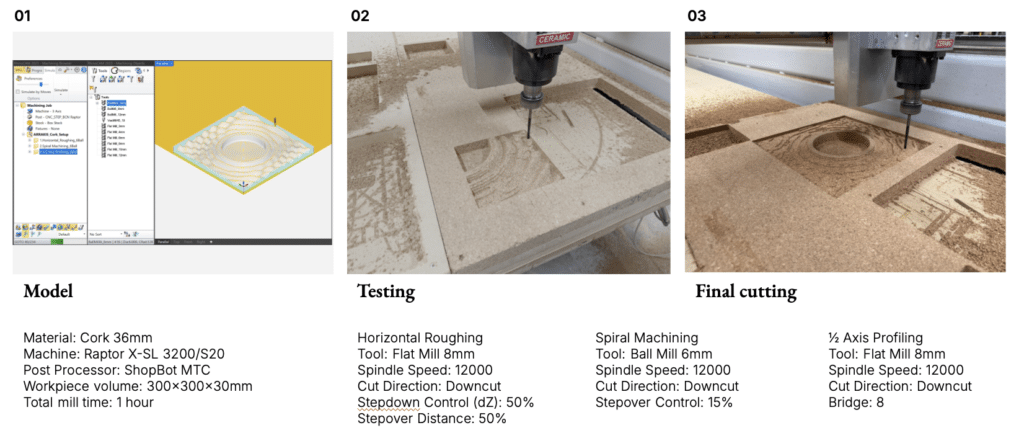
For the test we wished to explore depth, fine detail and continuous curves across two contrasting materials, to find out what this machine can do that others cannot.
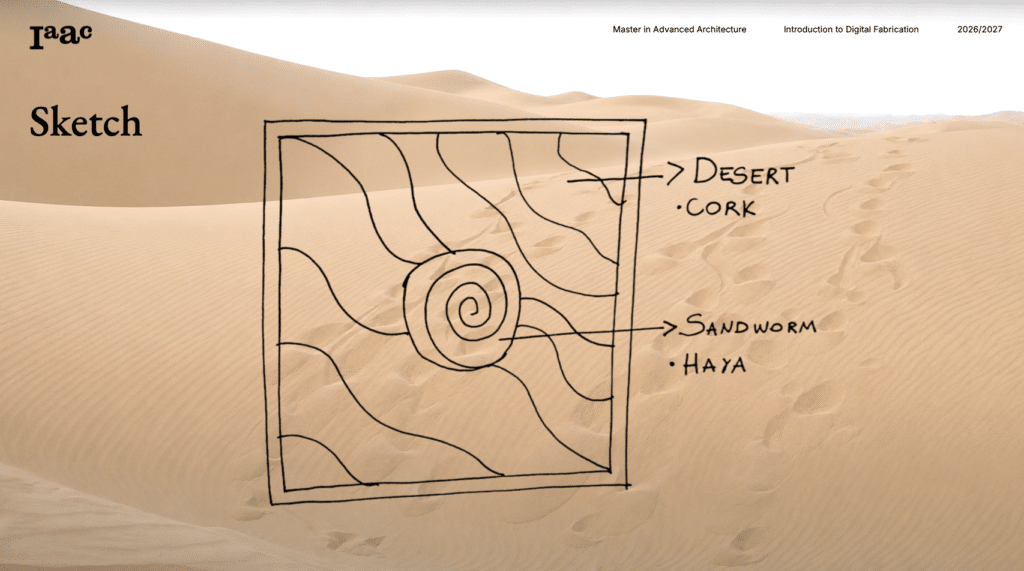
Project diagrams:
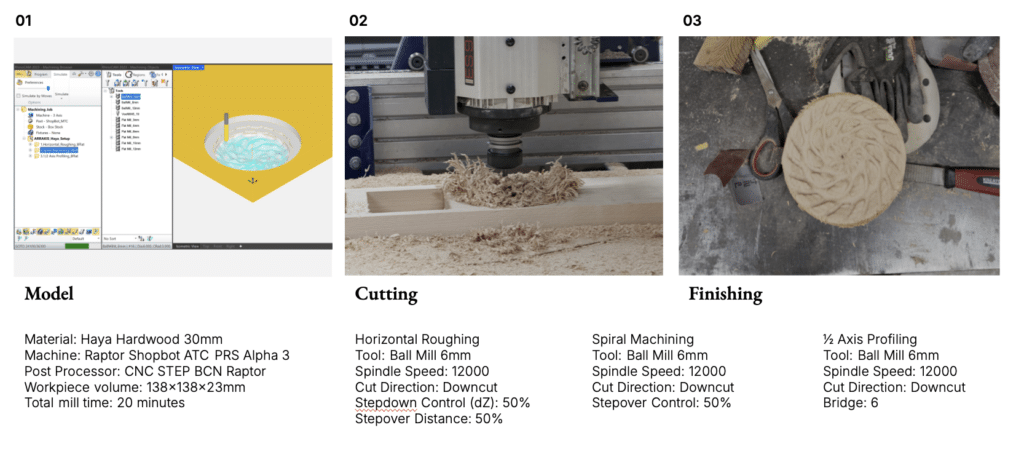
Fabrication Strategy:
Final prototype