This project explores how light can respond to human emotions through biosignals. The main goal is to design an adaptive architectural space where lighting changes according to the user’s physiological data, such as EEG, ECG, and GSR. Instead of using light only for visibility, this research treats light as an empathic interface between the human body and the environment.
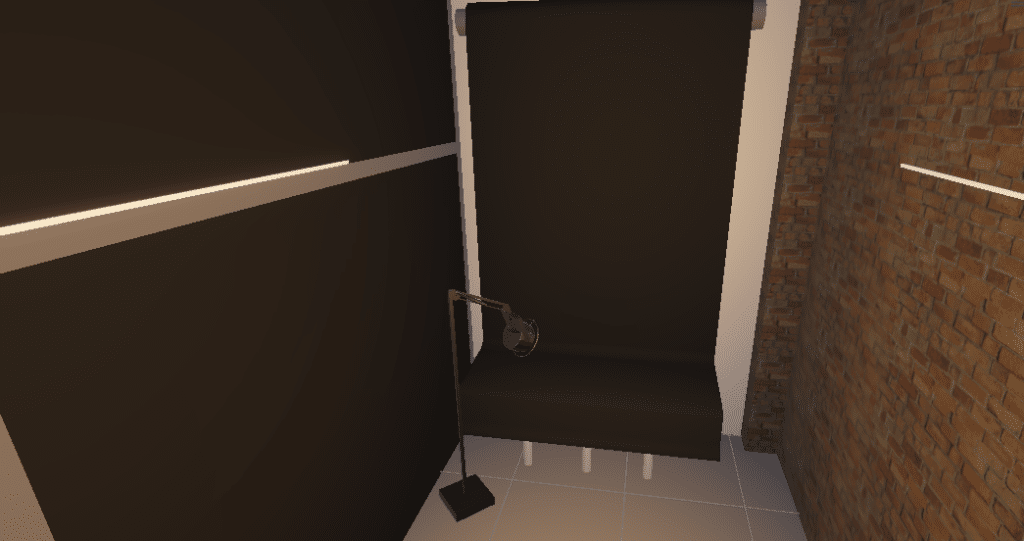
The project includes a virtual reality prototype developed in Unity. In this immersive dark room, light intensity, color temperature, and transition speed change based on emotional states like stress, attention, and calmness. For example, higher stress levels can create colder or more dynamic lighting, while calm states produce warmer and softer atmospheres. The transitions are smooth to create a natural spatial experience.
Before building a physical installation, the VR model is used as an experimental testing environment. Users wear biosensors, and their data is collected and analyzed during different lighting conditions. The results help to understand how different light settings affect emotional and cognitive states.
This research aims to contribute to well-being in architectural design by creating spaces that can sense, understand, and adapt to human feelings in real time.
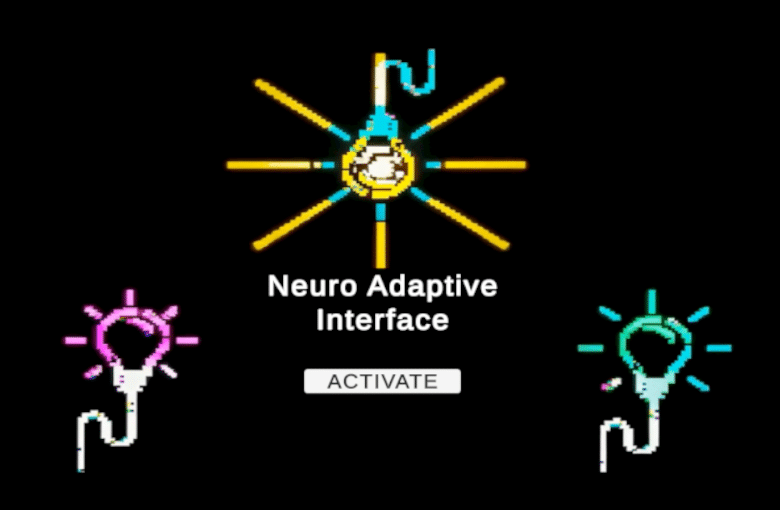


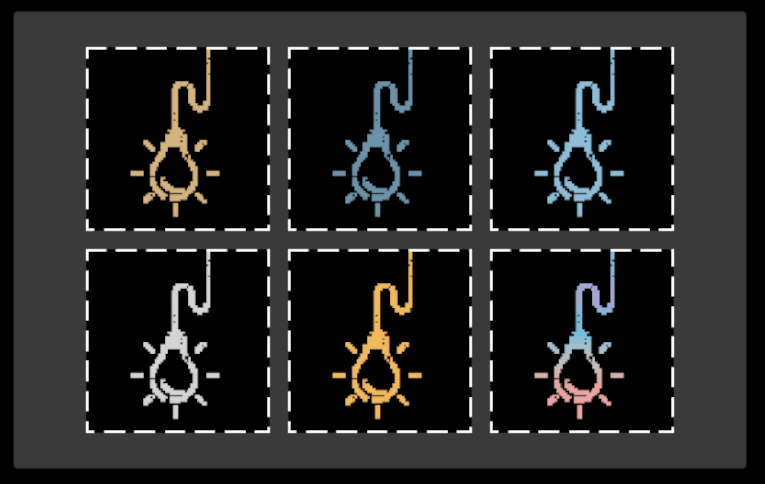
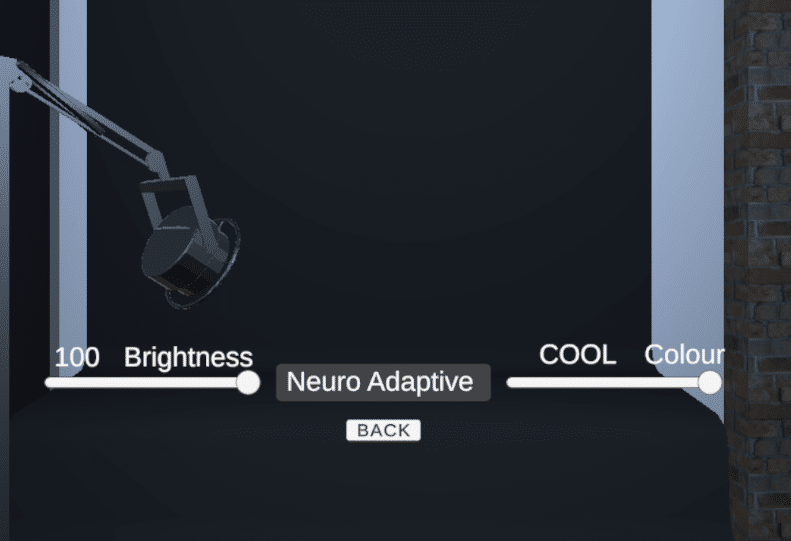
I created 6 modes: 30% brightness WARM Colour, 30% brightness COOL Colour, 60% brightness COOL Colour, 60% brightness SOFT Colour, 60% brightness WARM and MANUAL Mode. In the manual mode, you can play with sliders for changing brightness of light or temperature of light. Other modes have prepeared scenes.