

inHabit – Rethinking Residential Layout Search with Spatial Intelligence
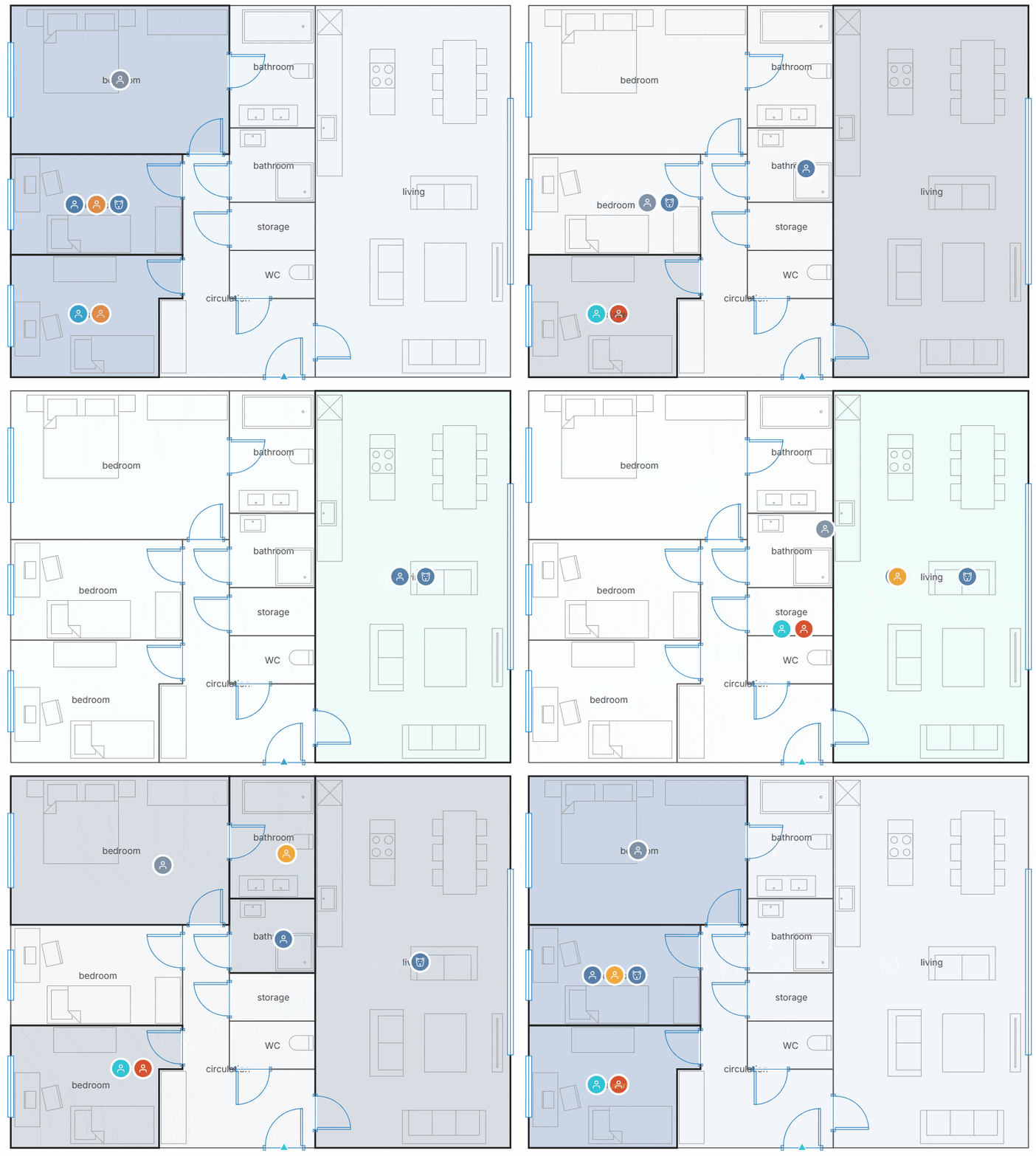
Introduction Finding the right home isn’t just about square meters or the number of bedrooms. A floor plan that works beautifully for one household can be completely unsuitable for another. Parents with young children, remote workers, retirees, or pet owners all experience the same space differently. Yet today’s search tools still rely on simple filters … Read more
Habitar 7.2 as a Graph
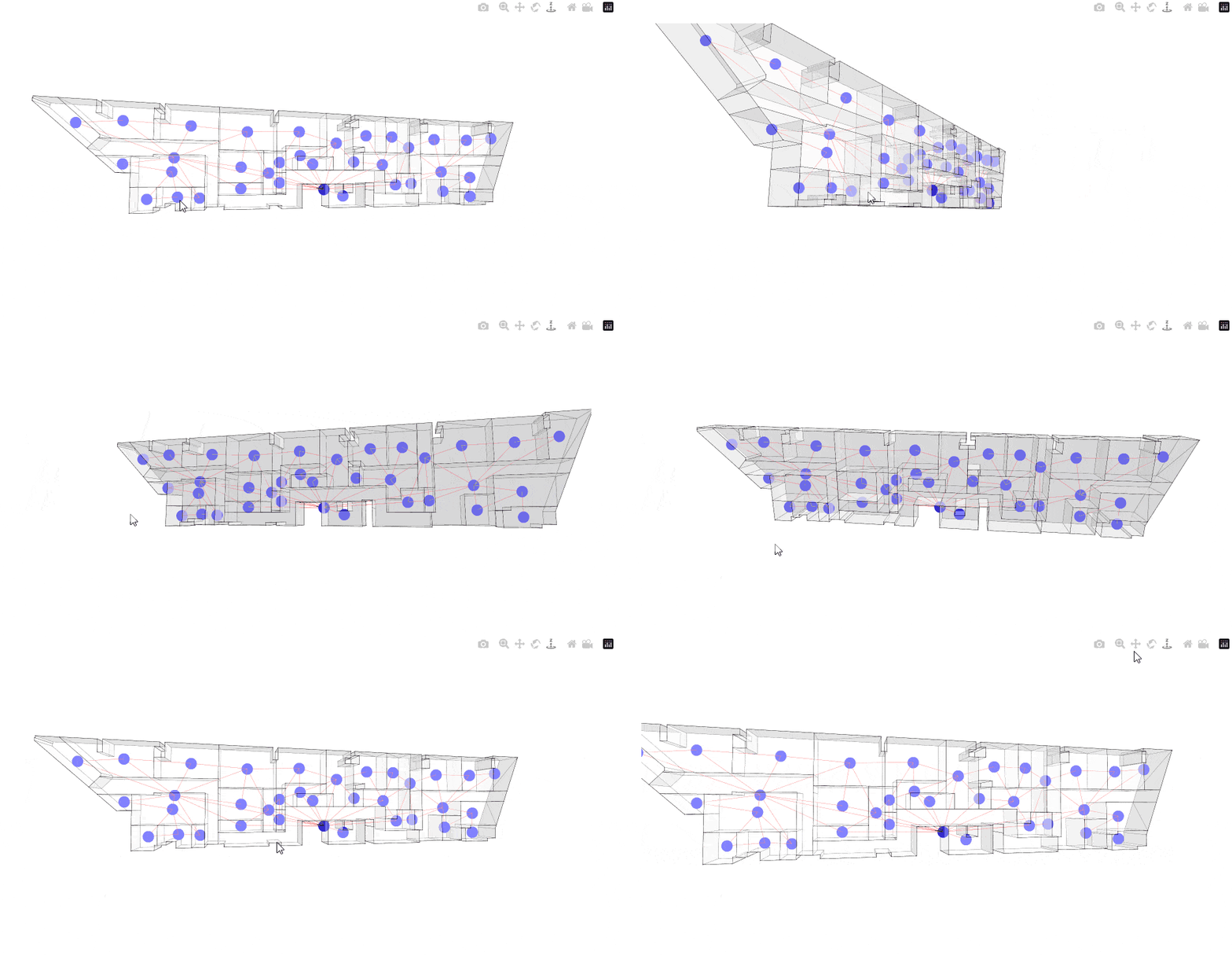
Habitar 7.2: Graph Machine Learning of an Architectural Floor Plan Habitar 7.2, a residential building by Giancarlo Mazzanti and Alejandro Castaño in Bogotá, was used as a case study to test how an architectural floor plan can be translated into a graph, analysed through spatial intelligence, and classified room-by-room with a graph neural network. The … Read more
BIO FLOW
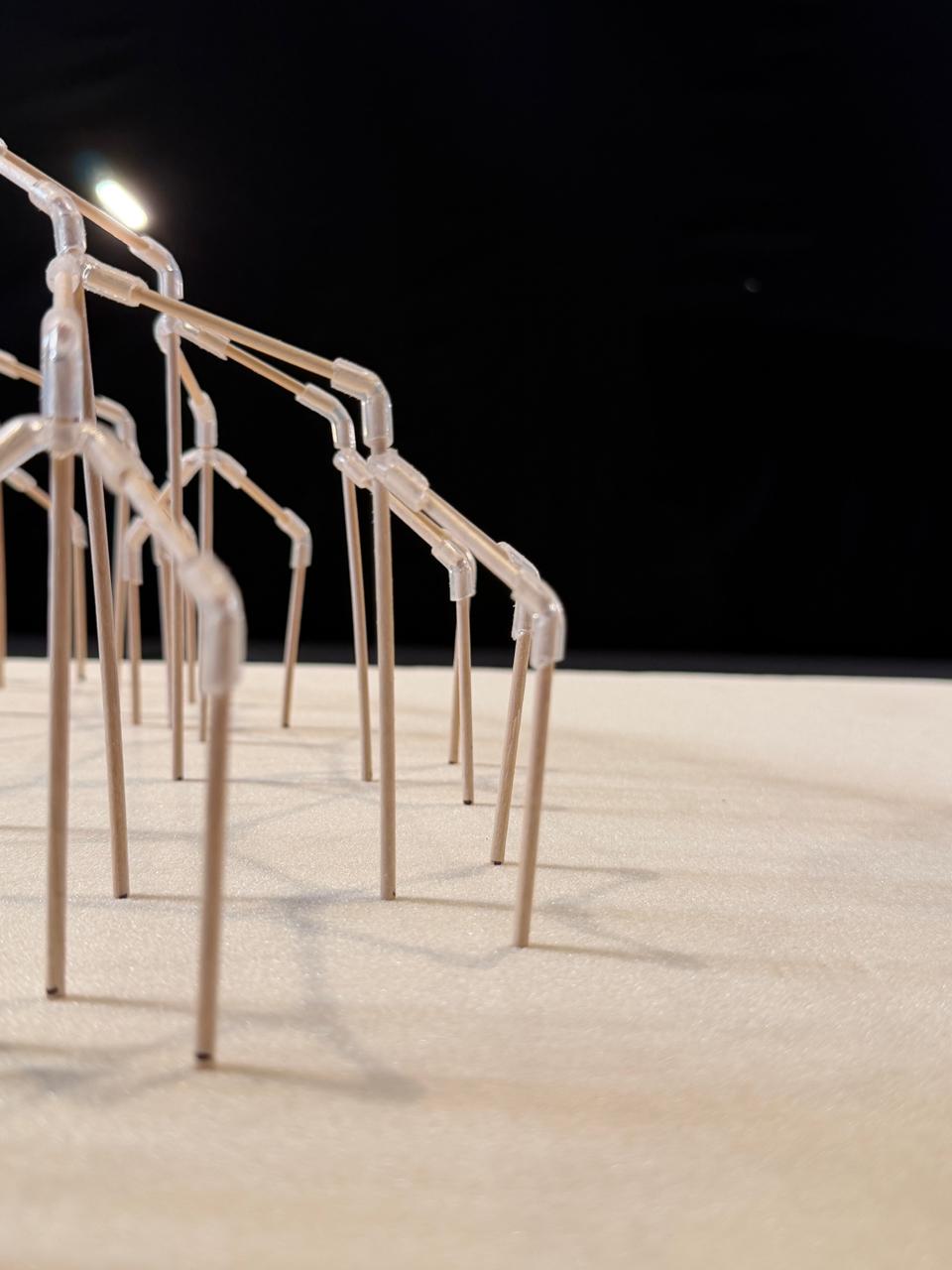
“ An AR-Driven Biomimetic Pavilion Generated Through Environmental Field Behavior “ Architectural pavilion design and fabrication often require complex digital workflows, technical expertise, and multiple visualization tools, making the process difficult for rapid concept development and real-world understanding. Designers also face challenges in translating organic, nature-inspired forms into fabrication-friendly structures. BIOMIMICRY PAVILIONS Organic Geometry Biomimicry … Read more
Petagonist: Putting Your Pet Adventurer On The Map

Petagonist is a LoRA exploration and interface project built from the desire to see our beloved pets in funny scenarios and travel-worthy environments. The project started with a simple wish: seeing our pets somewhere other than the couch. Our pets spend most of their lives asleep at home. But what if we could place them … Read more
TRACE
An AR guidance system for pottery creation TRACE transforms pottery learning into an interactive guided experience. Instead of interrupting the making process with videos or tutorials, instructions are overlaid directly onto the clay in real time through AR guidance. Rather than replacing the craftsperson, TRACE acts as an apprenticeship layer: making expert knowledge visible, immediate, … Read more
Building the Nervous System: How We Turned a Hyper-building Studio Into a Web App
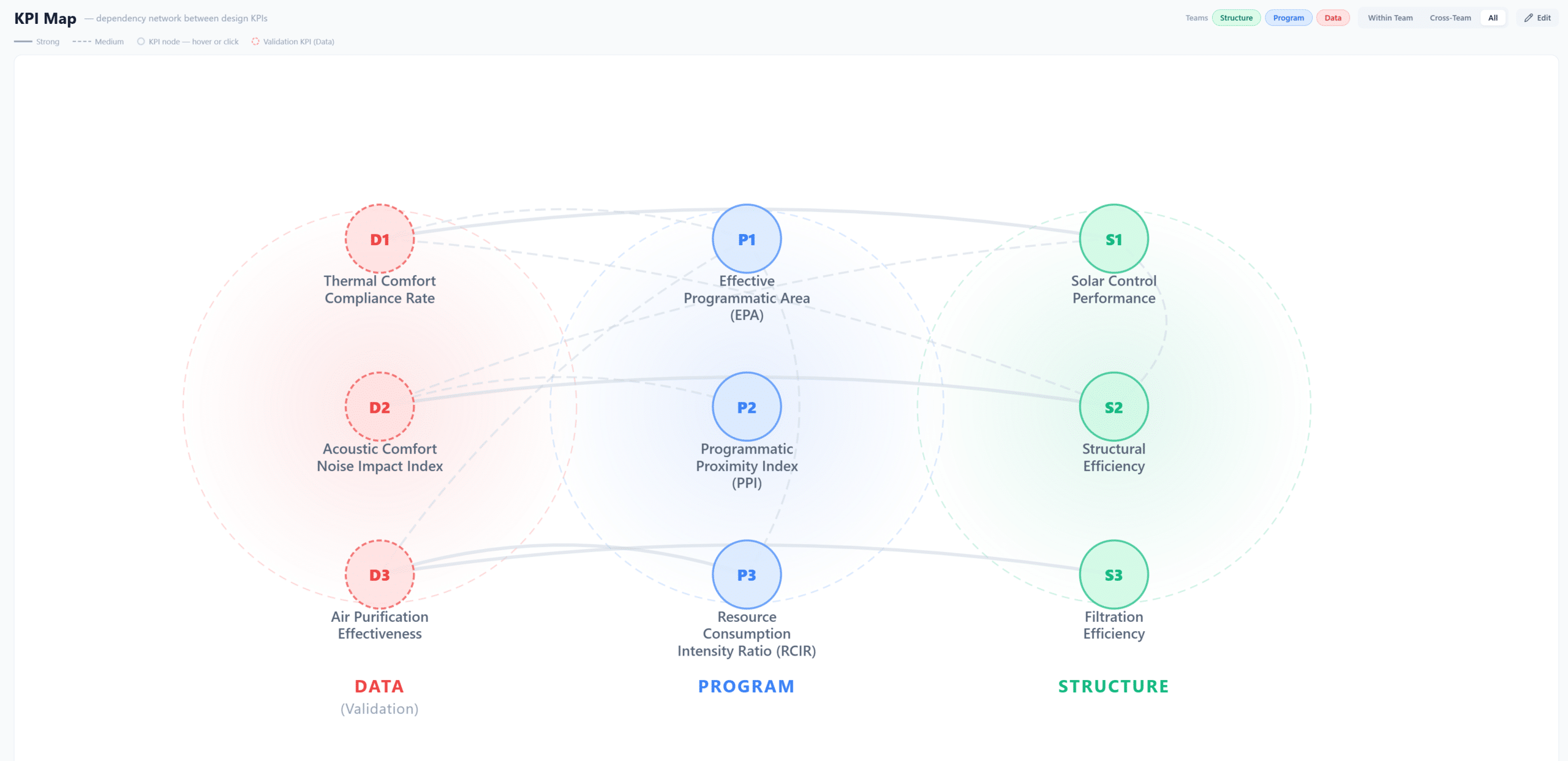
Santiago, Chile, has an air problem. Not the kind you notice once and forget – the kind that sits in the valley basin like a guest who won’t leave, trapped between the Andes and the coastal range. The city regularly exceeds WHO thresholds for PM2.5, and for its 7 million residents, “going outside” is sometimes … Read more
Project Description — BuildScape
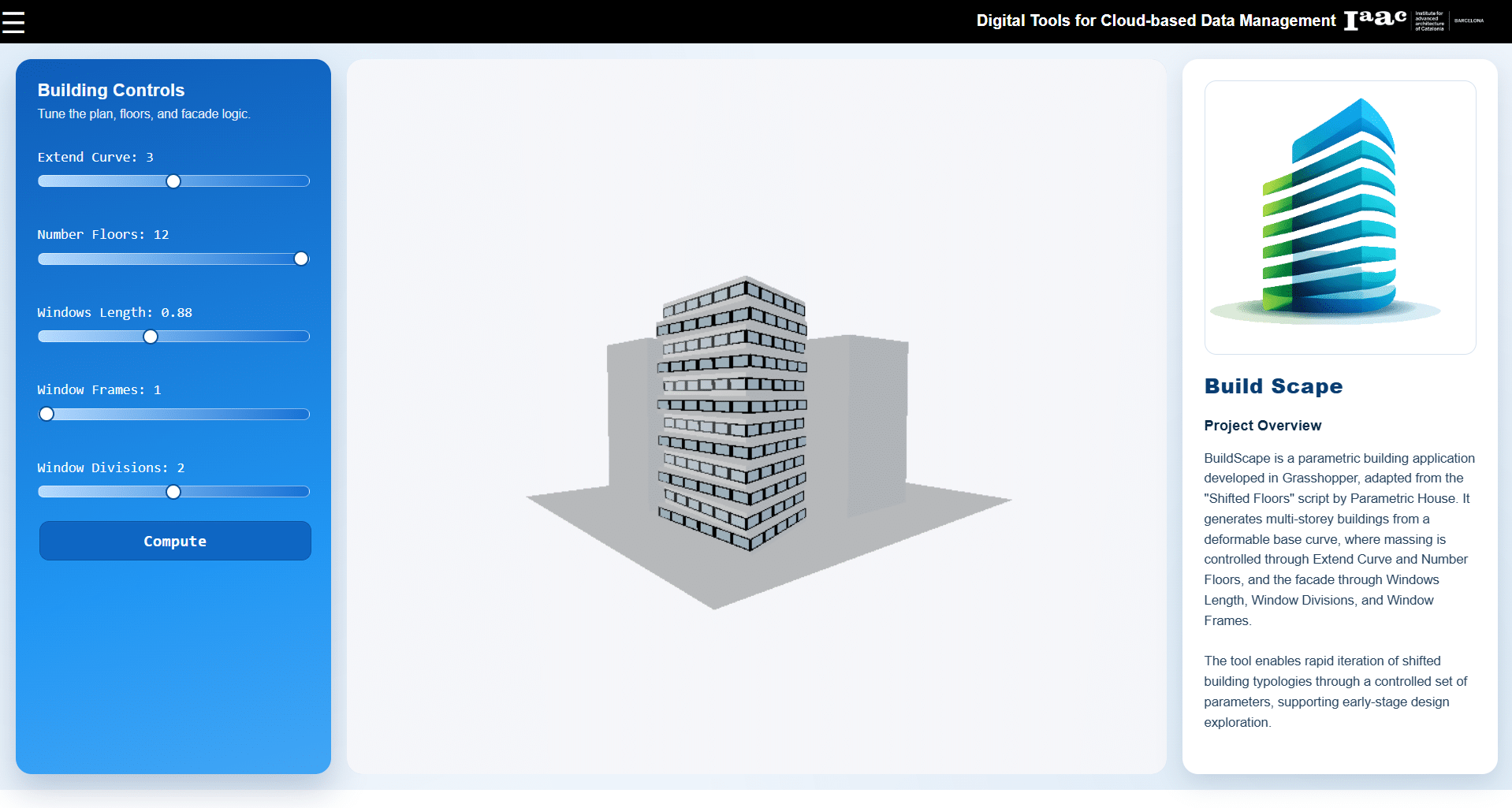
BuildScape is a parametric building generator developed in Grasshopper, adapted from the “Shifted Floors” definition by Parametric House. The project restructures the original script into a modular system and deploys it through Hops, enabling real-time interaction via a web interface. The Grasshopper definition is organized into three computational stages: 1. Solid Generation (Base Geometry + … Read more
Title: A First-Person Parametric Exhibition: Bringing Architectural Design into the Browser
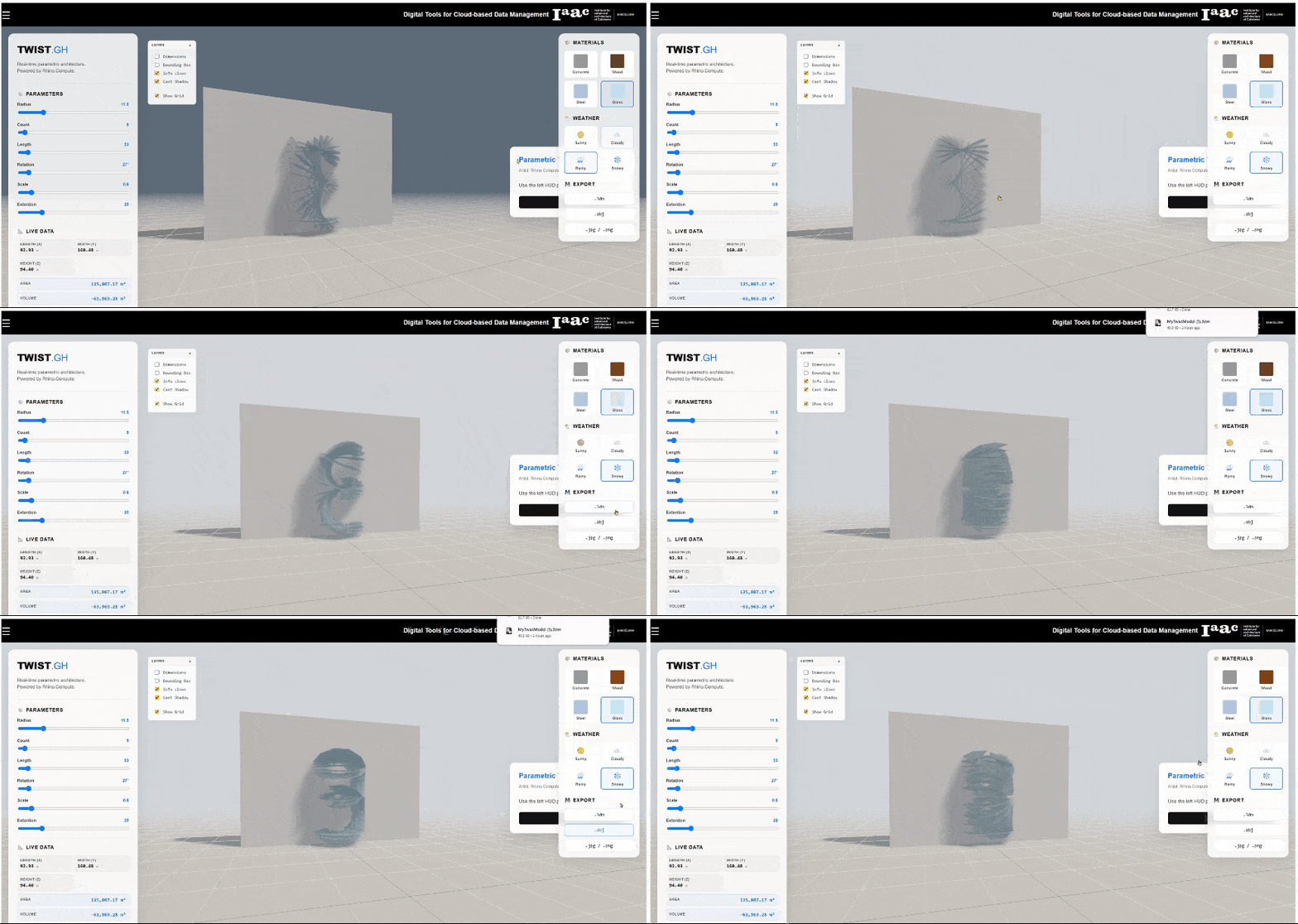
Shuai Zhang Have you ever felt that parametric architectural design is trapped behind a high barrier to entry? Traditionally, designers and clients must install heavy, complex software just to view or tweak a 3D model. For my final project in the Cloud-based Data Management module, I wanted to break down this barrier. The result is … Read more
The Data Pipeline Behind NeuroSpace: From Sliders to Synapses
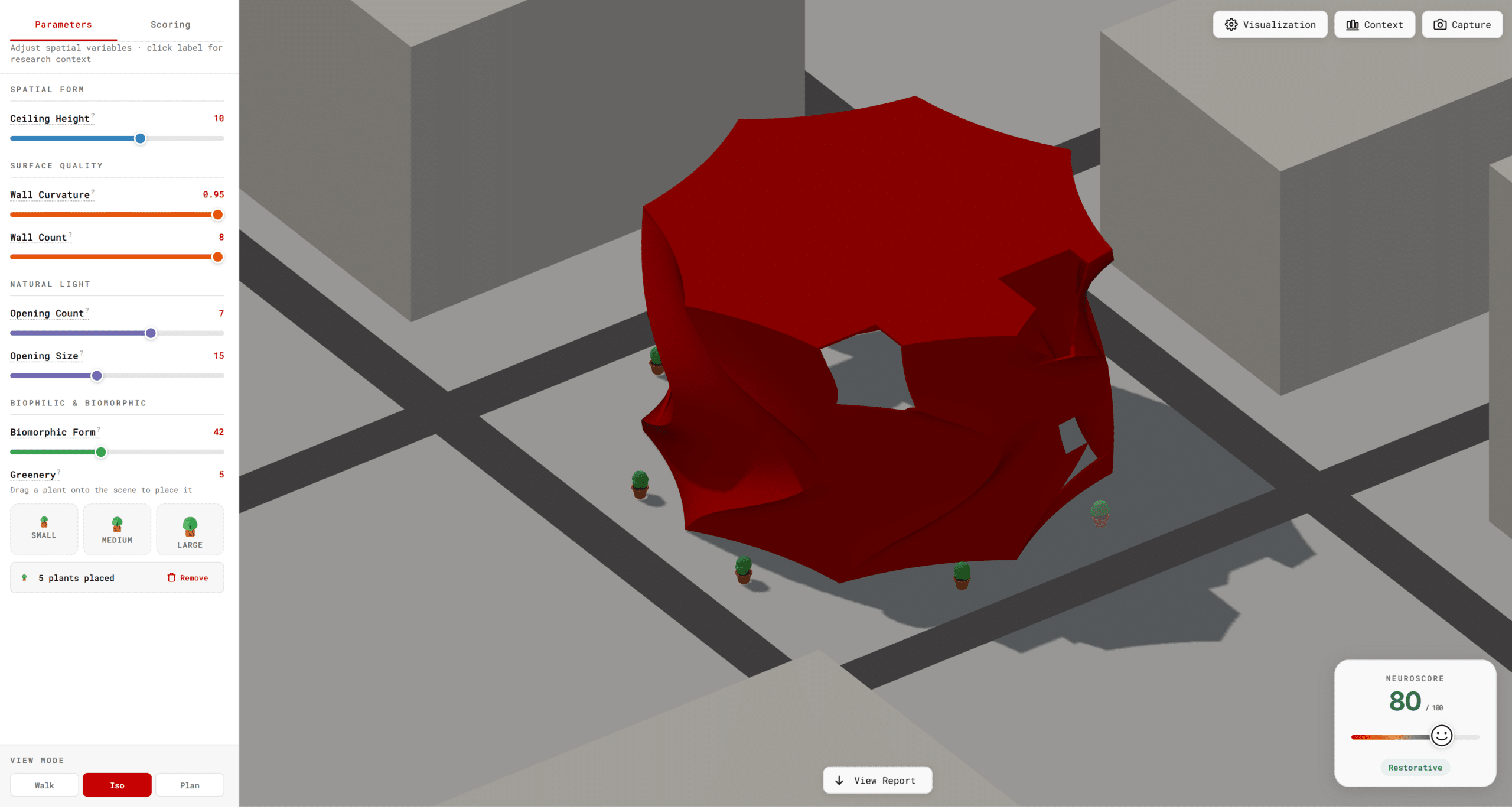
Abstract NeuroSpace is a browser-based parametric design tool that reframes Building Information Modeling as Behavior Information Modeling — encoding predicted neurophysiological outcomes into architectural geometry. This post traces the full data pipeline: from seven UI sliders through a dual-path architecture (server-side Rhino.Compute for 3D geometry, client-side JavaScript for real-time NeuroScore calculation), through reactive state management … Read more
WeaveLamp Configurator: From Craft Logic to a Web-Based Parametric Tool
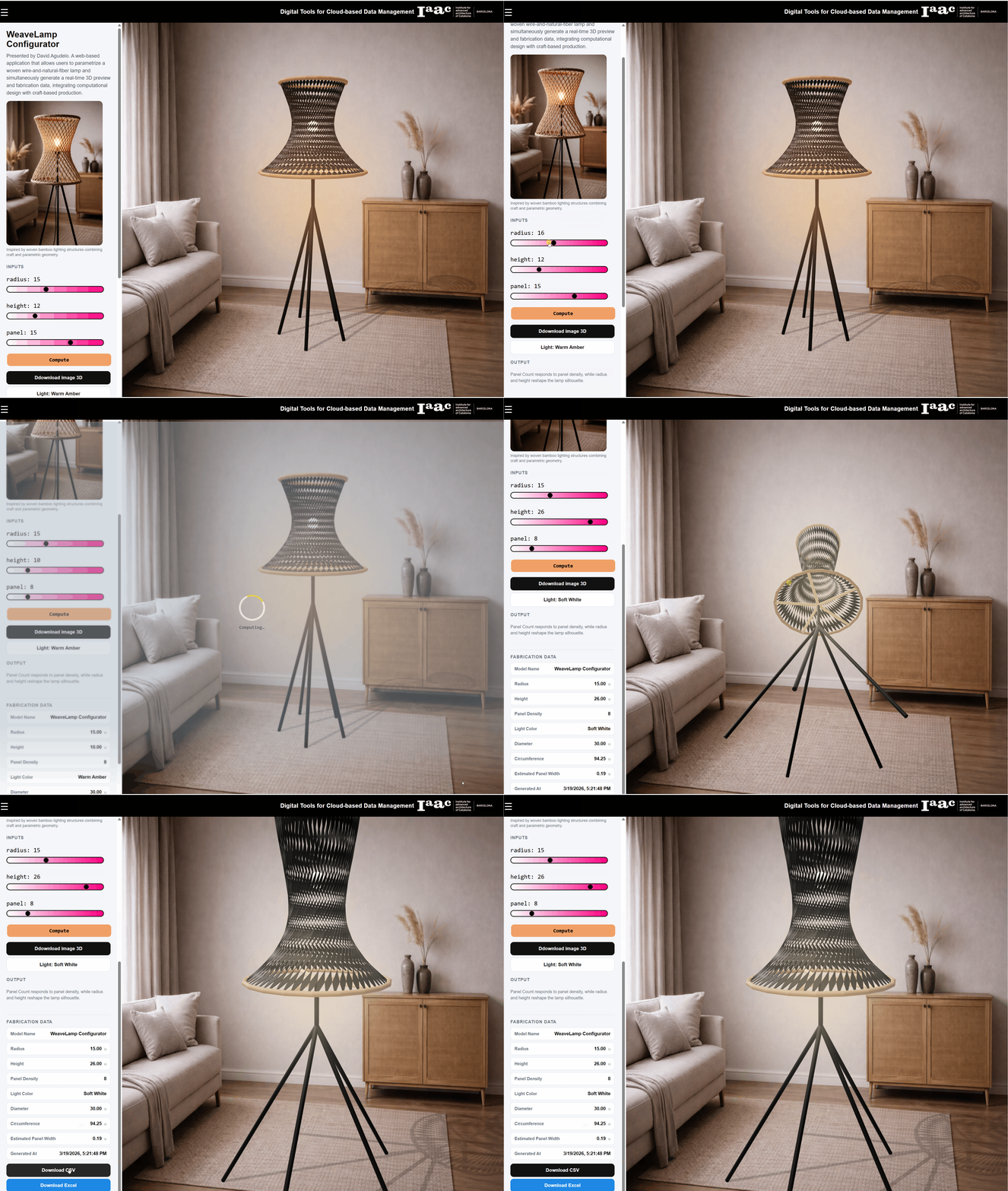
WeaveLamp Configurator WeaveLamp Configurator is a web-based application that brings a Grasshopper workflow into an accessible browser-based experience. The project explores how a craft-inspired lamp system can be translated into a clear digital tool for customization, spatial visualization, and fabrication-oriented output. Concept Origin The project started from a manual exploration of ring proportions, textile density, … Read more
Automated workflow to extract KPIs from versioned models in Speckle
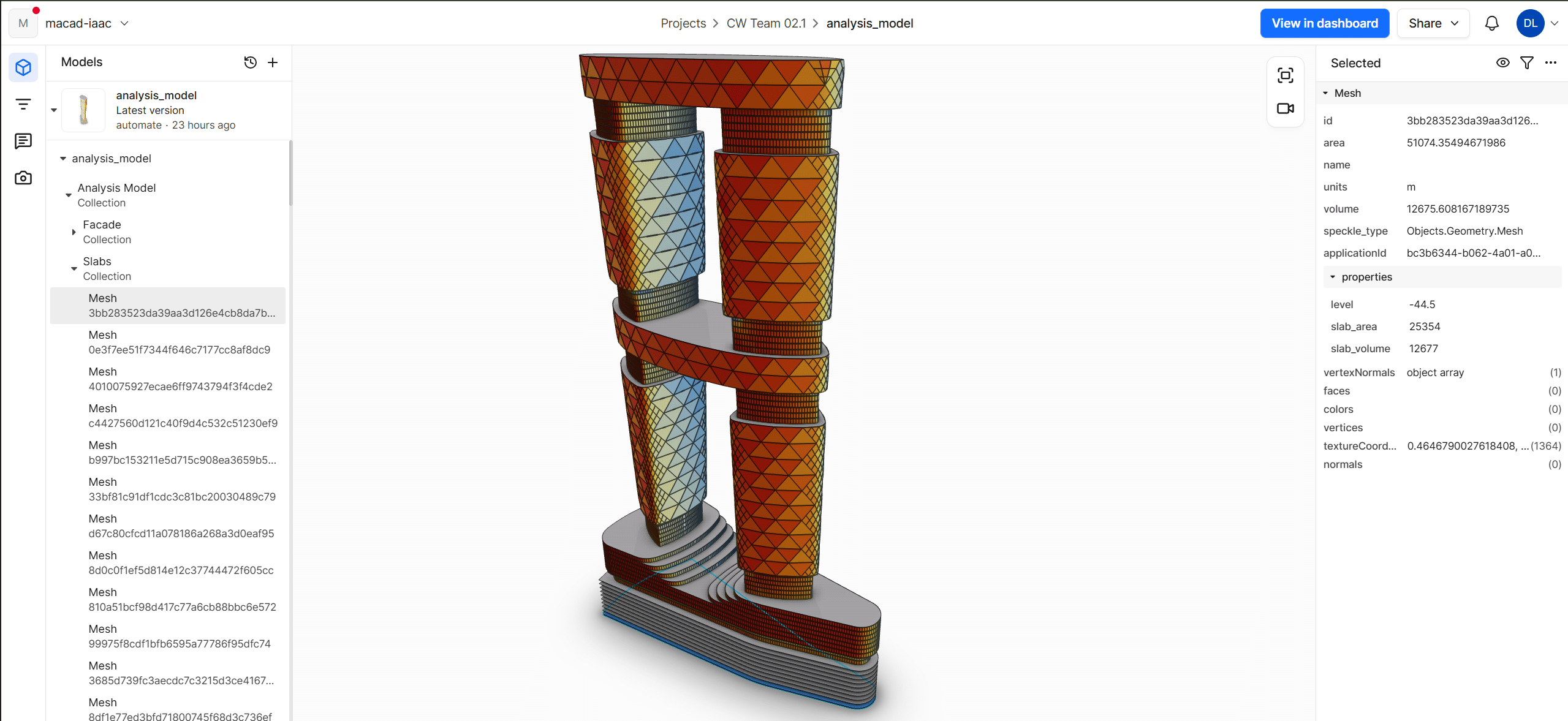
Automated Workflow for KPI Extraction from Versioned Models in Speckle Why KPI Tracking Breaks Down During Iterative Design In the current studio workflow, KPI extraction and performance evaluation depend on repeated manual operations across design iterations. This slows down feedback, introduces version mismatch risks, and disconnects analytical outputs from the model itself. This tool was … Read more
Beyond Construction: BIM as a World-Building Tool for Real-Time Game Engines

Abstract This research investigates how Building Information Modeling (BIM) can be leveraged to generate structured and meaningful architectural environments for architectural visualization, video games, and animated films. It explores workflows between BIM tools and real-time game engines, focusing on the transfer and preservation of spatial logic and metadata. The study aims to demonstrate how BIM-based … Read more
My Jumuiya (community)

A Community Board Game for Mukuru, Nairobi Jumuiya means “community” in Swahili. My Jumuiya is a participatory board game in which 3 to 6 players each embody a different resident of Mukuru, Nairobi — a mother, a factory worker, a doctor, a kid, a teacher, a university student, a market seller, or a person with … Read more
Community Connections
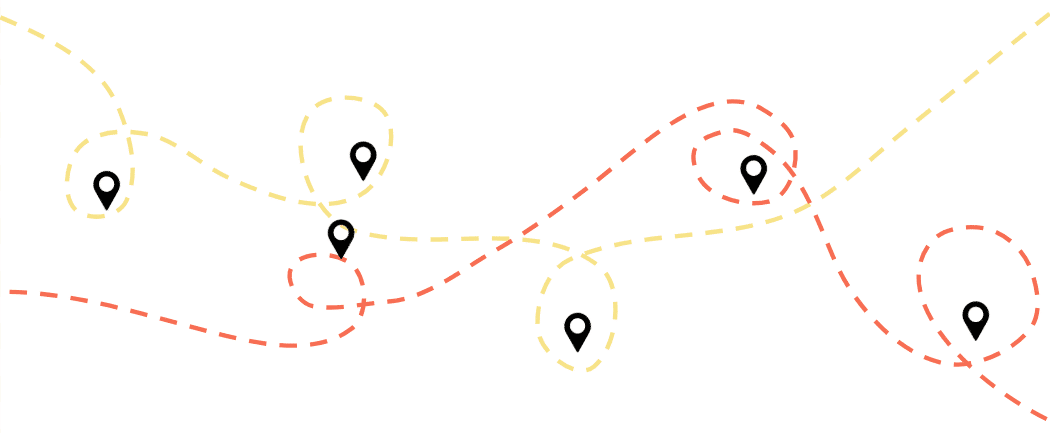
Trinitat Nova and Trinitat Vella Scavenger Hunt Moving between the neighborhoods of Trinitat Nova and Trinitat Vella in Barcelona, and reaching natural landscapes nearby, like the Collserola hillside or the Besòs River, can already feel a bit like a scavenger hunt. Large highway infrastructures carve through the area, creating barriers that make simple trips … Read more
En la calle
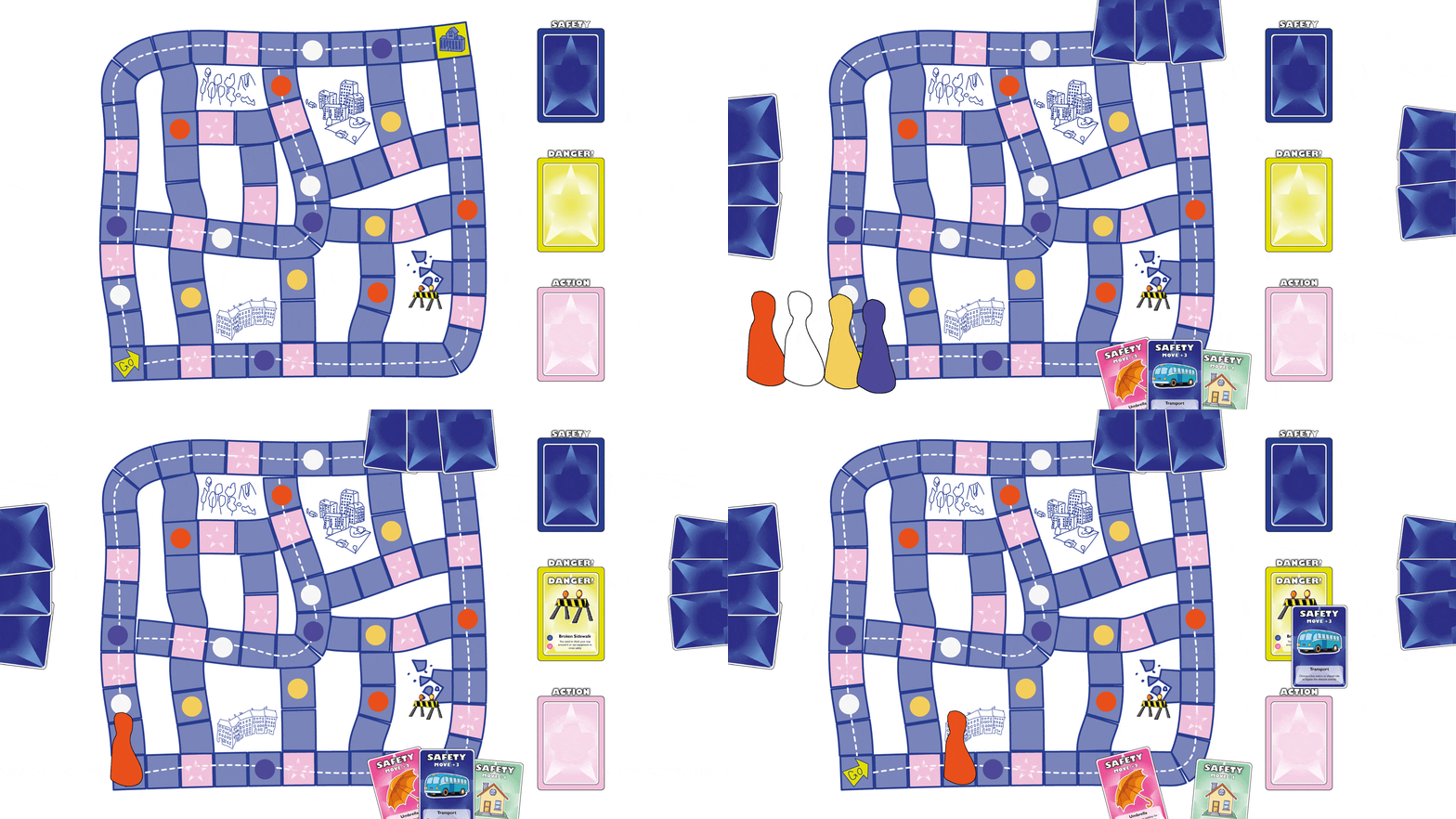
En La Calle is a board game for 2–4 players aged 8 and above, set in the streets of Bosa-Apogeo, Bogotá — a neighbourhood home to some of the highest school density in the city and the largest school in Bogotá by enrolled students, yet streets that were never designed with children in mind. En … Read more
