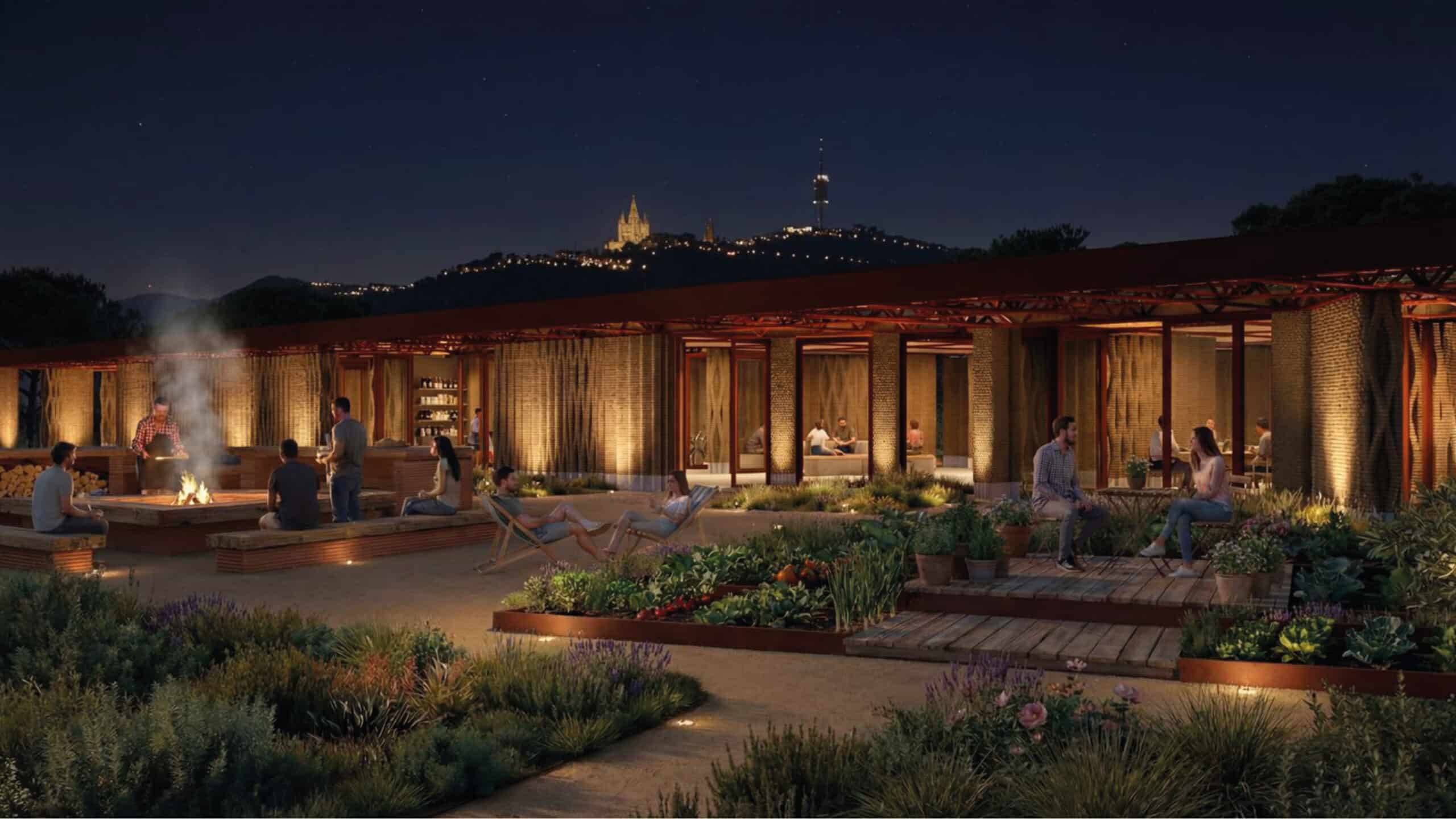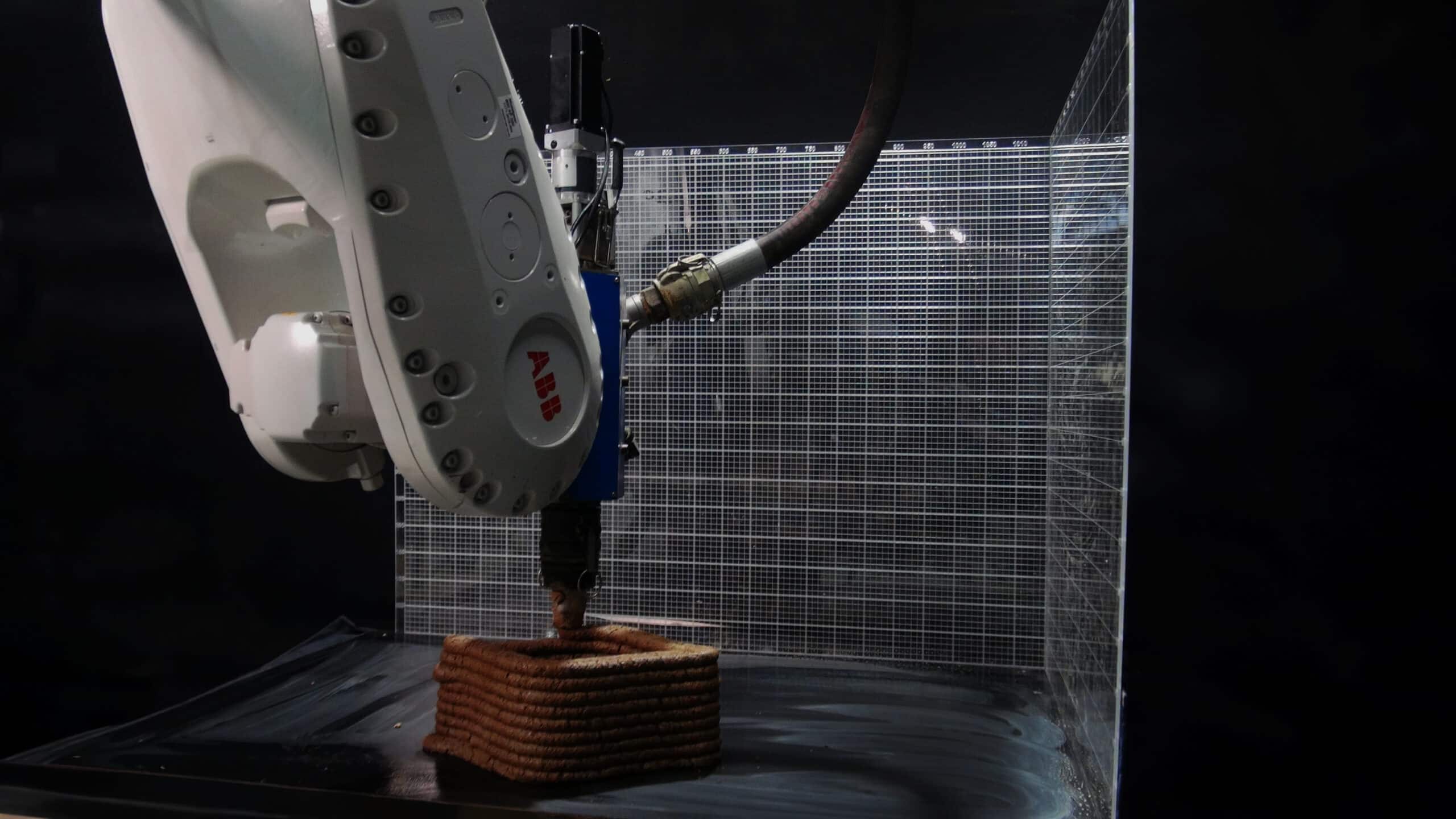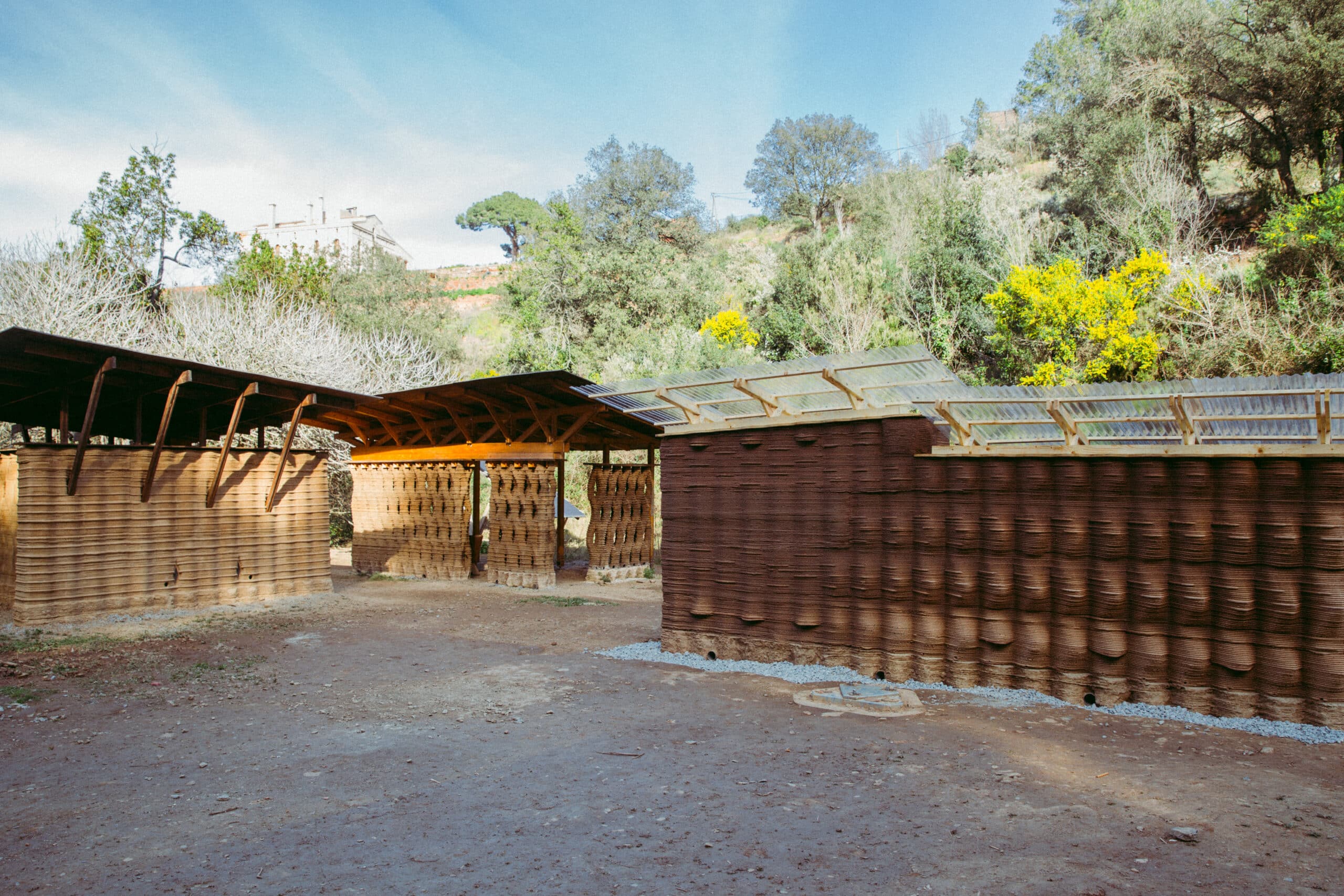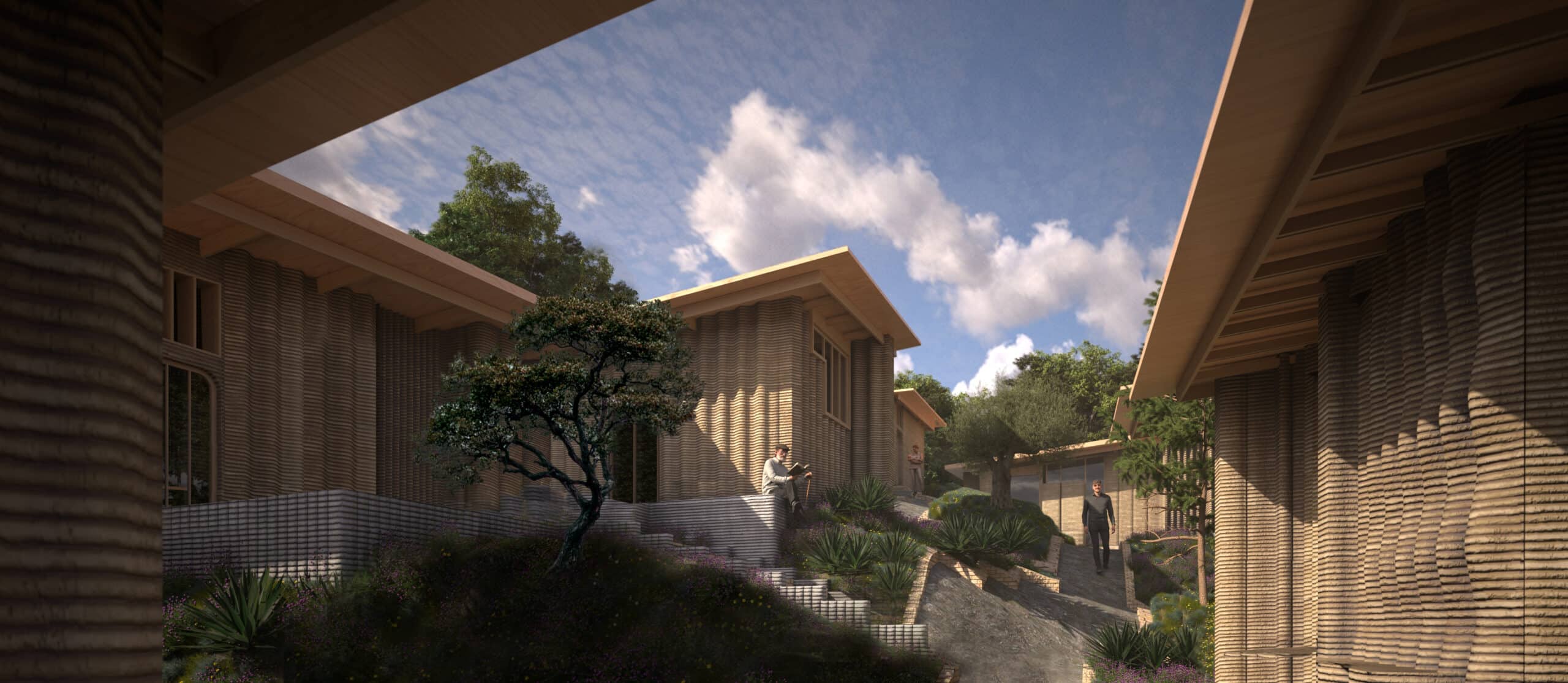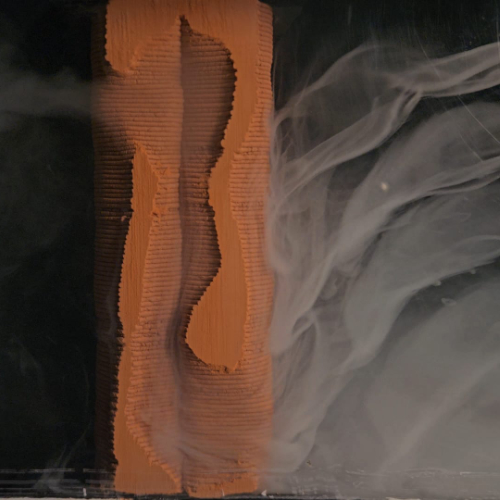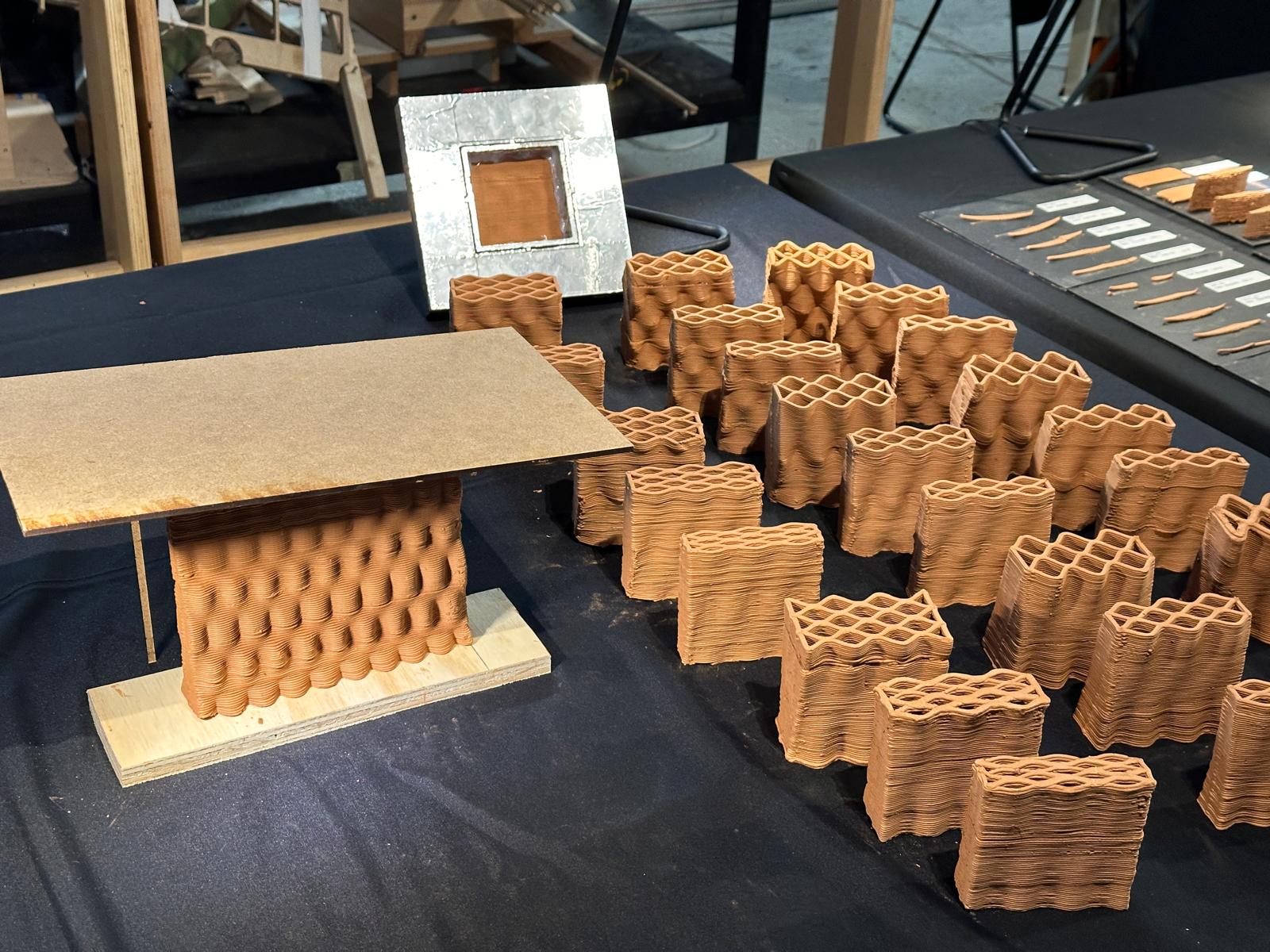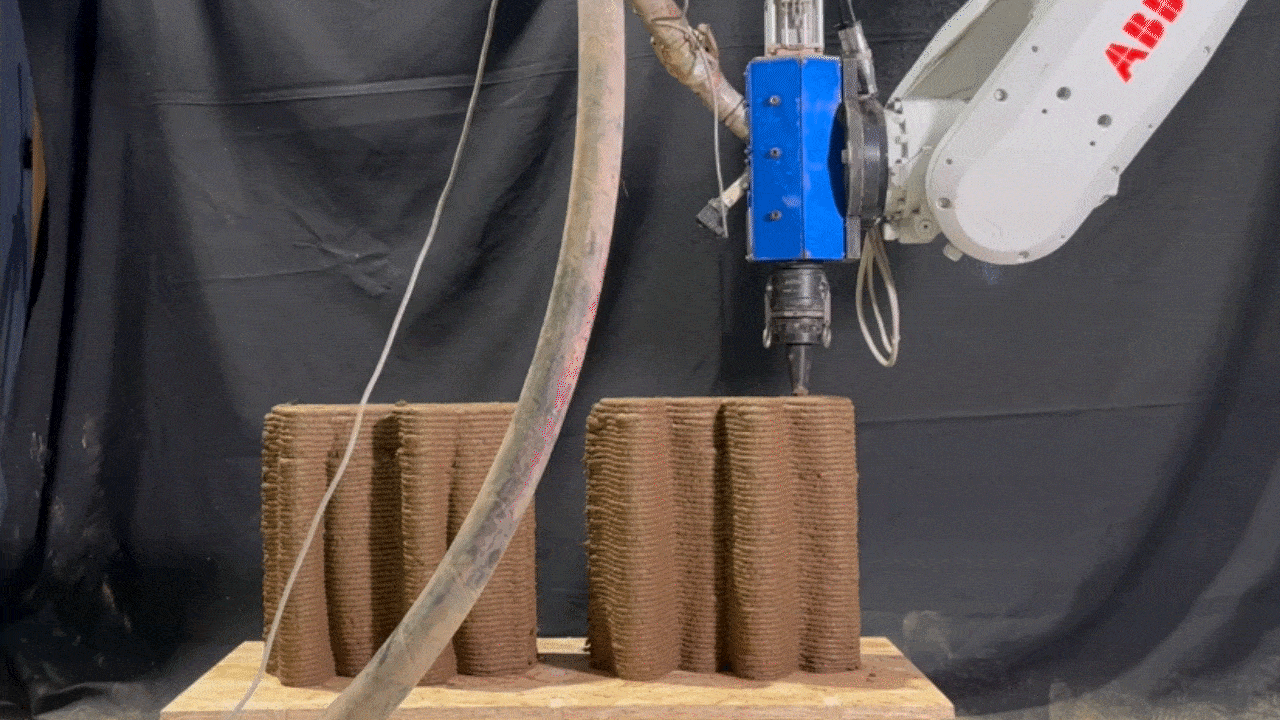
The Postgraduate in 3D Printing Architecture is a 6-month long intensive programme in the field of additive manufacturing of sustainable architecture. Between the use of advanced technology for construction and the desire to develop a holistic design approach to architecture, we engage with different areas of research that include robotic manufacturing, material research and performance-based design. The programme seeks to develop technological and architectural solutions in collaboration with Industry partners to answer the current needs and challenges of our habitat.

Filters

Co-RESPIRA

co-respira

Co-Respira focuses on the home’s most important space—a place to gather, relax, share moments, or spend time alone—while creating opportunities for different generations to coexist within the same environment. Responding to today’s housing challenges, including increasing density, social isolation, and the need for more sustainable living models, the project proposes a co-living approach that balances privacy … Read more
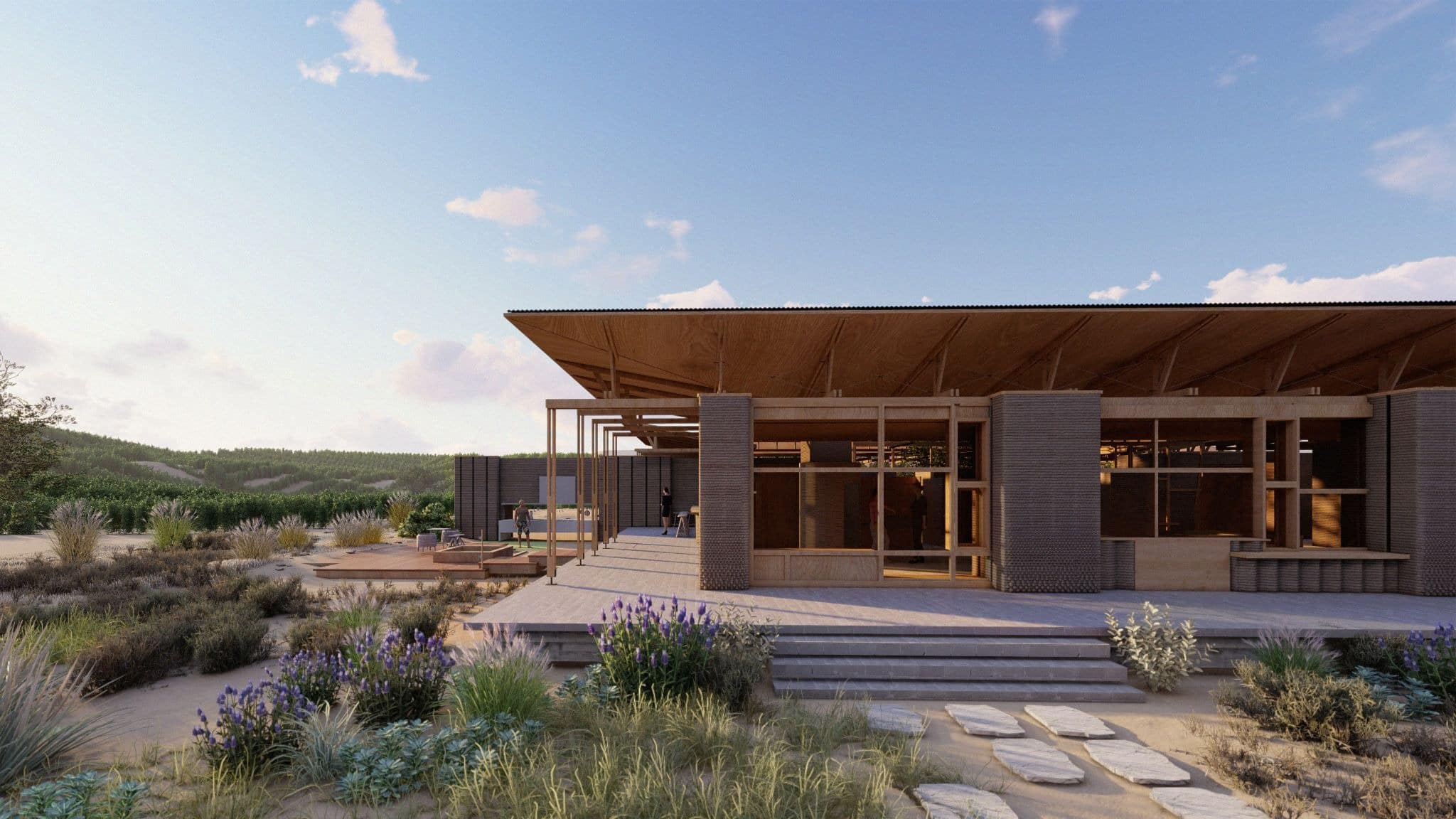
Nyara House – Prototype 2026

Case study of a 3D printed project Site Organization The site plan was developed to support a continuous and efficient design-to-production workflow, integrating material preparation, digital control, and on-site fabrication into a single coordinated system. The spatial organization follows a clear operational sequence, from raw material handling to final deposition, reducing unnecessary movement, interruptions, and … Read more

Inhabitable Walls

– Vision 2025/2026 3D printing is increasingly entering the construction industry, with many examples of printed houses and buildings already realised. Its appeal lies in clear advantages: automation, speed, reduced material use, and minimal waste, all of which lower construction costs. Beyond efficiency, however, 3D printing offers architects significant design freedom, enabling an architecture that … Read more

Bandy – House

Rooted in earth, bound by flavor “This co-living brings together four user profiles whose needs and daily rhythms shape the architecture of the project. A married couple with a child requires stability, clear routines, and functional domestic spaces; a young couple with cats needs calm and flexible environments that support living with pets; a divorced … Read more

Research_Windows and Doors

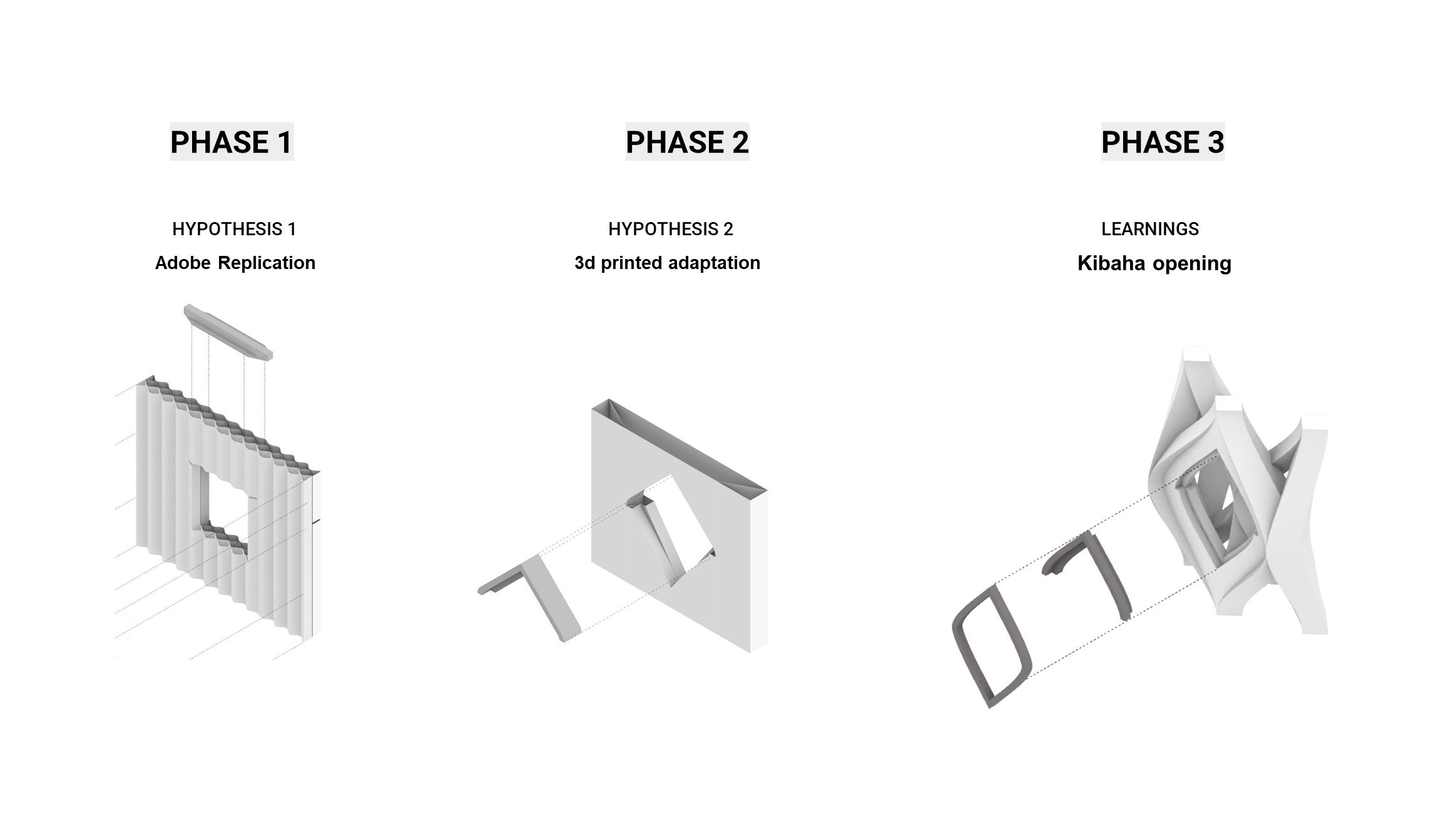
This study investigates door and window joints insertion solutions for 3dPA walls. Two design solutions: framed and a frameless system. The frameless design employs a biodegradable cork-based composite, while the framed configuration uses a sub-frame bonded with the same cork mixture and sand poured into the remaining gaps for stability. Both methods improve structural integration … Read more

Performative Wall Textures

Introduction & Problem Statement Earthen 3D printing offers a low-carbon, recyclable, and locally sourced alternative to conventional construction materials. However, its architectural use remains limited by a critical issue: wet-state instability during printing. Freshly extruded clay has very low strength and stiffness, so walls usually reach only 15–20 cm per day. Beyond this height, the … Read more

Research _ BUILD – UP

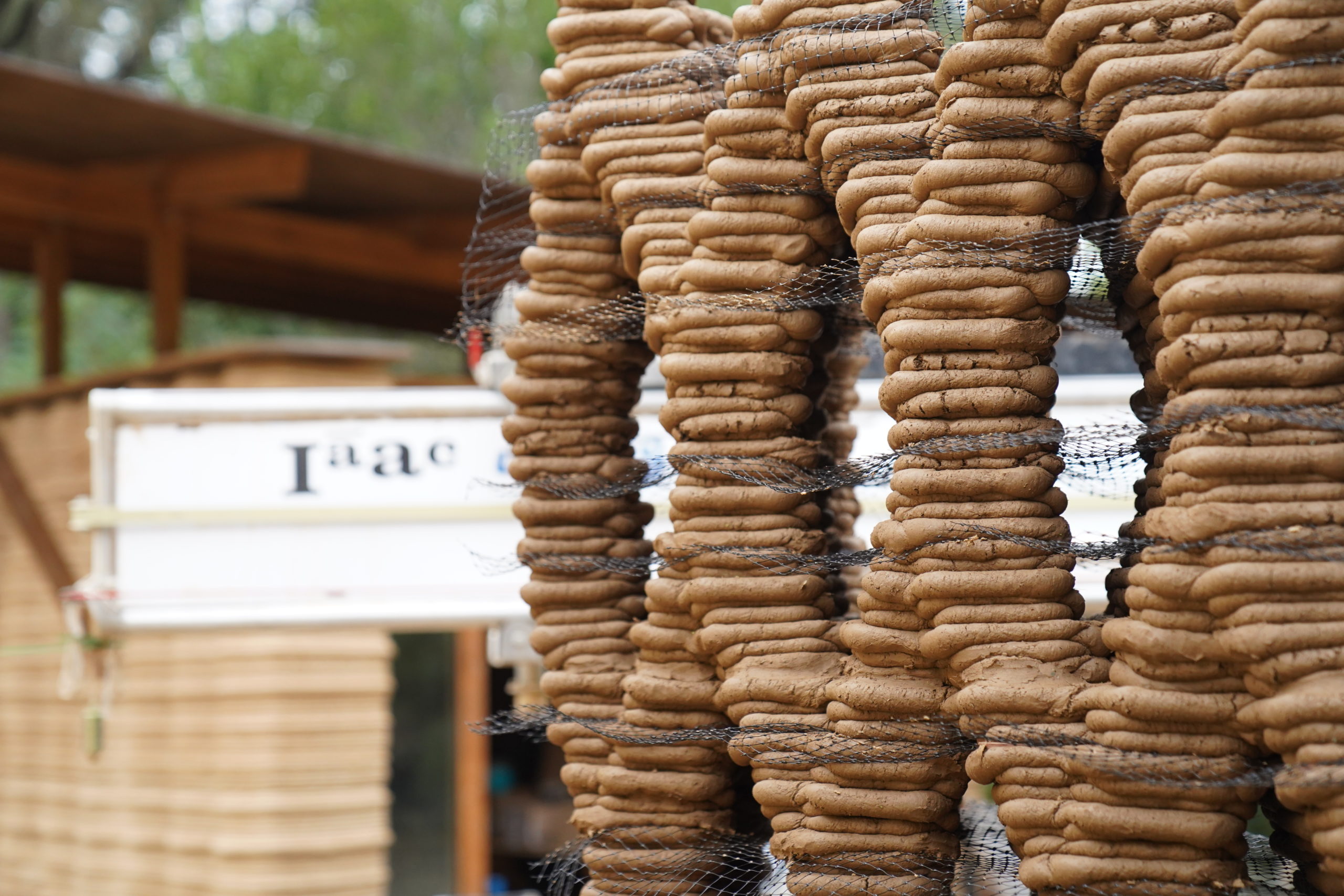
This research focuses on one of the main limitations of 3D printing with earth: low stability in the wet state. Today, the maximum daily printing height is around 20 cm, which limits construction efficiency. This project explores how to improve wet-state stability to enable taller, faster, and more consistent earthen walls. STATE OF THE ART … Read more

HELIA

This academic year, the 3DPA program focused on the theme Performative Earth Construction, guiding the work from research to design and construction.Following the projects Tova and Texit pavilions, two enclosed spaces built on the Forest Campus, the aim is to explore how 3D printing with earth can be used on a larger scale while responding … Read more

Artist’s House

The Artist’s House is designed for an artist couple and their two children. The house is divided into 3 main entities: the living area, the studio and the artist house, separated by a central patio. The studio accommodates two distinct spaces tailored to the needs of each artist. One is a sculptor and/or painter who … Read more

Research: Thermal Transmittance

Introduction – Hypothesis How can we optimize the geometry of different sections of a 3D-printed wall to adapt to varying levels of solar radiation and insulation requirements, while also reducing material usage and printing time? By deforming the infill patterns of 3D-printed earth walls, it is possible to optimize the thermal transmittance of the walls, … Read more

Research : Optimizing Self-Shading in Clay 3D-Printed Geometries

Hypothesis Optimizing Self-Shading in Clay 3D-Printed Geometries Methodology Incidence vector analysis:Using the position of the sun in Barcelona to simulate realistic shading.Evaluation of different vectors and orientations to identify optimal shading configurations.Geometric modification:Create geometric modifications according to vectors at a precise hour, 14:00 on 21 June and then at different hours 13:00, 14:00, 15:00, 16:00.Adjusting … Read more

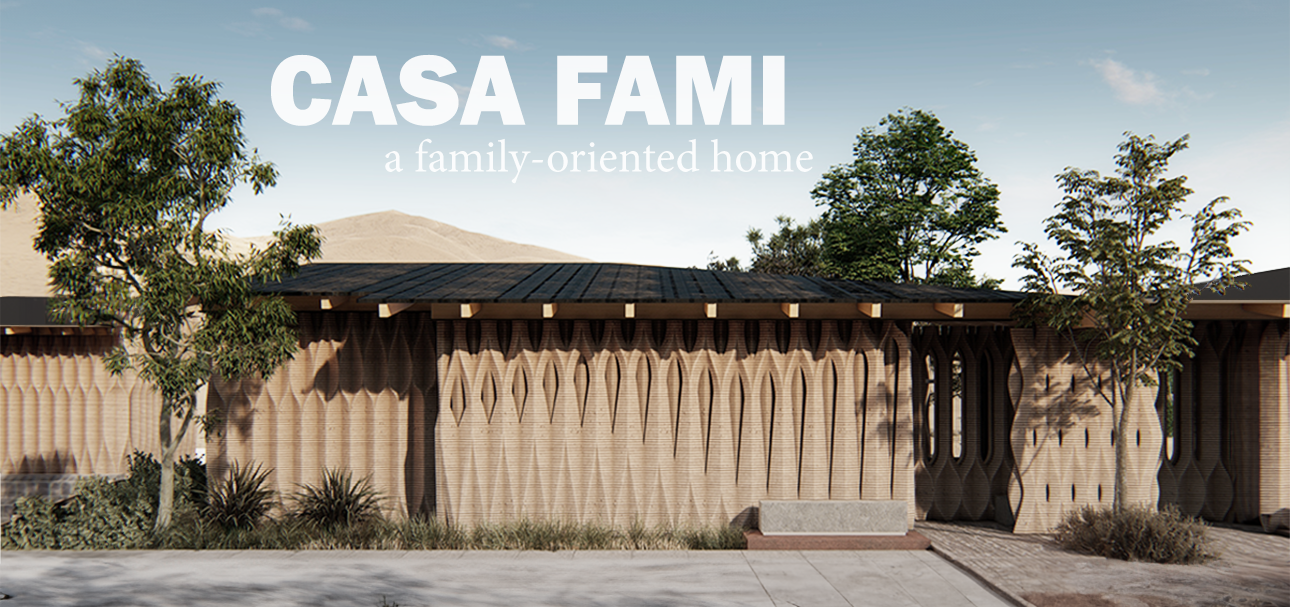
CASA FAMI

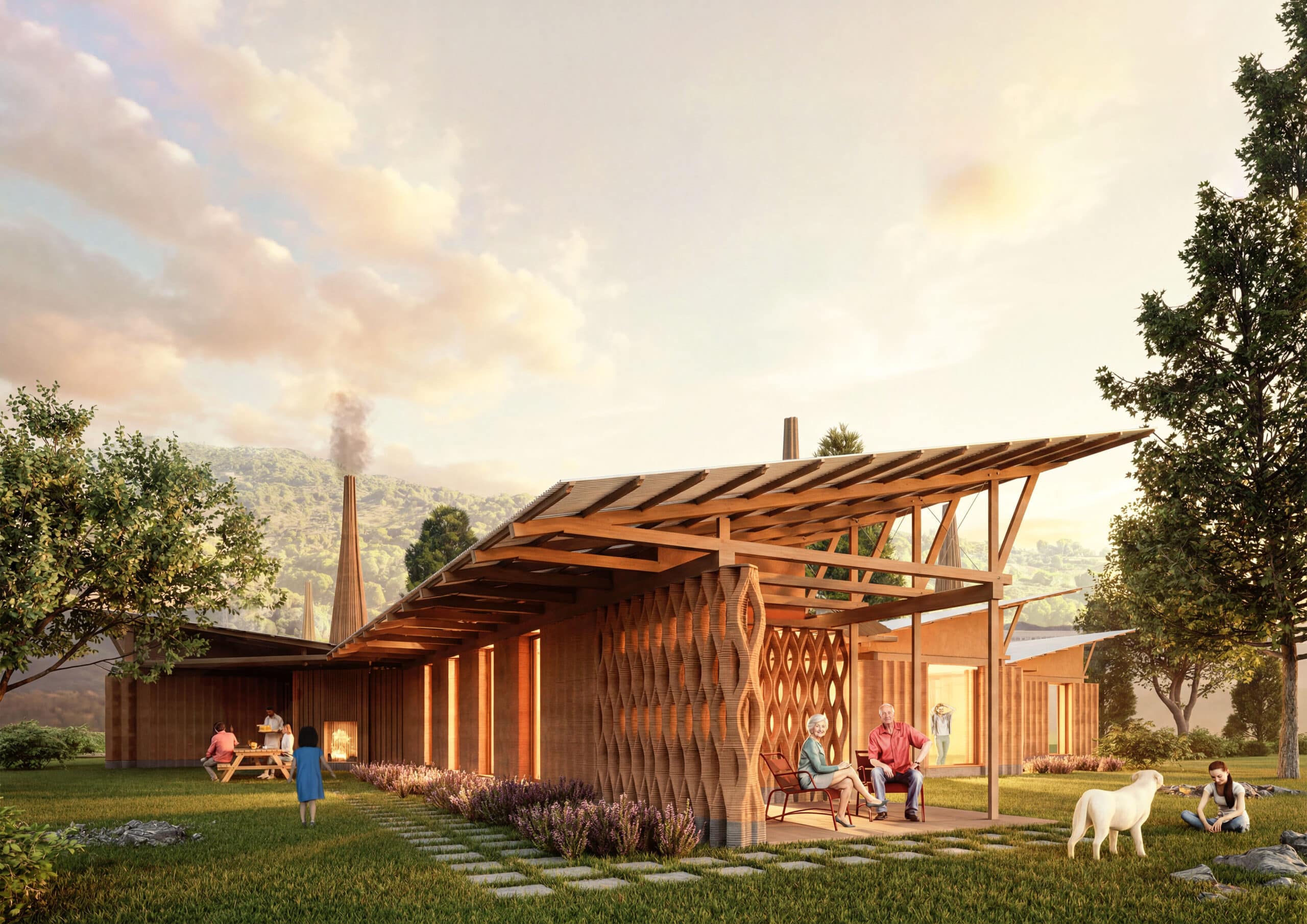
A Family-Oriented Home While investigating demographics in Austin, we found that more than one quarter of the families there are single-parent households. Of these, the vast majority are single mothers. With these statistics in mind we arrived at three design considerations: the needs of a single parent household, Austin’s climate, and the unique constraints and … Read more

Nex-Living

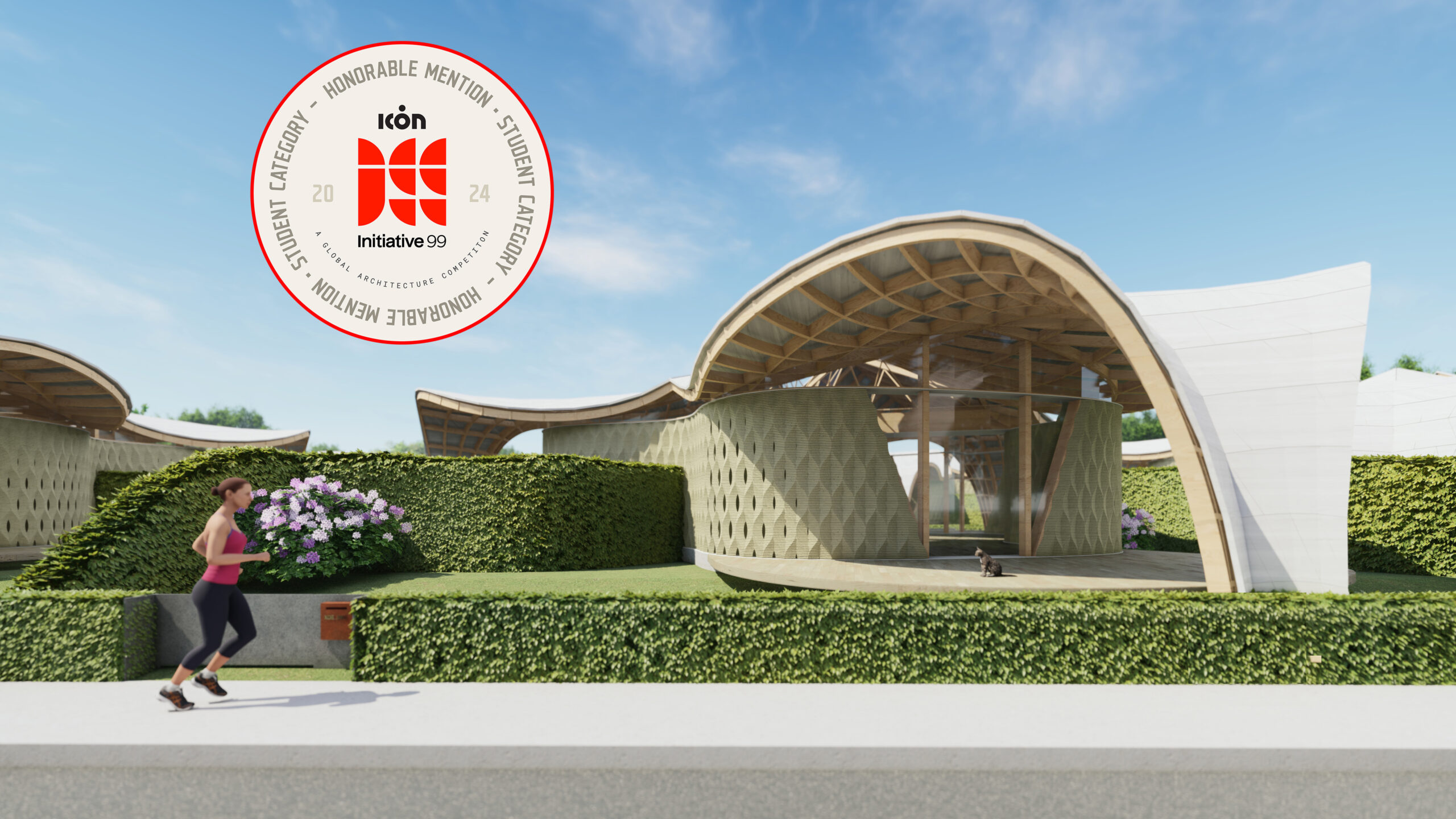
3D Print Affordable Pocket Neighborhood ICON Initiative 99 Phase One Honorable Mention in the Student Category Problematic Statement In today’s urban landscape, digital nomads, engaged professionals, and couples face a growing challenge in securing affordable housing that aligns with their dynamic lifestyles. As the demand for affordable housing intensifies, the conventional housing market often falls … Read more

Construction – Prototype for Kibaha

Table of Contents Abstract Design Previous Research : LIGHT [ AIR ] Tova vs Kibaha Porosity Compositional grid for Kibaha prototype Technical Challenges Material Recyclability Foundation & Cast Overhangs Edges condition Mesh grids Offsets Approach curves & curve order Ventilation Conclusion Abstract The relatively low mechanical strength of earth means that its use in traditional … Read more