The MAA is a visionary master program with an innovative and open structure, mixing diverse disciplines, shaping professionals capable of producing theoretical & practical solutions towards responsive cities, architecture & technology.


Filters
Course

Policy Automata

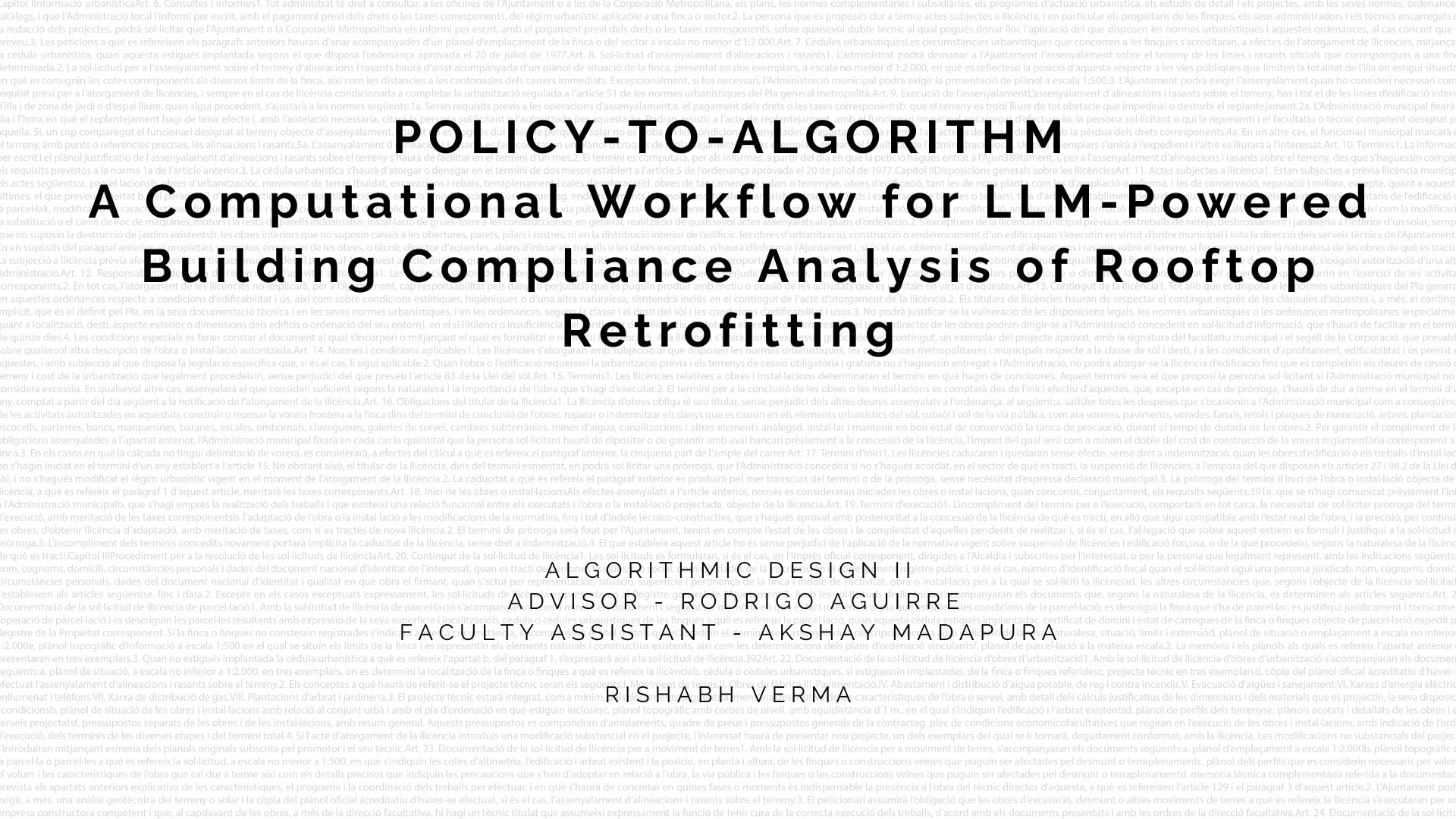
APPENDIX: BIBLIOGRAPHY Academic Papers Alnuzha, M. & Bloch, T. (2025). The Role of Machine Learning in Automated Code Checking: A Systematic Review. ITcon, Vol. 30. [Link] Peng, J. & Liu, X. (2023). Automated code compliance checking research based on BIM and knowledge graph. Scientific Reports, 13, 7065. [Link] Shi, J.W.L. et al. (2025). BuildThemis: Fine-tuning … Read more

The Kinetic Node Pavilion

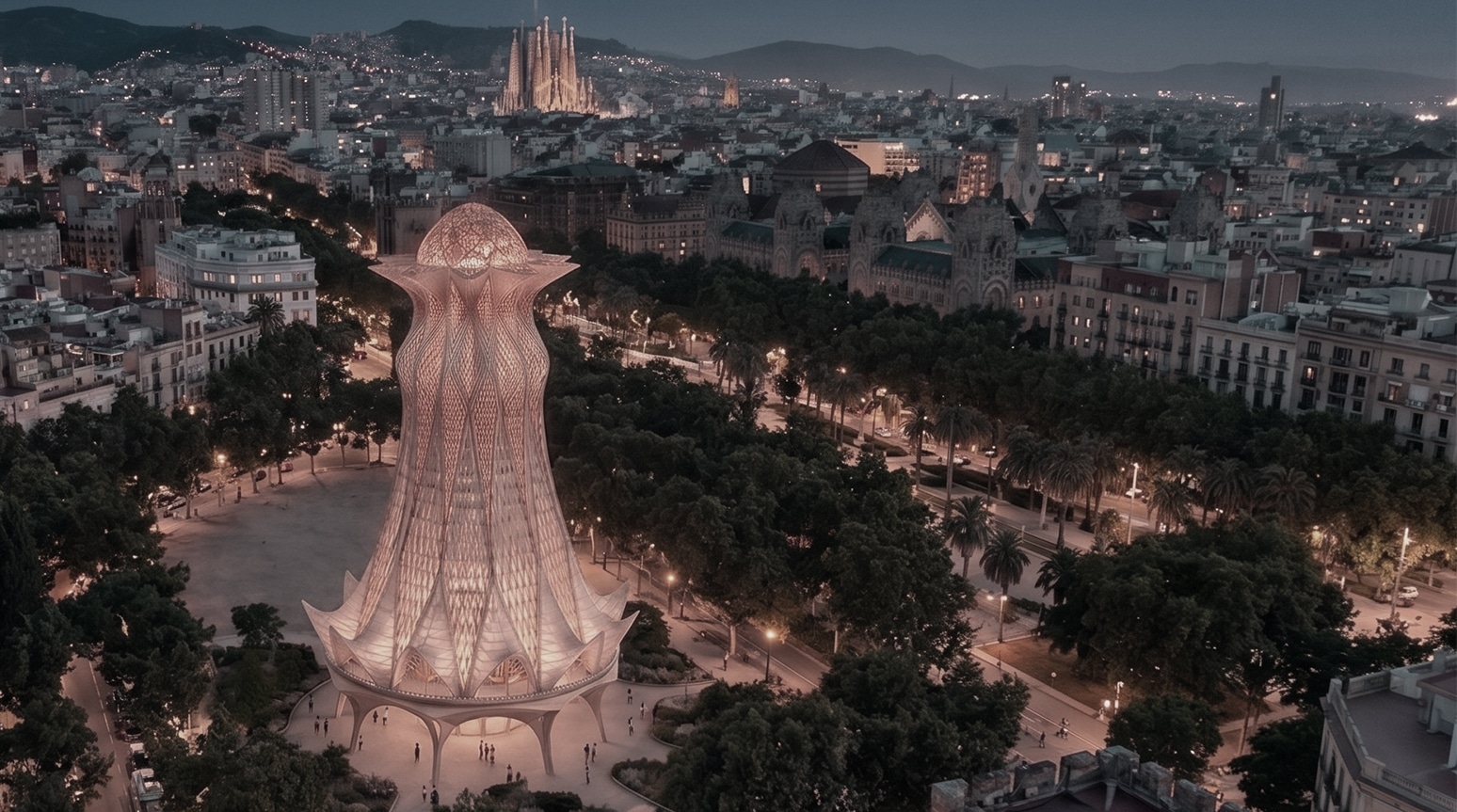
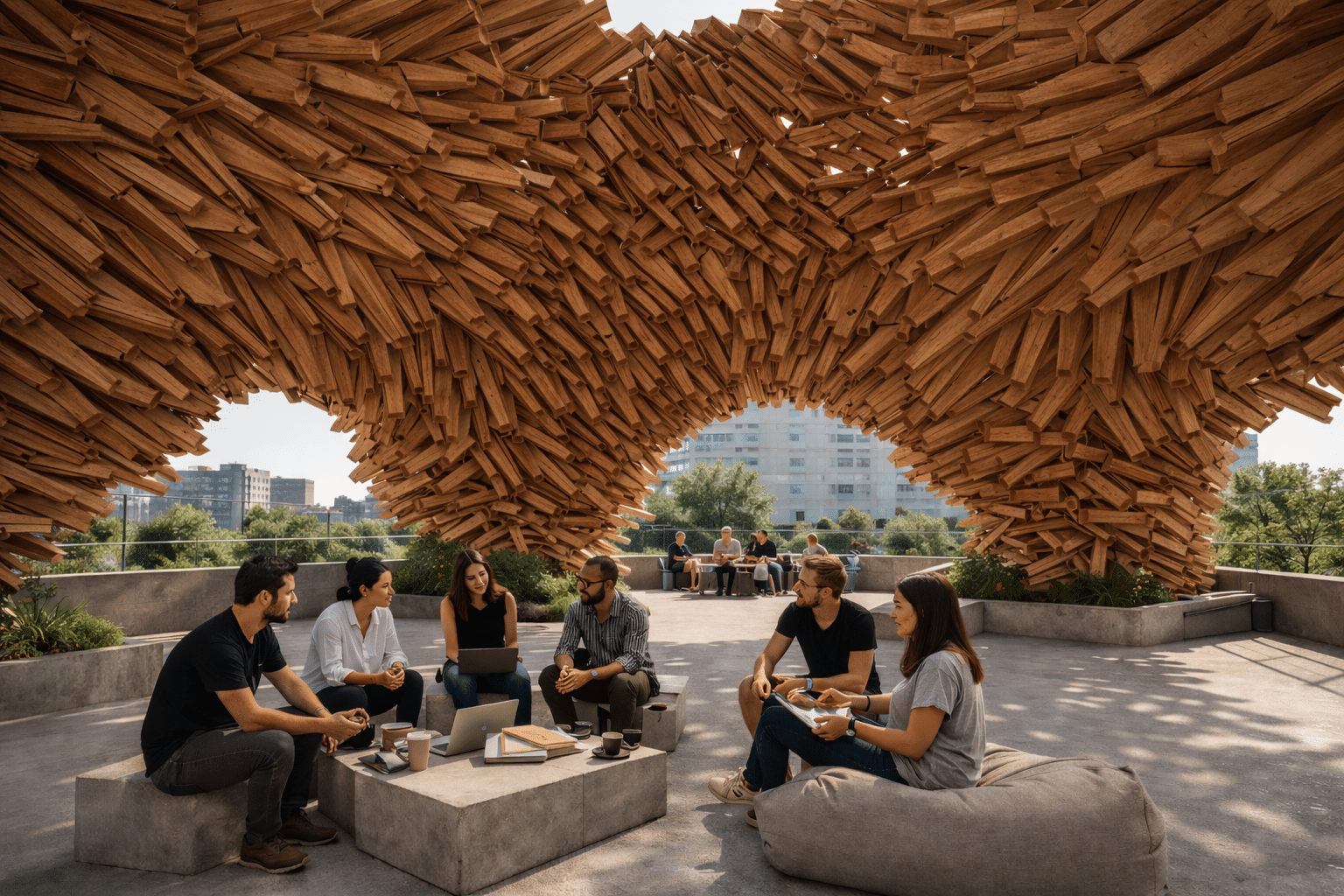
Architectural render of the final timber pavilion, showing integrated ramps for skateboarding and shaded areas for pedestrians.

The Kinetic Node proposes a dynamic pavilion located in the central pedestrian zone of Plaça de la Universitat, Barcelona. Developed within a computational design seminar, the intervention explores the intersection of generative algorithms and active public space. The design utilizes parametric tools to generate a fluid structure where architectural form seamlessly transitions into skateable terrain, … Read more

Casa Tosquella: The Mending of the Commons

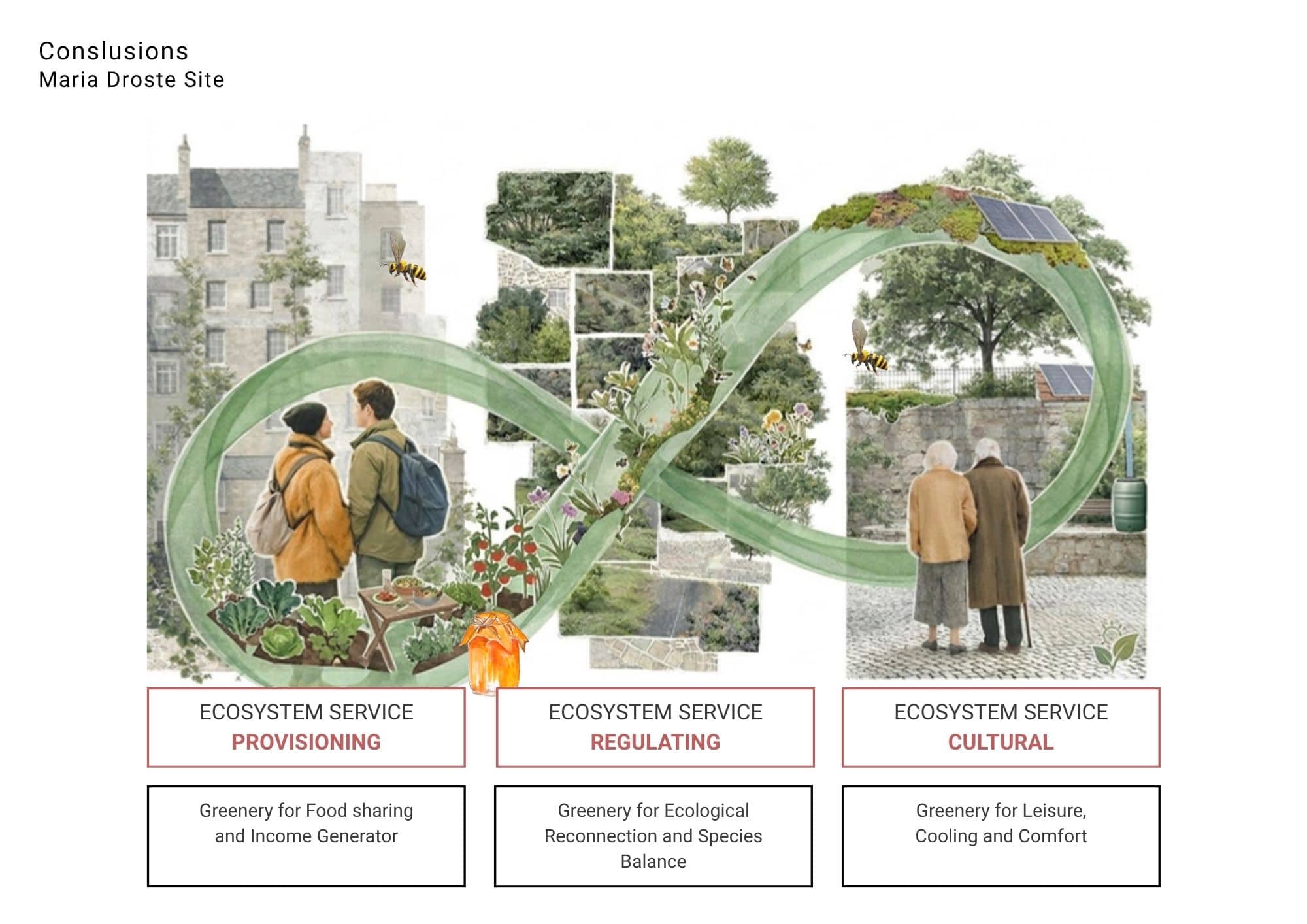
Heritage is not memoryHeritage is Production + Community In the dense urban fabric of Sant Gervasi, Casa Tosquella sleeps a Modernista jewel originally conceived as a summer retreat, now stranded in a city grappling with permanent heat. This project explores the tension between heritage preservation and climatic urgency. The proposal views the building not as … Read more

Decisionless

An intelligent living system as the last decision you will ever make. Abstract This project explores Technology and Artificial Intelligence (AI) and their impact on architecture and urban living. Based on complexity theory, ecology, and AI discourse, it frames architecture as an adaptive, self-organizing system rather than a static object. The case study is Barcelona, … Read more

Mining The City

“Metabolising waste into habitat in a resource-scarce future” “Mining the City” reconceives legacy industrial infrastructure as an active force for urban regeneration and material resilience. Rather than treating waste as a problem to be discarded, this project positions Barcelona’s material flows from household refuse to industrial by-products as the resource base for a new metabolic … Read more

Silent Light

Introduction to Programming and Physical Computing Seminar Faculty: Daniel Mateos, Adai Suriñach, Antoine Jaunard Group Members: Amalia Anna Korgiala, Camilo Hernán Contreras Concept The project aims to design a sensor that can work with light or sound sensors, inspired by a library luminaire. The sensor can be placed in various areas and scales, such as … Read more

The ClimaColour Code

Abstract Environmental conditions are more often than not invisible and something that is felt rather than visually perceivable. The ClimaCode provides our spatial surroundings with their own language that enables them to better communicate with us as humans.  By translating climatic conditions, such as temperature and humidity, into light, the device communicates its climatic ‘mood’ … Read more