The MAA is a visionary master program with an innovative and open structure, mixing diverse disciplines, shaping professionals capable of producing theoretical & practical solutions towards responsive cities, architecture & technology.


Filters
Course

Between Ritual and River
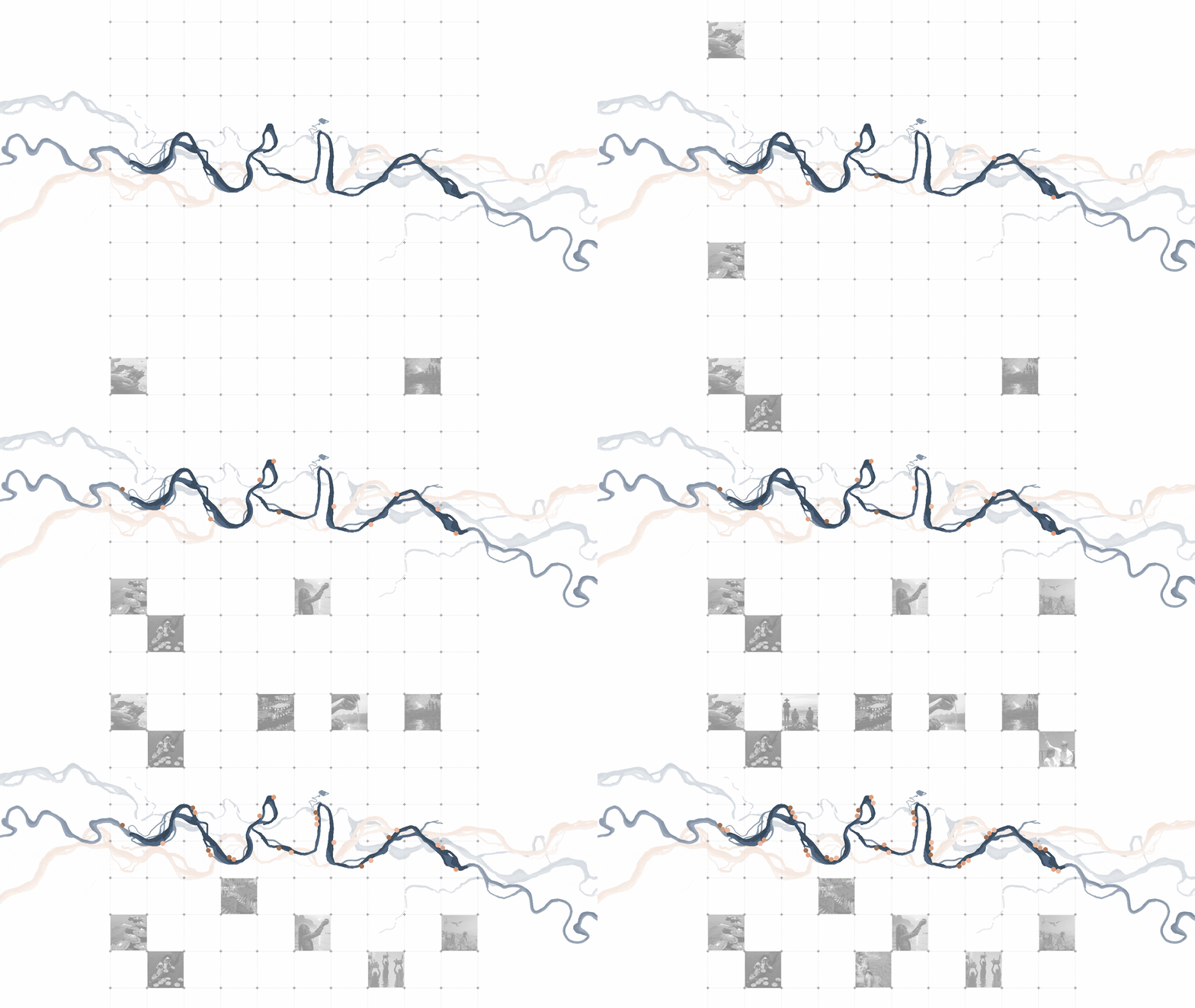
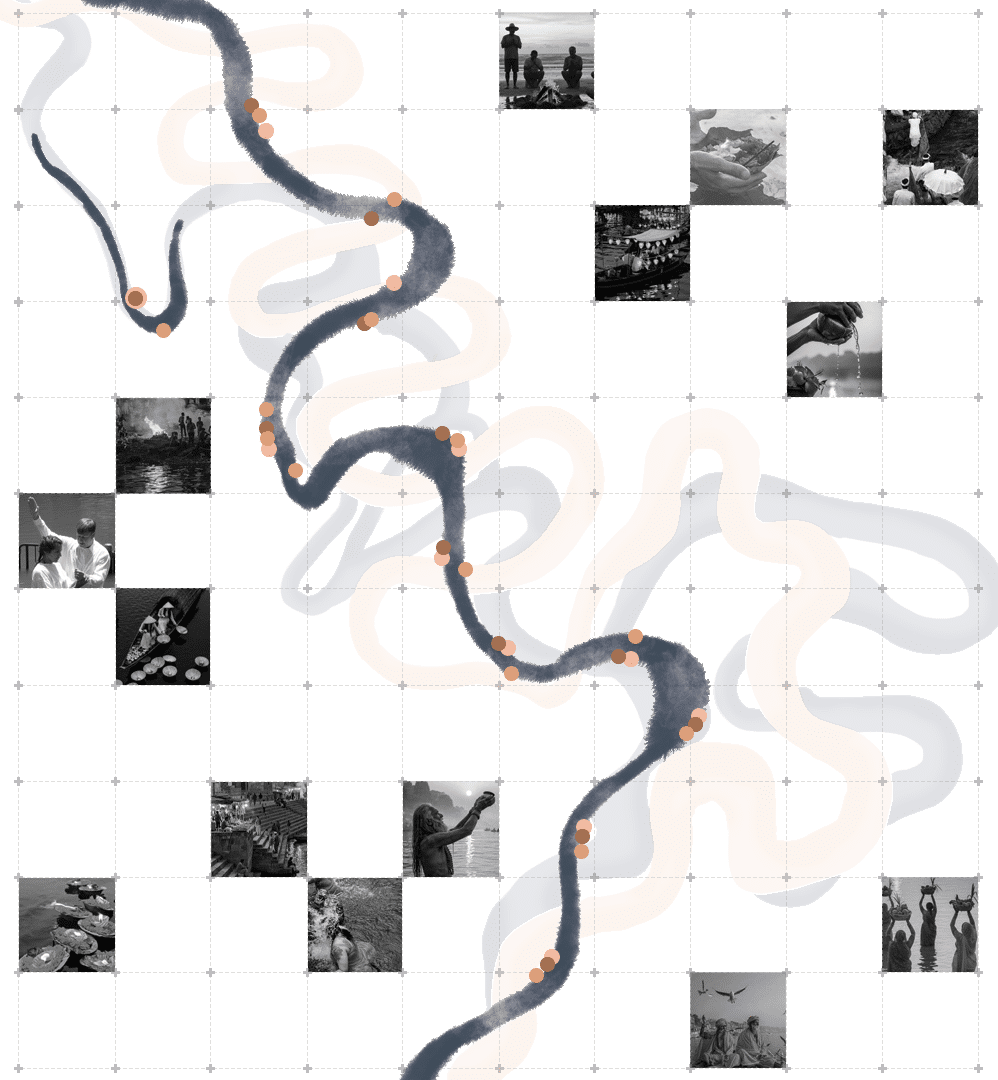
Ecological Renewal of Ghats Website Link: https://aria-final.vercel.app/ Statement “While industrial and sewage pollution receive significant attention in river conservation efforts. Ritual pollution stemming from religious and cultural practices remains largely unaddressed due to its sensitive nature. But it contributes substantially to river degradation and requires culturally respectful solutions.” Sacred Sites Across every continent and culture, rivers … Read more

BIO FLOW

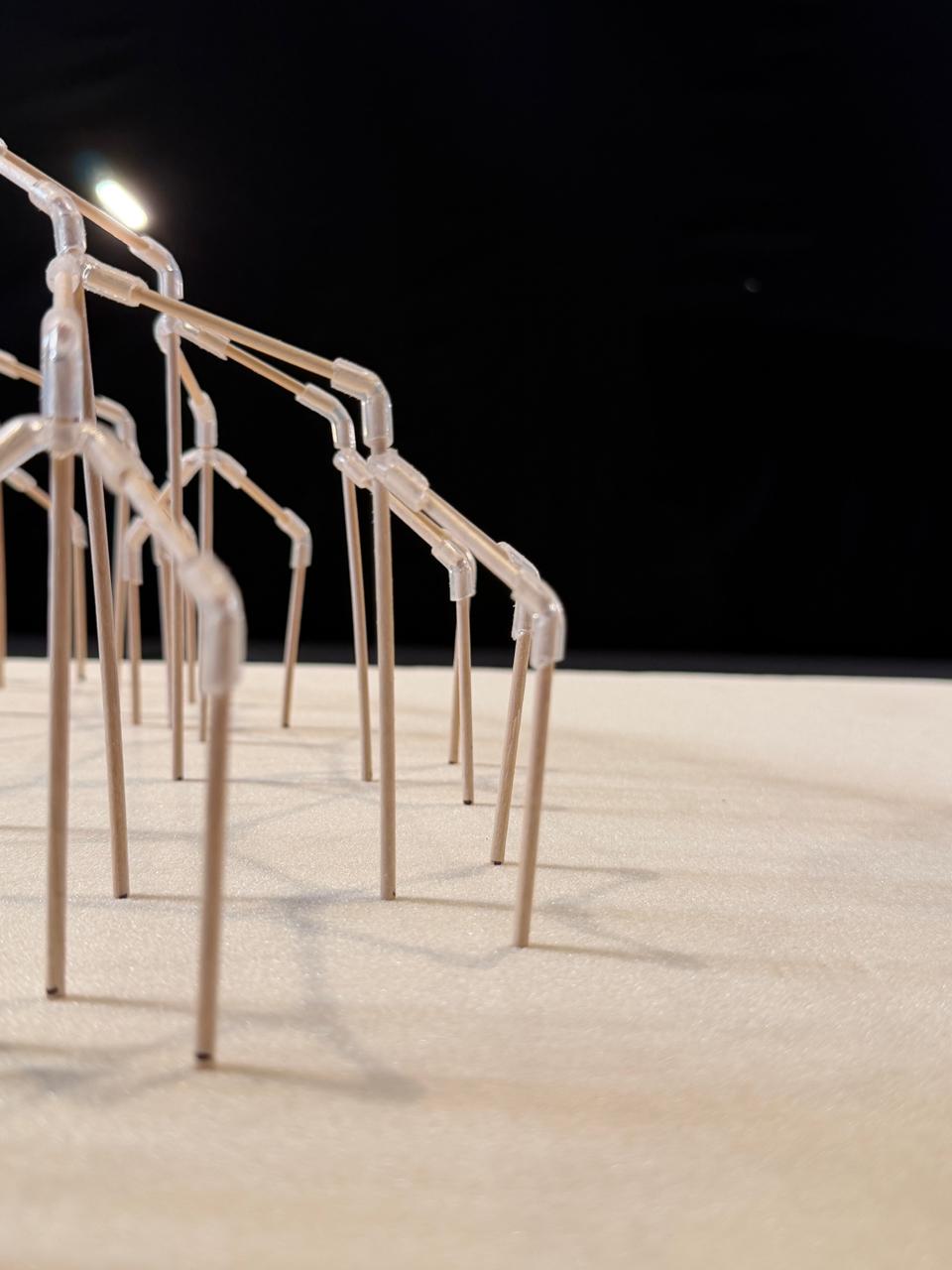
“ An AR-Driven Biomimetic Pavilion Generated Through Environmental Field Behavior “ Architectural pavilion design and fabrication often require complex digital workflows, technical expertise, and multiple visualization tools, making the process difficult for rapid concept development and real-world understanding. Designers also face challenges in translating organic, nature-inspired forms into fabrication-friendly structures.  BIOMIMICRY PAVILIONS Organic Geometry Biomimicry … Read more

Project Michigan

Using climate clustering, vernacular precedent research, and evolutionary optimisation to create climate-responsive design typologies when no established local precedent exists Overview Lovingly named after the very first test location, Project Michigan is a tool that provides climate-responsive design guidelines when no local vernacular precedent exists. Through scraping climate data and global vernacular information, it helps … Read more

Timber Reuse Stacking Typologies

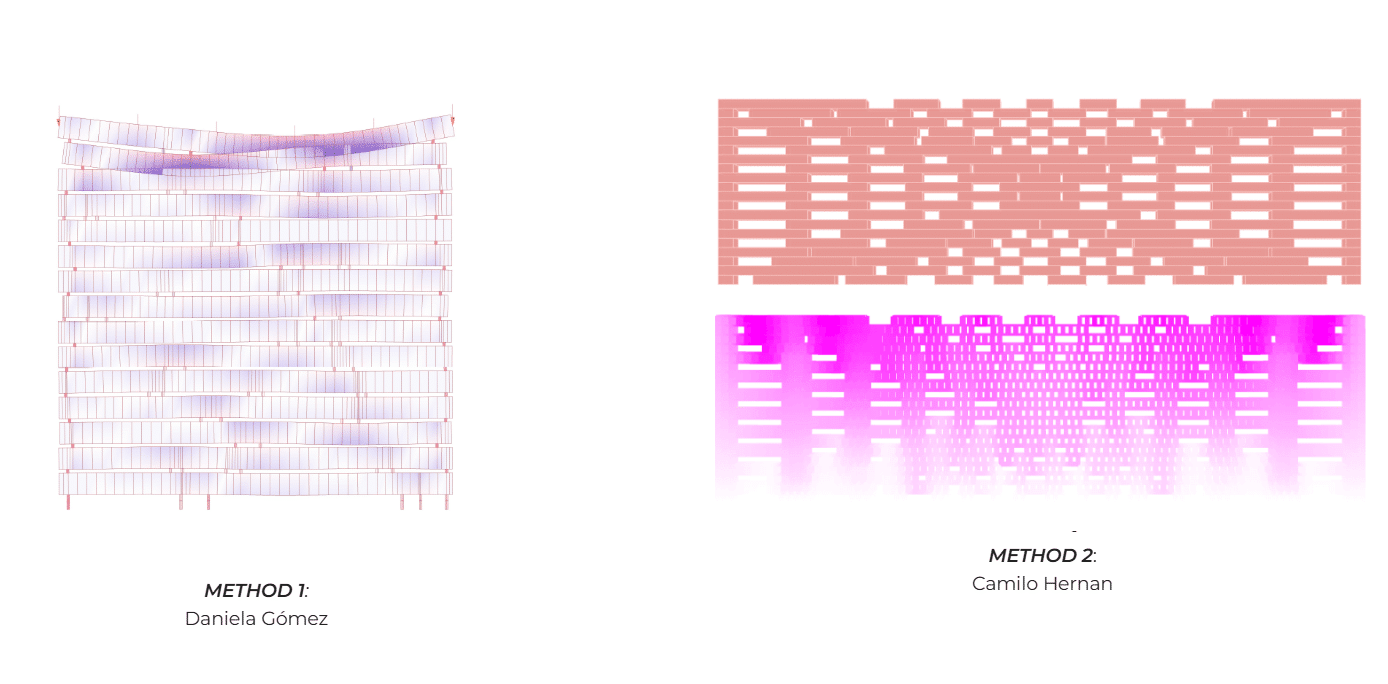
Using AI scripting in grasshopper to create and analyse reused timber stacked systems Two methods of creating panels made from an existing stocklist of reclaimed Timber using AI scripting integrated into Grasshopper. The first method explores the simple end to end stacking, by taking a random piece from the stock and placing it in a … Read more

Morphological Adaptation

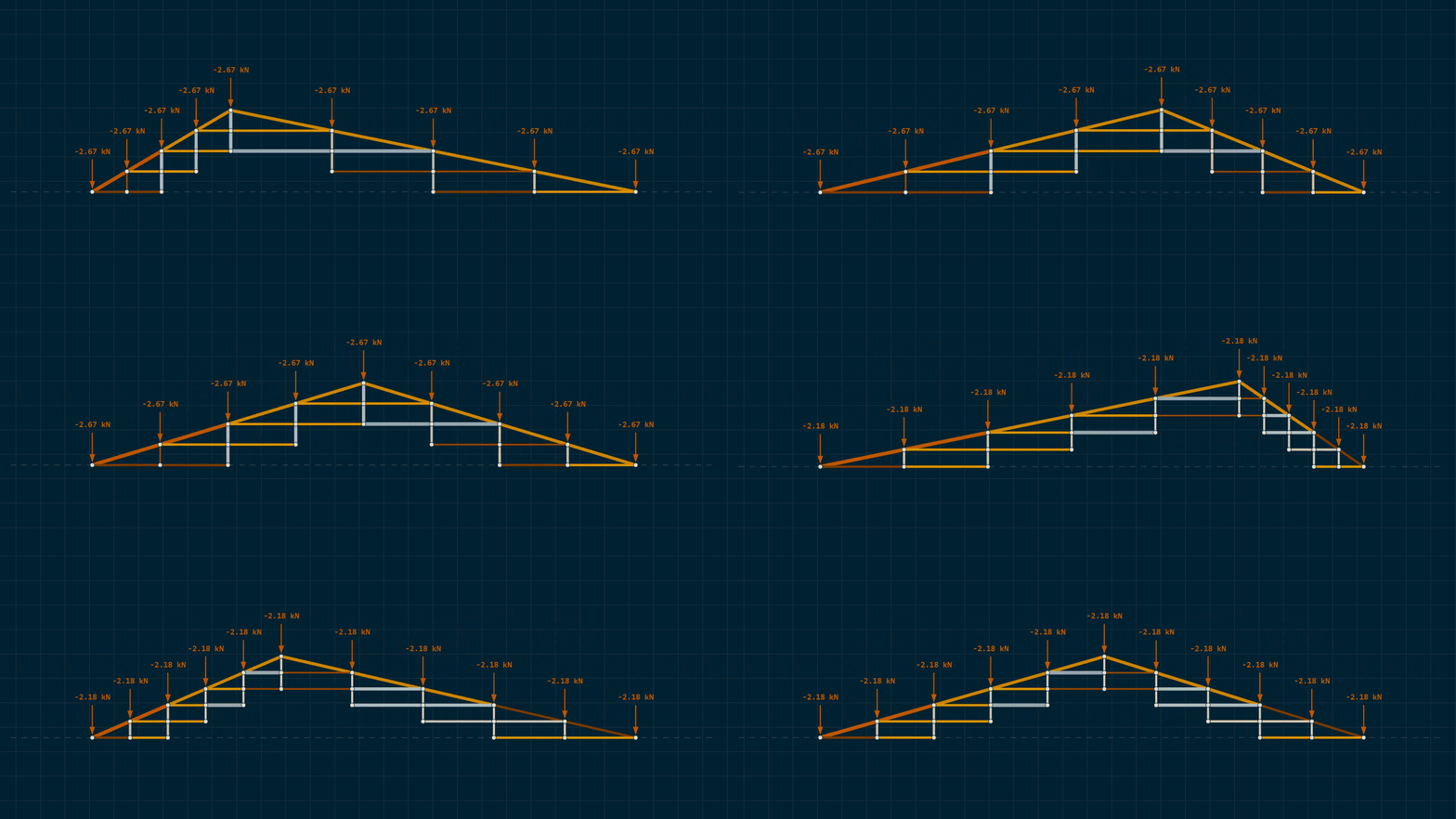
“How can a real-time parametric system effectively optimize architectural truss geometry when constrained by a limited, randomized inventory of salvaged timber? “ Geometry vs. Inventory Standard architectural forms assume infinite material. When constrained by random, reclaimed timber offcuts, the geometry itself must adapt to survive. “Shifting the structural burden from material continuity to joint frequency.”  Standard … Read more

Between Ritual and River

Ecological Renewal of Ghats Statement “While industrial and sewage pollution receive significant attention in river conservation efforts. Ritual pollution stemming from religious and cultural practices remains largely unaddressed due to its sensitive nature. But it contributes substantially to river degradation and requires culturally respectful solutions.” Sacred Sites Across every continent and culture, rivers have never … Read more

Brick Flow

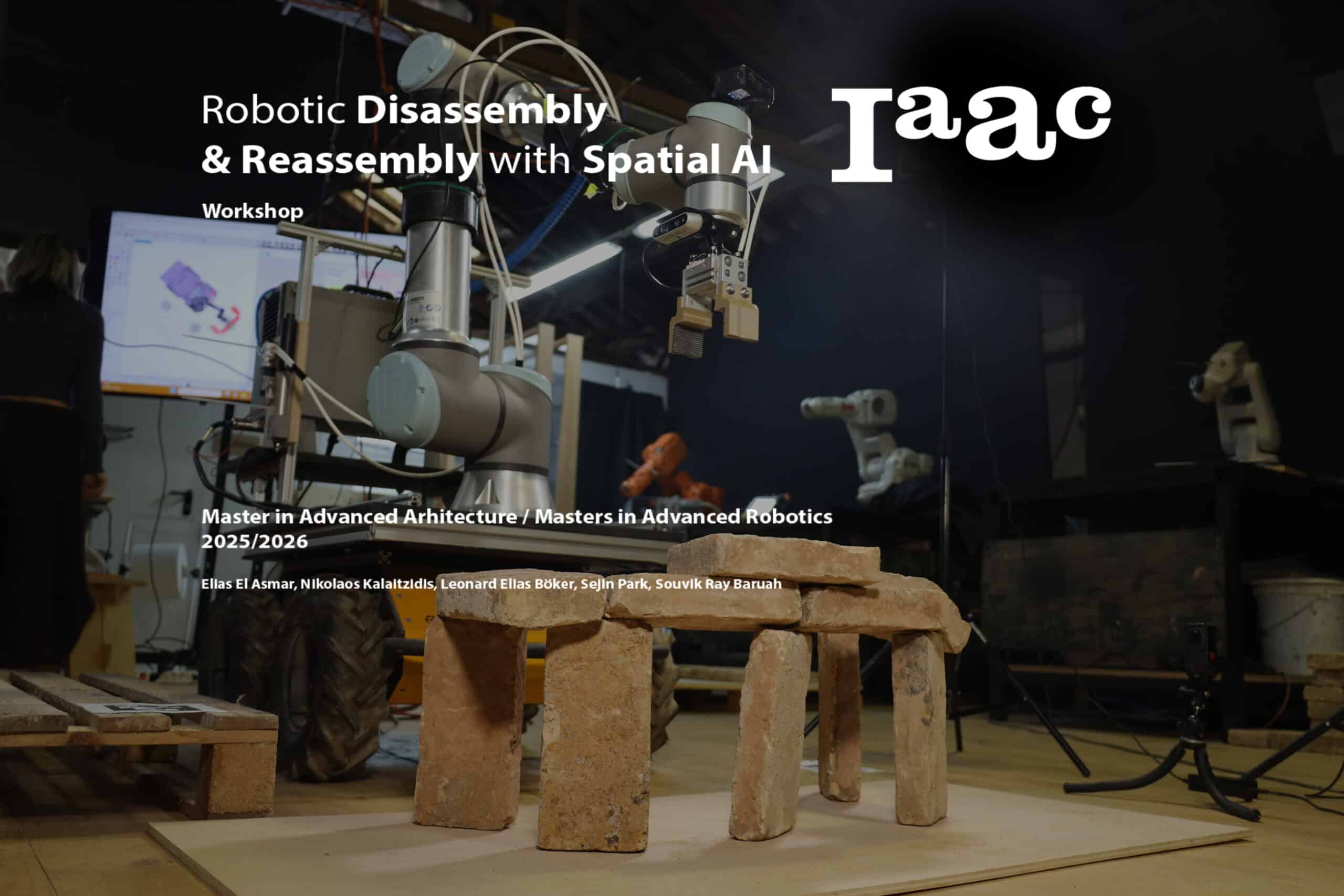
Robotic Disassembly & Reassembly with Spatial AI Abstract The project explores a circular construction workflow that integrates robotic systems with Spatial AI to automate the disassembly and reassembly of brick structures. Utilizing a Gemini Vision-Language Model (VLM) pipeline, the system performs autonomous material evaluation, identifying surface damages such as chipping, spalling, and staining, as well … Read more

IFCore Compliance Checker

During the AI in Architecture and Urbanism Seminar, our team built an automated compliance checking system that validates architectural projects directly from IFC models. Building regulation checks are traditionally manual, slow, and error-prone. Architects review 2D drawings, interpret regulations individually, and often wait weeks for compliance feedback. We asked a simple question: what if compliance … Read more