The MaCAD is a unique online programme training a new generation of architects, engineers and designers ready to develop skills into the latest softwares, computational tools, BIM technologies and AI towards innovation for the Architecture, Engineering and Construction (AEC) industry.

Filters
Course

Augmented Robotic Production Systems for Adaptive and Resilient Architecture
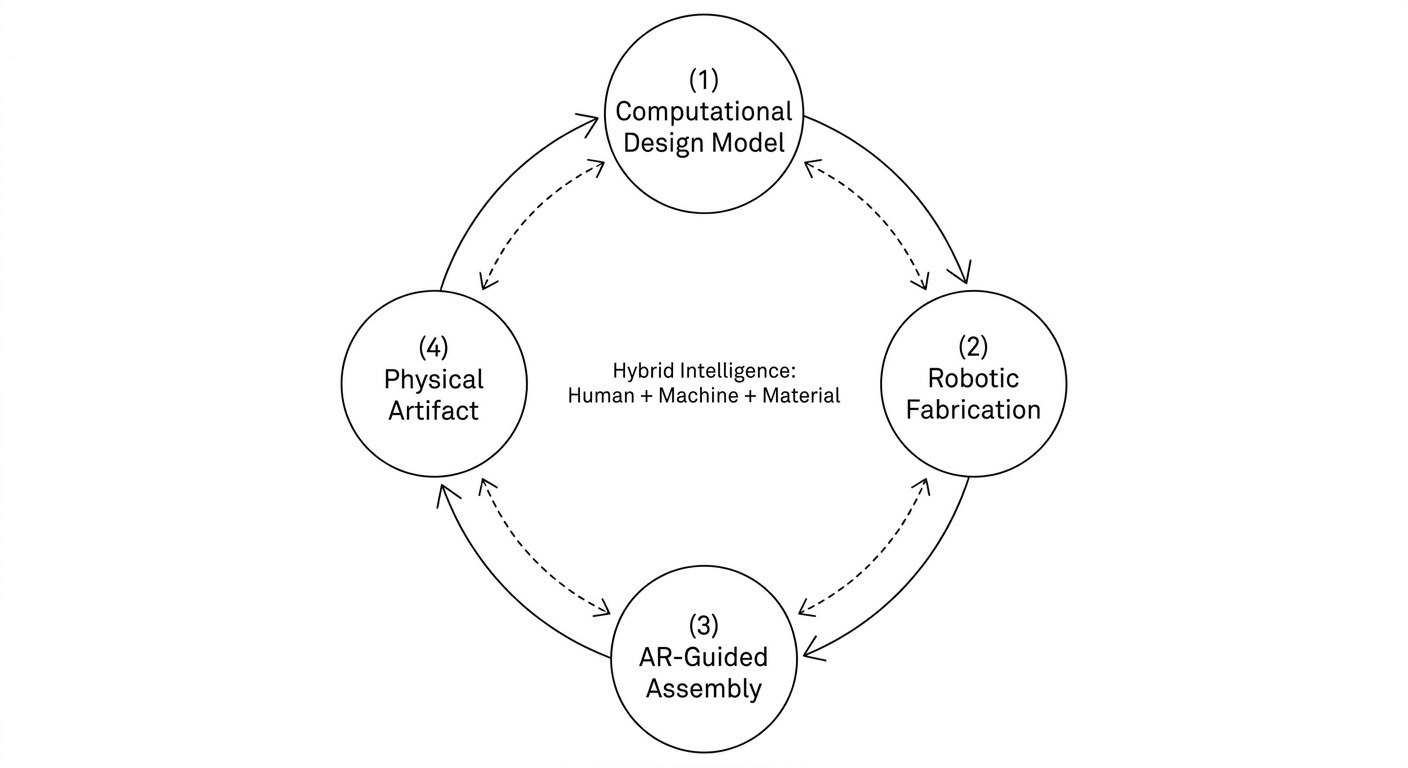
Abstract Construction is responsible for a substantial share of global material waste and carbon emissions, and one of the reasons is structural: design, fabrication, and assembly are still treated as separate phases with fragmented handoffs between them. This podcast episode explores what changes when those phases are linked into a single, feedback-driven workflow where parametric … Read more
Roof Panelizer – Breaking Free from Planar Constraints in Roof Design

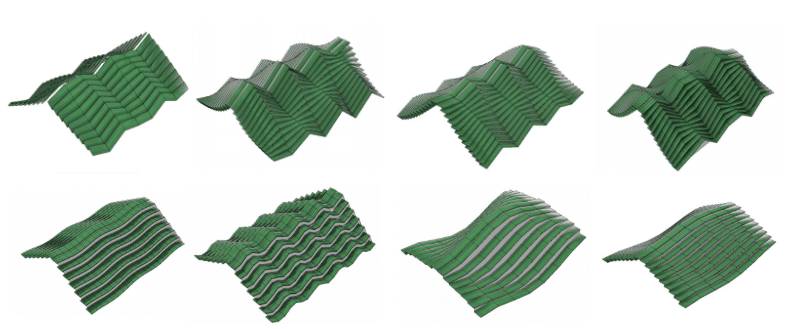
Roof design has long been constrained by the limitations of traditional BIM applications. While architects envision expressive, non-planar geometries, they often default to repetitive planar forms due to technological barriers. Beyond aesthetics, these planar designs leave critical questions unanswered: How many panels are needed? What custom tile sizes must be fabricated? How do design decisions impact material costs and constructability? Problem Statement Most BIM applications limit roof design to planar forms, creating a significant gap between architectural vision and what’s … Read more

HB02: Urban Congestion as Catalyst

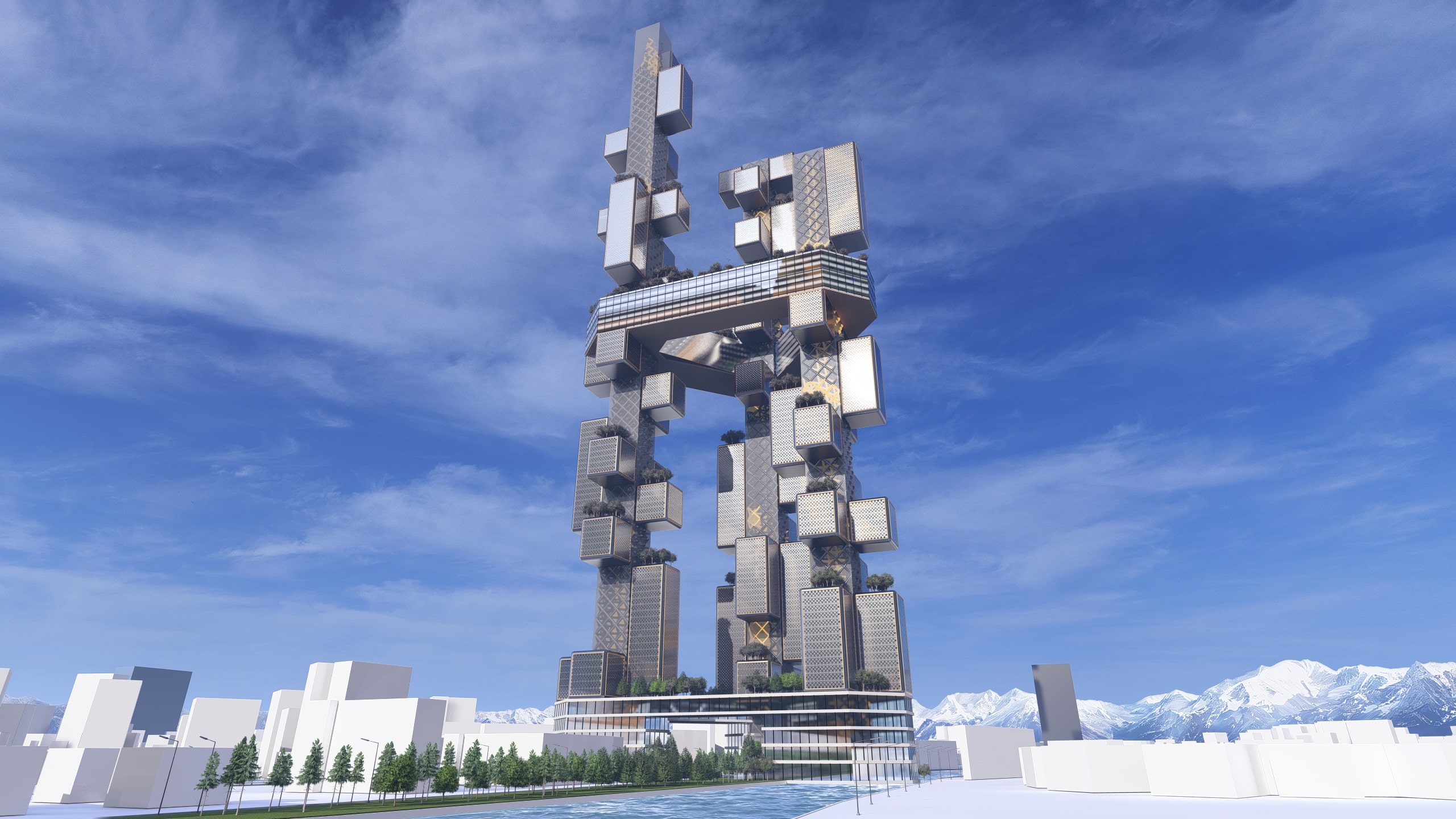
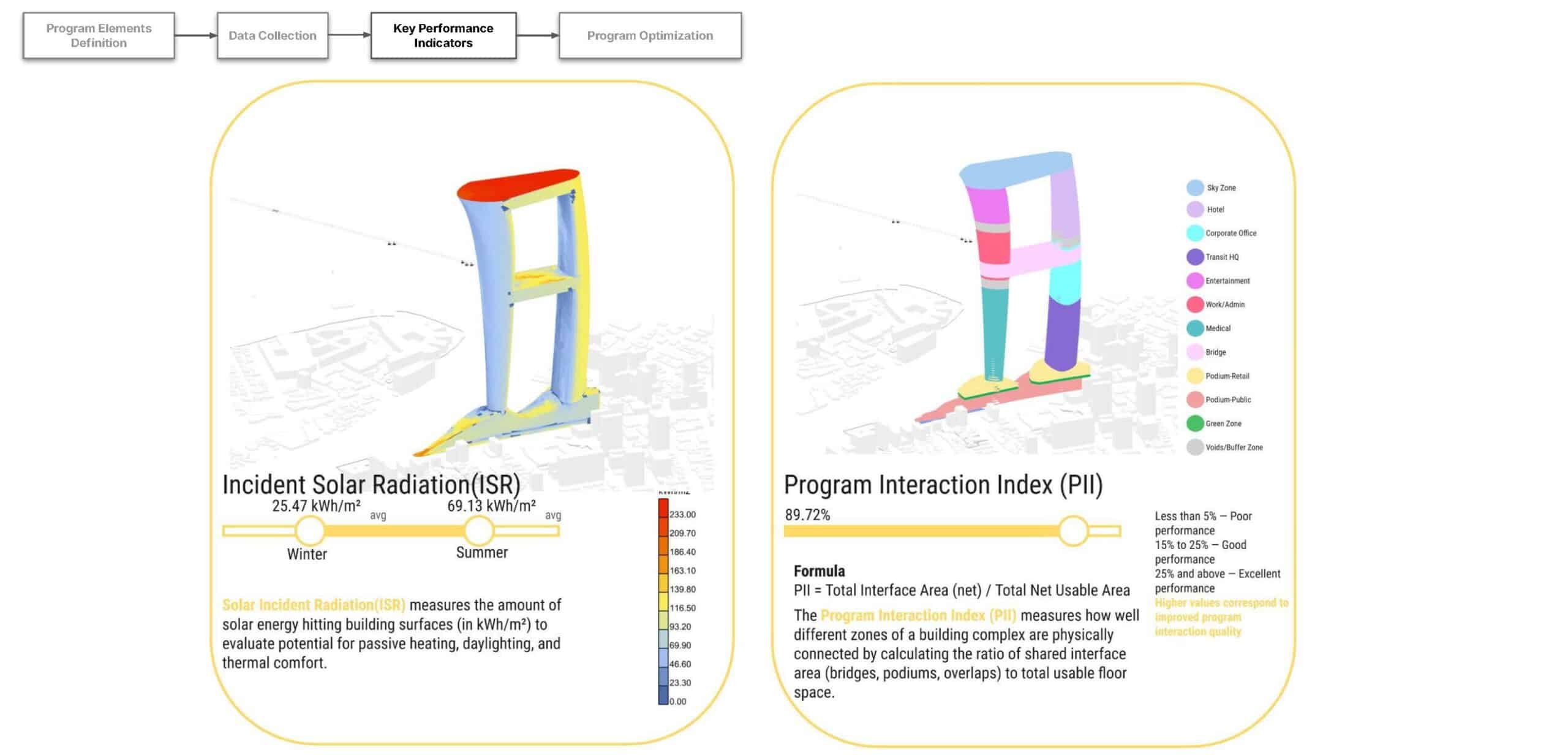
Program Team Hyperbuilding 02 proposes a program-integrated transit hub that reorganizes fragmented mobility networks, shortens commute times, and anchors a high-density mixed-use urban core to improve accessibility and urban performance. The design concept for Hyperbuilding 02 begins with a problem: fragmented mobility networks that create inefficiency, congestion, and poor urban accessibility in high-density environments. Rather … Read more

HB03: Data-Driven Towers for Human-Nature Coexistence

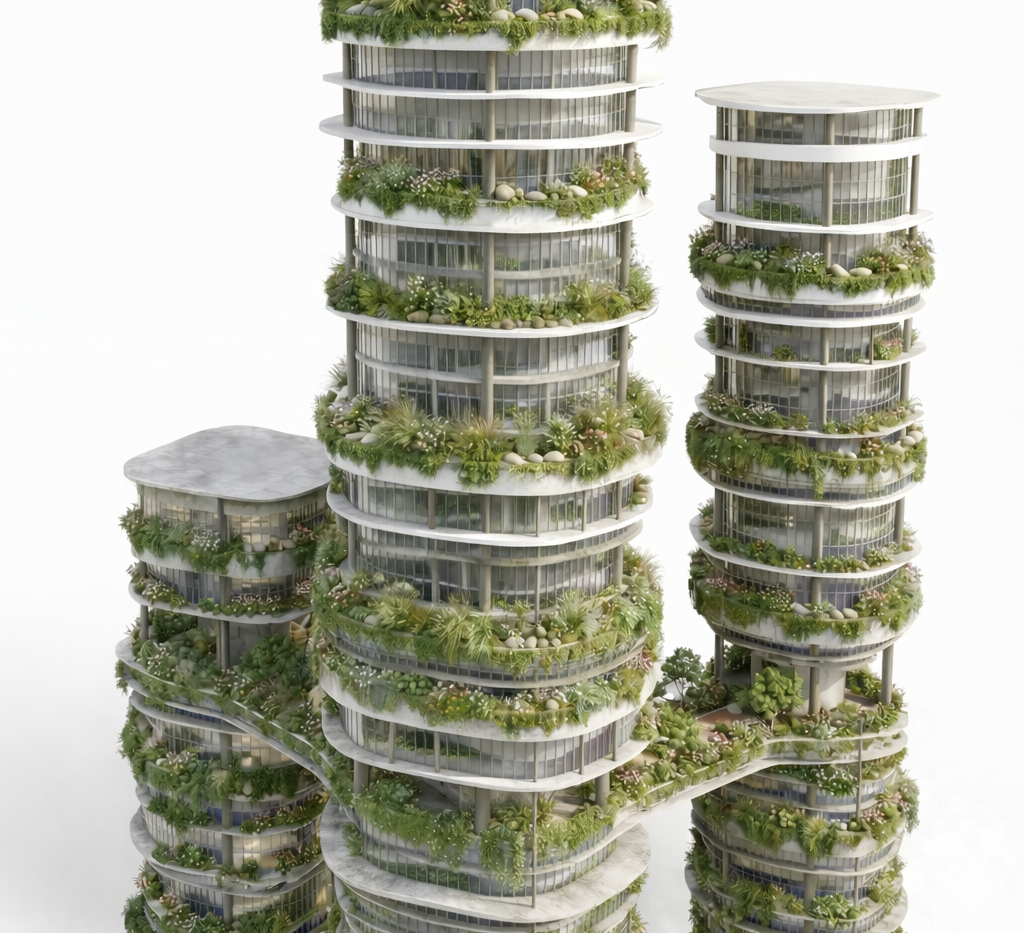
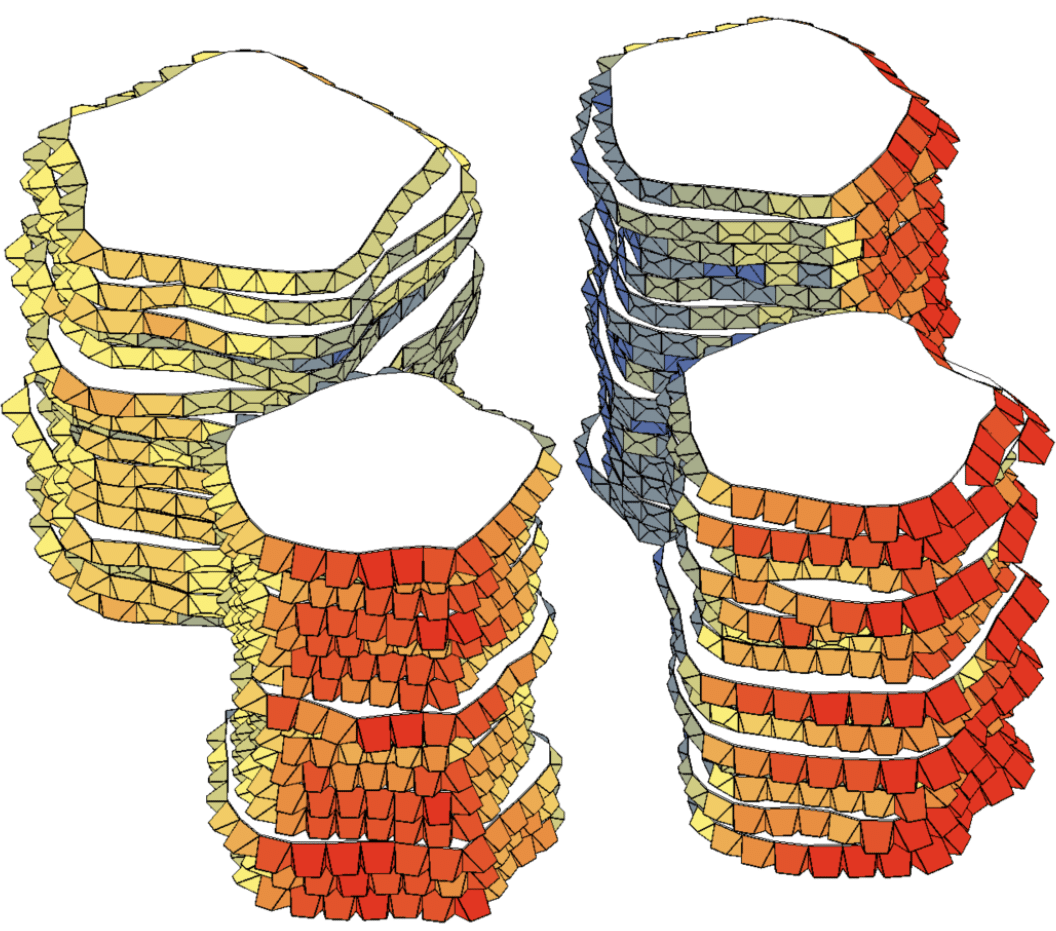
Explore HB03, a hyperbuilding developed through parametric design, structural engineering, and adaptive façade optimization. Discover a data-driven approach to sustainable vertical urbanism, daylight performance, and human-centric high-rise design. Introduction: Engineering the Skeleton of Vertical Urbanism In the Vertical Machine studio, architecture is treated as a dynamic urban organism rather than a static object. Within this … Read more

Breaking the Desktop Barrier: A Real-Time Parametric Pavilion

In the traditional architectural workflow, parametric models are often “trapped” inside heavy desktop software like Rhino and Grasshopper. My latest project, the Parametric Brick Pavilion, aims to bridge this gap by moving high-level structural computation directly into a web-based interface. The Challenge: Accessibility in Complexity Parametric design is a powerful tool for iteration, but it … Read more

Architecture as Living Matter: Turning Data into Geometry

Introduction Hyperbuilding 03 In our project, the building is conceived not as an isolated object, but as a vertical living tissue within the broader human organism of the “Vertical Machine”. Much like a network of functional cells, it sustains life, maintains environmental balance, and coordinates with the system’s “lungs” and “heart.” This biological metaphor guided … Read more

Automated Cloud-Based Metadata Extraction: HB01 – Program Team

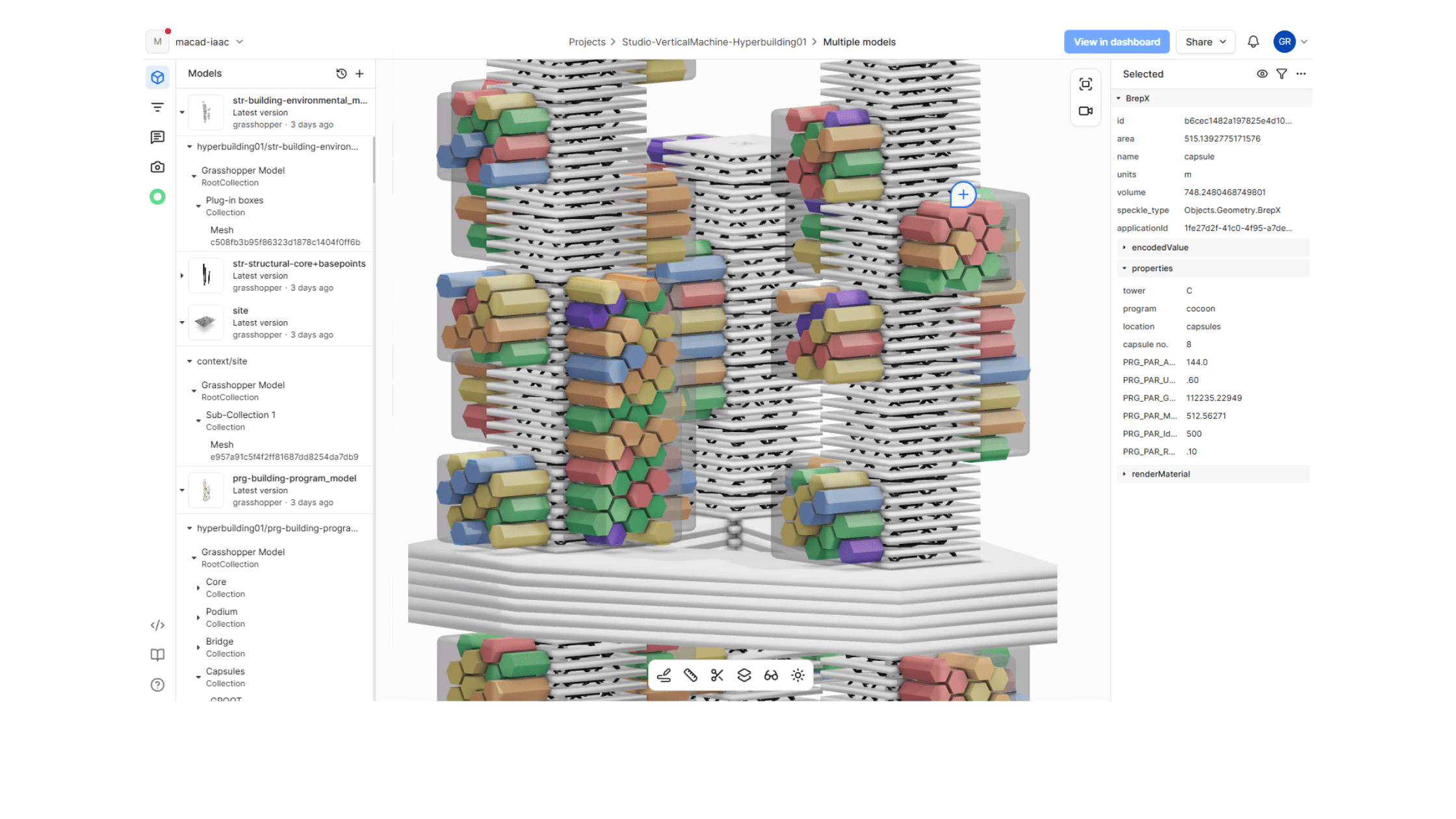
An automated pipeline that transforms raw 3D model metadata into structured cloud spreadsheets. This makes complex geometric data easily accessible and adaptable for various end-uses, from simple data reading to feeding live web platforms. Problem Statement Streamlining Complex Metadata Communication Communication across large design teams presents a significant challenge due to the massive volume of … Read more

Collaborative Workflow: Structure/Facade-HB01

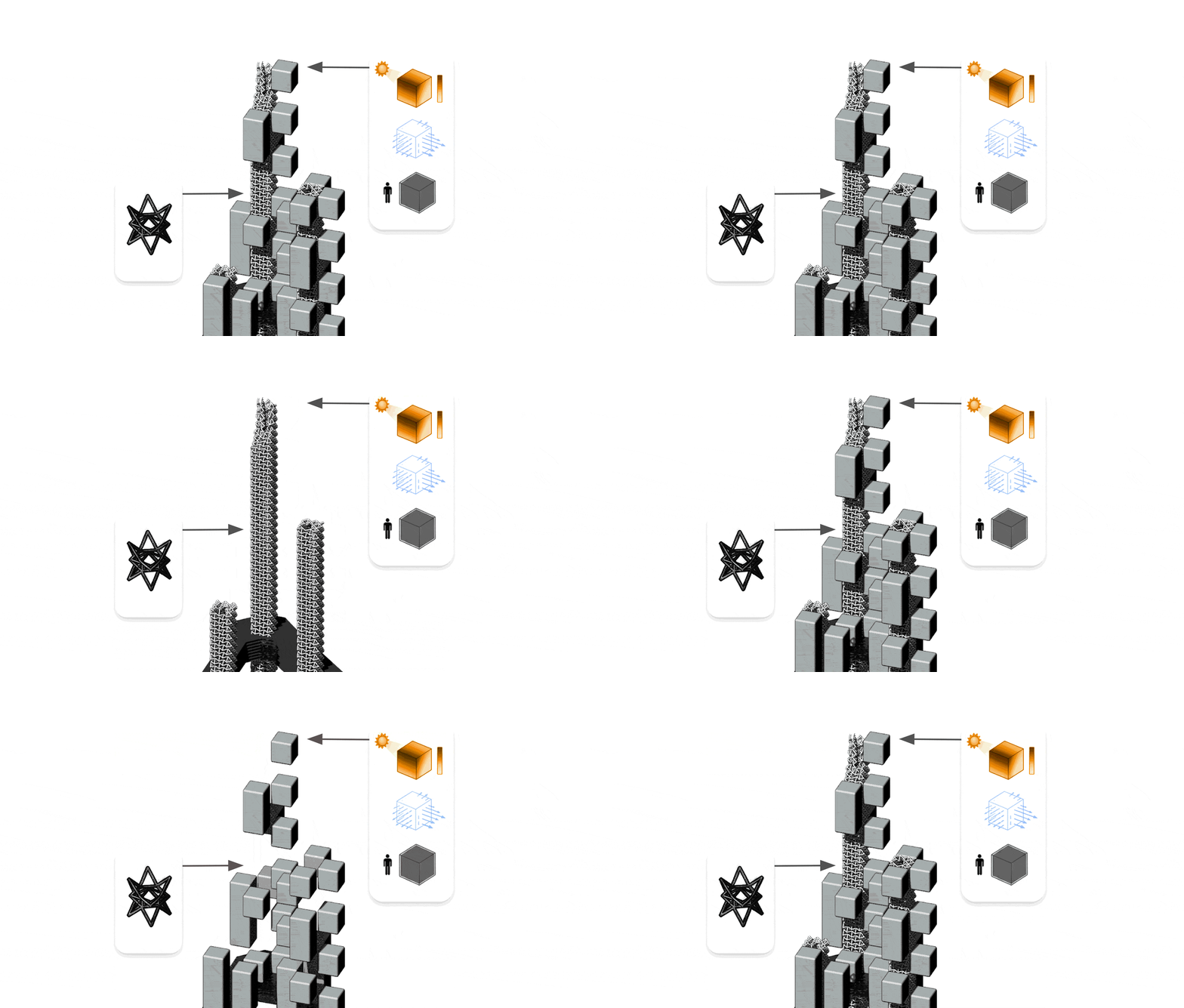
Introduction – Defining the Volume   Problem Statement & Context  Target User Proposed Solution An automated pipeline that instantly extracts, organizes, and delivers your 3D model data to your entire team the moment a new design version is published no manual steps, no shared files, no delays. Success Criteria Demo Success Criteria Limitation & Future Scope … Read more

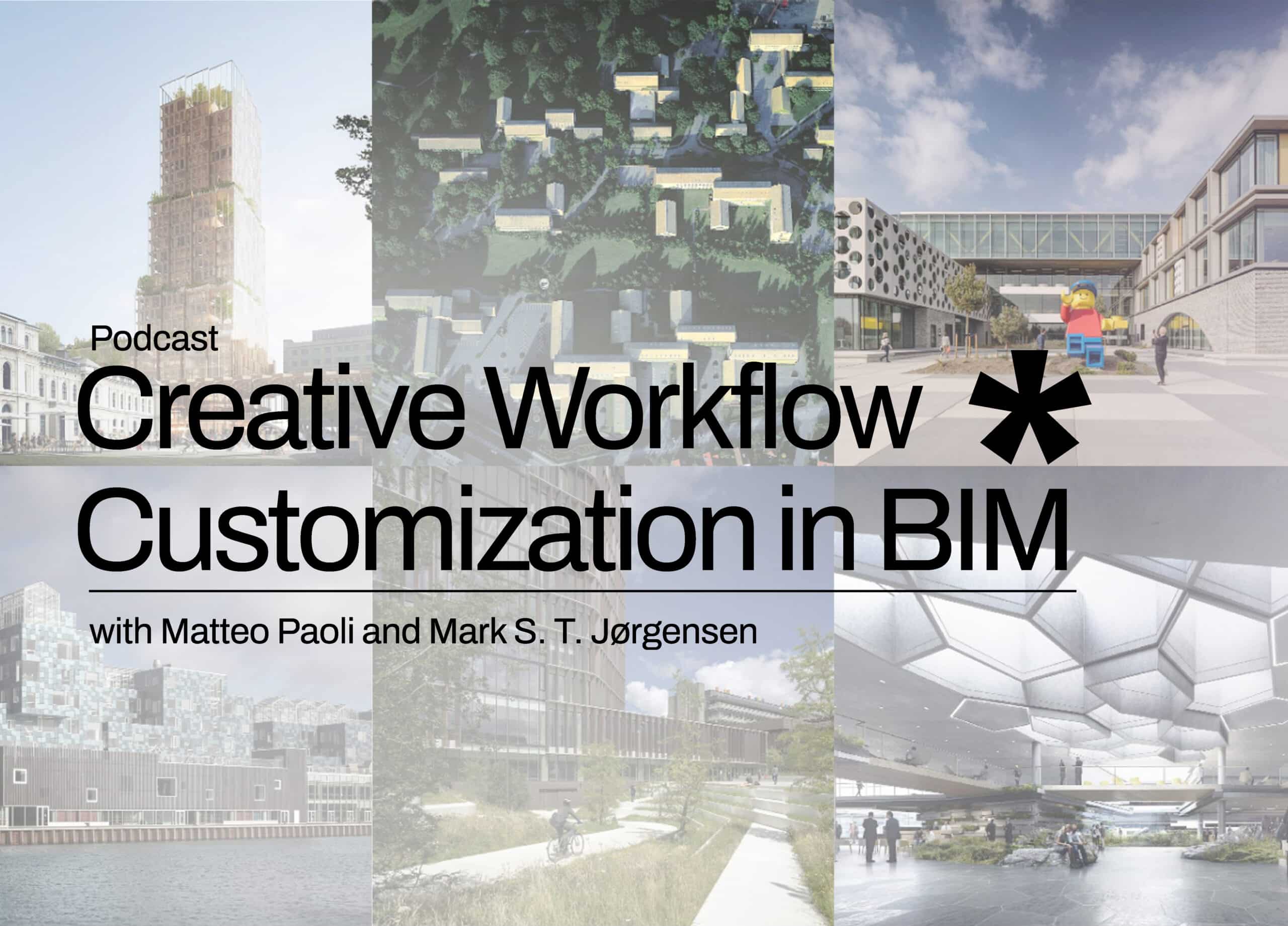
Creative Workflow Customization in BIM

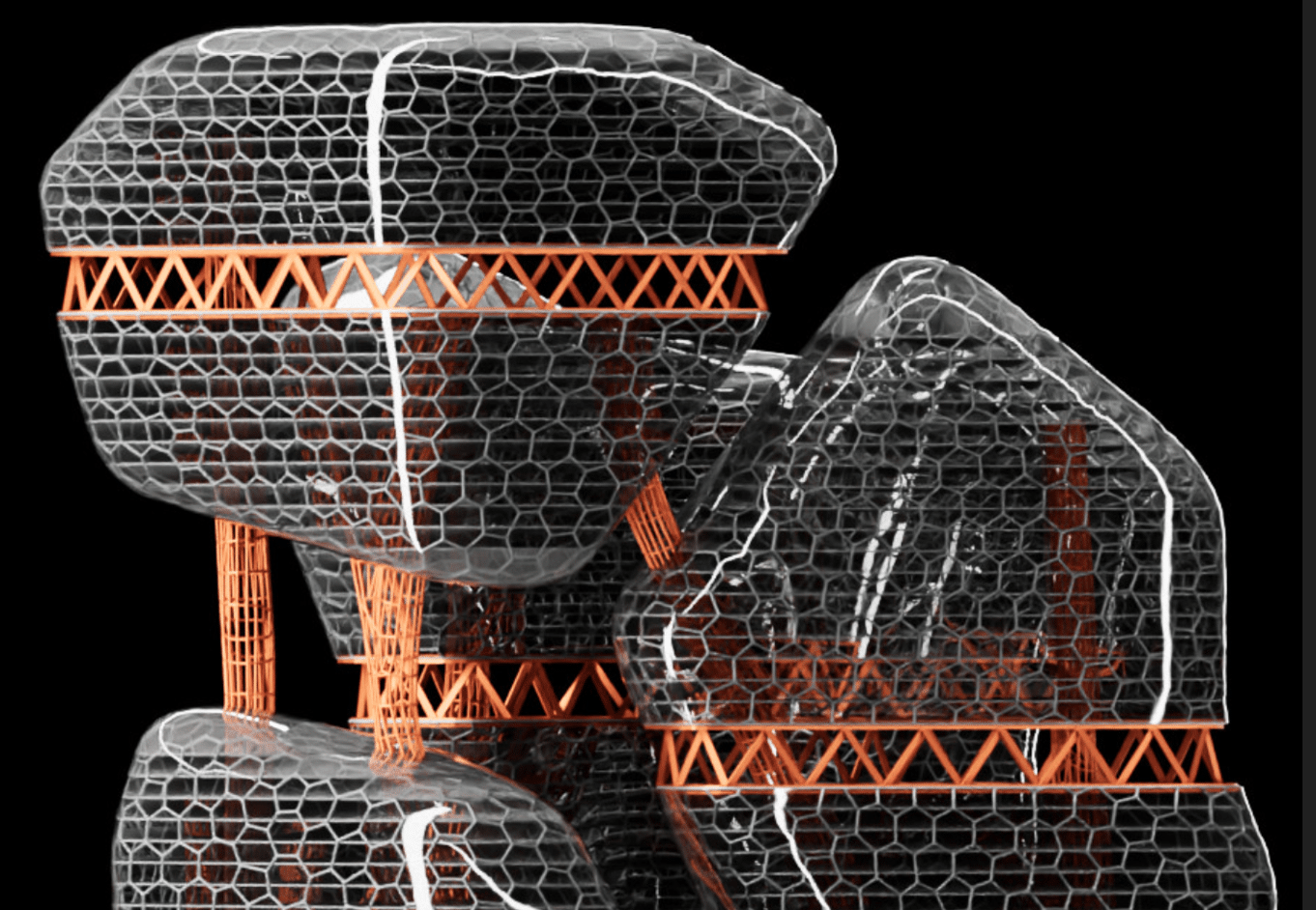
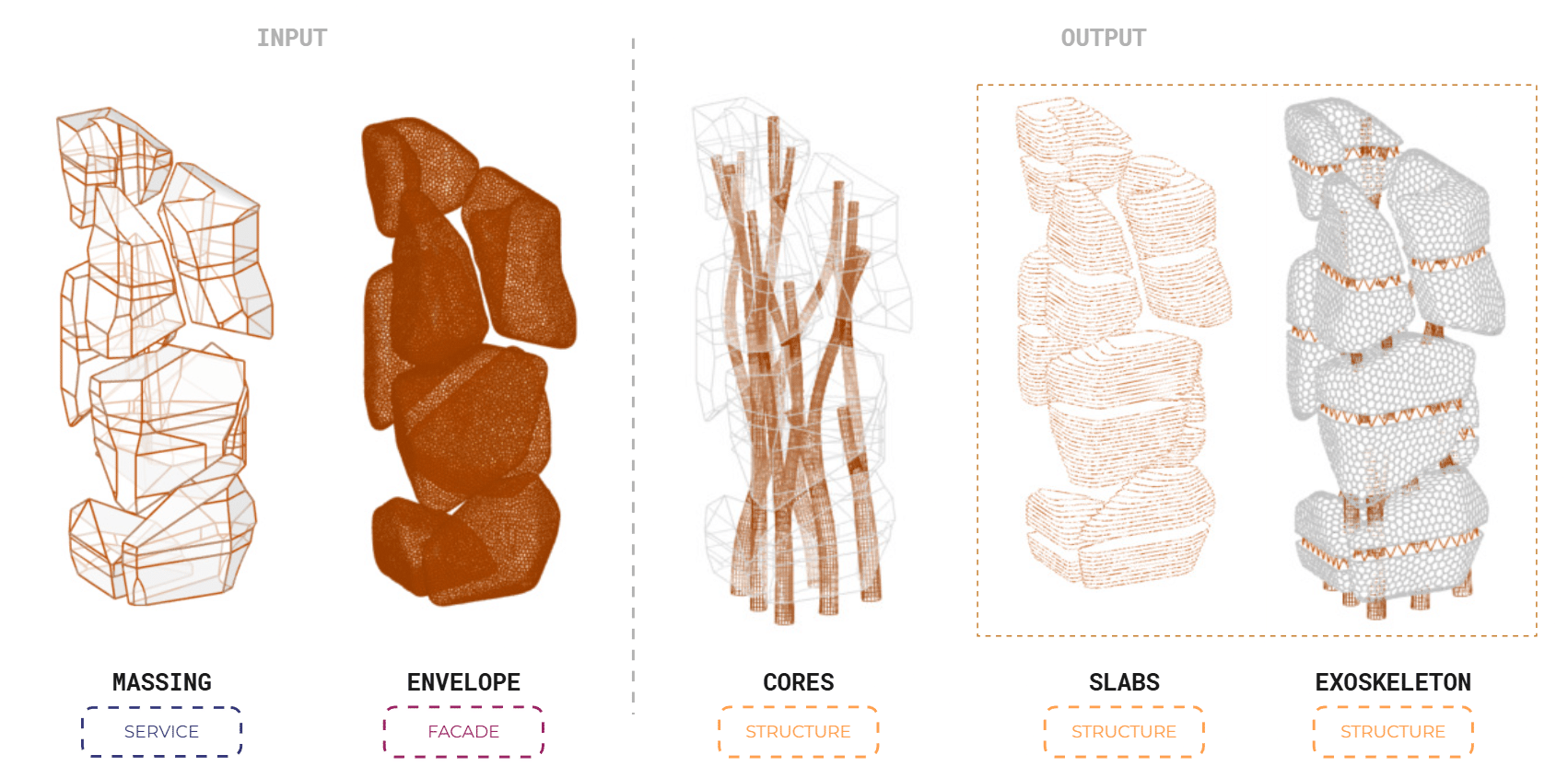
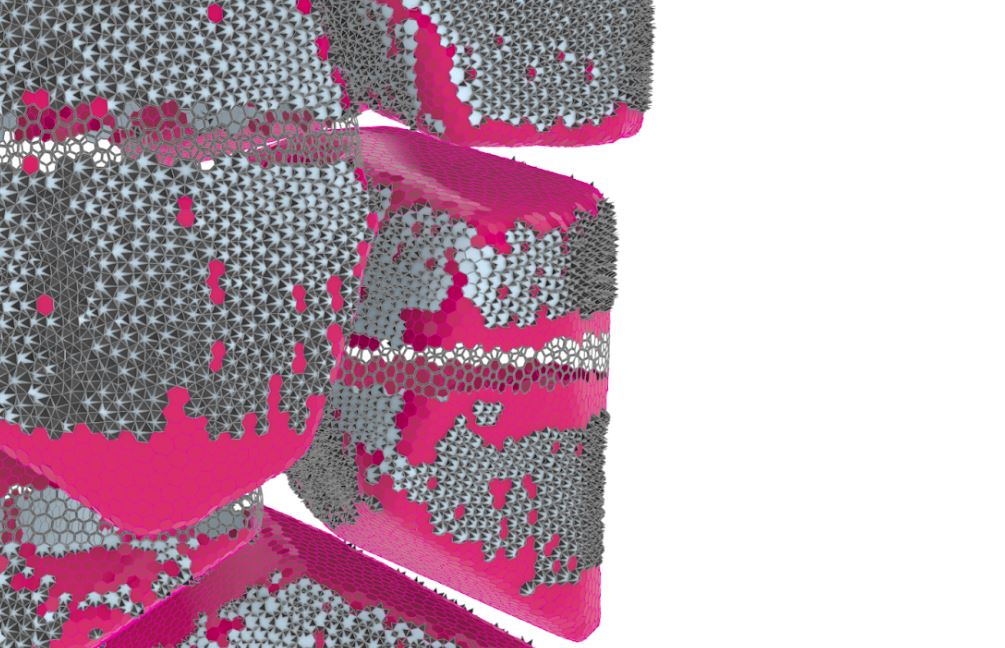
Leveraging Advanced BIM Strategies for Complex Architectural Realization Contextual Framework – Traditional BIM workflows often struggle to accommodate the complex, fluid geometries characteristic of avant-garde architectural designs, creating a gap between conceptual vision and buildable reality. Key Insight – Customized BIM workflows incorporating AI, computational design, and bespoke coding can enable the realization of complex … Read more

HYPER A | STRUCTURE

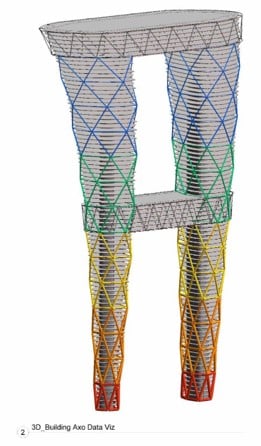
In the ever-evolving world of architecture, Hyper A is an exploration into the limits—and freedoms—of structural design. We, the Structure Team, consisting of Joaquin Broquedis and myself, Marco Durand, are excited to present the structural concept that supports not just a building, but a multi-neighborhood urban vision. This blog offers a deeper look into our … Read more

Hyper A – Facade Team

THE ESSENCE OF ENSO Ensō, the Zen circle, represents one of the most fundamental principles in Japanese aesthetics and philosophy. Traditionally drawn in a single, fluid brush stroke, it symbolizes: Complete Circle of Life)Main Unifying Theme: Like the Zen concept of ensō (the circle), the building embodies completeness through continuous cycles and perfect imperfection. Team … Read more

COLLABORATIVE WORKFLOW | HYPER A | STRUCTURE

This project was developed as part of the Collaborative Workflows course, which ran in parallel to our main Studio project. In the Studio, we worked in teams to design a Hyper Building—a complex, multi-neighborhood architectural system. As the Structural Team, our responsibility was to design and coordinate the structural system supporting the building. The Collaborative … Read more

Collaborative Workflows: Hyper A – Facade

Collaborative Workflows and Techniques for Façade Design . We explored both internal and external collaboration strategies with all design teams at HYPER A. Our team focused on three key areas: adaptive façades, energy efficiency, and smart architectural systems. To guide our design process, we established clear performance metrics, including Daylight Factor, Panelization strategies, and Energy … Read more