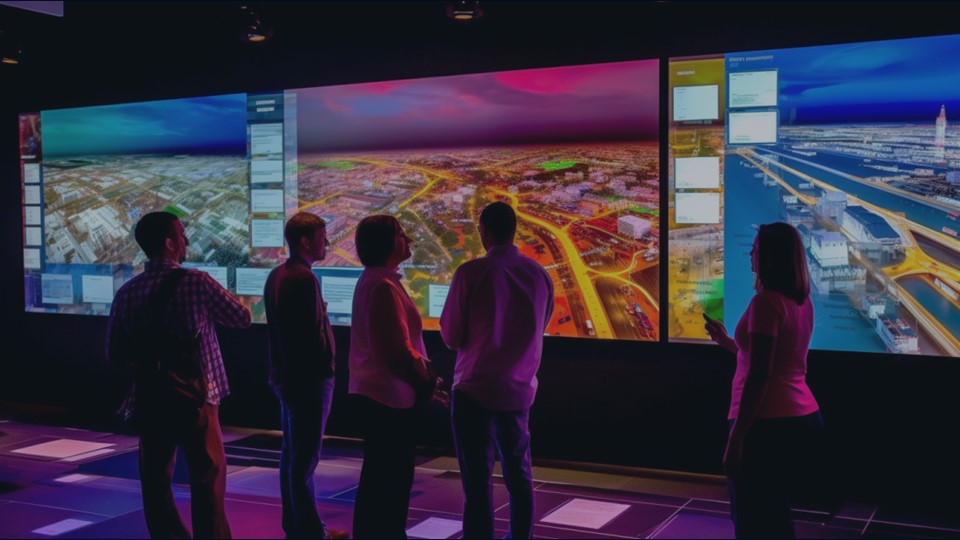
During the Master in City & Technology + Thesis Project, students have the unique opportunity to work for an additional time of 9 months on an Individual Thesis Project, focused on the development of one research or pilot project based on the student’s interest. IAAC supports the student in selecting their Thesis Project topic in order to better orient them according to their future career interests and opportunities. Each student is assigned one or more Thesis Advisors that follow the development of the work throughout the year.

Filters
Course

Beyond the Data Point: A Counter-Cartography of People on the Move through Mexico’s Vertical Border
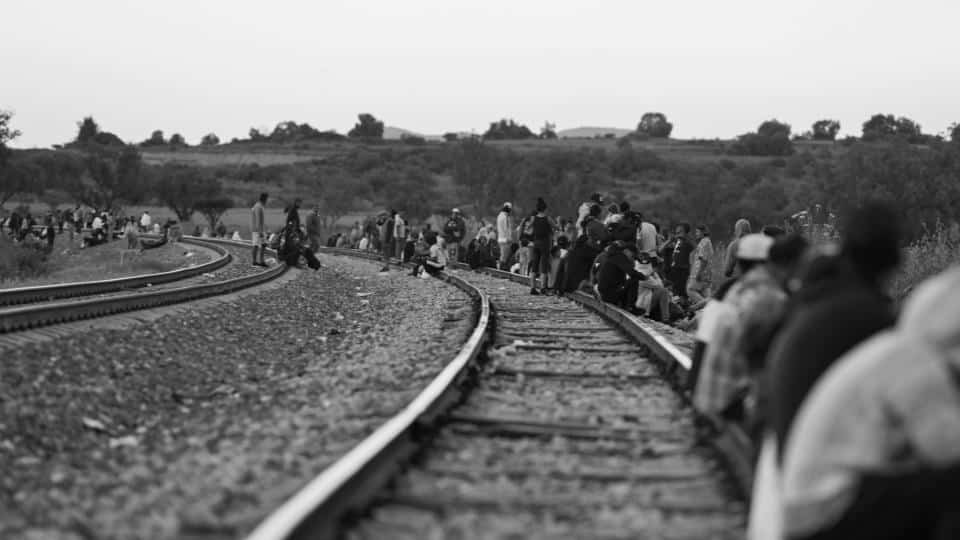
“Power is not something you possess, it is something you exercise”– Michel Foucault With this phrase by Michel Foucault, I would like to invite you, reader, to adopt a lens focused on power relations as you move through this blog post. The first power dynamic I would like to highlight is the asymmetrical relationship between … Read more
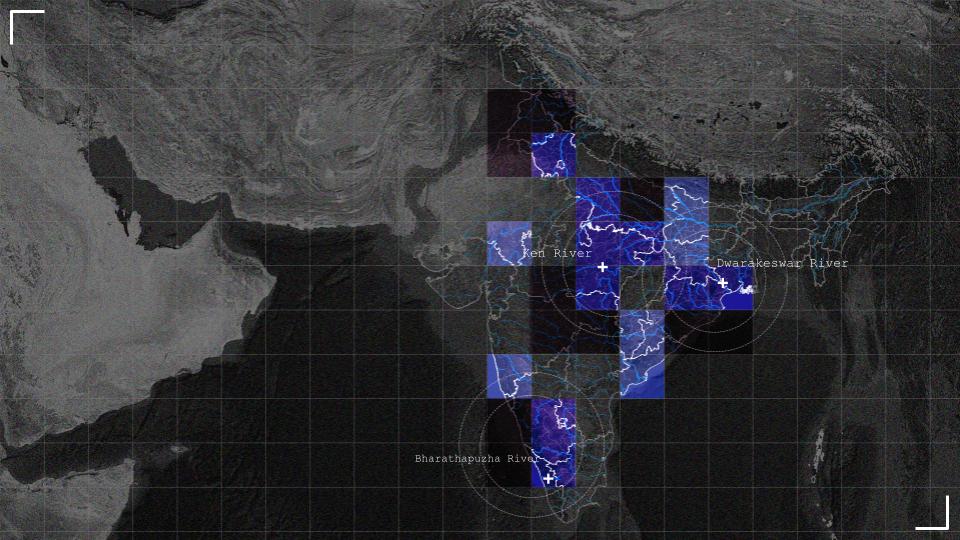

SAND MATTERS

– A satellite based platform for detecting sand mining across India Sand is the most extracted solid material on Earth, yet it remains one of the least regulated. In India, where rapid urbanisation drives relentless construction demand, river sand extraction has escalated into a crisis of ecological damage, governance failure, and organised crime. Riverbeds are … Read more

Spatial Data to Economic Intelligence

Using Street View and Remote Sensing methods to infer ground level socio-economic realities The Challenge: The Urban Data Blind Spot Urban economies are dynamic, fast-evolving systems—but the data used to understand them is often static, delayed, or incomplete. In many cities, a significant share of economic activity unfolds beyond the reach of traditional measurement frameworks, … Read more

Routing Accessibility

Background Public transportation plays a crucial role in urban planning globally. Extensive research indicates that bus transit has become a highly favored mass mobility system. This preference stems from its cost-effective infrastructure, flexible planning, and discrete architecture that supports incremental growth. Bus transit systems exhibit lower infrastructure costs compared to rail or subway networks, making … Read more

GenCity – An intervention enabler for Co-creating Urban Designs

Alejandro Aravena, renowned for his role in facilitating the recovery of a city struck by an earthquake and a tsunami, asserts that Participatory design transcends mere inclusivity and offers enhanced efficiency. Despite recognizing the significance of public participation in urban planning, we delve into the persisting factors that hinder its optimal efficiency. Conventional methods may … Read more