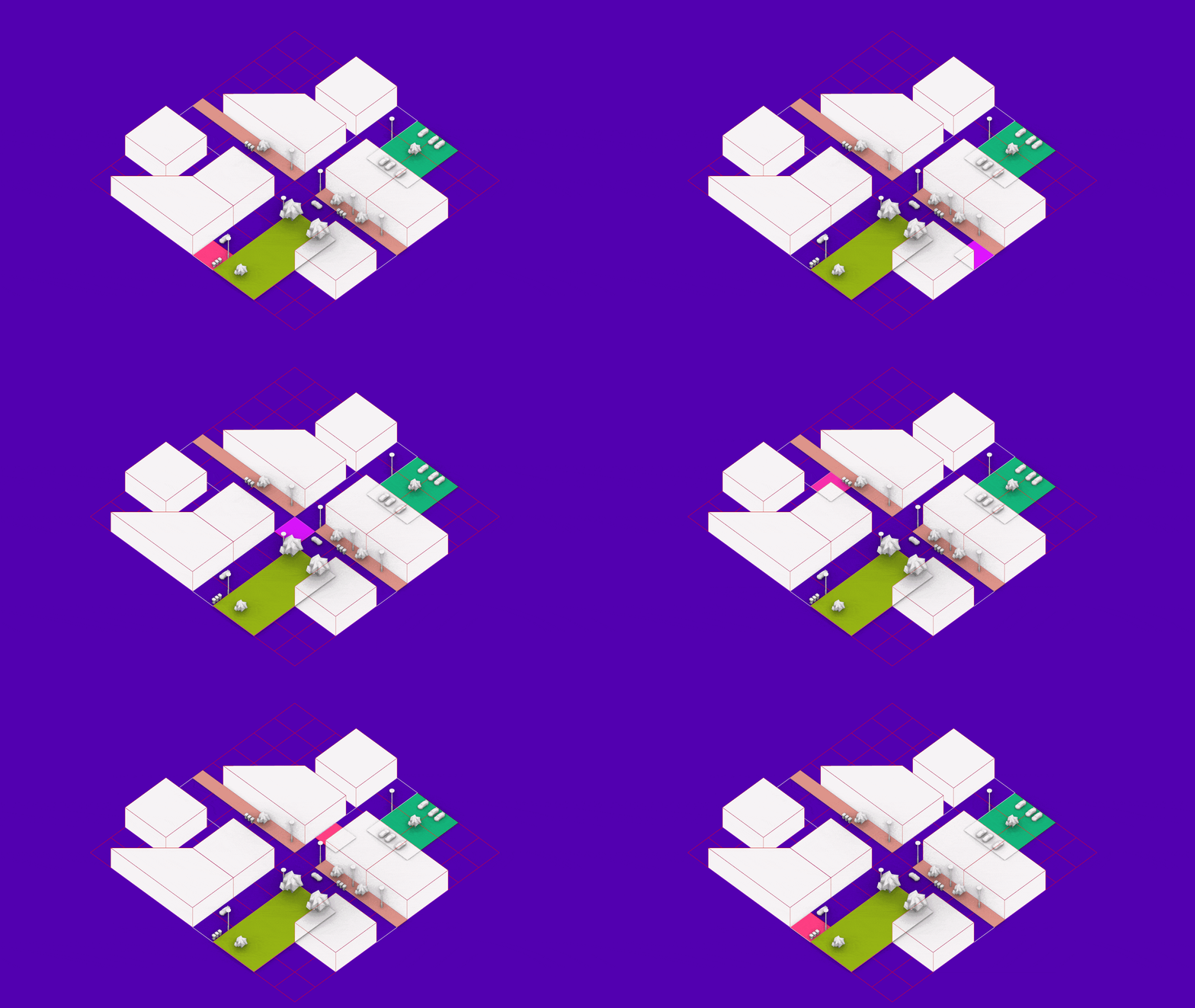
During the Master in City & Technology + Thesis Project, students have the unique opportunity to work for an additional time of 9 months on an Individual Thesis Project, focused on the development of one research or pilot project based on the student’s interest. IAAC supports the student in selecting their Thesis Project topic in order to better orient them according to their future career interests and opportunities. Each student is assigned one or more Thesis Advisors that follow the development of the work throughout the year.

Filters
Course

Climate Responsive Urbanism
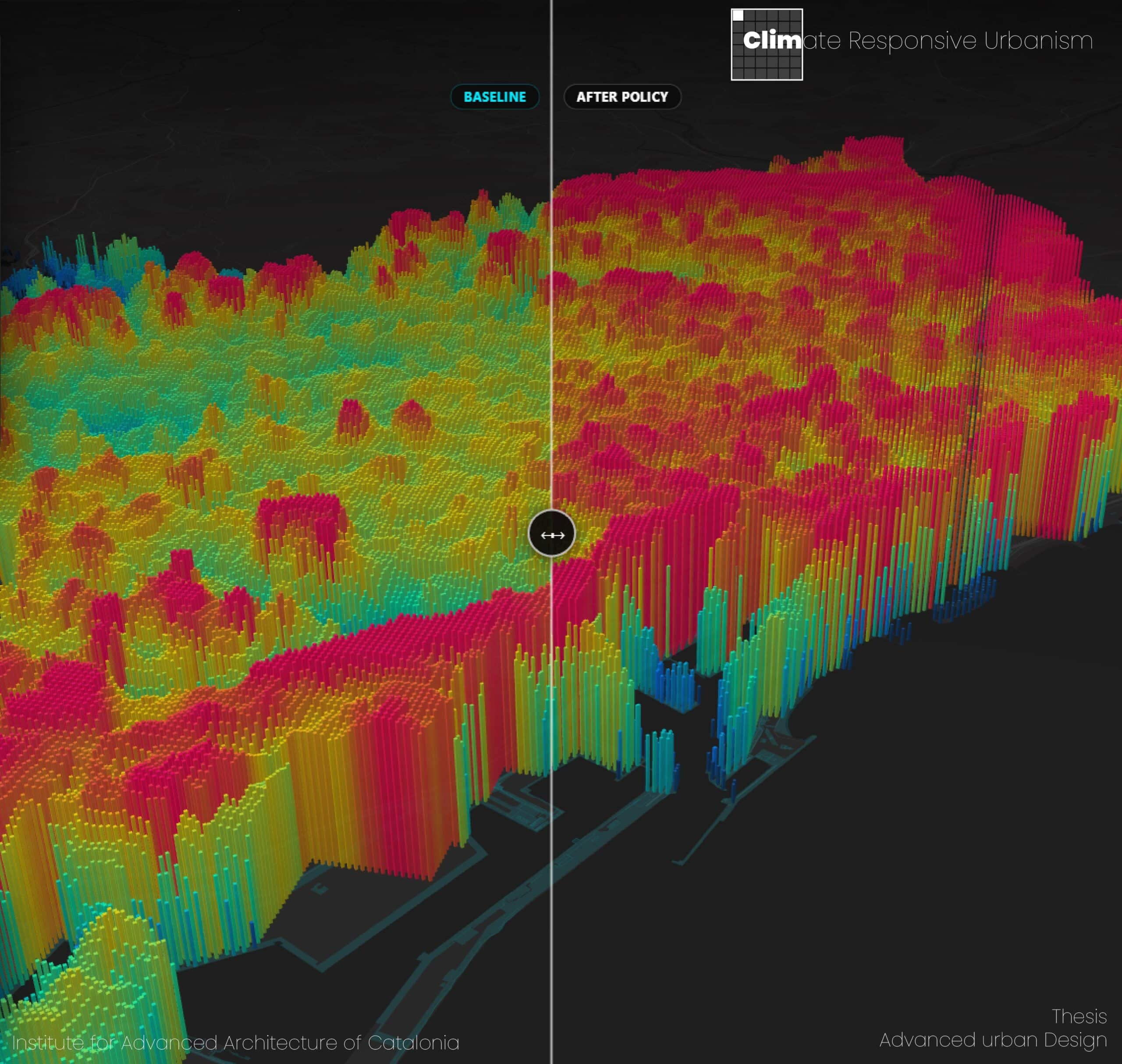
This thesis investigates how the semantic content of urban climate policy can be computationally coupled with high-resolution geospatial data to anticipate the climate consequences those policies set in motion. The work is situated in the metropolitan area of Barcelona, and the central proposition is that policy text far from being inert prescriptive language is itself … Read more
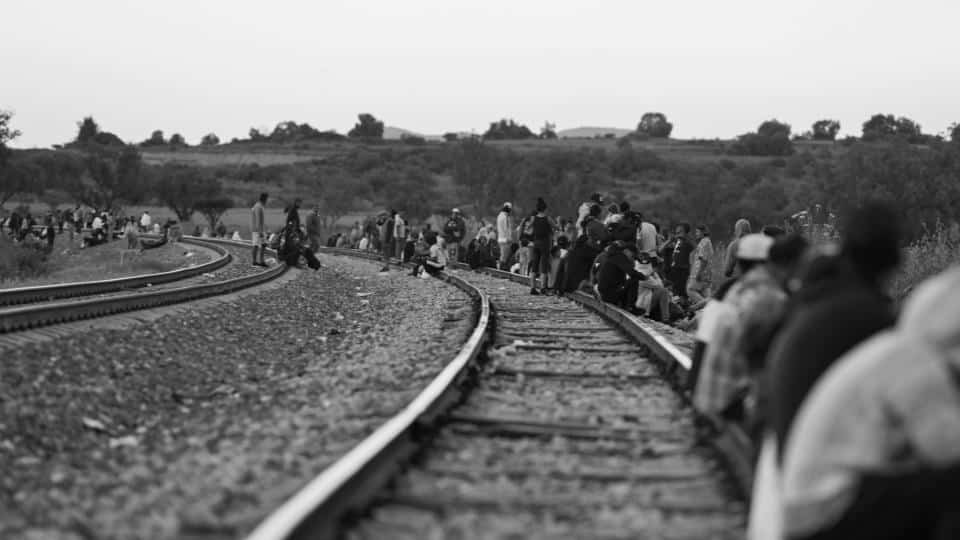
Beyond the Data Point: A Counter-Cartography of People on the Move through Mexico’s Vertical Border

“Power is not something you possess, it is something you exercise”– Michel Foucault With this phrase by Michel Foucault, I would like to invite you, reader, to adopt a lens focused on power relations as you move through this blog post. The first power dynamic I would like to highlight is the asymmetrical relationship between … Read more

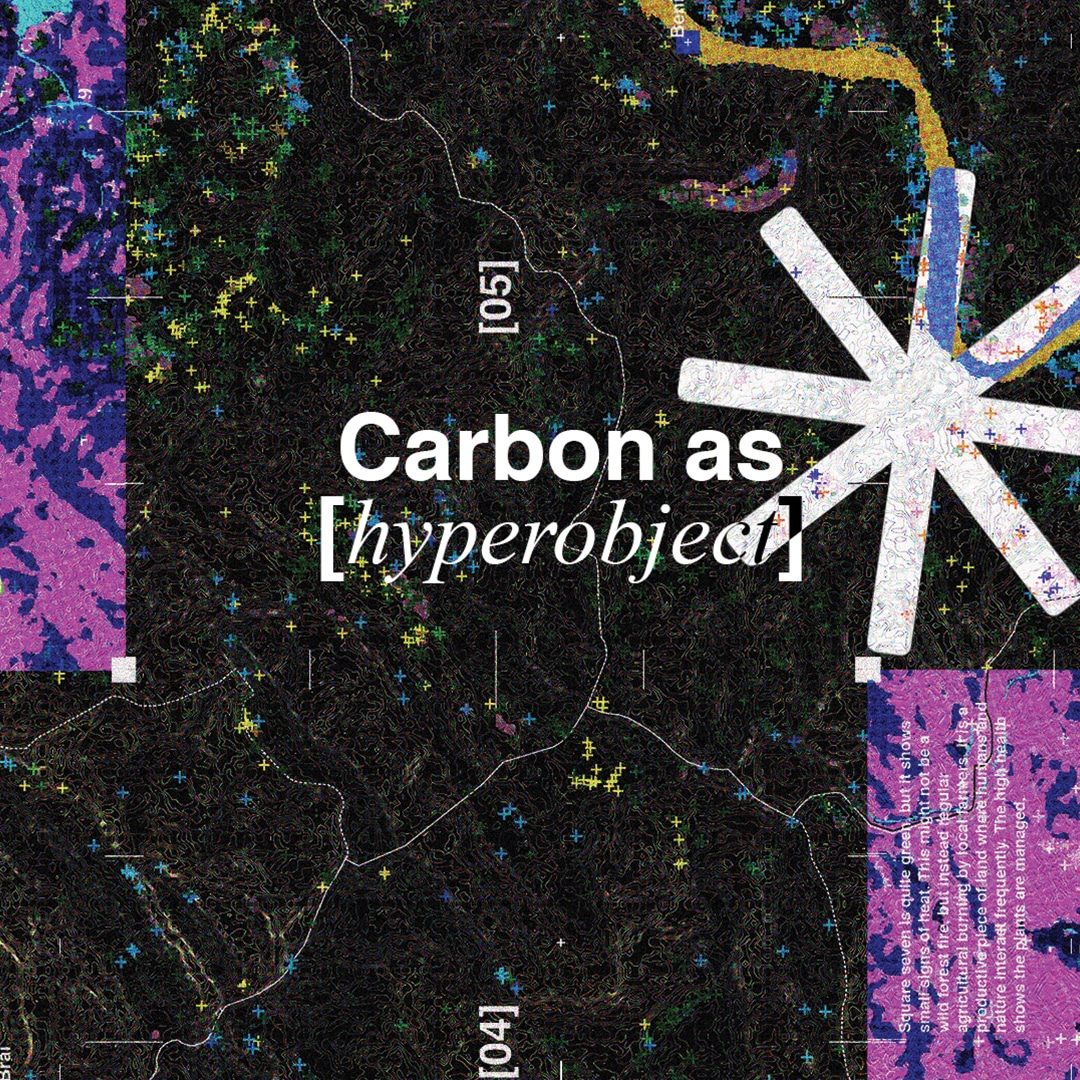
Carbon as [hyperobject]

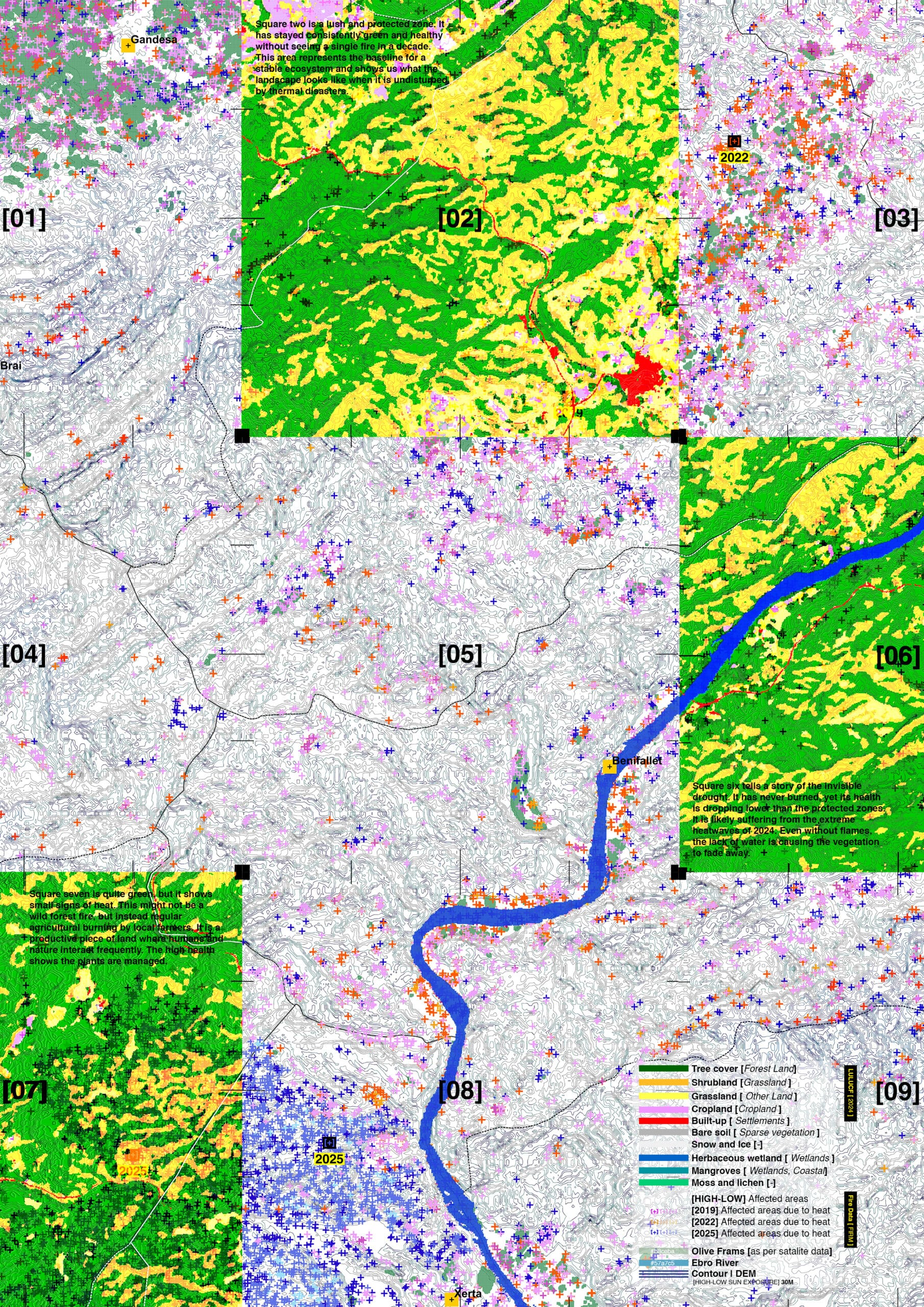
Vulnerability-adjusted carbon sequestration for more [actionable land]. Current climate mitigation treats carbon sequestration as a static stock: it counts the biomass a landscape holds and rewards storing more. Yet under fire and drought, the densest biomass is lost first, turning a carbon sink into a source. This thesis develops vulnerability-adjusted carbon sequestration. Working across a … Read more

SAND MATTERS

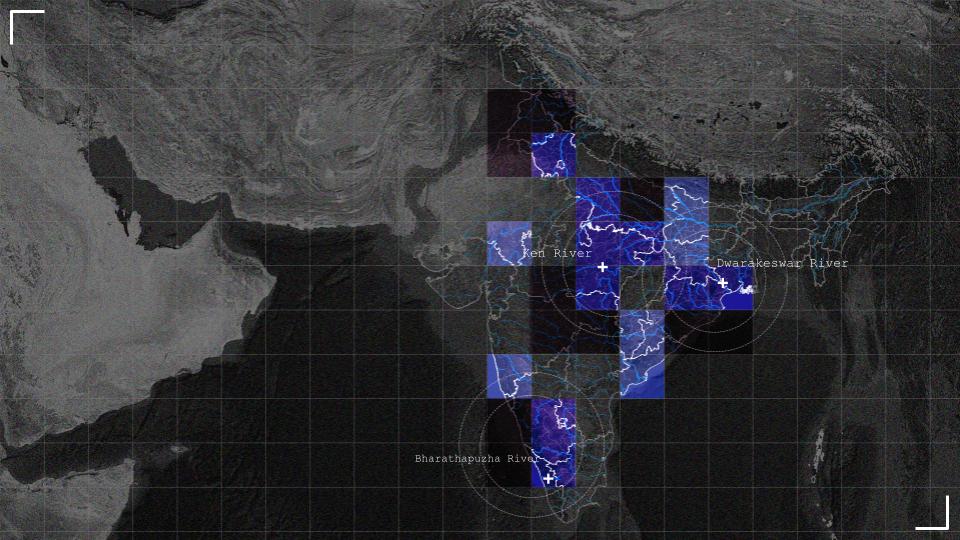
– A satellite based platform for detecting sand mining across India Sand is the most extracted solid material on Earth, yet it remains one of the least regulated. In India, where rapid urbanisation drives relentless construction demand, river sand extraction has escalated into a crisis of ecological damage, governance failure, and organised crime. Riverbeds are … Read more

Garage coders

This blog focuses on Agentic workflow created during the workshop in creating an “IFC Compliance” checking app through different tools like Claude code, Cursor, Github, Gradio, Python and Js. The objective of creating this app was simple and straight to the eye, Create an app that can read the models and replace the conventional method … Read more

Agent Based Model: A Way to Visualize Alternative Multispecies Futures, Support Decision-making and Empower Collective Action

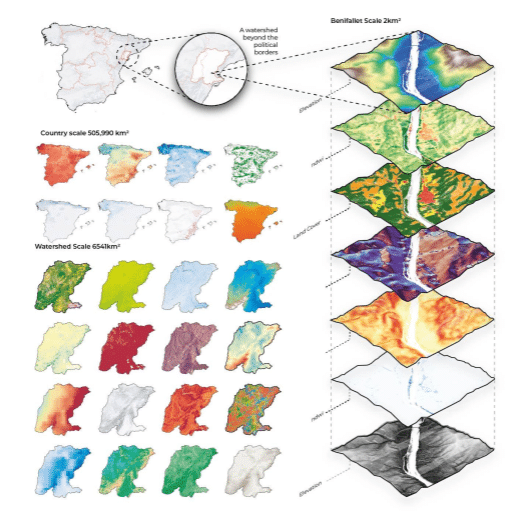
This proposal envisions an agent-based ecological simulation where human and non-human actors, farmers, water, soil, plants, fungi, and climate, interact within a shared bioregion defined by watersheds rather than political borders. Agricultural technicians serve as mediators between data and local knowledge. Agents are not merely data points but active participants in a living network, continuously … Read more

Renewable, but at Whose Cost?

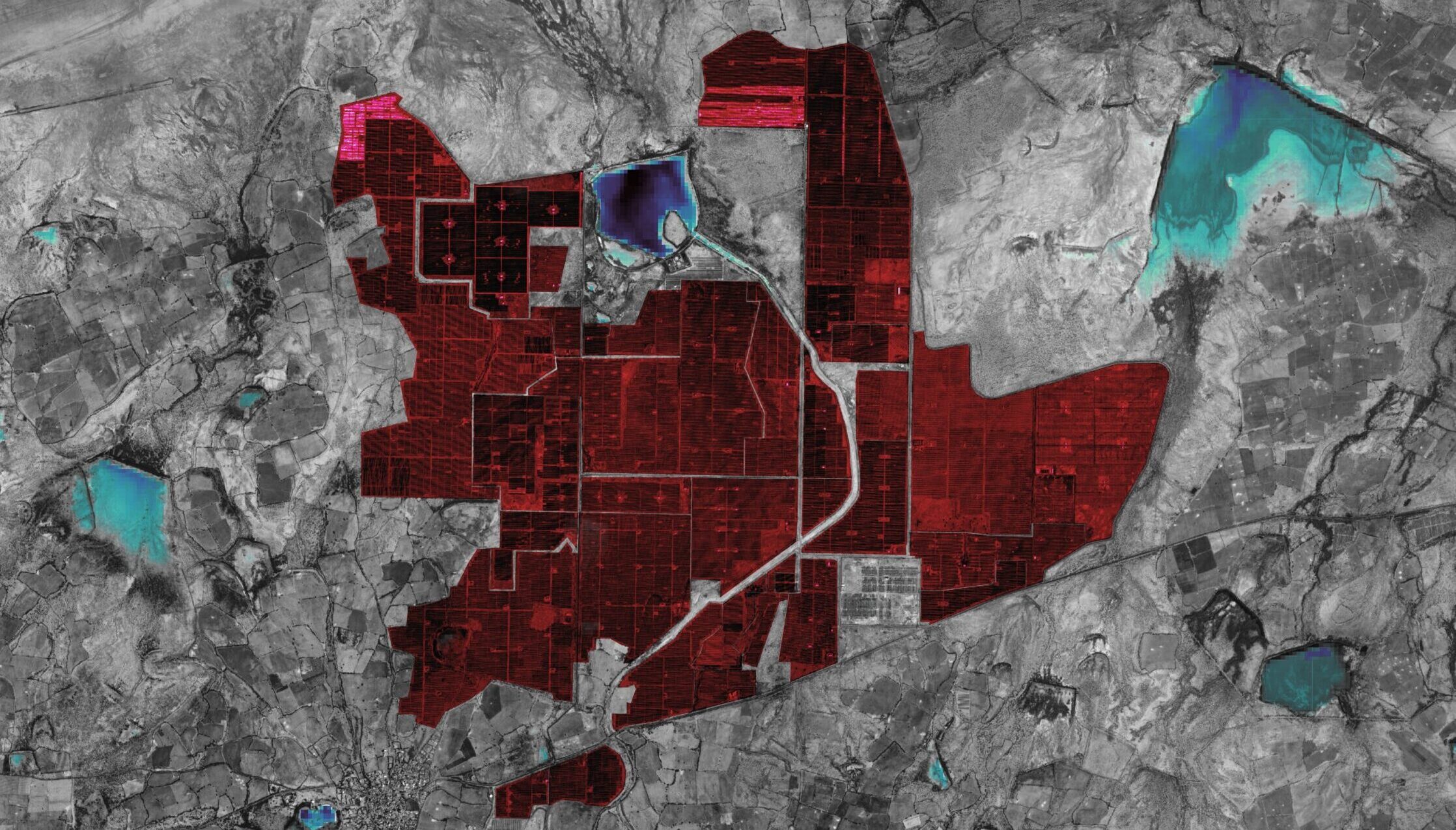
India’s solar ambition is written into its landscape. Since the launch of the Jawaharlal Nehru National Solar Mission in 2010, the country has pursued one of the most aggressive renewable energy expansions in history —targeting 500GW of solar capacity by 2030. But the geography of that expansion follows a troubling logic. The regions chosen for … Read more

Back to Trash

Starting from unpacking a machine, exploring the machines functionality, critically reporting and creating a machine paradox. In our first week, we were introduced to a bunch of scrap in our backyard. We choose to unpack a vacuum cleaner which was not fully functional. ╭────────────────────────────────────────────╮│ FORENSIC REPORT: UNPACKING TECHNOLOGY │╰────────────────────────────────────────────╯ Reporting Agency: MACT, MAA, MDEFCase Identifier: … Read more

[Un]becoming Local

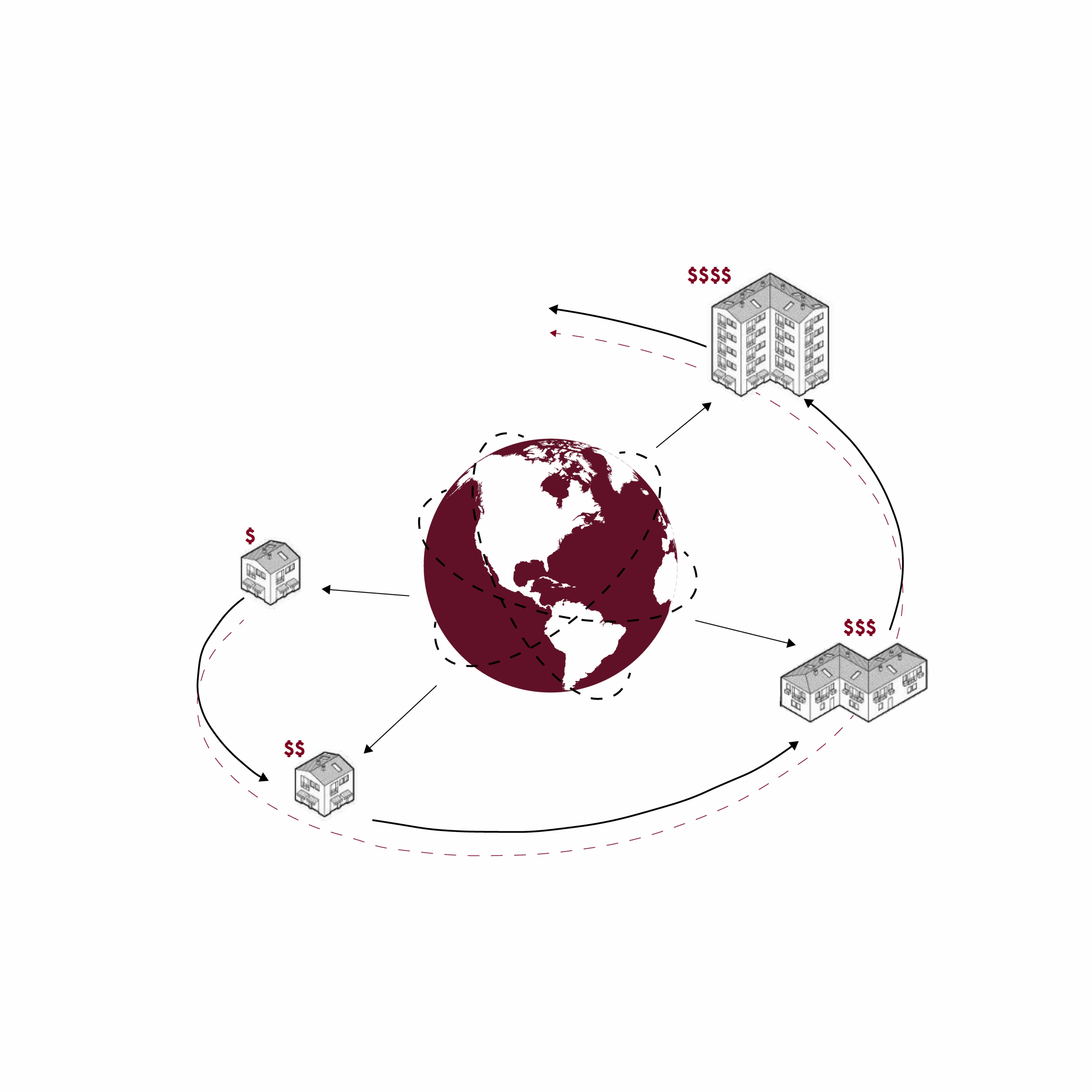
Abstract: Framing the Question This research begins with a simple but unresolved question: how can modular housing design become local. In the twenty-first century, architects face a housing crisis shaped by financialisation, scarcity, and displacement. Modularity is often presented as a global solution that promises efficiency and scalability. Yet when implemented, these systems rarely connect … Read more

Spatial Data to Economic Intelligence

Using Street View and Remote Sensing methods to infer ground level socio-economic realities The Challenge: The Urban Data Blind Spot Urban economies are dynamic, fast-evolving systems—but the data used to understand them is often static, delayed, or incomplete. In many cities, a significant share of economic activity unfolds beyond the reach of traditional measurement frameworks, … Read more

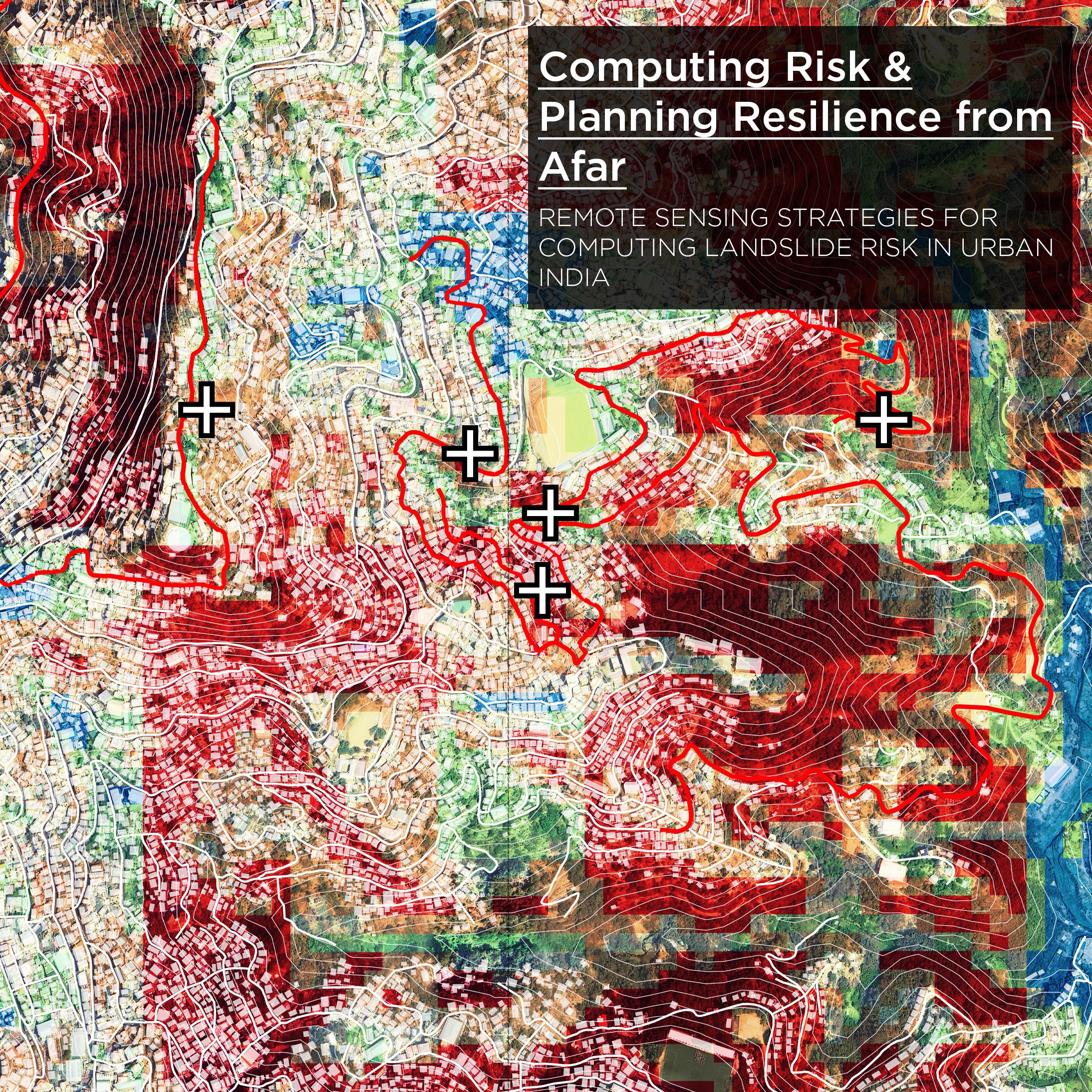
Computing Risk and Planning Resilience from Afar

Computing Risk & Planning Resilience from Afar is a remote-sensing–driven investigative study to read, identify and address underlying vulnerabilities associated with landslide risk in urban India. The project aims to develop replicable analysis workflows for compounded risk calculation—making visible what often remains hidden enabling actionable insights in places where institutional data is frequently outdated or … Read more

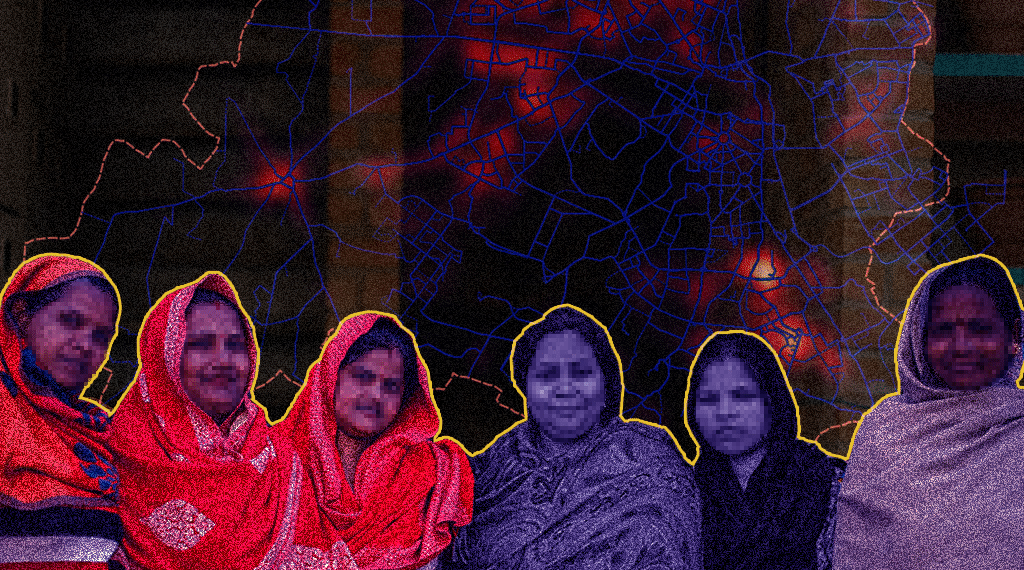
ToGetHer Safe

Mapping women+ safety through visibility Introduction Delhi, like many global cities, presents a paradox for women+ navigating its public spaces: a landscape where visibility can feel both protective and precarious. According to the National Crime Records Bureau (2022), over 14,000 crimes against women were reported in Delhi alone. Yet statistics only scratch the surface of … Read more

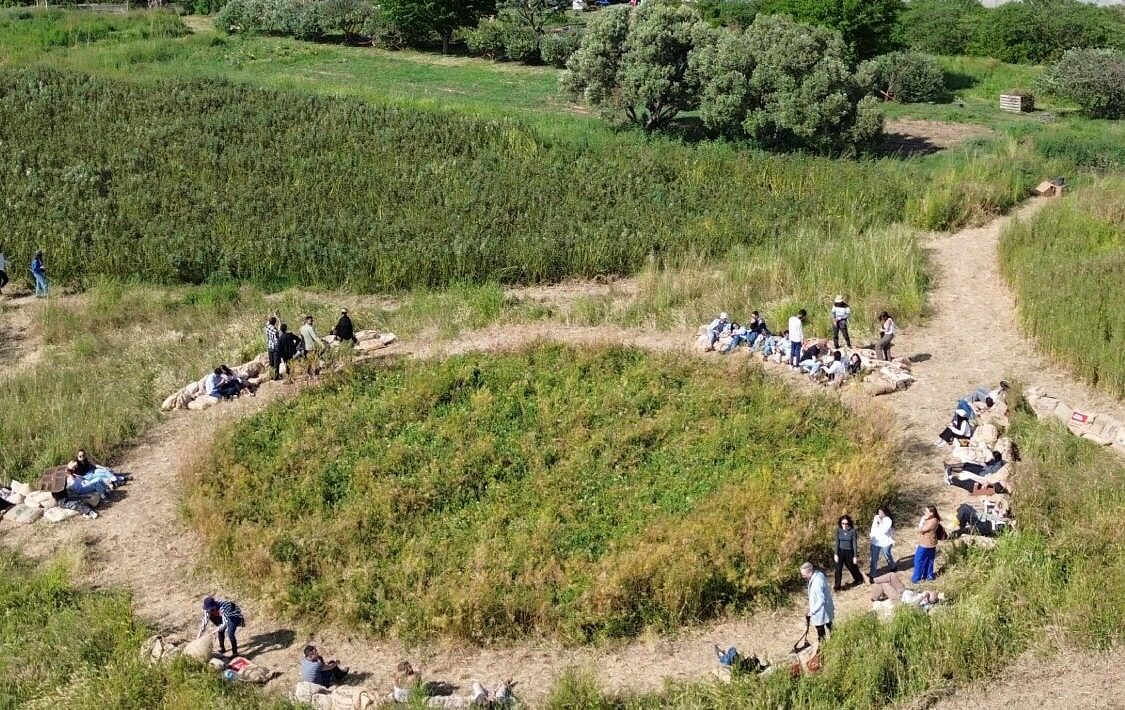
ReCITYing

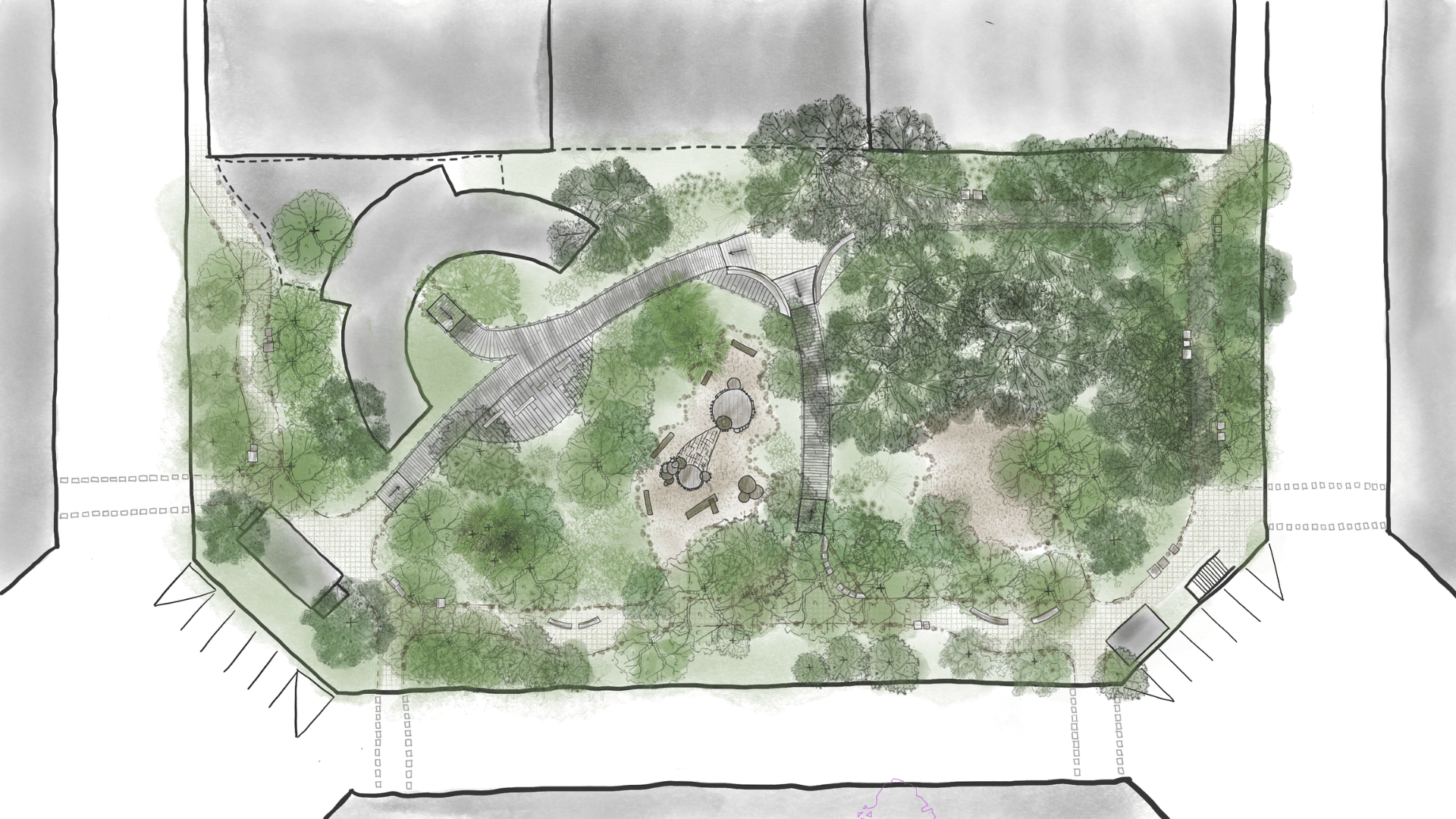
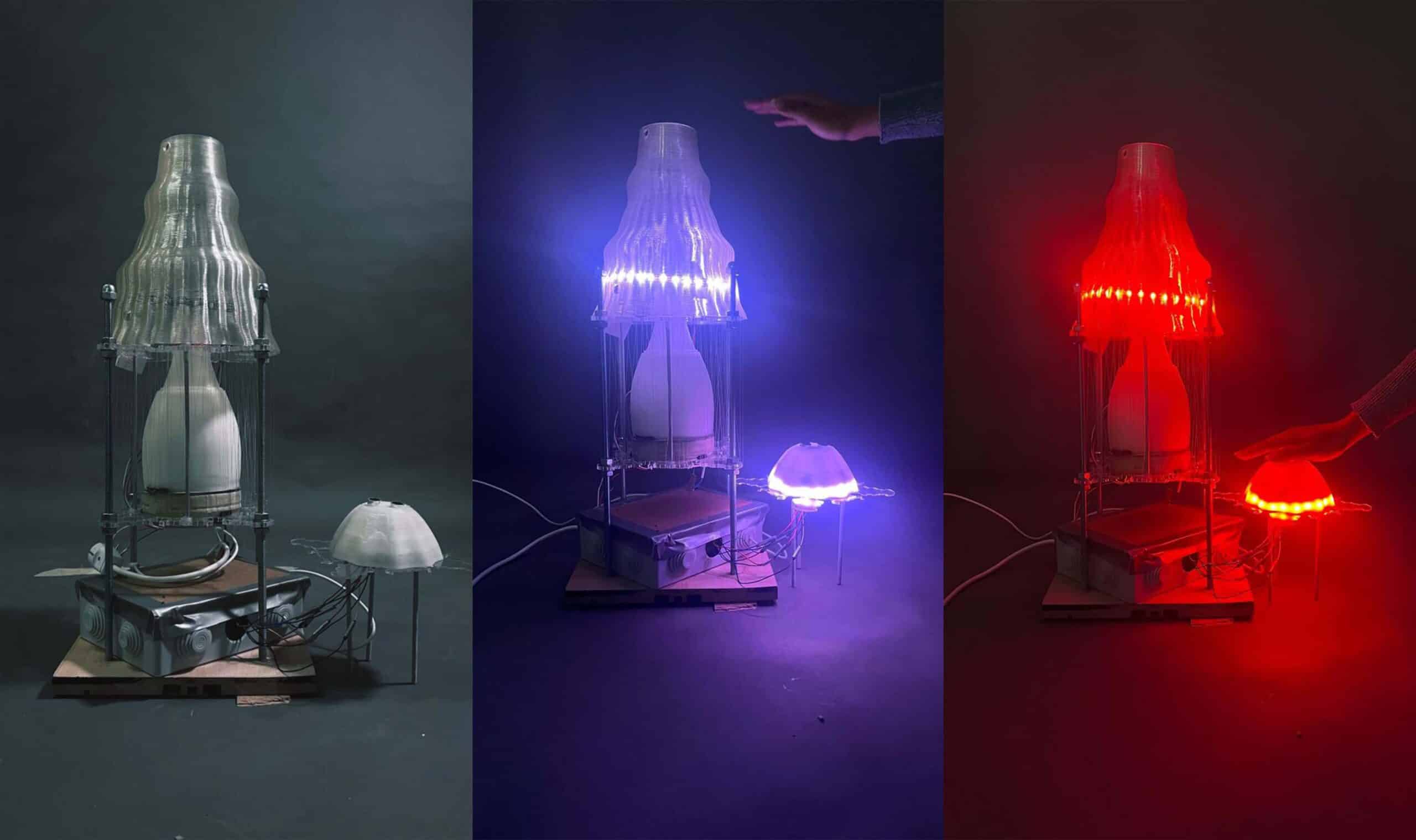
The installation On the 5th, 6th and 7th of May of 2025, the Parc Agrari del Baix Llobregat hosted a land-art installation where agricultural by-products, recycled materials and the land itself transformed into paths and places to stay. The products Seven types of products [POTS, LAMPS, PAI-PAIS, KITES, CONTAINERS, SEATS & SHADING] where developed with … Read more