IAAC’s Master in City & Technology (1 or 2-year program) is a unique program oriented towards redefining the analysis, planning, and design of twenty-first-century cities and beyond. The program offers expertise in the design of digitally enhanced, ecological and human-centered urban environments by intersecting the disciplines of urbanism and data science. Taking place in Barcelona, the capital of urbanism, the Master in City & Technology is training the professionals that city administrations, governments, industries, and communities need, to transform the urban environment in the era of big data.


Filters
Course

Beyond the Data Point: A Counter-Cartography of People on the Move through Mexico’s Vertical Border
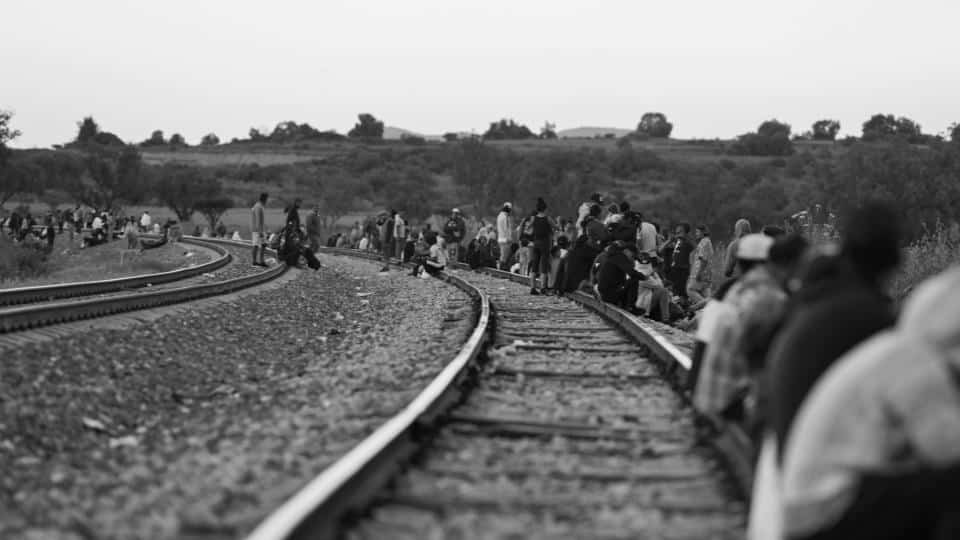
“Power is not something you possess, it is something you exercise”– Michel Foucault With this phrase by Michel Foucault, I would like to invite you, reader, to adopt a lens focused on power relations as you move through this blog post. The first power dynamic I would like to highlight is the asymmetrical relationship between … Read more
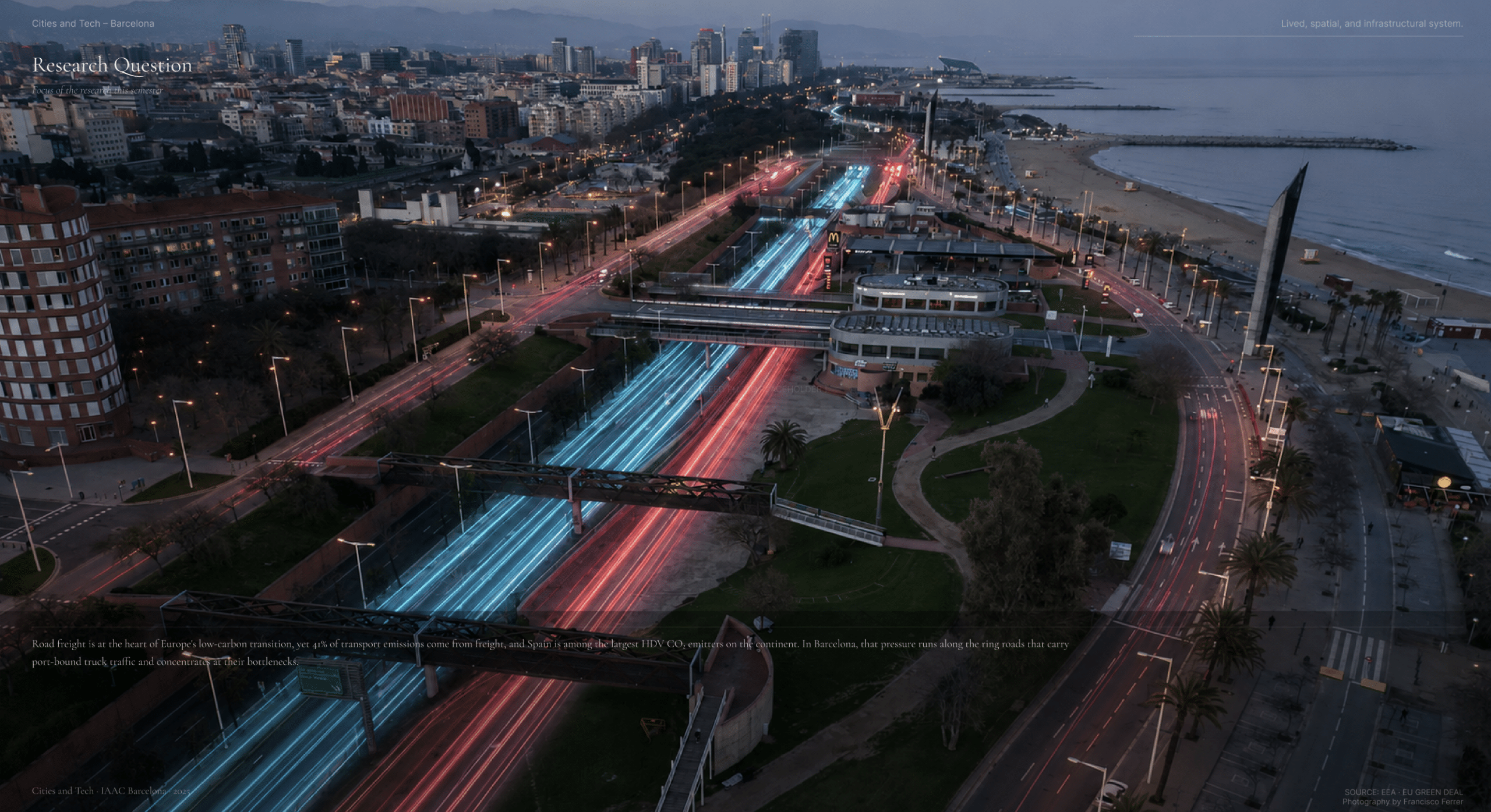
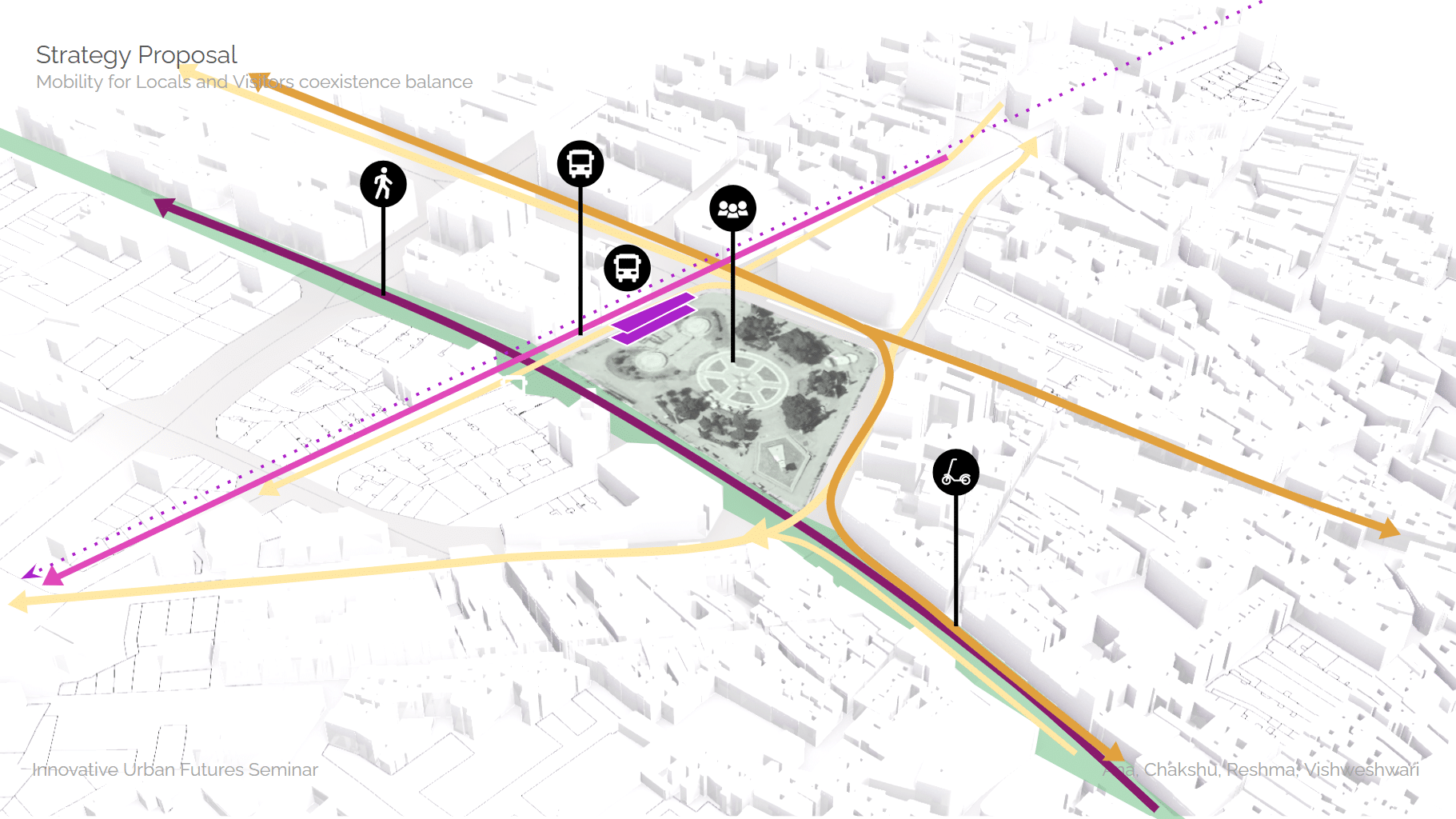
Urban Grid Transition: Mobility Strategies for Tourists and Locals’ Coexistence

Mobility when Tourism outgrows the City Barcelona is the 10th most visited city in the world. In 2024, it received approximately 15.6 million tourists – nearly nine times its resident population of 1.7 million. The issue is not tourism itself. Barcelona’s economy depends on it, and the city’s cultural richness is inseparable from its global … Read more

Blue Edge

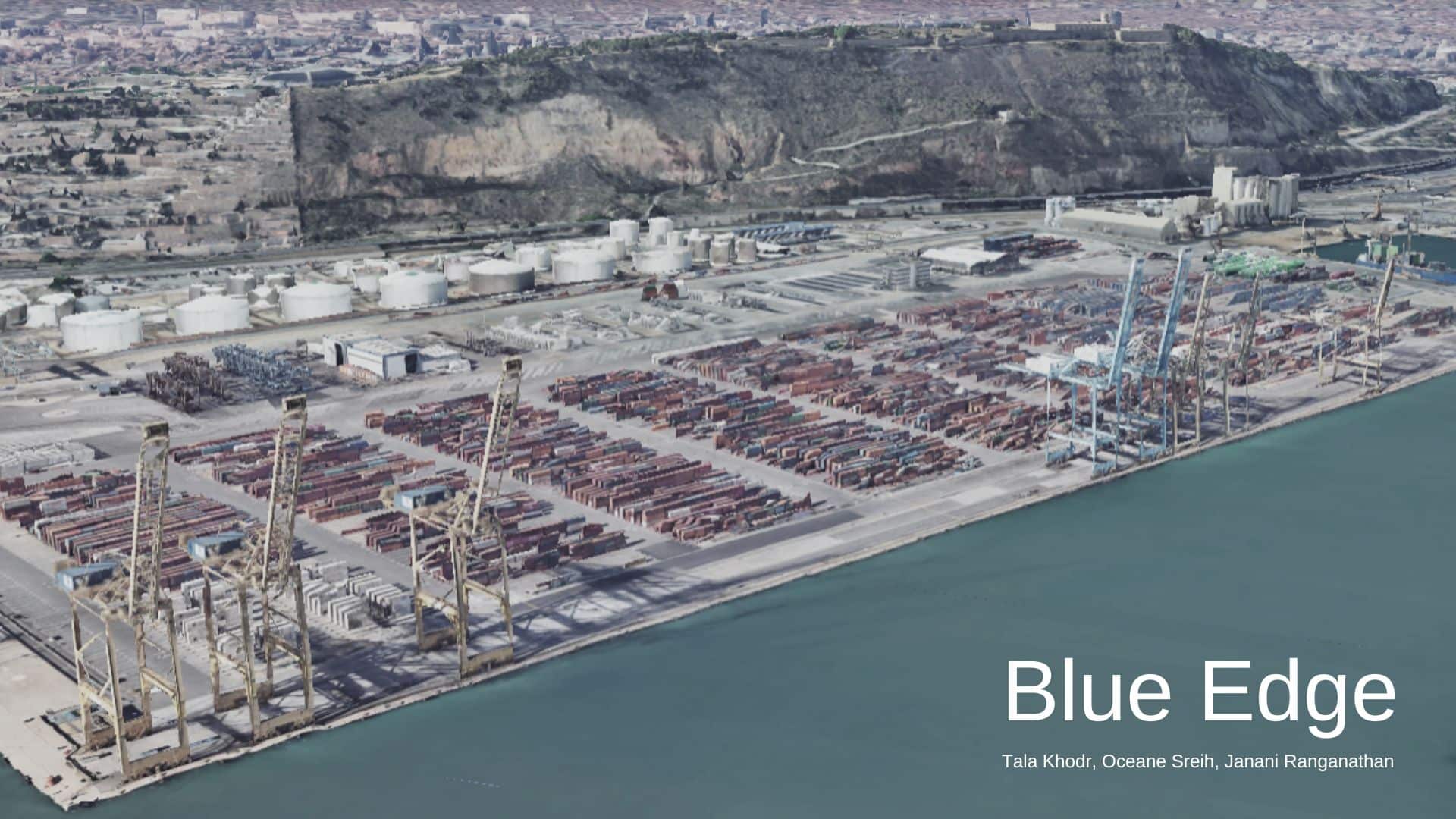
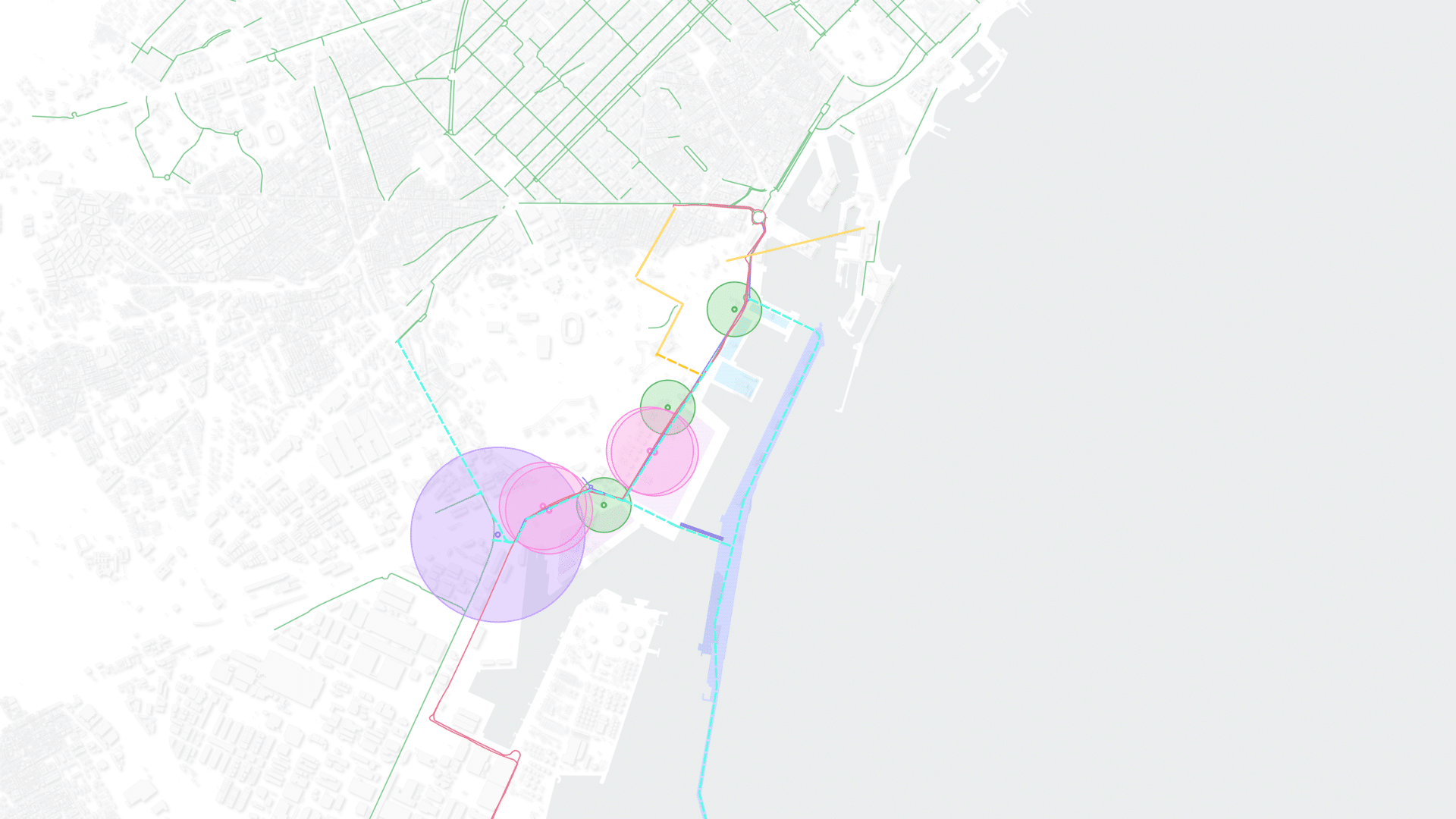
-A public seafront reclaimed from the port, built on what already exists. Blue Edge proposes transforming a former container terminal in the Port of Barcelona into the city’s first publicly accessible southern waterfront with the focus on the transport system that connects this site with the rest of the city The site sits directly south … Read more

Ciutat Nova Franca

Barcelona is a city that faces many physical limitations to it’s expansion as a metropolis-the mountains contain development within them and the sea borders its other side. For the past 15 years, it has been struggling with an immense wave of tourism that has displaced locals from affordable housing in popular areas and historic neighborhoods … Read more

EVERYDAY MOBILITY NETWORKS

Children’s journey to school, in Bosa Apogeo, Colombia INTRO Bogotá’s growth over the last two decades has been dramatic. The metropolitan area now holds close to 11.8 million inhabitants — a 51% increase in just 15 years. That growth has not been evenly distributed across the city. The city currently ranks 7th in the world … Read more

Bee Careful


A Bee Survival Game Context – Bee-Careful starts in Lisbon, Portugal. Where social (vulnerable young community), environmental (ecological unbalance and fragmentation), and mobility (elderly retired community) problematics are adressed through one common medium; greenery. Greenery forms the binder in which the previous elderly community of Lisbon convverges with a new and young community across a … Read more

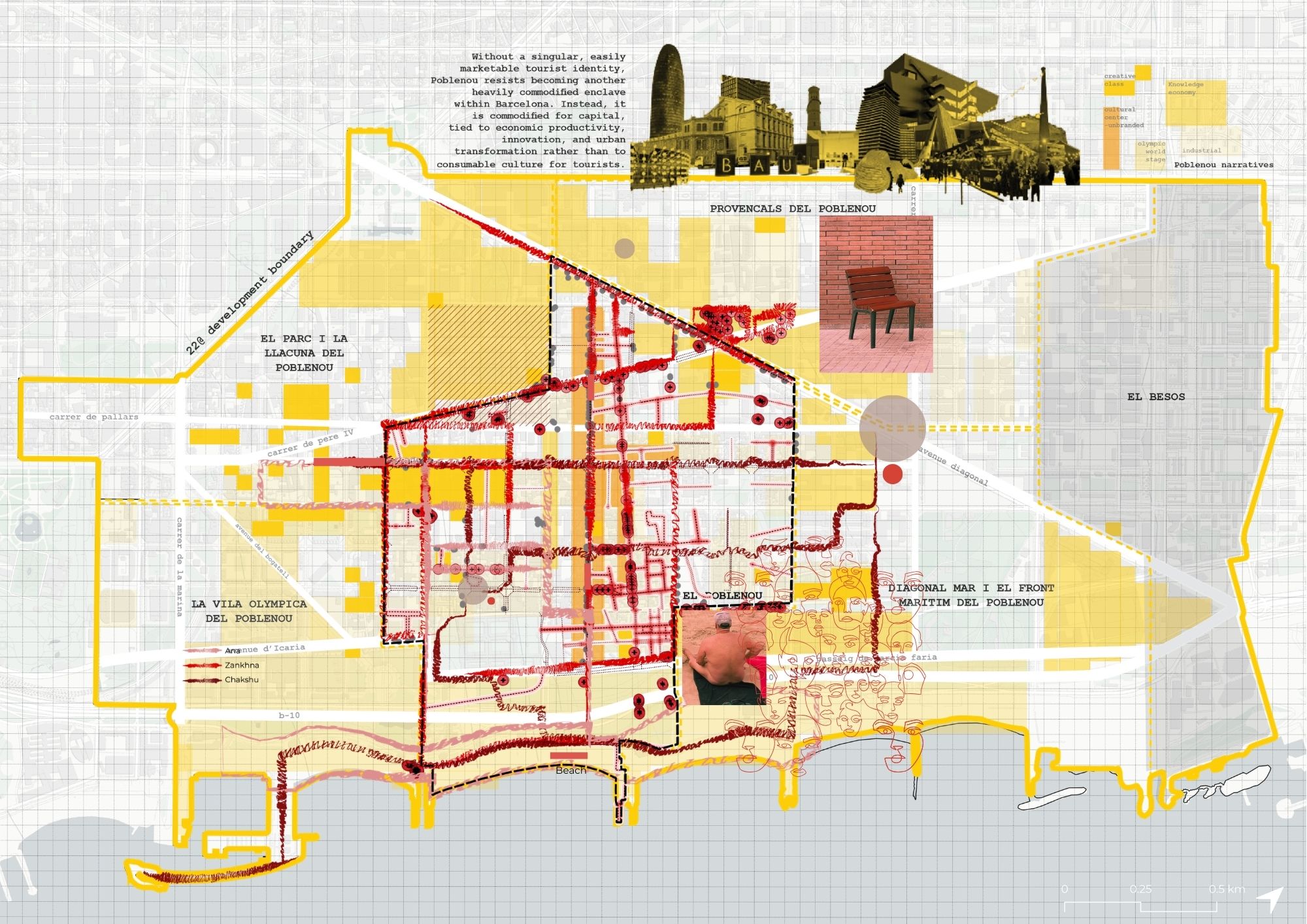
How does Power operate spatially in Poblenou?

This project explores how power operates spatially through counter-cartography and autoethnography in Poblenou, Barcelona. Combining observation, mapping, and self-tracking, the research examines how infrastructure, urban objects, rules, and rhythms shape behavior, movement, and perception. Benches, pedestrian streets, and smoking practices reveal how freedom, restriction, and permission are unevenly distributed. Findings show that movement is widely … Read more