The Master in City & Technology’s academic structure is based on IAAC’s innovative, learn-by-doing and design-through-research methodology which focuses on the development of interdisciplinary skills. During the Master in City & Technology students will have the opportunity to be part of a highly international group, including faculty members, researchers, and lecturers, in which they are encouraged to develop collective decision-making processes and materialize their project ideas.

Filters
Course

Urban Grid Transition: Mobility Strategies for Tourists and Locals’ Coexistence
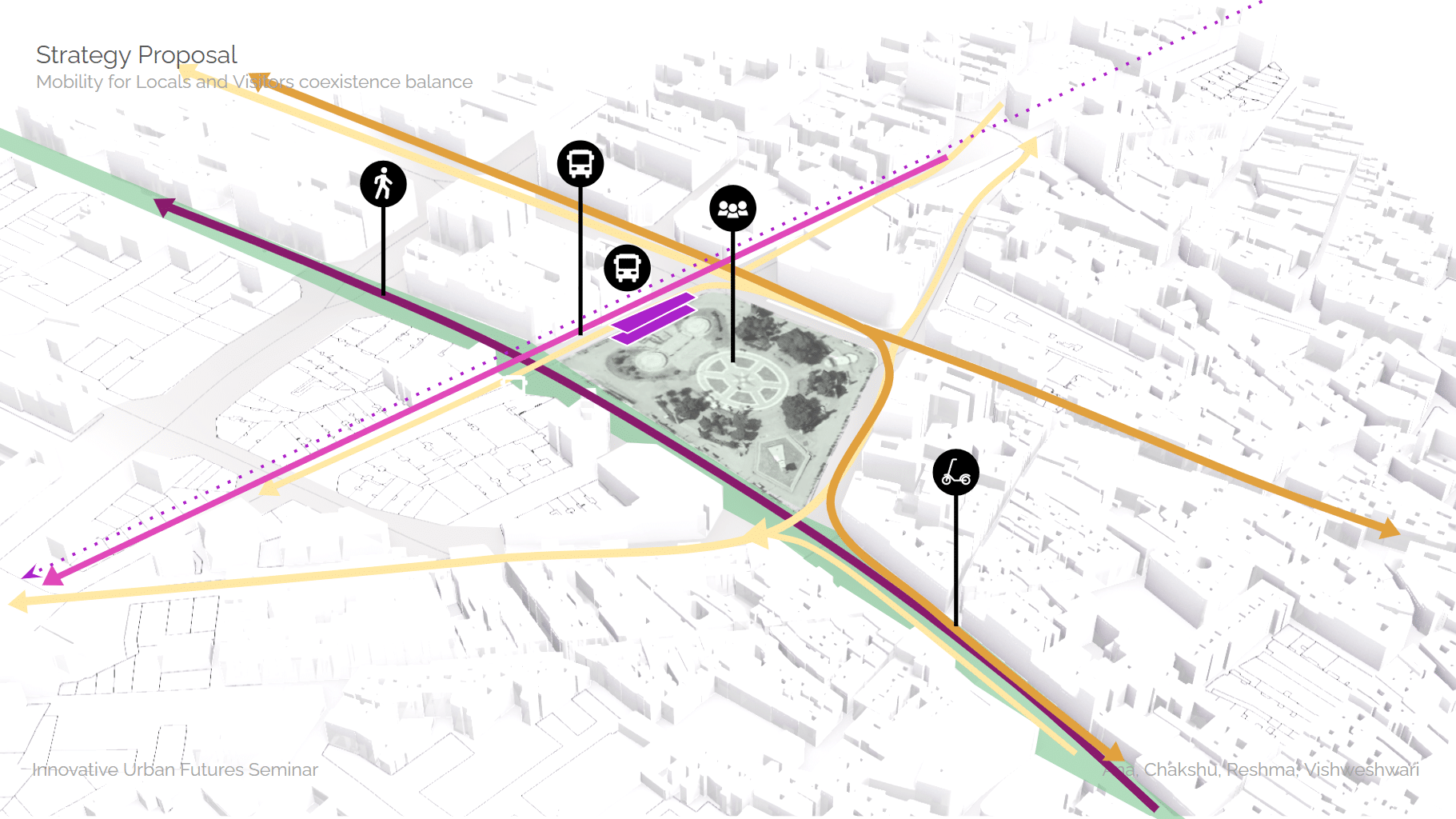
Mobility when Tourism outgrows the City Barcelona is the 10th most visited city in the world. In 2024, it received approximately 15.6 million tourists – nearly nine times its resident population of 1.7 million. The issue is not tourism itself. Barcelona’s economy depends on it, and the city’s cultural richness is inseparable from its global … Read more
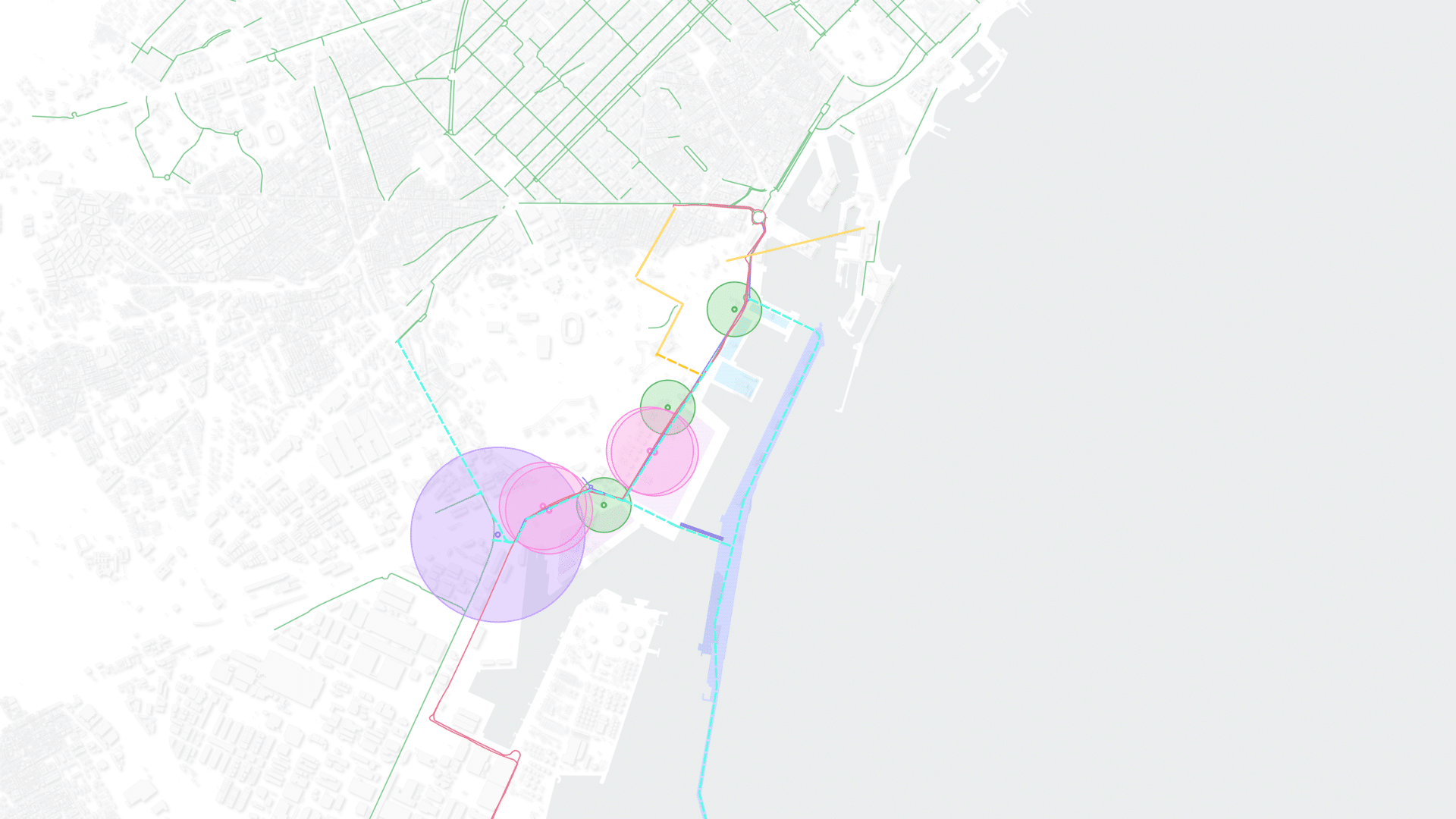
Blue Edge

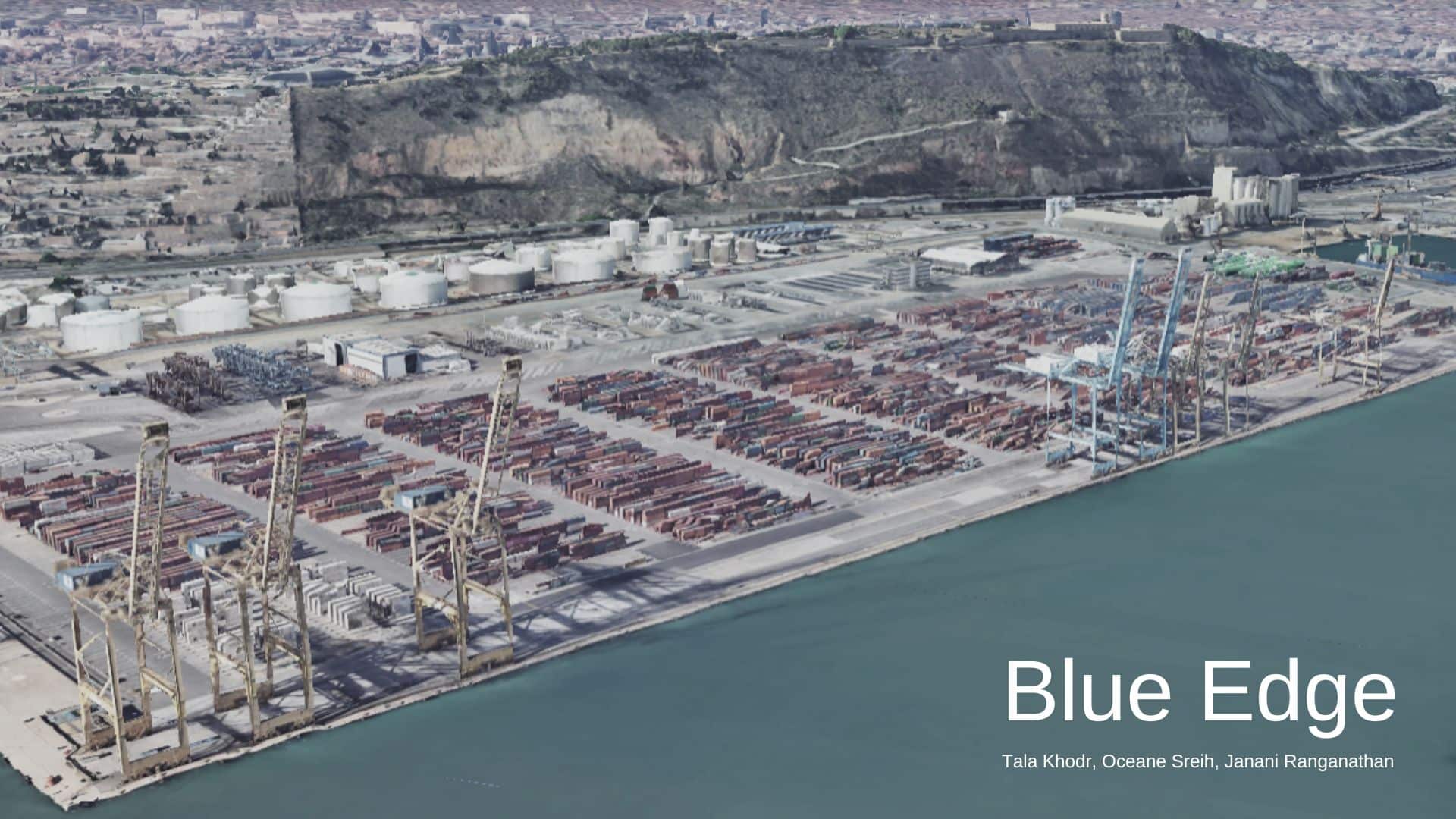
-A public seafront reclaimed from the port, built on what already exists. Blue Edge proposes transforming a former container terminal in the Port of Barcelona into the city’s first publicly accessible southern waterfront with the focus on the transport system that connects this site with the rest of the city The site sits directly south … Read more

Ciutat Nova Franca

Barcelona is a city that faces many physical limitations to it’s expansion as a metropolis-the mountains contain development within them and the sea borders its other side. For the past 15 years, it has been struggling with an immense wave of tourism that has displaced locals from affordable housing in popular areas and historic neighborhoods … Read more

Barcelona’s Nexus?

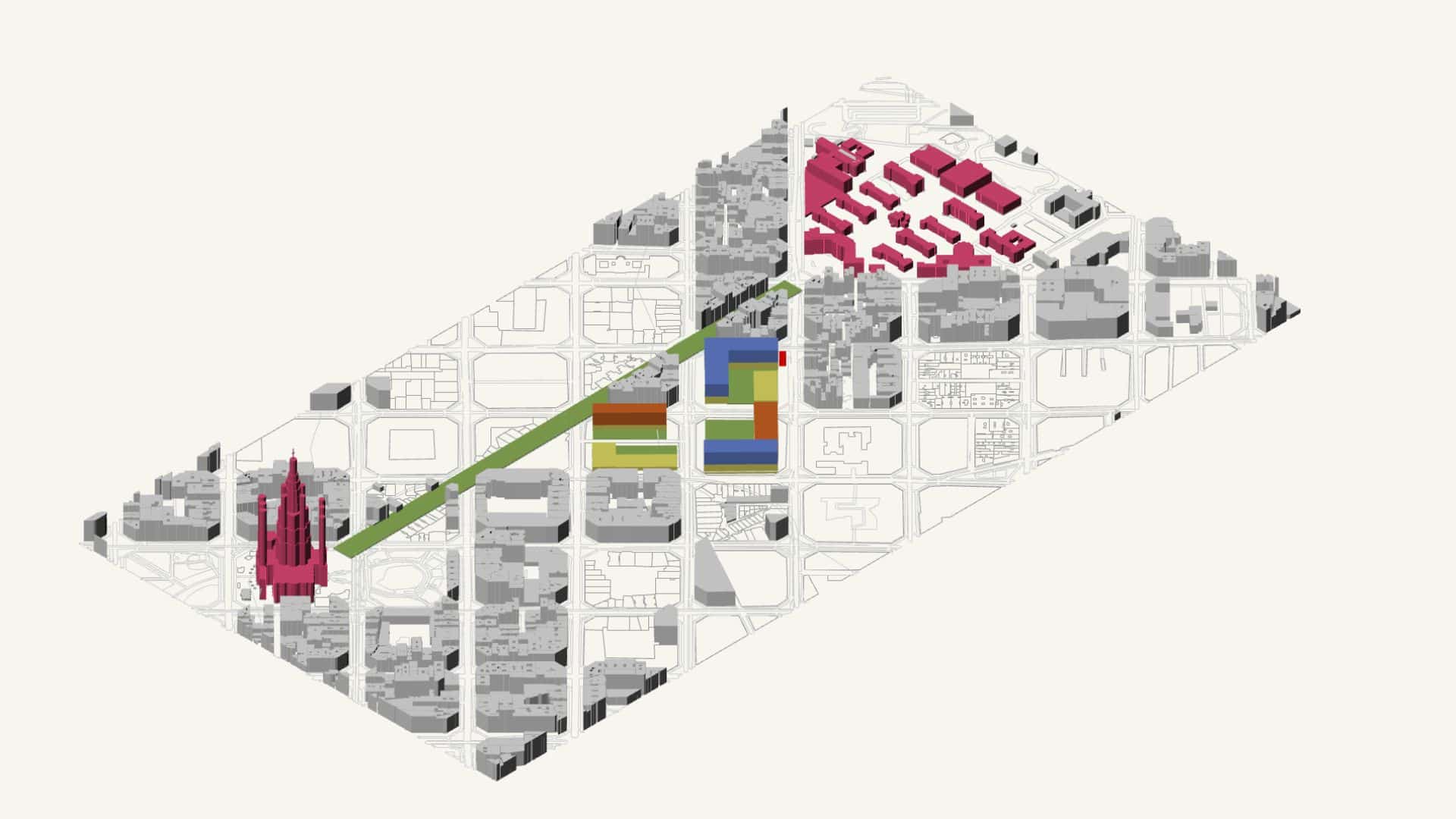
How does a world-class shopping destination integrate into one of Europe’s densest urban grids without destroying it? This project interrogates Barcelona’s proposed destination mall near La Sagrada Familia originally conceived at 150,000m² with 6,000 car parking spaces and redefines it as a 100,000m² precinct with radically reduced vehicle dependency. Through a three-pillar spatial methodology examining … Read more

Reconnecting the Port

Satellite imagery of Barcelona with words in black "Reconnecting the Port"

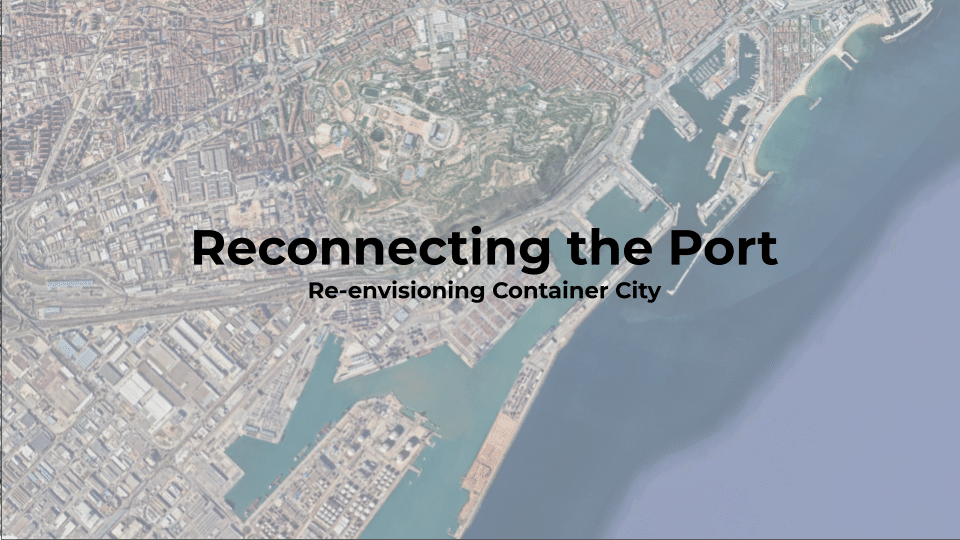
Re-envisioning Container City One of Barcelona’s most strategically located waterfront areas, the container port south of Montjuïc, remains largely disconnected from the inner city. As the city explores the possibility of relocating portions of its container operations in this speculative project and transforming this industrial landscape into a mixed-use district, mobility becomes a more pertinent … Read more