The Master in City & Technology’s academic structure is based on IAAC’s innovative, learn-by-doing and design-through-research methodology which focuses on the development of interdisciplinary skills. During the Master in City & Technology students will have the opportunity to be part of a highly international group, including faculty members, researchers, and lecturers, in which they are encouraged to develop collective decision-making processes and materialize their project ideas.

Filters
Course

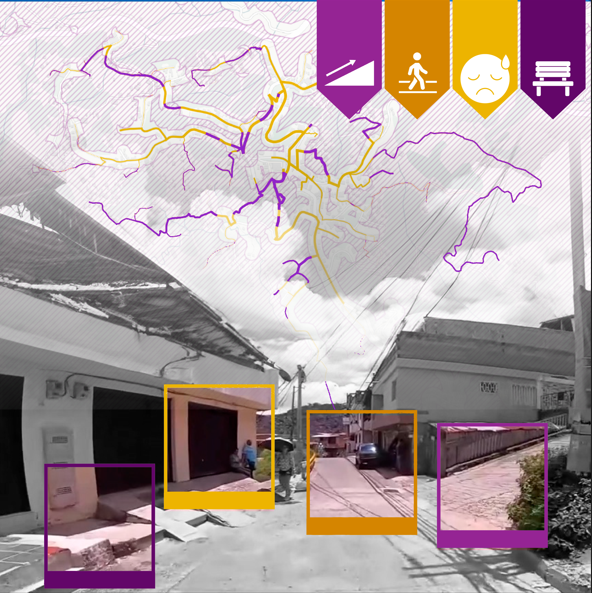
Urban Legibility beyond Vision
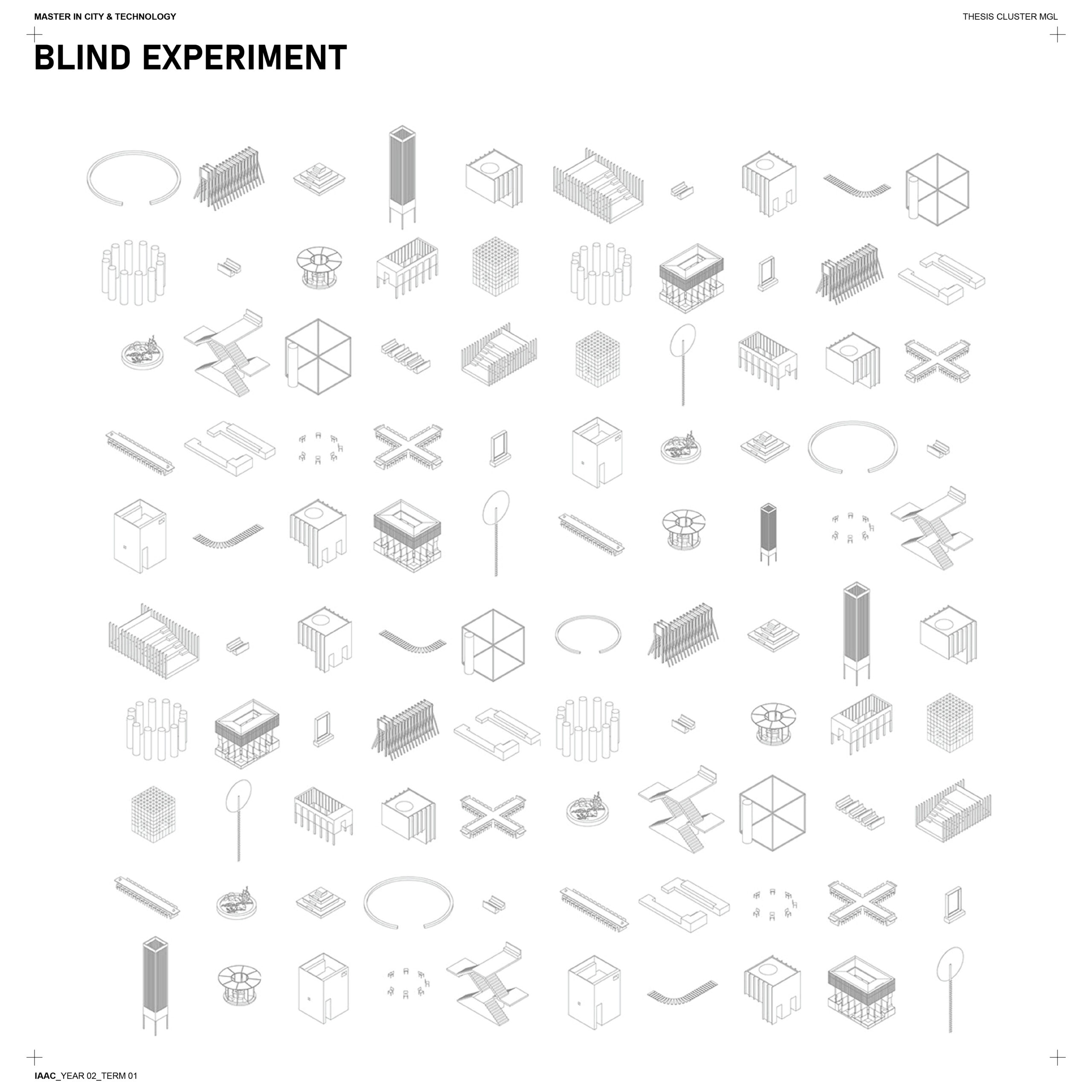
An exploration how to enhance independent mobility for blind individuals by addressing psychological and systemic barriers. Using a participatory design approach, it goes beyond assistive tech to build an ecosystem of tools, behaviors, and spatial strategies that support confident navigation. A taxonomy with blind participants organise emotional, spatial, and user insights into a practical design … Read more
Fields at Play

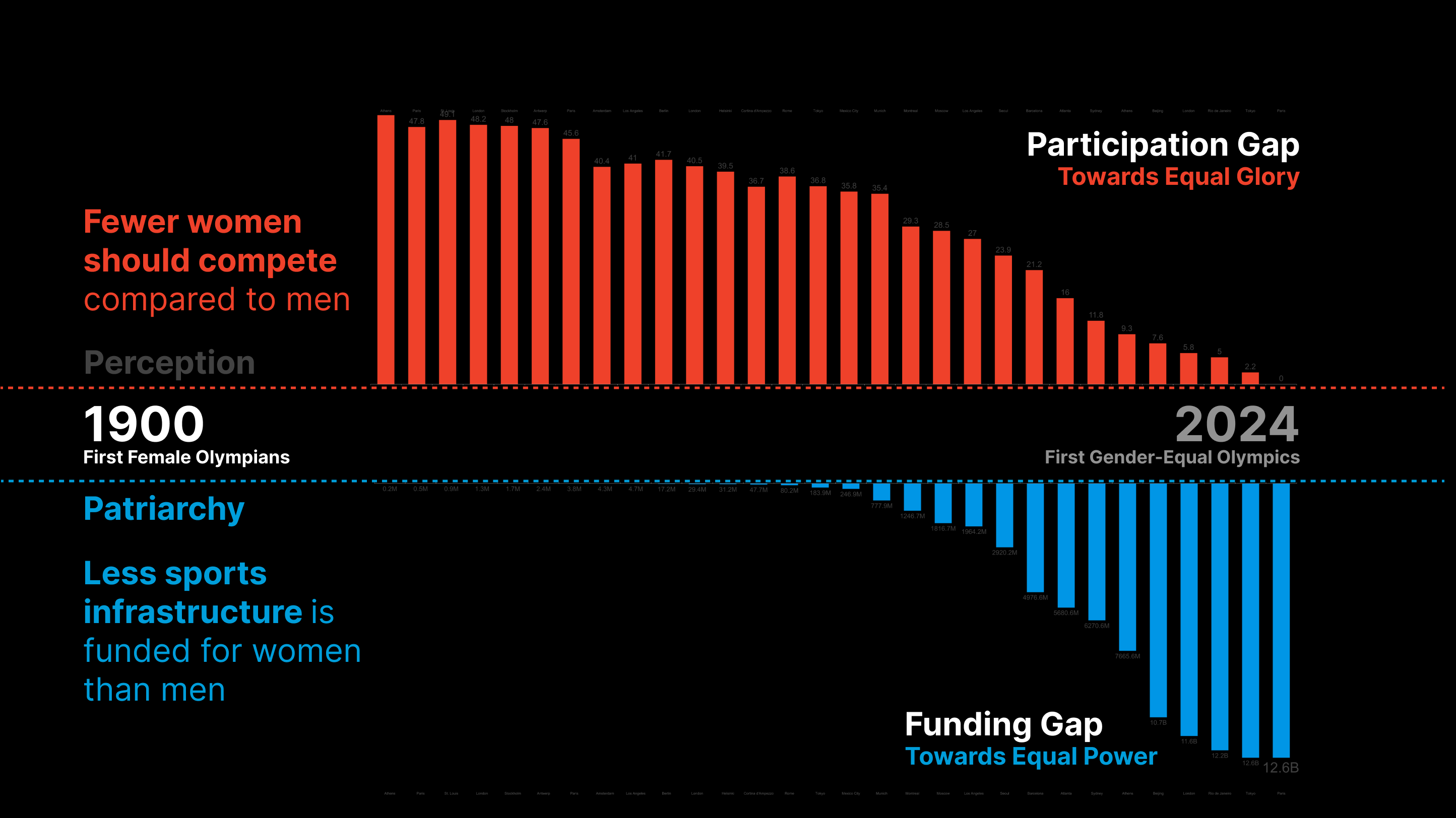
Fields at Play identifies the value of gender inequality in Olympic infrastructure and proposes to leverage the derived $12.6B Olympic gender gap in sports facilities to fund the revitalization and ongoing program of reliable, safe, and comfortable spaces for women at risk of gender-based violence. Understanding the purpose and outcomes of Olympic infrastructure strategies in … Read more

GENDERED GEOGRAPHY​: A SILOM SAFETY INITIATIVE​

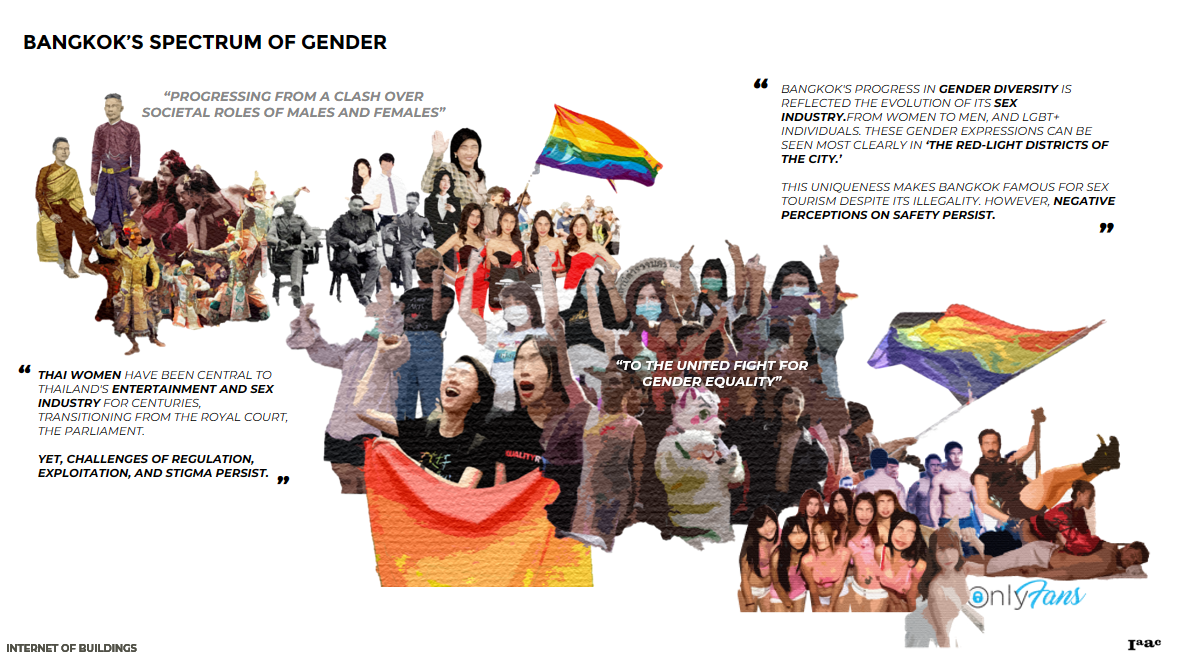
“WHAT IS THE FIRST THING THAT YOU THINK OF WHEN YOU HEAR THE WORDS:​ GENDER & BANGKOK? “ 1. BANGKOK’S SPECTRUM OF GENDER (INTRODUCTION)​ Historically, Thai society has grappled with rigid gender roles, which often saw Thai women facing significant challenges and being relegated to positions within the entertainment and sex industries. However, as Thai society … Read more

IS THE FUTURE REALLY AUTONOMOUS?

1. Introduction 1.1. Abstract Autonomous Vehicles are vehicles that employ driver assistance technologies to remove the need for a human operator within the vehicle. These new technologies into automation have been researched in contexts like the United States of America, Middle-Eastern Countries and some European Countries. Planners and architects are designing for these cities including … Read more

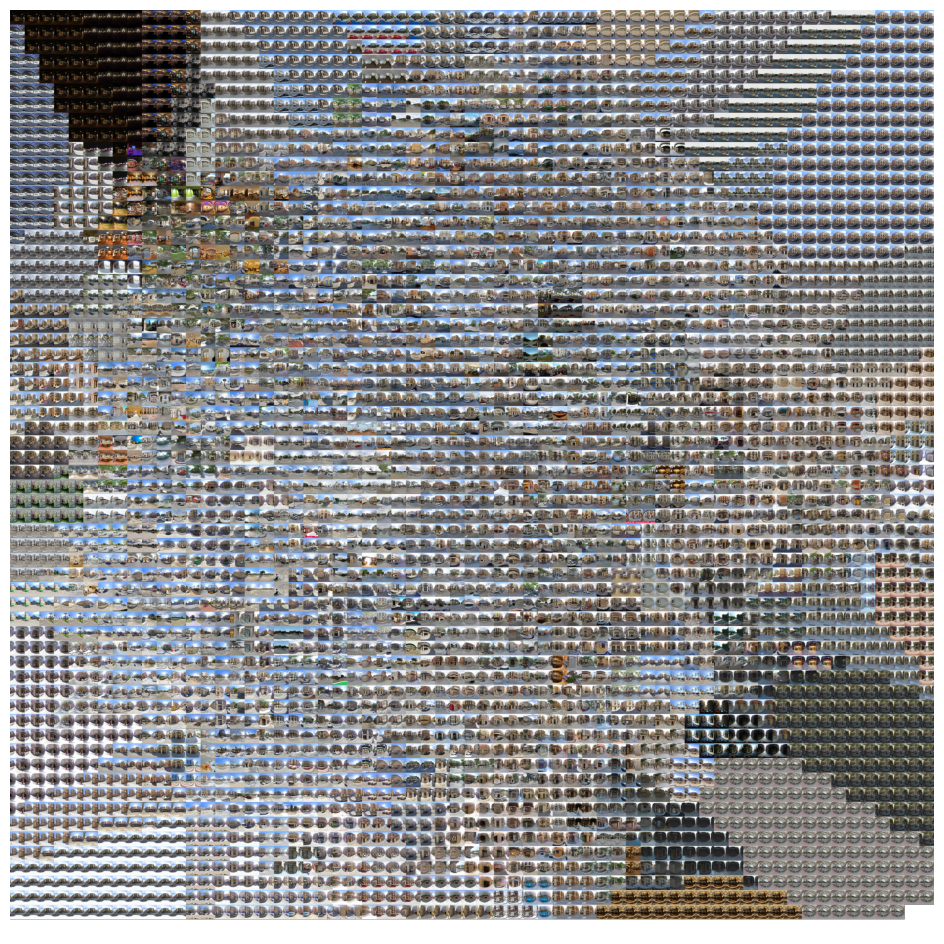
Panoramic Vision: Computational Streetscape Analysis

“Can we understand urban environments and street characteristics from Google Street View panorama images using Machine Learning and Stable Diffusion techniques?” Project OverviewThis computational design project aims to develop a pipeline utilizing Grasshopper and Python to visualize clusters of panoramic streetscape images. The project leverages t-Distributed Stochastic Neighbor Embedding (t-SNE) for dimensionality reduction, facilitating the … Read more

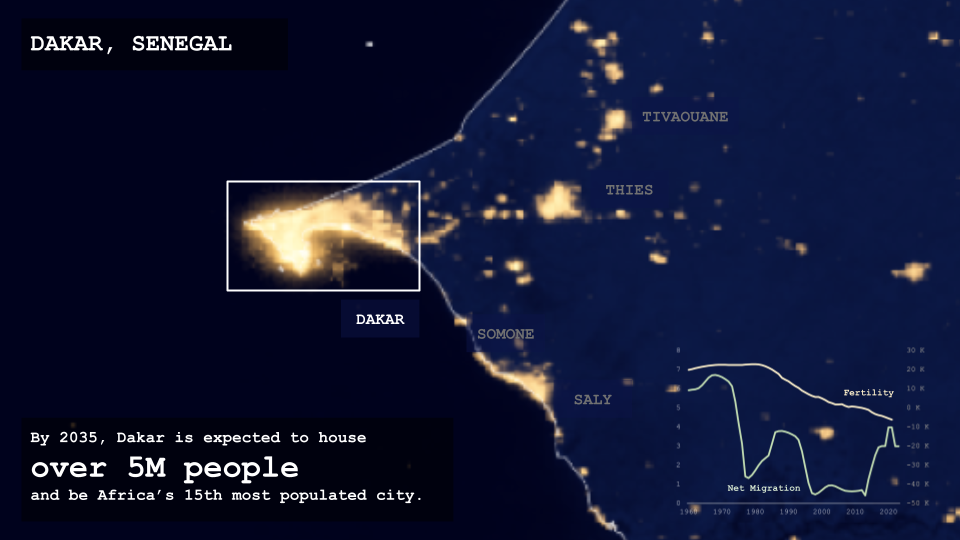
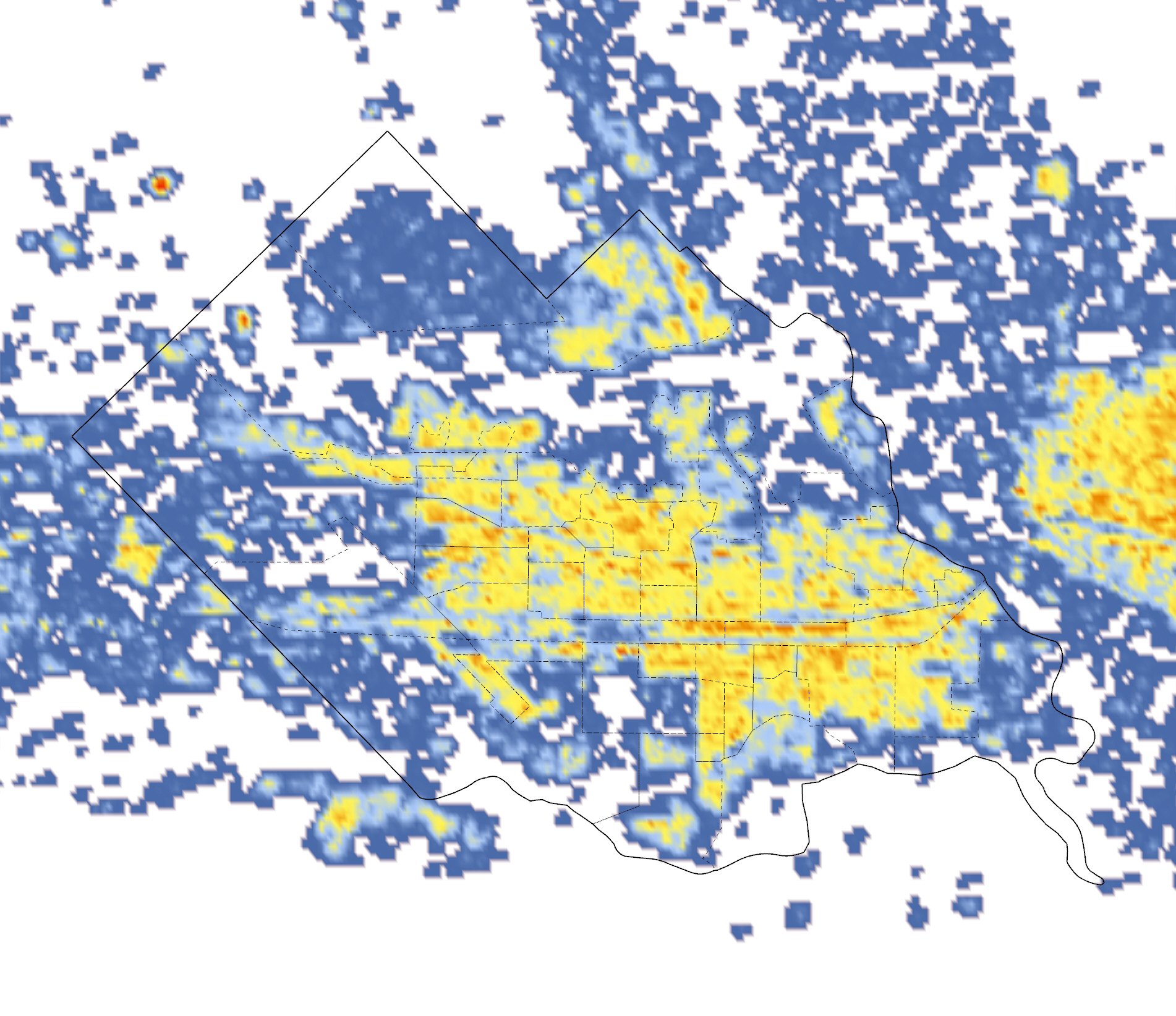
Forms of Inadequacy in Dakar

Abstract Dakar is Senegal’s capital city and rapidly urbanizing economic center. Today, Dakar’s urban area is home to 3.54M people, half of Senegal’s population, and generates 55% of the Country’s GDP. This growth is artificially constrained by an urban growth boundary, where new homes are informally built, and due to the city’s topography, a peninsula … Read more

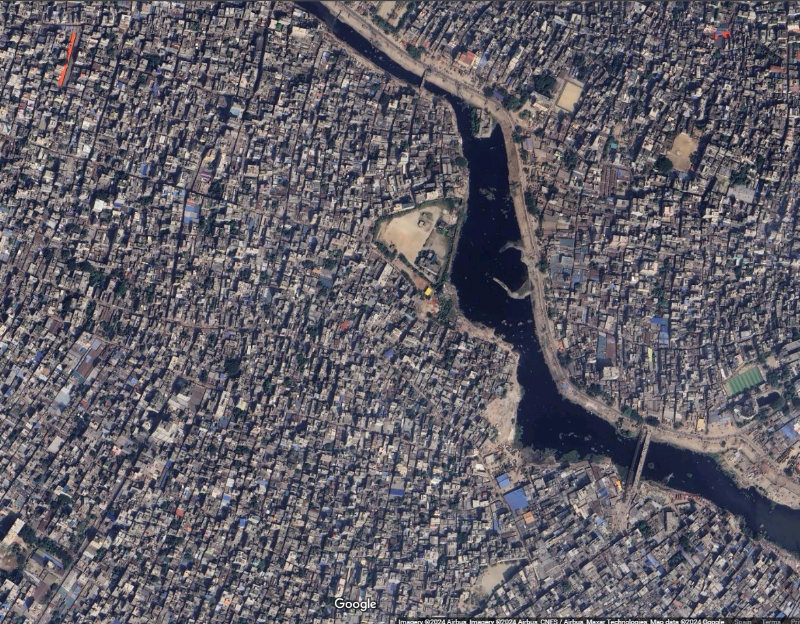
Dhaka City’s Urban Nexus

Dhaka, the bustling capital of Bangladesh is at a critical juncture in its urban development. With a population exceeding 10.4 million, the city faces significant challenges in housing, transportation, and environmental sustainability. This project is a part of a comparative analysis done by the students, understanding these challenges under the framework of SDG 11 – … Read more

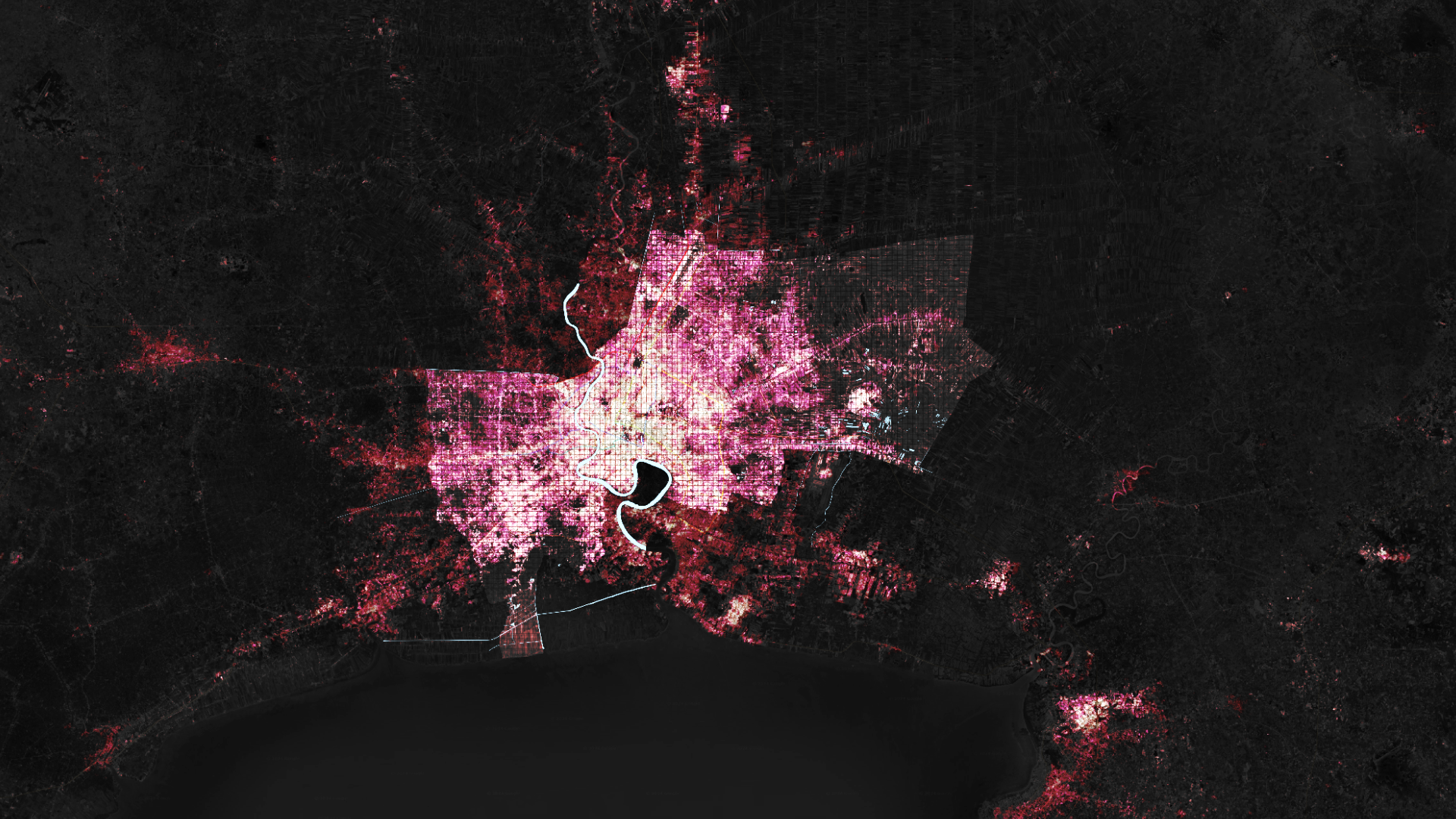
Future city: Bangkok 2030

Introduction In the dynamic landscape of the “Global South,” cities are at the forefront of rapid urbanization, presenting both opportunities and challenges for sustainable development. Recognizing the urgency of addressing these issues, a consortium of experts and practitioners has embarked on a groundbreaking initiative to assess the nexus between urbanization and sustainability across diverse cities. … Read more

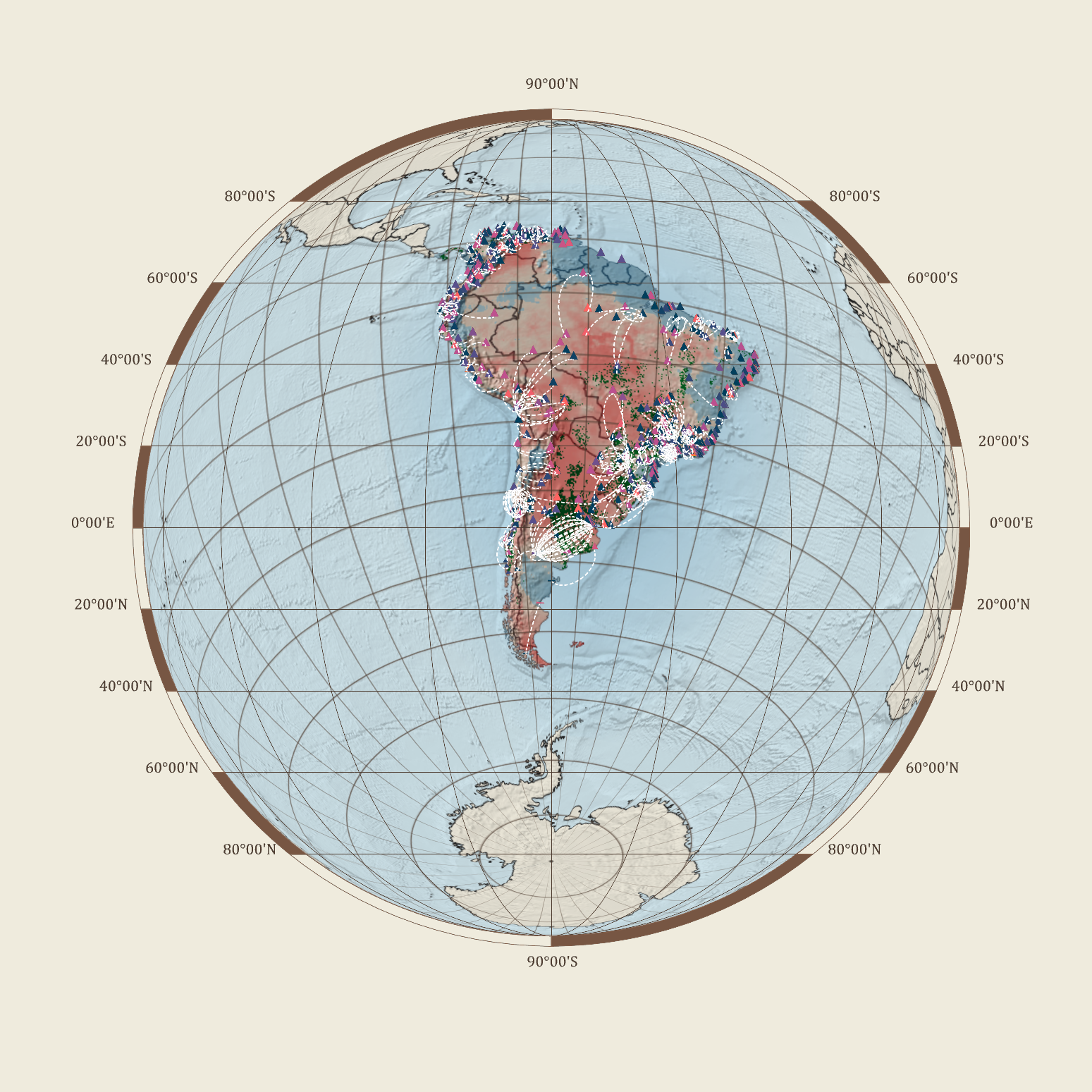
Thirst For Change

Abstract Latin America finds itself at a crossroads, facing a tightening grip from a seemingly paradoxical situation: a growing scarcity of water amidst regions prone to both droughts and floods. This foundational story explores the current and future drought conditions gripping the continent, highlighting the environmental, social, and economic challenges at play. Introduction Understanding the … Read more

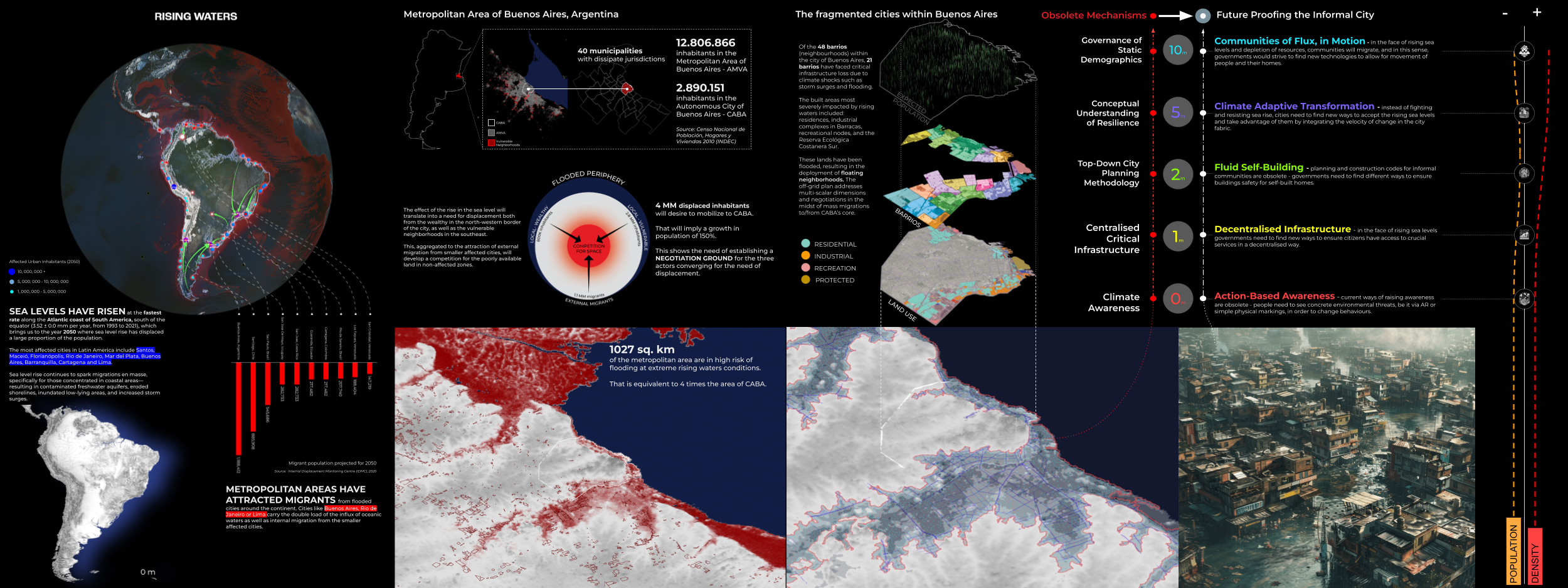
Rising Waters

The year is 2100. Latin America is sinking. Due to global warming the polar icecaps have almost melted completely. In addition the increased temperature has caused the global water mass to expand by almost 1%. As a consequence sea levels are rising at unprecedented levels globally. The coastline in South America is hard-hit by these … Read more

Empowering Vulnerable People with Adaptive Infrastructure

Every individual, regardless of age or economic status, can play a crucial role in shaping a sustainable future. In Viladecans, a gamified co-design process is recommended to turn this vision into reality. Challenges of an aging population, energy poor buildings, and coastal climate change vulnerability may be aligned with public program priorities to adapt Viladecans’ … Read more