IAAC’s Master in City & Technology (1 or 2-year program) is a unique program oriented towards redefining the analysis, planning, and design of twenty-first-century cities and beyond. The program offers expertise in the design of digitally enhanced, ecological and human-centered urban environments by intersecting the disciplines of urbanism and data science. Taking place in Barcelona, the capital of urbanism, the Master in City & Technology is training the professionals that city administrations, governments, industries, and communities need, to transform the urban environment in the era of big data.


Filters
Course

Towards Urban Democratic Adaptation

Adaptation districts towards prioritized urban interventions  in cities with limited green spaces.  The case study of the metropolitan area of Athens, Greece Athens, during the four last decades, has been extremely urbanized while changing the environment dramatically. By reclassifying open spaces and networks of urban mobility, this model aims to suggest strategies for prioritized urban … Read more

The Air we Breathe

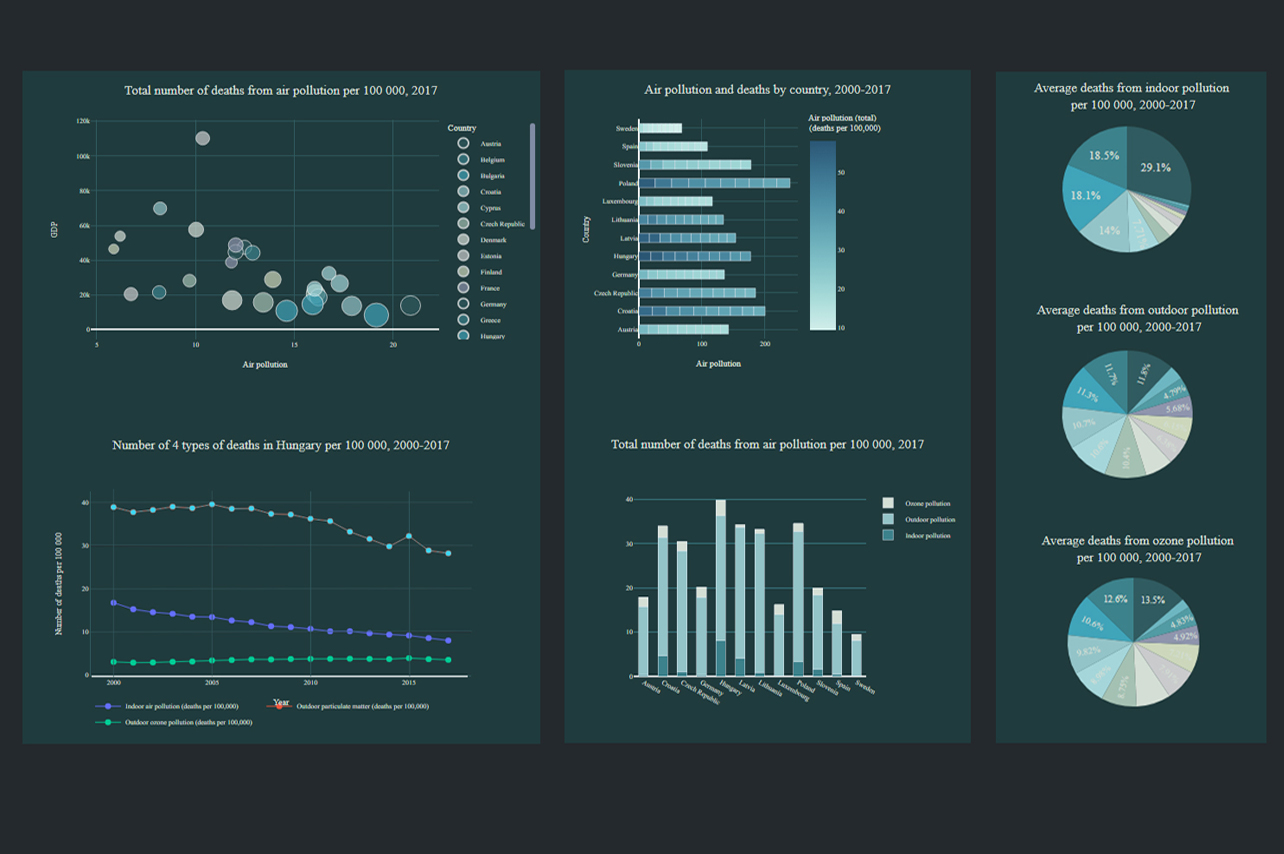
An analysis of the correlation between population and air quality in the districts of Barcelona. The air quality in urban areas have rapidly declined over the years. In the process of economic development, air pollution has become a significant health hazard. This project analyses the relationship between population density and air quality levels in Barcelona. … Read more

The Green Ally

In Spain, there is an urban myth, according to which – The country was once so thickly forested that a squirrel could cross the peninsula hopping from tree to tree. -However, this condition has changed throughout the years, both in terms of the natural environment and the existence of squirrels in Spain. The case study … Read more

A Parallel City for Pollinators

Introduction to Pollination The project attempts to study and research the possibilities of creating a green, three-dimensional corridor for pollinators in a specific area, the historical city center of Madrid, connecting Madrid’s most prominent green park “el Retiro” in the east to the “Casa de Campo” natural reserve in the west. In particular the proposal … Read more

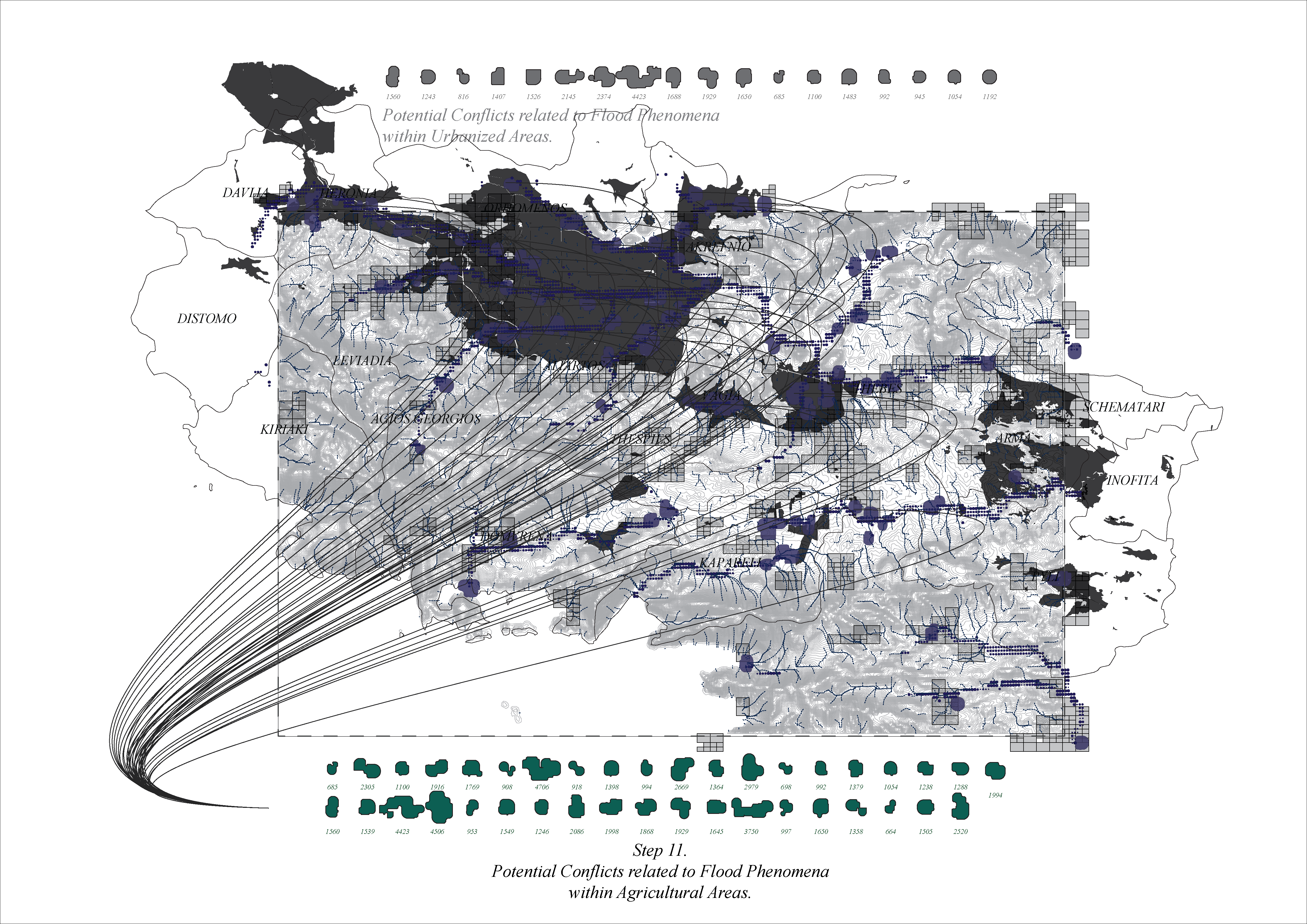
“Water Bodies towards crisis management”

Potential Conflicts related to flooding phenomena in highly urbanized and agricultural areas.

Almost every day, we are confronted with dramatic images of communities and environments incrisis . Flash floods have recently become one of Greece’s most common natural occurrencesafter wildfires. Flooding occurs due to rapid rainfall and heavy storms, from rising river levelsor melting snow.Deforestation, poor soil quality and rapid urbanization significantly contribute to the genesis of … Read more

City in Transition

The workshop led by Felipe Vera and Camila Arretche explored the possible interrelation between human migration, informal settlements, and future climate change in the domain of Latin America. Building over the premise based on an increase in forced human migration would lead to the rise or stem of new informal settlements. It could induce an … Read more

Costanera Sur Ecological Reserve

“Costanera Sur” Ecological Reserve gathers the largest amount of biodiversity within the City of Buenos Aires and extends over 350 hectares. It houses more than 2000 animal species, including birds, mammals, amphibians, and reptiles. And it has native vegetation, such as its grasslands of grasslands and alder forests. The three interfaces that we focused on … Read more

FloodADAPT RB


Barrio Rodrigo Bueno Understanding the environmental challenges and climate change, some cities are affected earlier than others. For this we are focusing on Buenos Aires, Argentina on a particular neighborhood, Rodrigo Bueno. After analyzing the current environmental impact challenges and assessing the future impacts we have suggested a flood resilient strategy and adaptative interventions for … Read more