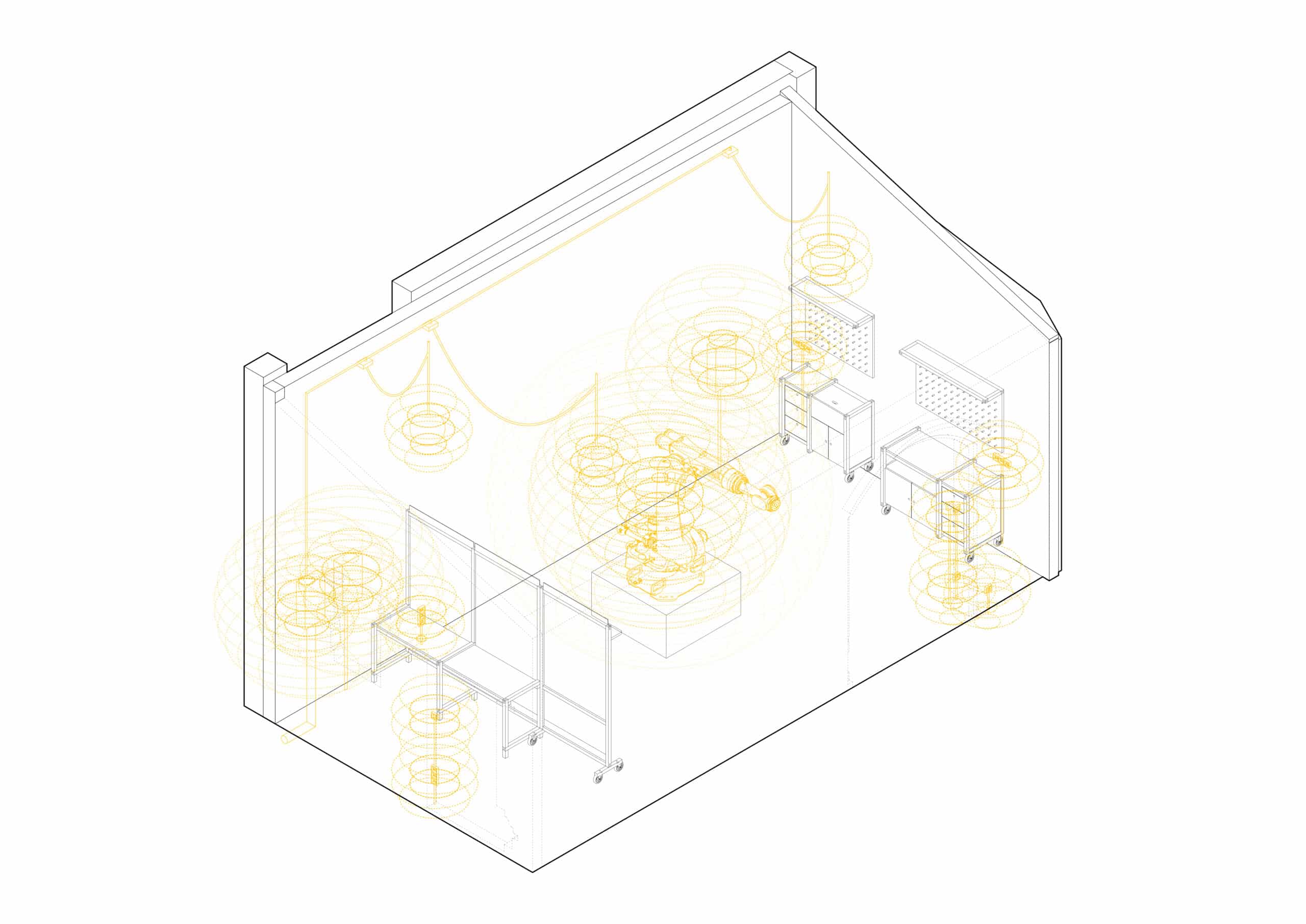
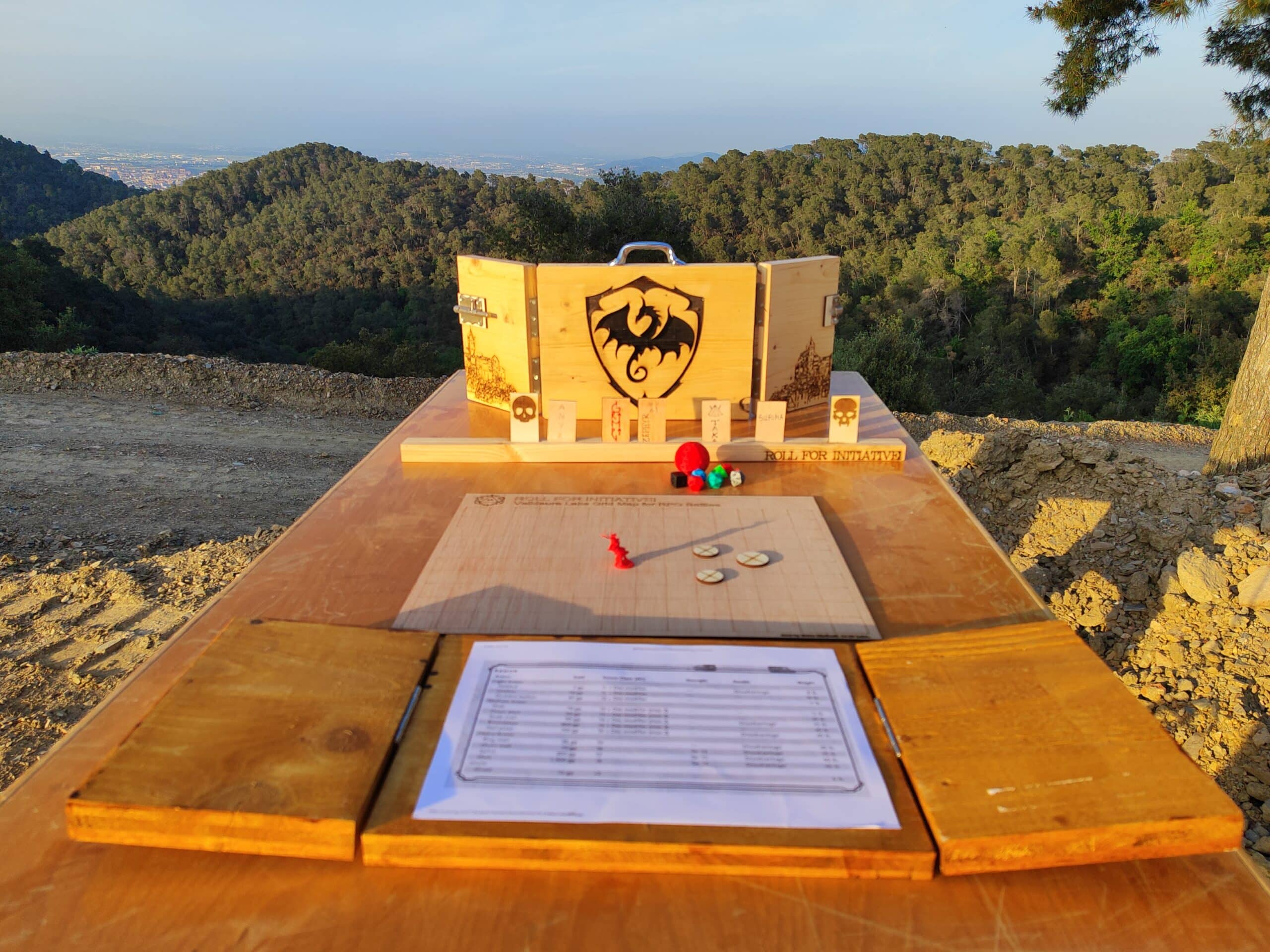
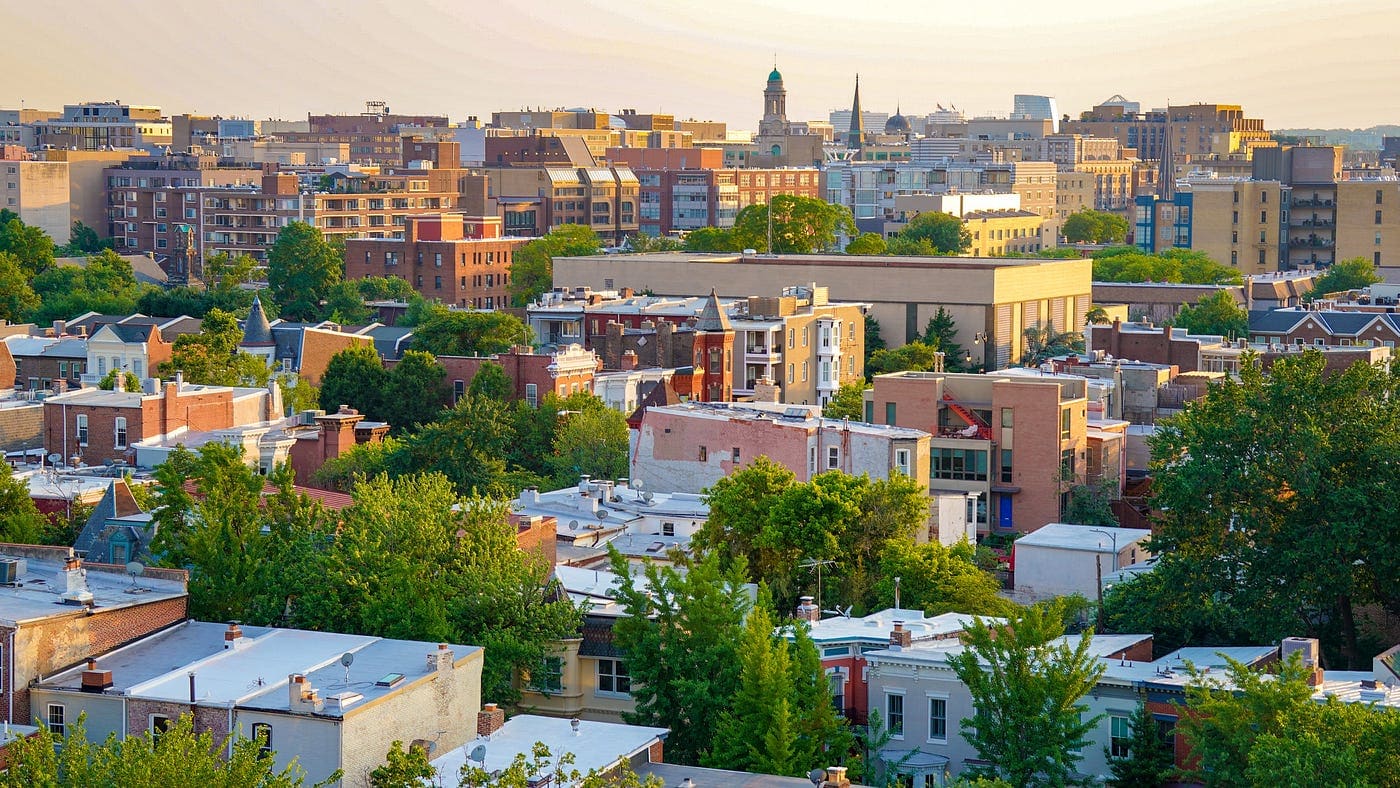
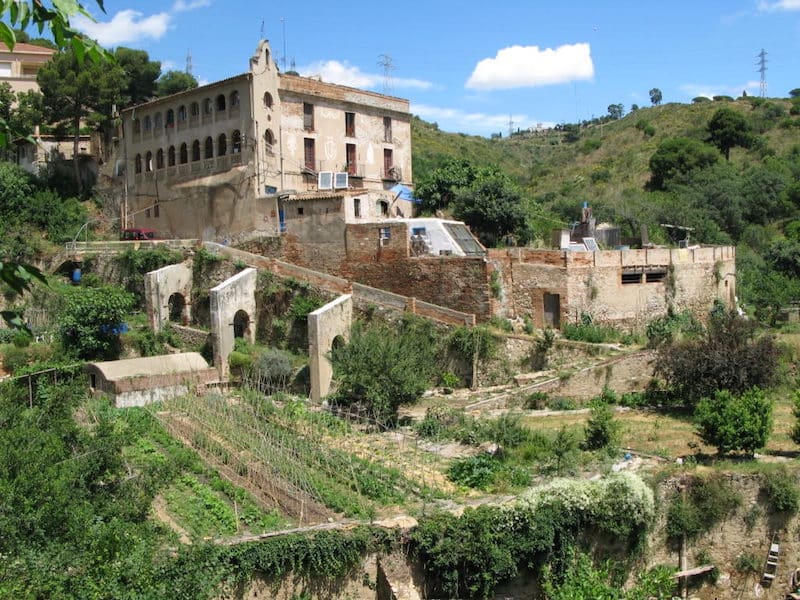
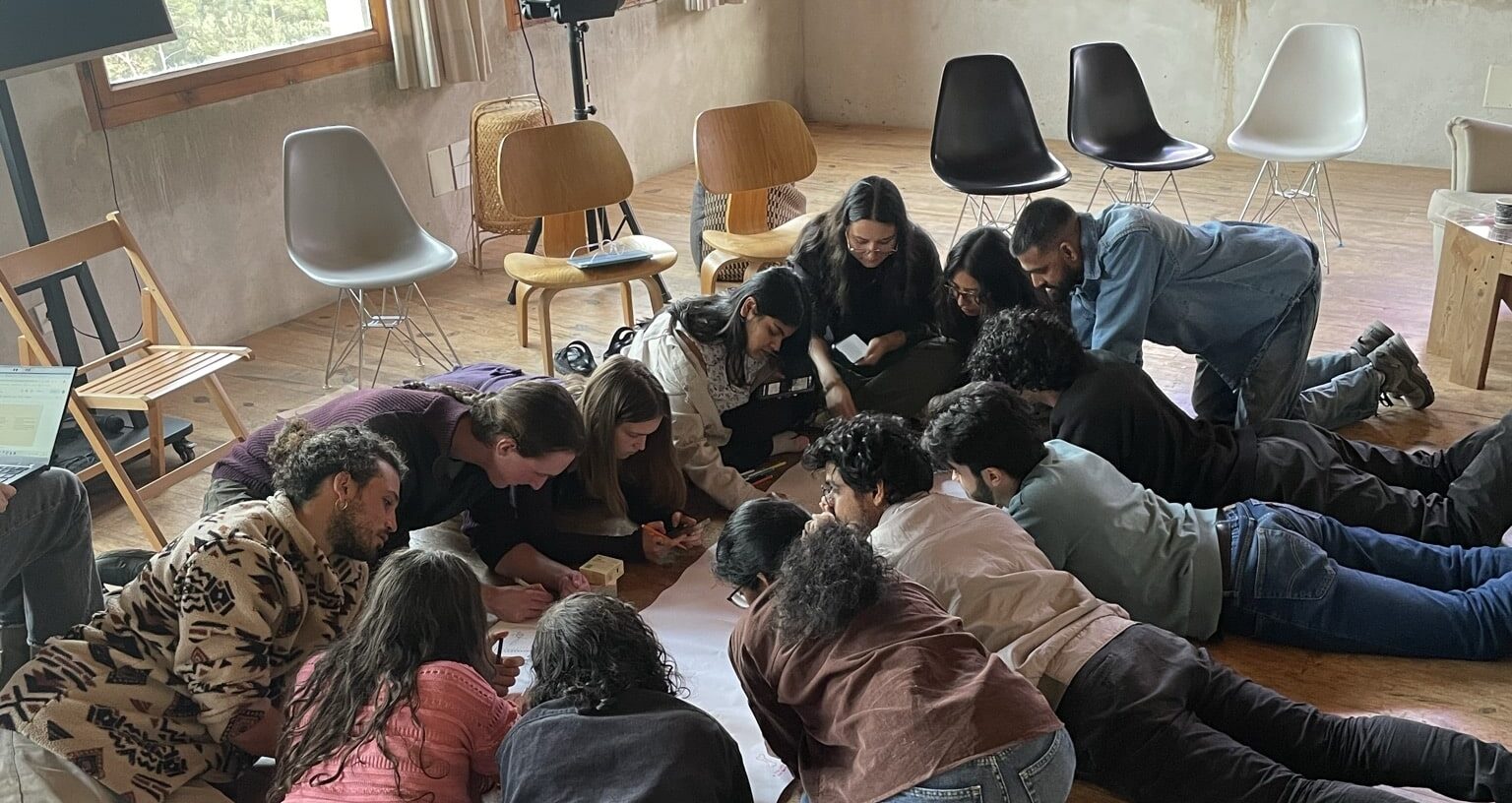
The Master in Advanced Ecological Buildings and Biocities (MAEBB) postgraduate program is an 11-month immersive academic program focused on learning how to design and build a new generation of buildings and cities to respond to the planet’s emerging climate challenges. The program is carried out in Valldaura Labs, in Barcelona, a 135 He property located in the Collserola forest. Here, students will live and work surrounded by nature while using the most advanced technologies and design techniques in the pursuit of what is also IAAC’s long term initiative, to create self-sufficient and ecological environments.


Filters
Course

Ecological Intelligence – Vernacular Architecture

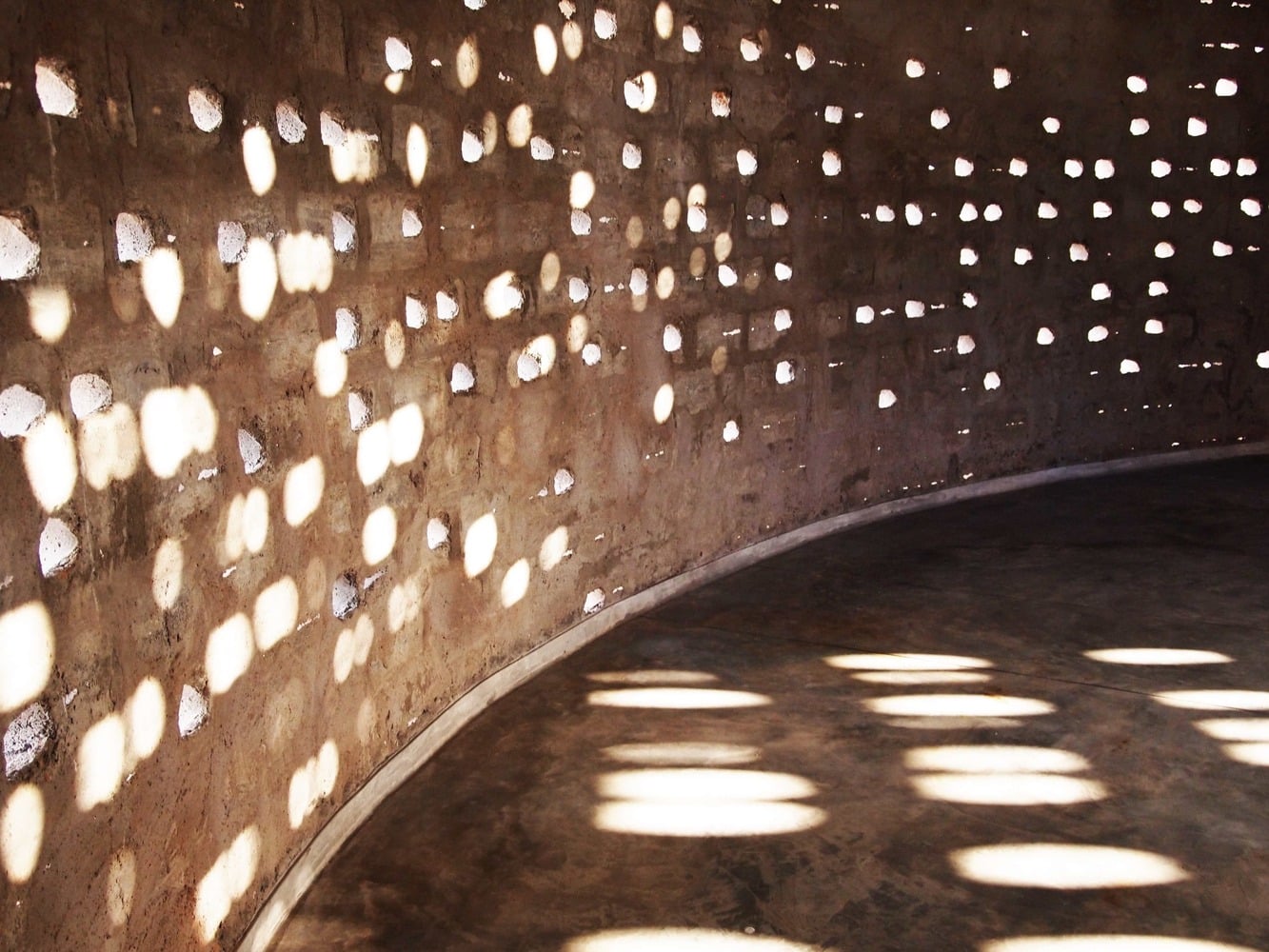
Vernacular architecture, with its deep roots in local contexts and traditional building practices, offers a compelling avenue for exploring sustainable design principles. I’ve always been drawn to the potential of simpler, ingenious solutions in architecture, especially as a counterpoint to the often over-engineered approaches prevalent today. From ingenious ventilation strategies to daylighting techniques, vernacular buildings, … Read more

Ecological Intelligence – Bio-design

As the urgency of the climate crisis pushes designers to reimagine their roles and tools, biodesign steps in as a frontier? More than just drawing inspiration from nature, biodesign involves working with living systems—fungi, algae, bacteria, roots—to grow materials and shape forms in ways that align with ecological processes. It reflects a deepening desire to … Read more

Ecological Intelligence – Adaptation and Mitigation

ADAPTING AND MITIGATING: THE FOUNDATIONS OF ECOLOGICAL DESIGN For my ecological intelligence mapping activity, I chose to focus on the theme of Adaptation vs. Mitigation. I was drawn to this topic because it feels like the backbone of all ecological thinking. Before we can dive into innovative materials, multispecies interactions, or green cities, we first need … Read more

Eco-Intelligence: Vernacular Architecture

For this exercise, I found vernacular architecture to be the most interesting topic to dive further into. This predominantly came from the concept that whatever other newer forms of design are trying to achieve, vernacular architecture did it first, and sometimes better. Whether it be bio-design, multi-species design, etc., vernacular architecture always holds the characteristics … Read more

THE TREELINE – Urban Synthesis

Manifesto From the Pyrenees to Barcelona, the journey wood takes can become a means to bridge the knowledge gap between forests and the timber industry. Solsona, located in the middle of this journey, housing our timber sawmill, can become a place of community and respect for these forests, while engaging people with what happens at … Read more

BIOBASE(D) – Resilient Envelopes

BIOBASE(D) is a forest management and research center in the Pyrenees, dedicated to preventing forest fires through sustainable forestry and education. The building’s design—especially its structure—responds to the local climate, highlights the potential of timber as a construction material, and offers visitors and staff a unique experience in this remarkable forest base camp. REFERENCES Case Study … Read more

BIOBASE(D) – Urban Synthesis

MISSION STATEMENT BIOBASE(D) is a forest management and research center that serves as the first link in the timber transformation chain. Its mission is to transform the threat of forest fires into an opportunity through a threefold strategy: implementing sustainable forest management practices to enhance resilience, fostering a forest-based bioeconomy that adds value to timber … Read more

Resilient Envelopes: The Adaptive Skin of N.E.S.T. Research Center

In the face of climate challenges, architecture is evolving beyond static walls into dynamic, responsive systems. The N.E.S.T. Research Center embodies this shift through its resilient envelope, an intelligent skin designed to regulate environmental conditions, harness energy, and enhance structural performance. Envelope Development: A Multi-Layered Approach The building envelope is developed across four distinct facades, each tailored to … Read more

N.E.S.T: Timber Research Center: A New Urban Synthesis

The Final Step in Timber Transformation chain: The Nest Timber Research Center is the last stage in the timber process, where materials are questioned, tested, and developed further. The building spans 8,142 sqm, housing public functions, workspaces and residential units. The nine-story building features a highly permeable ground floor, integrating public interfaces like sculpture gardens … Read more

Boutique CLT Factory

boutique /buːˈtiːk/ small, sophisticated, or fashionable business or establishment. The CLT Factory is a part of the course that focuses on developing a comprehensive understanding of the Entire timber transformation chain, Through the design of five interconnected programs, students will address the principles of circular construction, sustainability, and innovation, while exploring the relationship between large-scale … Read more

The Treeline – Sawmill Factory: Resilient Envelopes

The façade design emphasizes verticality, reinforcing a connection to the surrounding forest and the natural growth patterns of trees. Inspired by the structural grid of the waffle roof, this vertical rhythm is expressed through the cladding, creating a cohesive architectural language. The use of natural materials, particularly wood, highlights the building’s relationship with the sawmill’s … Read more

ALINA: Sunbathing Chair

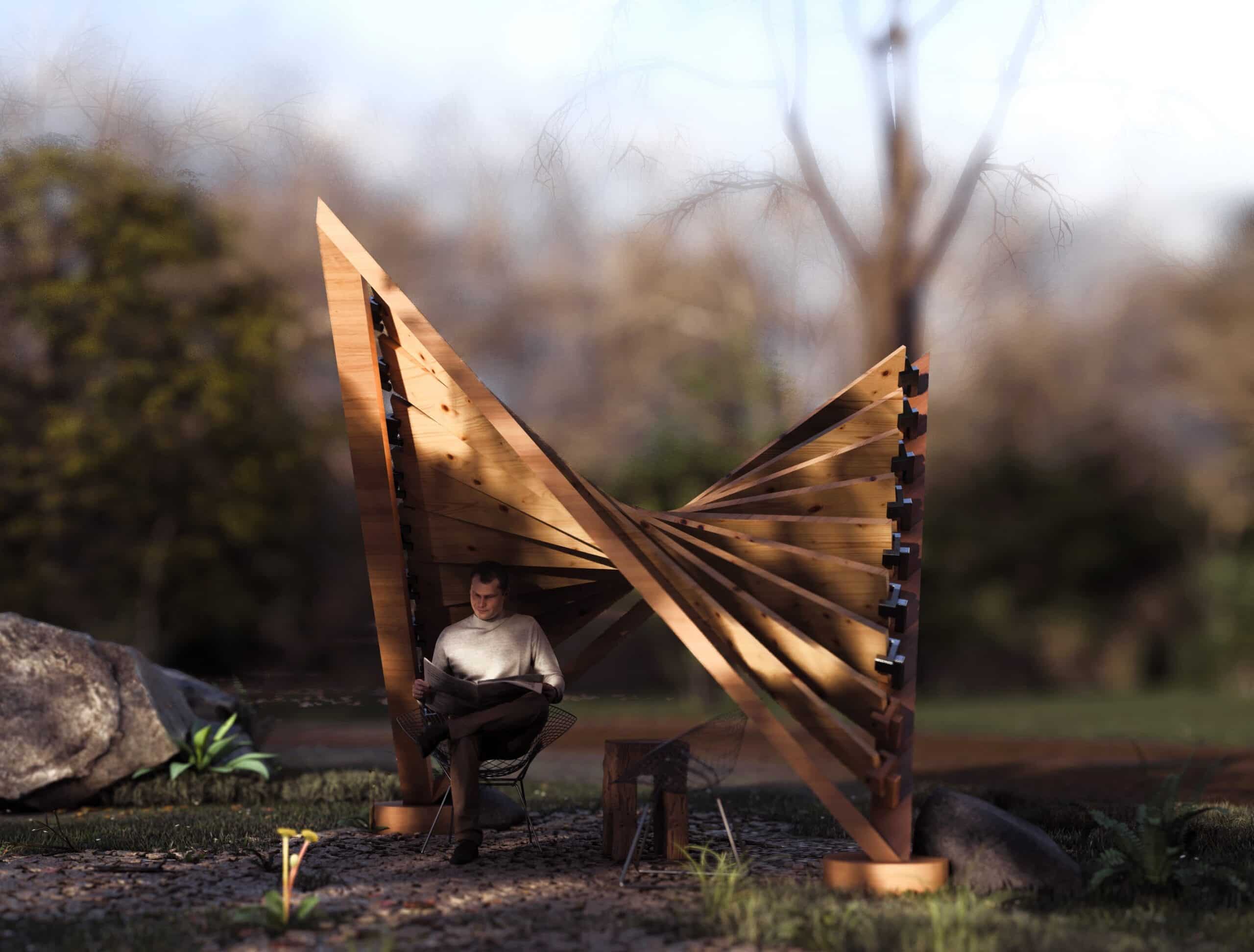
For our Collaborative Design Studio discipline we built LIANA, a nature-inspired play structure that reimagines traditional playground design for primary school children. You can read about the fabrication process here, and the installation process here. During our conceptual design stages we built a 1:1 scale prototype, using 17 planks out of the 137 that the final design … Read more

Resilient Envelopes for a Boutique CLT factory

This in this course we examined the fundamental relationships between skin and structure, as well as energy and materiality, to support us in refining our proposals. Throughout the course, we engaged with various strategies and concepts, including low embodied energy envelopes, durable envelope systems, mutable and demountable designs, and materials that were biodegradable, recyclable, or … Read more

Timber V4ult: Urban Synthesis

Objective The goal of this module was to take the final decisions in order to match the building design to the integrated facilities that optimize the circular economy in timber production, balancing large-scale industrial processes with small-scale habitational solutions and an holistic urban system. Chain of production Timber V4ult is the fourth in a chain … Read more

Timber V4ult: Resilient Envelopes

Objective To develop resilient, adaptable, and sustainable building envelopes that integrate active and passive design strategies, utilizing advanced ecological materials and systems to optimize energy efficiency, recyclability, and environmental responsiveness throughout their lifecycle. Location Case Studies Wind & Sun Path Analysis Solar Radiation Diagram Envelope Layer : Roof Pergolas Design Intent : Our pergolas were … Read more