The Master Programme in Robotics and Advanced Construction is an innovative educational format that offers interdisciplinary skills and understanding through a series of class seminars that are put into practice through hands-on workshops. IAAC gives students the opportunity to create individual studio agendas and develop Pilot Thesis Projects based on the knowledge acquired during the seminars and workshops split into 3 Modules. In this way, IAAC puts together an experimental learning environment for the training of professionals with both theoretical and practical responses to the increasing complexity of the construction sector.
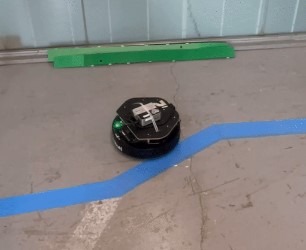
Demolition Treasure Hunt
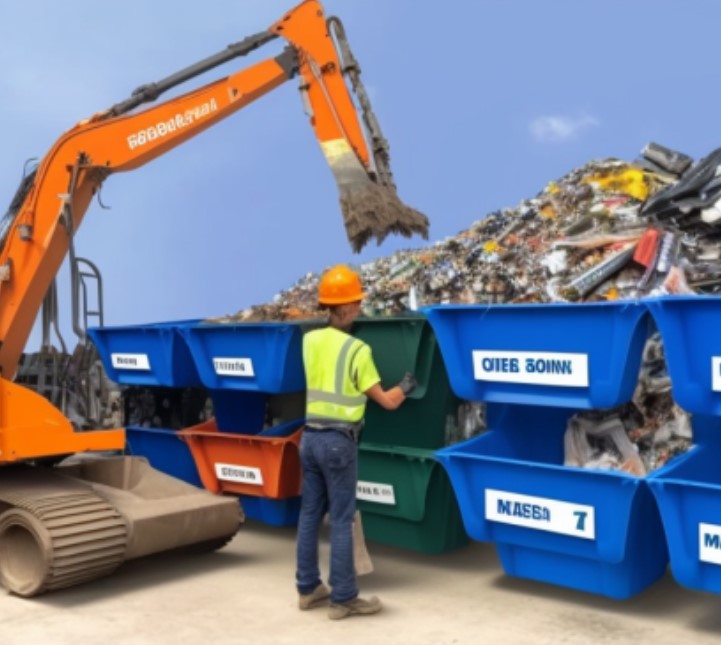
Sorting for Salvageable Materials This course was mainly to understand automated collaborative multiagent systems in different environments. Term’s 3 topic (Human-Machine-Collaboration) is recognized through this course by exploring the possibilities of the processes and us being capable of mapping in different diagrams how we imagine a scenario with an automated procedure. For this task, we … Read more
Machine Learning for the Prediction of Clay Deformation
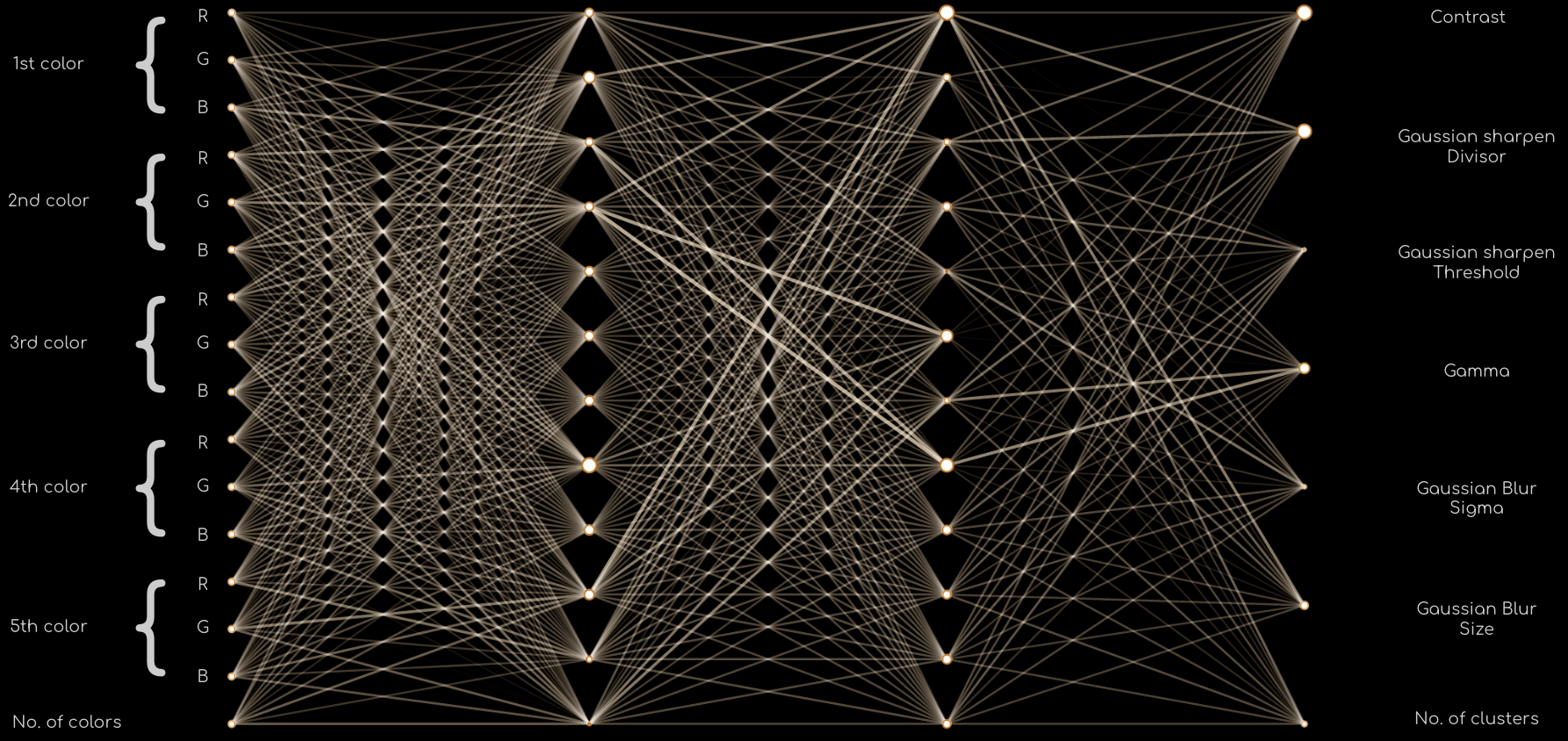
Optimizing 3D Printing with AI prediction Introduction In this seminar we applied the concepts of machine learning to estimate the deformation during drying of simplified 3D printed clay objects. To do this, we trained an artificial neural network (ANN) to predict the movement of discrete points within the printed object. This project is very relevant … Read more
Classification using Machine Learning
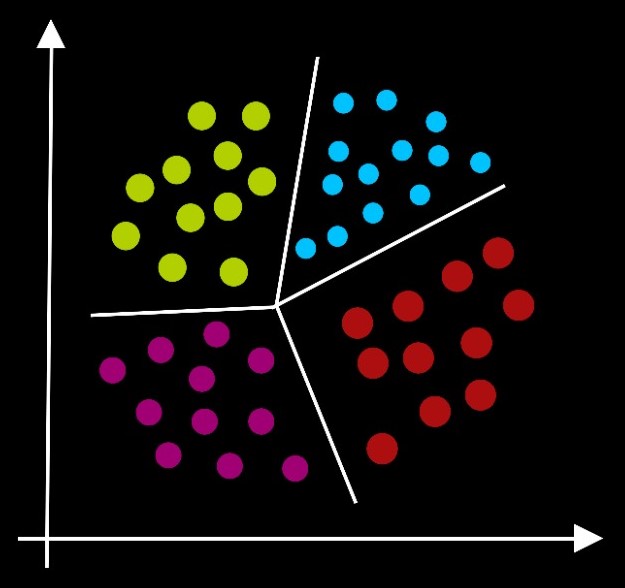
Our project involves the fabrication of a curved surface using cork panels that have been discretized into unique four-sided shapes. Our previous approach involved cutting each panel individually, but we aim to streamline the process by using machine learning to classify the panels into five distinct groups. We will then design and create a mold … Read more
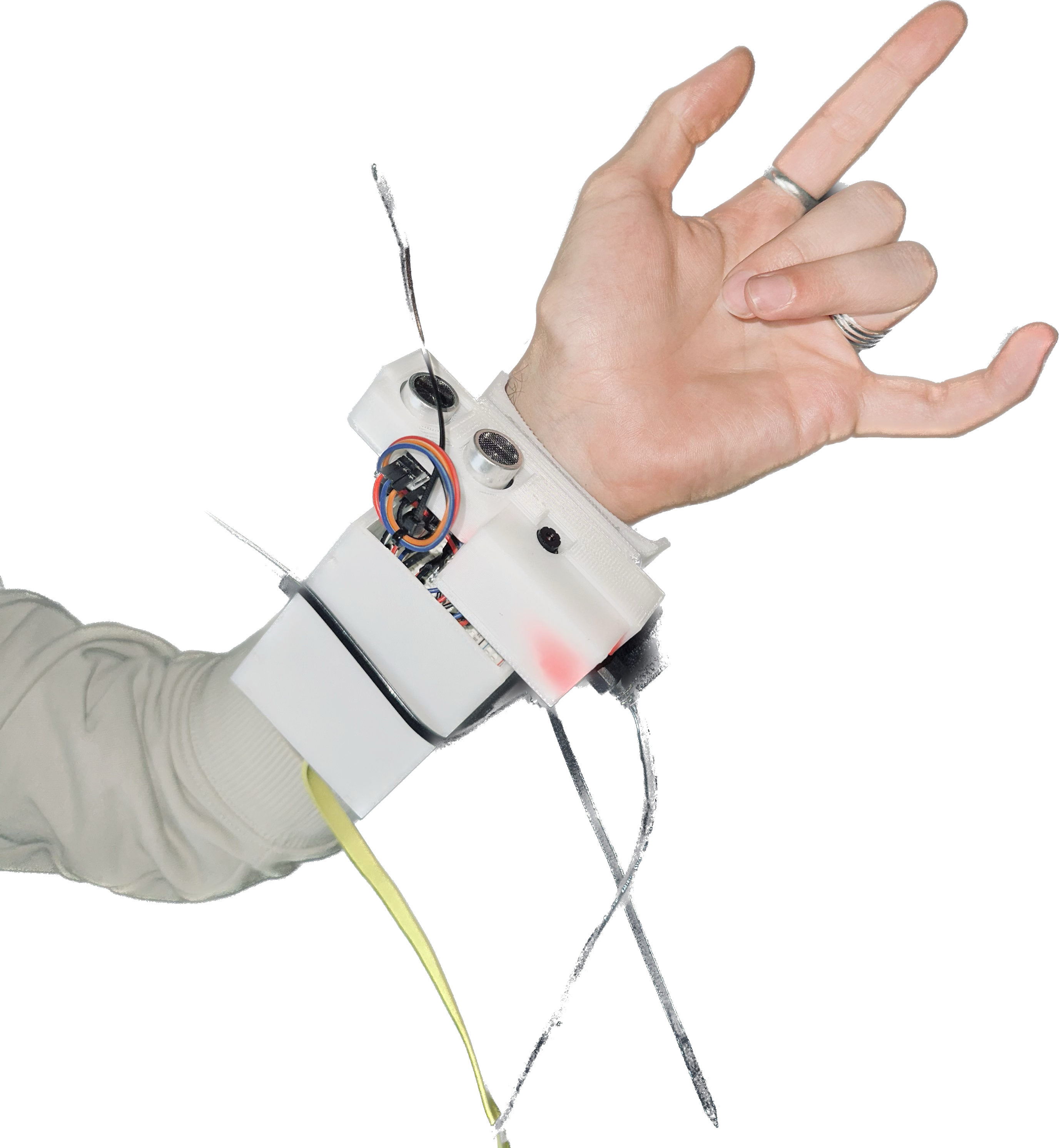
Spidey Sensor
During this Hardware seminar, we were able to understand different types of sensors used in robotics and the techniques used to process the collected data. The aim of the seminar is to use the sensors to understand the environment and then expect the robot to take decisions (automation) and carry a specific task (actuation). For … Read more
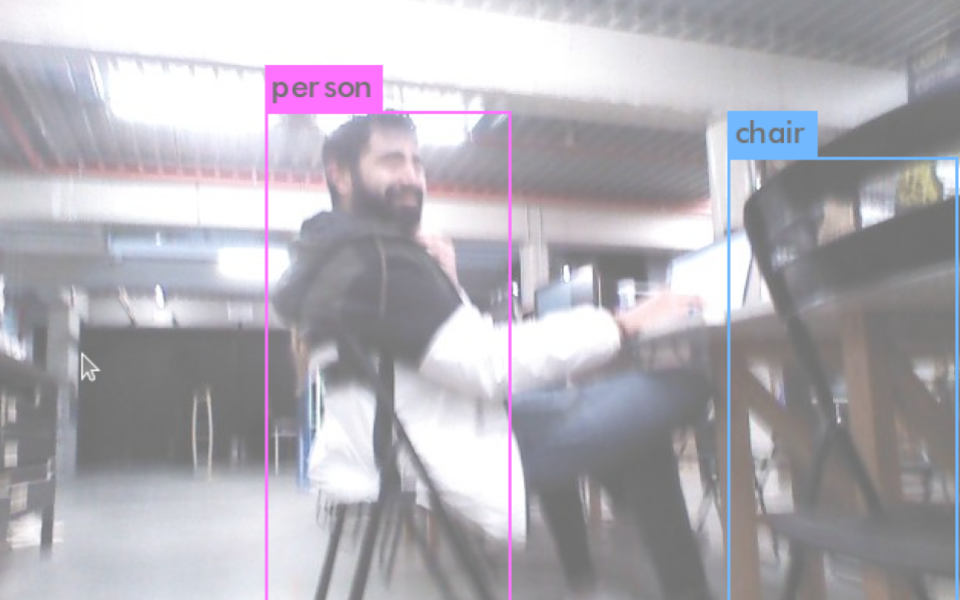
RTAOD
real-time autonomous object detection The project “RTAOD” in the workshop 2.1 was developed to navigate and localize a robot autonomously through room and create a map of the scanned area. In the meantime it collects data of detected objects and counts the quantity of them. Required tools This project got realized by the Software “ROS … Read more